Introducing Kindergarten A, an example of Architect / Design office facility architecture in 2-19-19 Nakane, Meguro-ku, Tokyo by JYU ARCHITECT.
Kindergarten A
Kindergarten A
Kindergarten A
Kindergarten A
Kindergarten A
Kindergarten A
Kindergarten A
Kindergarten A
Kindergarten A
Kindergarten A
Kindergarten A
Kindergarten A
Kindergarten A
Kindergarten A
Kindergarten A
Kindergarten A
Kindergarten A
Kindergarten A
Learn More
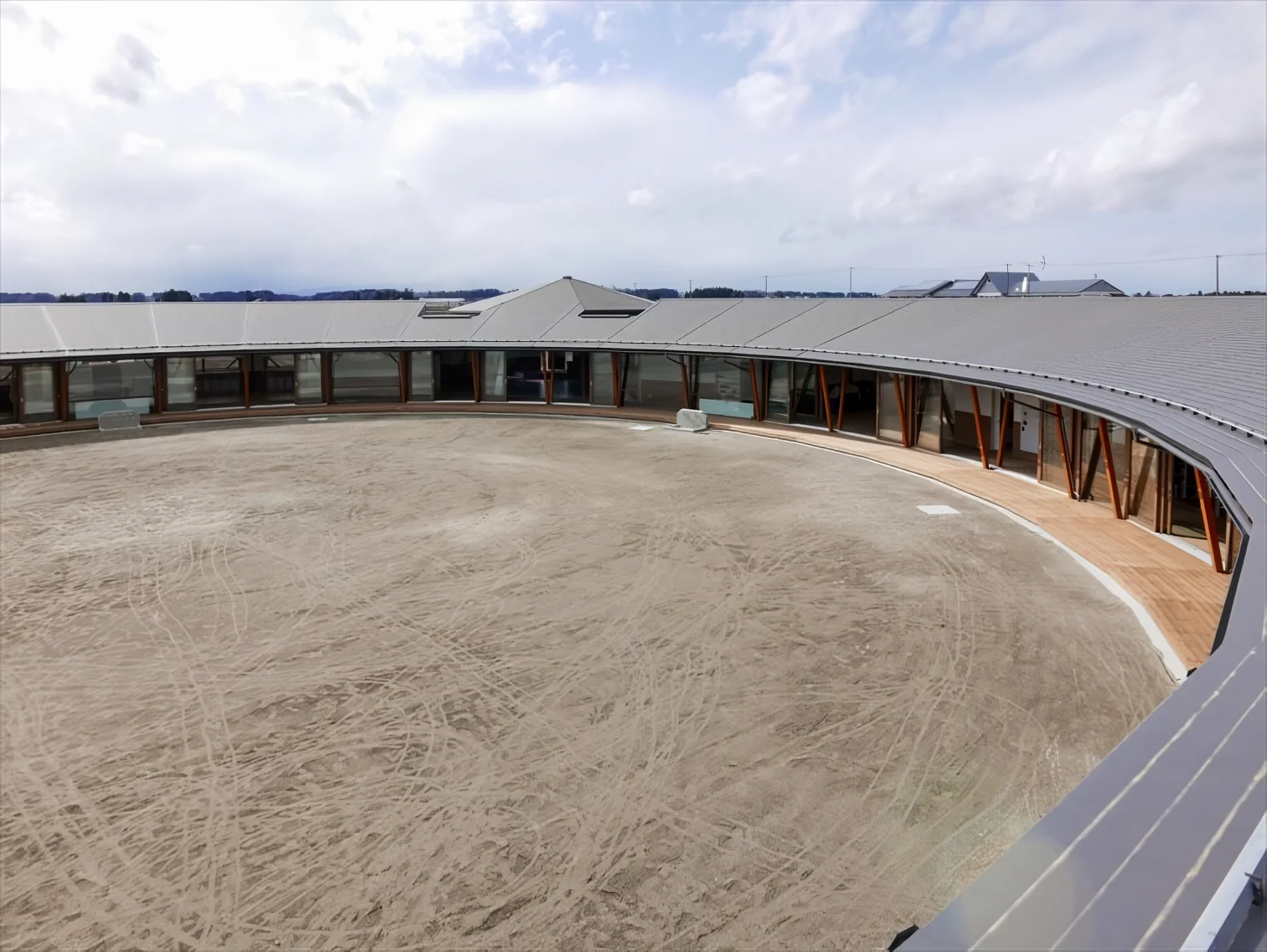
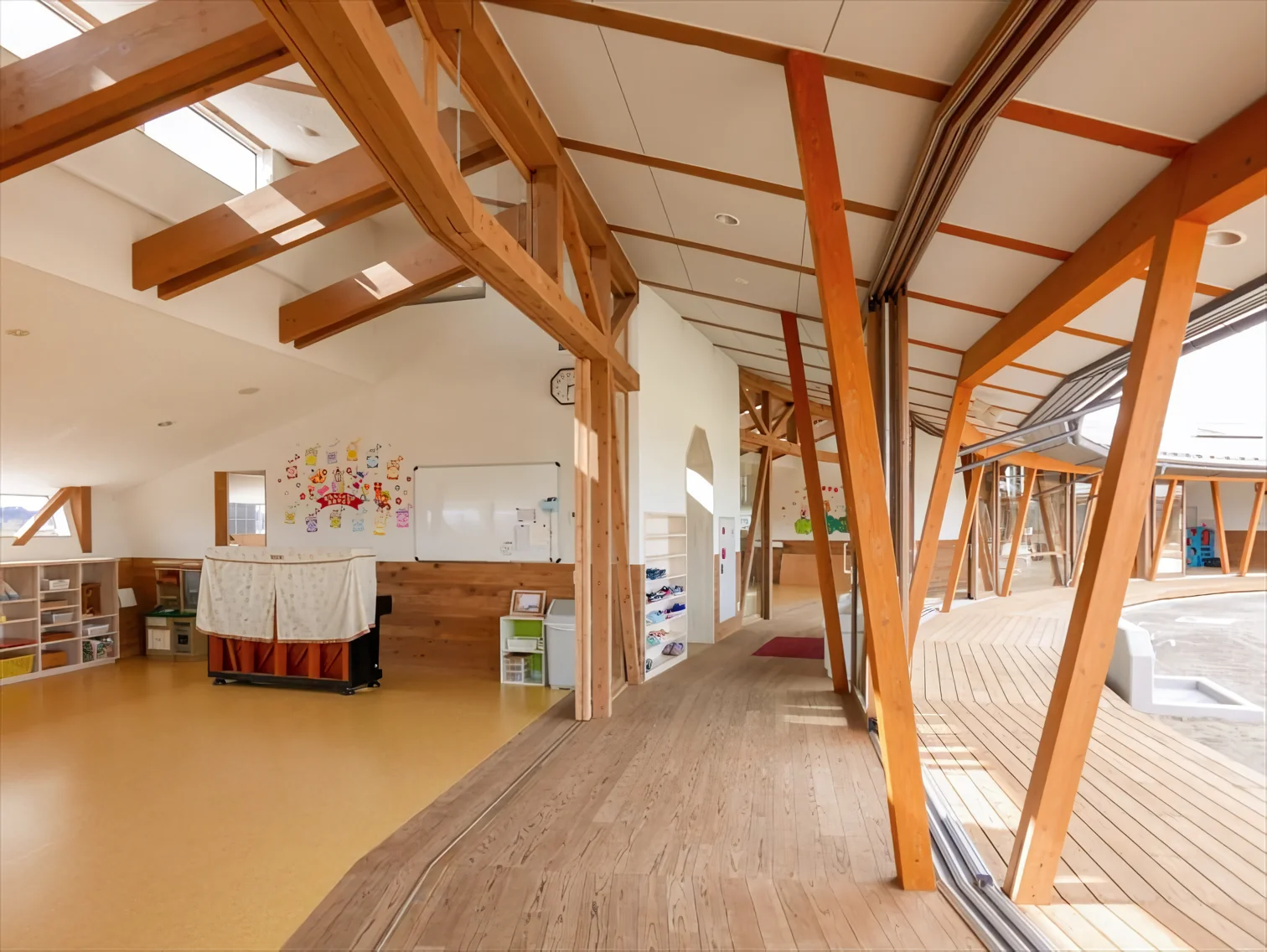
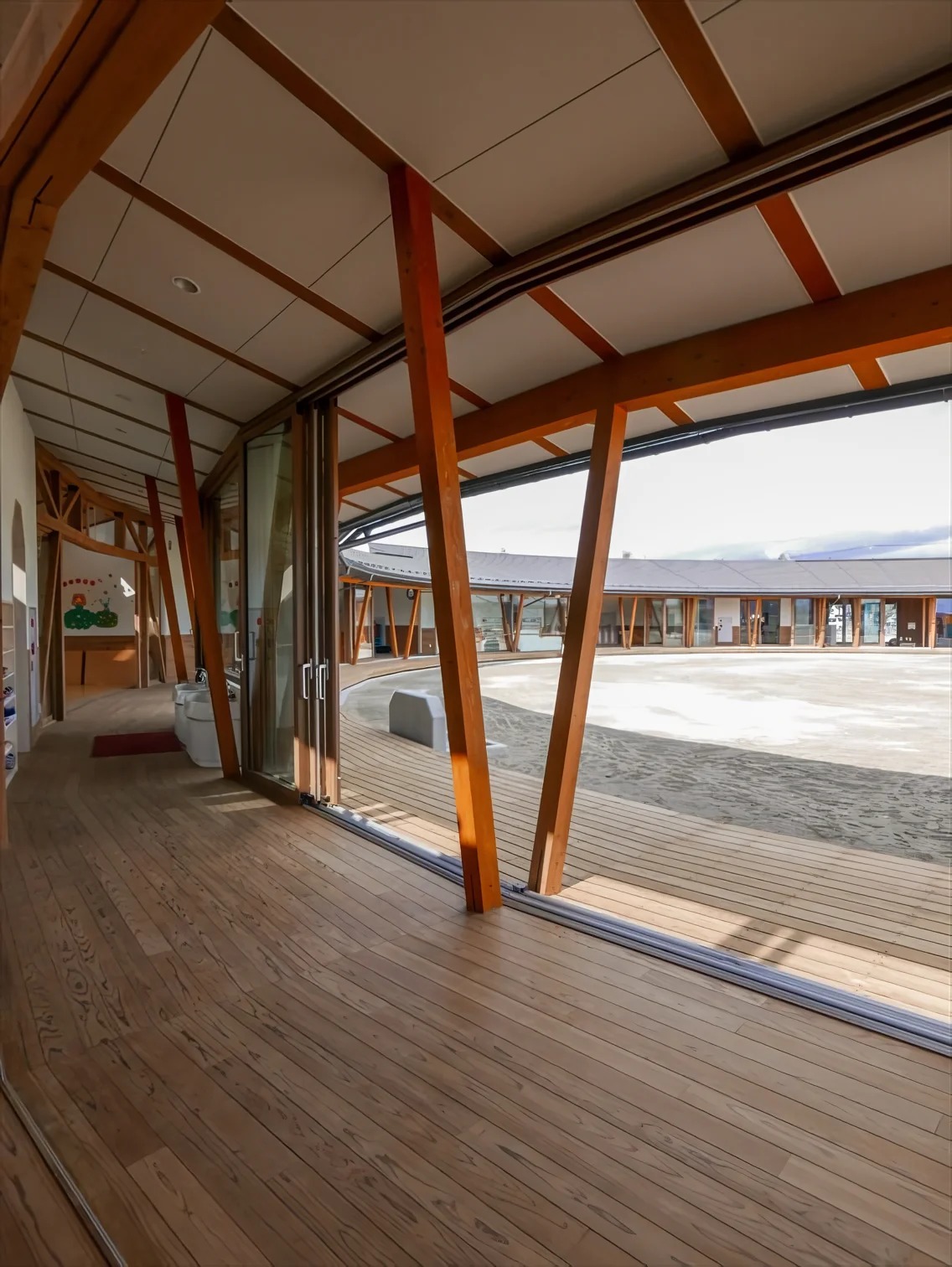
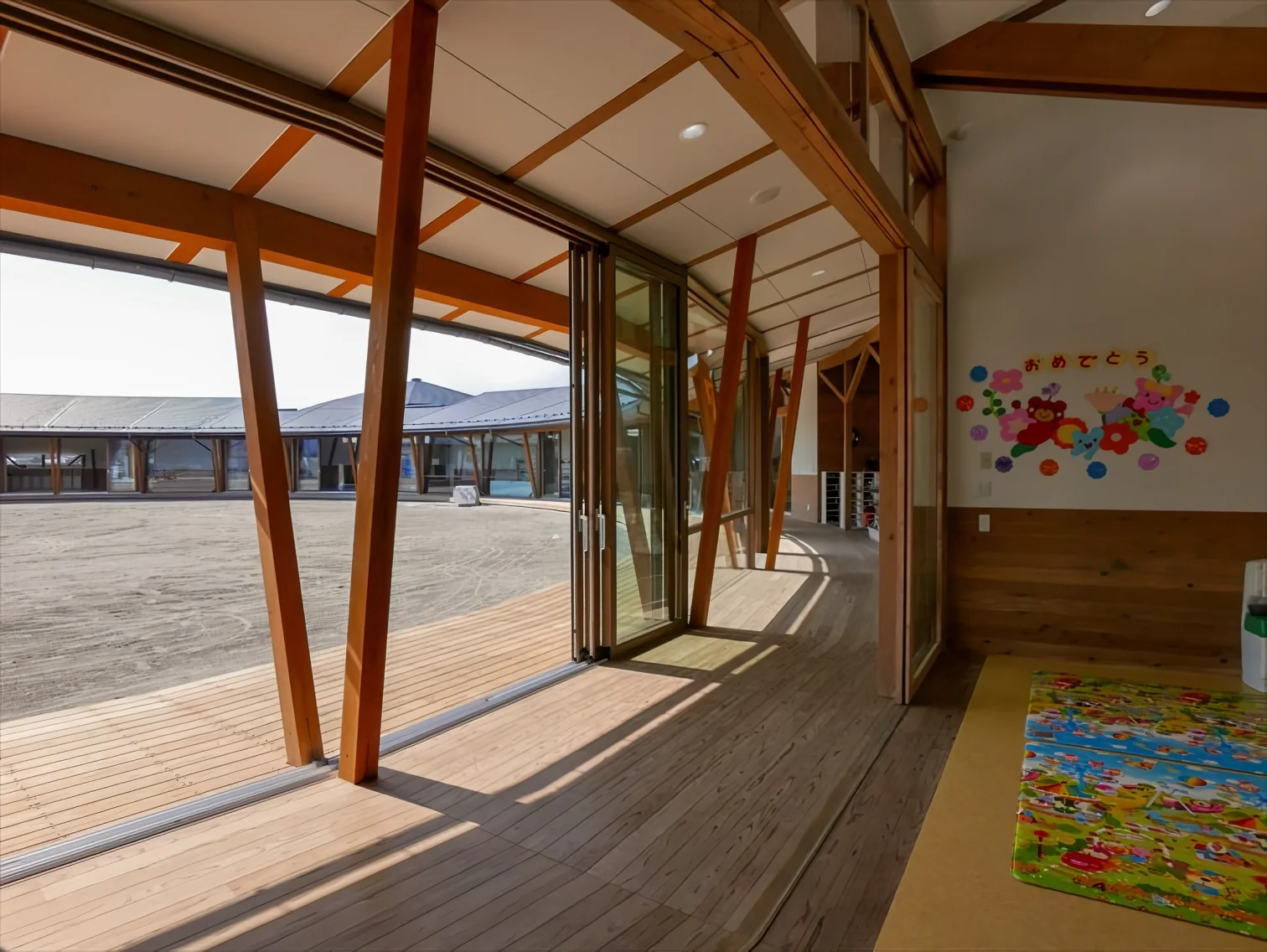
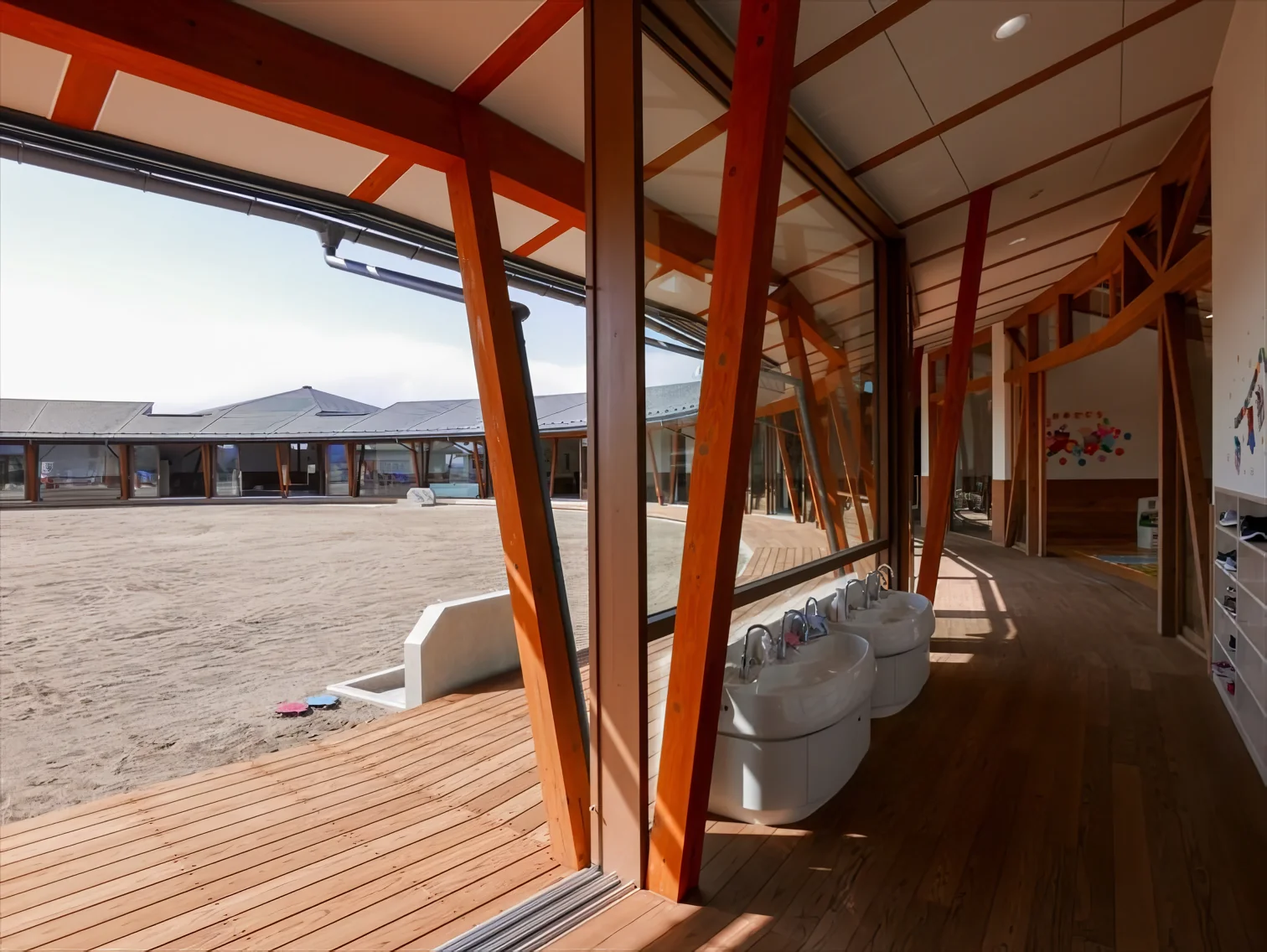
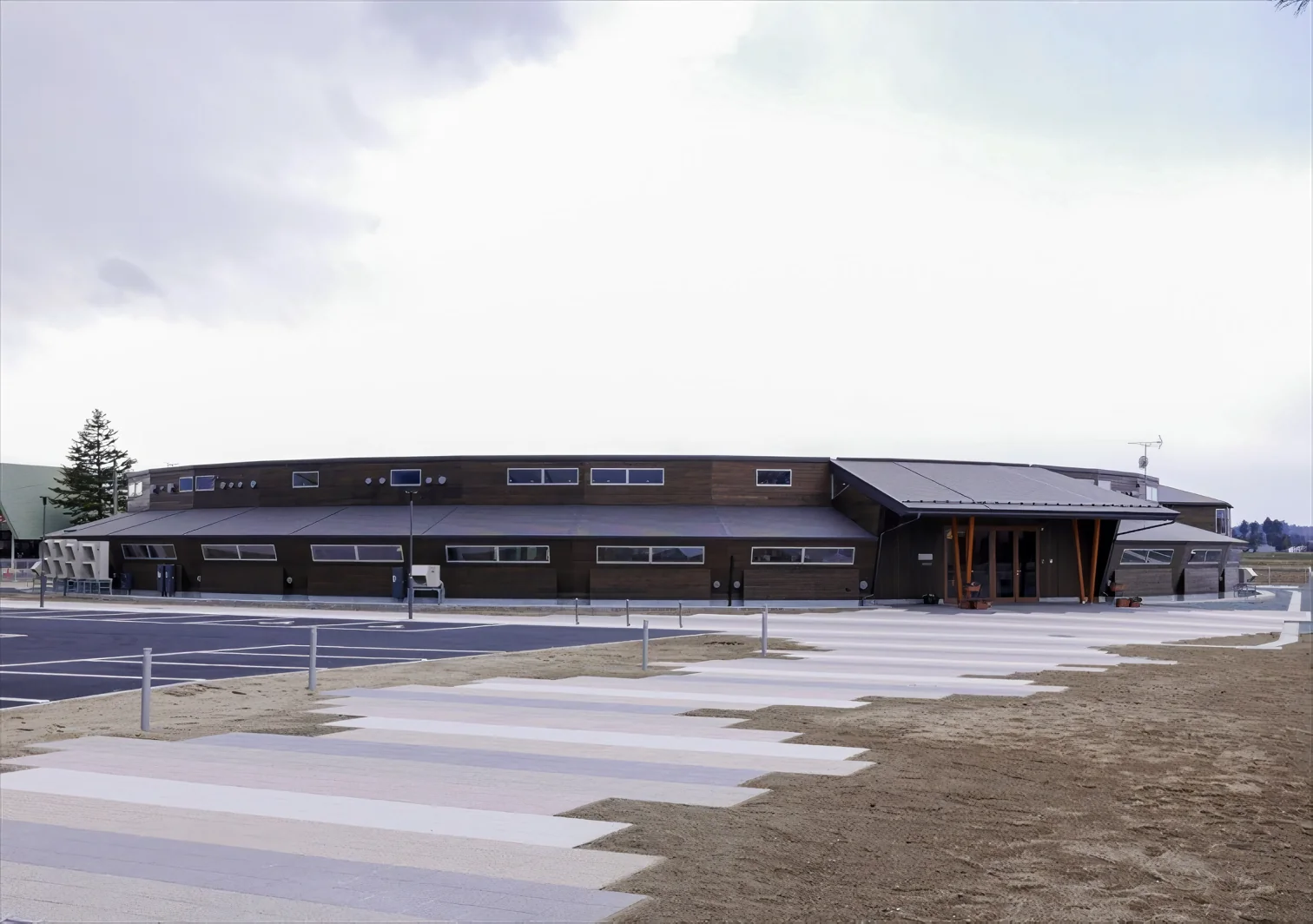
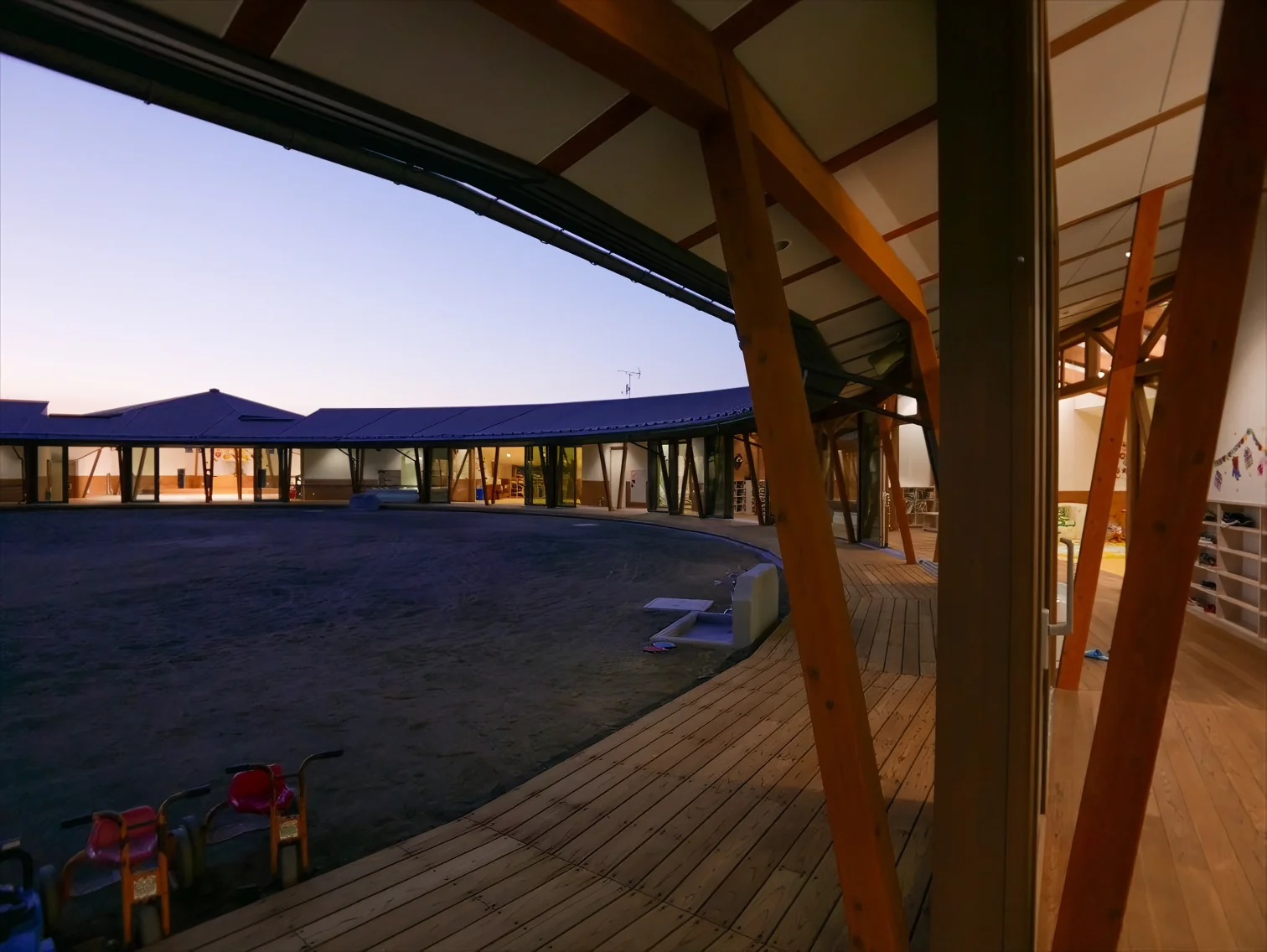
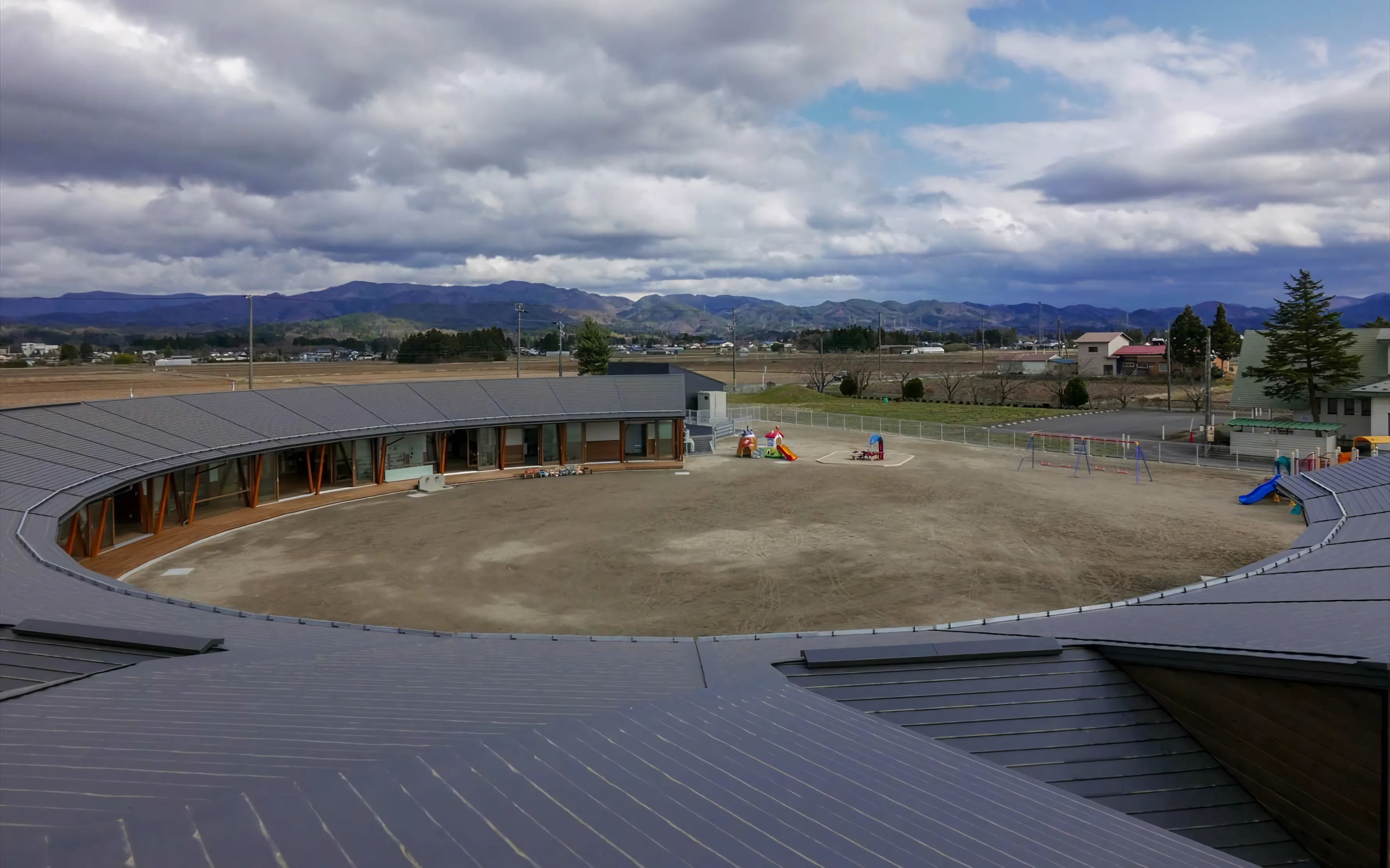
This school building is arranged to encircle the playground in a circular layout. By angling the supporting columns, the interior space and playground were designed to minimize blind spots, allowing children to be visible from any position.
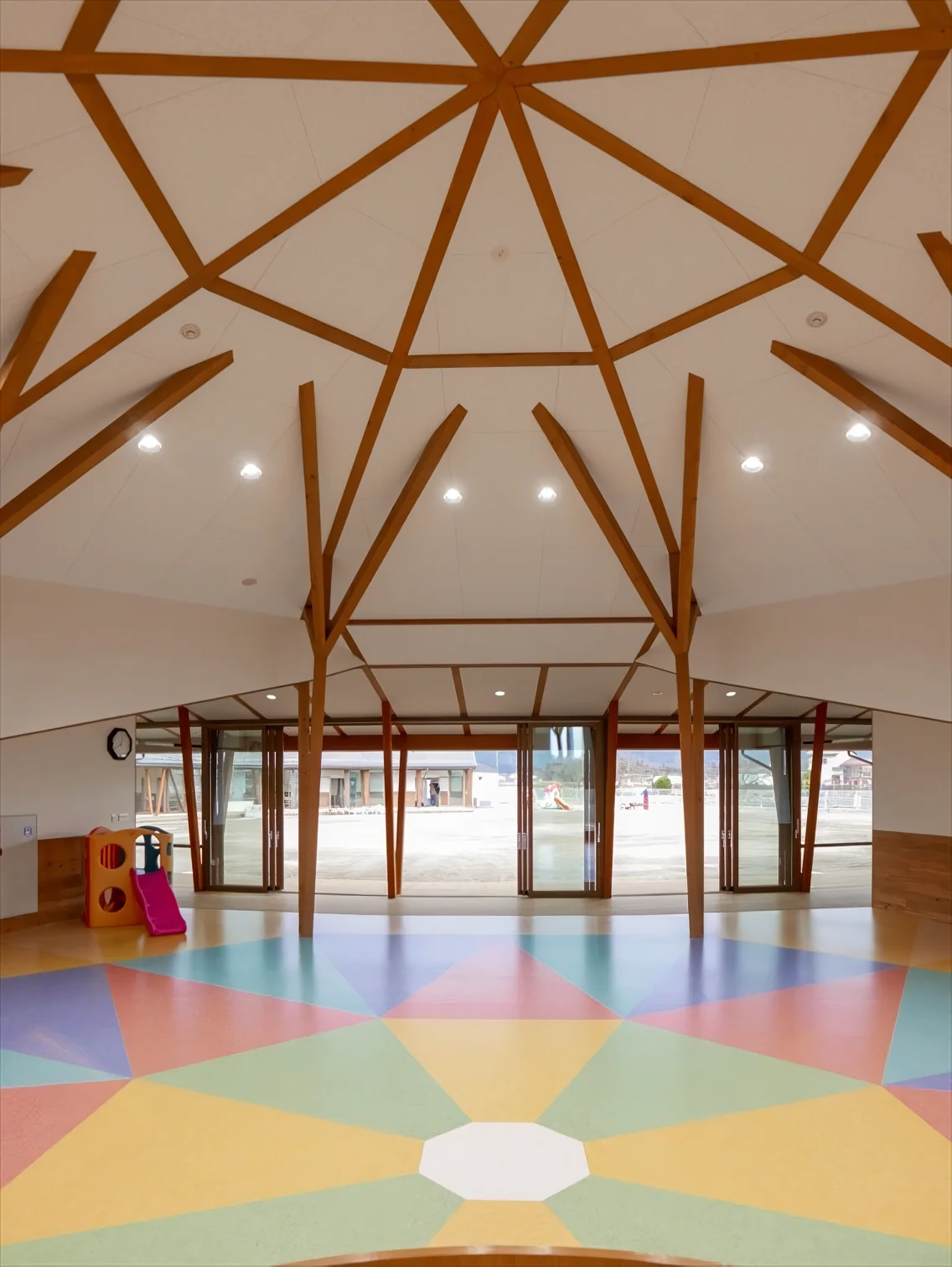
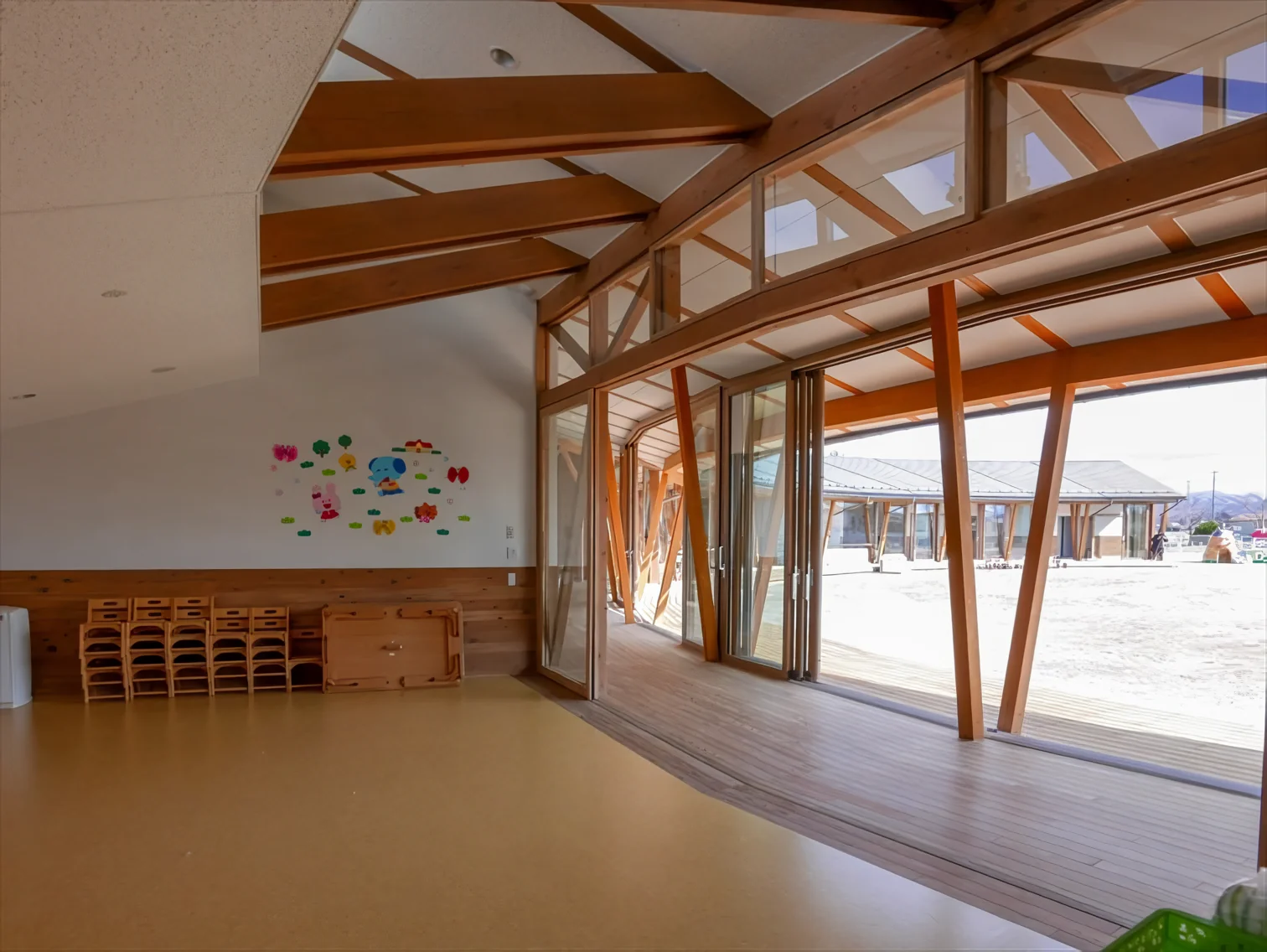
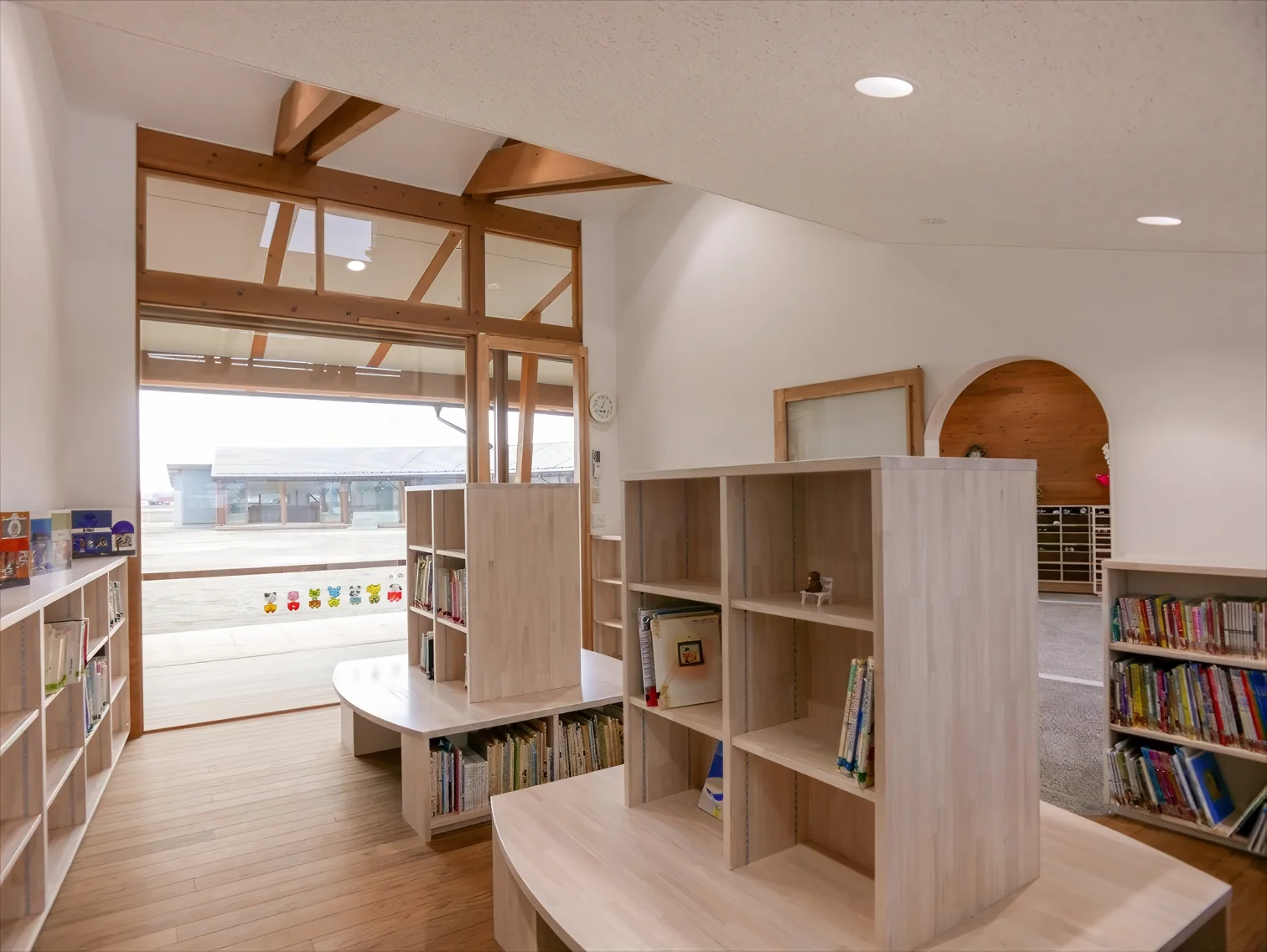
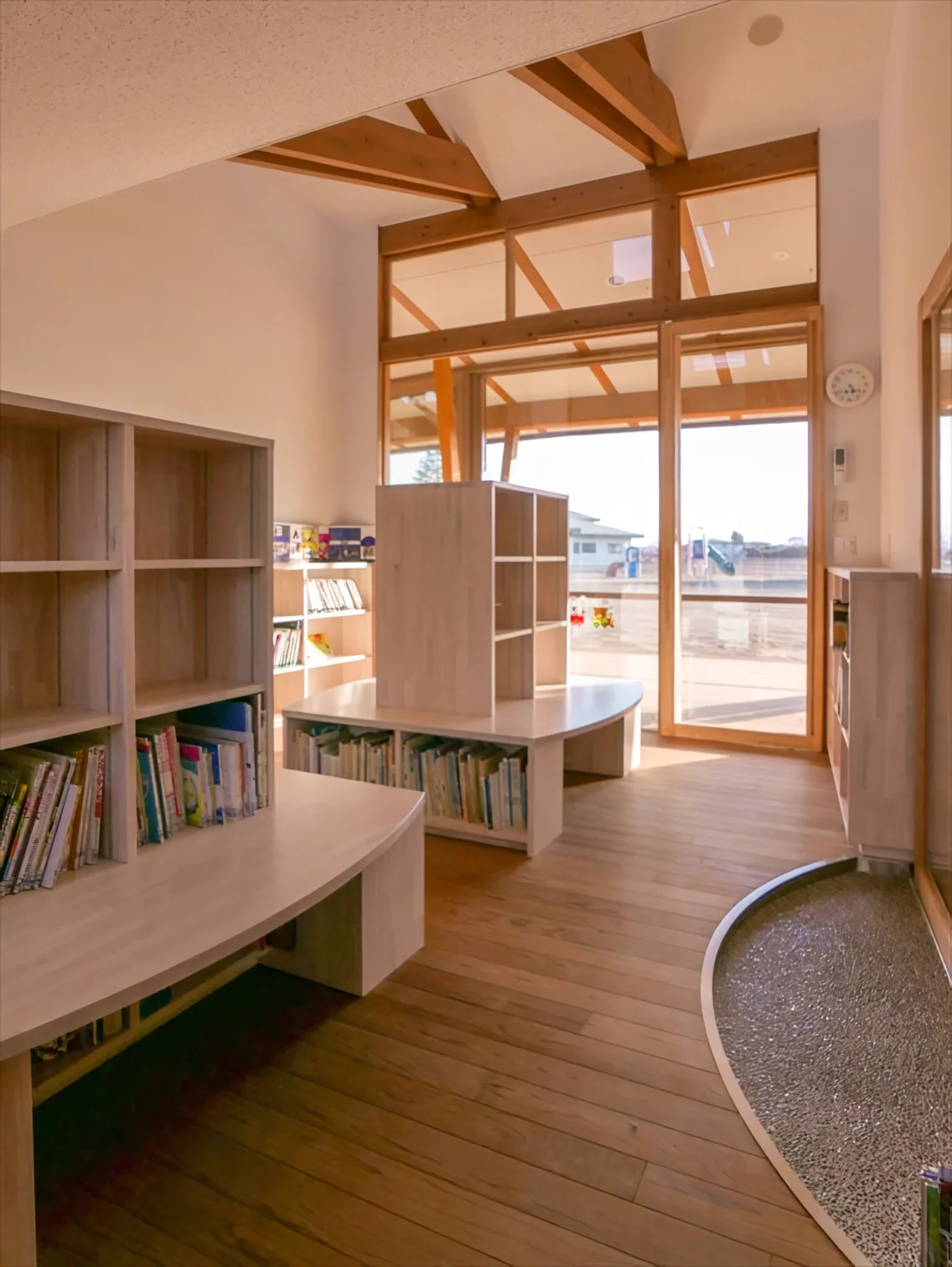
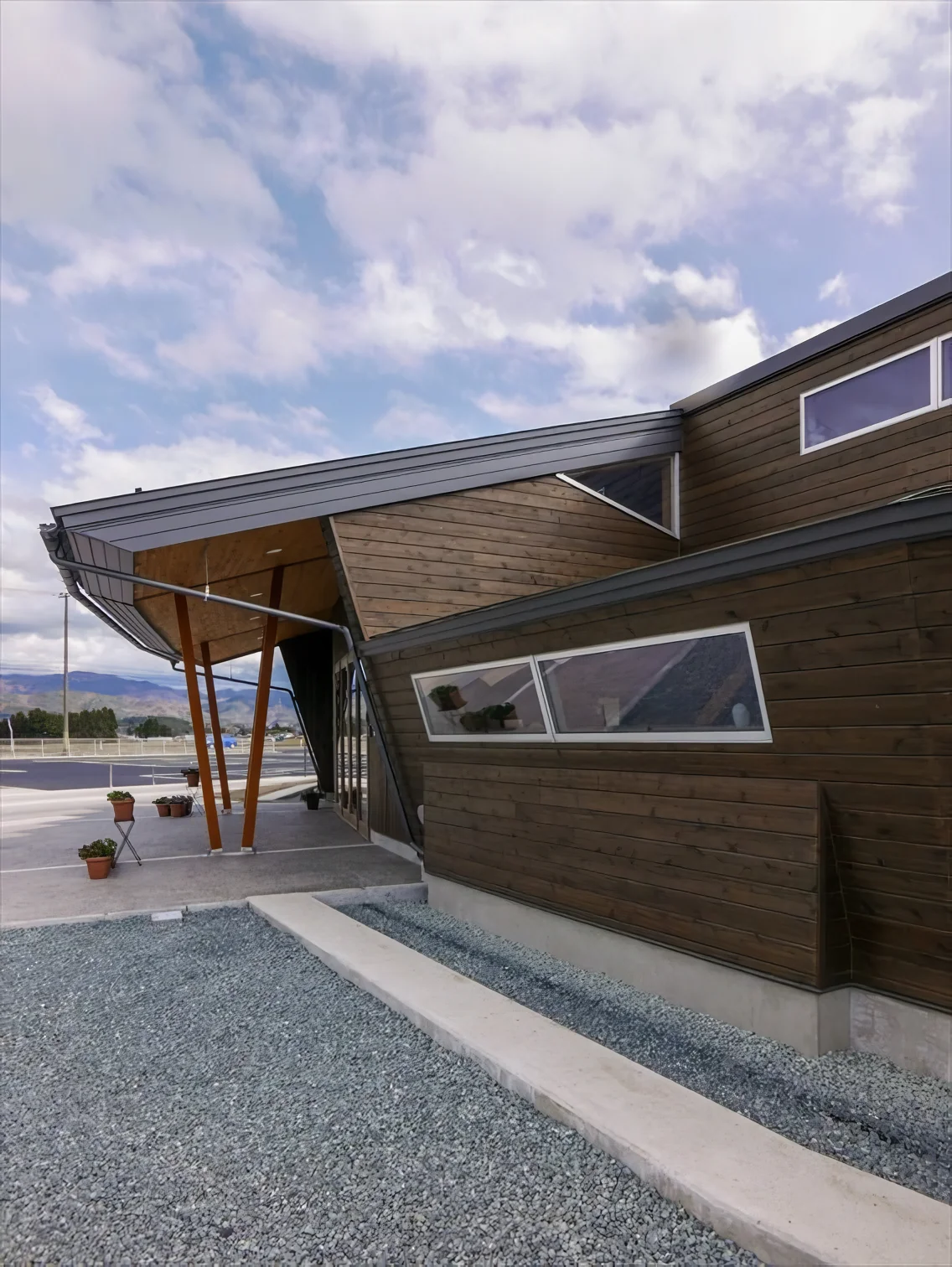
Upon arrival, even children can recognize the building by its visible roof silhouette. Inside the classrooms, the ceiling height is designed to be perceivable by children, fostering an awareness of their own growth after graduation. We hope this school building will remain a memorable place for the children.
— Architecture that leaves a lasting impression as a child’s first social environment —
The sky framed by the long eaves in a circular form, symbolic trees for each classroom, classrooms with low ceilings that children can physically experience, and a building whose roof is recognizable even to the children.
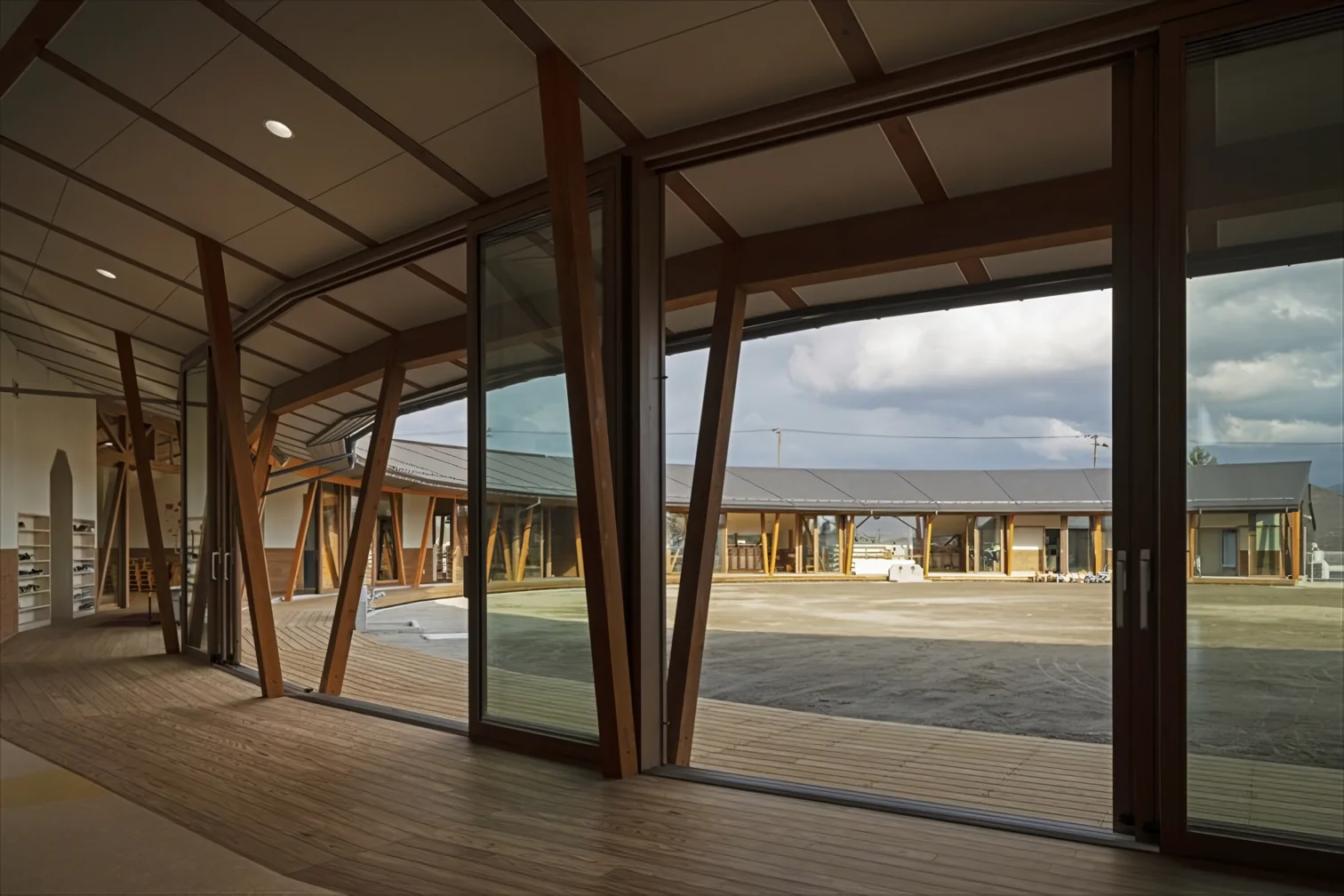
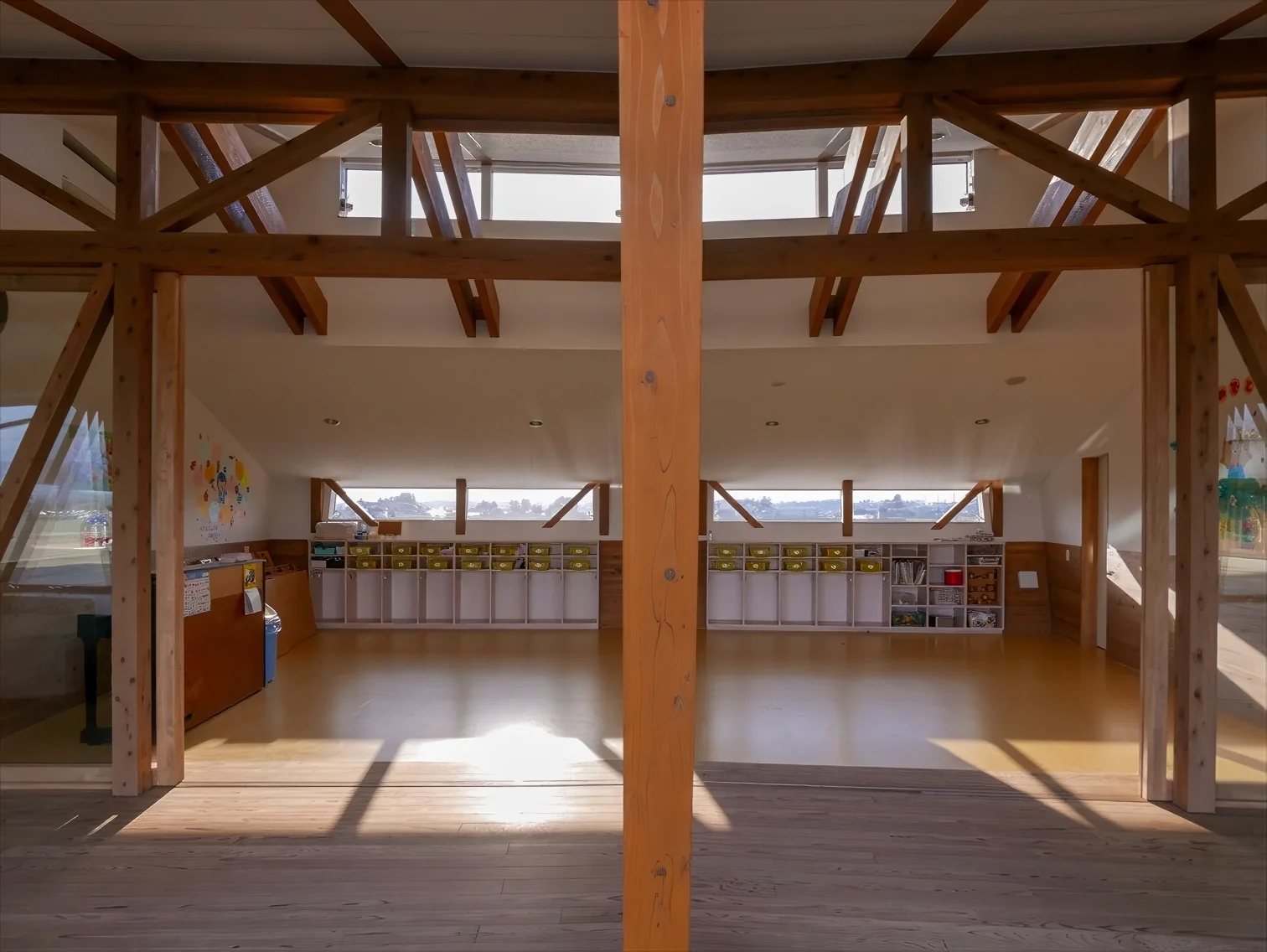
These elements of daily life memories are intended to serve as a place where, upon revisiting in the future, individuals can recognize their own growth. Typically, openings cannot be placed where columns exist. However, here, openings and columns coexist. The columns are slimmer than a child’s head, and combined with the circular form, this creates a school building without any blind spots from any location.
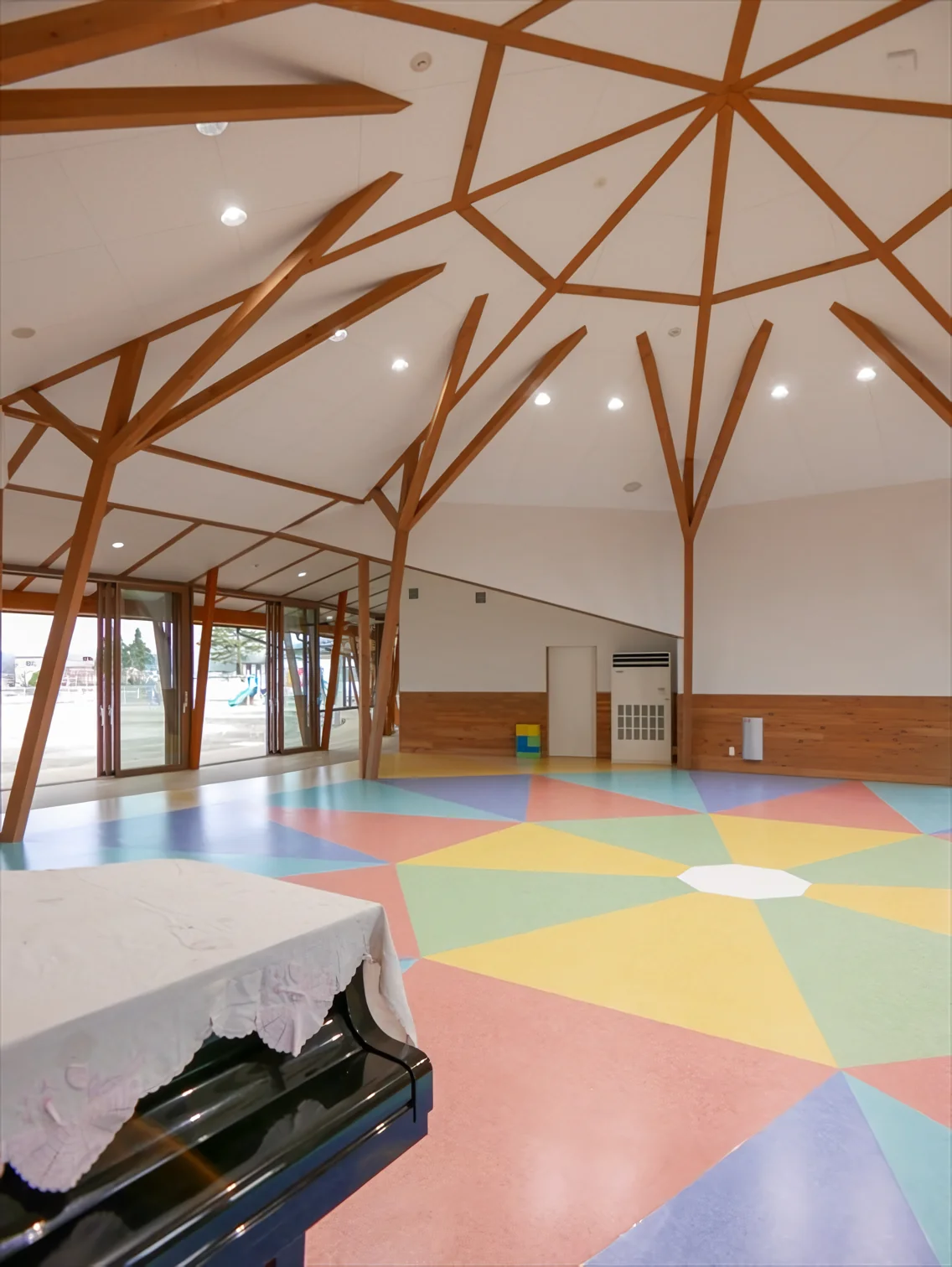
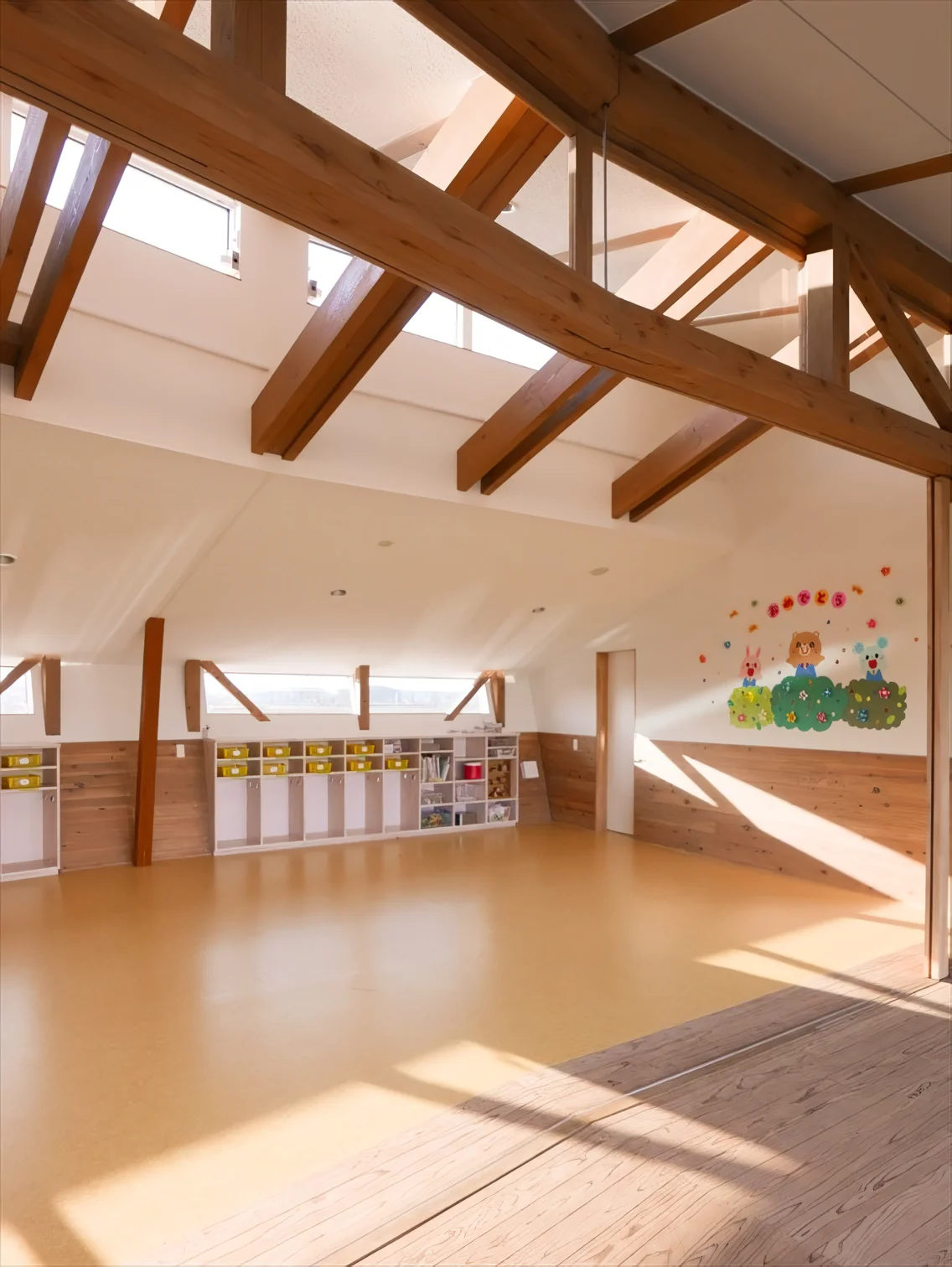
When the openings in front of each classroom are opened, the flooring corridor and deck integrate seamlessly. The remaining central V-shaped column is envisioned as a symbolic tree representing the living space of each classroom, symbolizing the image of the children’s daily life nurtured in this place. This column shape also enables the realization of fully open facades. The sloped and high ceilings of the classrooms promote ample natural daylight and ventilation through natural convection.
Despite the long eaves, the interior does not become dark, and direct summer sunlight can be effectively blocked even on the outdoor deck area.
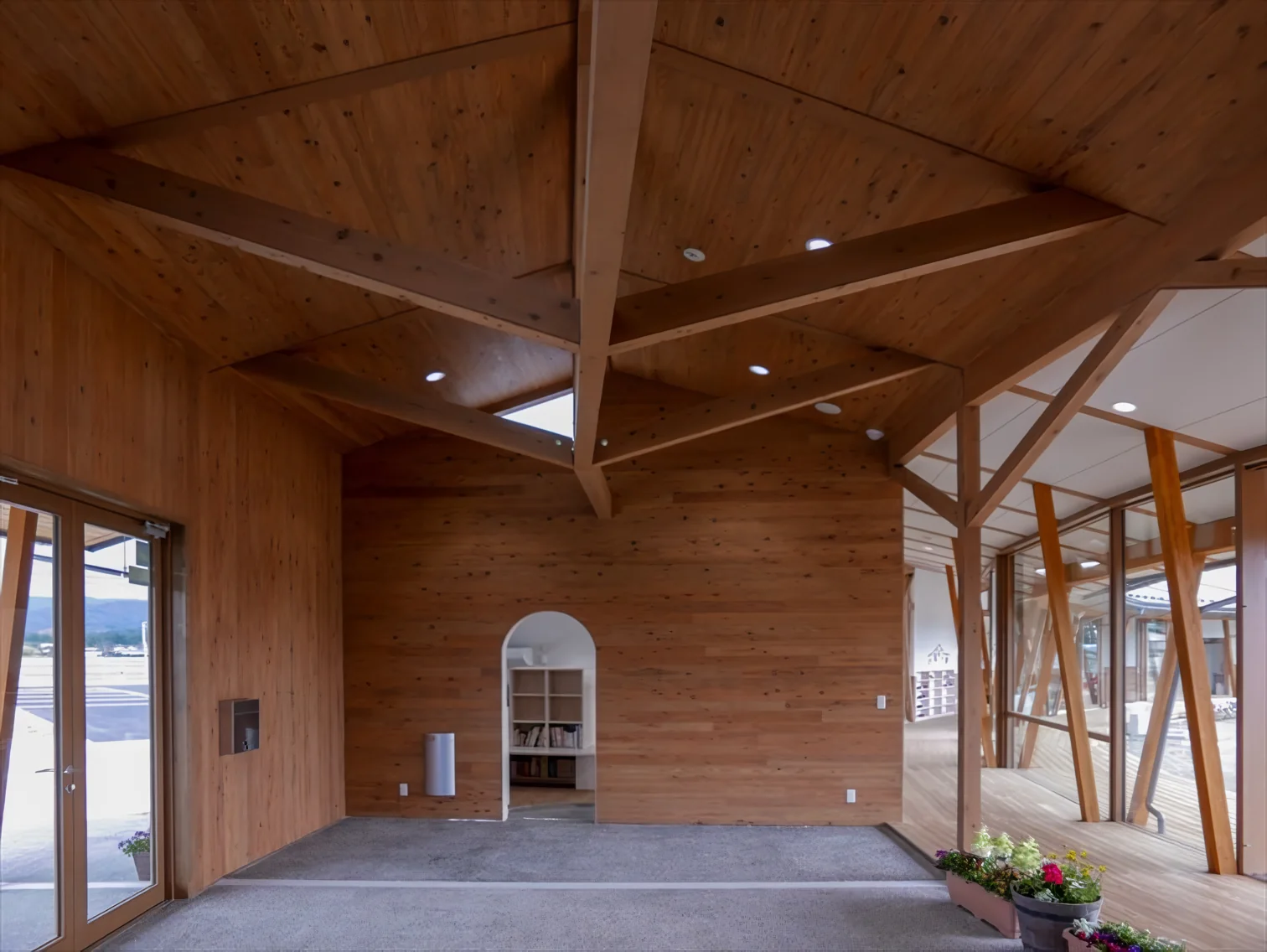
Instead of using disposable materials such as printed plywood flooring, which is common today, natural materials were used as much as possible. This choice is intended to preserve the memories of time spent here, much like the marks on the pillars of traditional houses from the past. The materials gain character through use and naturally contribute to chemical sensitivity mitigation.
No laminated wood was used for structural members. While using commonly available materials within standard dimensions, the framework supports not only the classrooms but also large spaces such as the entrance and playroom. By repeating trapezoidal frames of the same shape as a unit arrayed at the same angle, the structure was designed for efficient construction through repetition of identical structural frames. Site area: 6,517.09 m² (1,971.42 tsubo)
Gross floor area: 968.44 m² (292.95 tsubo)
Contractor: Chiba Construction Co., Ltd.

Upon arrival, even children can recognize the building by its visible roof silhouette. Inside the classrooms, the ceiling height is designed to be perceivable by children, fostering an awareness of their own growth after graduation. We hope this school building will remain a memorable place for the children.
— Architecture that leaves a lasting impression as a child’s first social environment —
The sky framed by the long eaves in a circular form, symbolic trees for each classroom, classrooms with low ceilings that children can physically experience, and a building whose roof is recognizable even to the children.
These elements of daily life memories are intended to serve as a place where, upon revisiting in the future, individuals can recognize their own growth. Typically, openings cannot be placed where columns exist. However, here, openings and columns coexist. The columns are slimmer than a child’s head, and combined with the circular form, this creates a school building without any blind spots from any location.
When the openings in front of each classroom are opened, the flooring corridor and deck integrate seamlessly. The remaining central V-shaped column is envisioned as a symbolic tree representing the living space of each classroom, symbolizing the image of the children’s daily life nurtured in this place. This column shape also enables the realization of fully open facades. The sloped and high ceilings of the classrooms promote ample natural daylight and ventilation through natural convection.
Despite the long eaves, the interior does not become dark, and direct summer sunlight can be effectively blocked even on the outdoor deck area.
Instead of using disposable materials such as printed plywood flooring, which is common today, natural materials were used as much as possible. This choice is intended to preserve the memories of time spent here, much like the marks on the pillars of traditional houses from the past. The materials gain character through use and naturally contribute to chemical sensitivity mitigation.
No laminated wood was used for structural members. While using commonly available materials within standard dimensions, the framework supports not only the classrooms but also large spaces such as the entrance and playroom. By repeating trapezoidal frames of the same shape as a unit arrayed at the same angle, the structure was designed for efficient construction through repetition of identical structural frames. Site area: 6,517.09 m² (1,971.42 tsubo)
Gross floor area: 968.44 m² (292.95 tsubo)
Contractor: Chiba Construction Co., Ltd.
- Copyright(C)Qurasuki.All Rights Reserved.