Introducing House K/S, a custom-built home example by Yoshihara Tamaki Architectural Design, a Architect / Design office in 3-25-11-704 Minamikarasuyama, Setagaya-ku, Tokyo
House K/S
House K/S
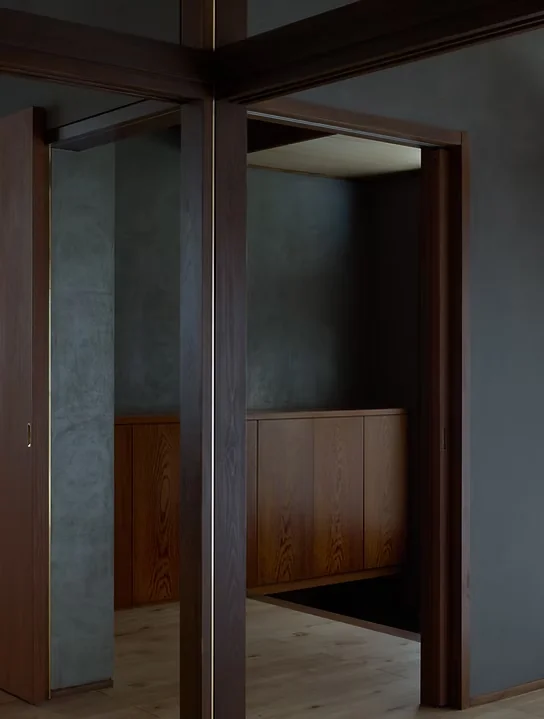
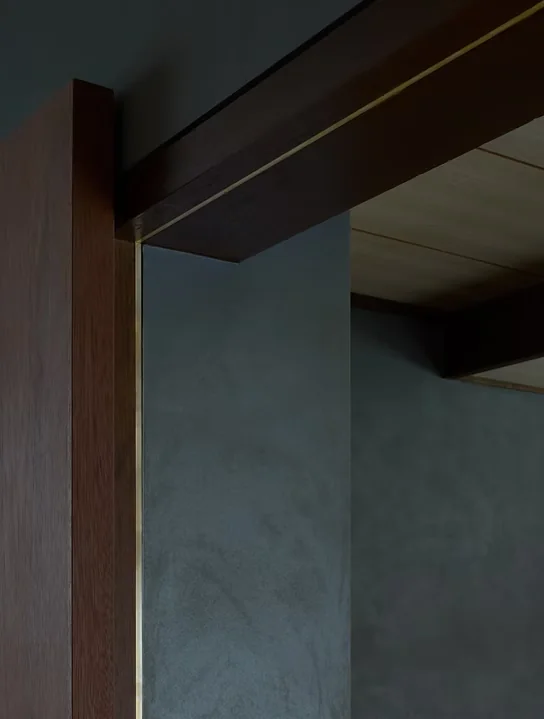
Brass connectors that develop patina over time are used to join old and new wooden elements, engraving the evolving memory of the house.
House K/S
House K/S
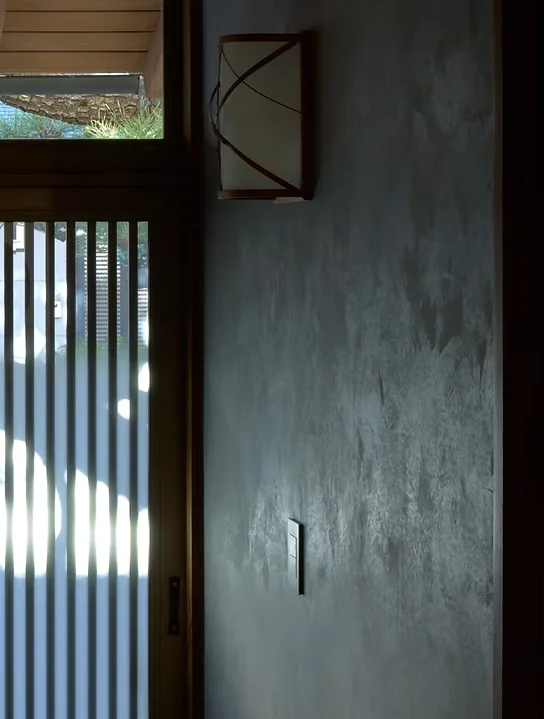
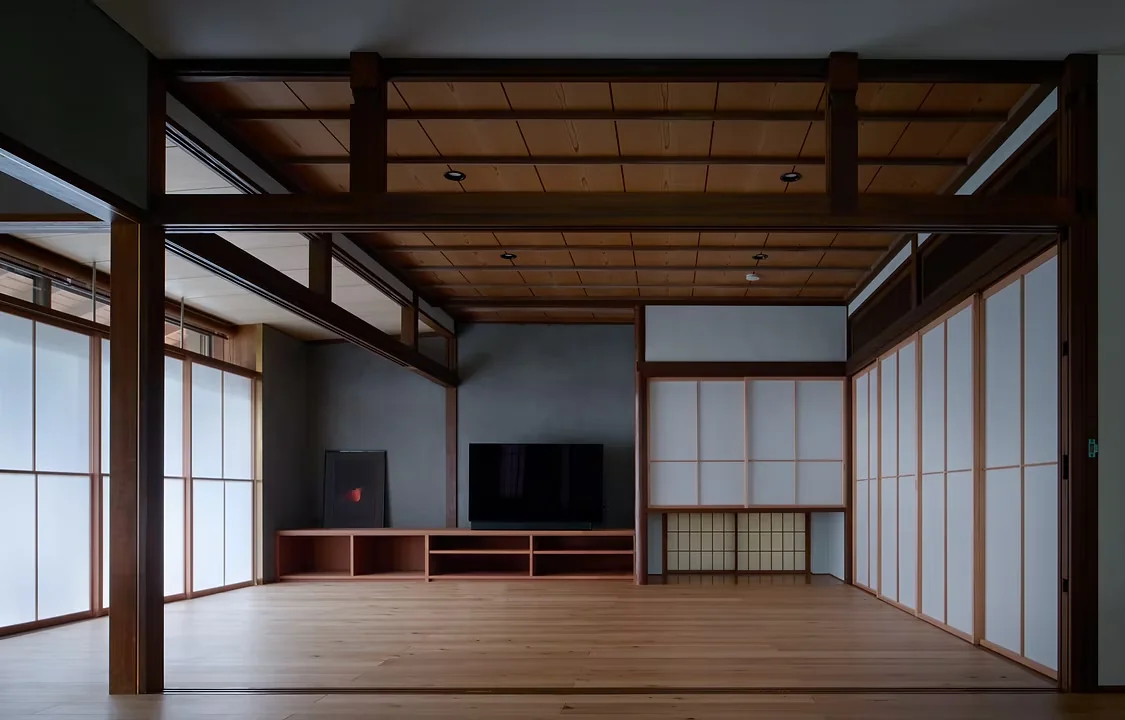
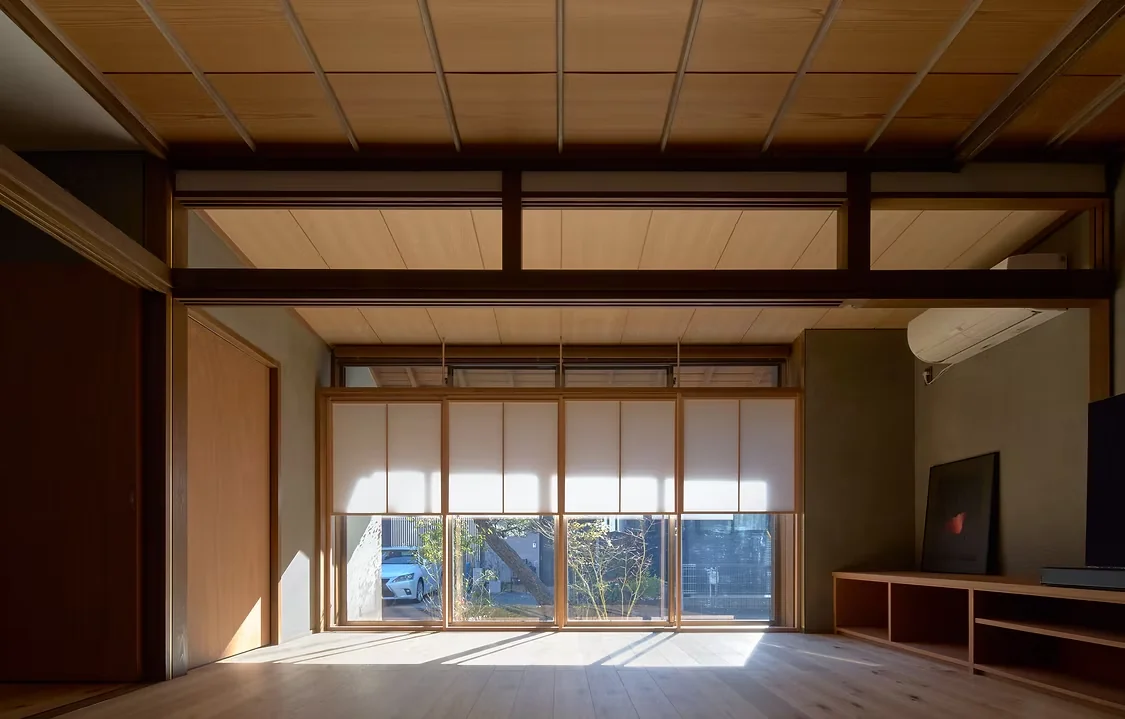
Traditional Japanese architectural details such as ranma transoms, nageshi horizontal timbers, and nukianazashi mortises are preserved.
House K/S
House K/S
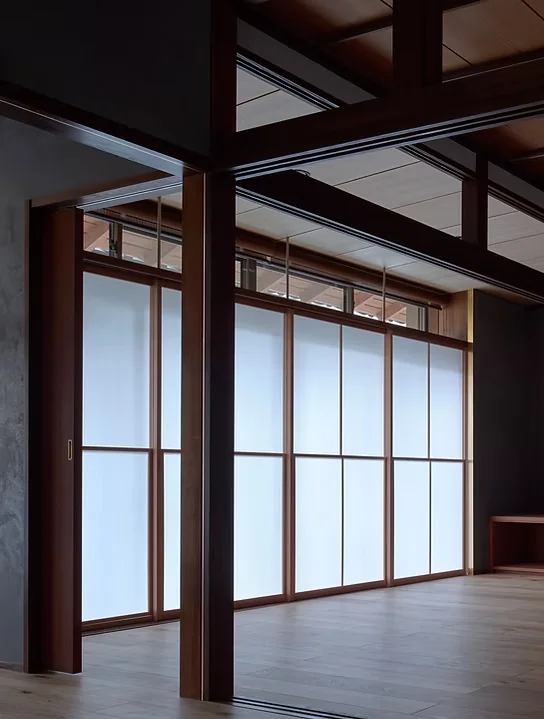
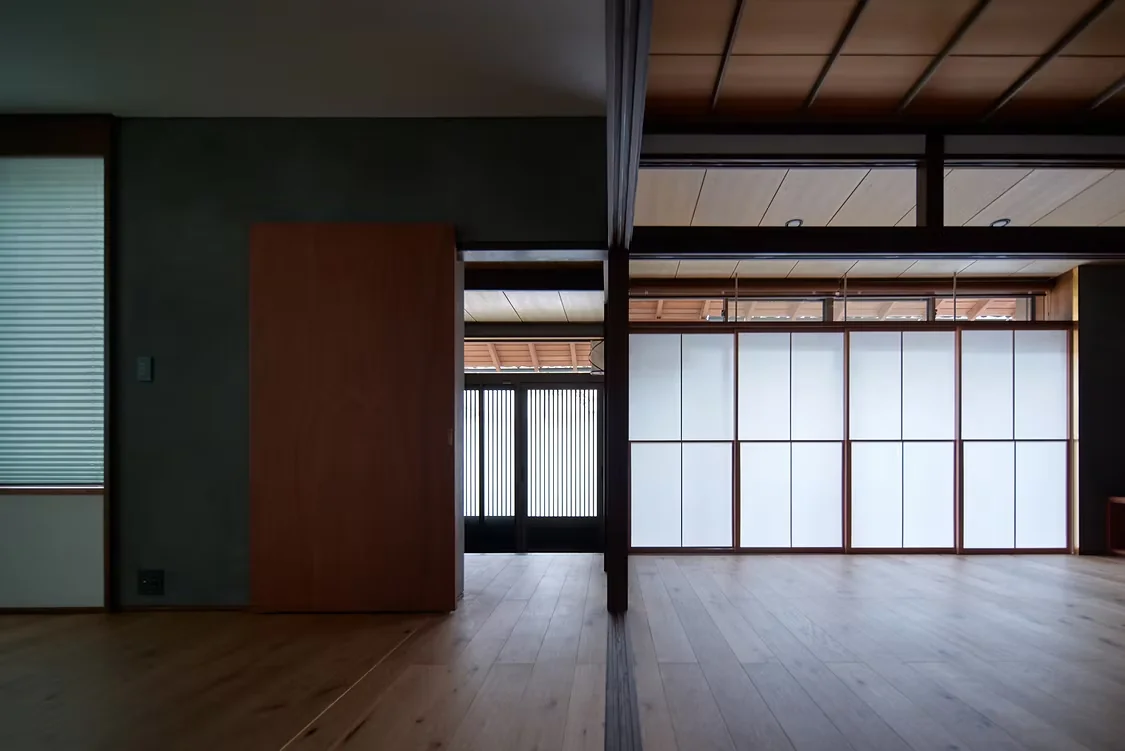
Standardized modules and movable shoji screens create a flexible space that can be easily reconfigured.
House K/S
House K/S
House K/S
Renovation
Generational Home
Traditional Japanese House
Renovation
InheritedResidence
JapaneseTraditionalHouse
FlexibleSpace
Ryo Yahara
Learn More
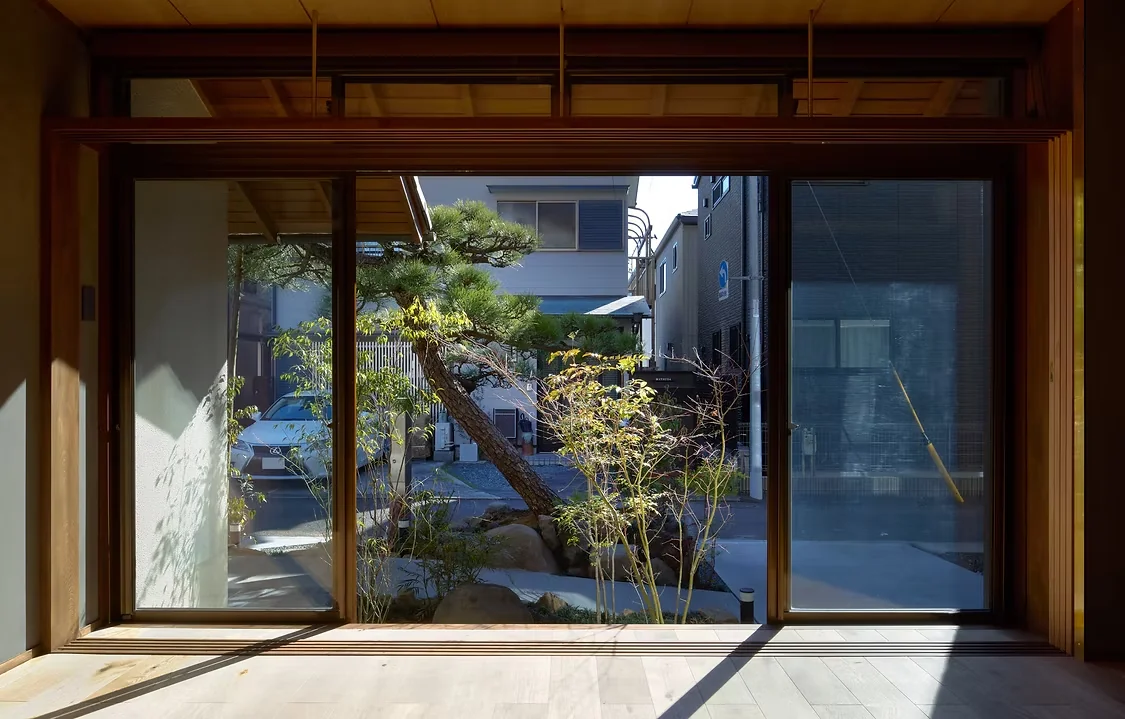
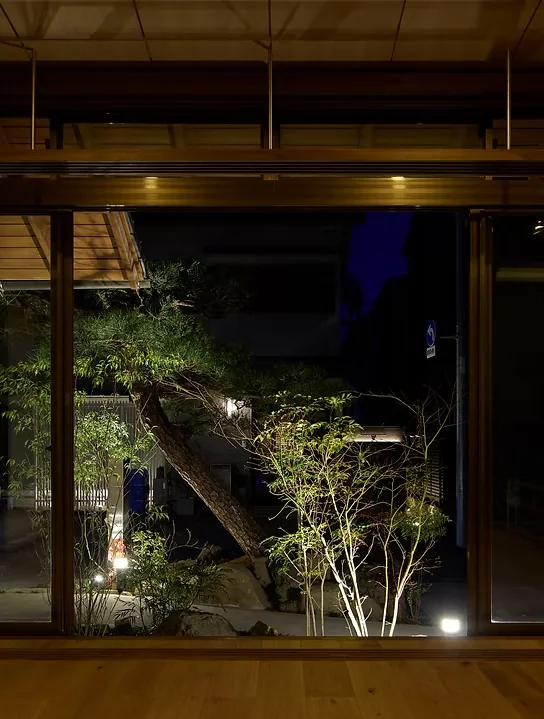
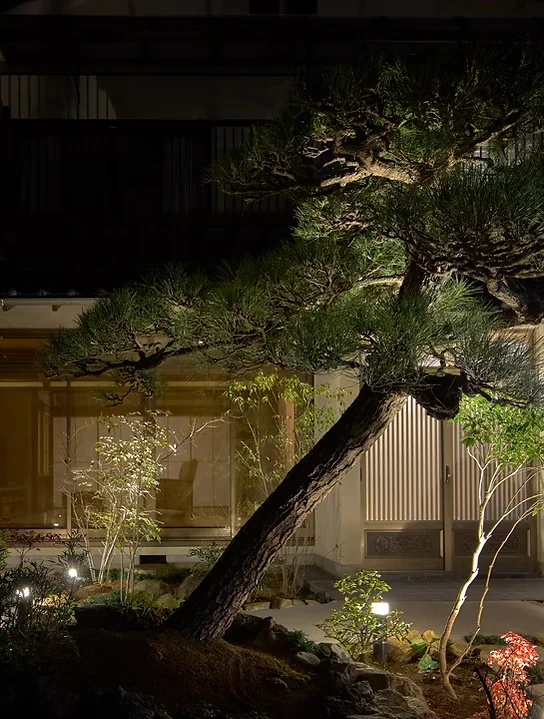
This renovation project involves a multi-generational family residence that has nurtured three generations. It focuses on reconstructing living spaces that respond to lifestyle changes brought about by generational succession, while preserving the collective memories shared by the family within the home. By doing so, it establishes a cherished second living room for a family that has become nuclear and dispersed, creating a dwelling that not only inherits a beloved familial anchor but also serves as a canvas for new memories to be inscribed by the current residents.
While it is commonly heard that homes are changed upon retirement or the completion of child-rearing, generational transitions—whether to children or grandchildren—are inevitable in any household. This project positions the theme of "how to inherit attachment and cultivate it for future generations" as a core issue confronting contemporary homes and families, around which the design was conceived.
Accordingly, the plan emphasizes two key aspects: preserving the existing spaces with affection and exploring how the family can continue to foster emotional attachment moving forward. The approach to inheritance draws upon traditional Japanese residential details such as ranma transoms, nageshi horizontal timbers, and nukianazashi mortises, retaining these elements while renovating the old floor plan above the human scale to allow for more flexible spatial arrangements.
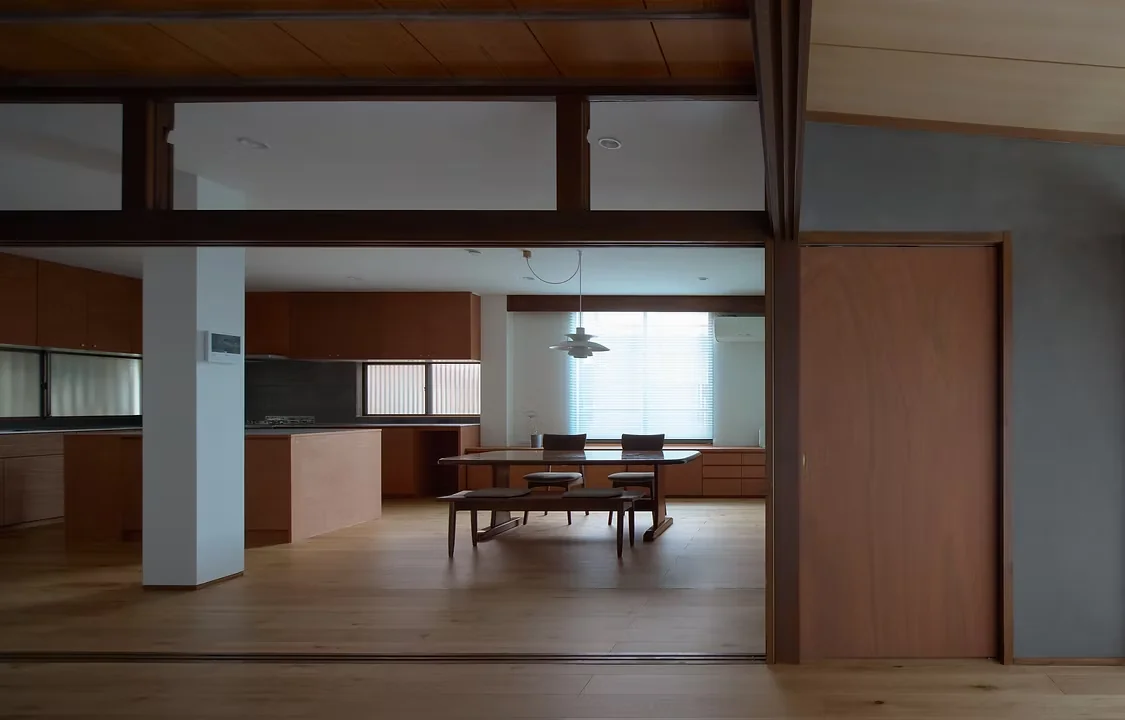
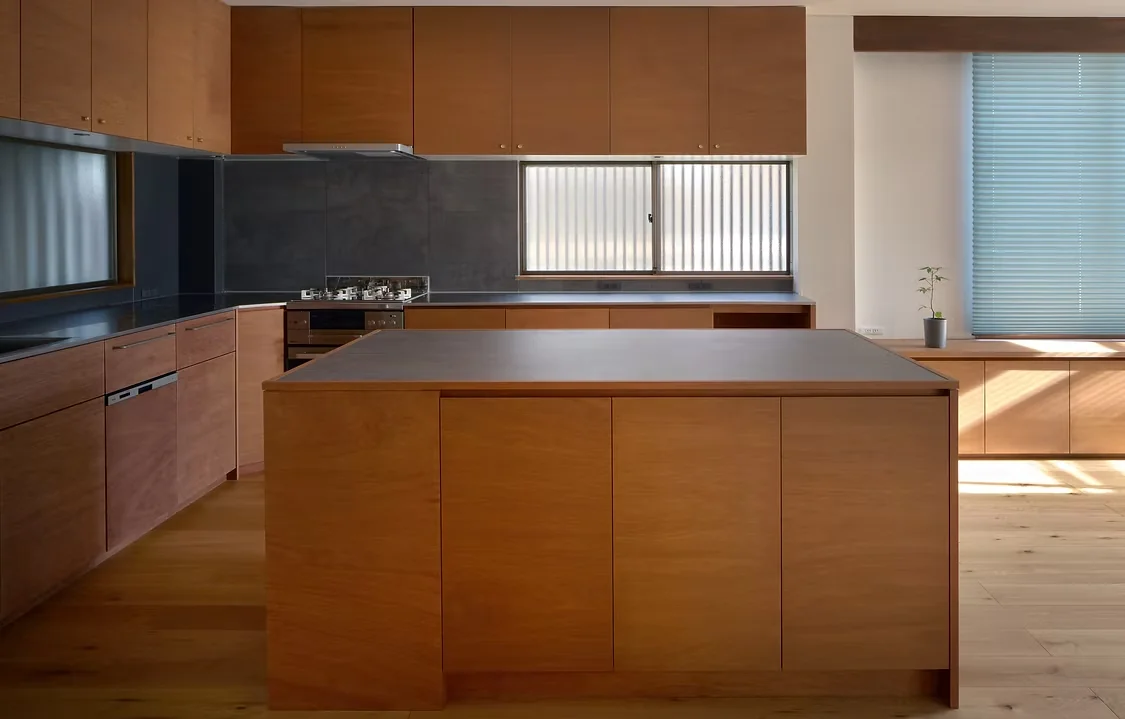
Simultaneously, brass is employed to join the old and new wooden components, deliberately encouraging patination over time to visibly record the evolving memory of the house. To ensure the home functions as a familial anchor and second living room even for children who have moved out, a former guest room—once reserved solely for visitors—is transformed into an expansive, integrated living-dining-kitchen (LDK) area that prioritizes family use. This spatial intervention connects areas previously divided by the traditional dichotomy of hāre (ceremonial space) and ke (everyday space). Meanwhile, to accommodate long-term residence, the design standardizes modular dimensions and incorporates movable shoji screens, enabling easy separation of hāre and ke zones. This creates a flexible spatial system capable of adapting seamlessly to changing lifestyles.

While it is commonly heard that homes are changed upon retirement or the completion of child-rearing, generational transitions—whether to children or grandchildren—are inevitable in any household. This project positions the theme of "how to inherit attachment and cultivate it for future generations" as a core issue confronting contemporary homes and families, around which the design was conceived.
Accordingly, the plan emphasizes two key aspects: preserving the existing spaces with affection and exploring how the family can continue to foster emotional attachment moving forward. The approach to inheritance draws upon traditional Japanese residential details such as ranma transoms, nageshi horizontal timbers, and nukianazashi mortises, retaining these elements while renovating the old floor plan above the human scale to allow for more flexible spatial arrangements.
Simultaneously, brass is employed to join the old and new wooden components, deliberately encouraging patination over time to visibly record the evolving memory of the house. To ensure the home functions as a familial anchor and second living room even for children who have moved out, a former guest room—once reserved solely for visitors—is transformed into an expansive, integrated living-dining-kitchen (LDK) area that prioritizes family use. This spatial intervention connects areas previously divided by the traditional dichotomy of hāre (ceremonial space) and ke (everyday space). Meanwhile, to accommodate long-term residence, the design standardizes modular dimensions and incorporates movable shoji screens, enabling easy separation of hāre and ke zones. This creates a flexible spatial system capable of adapting seamlessly to changing lifestyles.
- Copyright(C)Qurasuki.All Rights Reserved.