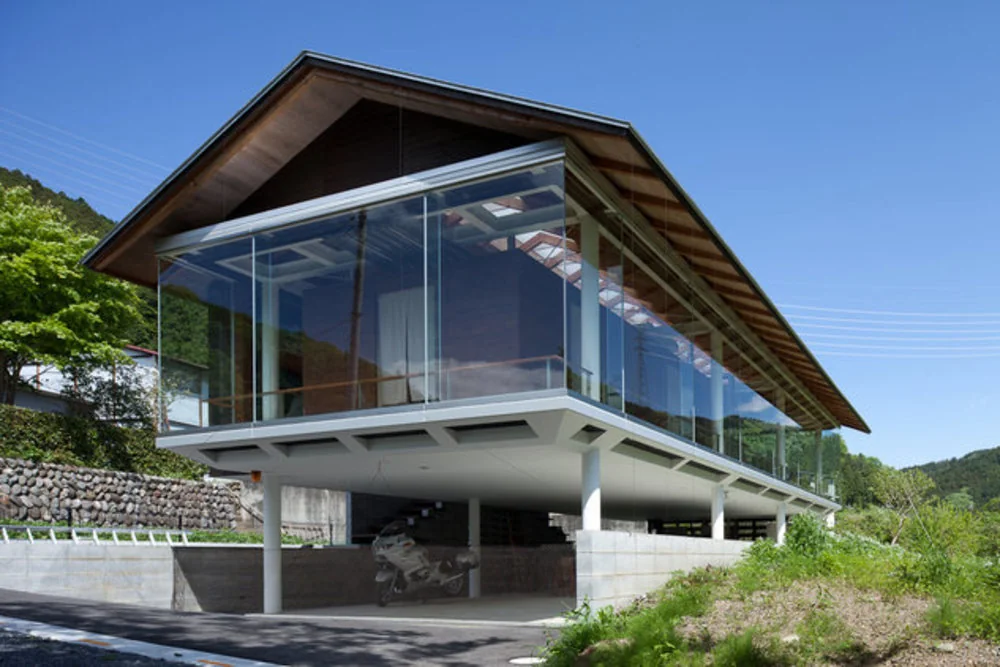
Introducing Hybrid House Along the Tokigawa River, a custom-built home example by H₂O Design Office, a Architect / Design office in 939-73 Higashi-Arai, Minuma-ku, Saitama City, Saitama Prefecture

Hybrid House Along the Tokigawa River
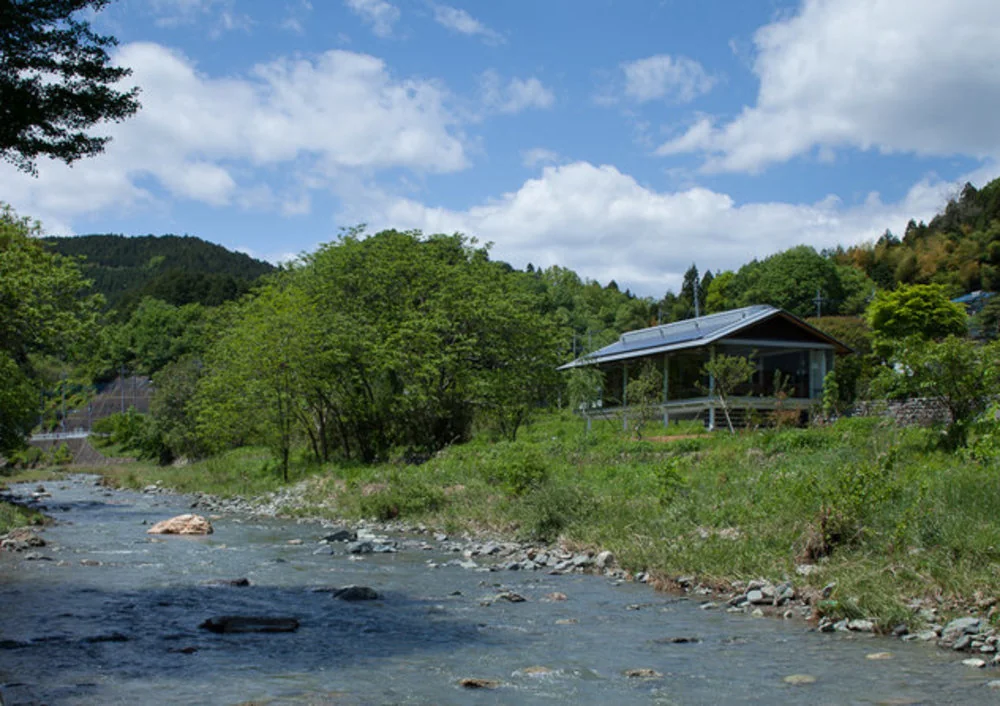
Savoring the seasonal transitions against the backdrop of the pristine Tokigawa stream and the Chichibu mountain range
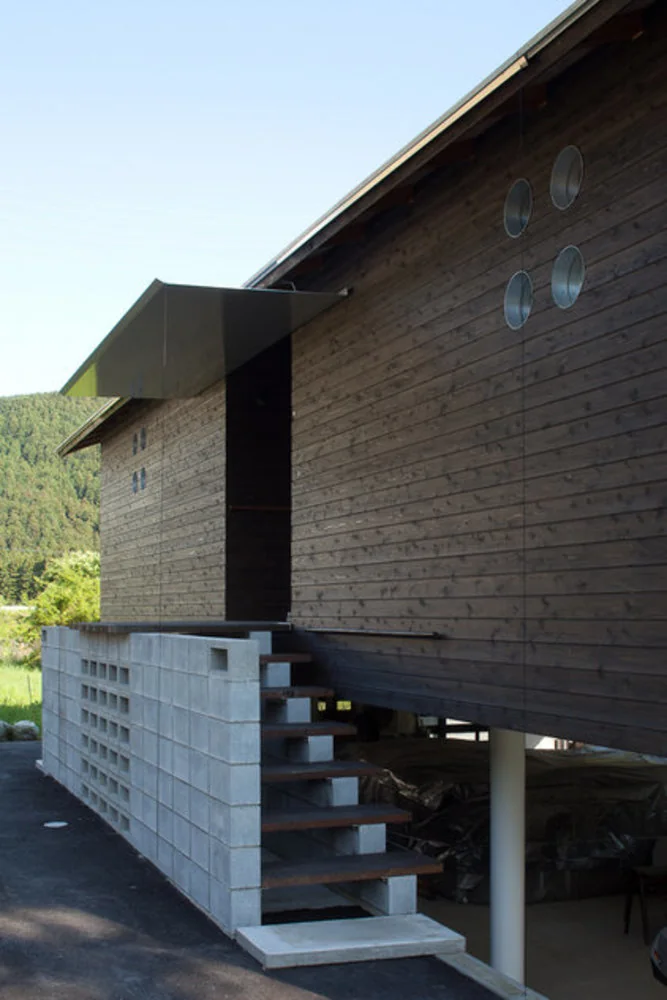
Hybrid House Along the Tokigawa River
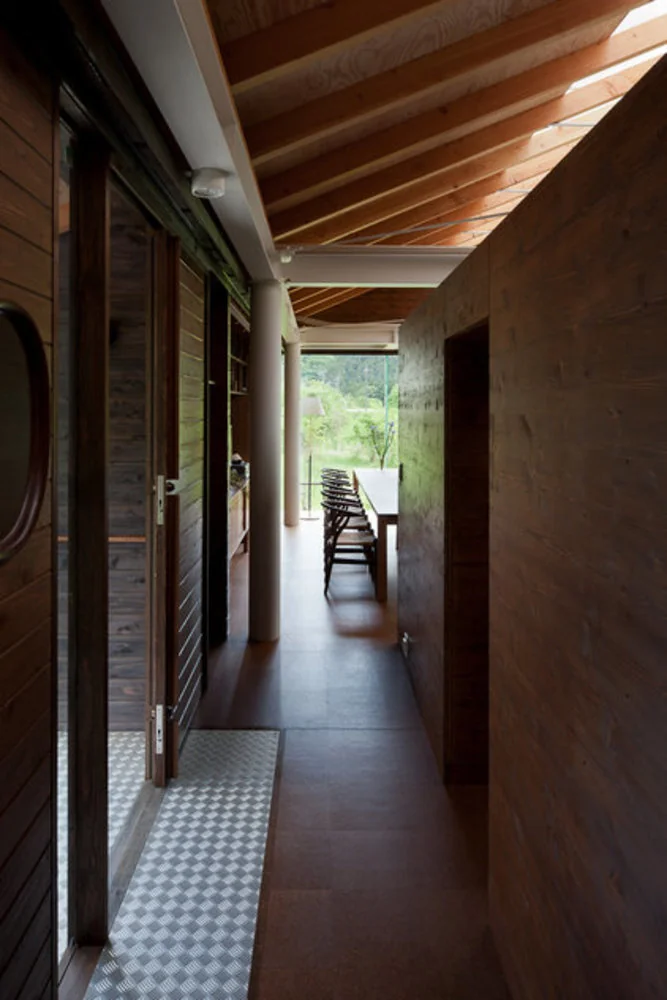
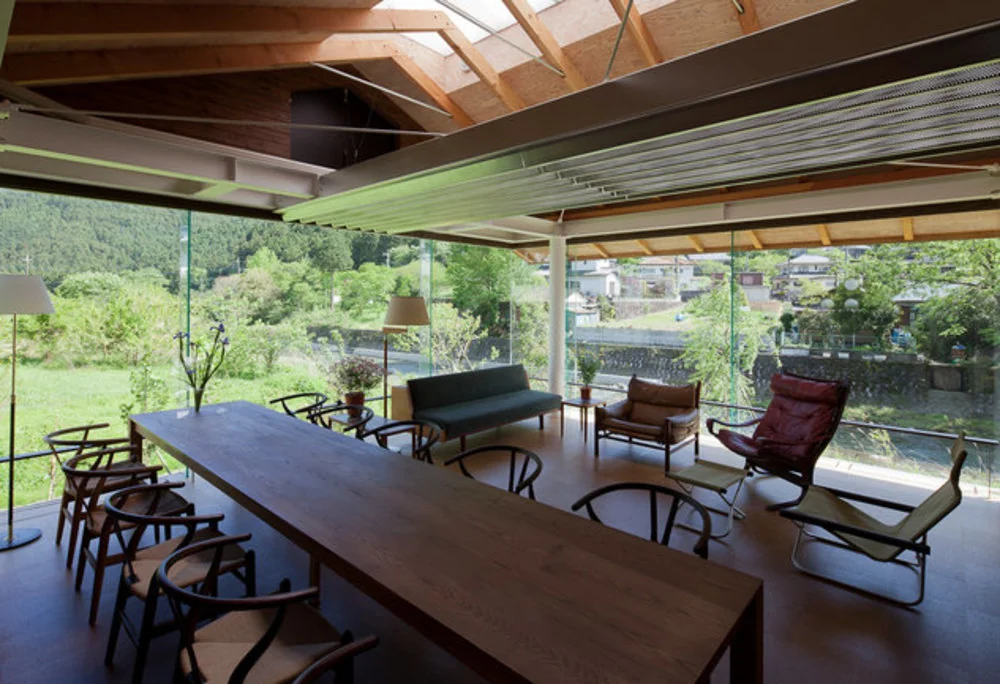
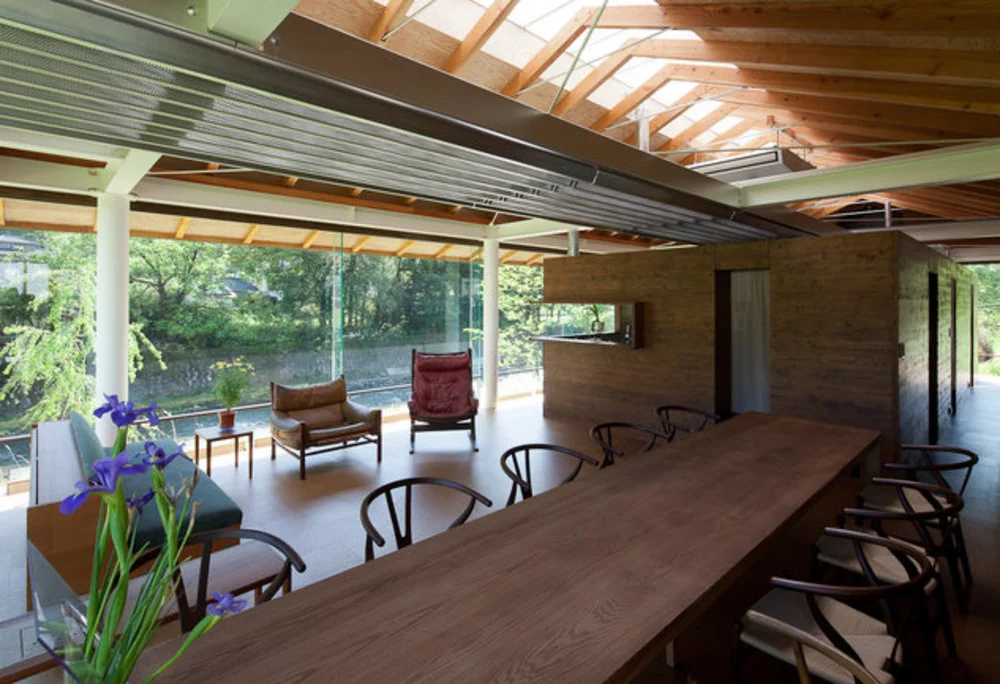
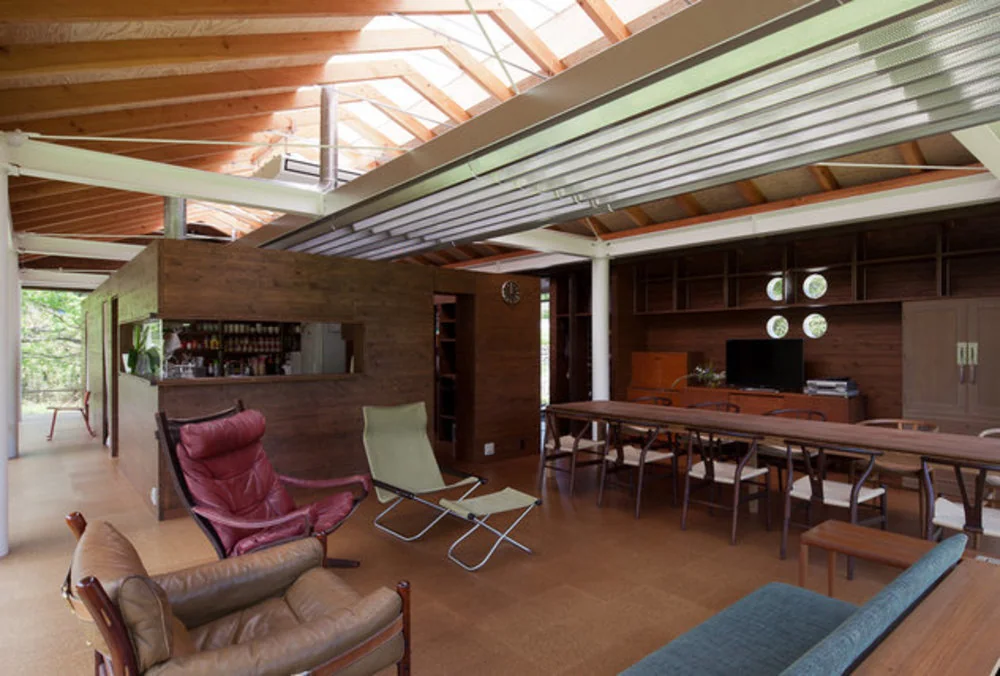
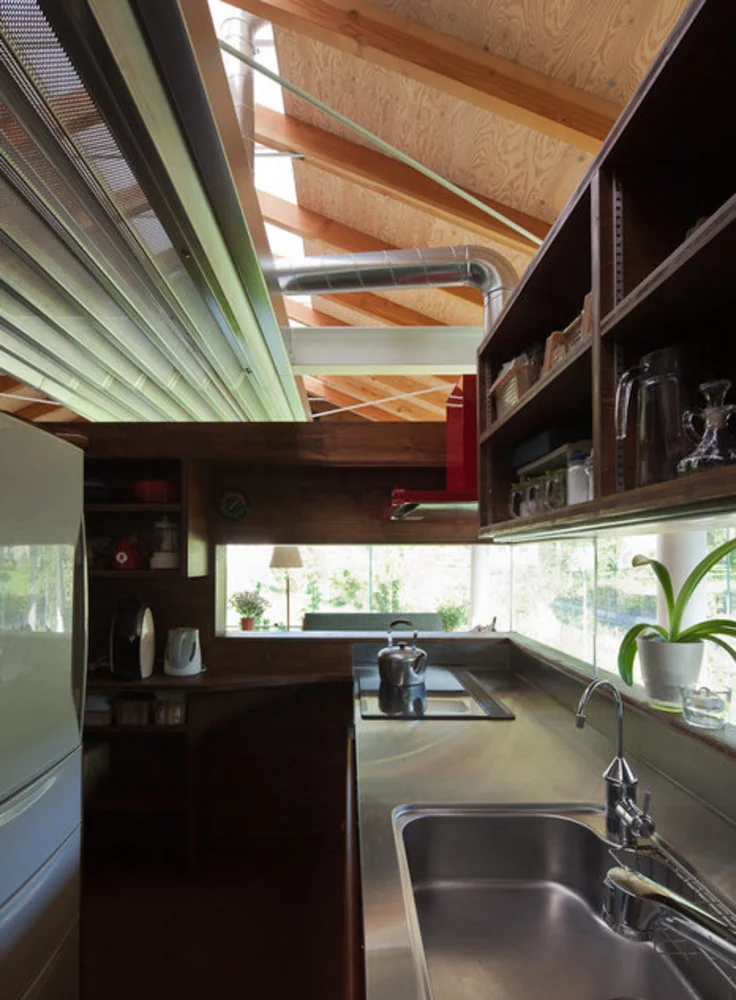
A glass house offering a unified thermal environment with abundant natural light and spatial presence
Hybrid House Along the Tokigawa River
Learn More
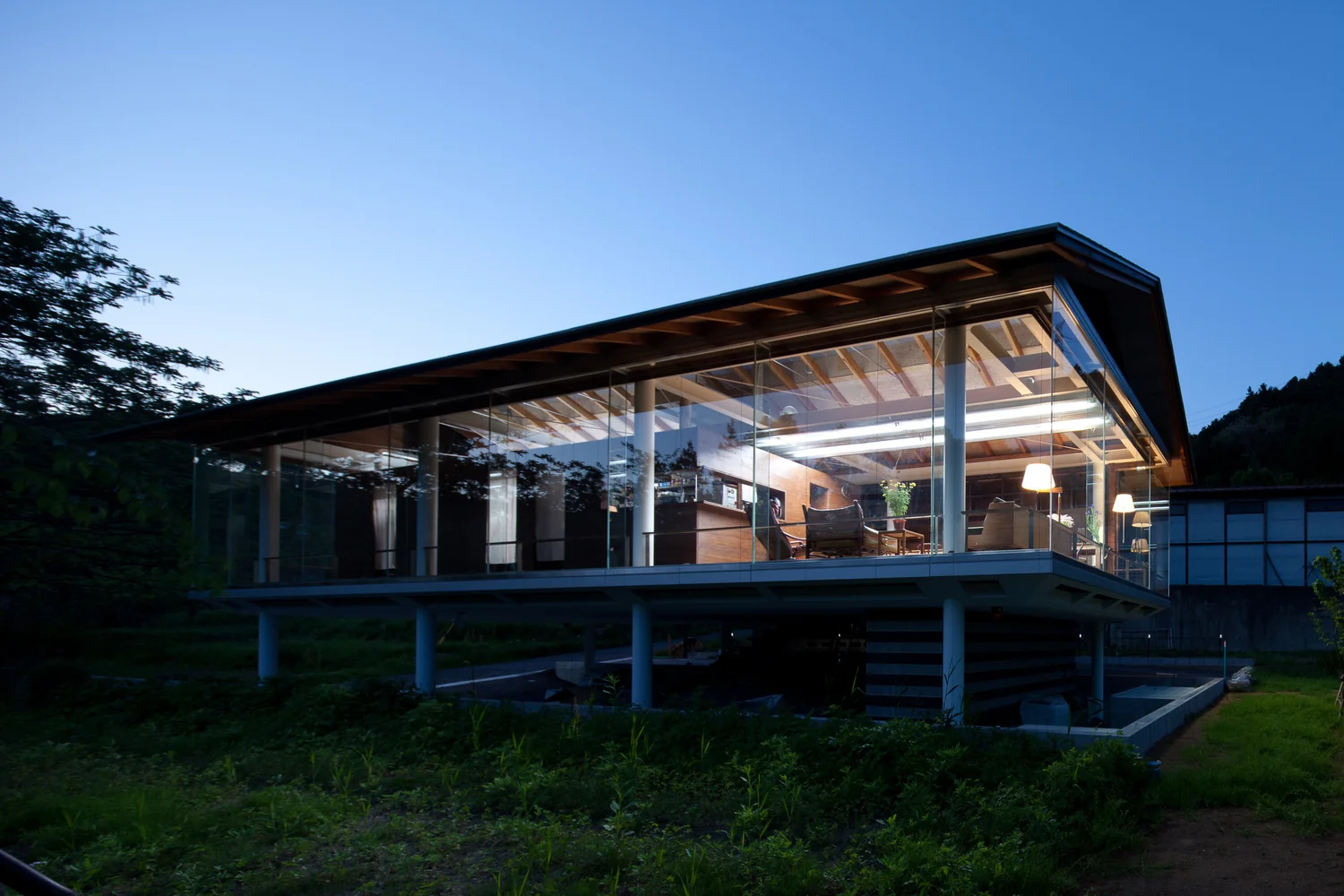
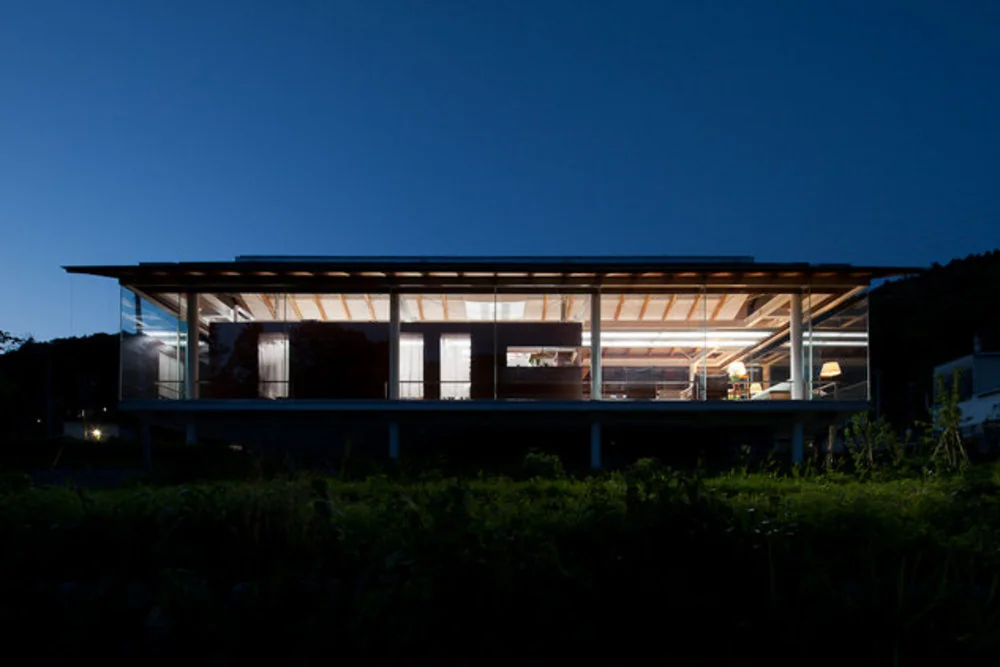
Situated approximately 50 kilometers from the Tokyo metropolitan center, this glass house is located on a roughly 220-tsubo (approximately 726 square meters) site on the northern bank of the Tokigawa River, a Class A river flowing through northwestern Saitama Prefecture. The site, which includes wild fields and agricultural land, features a hybrid structural system combining steel, timber, and glass. Residents are afforded an immersive experience of the pristine Tokigawa stream flowing directly before the house, complemented by the mountainous backdrop of the Chichibu mountain range, allowing for a profound appreciation of the changing seasons and the abundant natural surroundings.
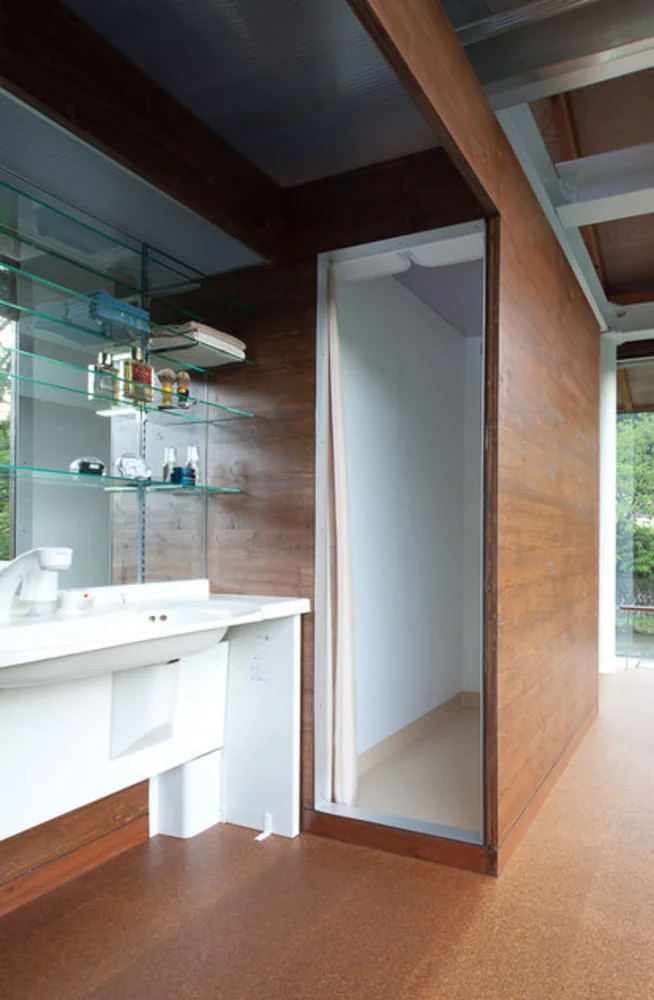
The second floor, serving as the primary living level, is designed with a continuous circulation flow. While this spatial arrangement compromises acoustic and air privacy, it enables the enjoyment of a unified thermal environment under a single roof, along with ample natural light and a heightened sense of presence.
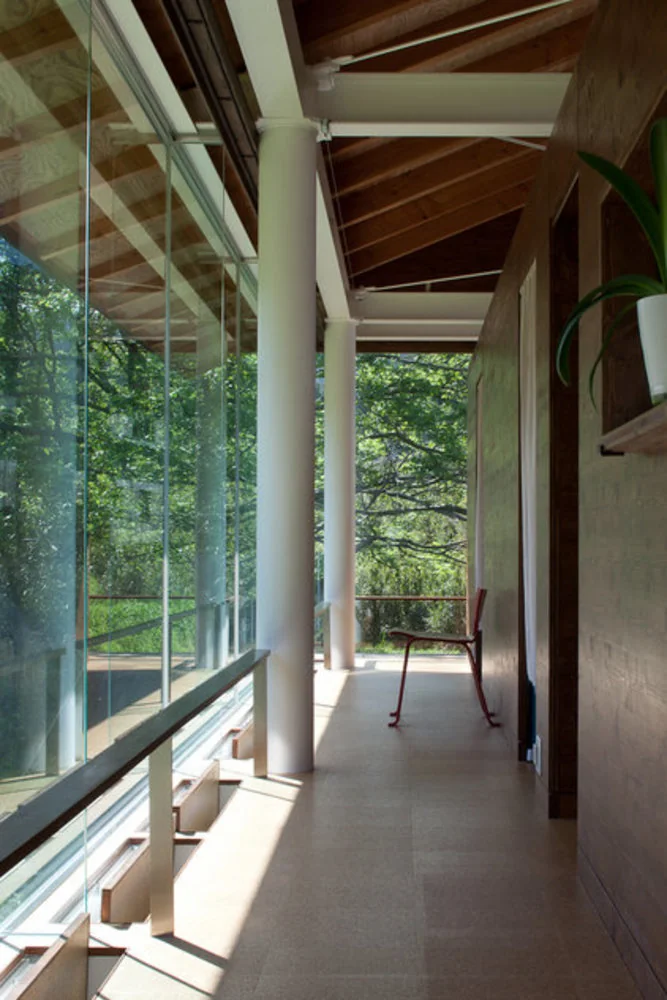
Given that the exterior walls of the building have no operable openings, a ventilation system has been innovatively integrated into the floor section cantilevered beyond the second-floor perimeter. This horizontal louver-like mechanism facilitates airflow and ventilation. Utilizing stack ventilation driven by temperature differentials, exhaust air is expelled through a mechanically assisted ventilation device located at the roof’s upper side, ensuring effective indoor air quality management.
The second floor, serving as the primary living level, is designed with a continuous circulation flow. While this spatial arrangement compromises acoustic and air privacy, it enables the enjoyment of a unified thermal environment under a single roof, along with ample natural light and a heightened sense of presence.
Given that the exterior walls of the building have no operable openings, a ventilation system has been innovatively integrated into the floor section cantilevered beyond the second-floor perimeter. This horizontal louver-like mechanism facilitates airflow and ventilation. Utilizing stack ventilation driven by temperature differentials, exhaust air is expelled through a mechanically assisted ventilation device located at the roof’s upper side, ensuring effective indoor air quality management.
- Copyright(C)Qurasuki.All Rights Reserved.