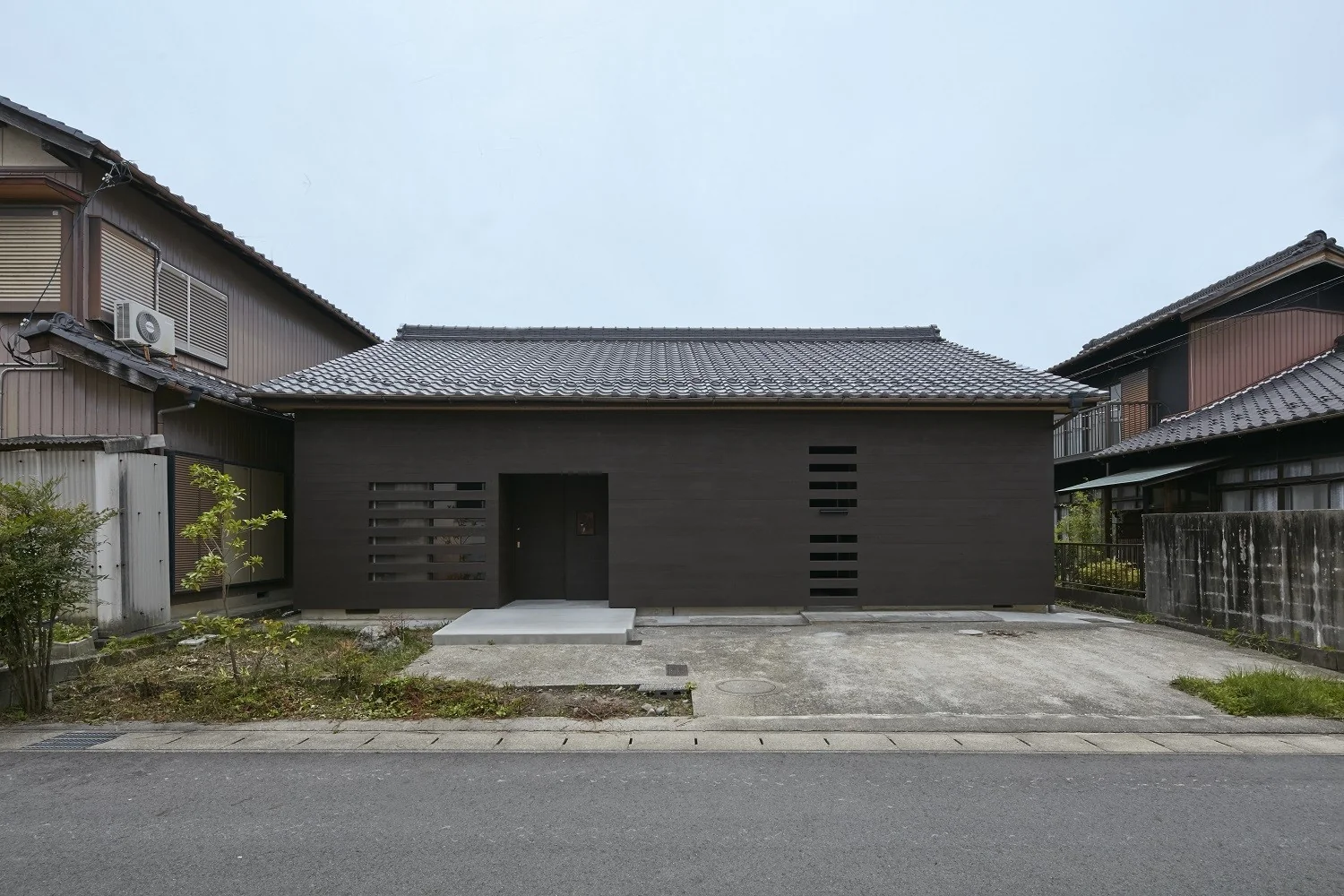
Introducing House in Tajimi, a custom-built home example by Tada Architectural Design Office, a Architect / Design office in 5-1-3-607 Shonandai, Fujisawa City, Kanagawa Prefecture
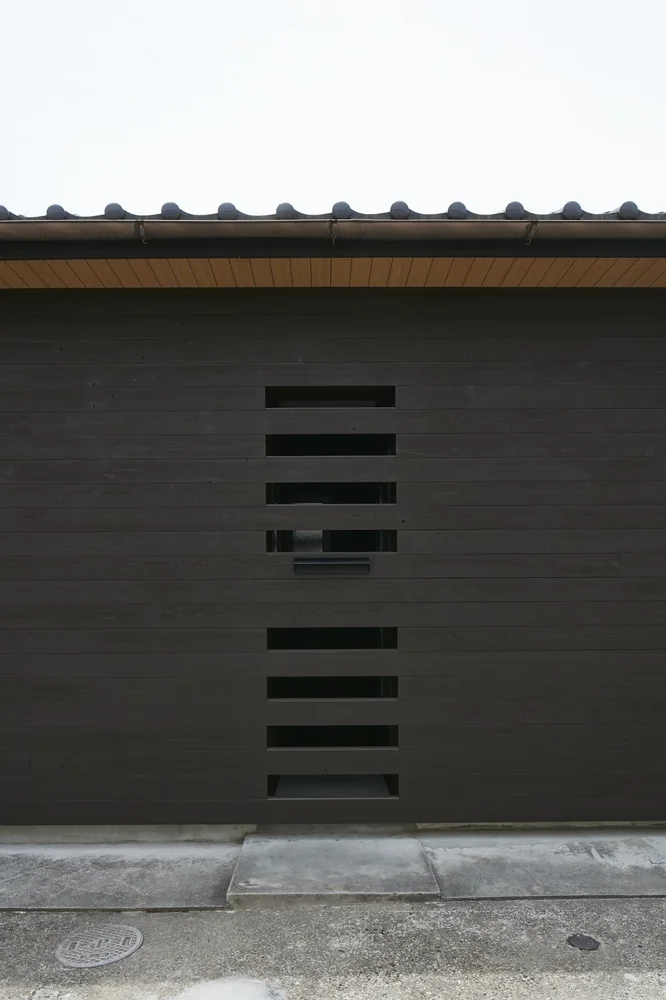
The façade design highlights the elegant proportions of the existing traditional tiled roof.
House in Tajimi
House in Tajimi
House in Tajimi
House in Tajimi
House in Tajimi
House in Tajimi
House in Tajimi
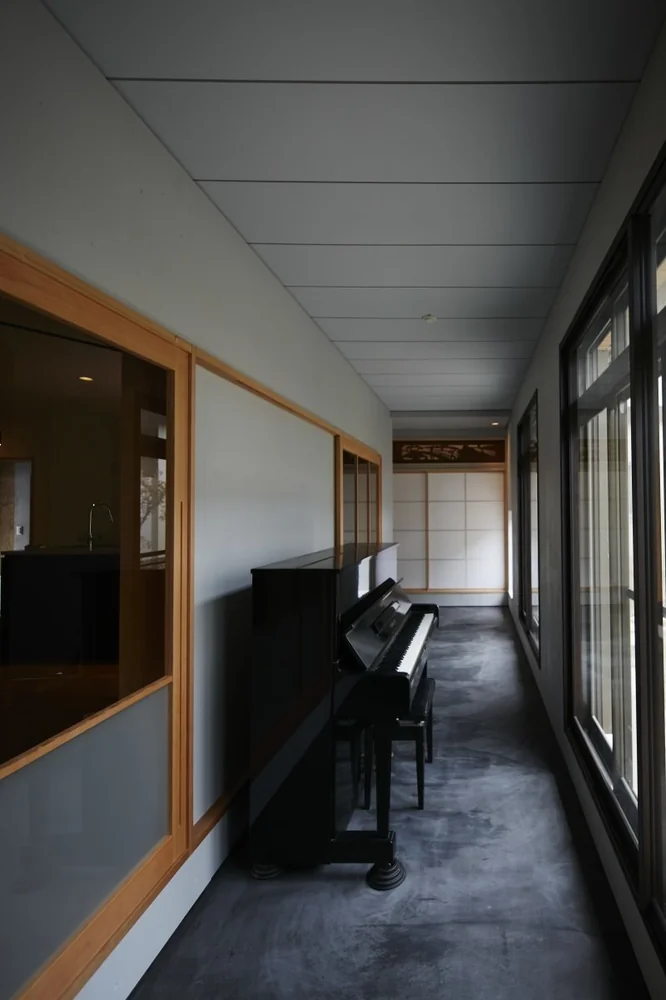
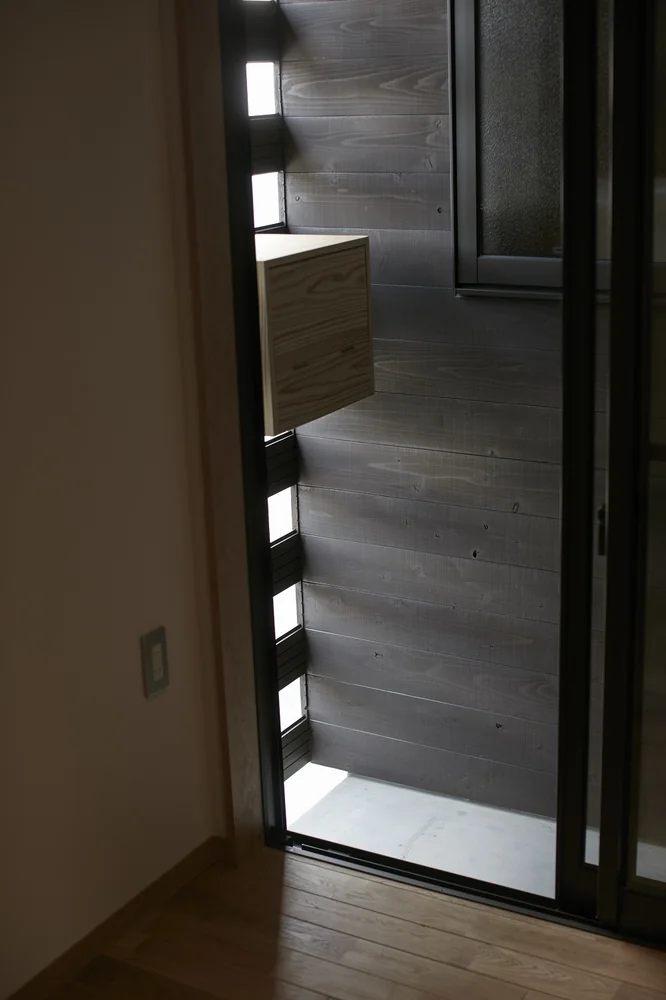
The southern veranda was reconfigured into a dirt-floored space to adapt to Tajimi’s extreme seasonal climate.
House in Tajimi
Renovation
Entrance Doma
Circulation Flow
Forever Home
Renovation
TraditionalJapaneseHouse
FinalResidence
EntranceEarthenFloor
CirculationFlow
Learn More
Situated in Tajimi City, Gifu Prefecture, renowned for its ceramics industry, this project involves the renovation of the husband’s approximately 60-year-old family home, located in a quiet corner of a small town with modest factories. Designed as a final residence for a couple, the single-story house features a beautifully proportioned traditional tiled roof, which serves as the design focal point of the façade.
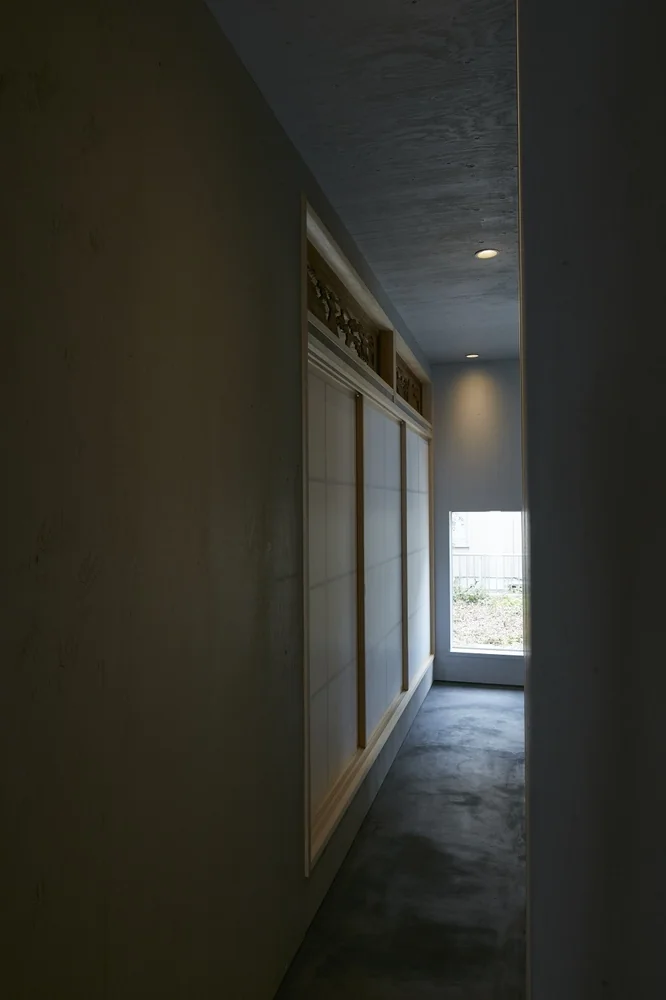
Given Tajimi’s climate characterized by both intense heat and cold, the southern veranda—originally a sunroom—was reimagined as a dirt-floored transitional space. This design strategy reduces the winter living area to conserve warmth, while in summer the space can be fully opened to facilitate natural cross-ventilation, ensuring comfort throughout the seasons.
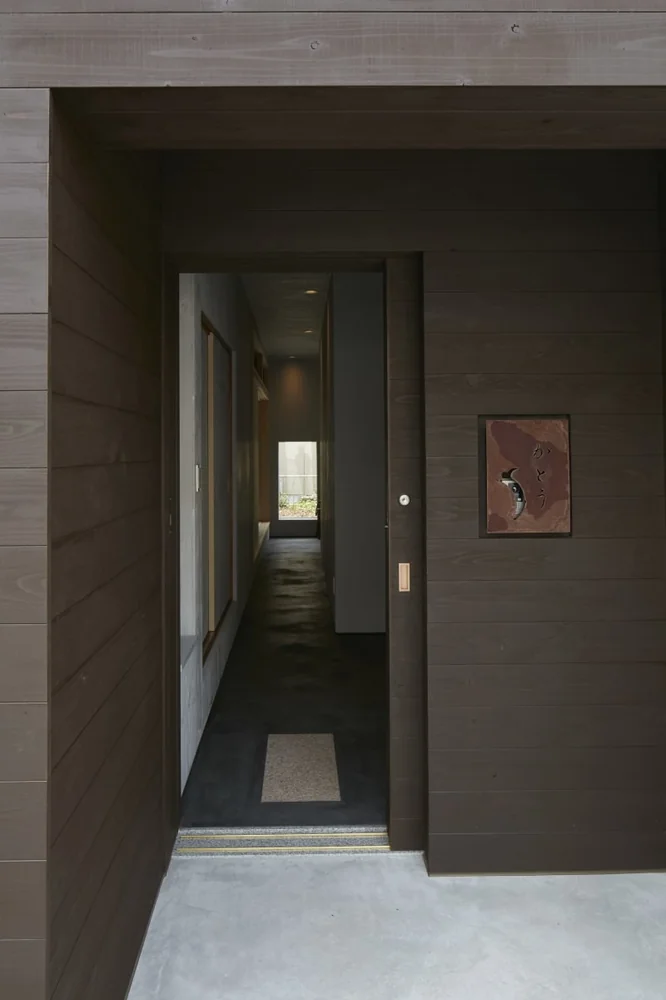
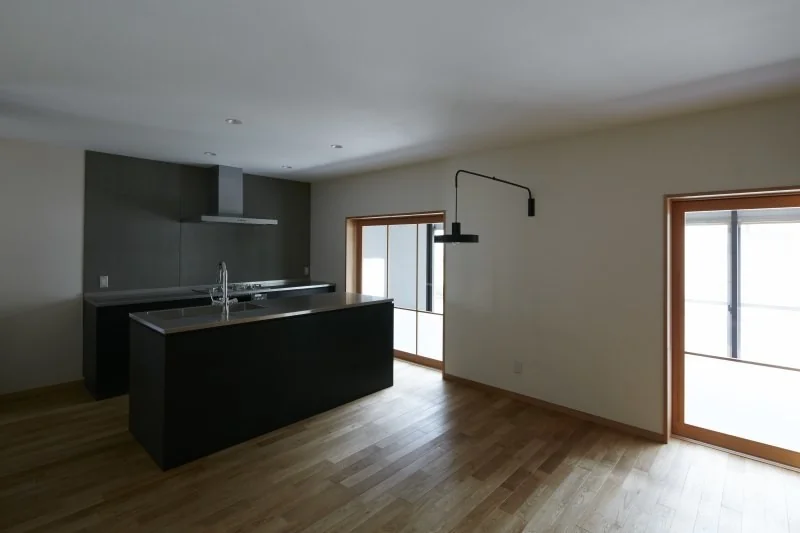
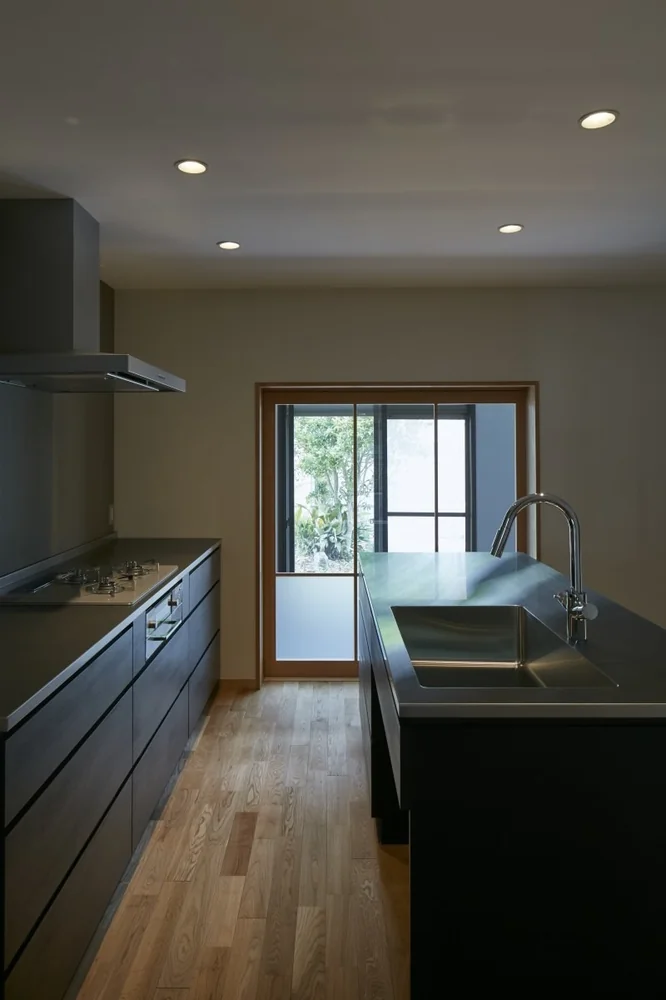
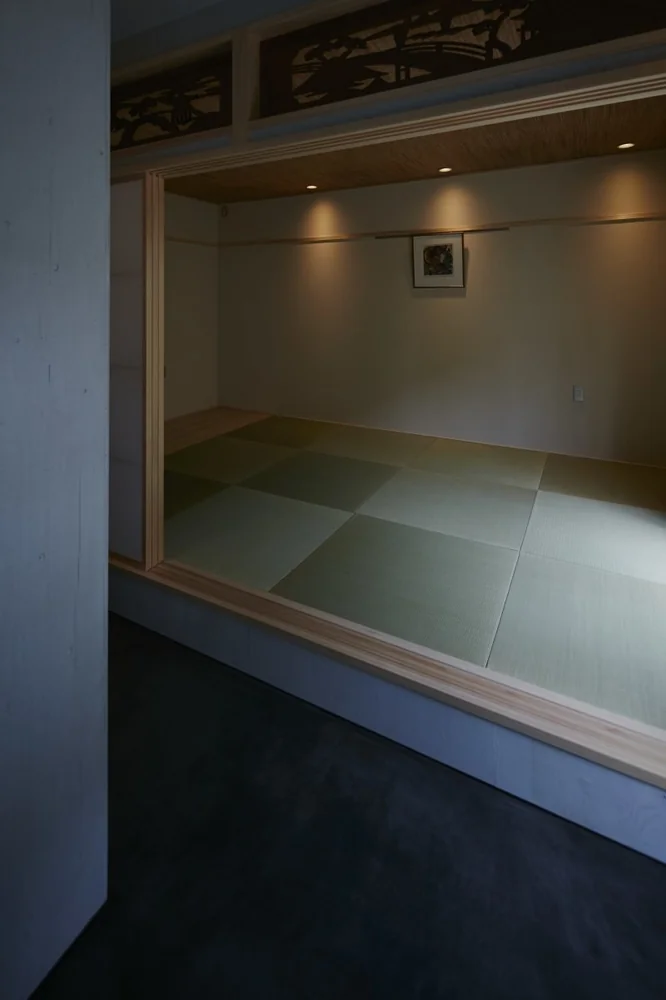
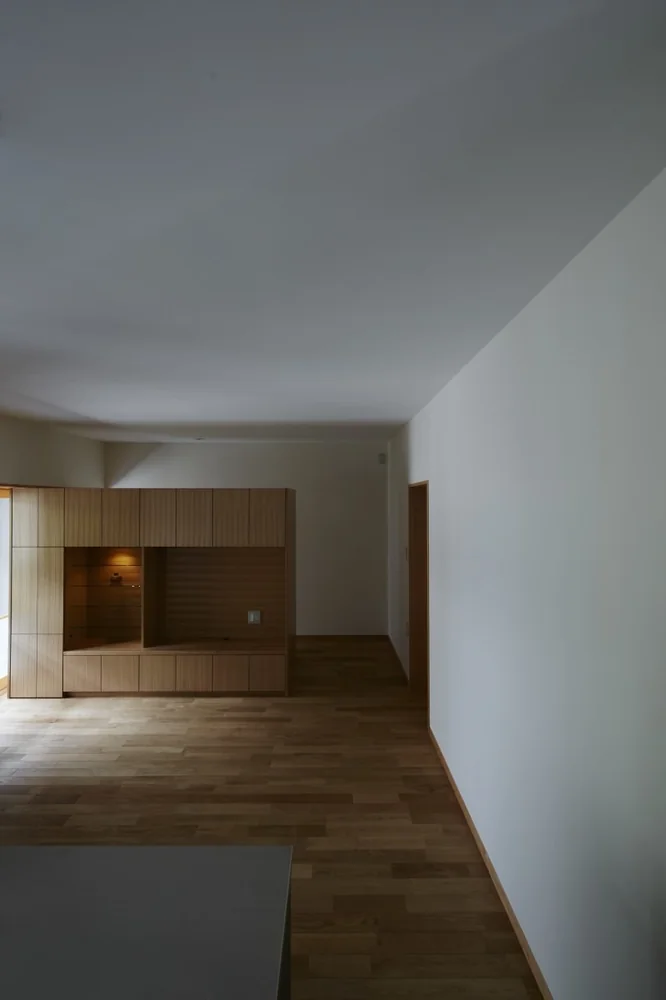
Additionally, with the couple’s aspiration to open a small intimate restaurant in the future, a pathway from the entrance was created to establish a semi-outdoor alley, allowing direct access to the guest room and powder room. The layout promotes fluid circulation between the living, dining, and kitchen areas, bedroom, bathroom, and toilet through a flexible open-plan arrangement separated by sliding partitions. This configuration maintains uniform temperature distribution between rooms, enabling a stress-free living environment.
Given Tajimi’s climate characterized by both intense heat and cold, the southern veranda—originally a sunroom—was reimagined as a dirt-floored transitional space. This design strategy reduces the winter living area to conserve warmth, while in summer the space can be fully opened to facilitate natural cross-ventilation, ensuring comfort throughout the seasons.
Additionally, with the couple’s aspiration to open a small intimate restaurant in the future, a pathway from the entrance was created to establish a semi-outdoor alley, allowing direct access to the guest room and powder room. The layout promotes fluid circulation between the living, dining, and kitchen areas, bedroom, bathroom, and toilet through a flexible open-plan arrangement separated by sliding partitions. This configuration maintains uniform temperature distribution between rooms, enabling a stress-free living environment.
- Copyright(C)Qurasuki.All Rights Reserved.