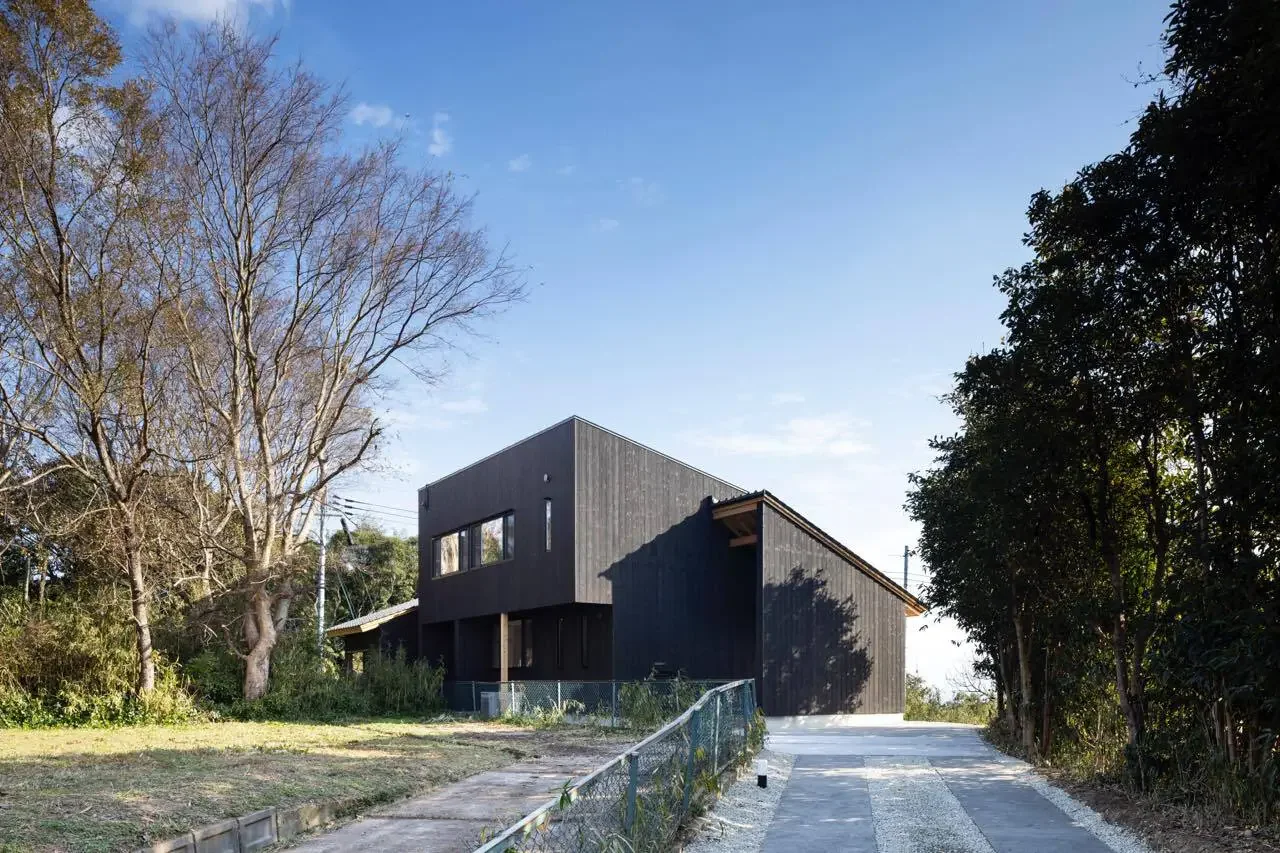
Introducing Sakura House on Awaji Island, a custom-built home example by Kumi Inoue Architects, a Architect / Design office in 2-6-15 Kuwazu, Higashisumiyoshi-ku, Osaka City, Osaka Prefecture

Sakura House on Awaji Island
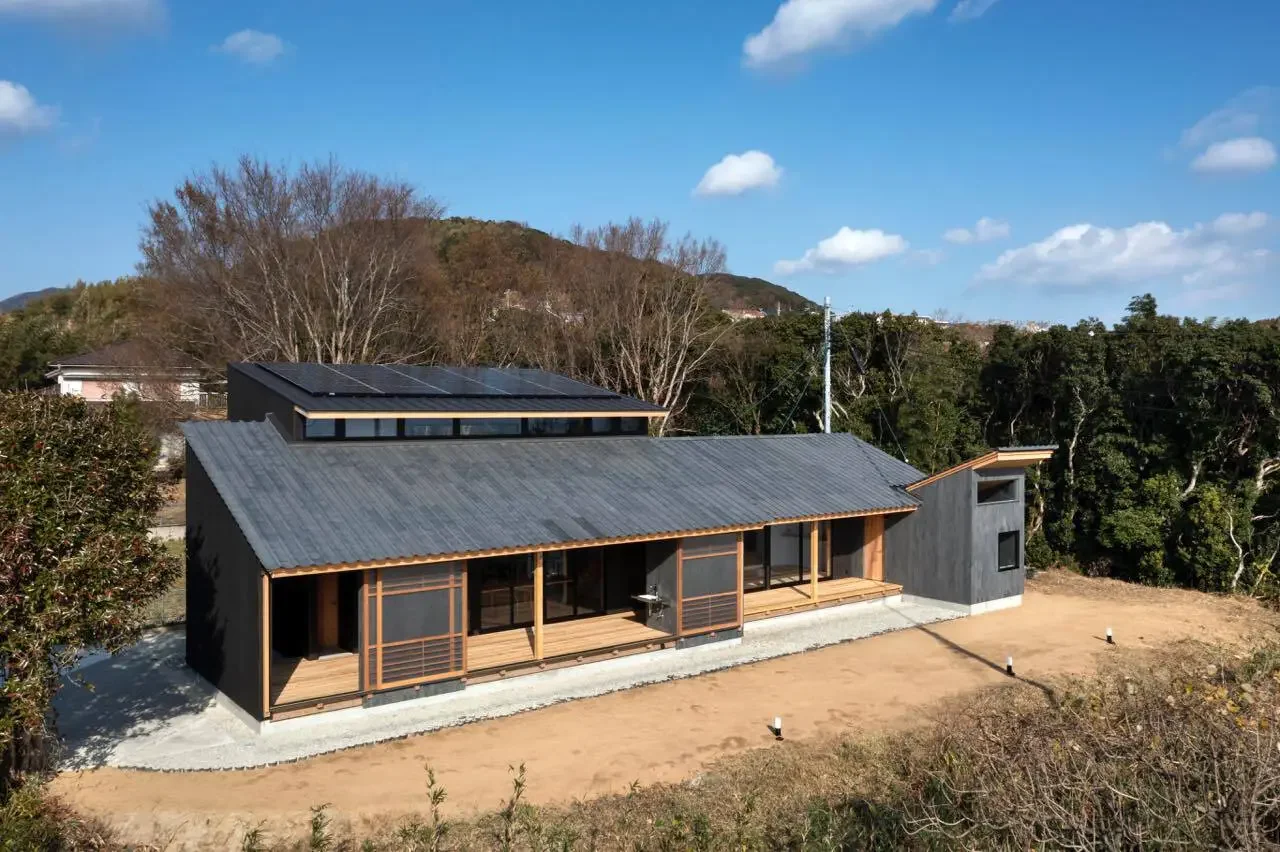
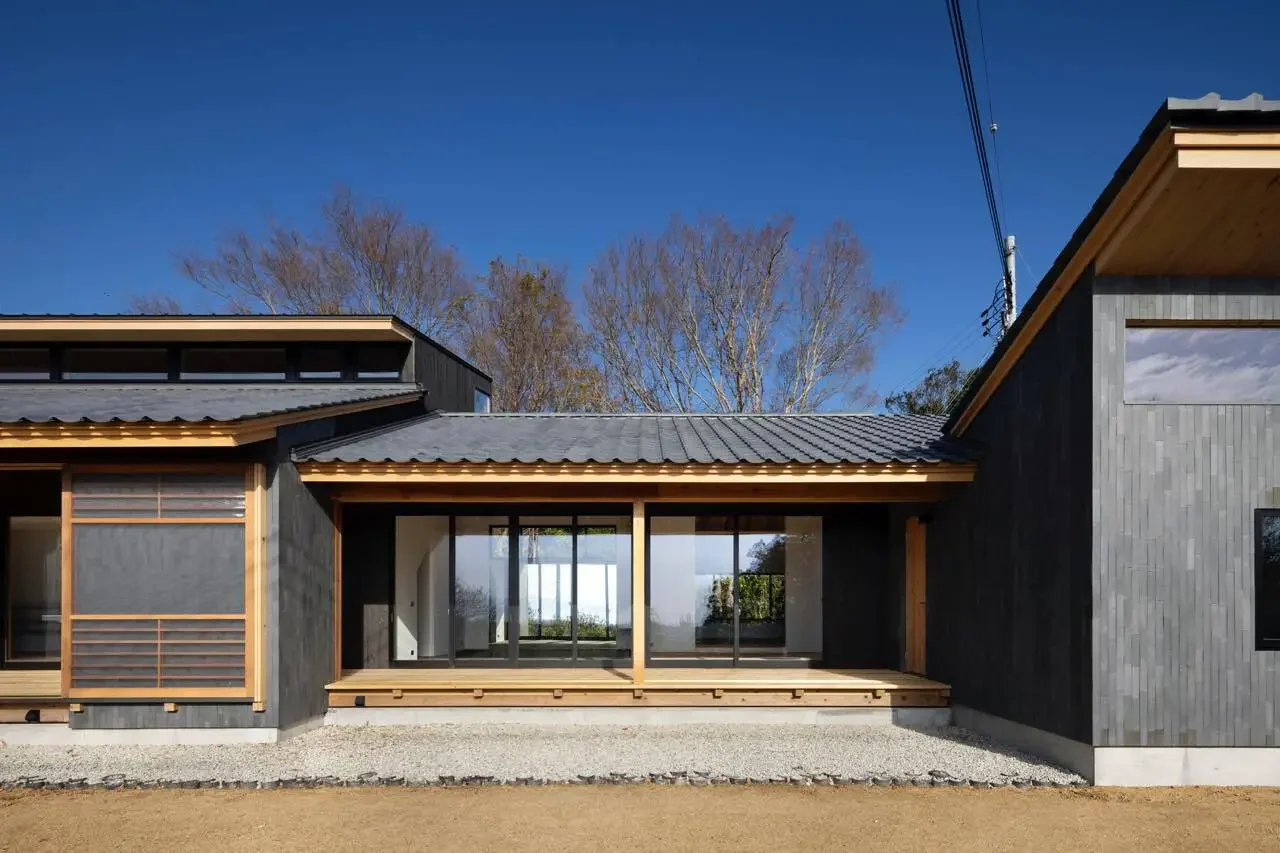
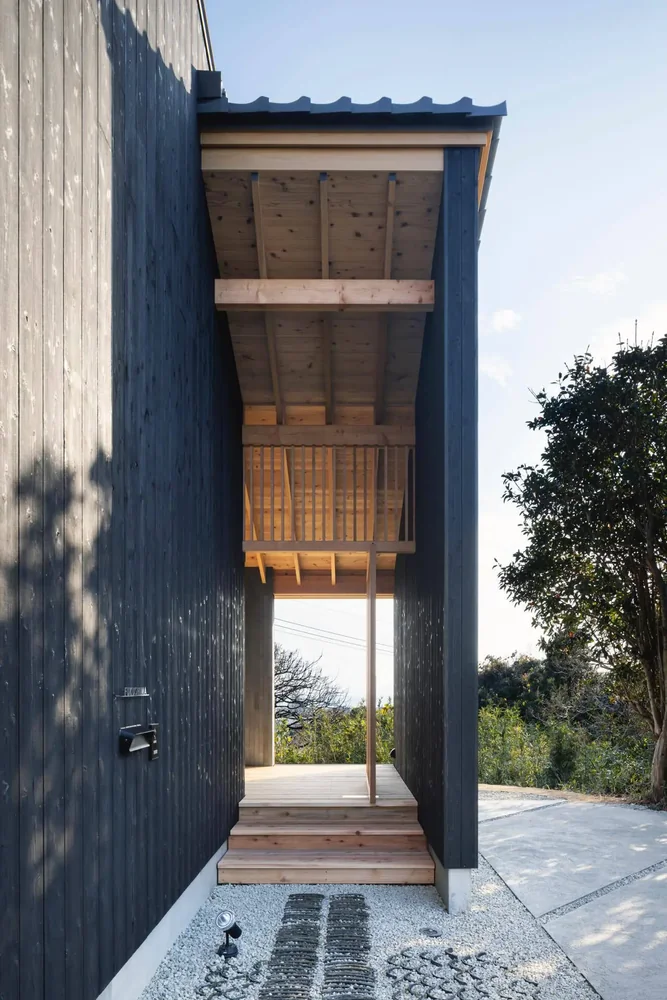
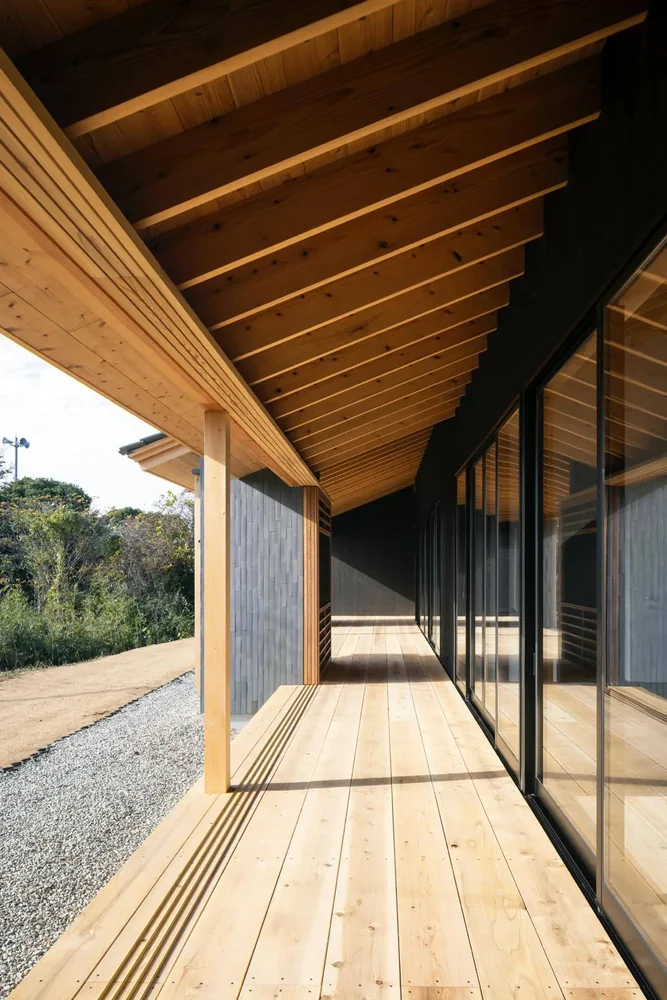
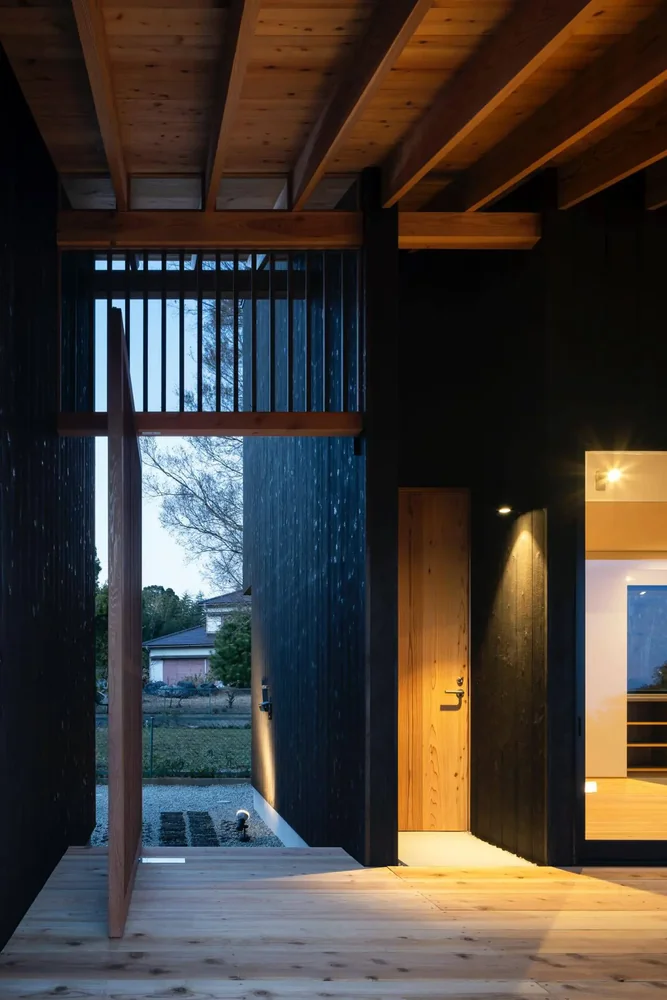
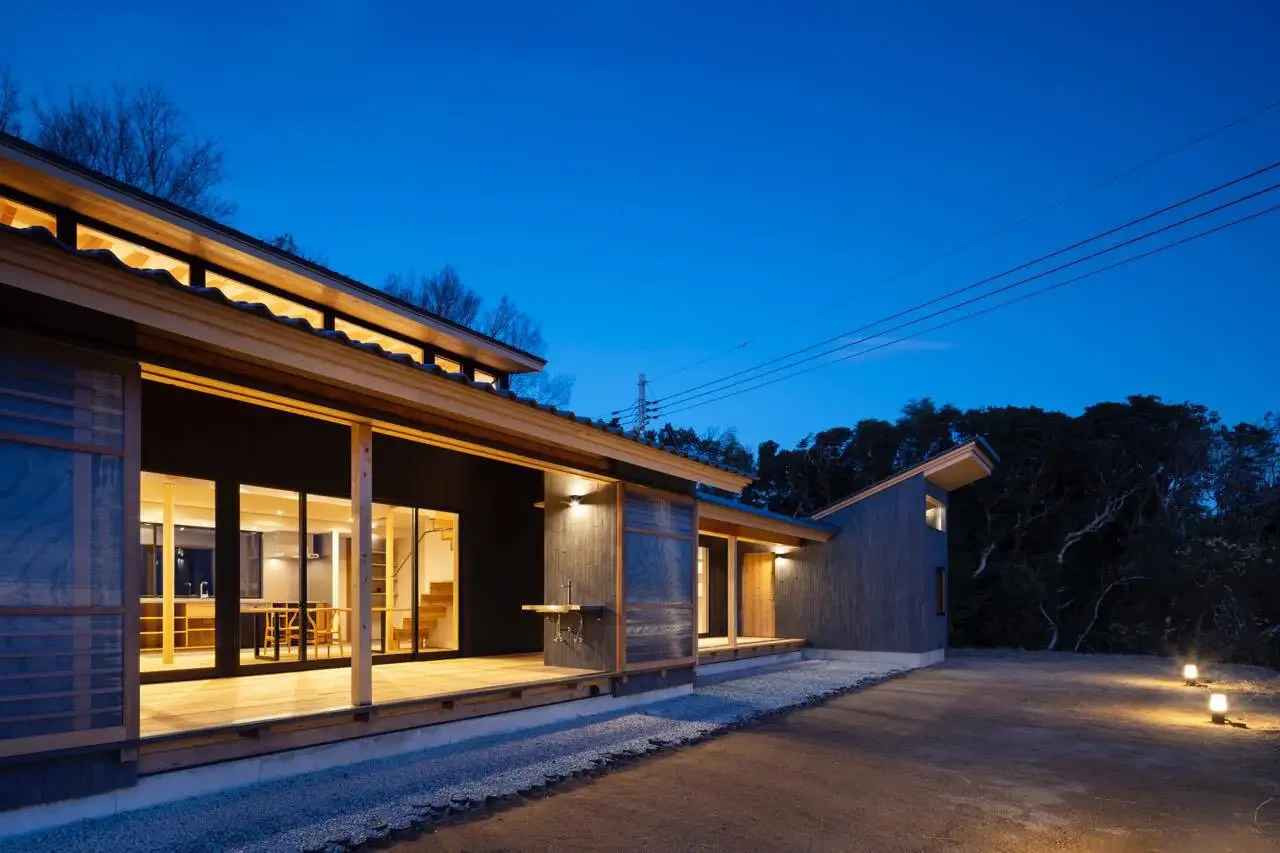
The engawa connecting the clinic, residence, and bath acts not only as a passageway but also as a space to experience nature.
Sakura House on Awaji Island
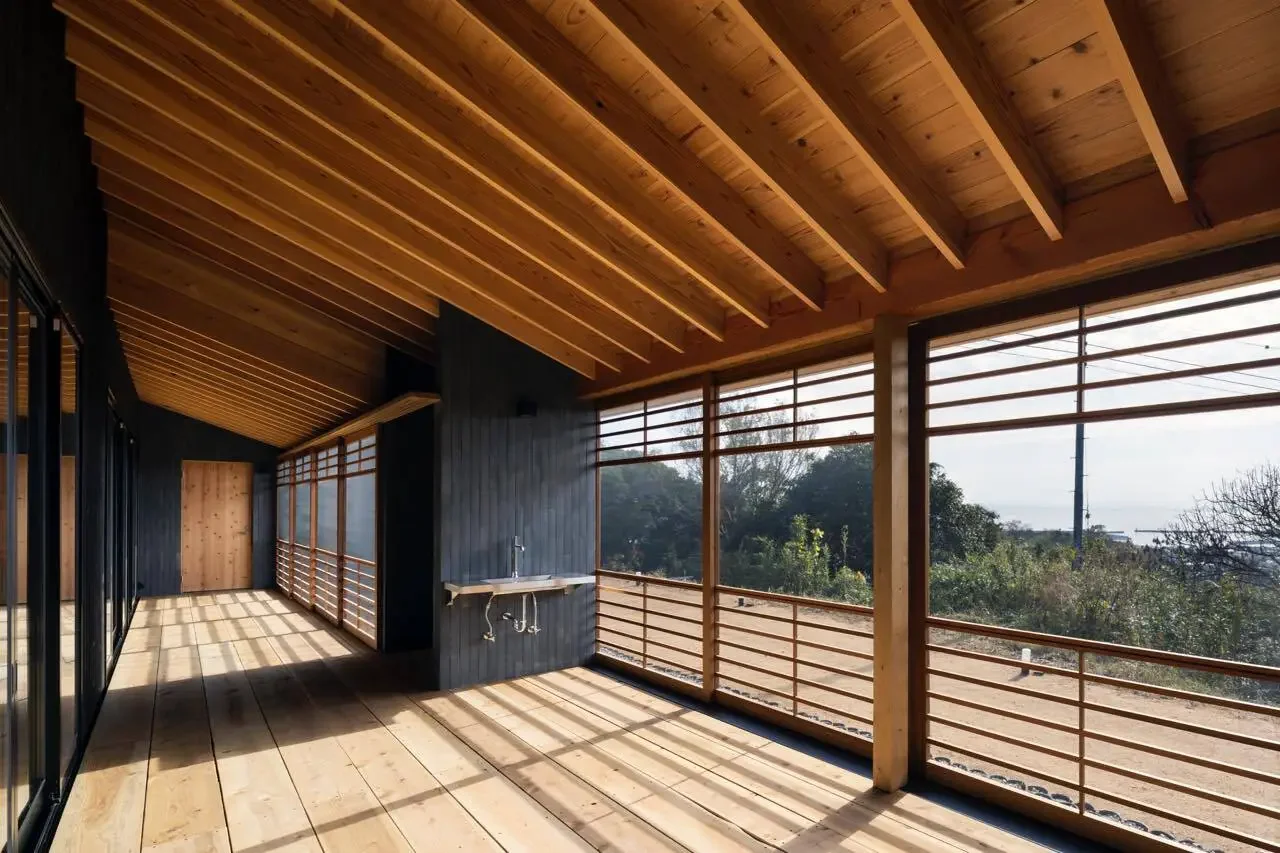
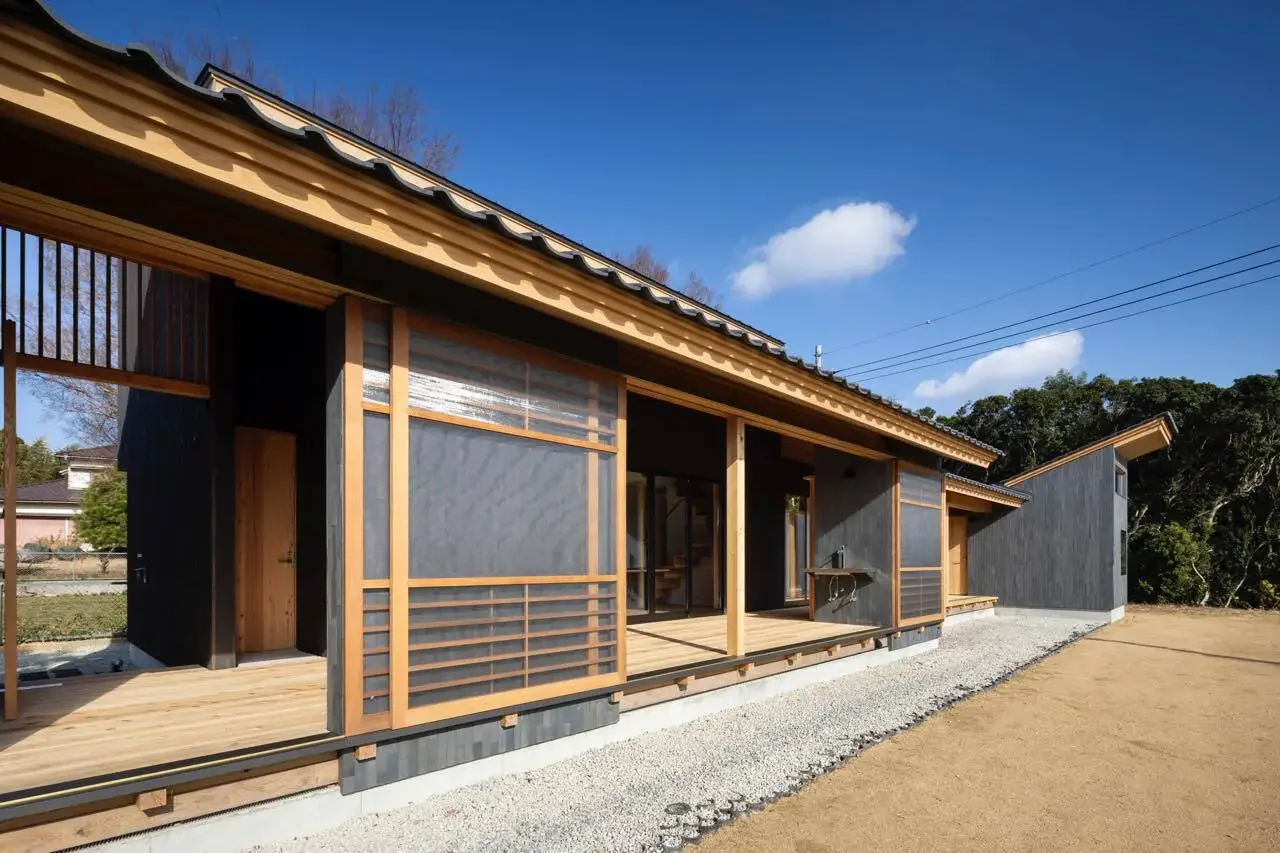
A movable mesh screen installed to simultaneously protect against insects, promote ventilation, and preserve scenic views.
Sakura House on Awaji Island
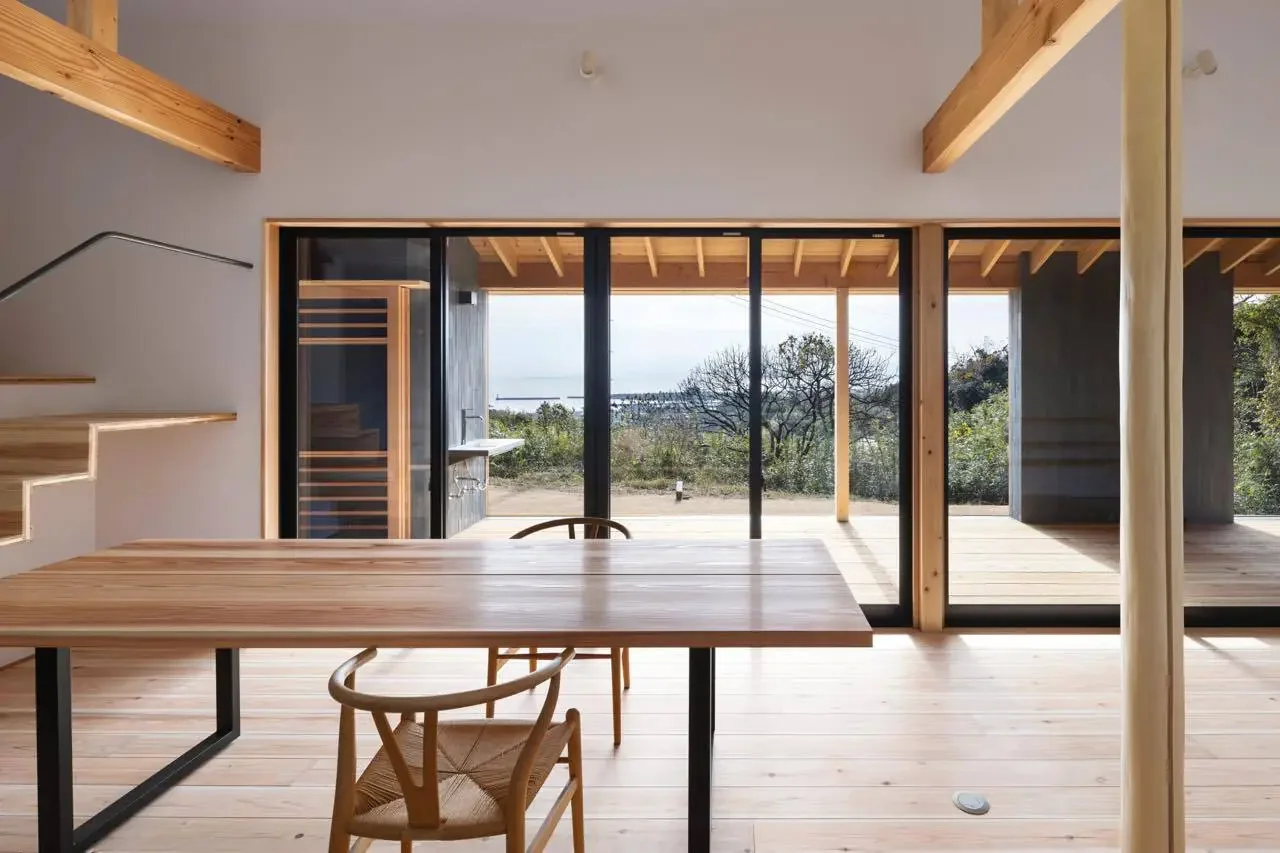
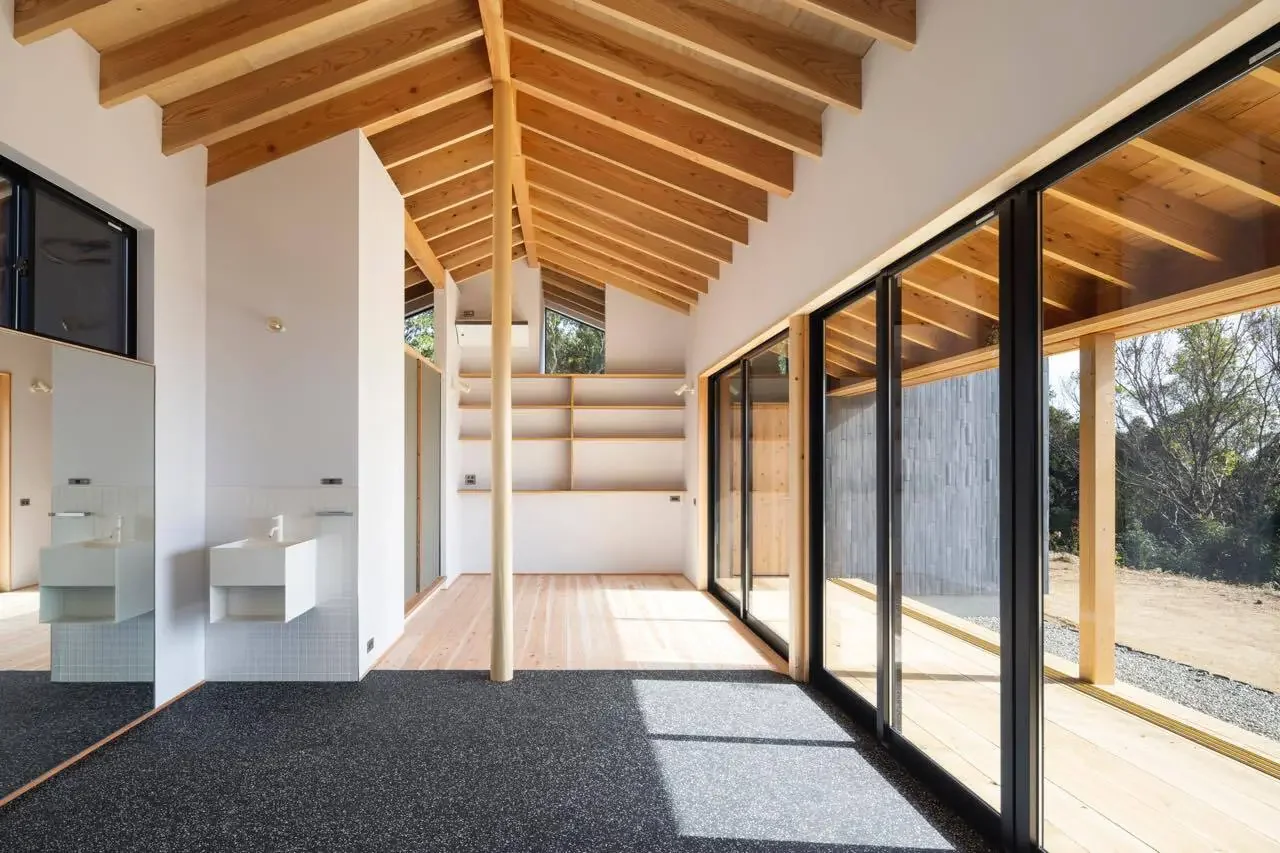
View from the dining area through the engawa toward the Pacific Ocean beyond.
Sakura House on Awaji Island
Living with Nature
Scenic View
Engawa
Clinic-House
Wood Deck
LivingWithNature
WoodDeck
Engawa
ScenicViews
ClinicAndResidence
Eiji Tomita
Learn More
The project site is located near Iho Fishing Port on the eastern coast of Awaji Island, revealed at the end of a steep slope. Overlooking Osaka Bay to the south and backed by verdant mountains to the north, this location accommodates a combined clinic and residence for a physician specializing in sports medicine.
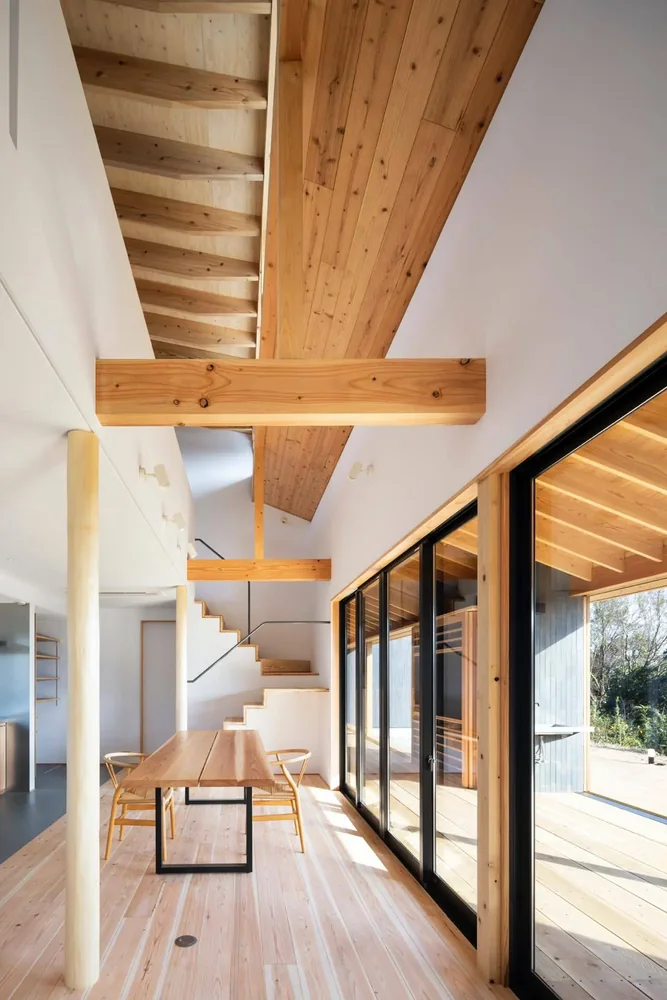
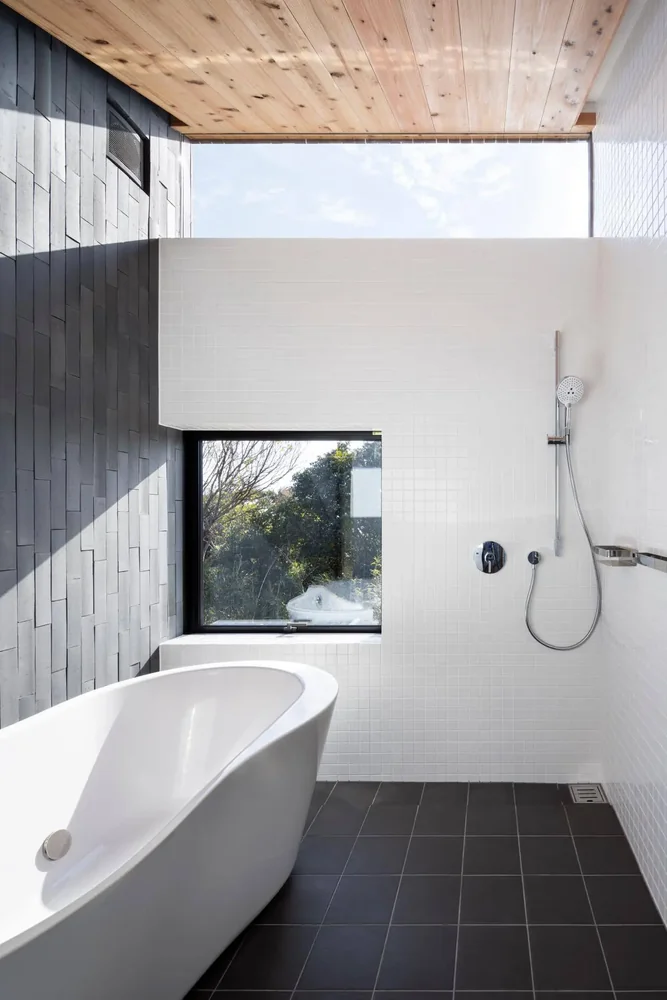
Designed as a tranquil home in harmony with nature, the dwelling also addresses natural challenges such as wind, insects, and wildlife intrusion. Three volumes of varying heights—housing the residence, clinic, and bath facilities—are connected linearly via an "engawa" (traditional Japanese veranda). This engawa serves not only as a circulation path linking the different volumes but is also conceived as a "room" that fosters a direct sensory connection with the natural environment.
On the exterior side of the engawa, a movable mesh screen functions as a mosquito net, balancing insect protection with ventilation while preserving panoramic views. Ultimately, the site is envisioned to become a venue for sports activities, contributing to regional revitalization. This project aspires to serve as a catalyst for such community engagement.
Designed as a tranquil home in harmony with nature, the dwelling also addresses natural challenges such as wind, insects, and wildlife intrusion. Three volumes of varying heights—housing the residence, clinic, and bath facilities—are connected linearly via an "engawa" (traditional Japanese veranda). This engawa serves not only as a circulation path linking the different volumes but is also conceived as a "room" that fosters a direct sensory connection with the natural environment.
On the exterior side of the engawa, a movable mesh screen functions as a mosquito net, balancing insect protection with ventilation while preserving panoramic views. Ultimately, the site is envisioned to become a venue for sports activities, contributing to regional revitalization. This project aspires to serve as a catalyst for such community engagement.
- Copyright(C)Qurasuki.All Rights Reserved.