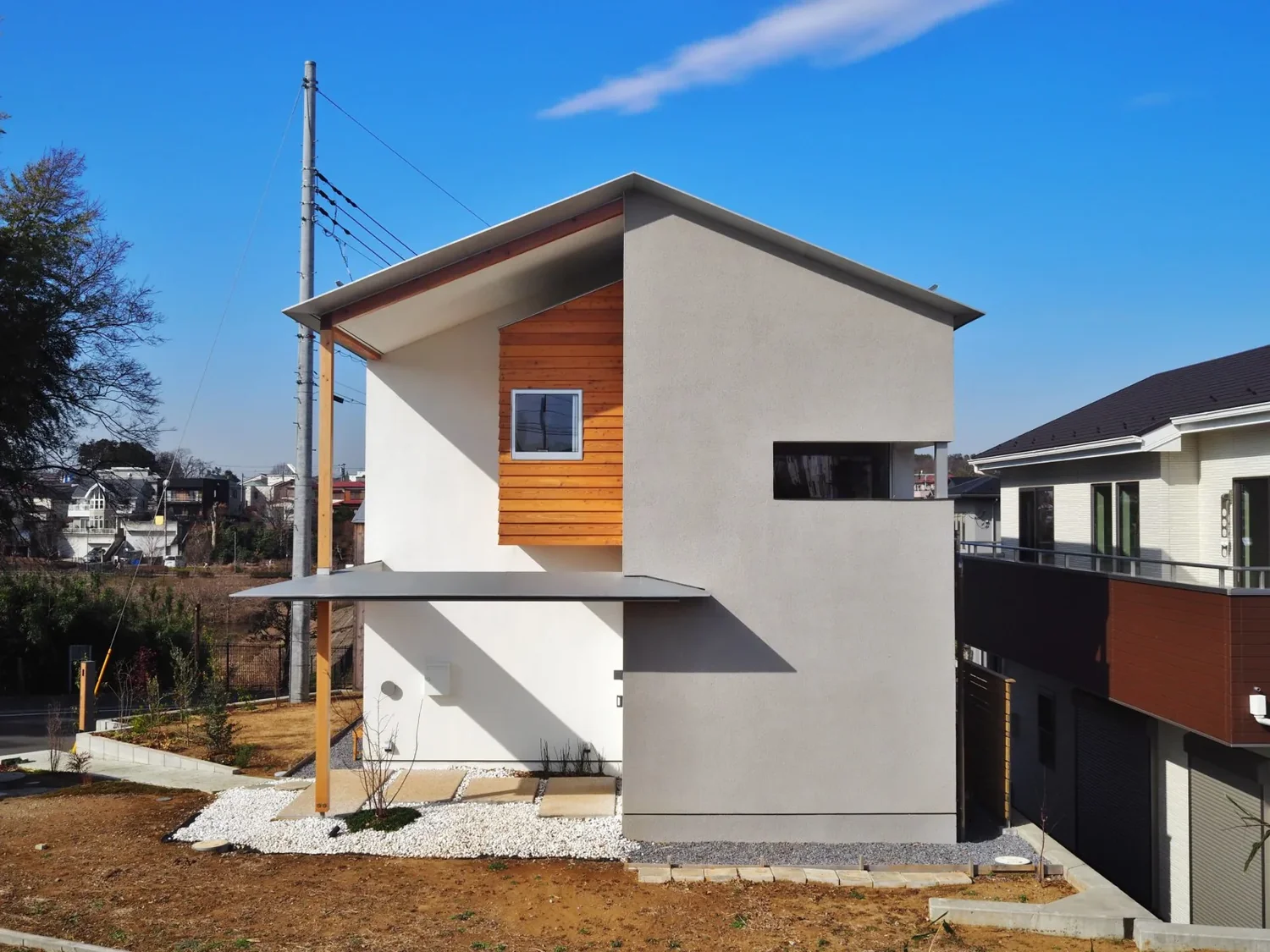
Introducing House Beside the Park, a custom-built home example by Yu Architectural Design Studio, a Architect / Design office in 159-20 Tsuboi-cho, Funabashi City, Chiba Prefecture

Sculptural, three-dimensional exterior form
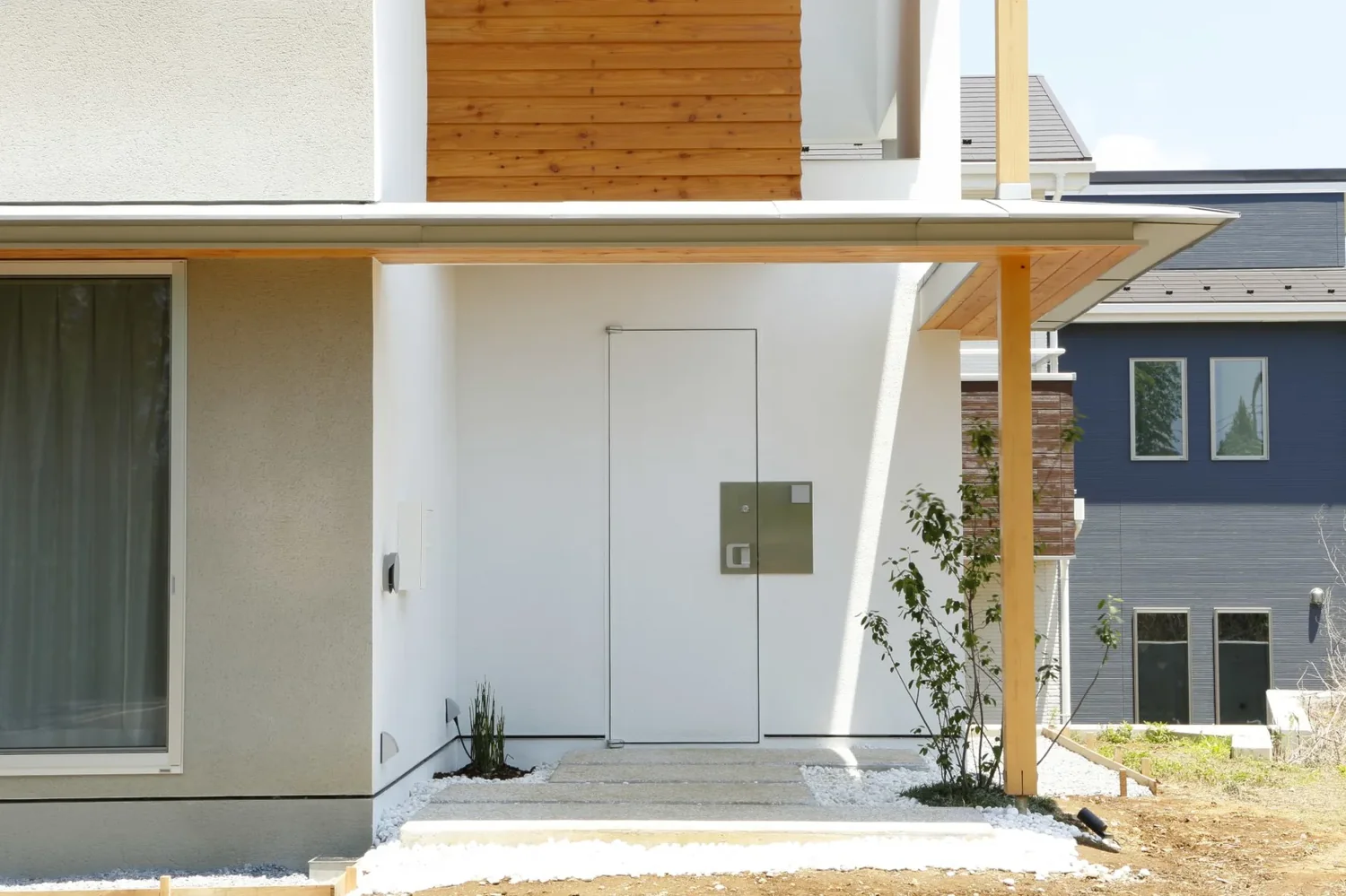
House Beside the Park
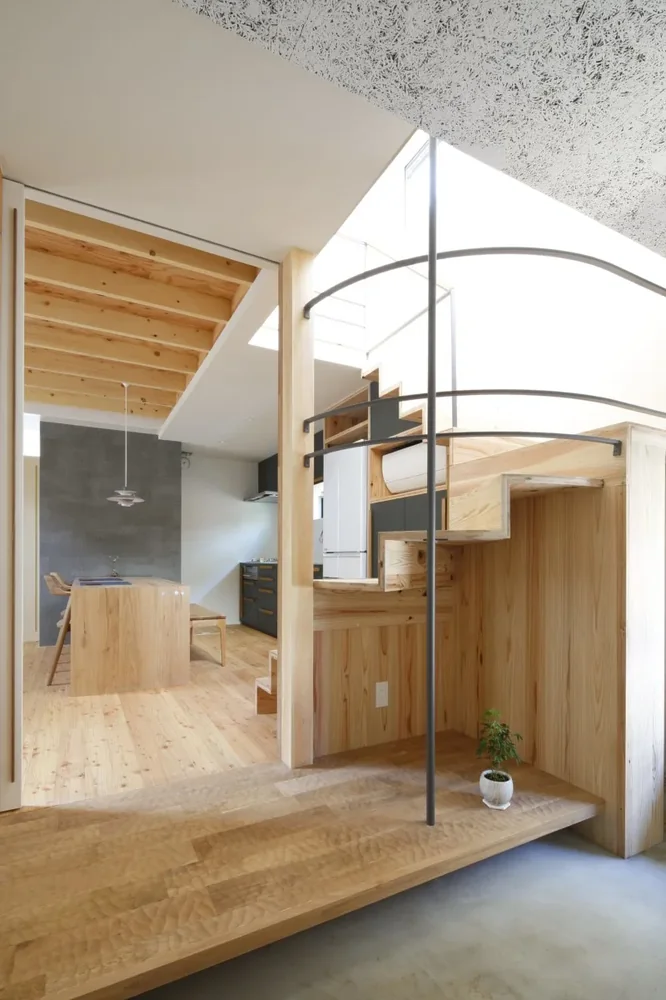
Spacious earthen-floored entrance and custom-built staircase
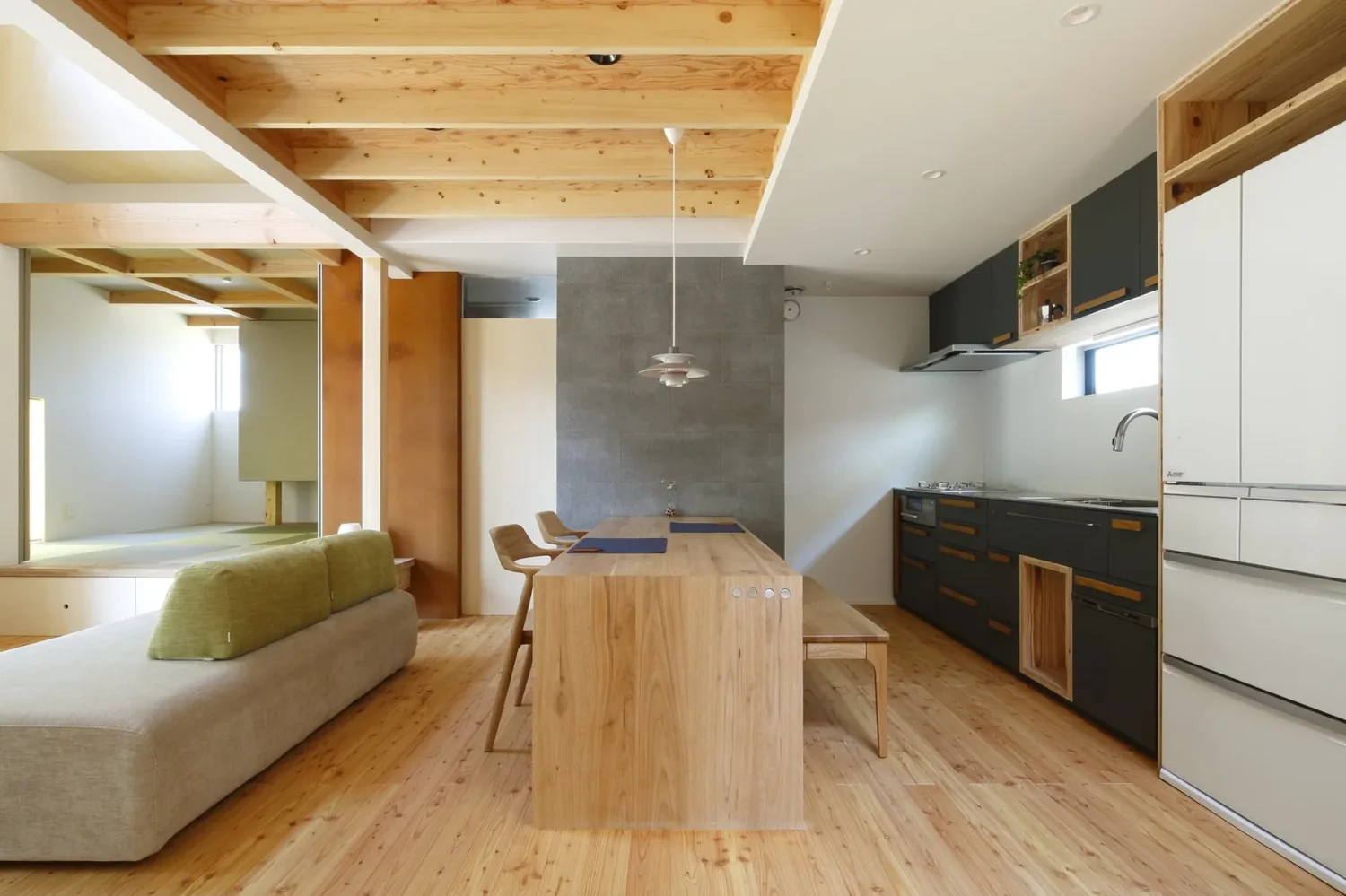
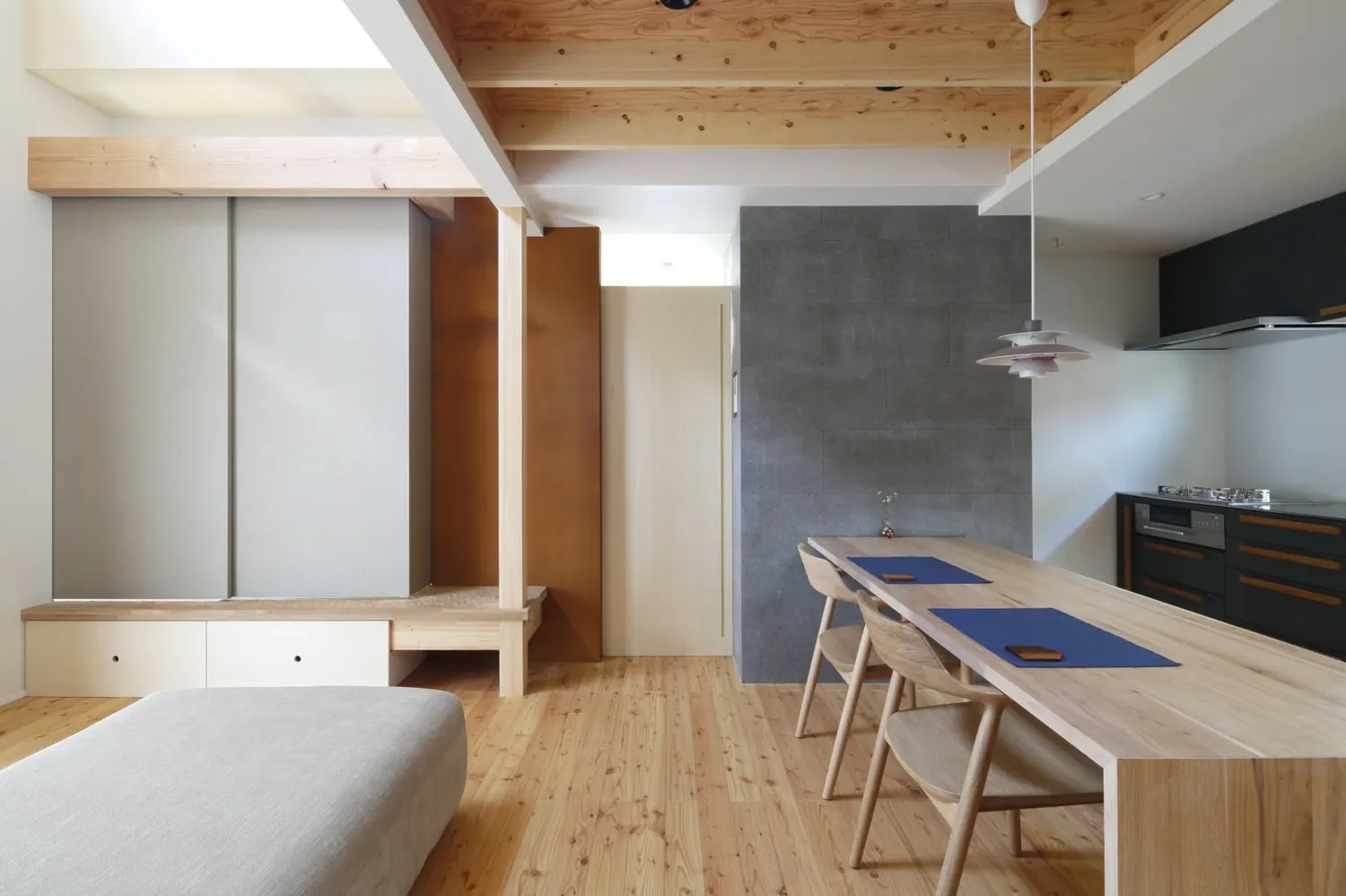
Dining table crafted from solid wood slabs
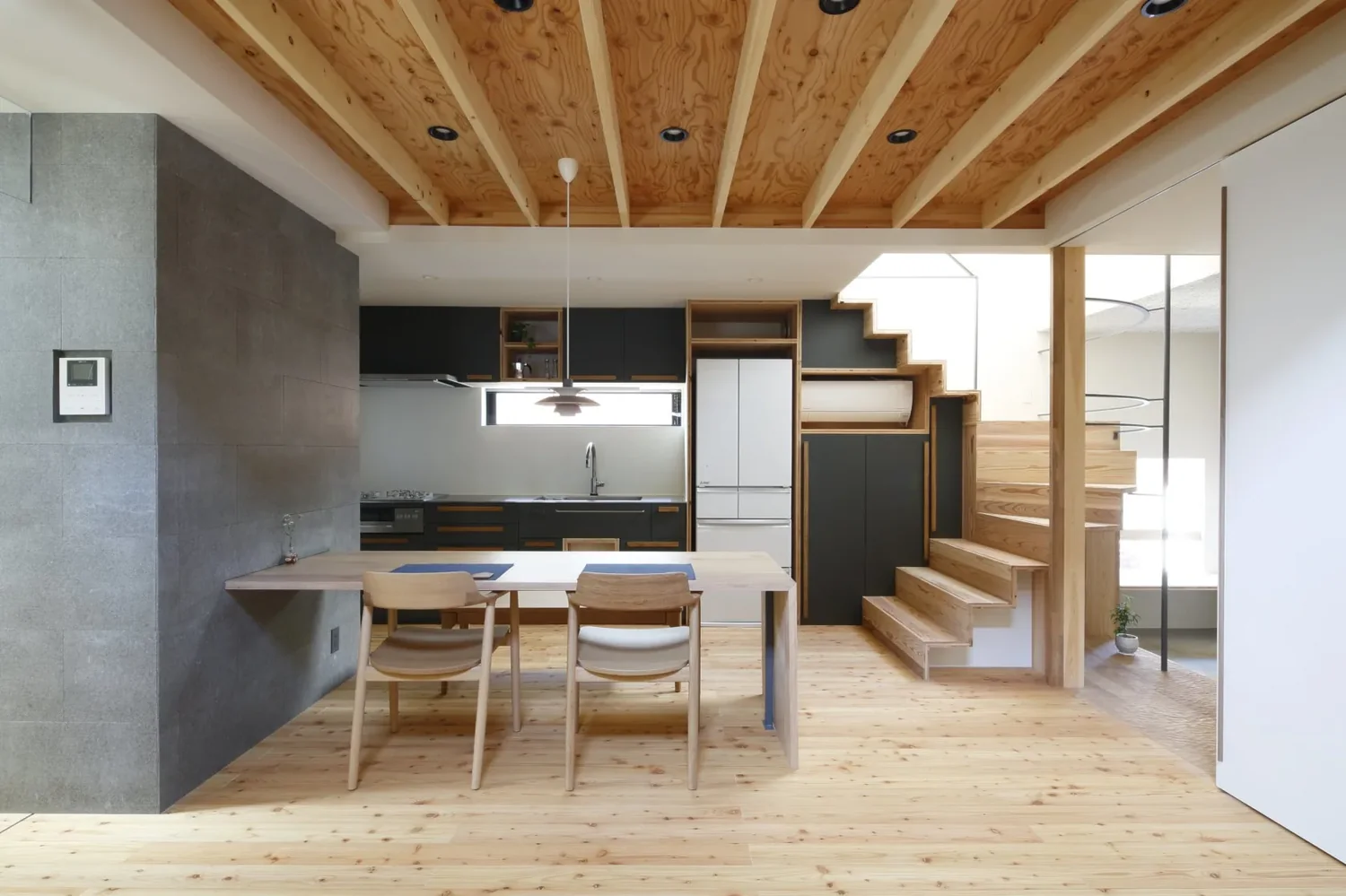
Kitchen seamlessly integrated with the staircase
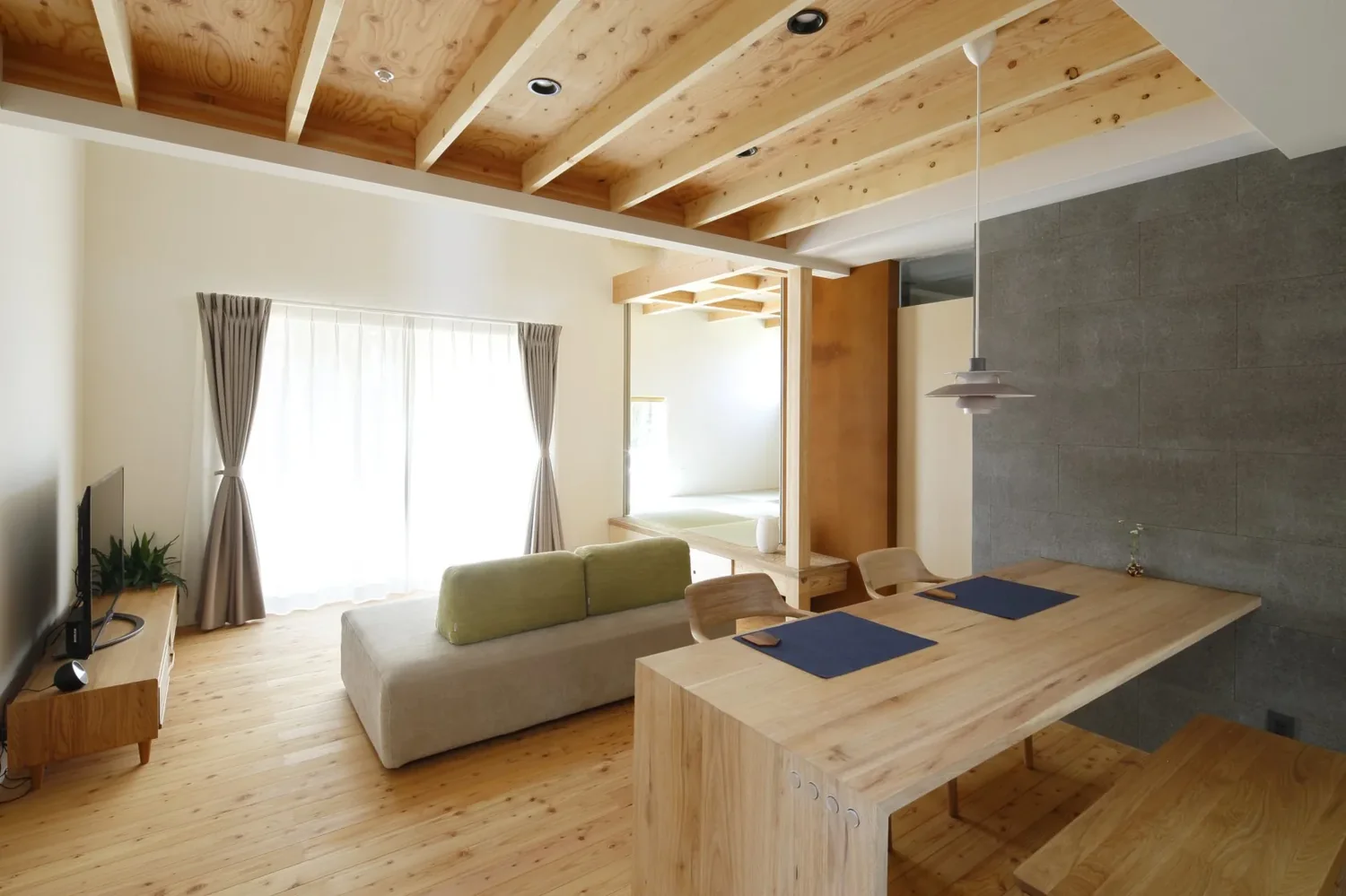
House Beside the Park
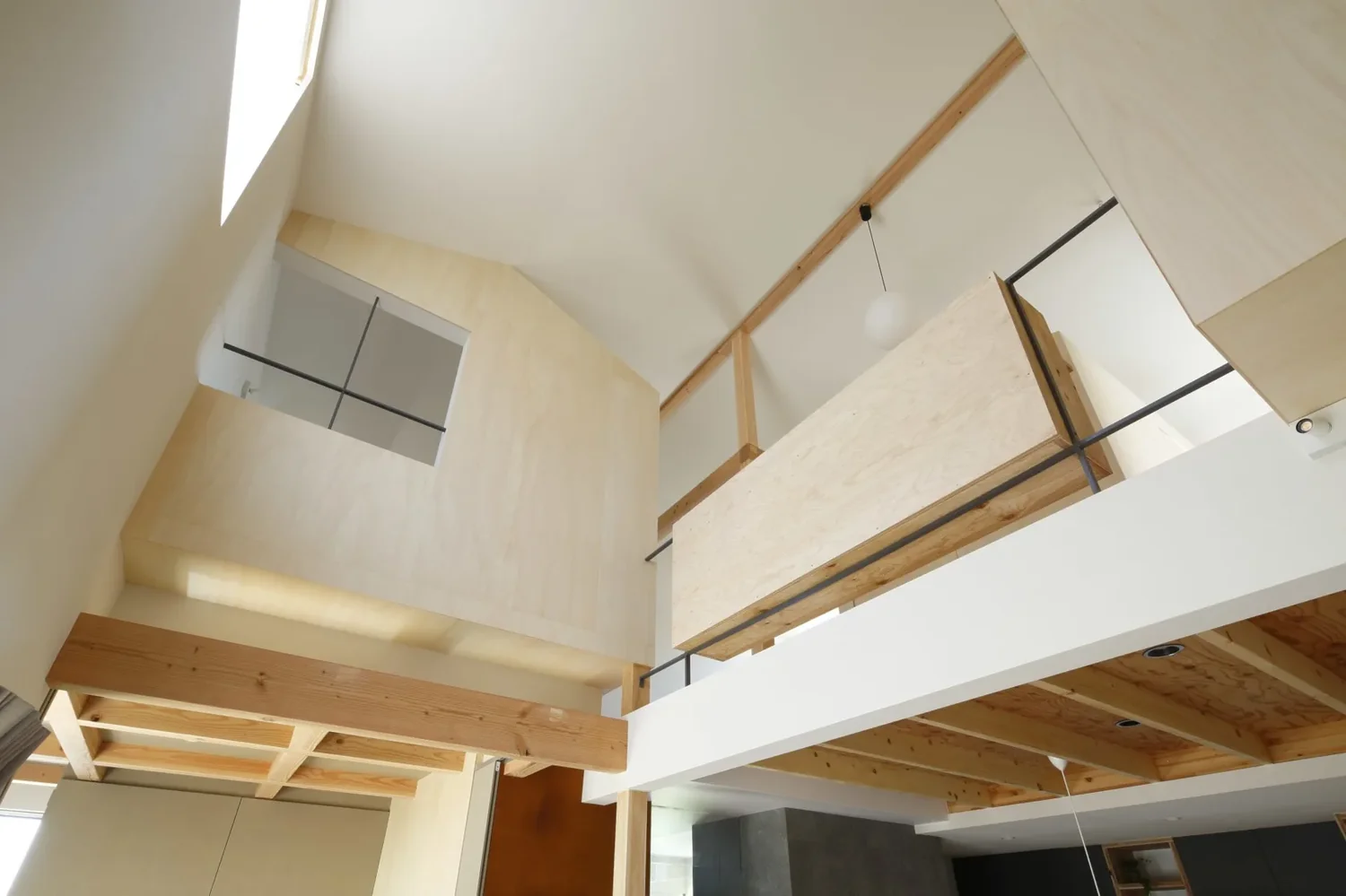
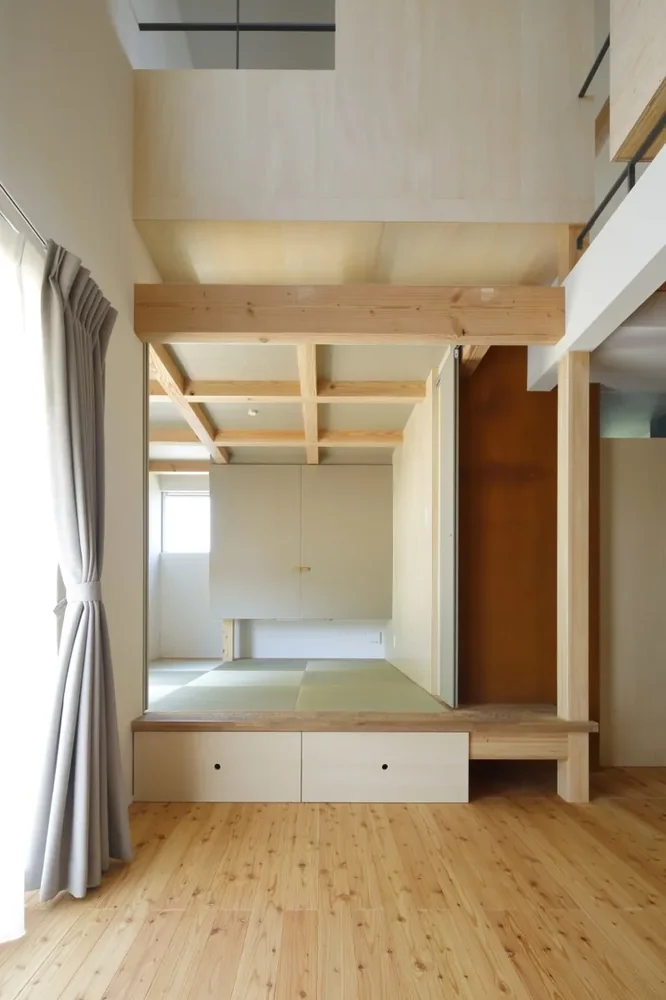
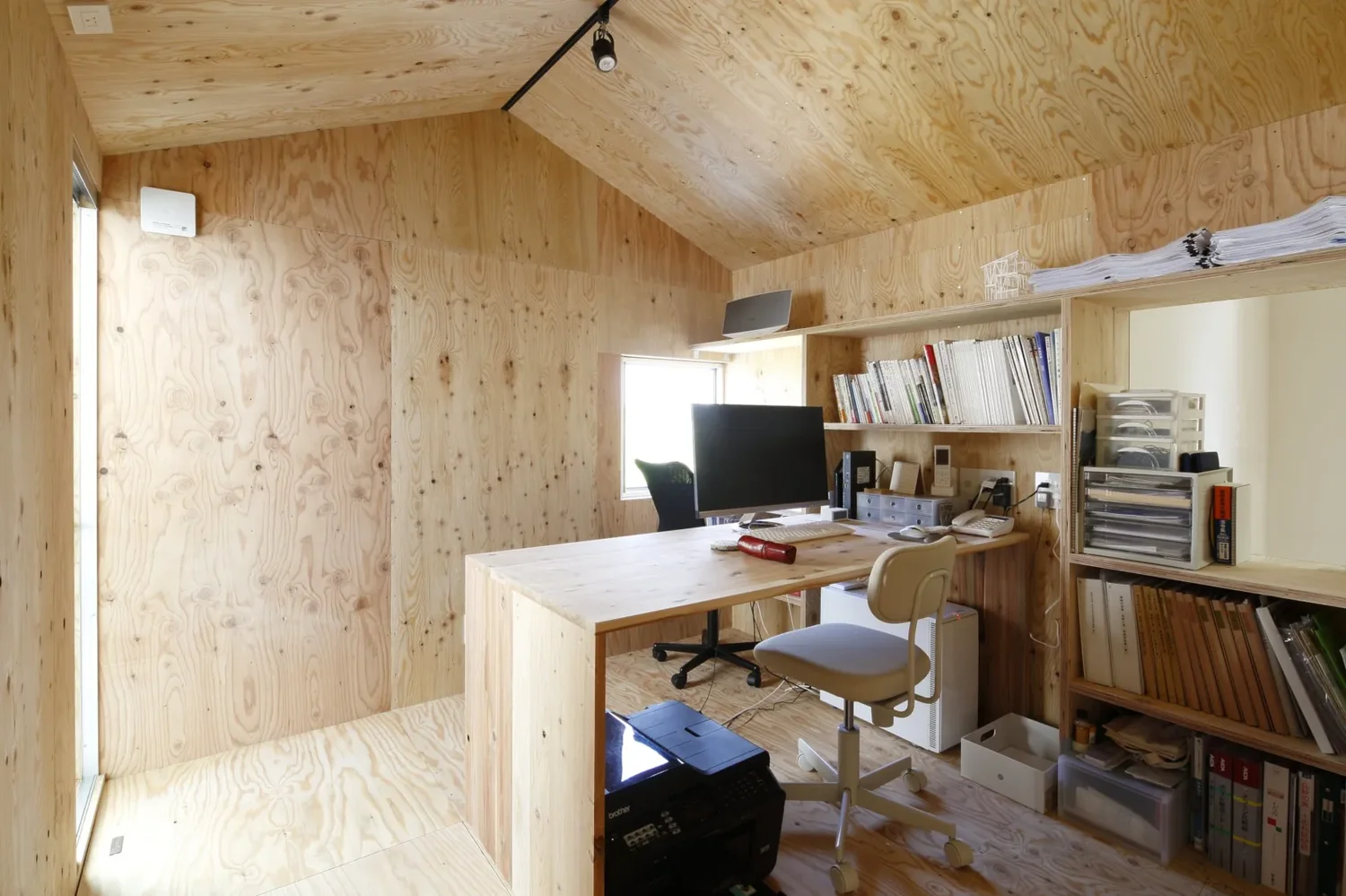
Work space featuring exposed plywood surfaces
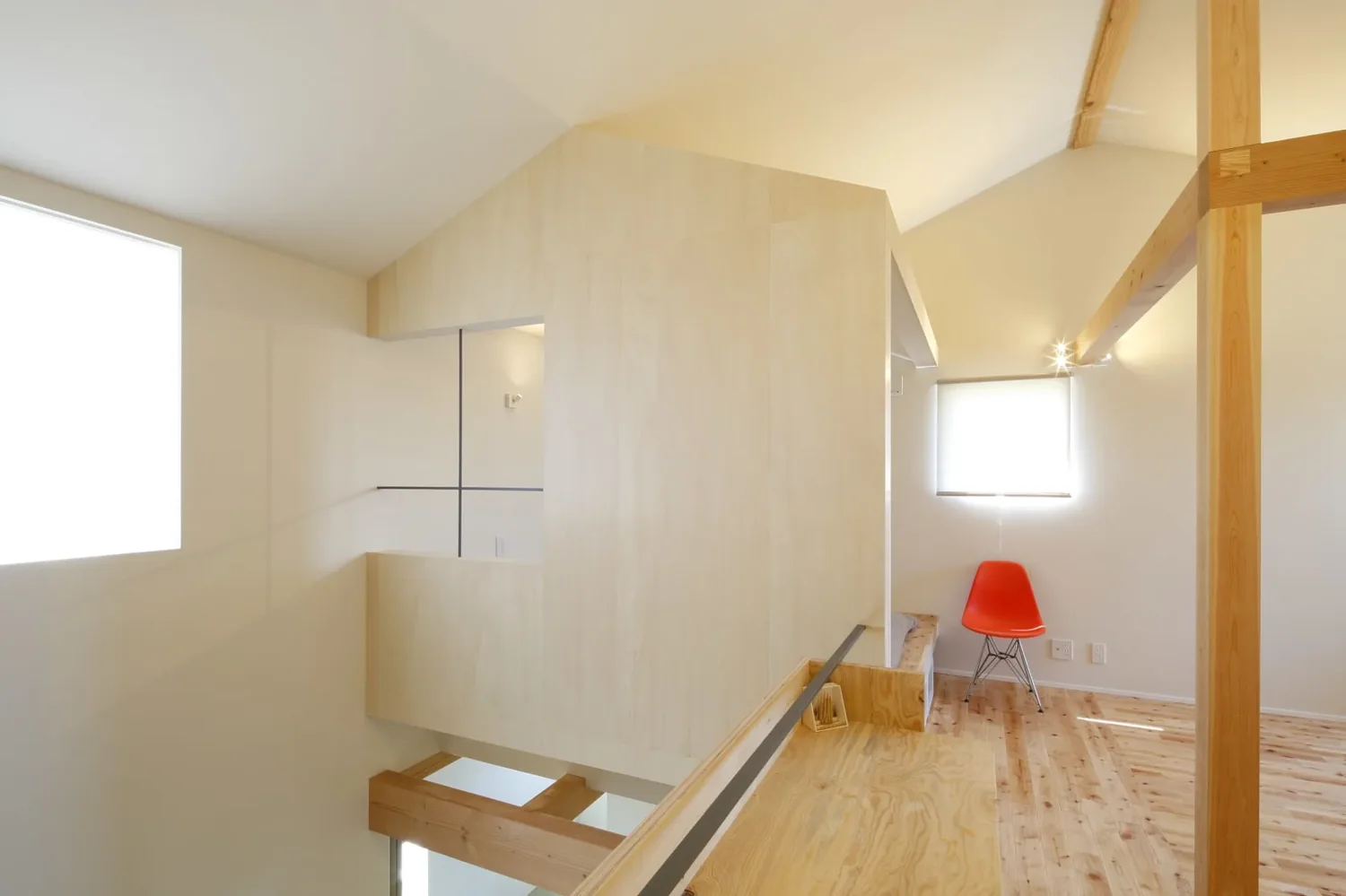
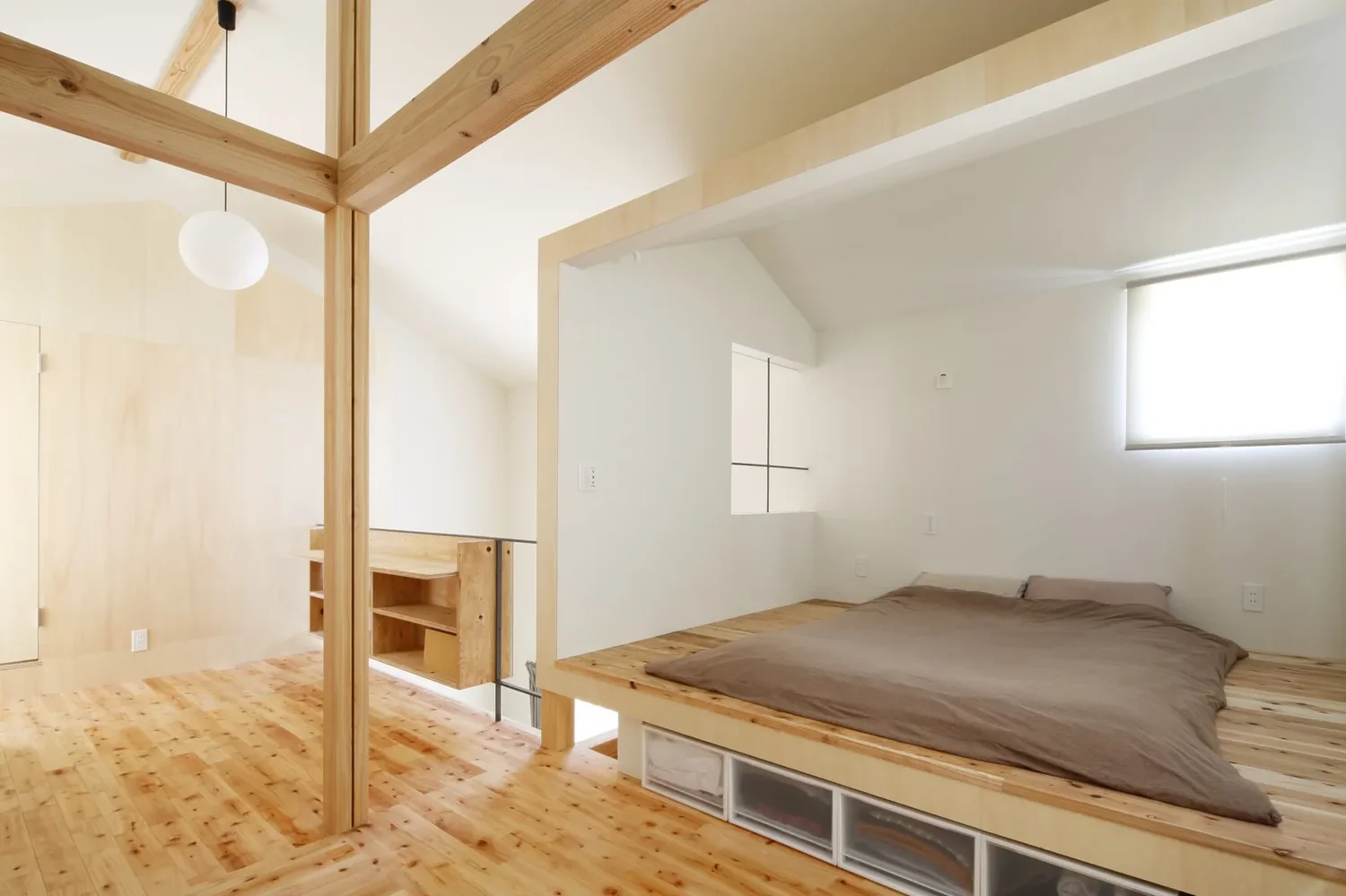
Sleeping area with a cabin-like form
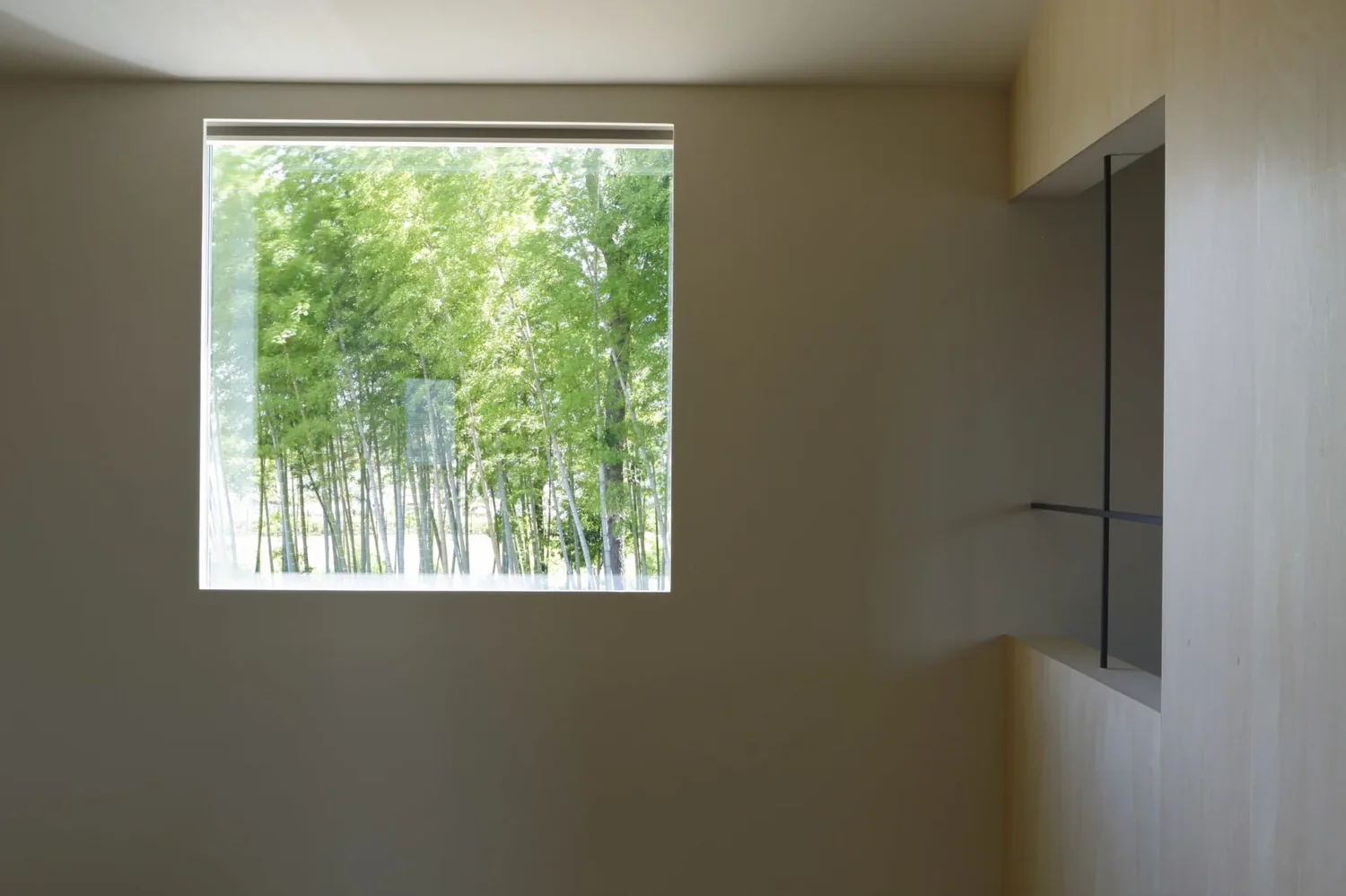
Window framing a borrowed view of the park
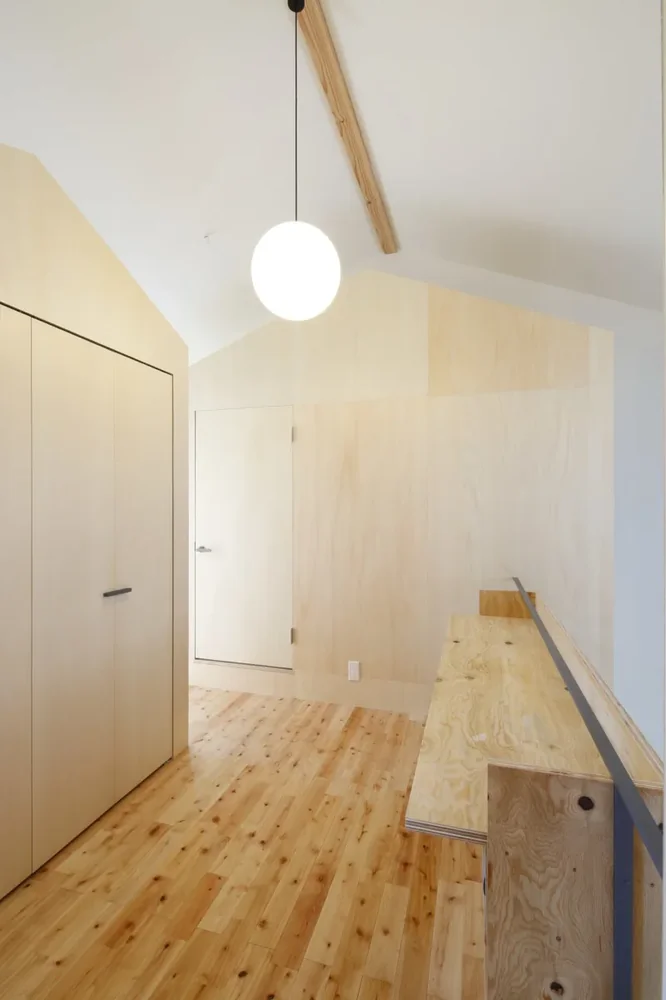
House Beside the Park
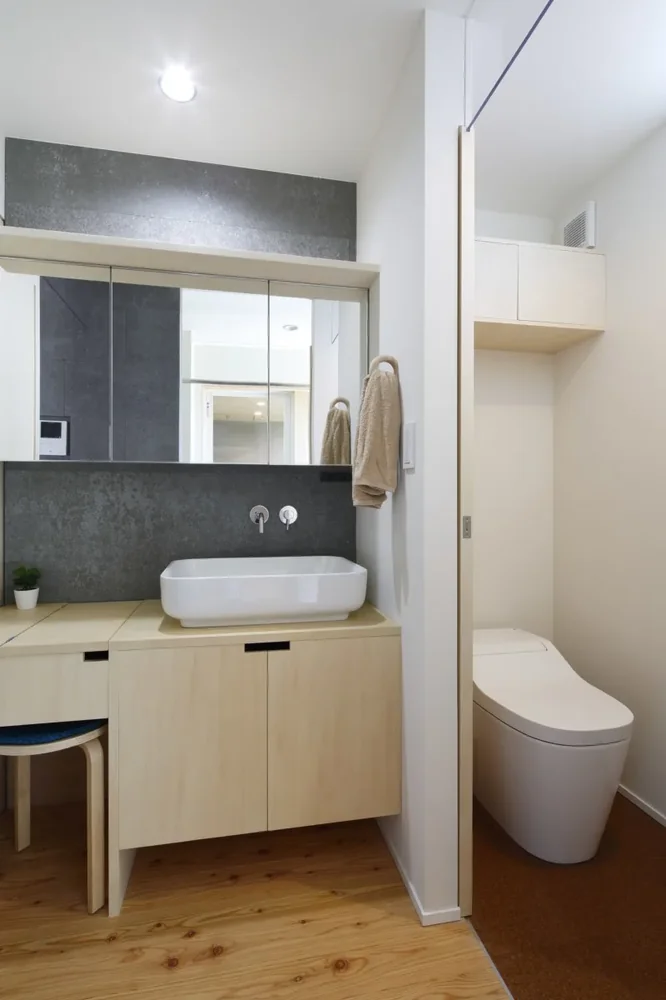
Wash basin doubling as a handwashing station
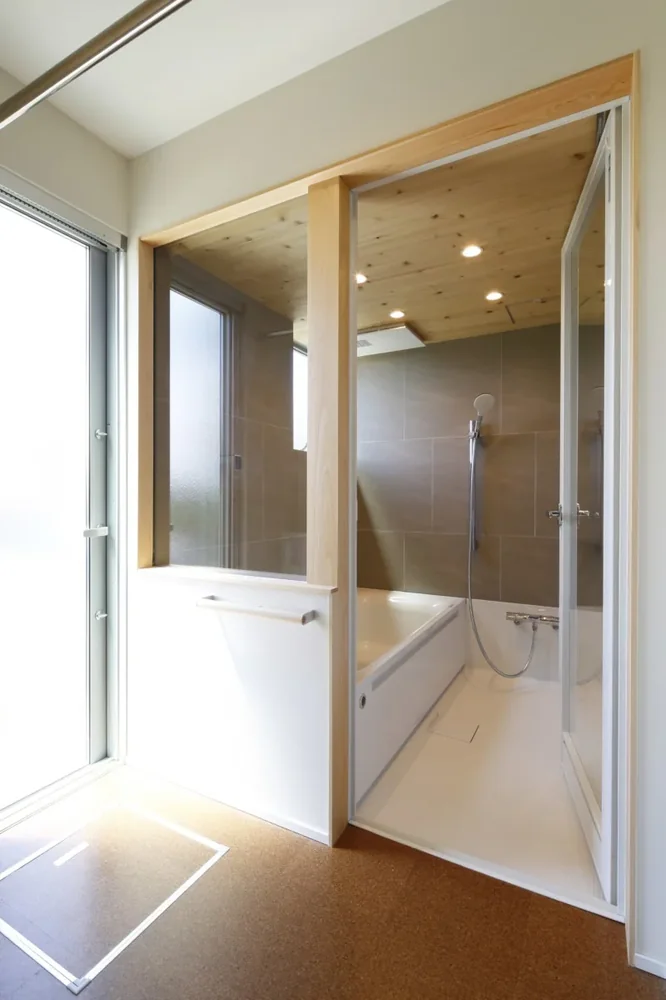
House Beside the Park
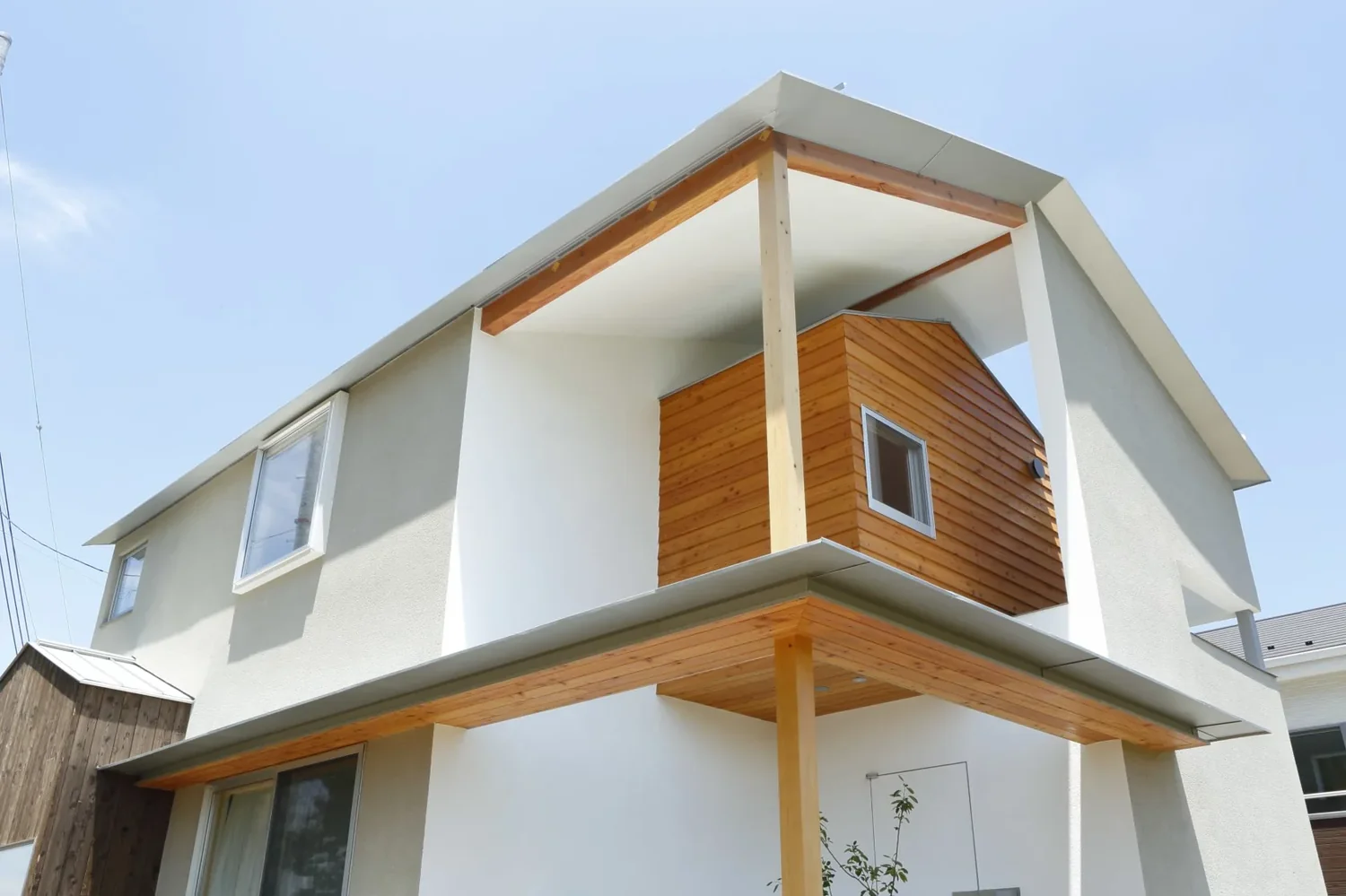
Floating timber-clad cabin volume
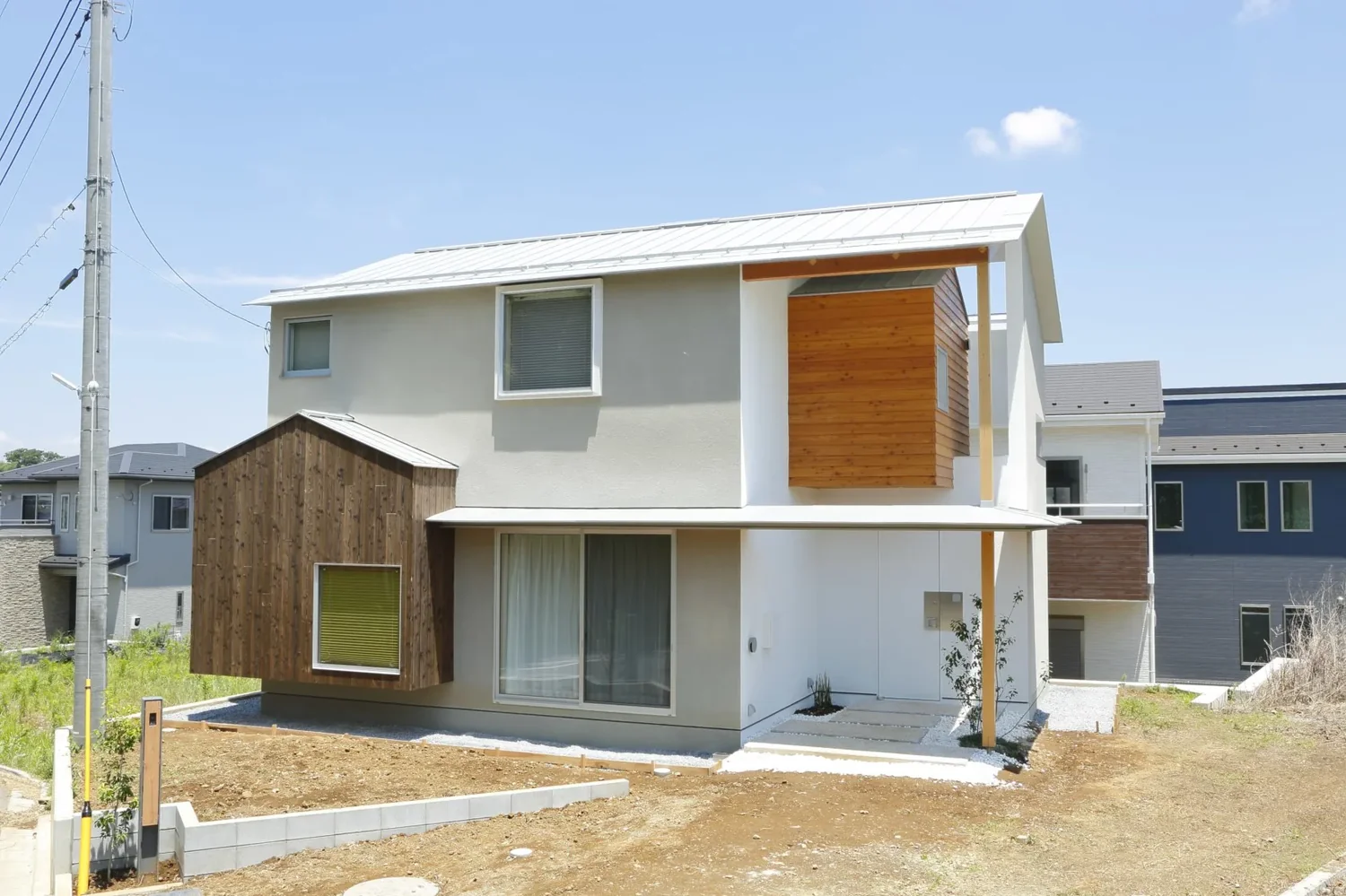
House Beside the Park
Void
Architect's Own House
Material Texture
Live-Work Integration
Borrowed Scenery
Compact House
Atelier-House
cabin
Learn More
This is the private residence of an architect, situated on a development site facing a park. The design is founded upon three primary concepts.
First, creating a spatial experience that feels expansive despite a compact footprint. Although the total floor area, including the office space, is a modest 28 tsubo (approximately 92.4 square meters), the layout allows for flexible connections between adjacent spaces. This adaptability enables the occupants to utilize the interior expansively. Moreover, by assigning multiple functions to single spaces, the design achieves an efficient and economical spatial composition.
Second, maximizing the use of the natural environment. The positioning and sizing of windows have been meticulously calibrated to optimize sunlight penetration and natural ventilation. This ensures a comfortable indoor environment—cool during summer months and warm throughout winter.
Lastly, harmonizing a diverse palette of materials to craft a cohesive spatial ambiance. Given that this is the architect’s own residence, it also serves as a showroom of sorts. Both the interior and exterior feature a thoughtful combination of materials, allowing visitors to experience and appreciate their qualities firsthand. The integration of wood, steel, mortar, and traditional Japanese paper (washi)—each with distinct textures and hues—reflects the design’s pursuit of refined material harmony, which was a rewarding challenge throughout the project. Use: Single-family detached residence
Structure: Timber-framed, two-story
Total floor area (gross floor area): 92 m²
Building footprint (building coverage area): 61 m²
First, creating a spatial experience that feels expansive despite a compact footprint. Although the total floor area, including the office space, is a modest 28 tsubo (approximately 92.4 square meters), the layout allows for flexible connections between adjacent spaces. This adaptability enables the occupants to utilize the interior expansively. Moreover, by assigning multiple functions to single spaces, the design achieves an efficient and economical spatial composition.
Second, maximizing the use of the natural environment. The positioning and sizing of windows have been meticulously calibrated to optimize sunlight penetration and natural ventilation. This ensures a comfortable indoor environment—cool during summer months and warm throughout winter.
Lastly, harmonizing a diverse palette of materials to craft a cohesive spatial ambiance. Given that this is the architect’s own residence, it also serves as a showroom of sorts. Both the interior and exterior feature a thoughtful combination of materials, allowing visitors to experience and appreciate their qualities firsthand. The integration of wood, steel, mortar, and traditional Japanese paper (washi)—each with distinct textures and hues—reflects the design’s pursuit of refined material harmony, which was a rewarding challenge throughout the project. Use: Single-family detached residence
Structure: Timber-framed, two-story
Total floor area (gross floor area): 92 m²
Building footprint (building coverage area): 61 m²
- Copyright(C)Qurasuki.All Rights Reserved.