Introducing Circle House, a custom-built home example by KICHI ARCHITECTURAL DESIGN, a Architect / Design office in 4-6-3 Kenkyu Gakuen, Tsukuba City, Ibaraki Prefecture, Japan

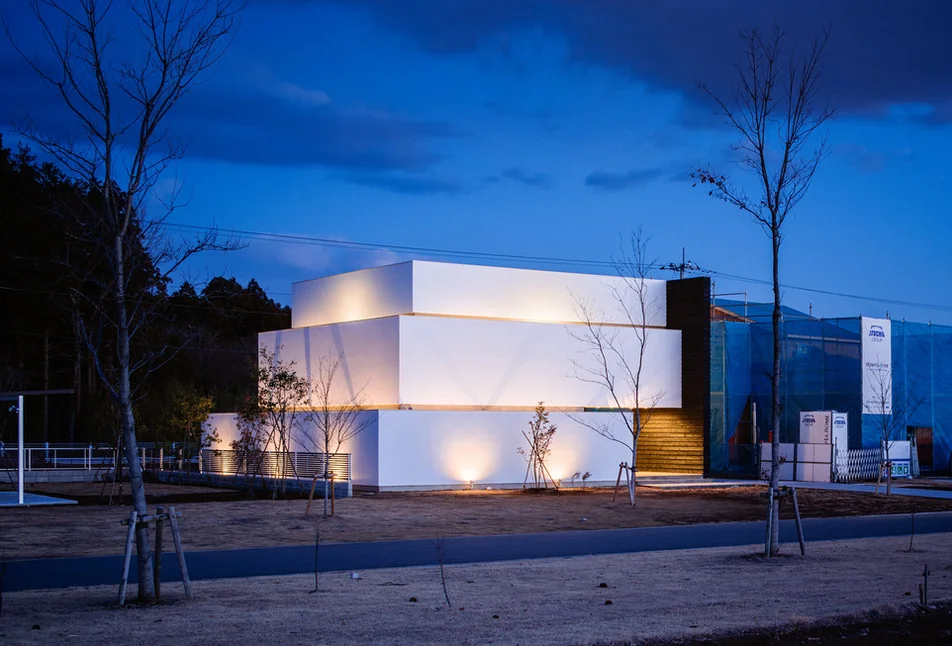
The façade, reminiscent of ripples floating on the water’s surface, evokes the atmosphere of an art museum.
Circle House
Circle House
Circle House
Circle House
Circle House
Circle House
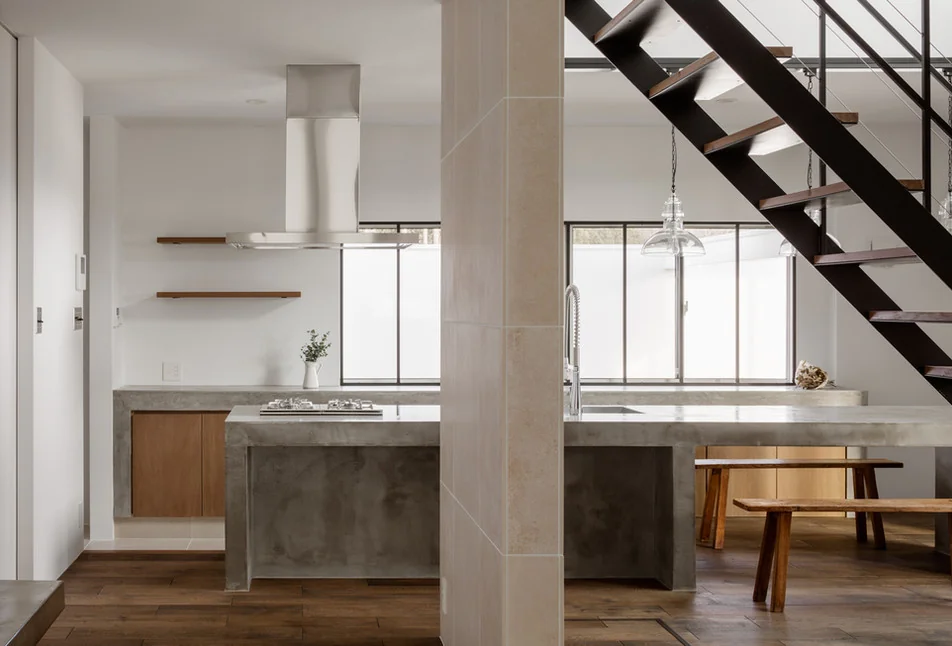
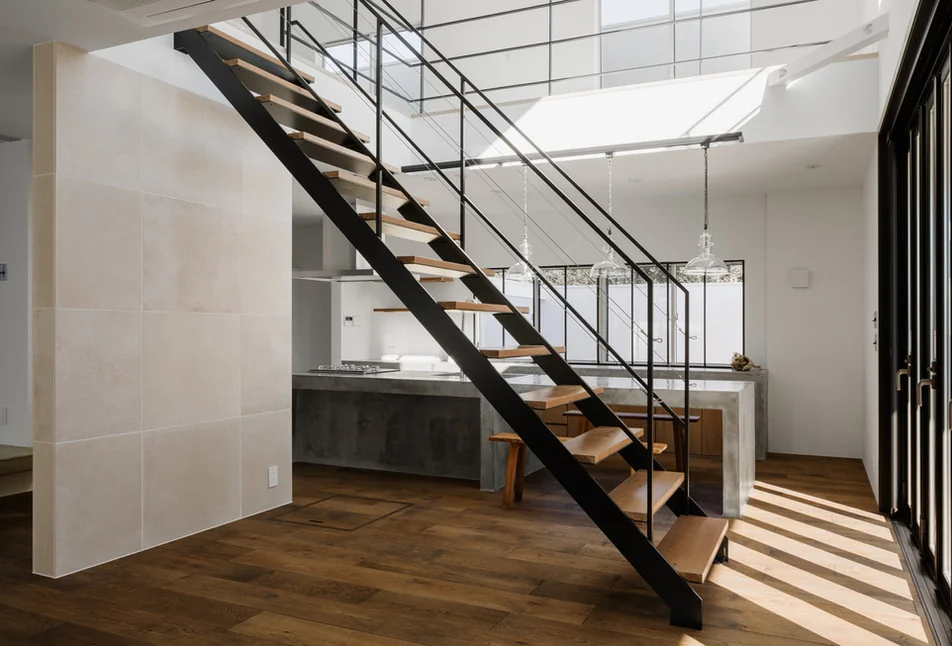
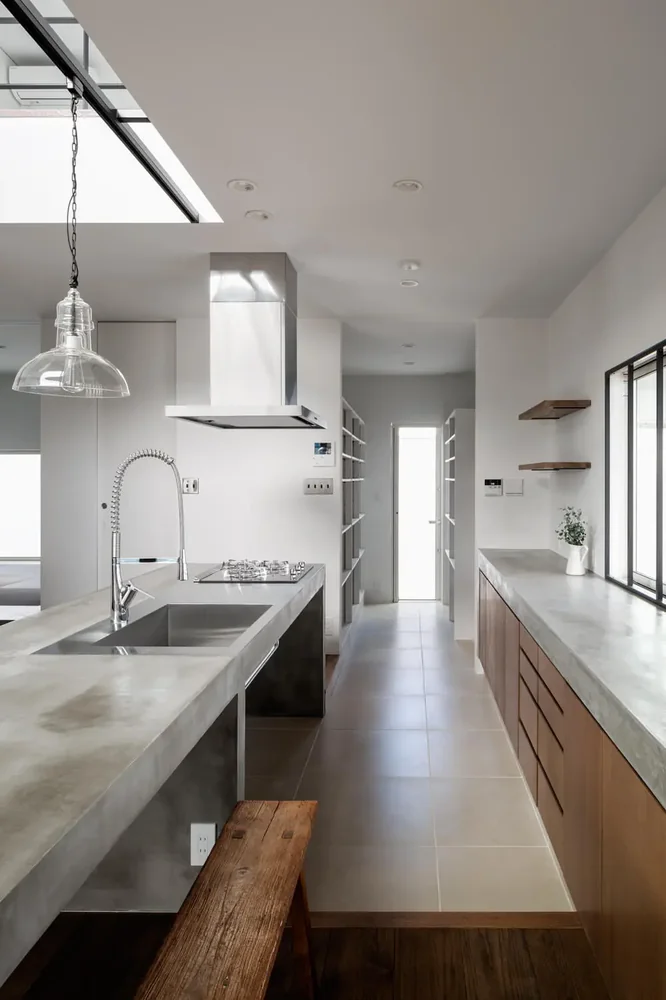
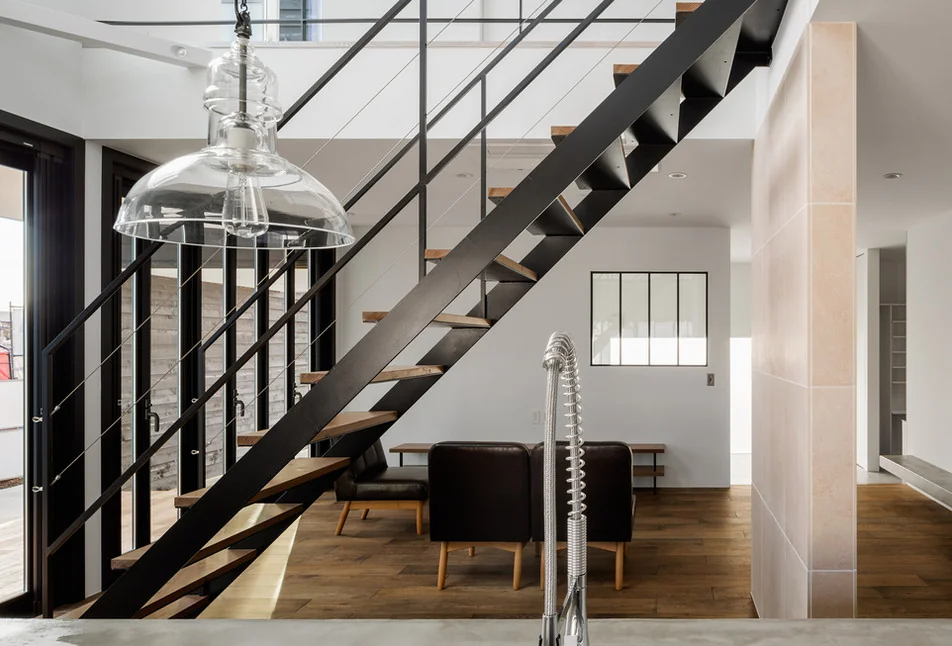
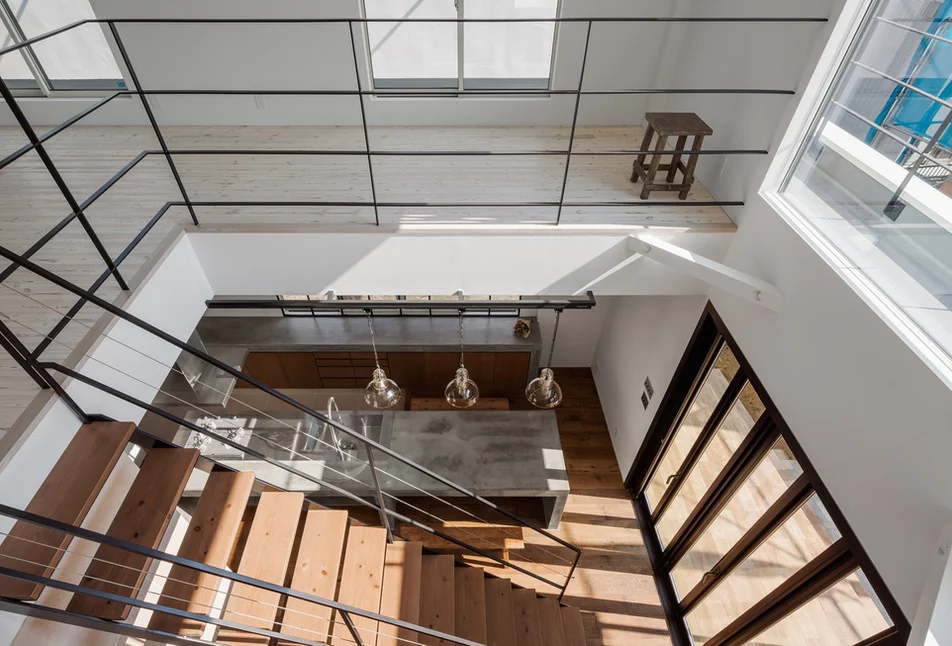
The mortar-finished kitchen and dining table impart a contemporary character to the interior space.
Circle House
Circle House
Circle House
Circle House
Circle House
Circle House
Circle House
Circle House
Circle House
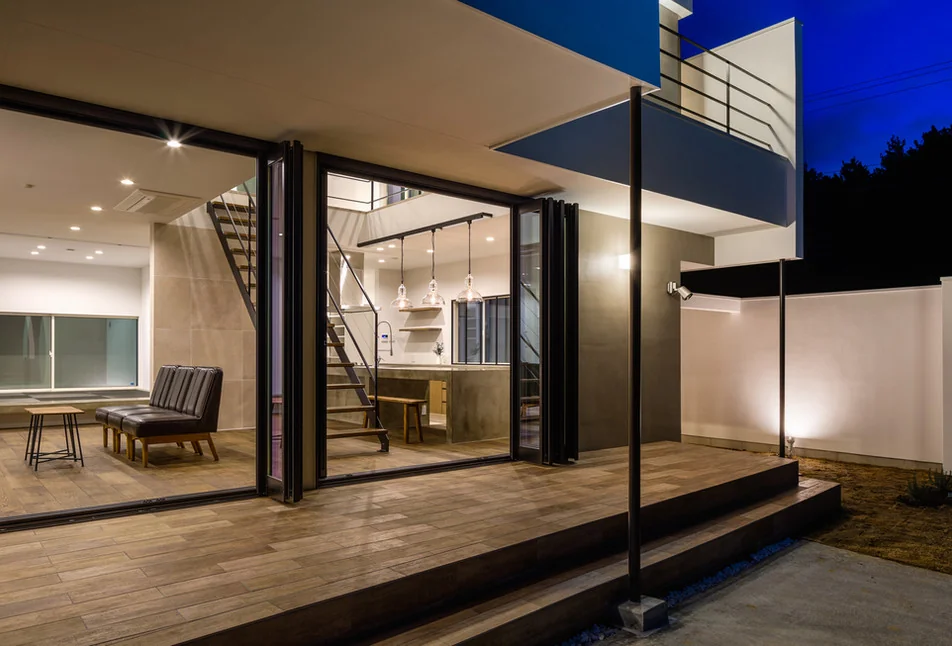
Behind the wall that covers the expansive first-floor windows lies a concealed terrace and a miniature garden.
Closed to Outside, Open to Inside
Capturing Light
Simple Modern
Courtyard
Island Kitchen
CentralCourtyard
IslandKitchen
ClosedToOutsideOpenToInside
Learn More
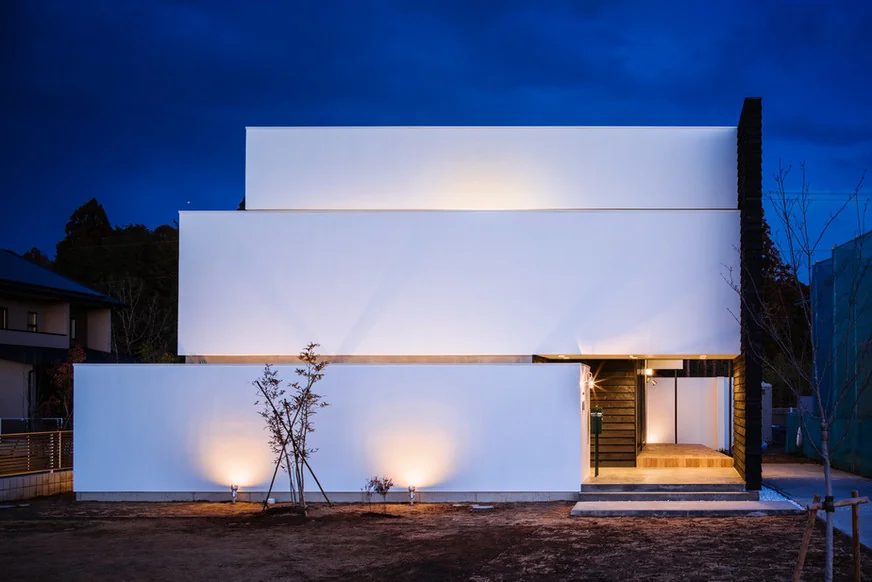
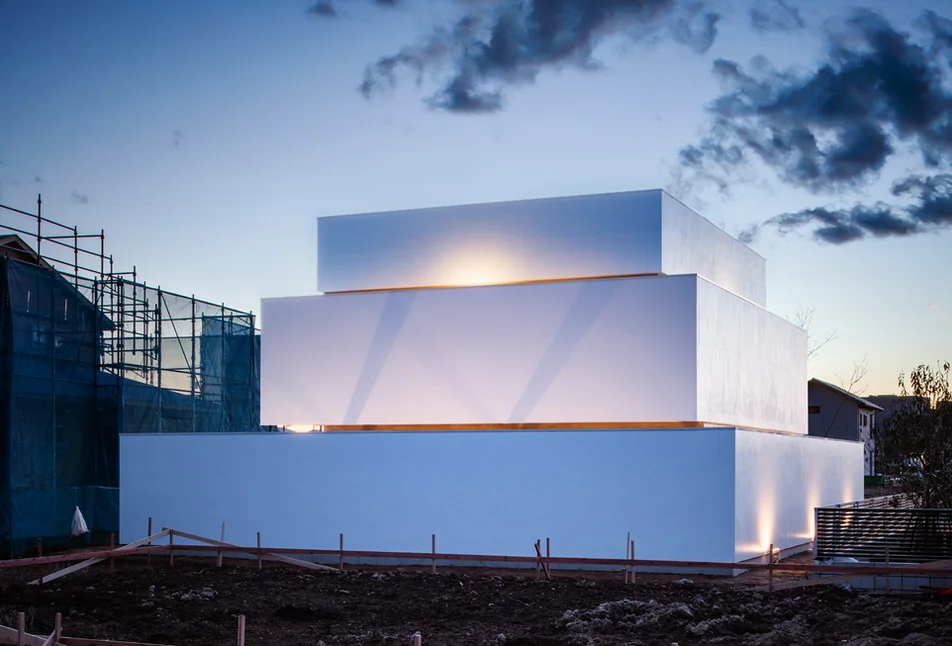
Circle House, built in Tsukuba City, Ibaraki Prefecture, is a residence designed to envelop the entire site with tall white exterior walls. The enclosing perimeter walls gently screen views from the street, giving the building an overall impression akin to a three-tiered composition.
This two-story home was planned for a couple and their three children. The building’s name, "Circle House," derives from a layered configuration that evokes concentric ripples spreading across a water surface. The overlapping layers of wall create depth on the façade, imparting a rich expression within a simple form. The white surrounding walls perform a dual function: they shield the interior from external views while admitting soft natural light.
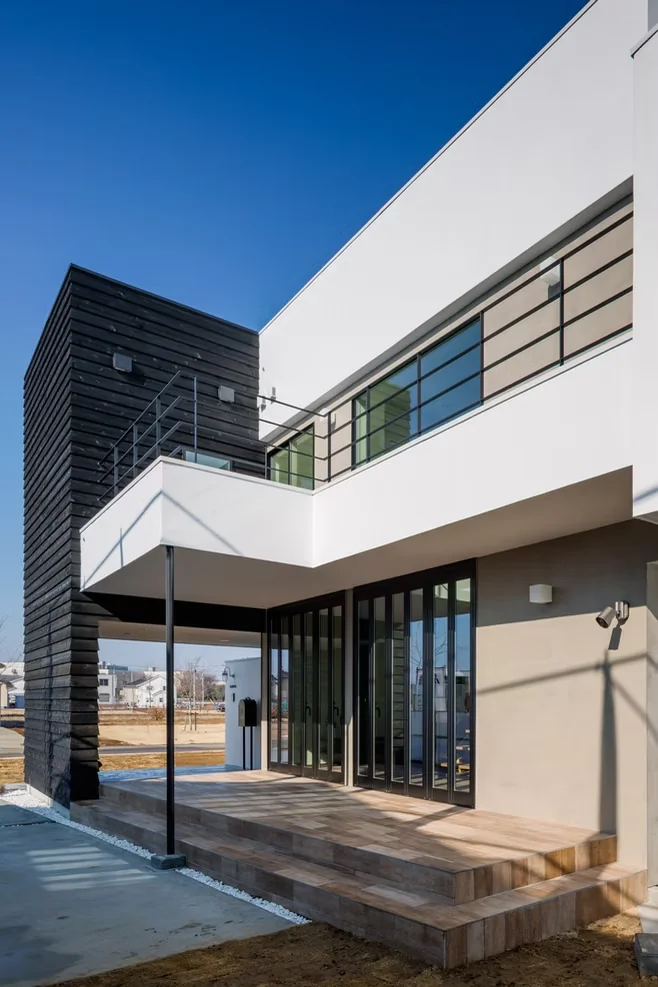
The lowest wall, positioned at ground level, generates an exterior space around the first floor that secures privacy from neighboring houses and the adjacent street while channeling daylight and breezes into the interior. A second wall, set above this, rises to envelop a volume slightly larger than the first floor and conceals the second-floor balcony from external sightlines. A flat roof caps the topmost layer, neatly resolving the composition of the whole building.
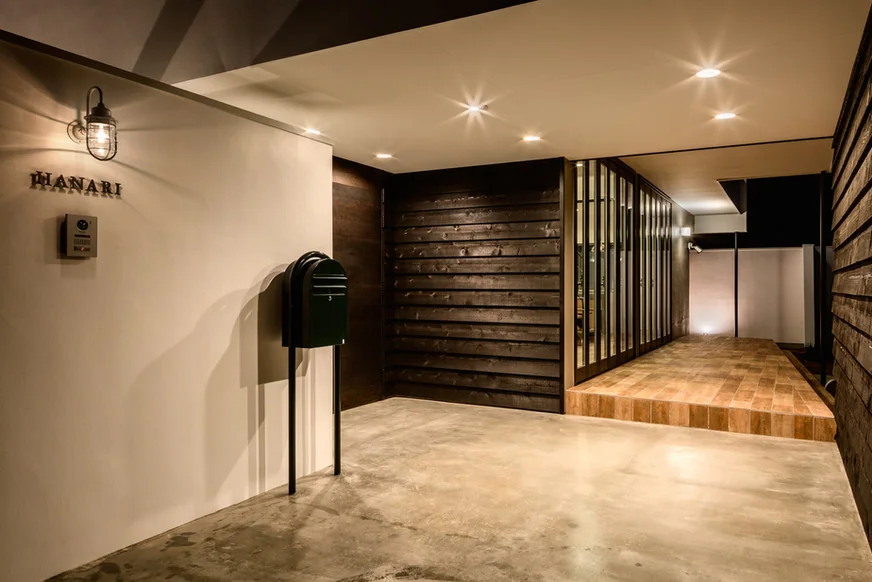
The perimeter walls enclose the site on three sides; however, the façade facing the entrance is treated as an accent with black-painted timber. Red cedar boards are used here, and their contrast with the white exterior lends the façade a striking presence.
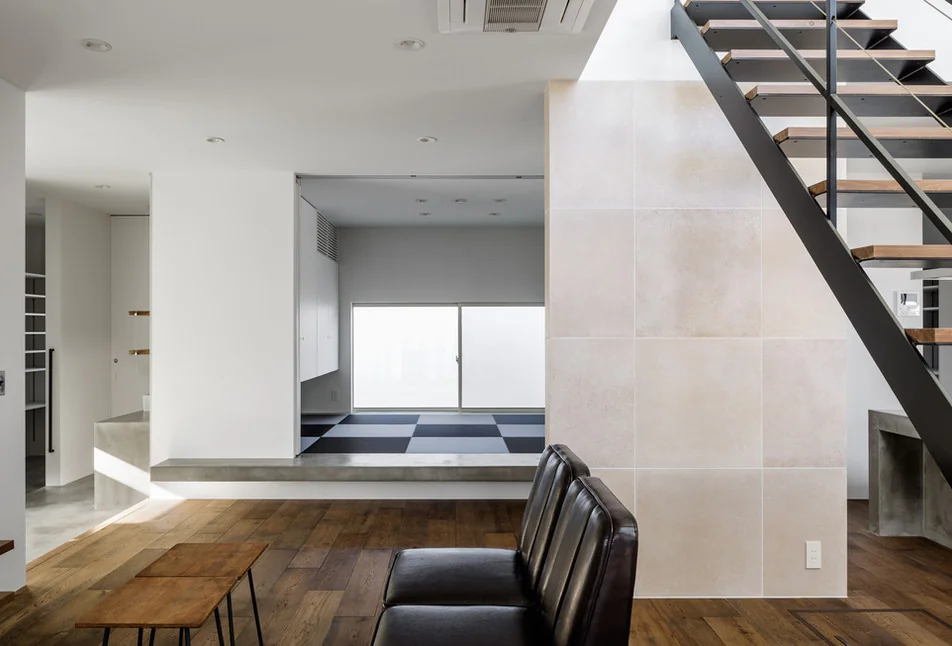
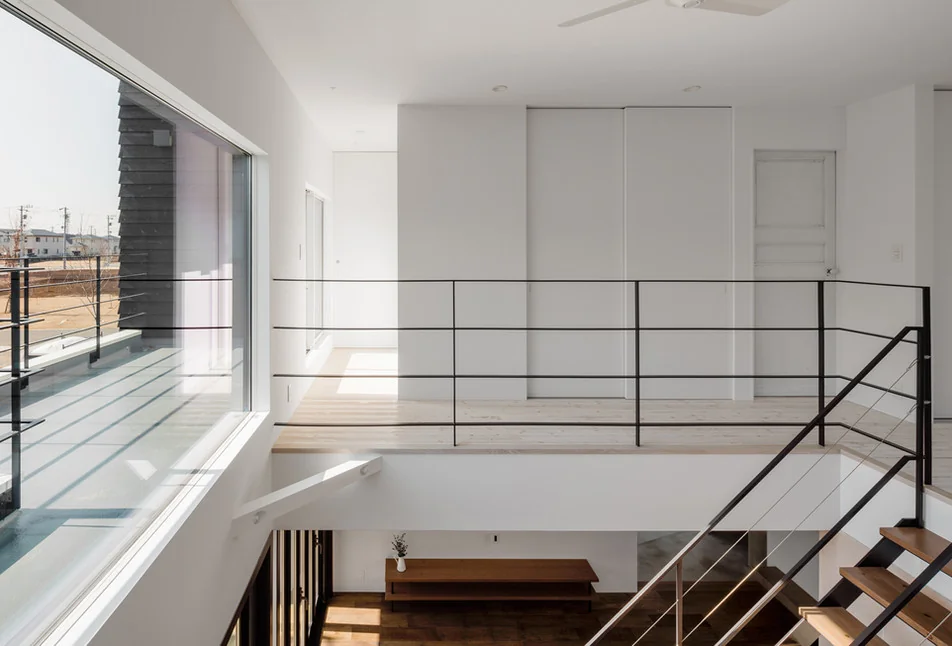
Inside, oak flooring extends through the living area and is intentionally laid in a direction different from that of the stair orientation to create a rhythmic quality within the space. A slightly raised lounge is fitted with tatami arranged in a checkerboard pattern, producing a distinctly Japanese place to inhabit.
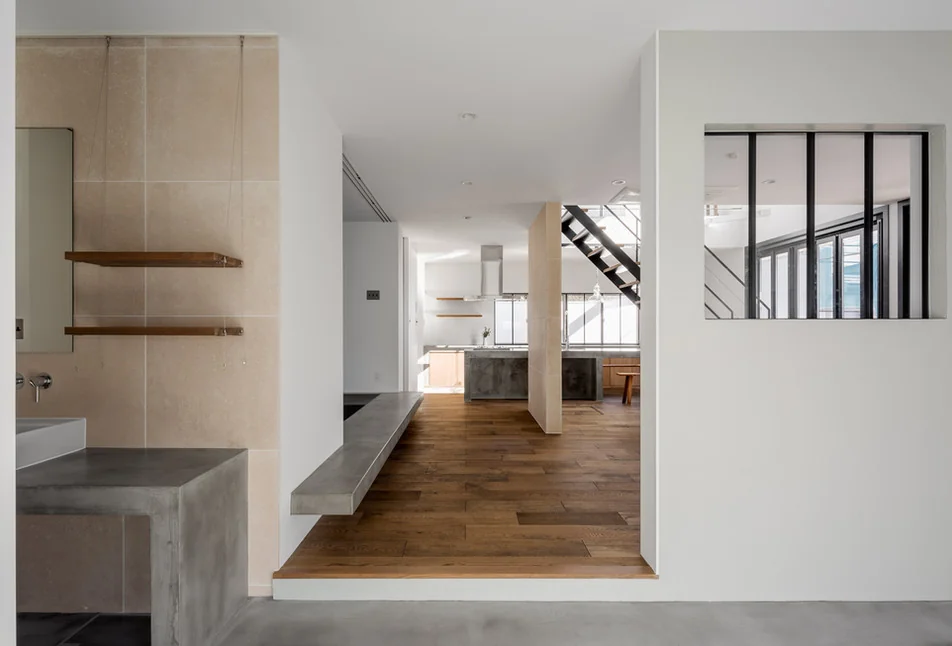
The kitchen is a simple composition based on a wooden frame with mortar-finished surfaces. Overall, the residence achieves a natural harmony between Japanese tatami-based spaces and an interior atmosphere that evokes modern-vintage character.
This two-story home was planned for a couple and their three children. The building’s name, "Circle House," derives from a layered configuration that evokes concentric ripples spreading across a water surface. The overlapping layers of wall create depth on the façade, imparting a rich expression within a simple form. The white surrounding walls perform a dual function: they shield the interior from external views while admitting soft natural light.
The lowest wall, positioned at ground level, generates an exterior space around the first floor that secures privacy from neighboring houses and the adjacent street while channeling daylight and breezes into the interior. A second wall, set above this, rises to envelop a volume slightly larger than the first floor and conceals the second-floor balcony from external sightlines. A flat roof caps the topmost layer, neatly resolving the composition of the whole building.
The perimeter walls enclose the site on three sides; however, the façade facing the entrance is treated as an accent with black-painted timber. Red cedar boards are used here, and their contrast with the white exterior lends the façade a striking presence.
Inside, oak flooring extends through the living area and is intentionally laid in a direction different from that of the stair orientation to create a rhythmic quality within the space. A slightly raised lounge is fitted with tatami arranged in a checkerboard pattern, producing a distinctly Japanese place to inhabit.
The kitchen is a simple composition based on a wooden frame with mortar-finished surfaces. Overall, the residence achieves a natural harmony between Japanese tatami-based spaces and an interior atmosphere that evokes modern-vintage character.
- Copyright(C)Qurasuki.All Rights Reserved.