Introducing Senior Welfare Facility — Conversion, Extension, and Refurbishment of an Existing Building | Ohtoku Care Center, an example of Architect / Design office facility architecture in 302, Zeniya Honpo Main Building, 14-6 Ishigatsujichō, Tennōji-ku, Osaka by Yoshihiro Yamamoto Architects Associates.

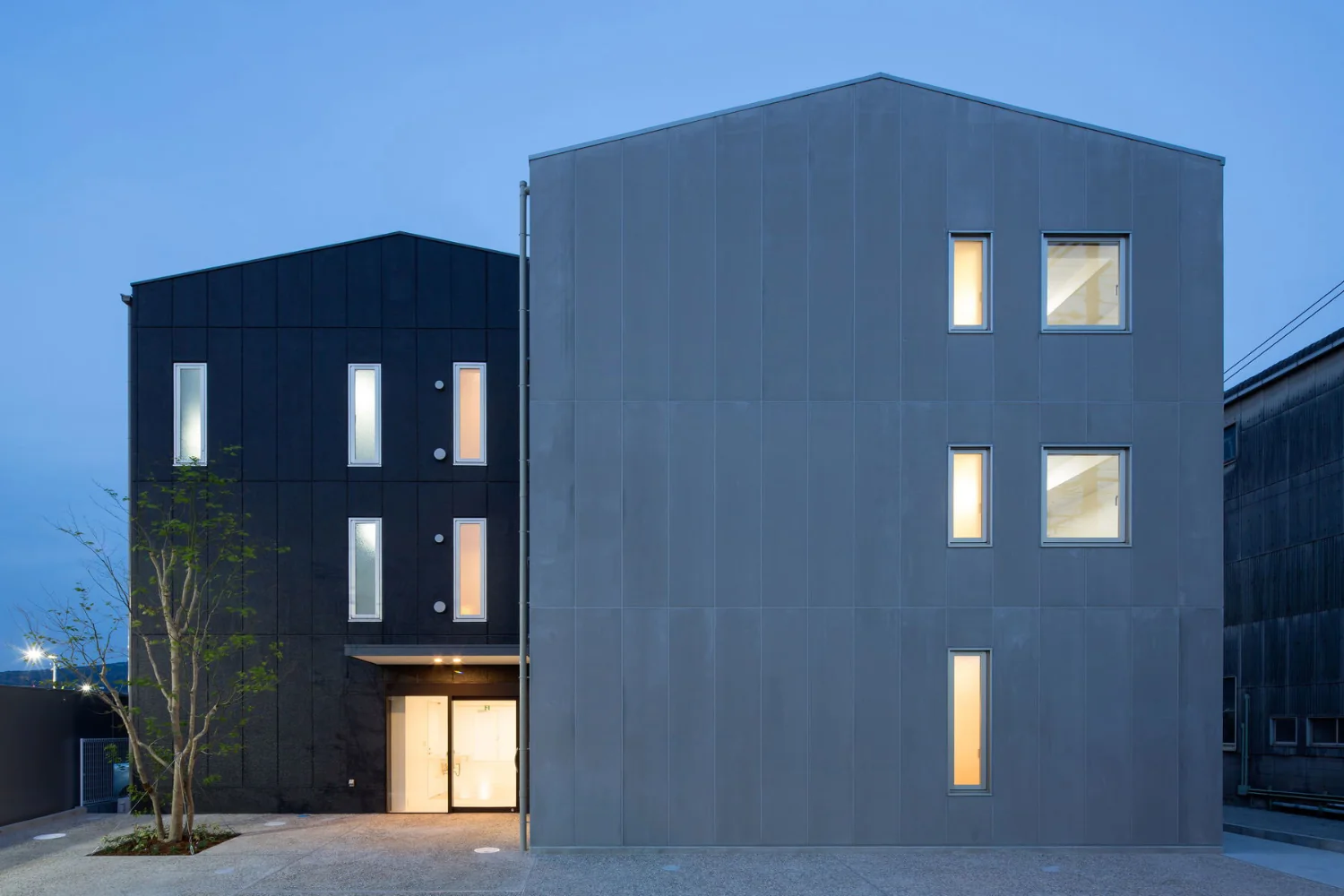
Conversion of a vacant building of more than 35 years into a senior-care facility tailored to contemporary needs.
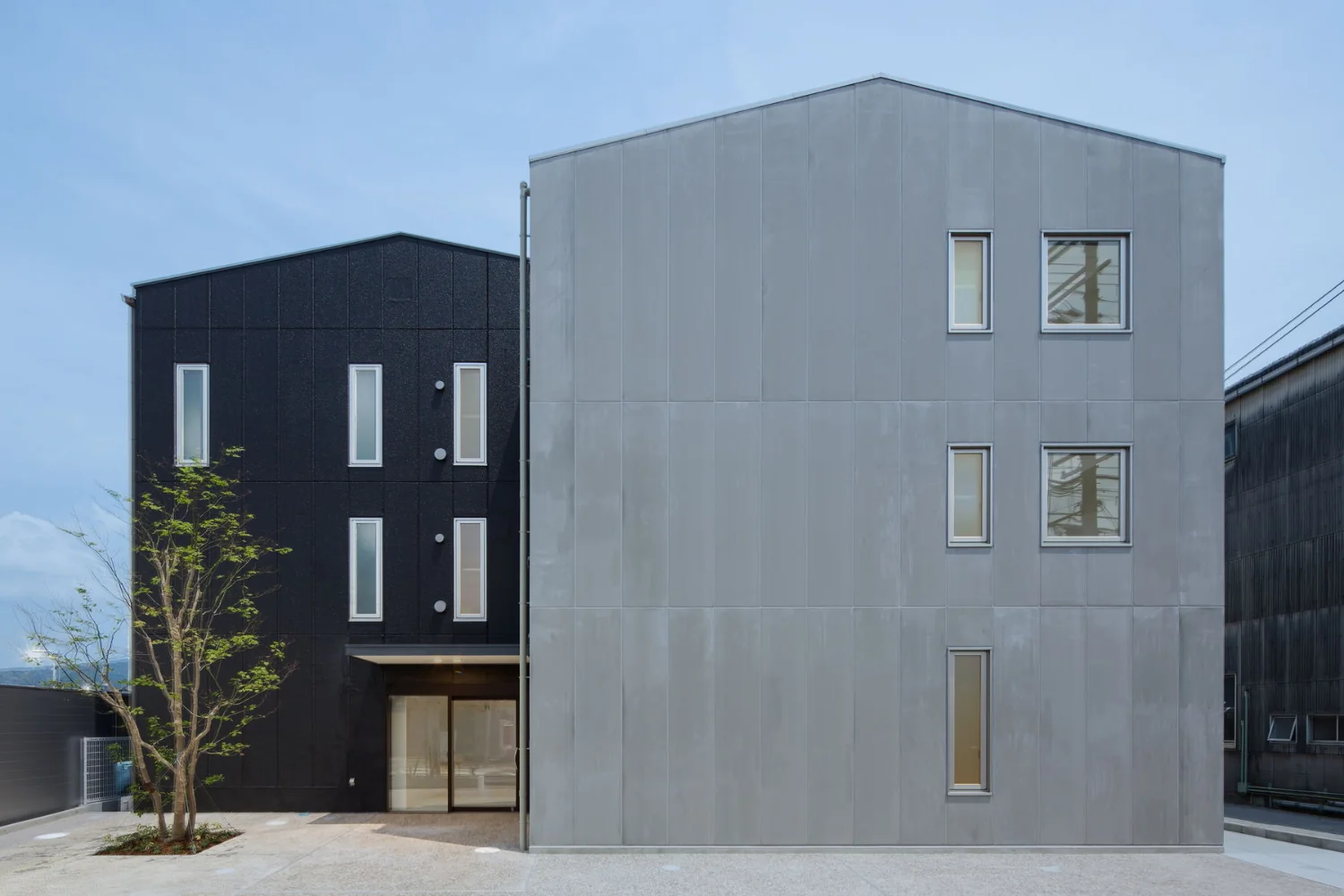
Senior Welfare Facility — Conversion, Extension, and Refurbishment of an Existing Building | Ohtoku Care Center
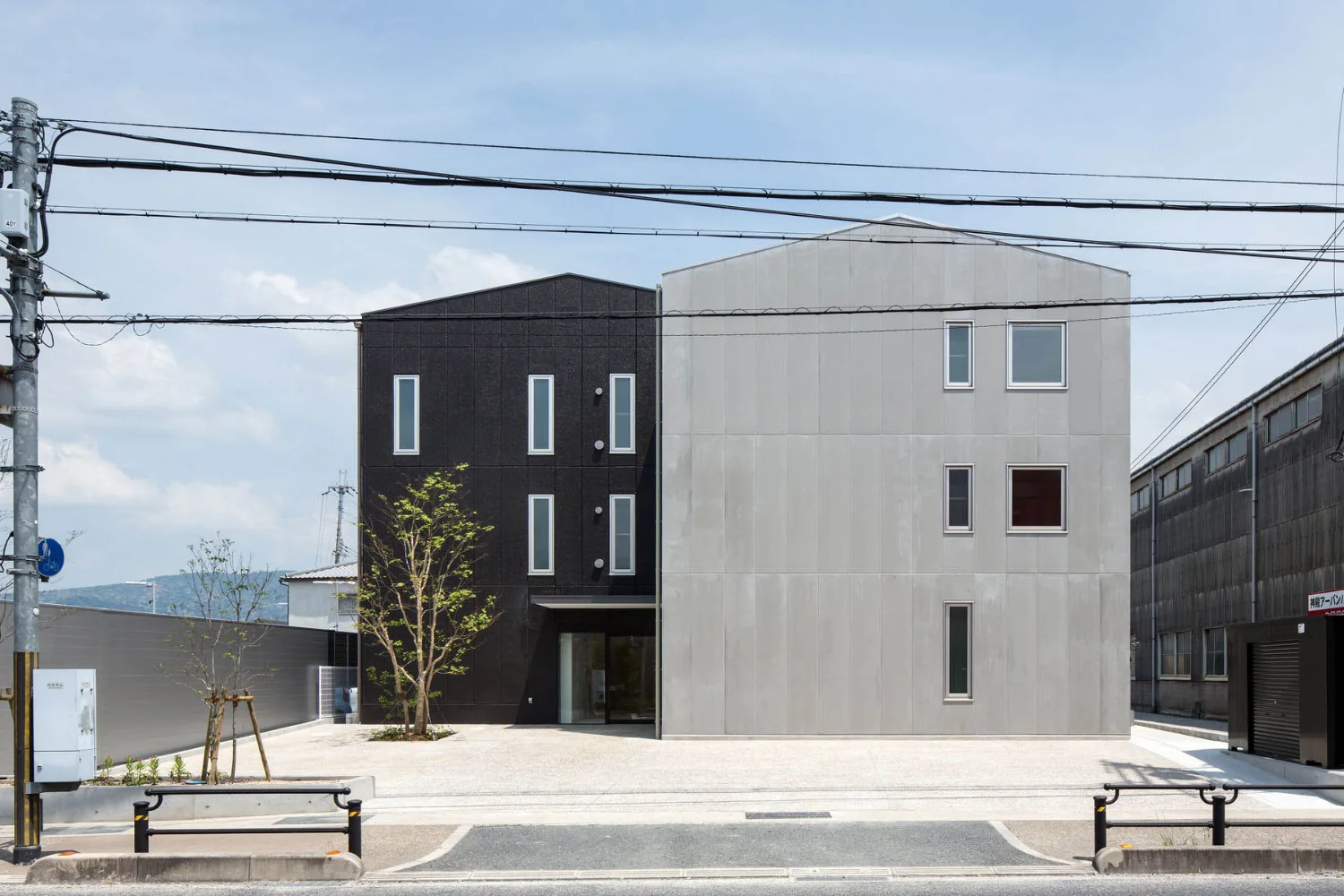
The new wing is designed in conjunction with the existing building. The uppermost portion accommodates the elevator overhead.
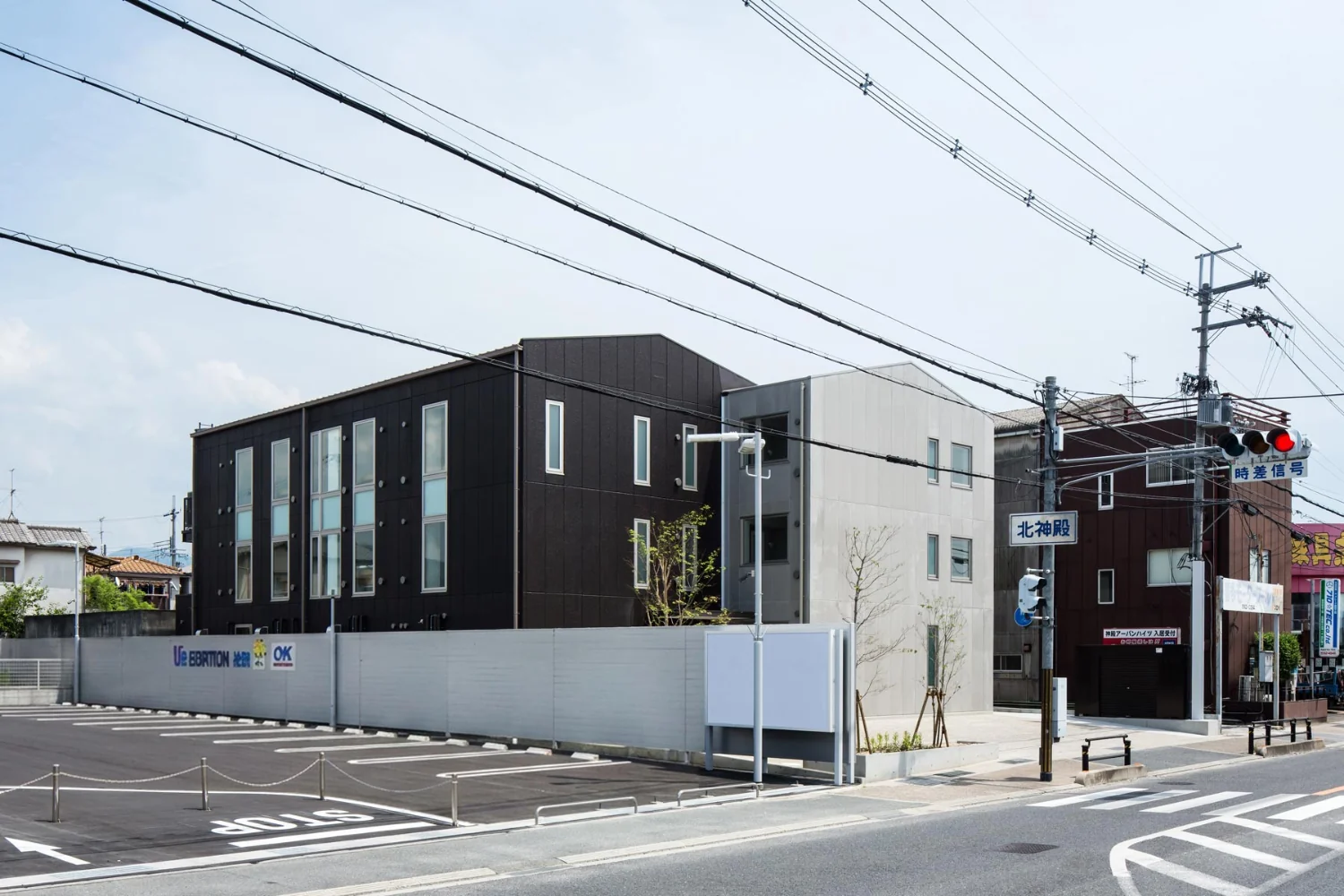
A large new window was installed on the north elevation to meet the stringent daylighting requirements of a care facility.
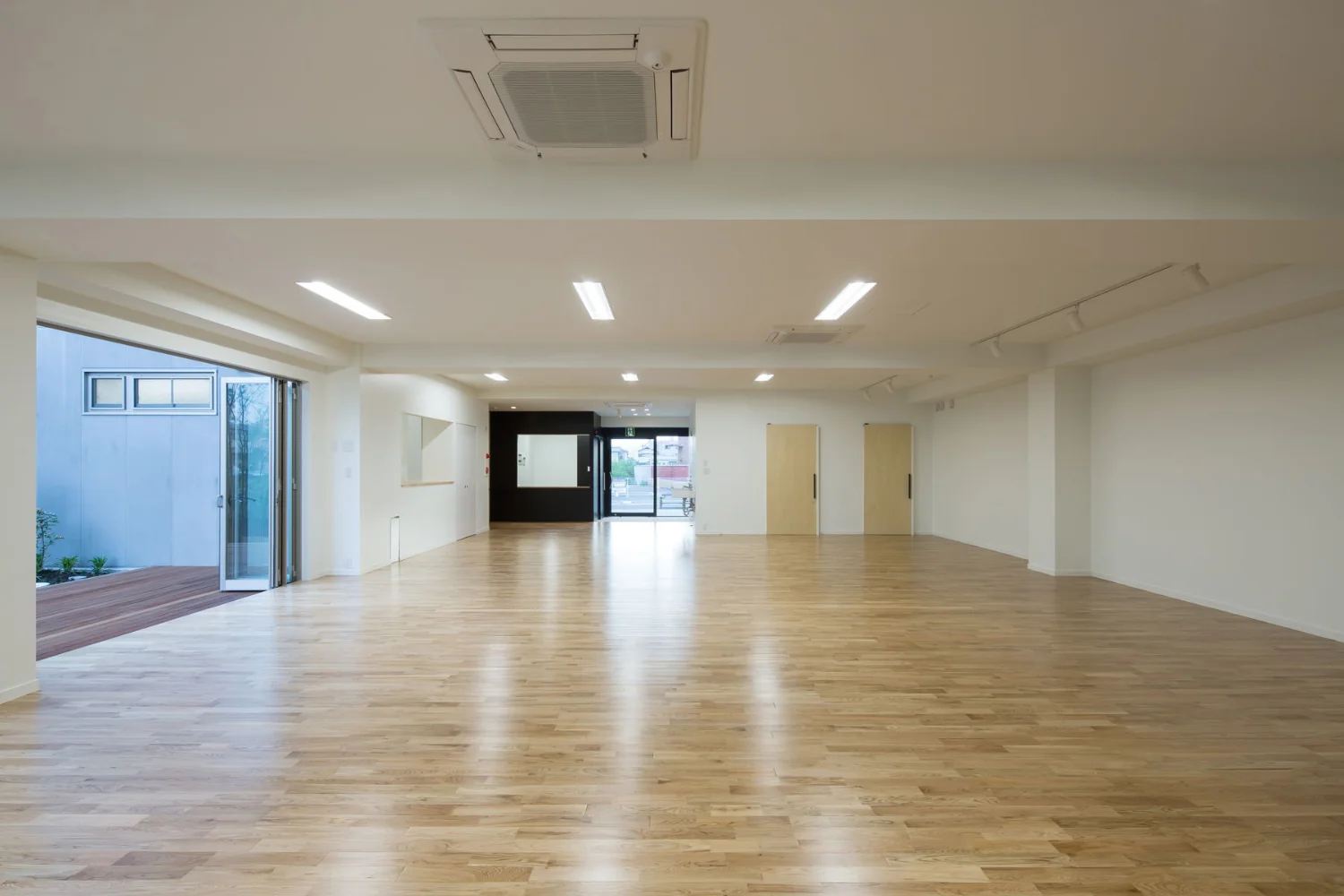
Ground-floor day service center. Flooring is solid oak; walls are painted.
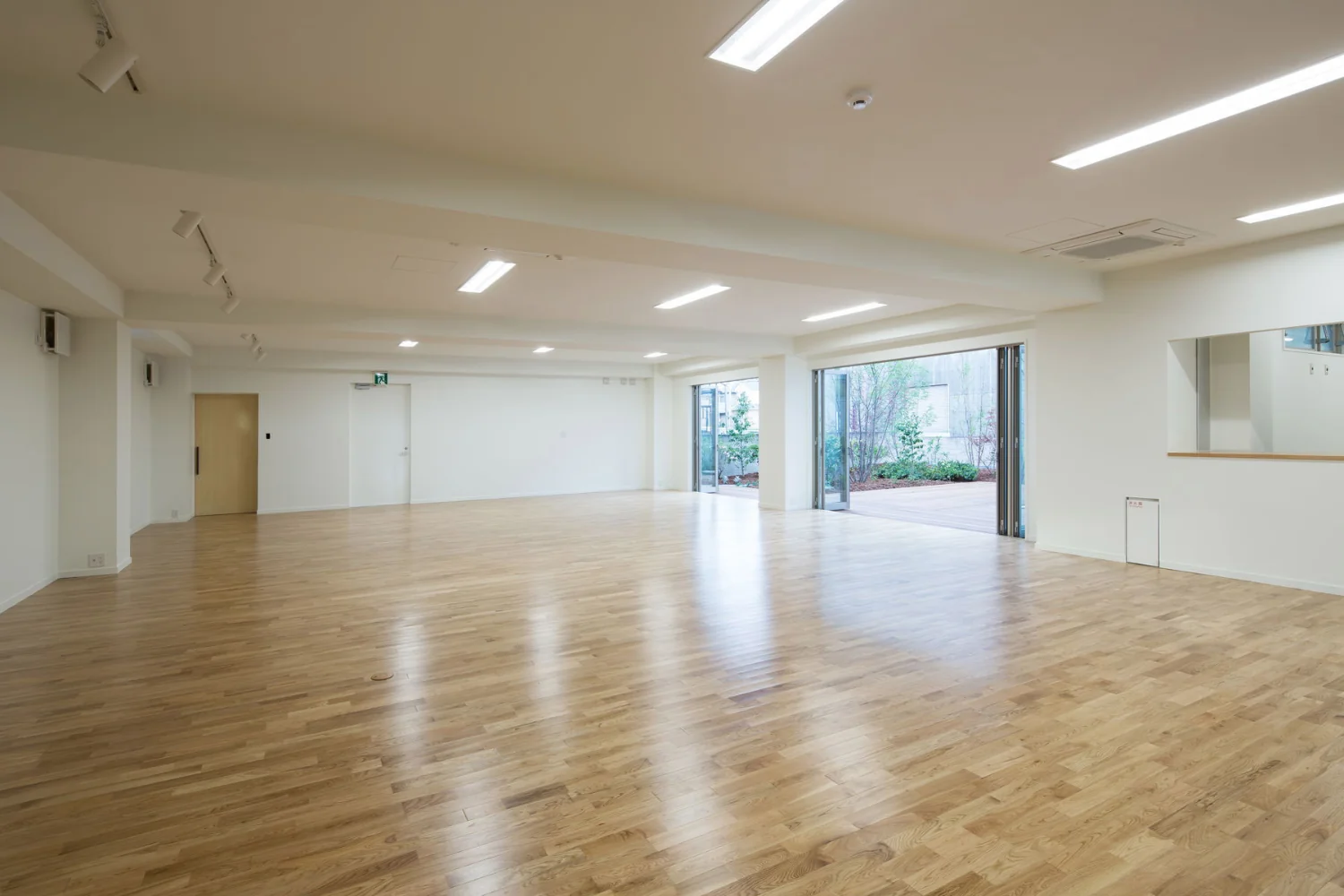
The goal is a warm, well-aged interior that feels more homelike the more it is used.
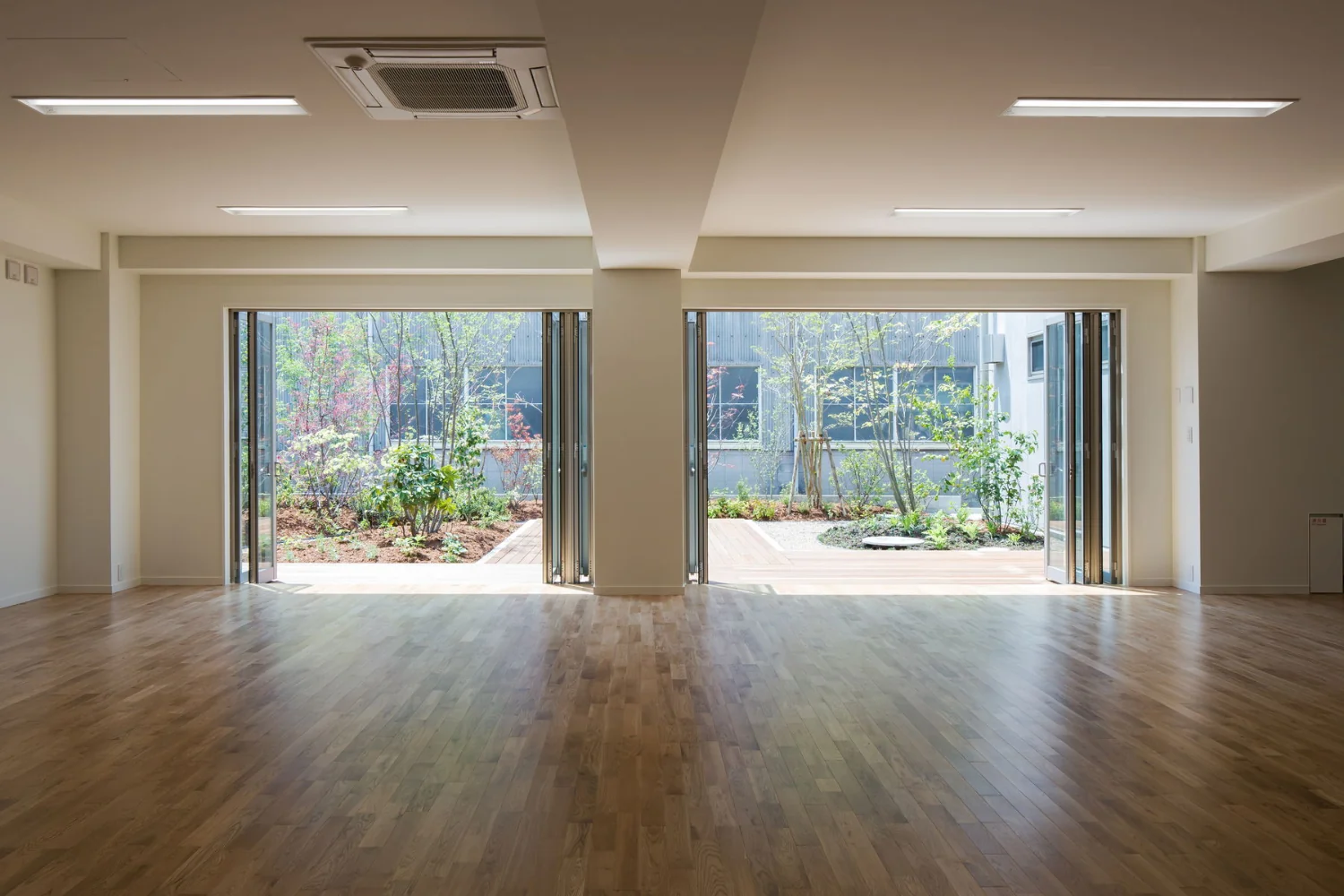
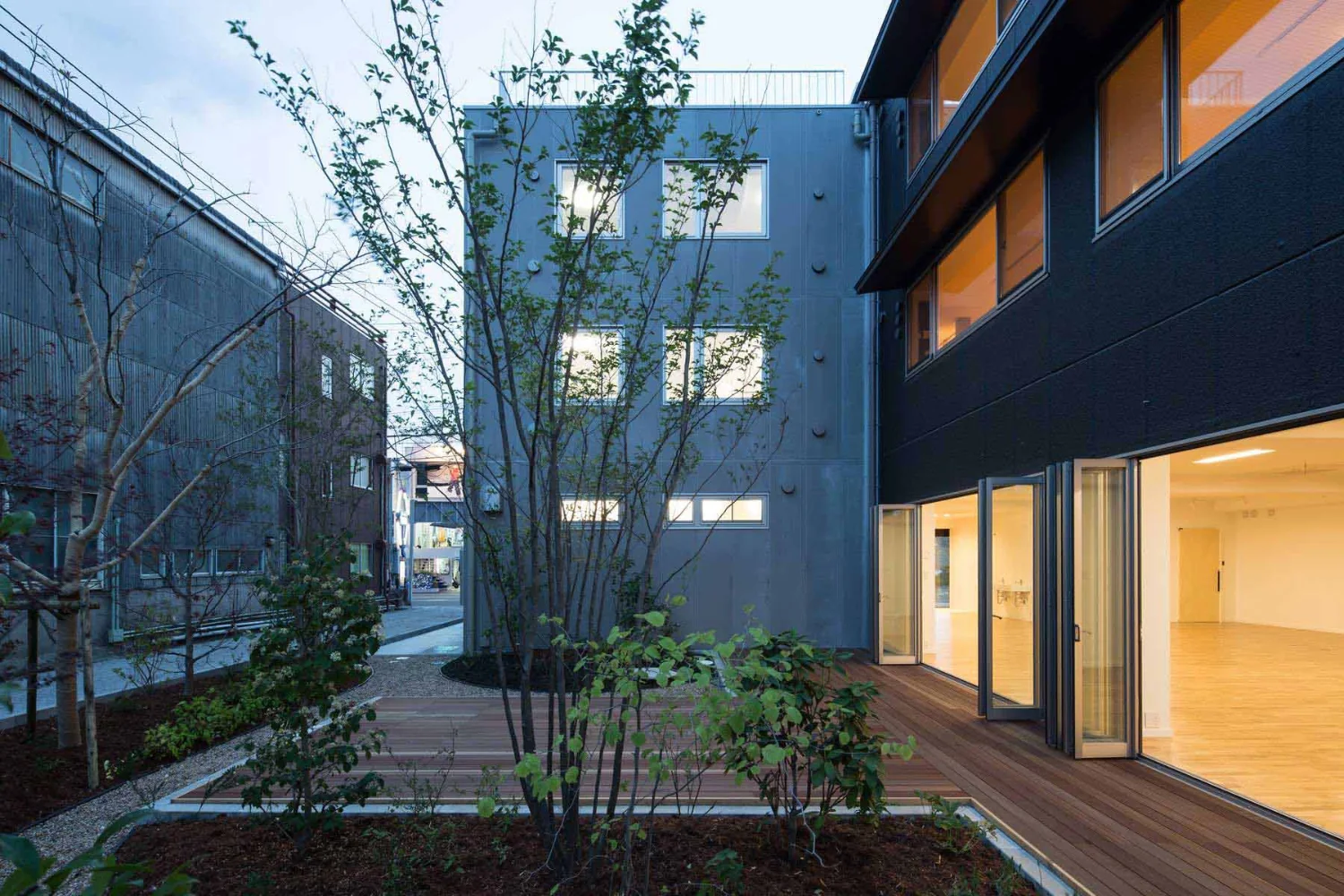
A large volume utilizing the entire existing building. Fully opening folding doors were installed to enable integrated use with the courtyard.
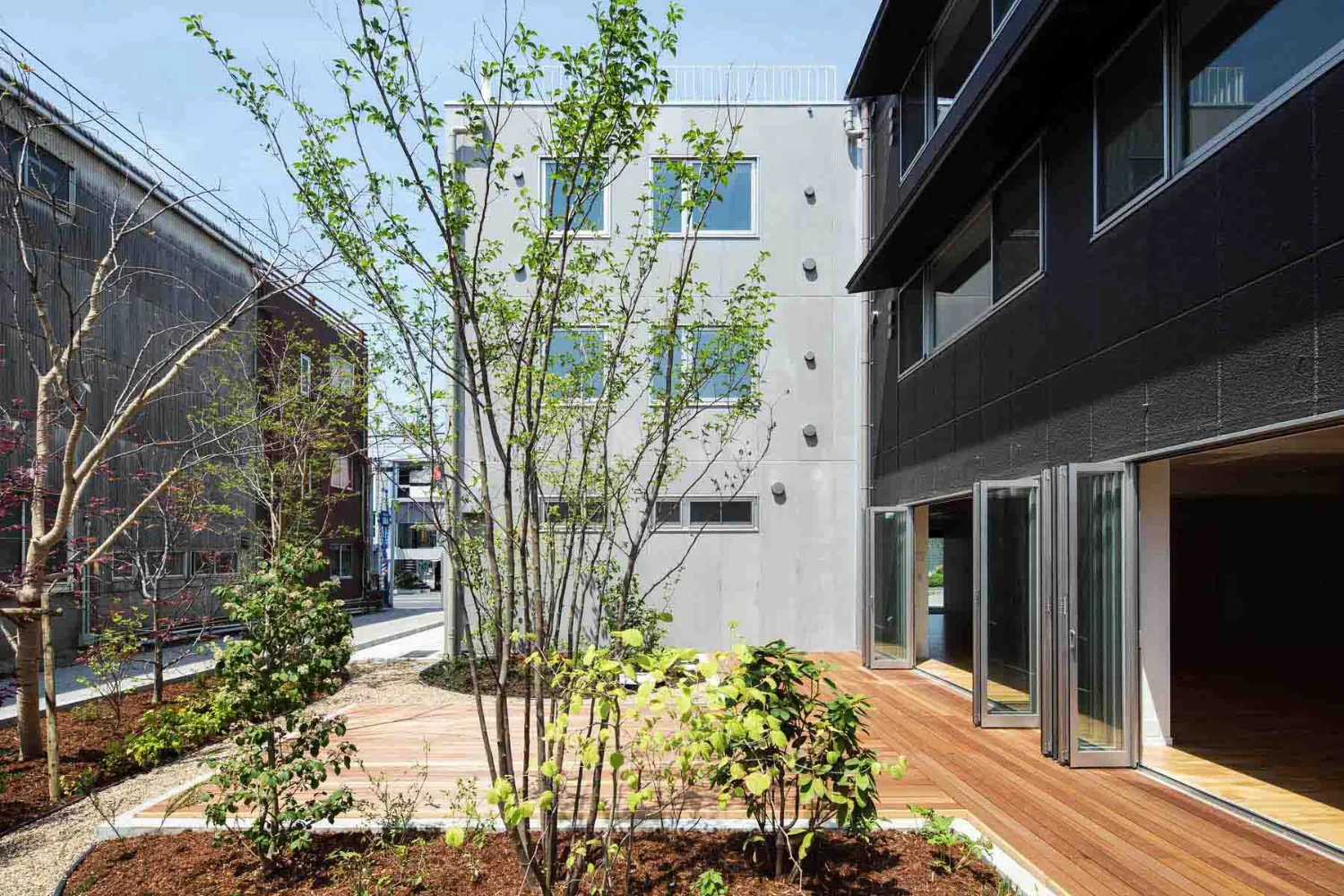
A courtyard lush with greenery created by arranging the existing and new wings in a staggered formation.
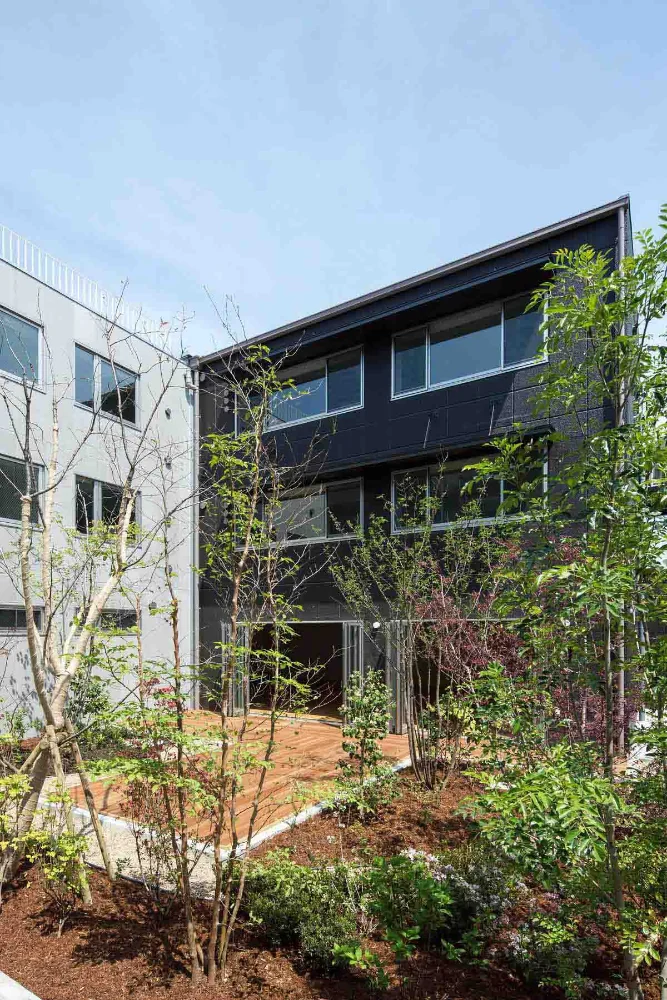
View of the existing wing from the courtyard.
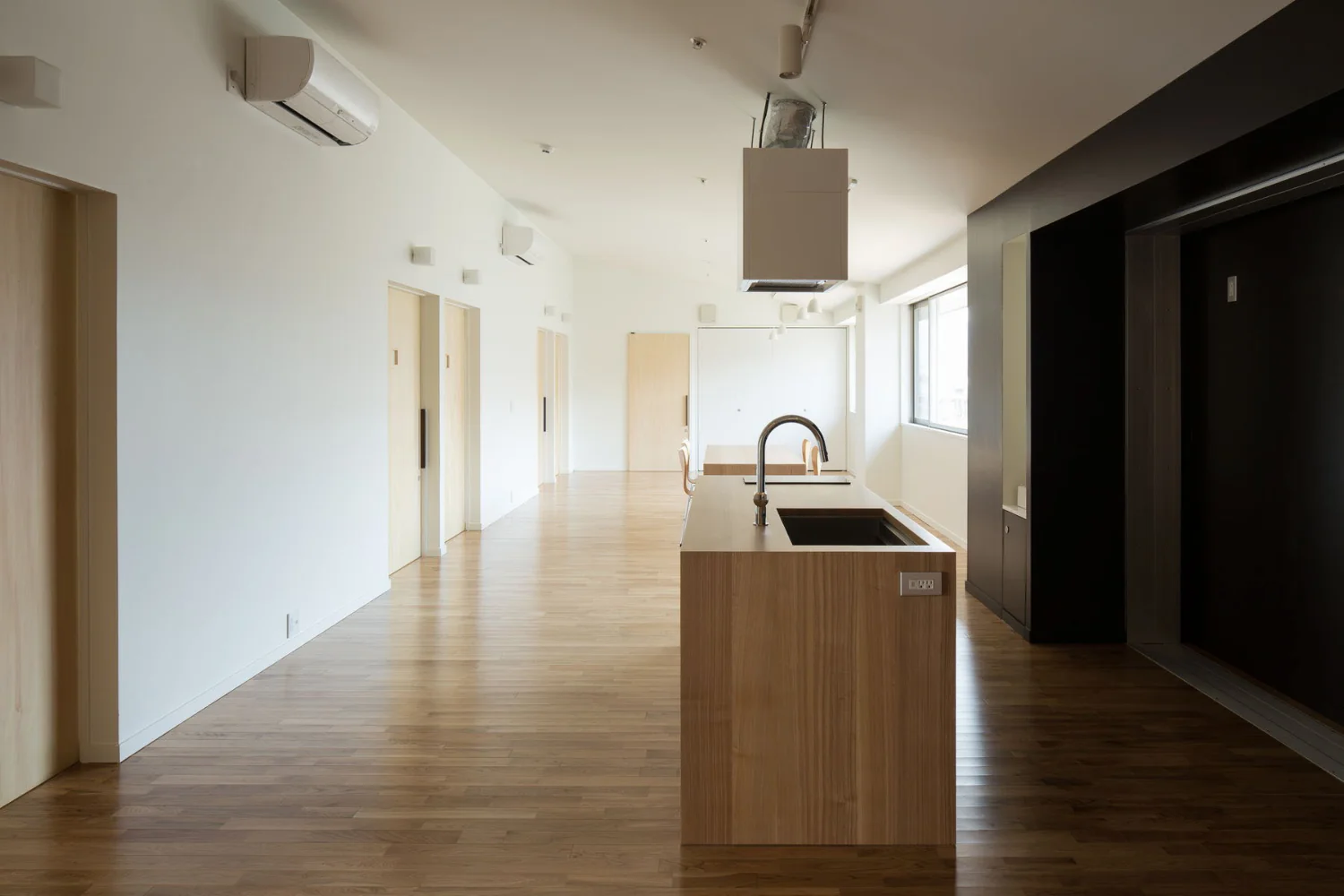
Second-floor short-stay accommodation. Common living room and corridors were planned integrally while satisfying regulatory requirements.
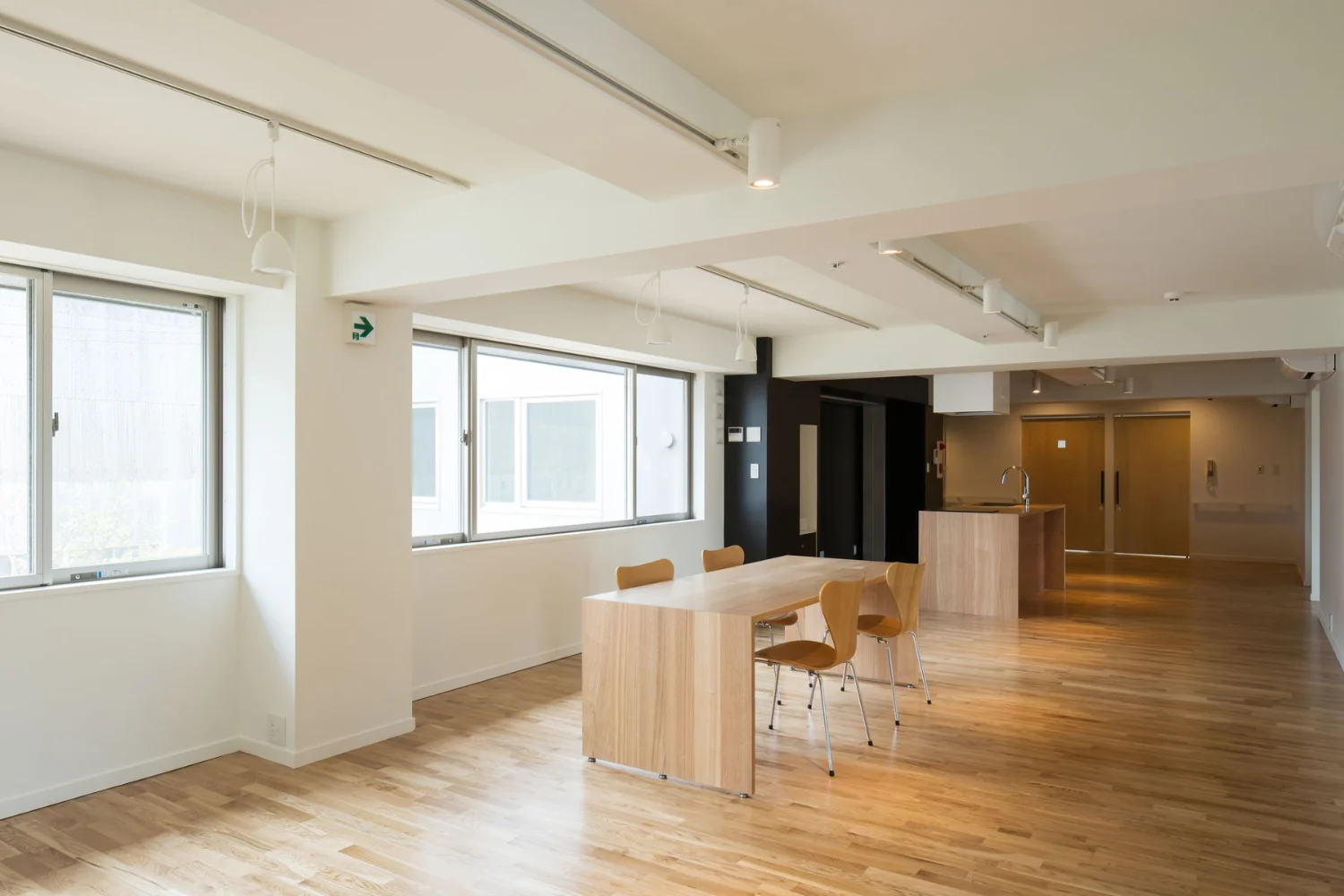
The second floor was originally a warehouse, so ceiling heights are low. Although habitability was a concern, the result is an unexpectedly intimate space.
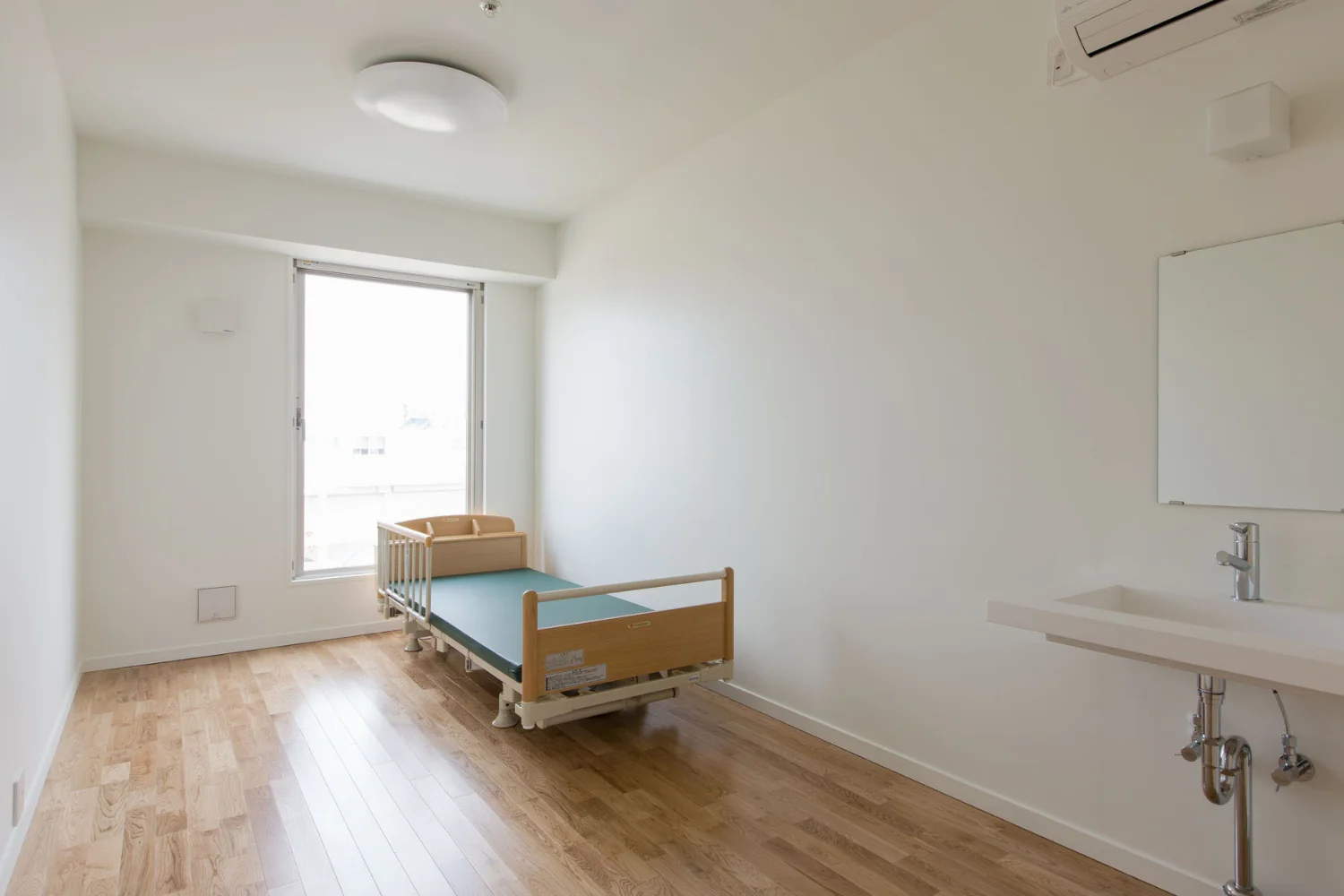
Short-stay rooms utilizing the existing structure.
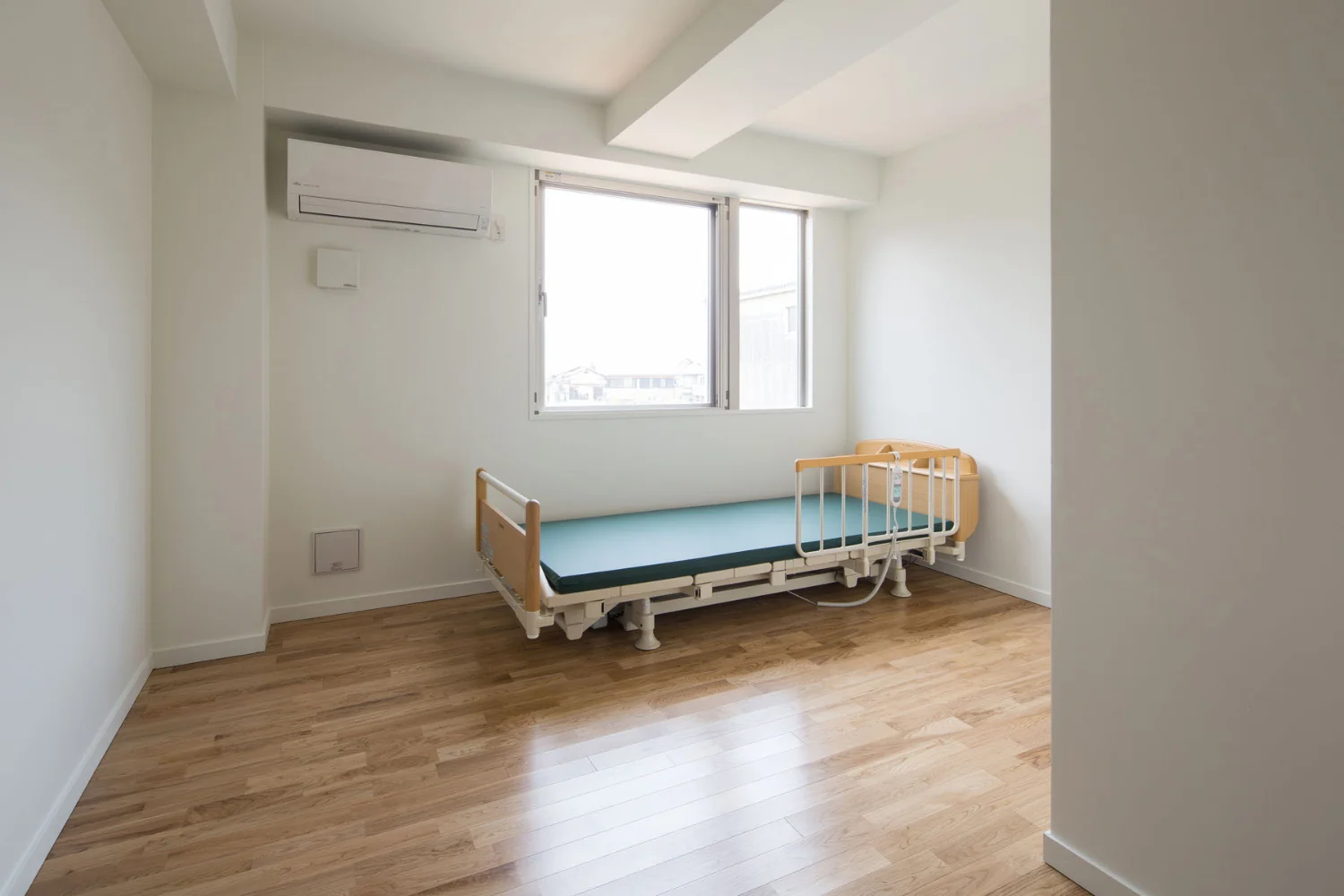
Short-stay rooms in the addition. The courtyard can be viewed from the windows.
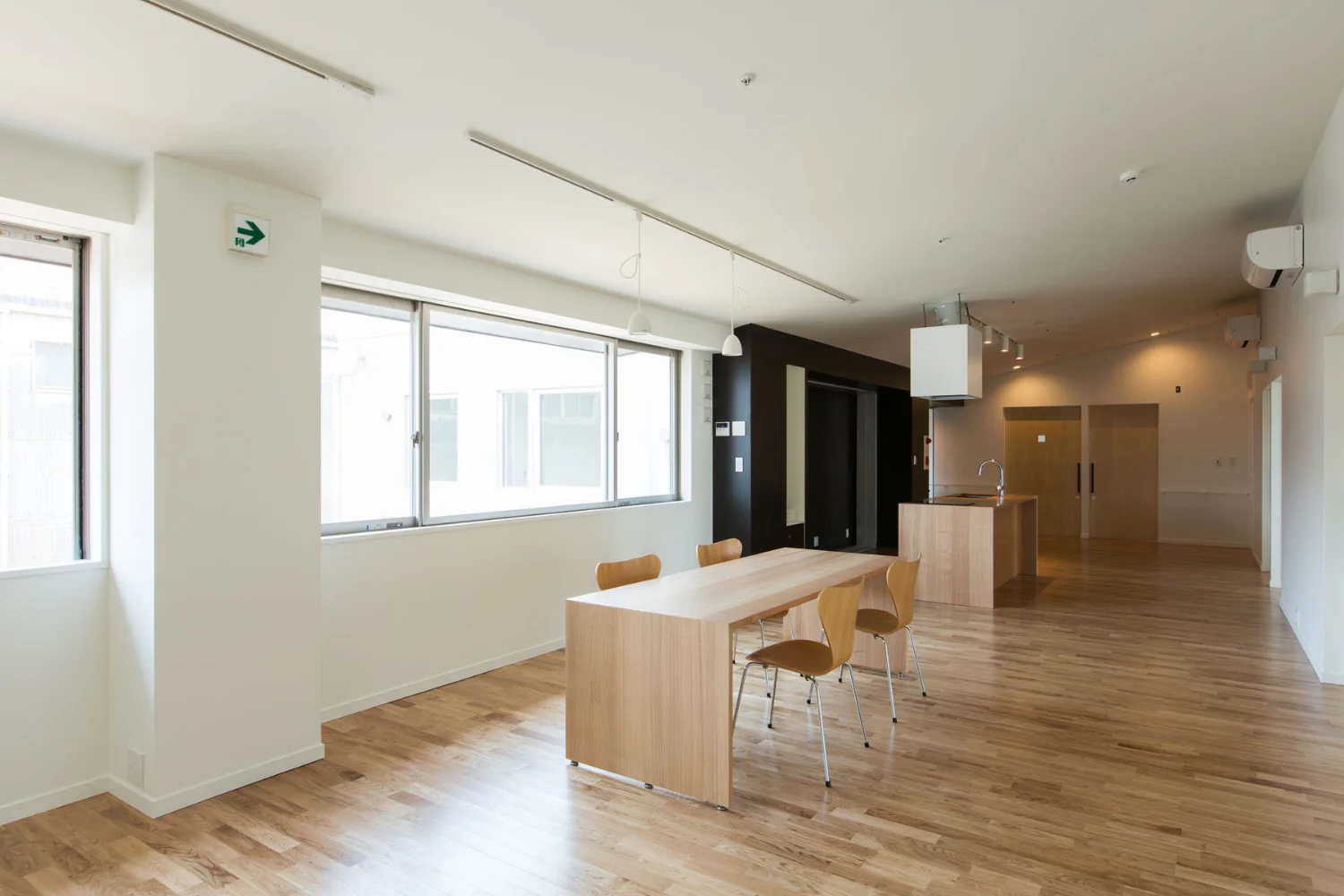
Third-floor common living room.
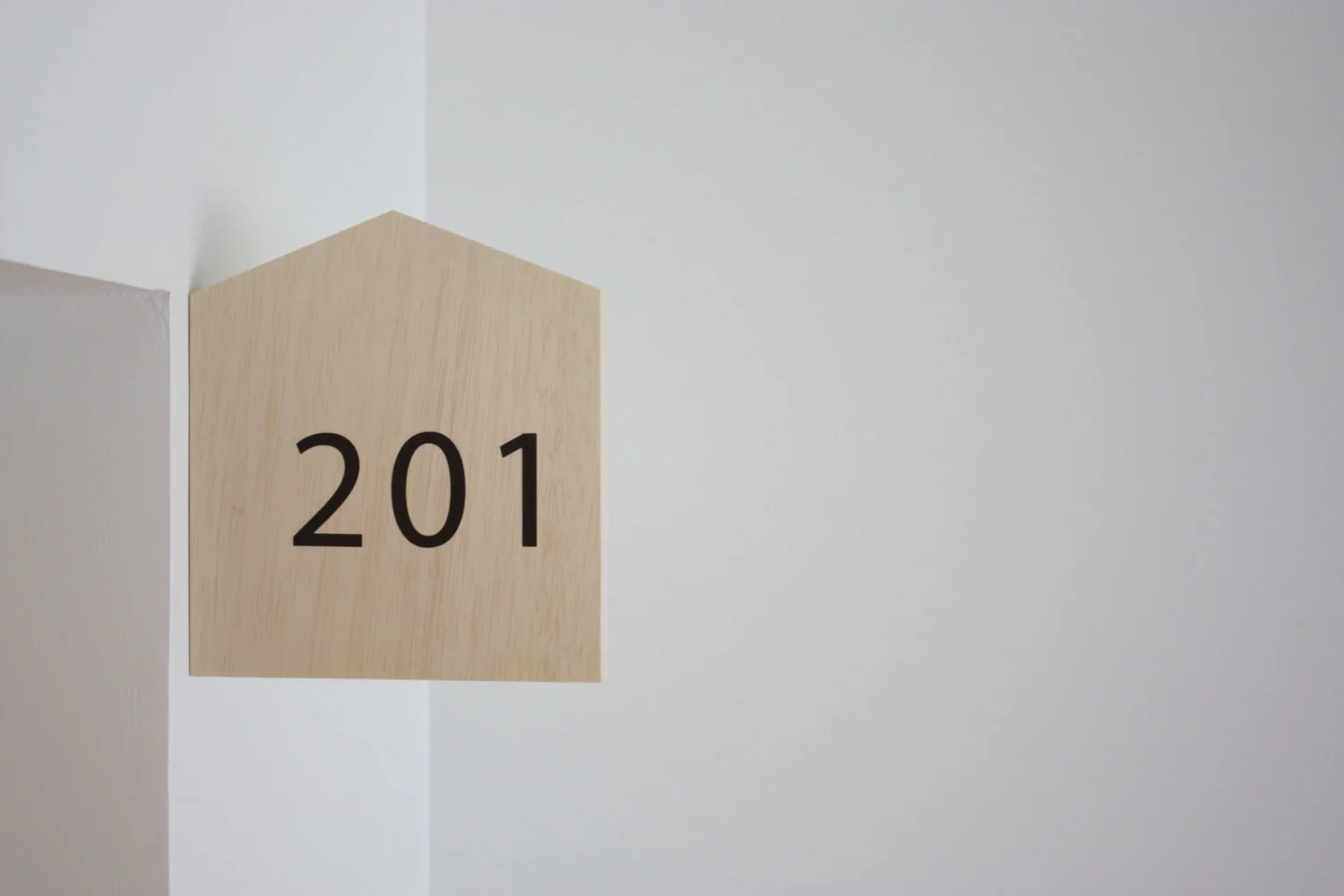
Room entrance signage. Simple house-shaped signs were designed to align with the building concept.
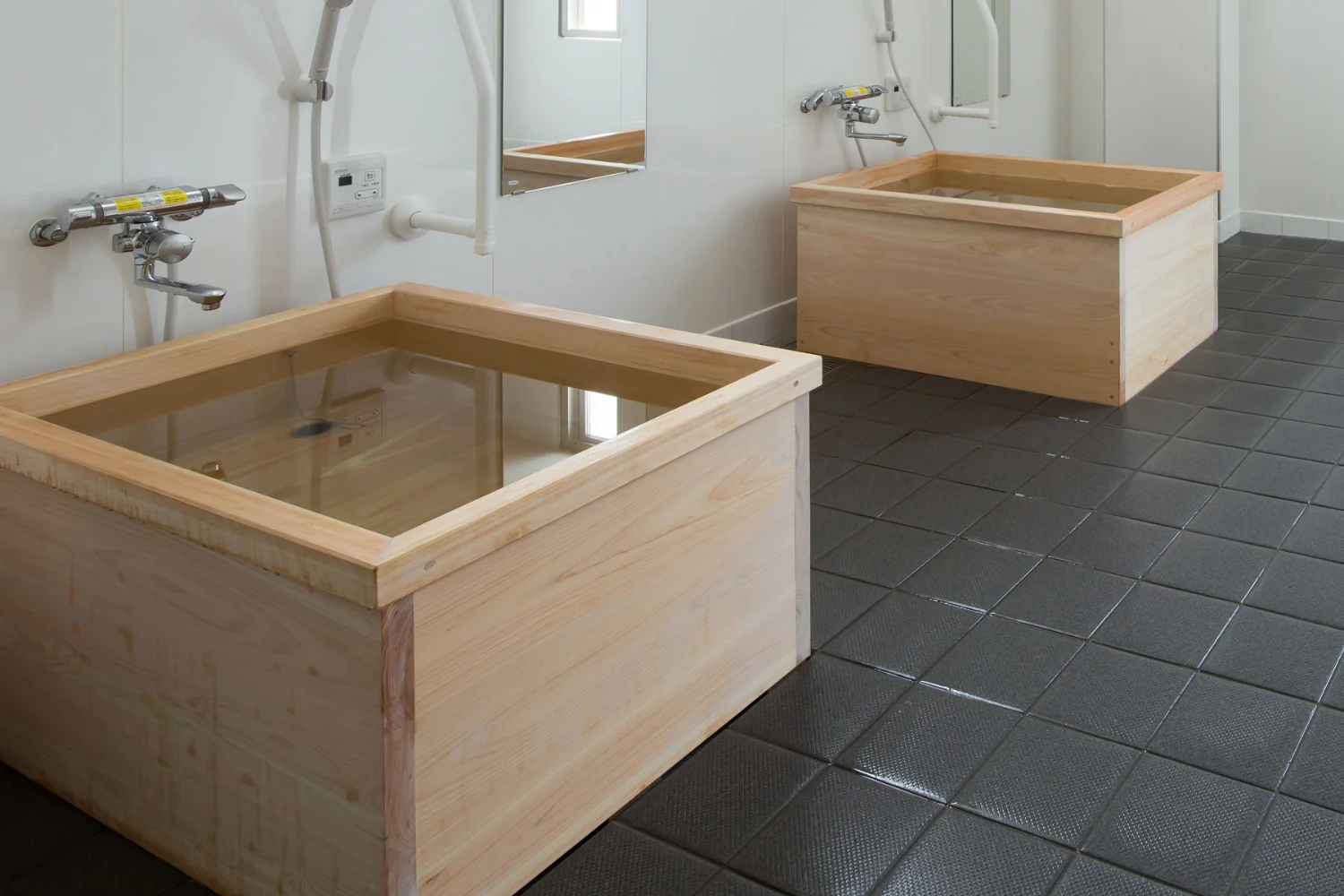
First-floor bathing facility shared by the day service and short-stay units. Private baths were fabricated from locally sourced Yoshino hinoki (Japanese cypress).
Introduction of insulation and high-performance glazing has enabled certification as a ZEB demonstration project.
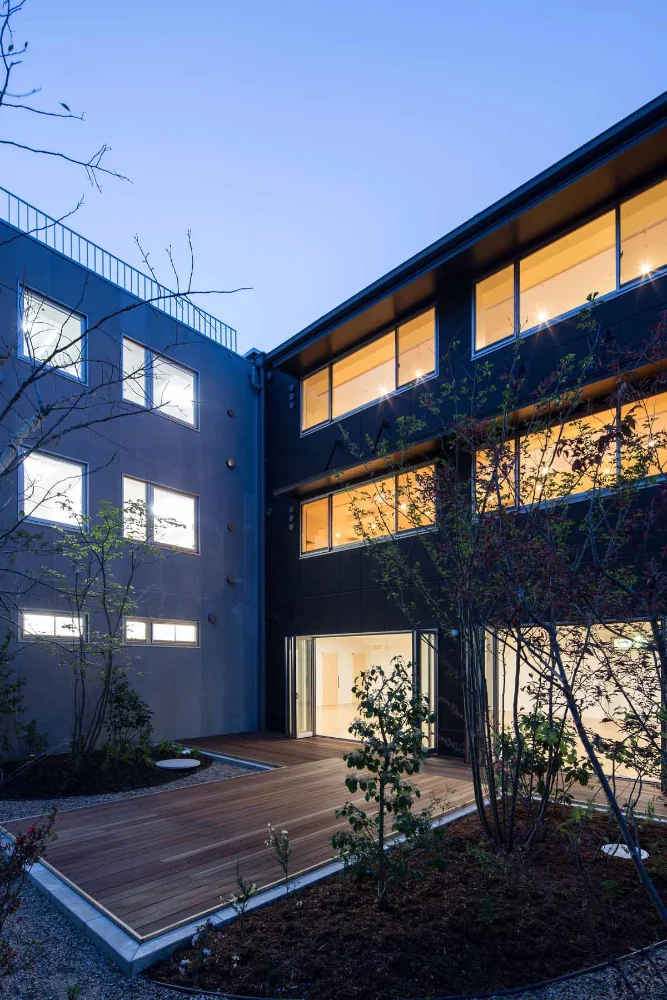
Various events, such as fireworks viewing, are held on the wood deck.