Introducing Whole-Building Renovation of a Showa-Era Retro Building | Okayama Building, an example of Architect / Design office facility architecture in 302, Zeniya Honpo Main Building, 14-6 Ishigatsujichō, Tennōji-ku, Osaka by Yoshihiro Yamamoto Architects Associates.

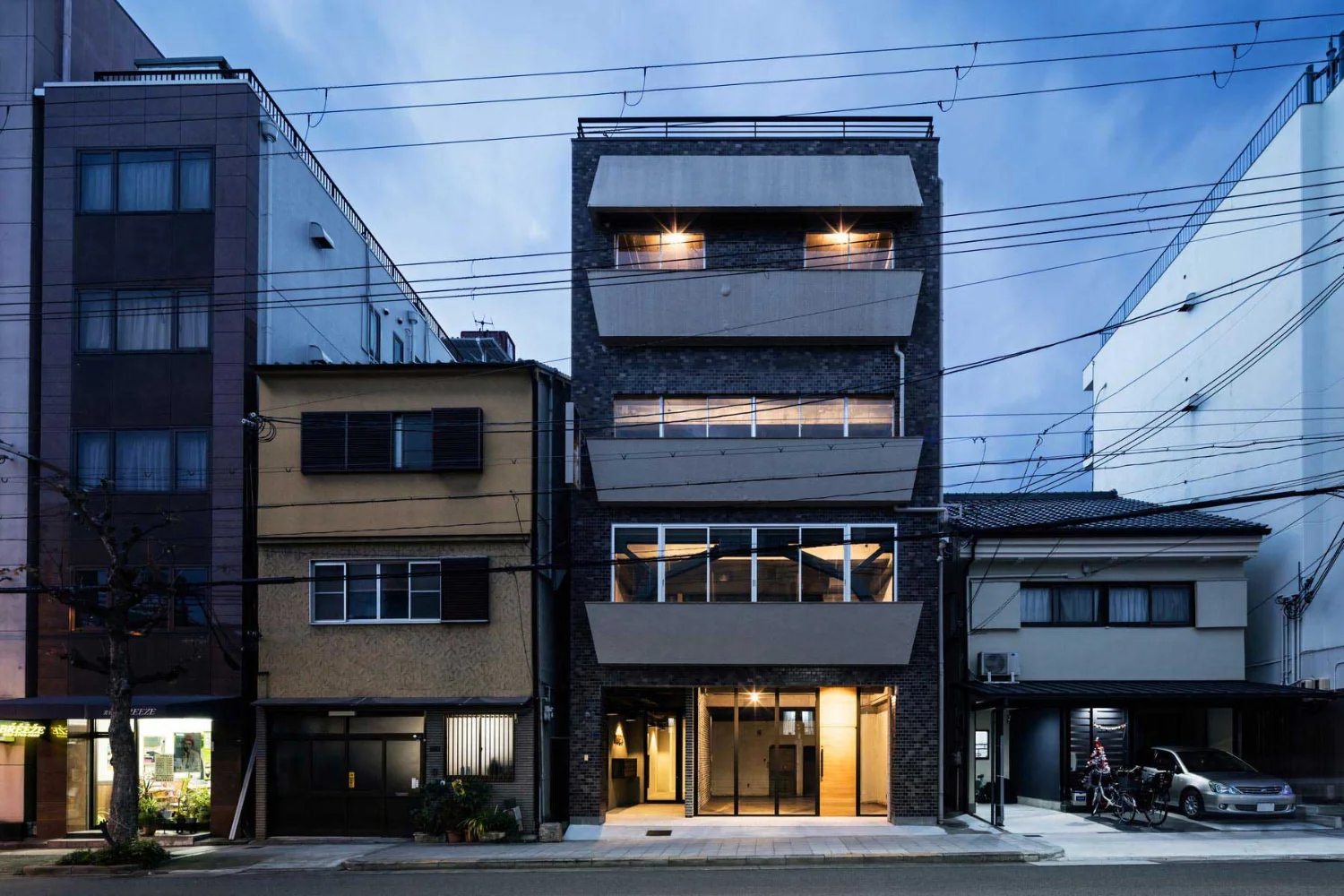
Renovation of a small mixed-use building originally constructed in the early 1970s.
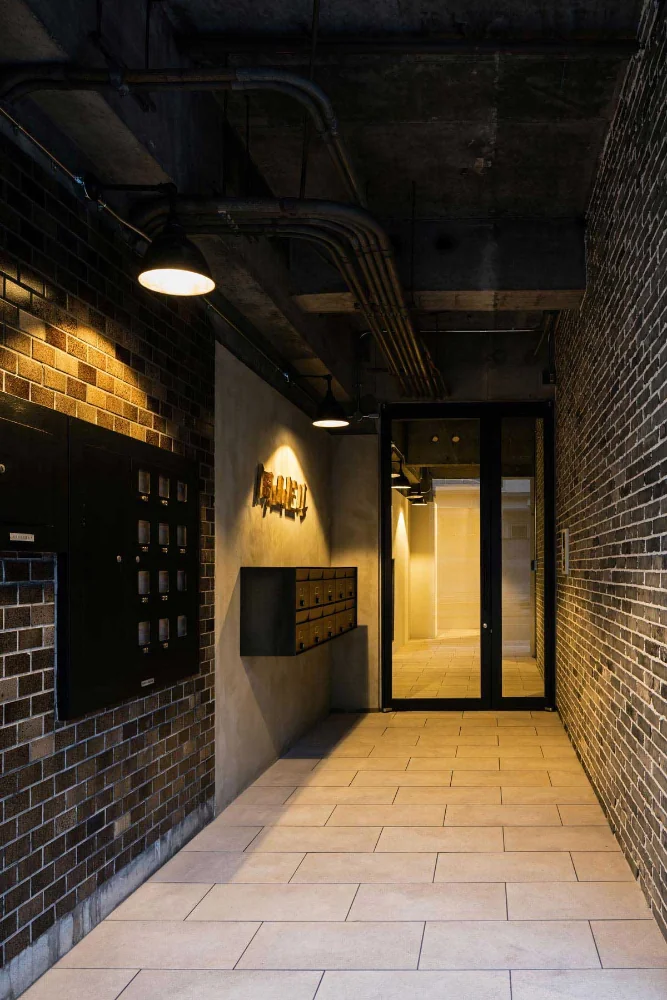
Approach. The existing electrical meter board was repainted and repurposed as interior signage.
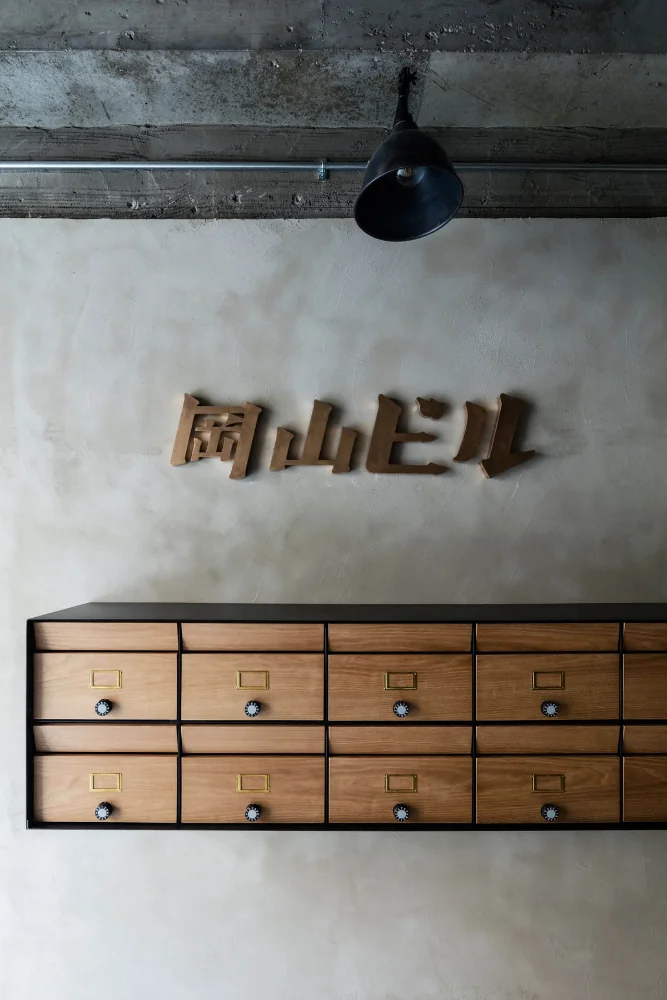
The deteriorated building nameplate was repaired and the retro typeface reconfigured.
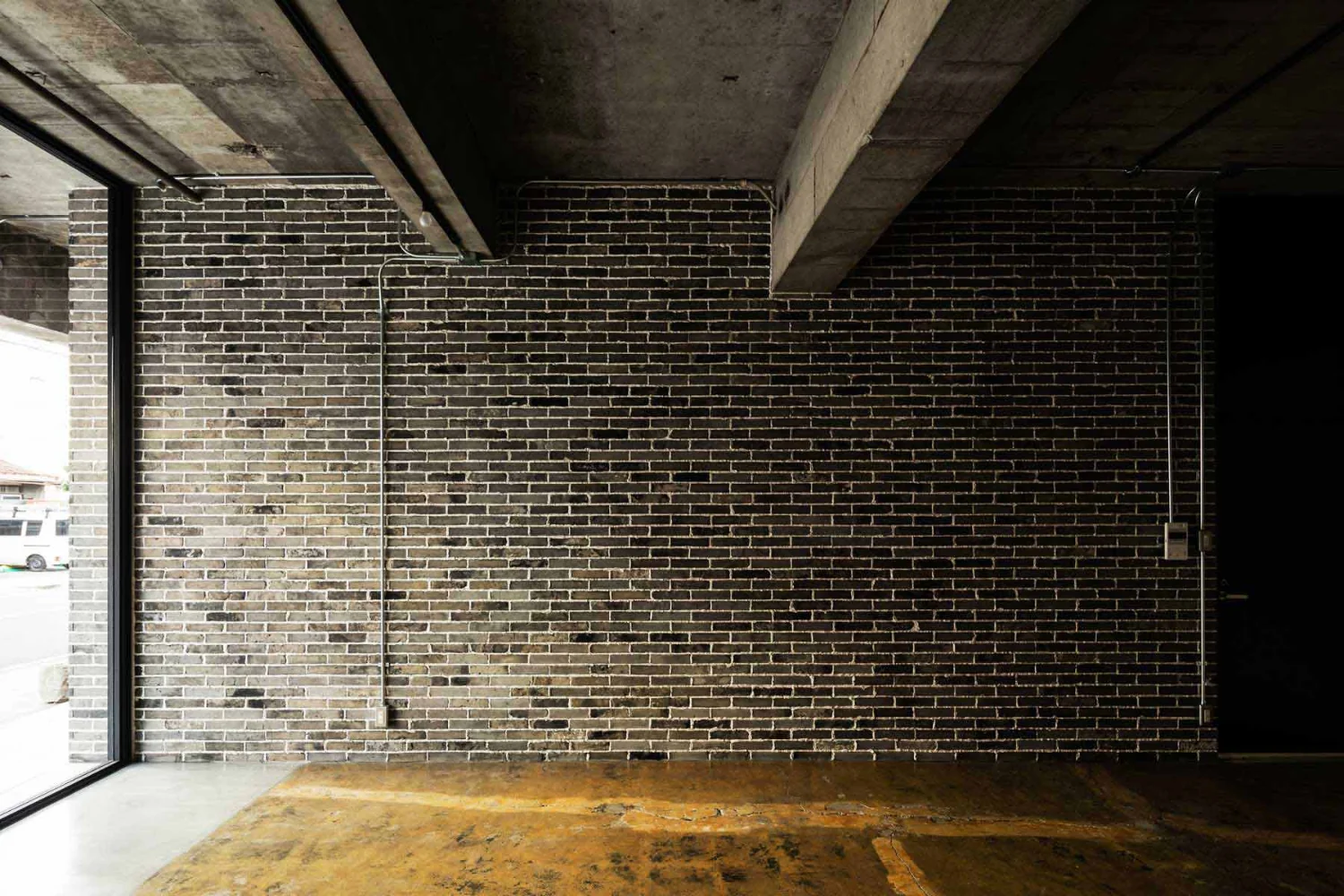
A brick wall separates the approach from Unit 101. Bricks salvaged from old Shanghai houses were reused.
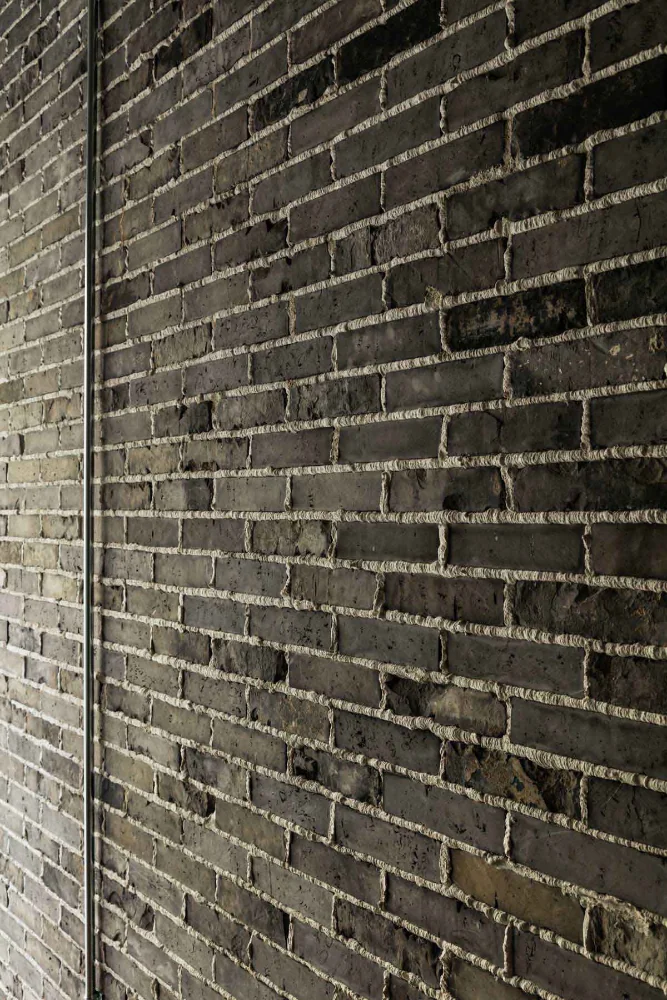
The antique bricks were pointed with mortar in three times the usual thickness to achieve a deeply recessed texture.
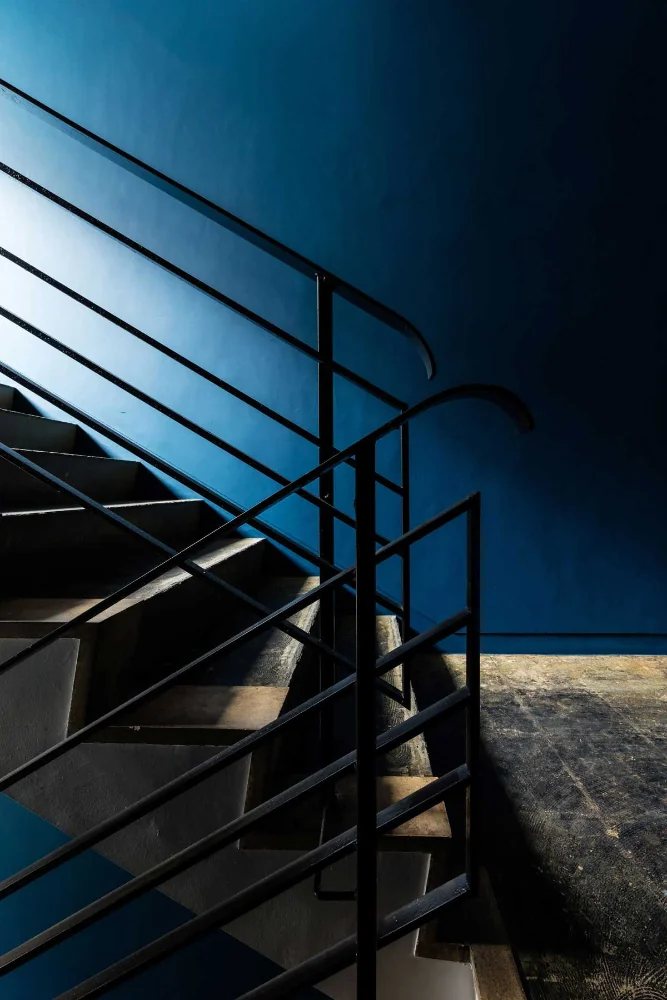
The stairwell walls are painted the project’s theme color, royal blue.
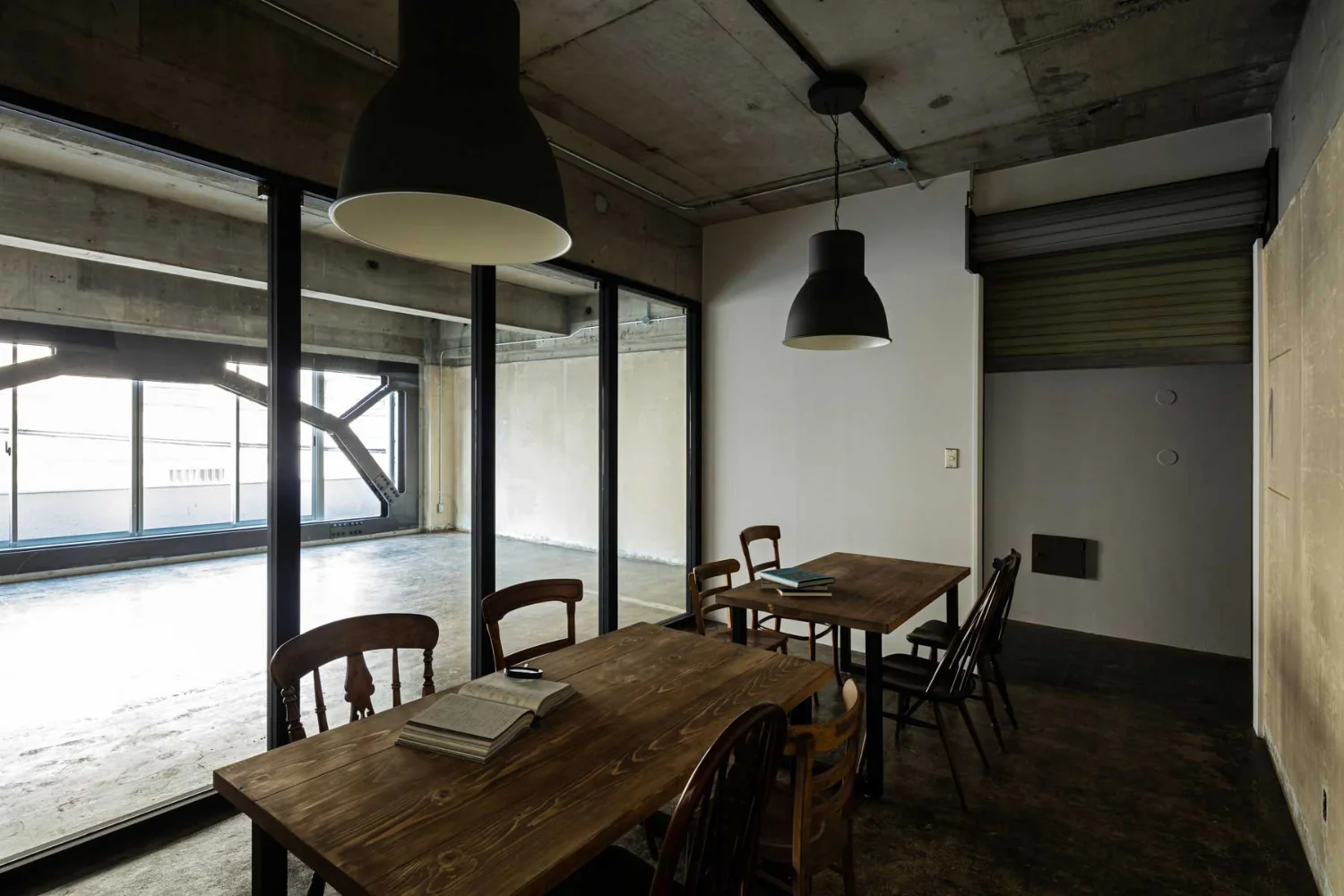
The existing fire shutter was retained to create vertical shaft fire compartments for corridors and stairs.
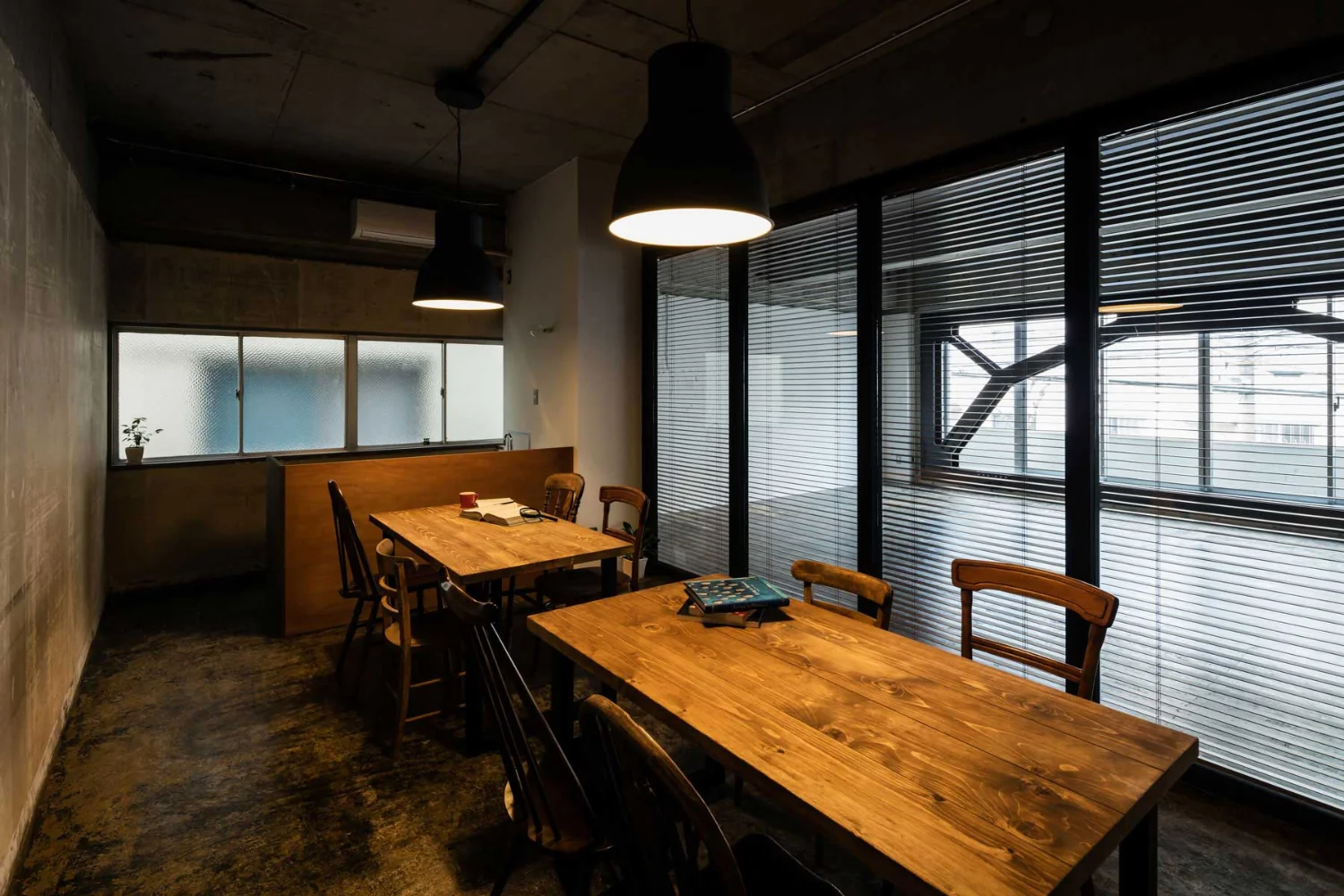
Visual separation between Unit 201 and its neighbor is achieved with wood blinds.
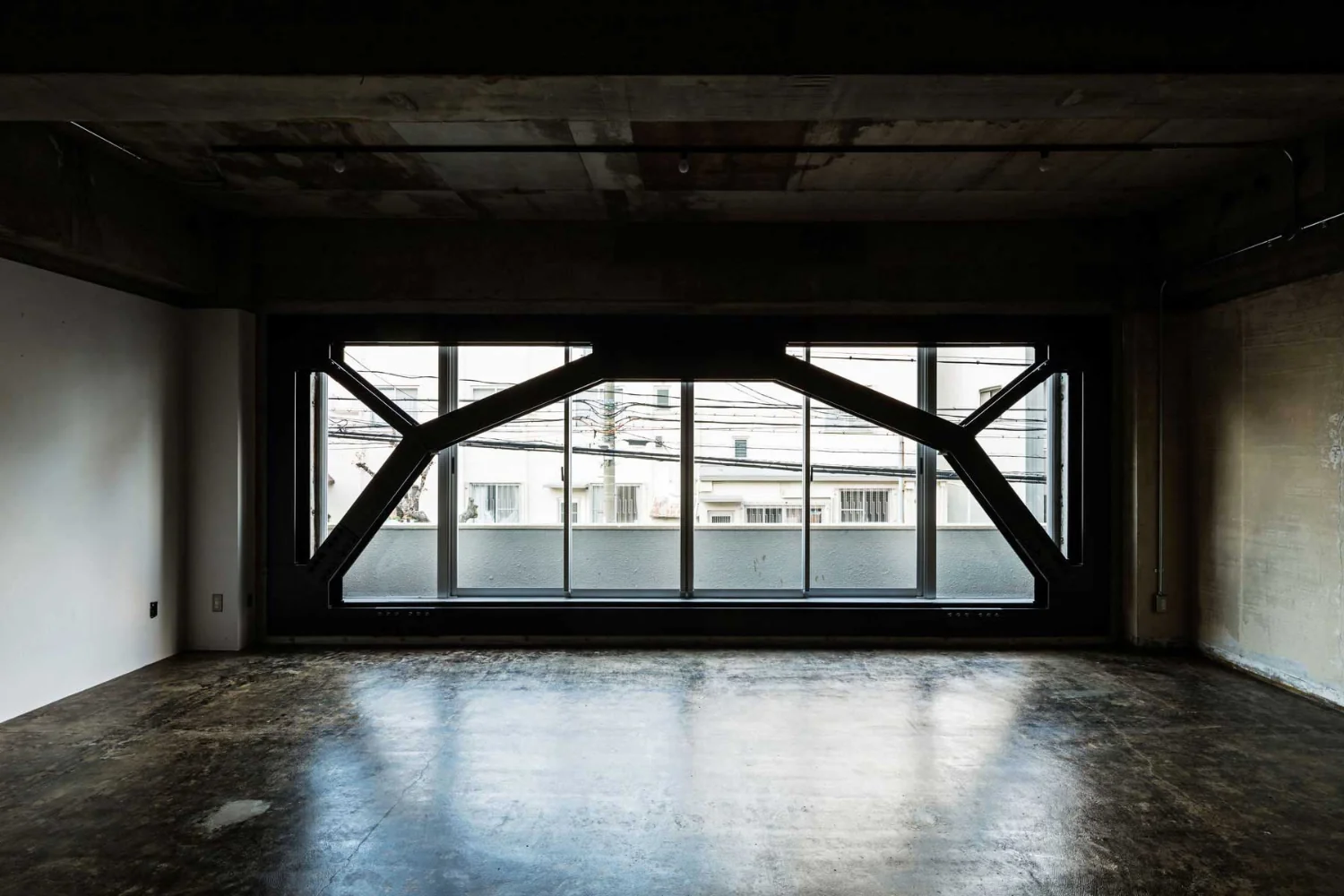
Overall view of Unit 201. Substantial mansard-form seismic braces give a sense of weight. Window frames were also replaced during this renovation.
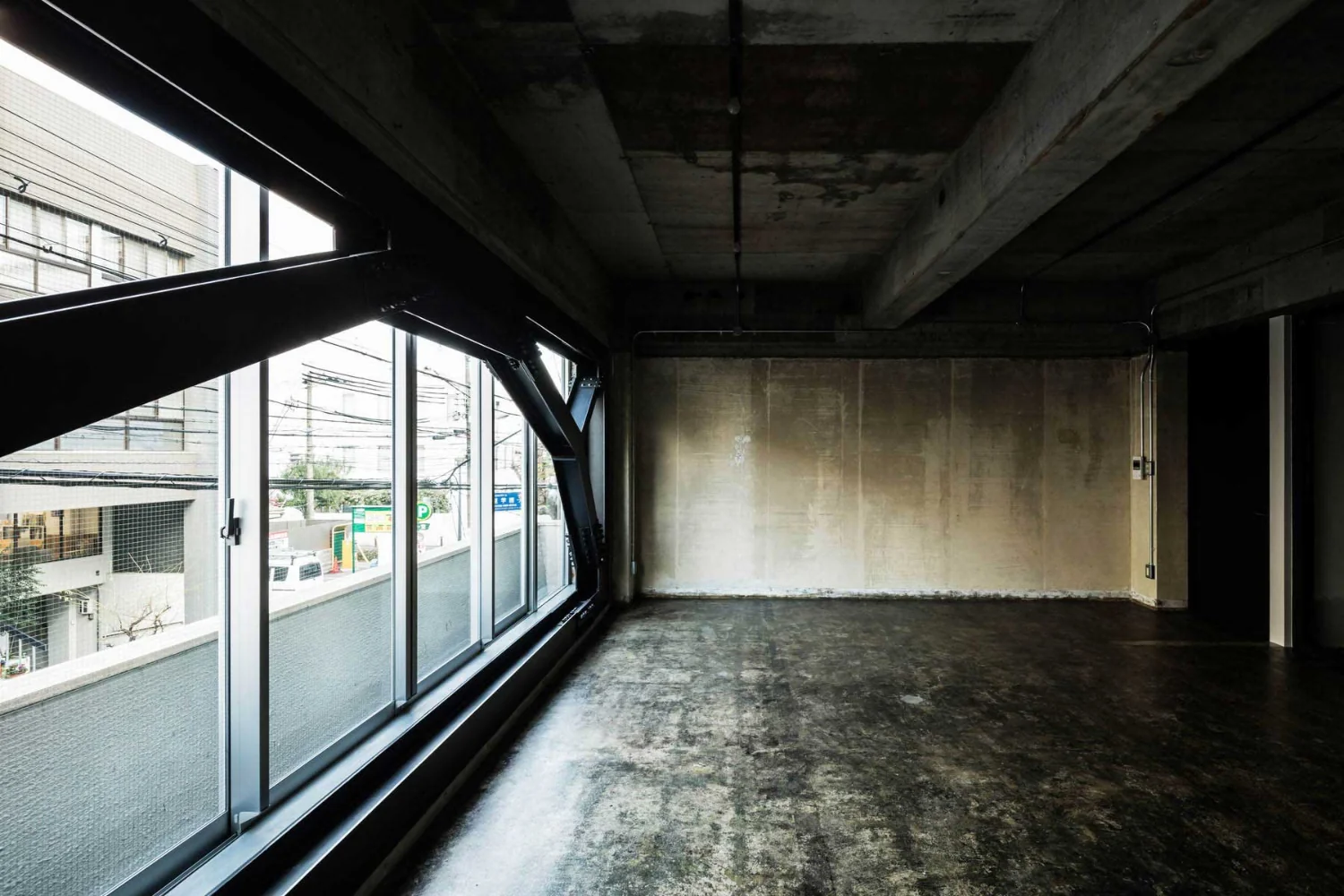
Seismic standards were met by reinforcing the ground floor in RC and the second floor with steel framing.
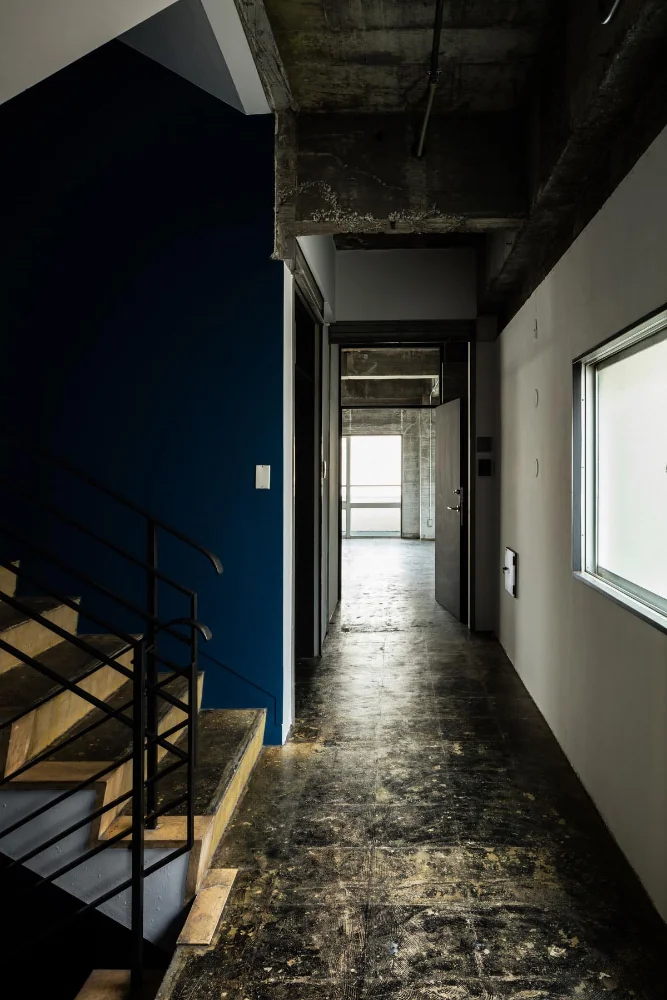
Third-floor common area. Existing P tiles removed from the floor, walls repainted, ceilings left as exposed concrete.
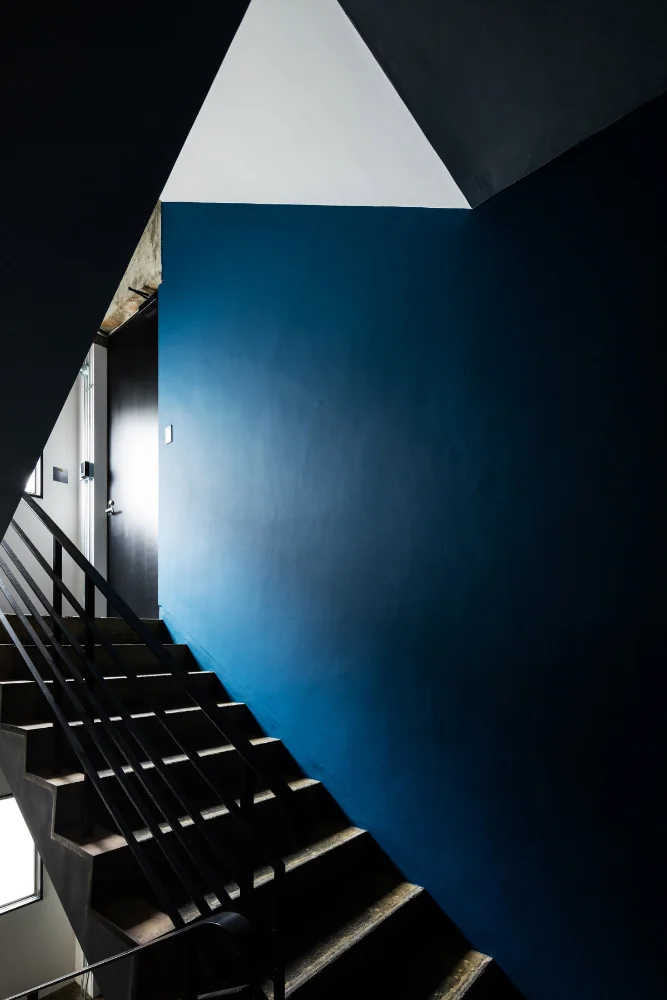
Common-area design—often neglected in multi-tenant buildings—matters for tenants who receive visitors.
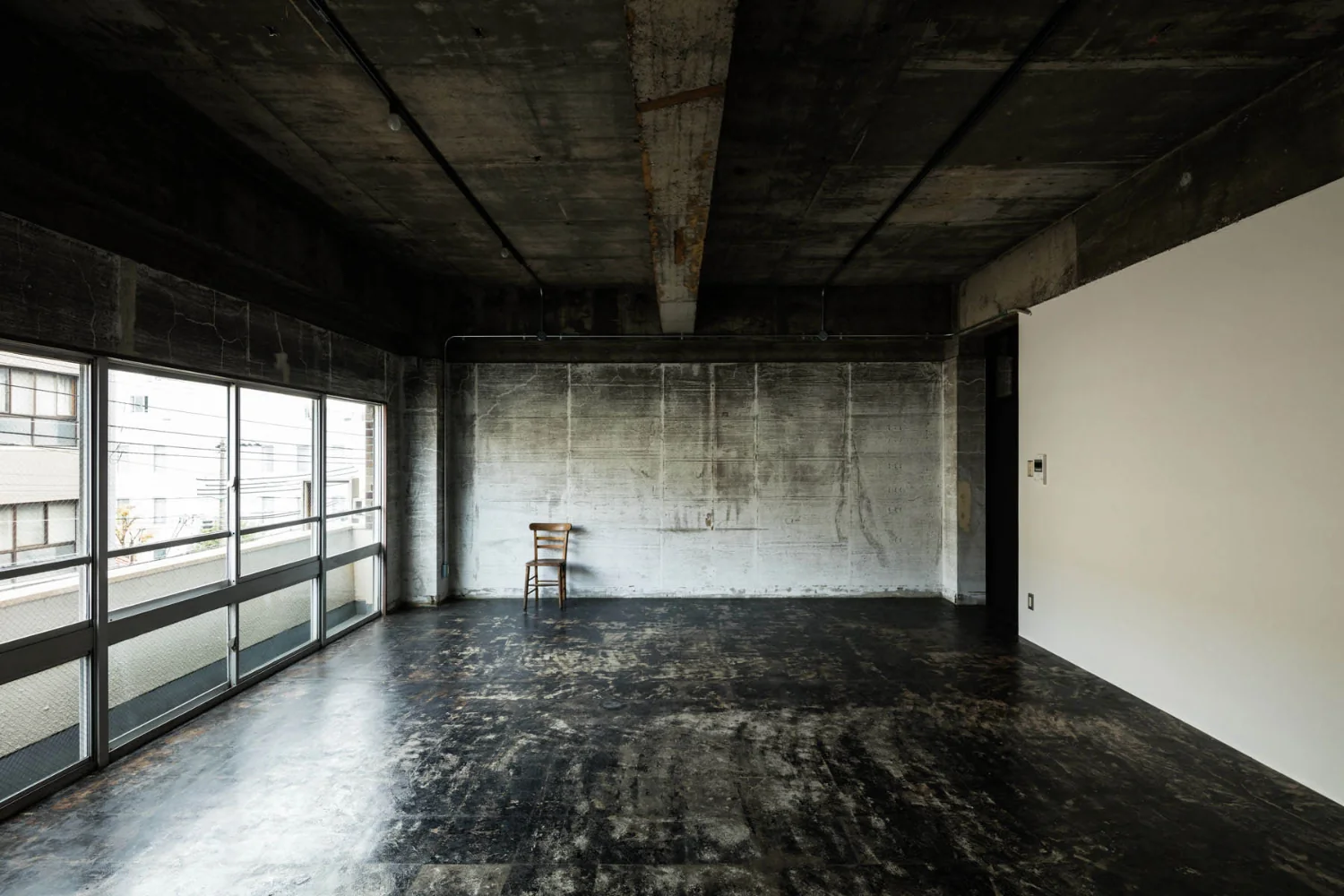
Unit 301. The state revealed by removing each room’s floor and wall finishes is unique in every case.
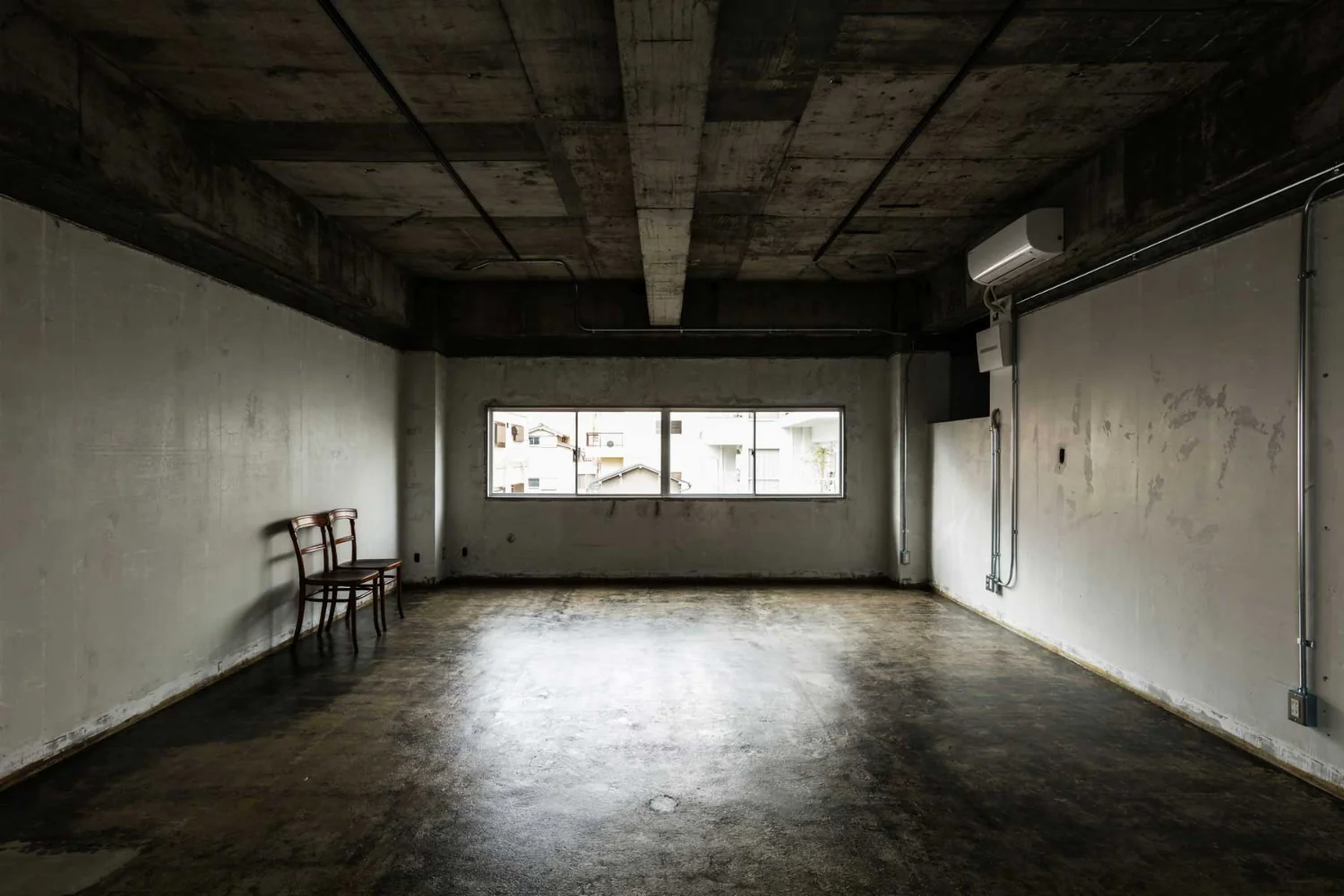
Unit 302. P tiles were removed, surface irregularities leveled with mortar, and the floor finished with a coating material.
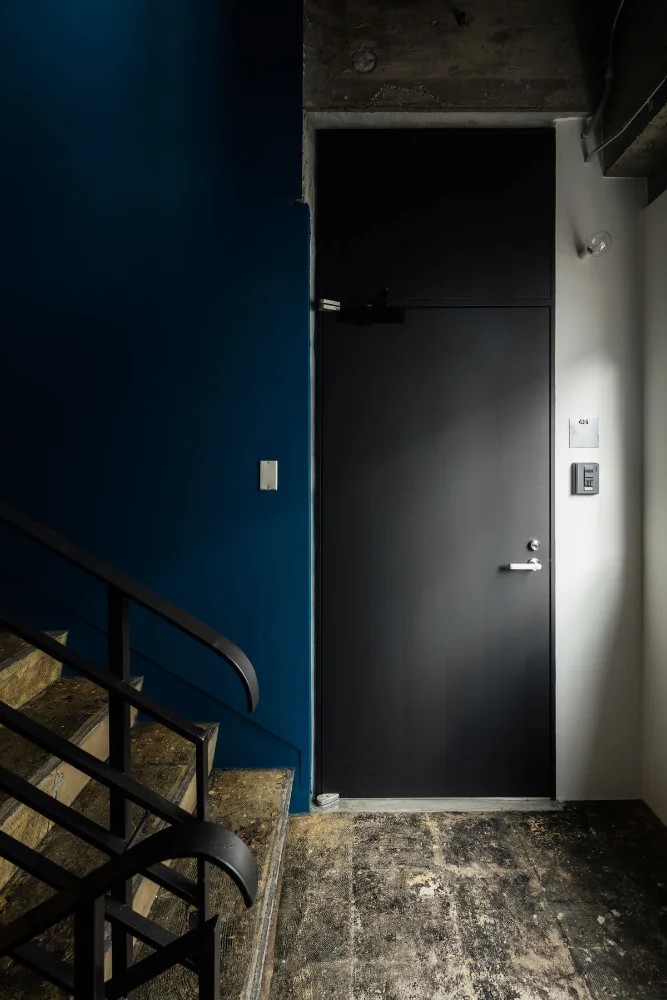
Room nameplates were fabricated from blackened steel plates with brass cut letters for the room numbers.
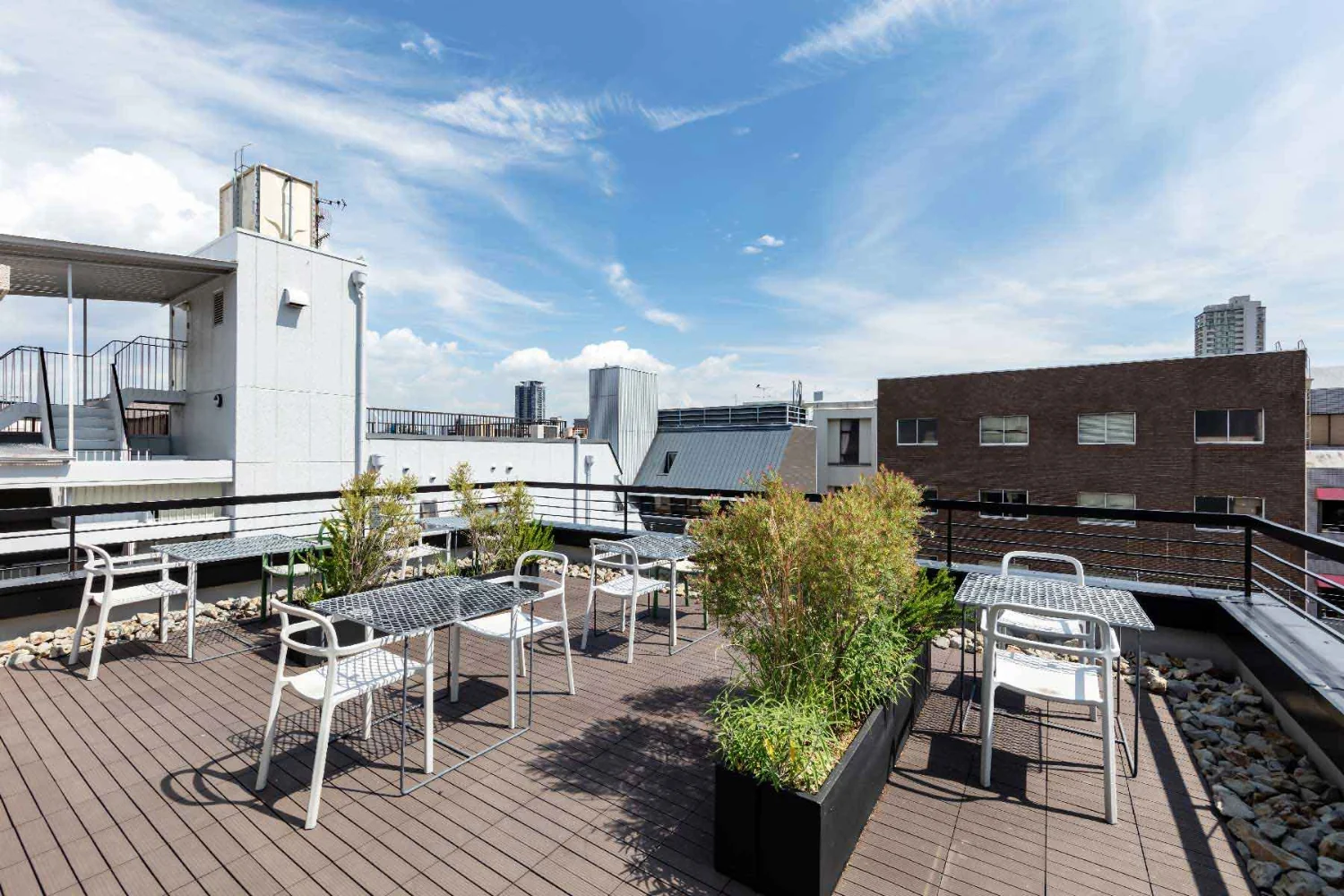
Phase 2 construction. The former rooftop outdoor-unit platform was transformed into a rooftop garden; the south side, separated by a penthouse, provides seated areas.
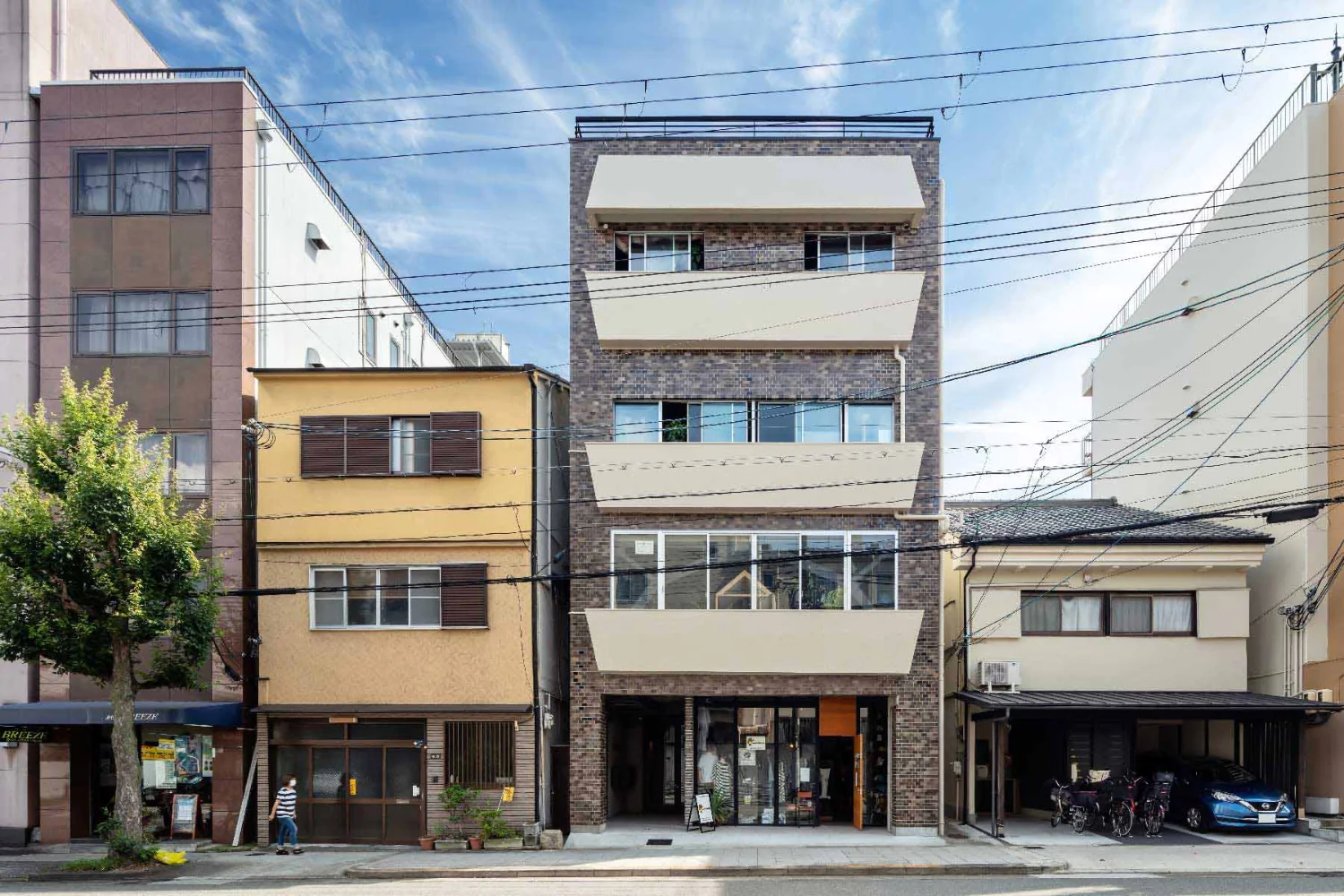
Phase 3 construction. The deteriorated exterior was fully inspected and repaired, and new tiles were inserted.
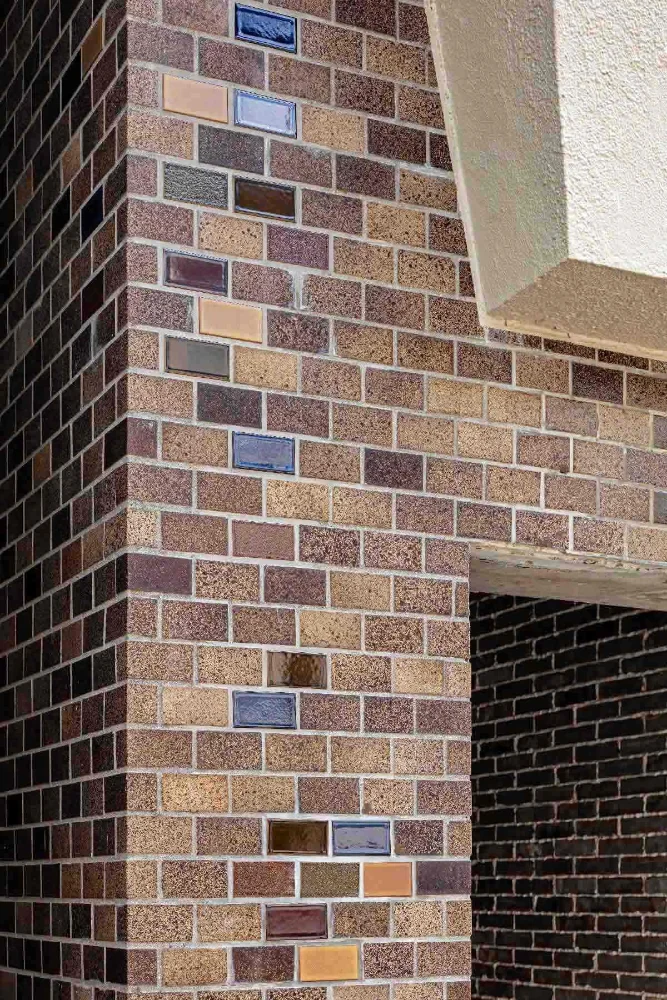
Careful consideration was given to compatibility with the existing small-edge flat tiles; four color variations × three surface finishes were mixed and applied.