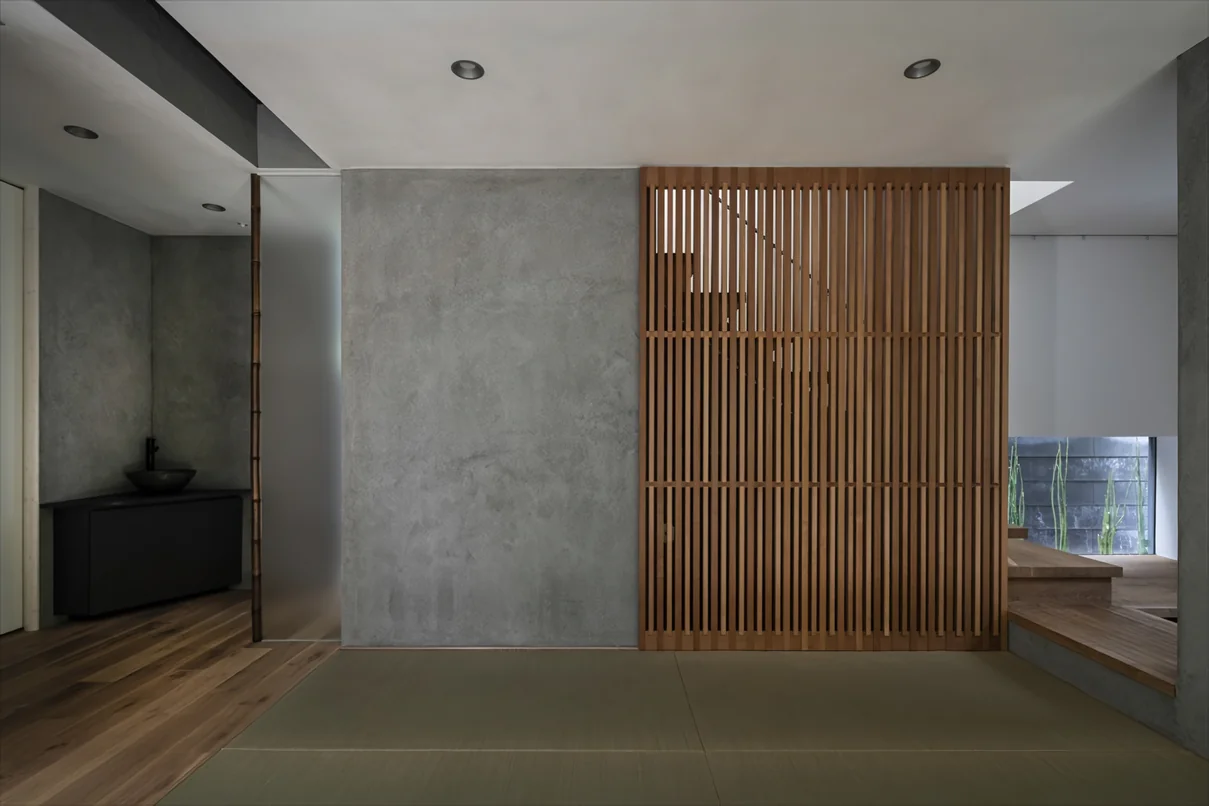
Introducing F Atelier, a custom-built home example by JYU ARCHITECT, a Architect / Design office in 2-19-19 Nakane, Meguro-ku, Tokyo
F Atelier
F Atelier
F Atelier
F Atelier
F Atelier
F Atelier
F Atelier
F Atelier
F Atelier
F Atelier
F Atelier
F Atelier
F Atelier
F Atelier
F Atelier
F Atelier
F Atelier
F Atelier
Learn More
— Pursuing Uniform Light Unaffected by Season, Time, or Weather —
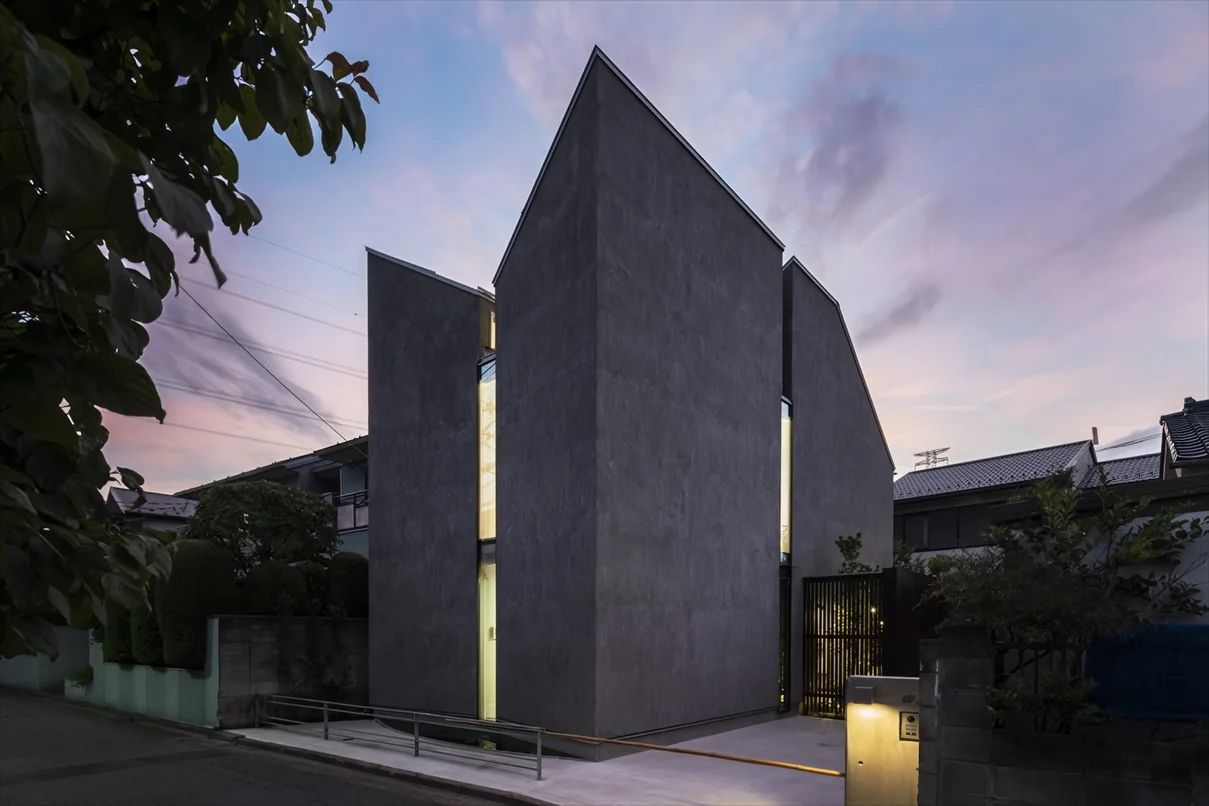
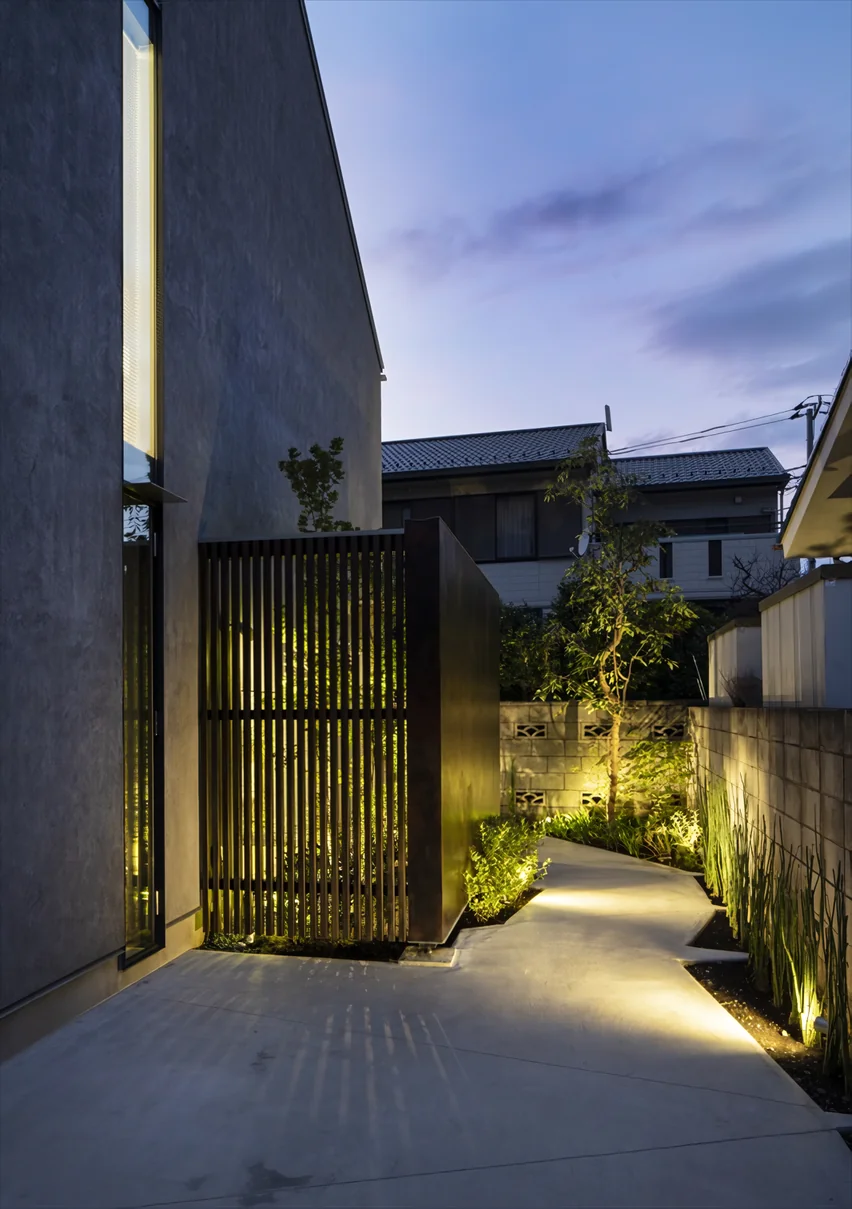
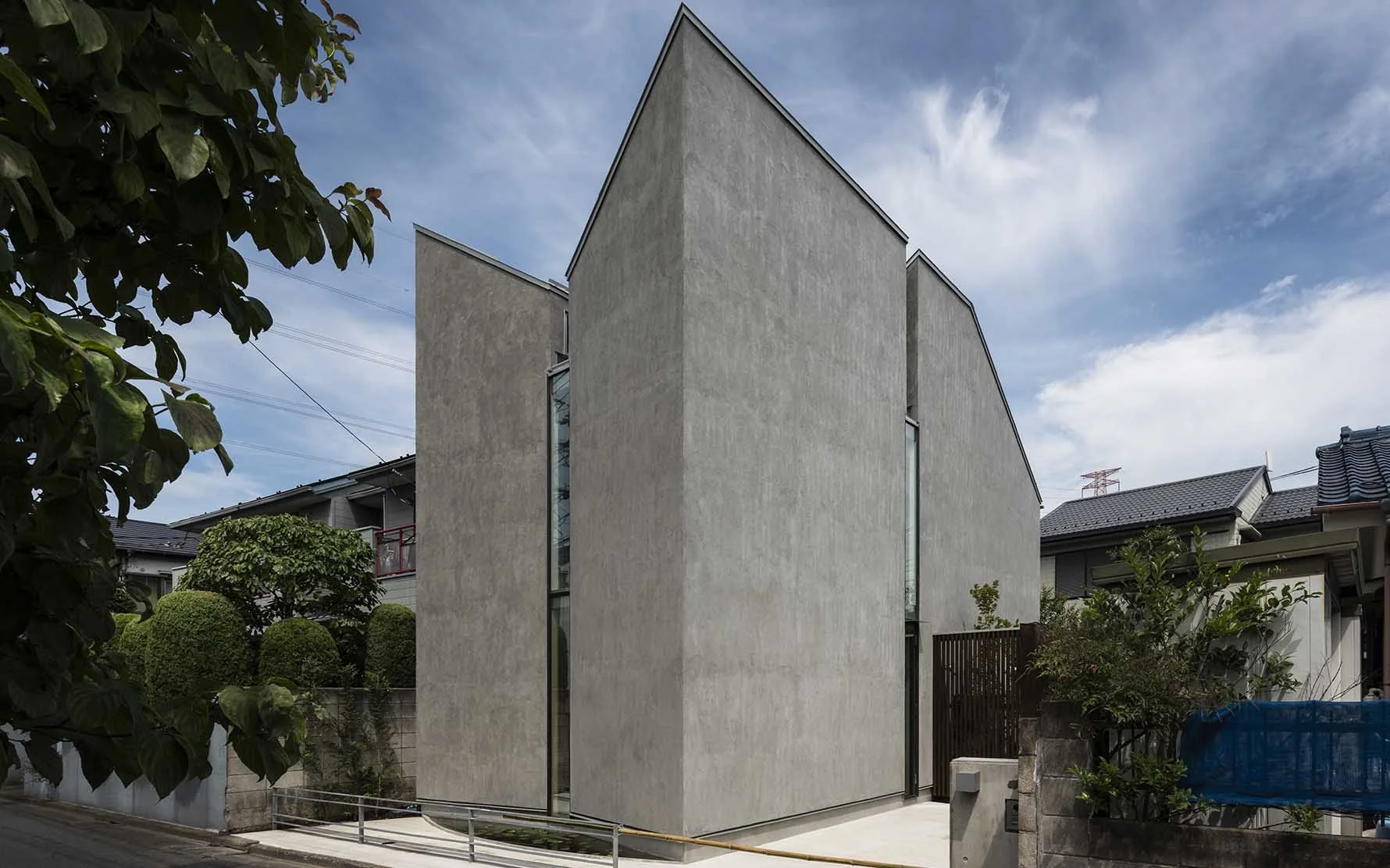
This building is an atelier designed for a Nihonga (traditional Japanese painting) artist, situated on a site of approximately 32 tsubo (about 106 square meters). The atelier accommodates the creation of large-scale works, requiring a consistent ceiling height and functional accessibility for the transport of sizable paintings.
Typically, residential designs in urban environments carefully consider surrounding buildings and environmental factors, often maximizing direct sunlight penetration during autumn through spring. However, in this atelier, the act of painting necessitates stable, uniform illumination filled with diffuse light, irrespective of season, time, or weather conditions. Hence, the deliberate suppression of direct sunlight was paramount.
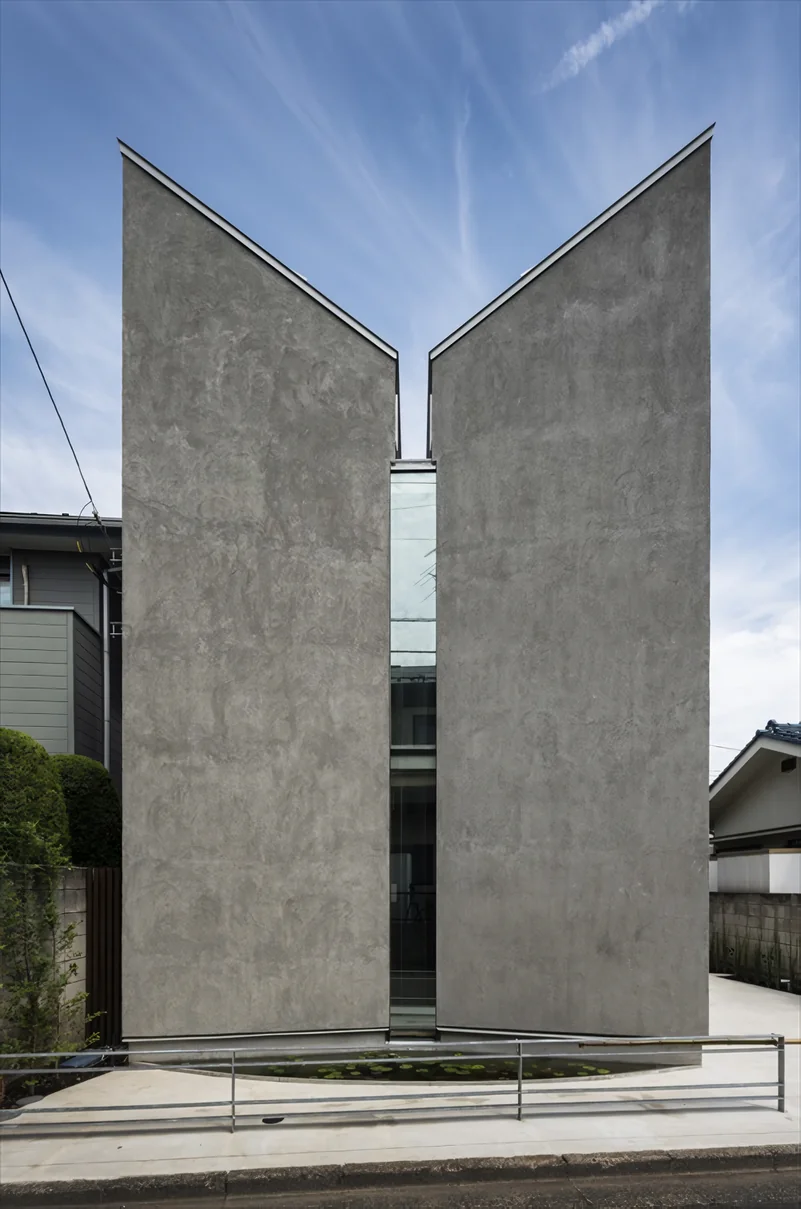
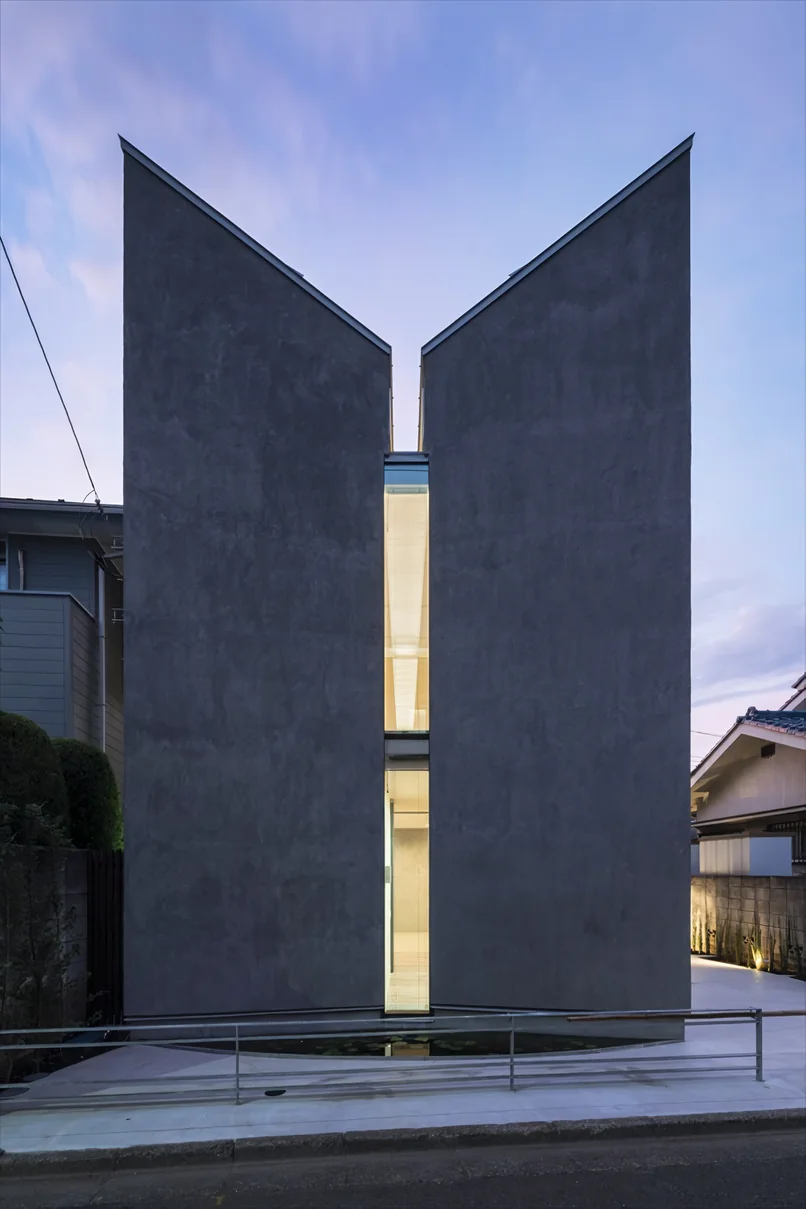
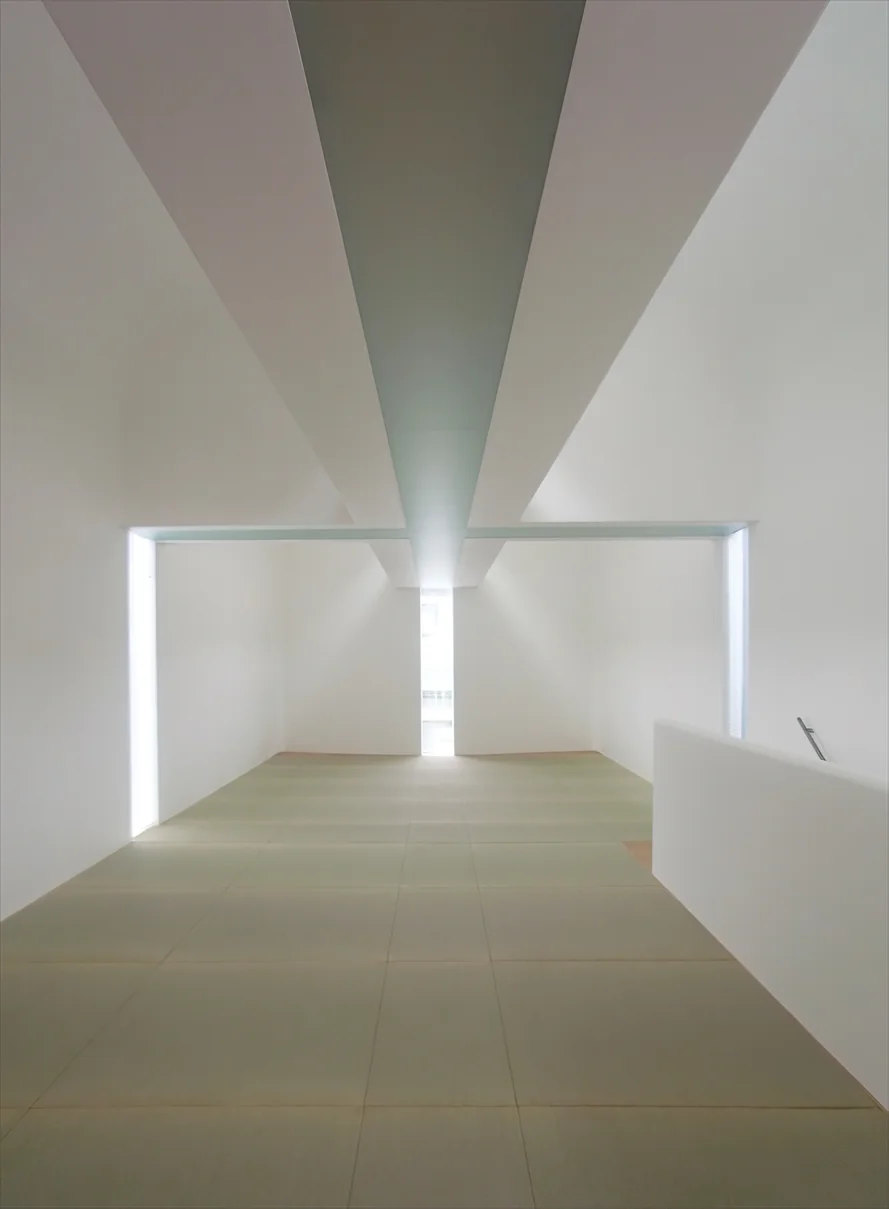
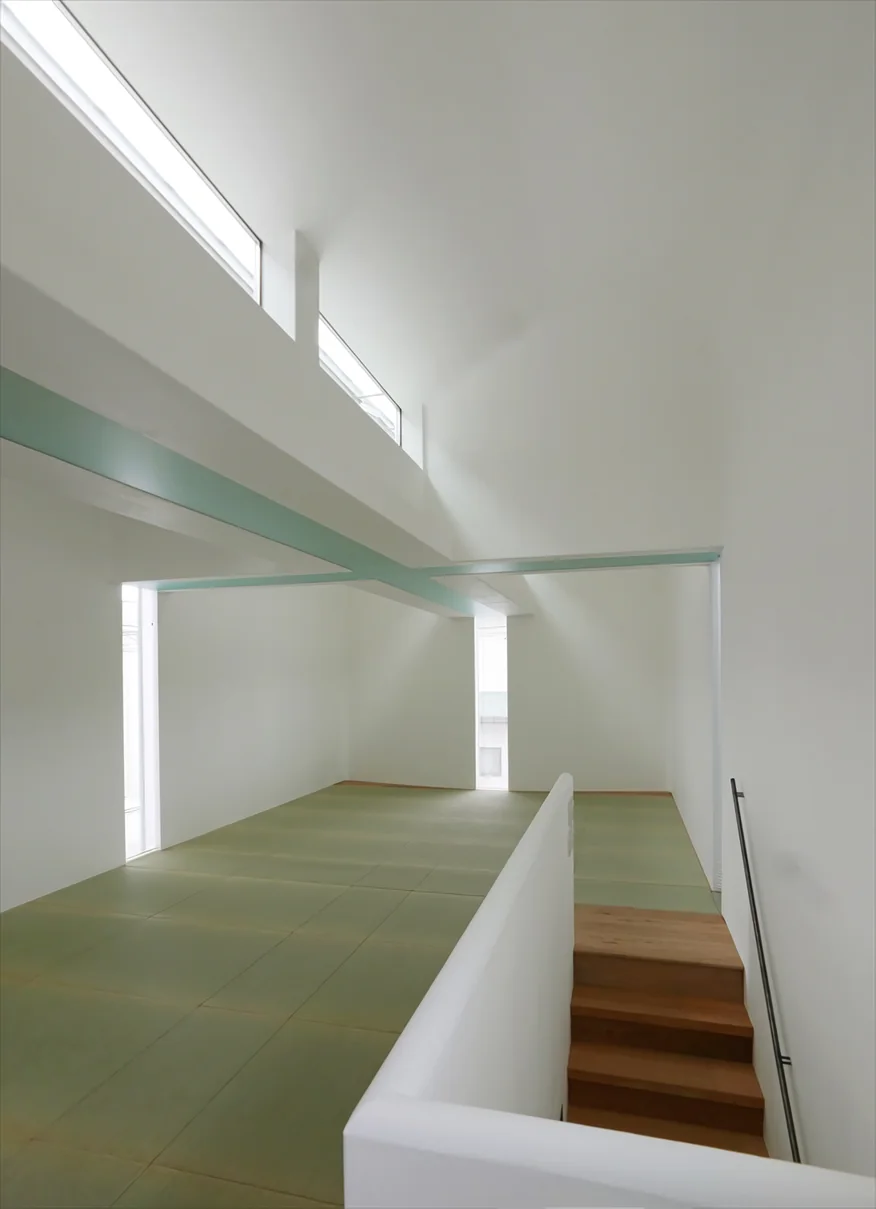
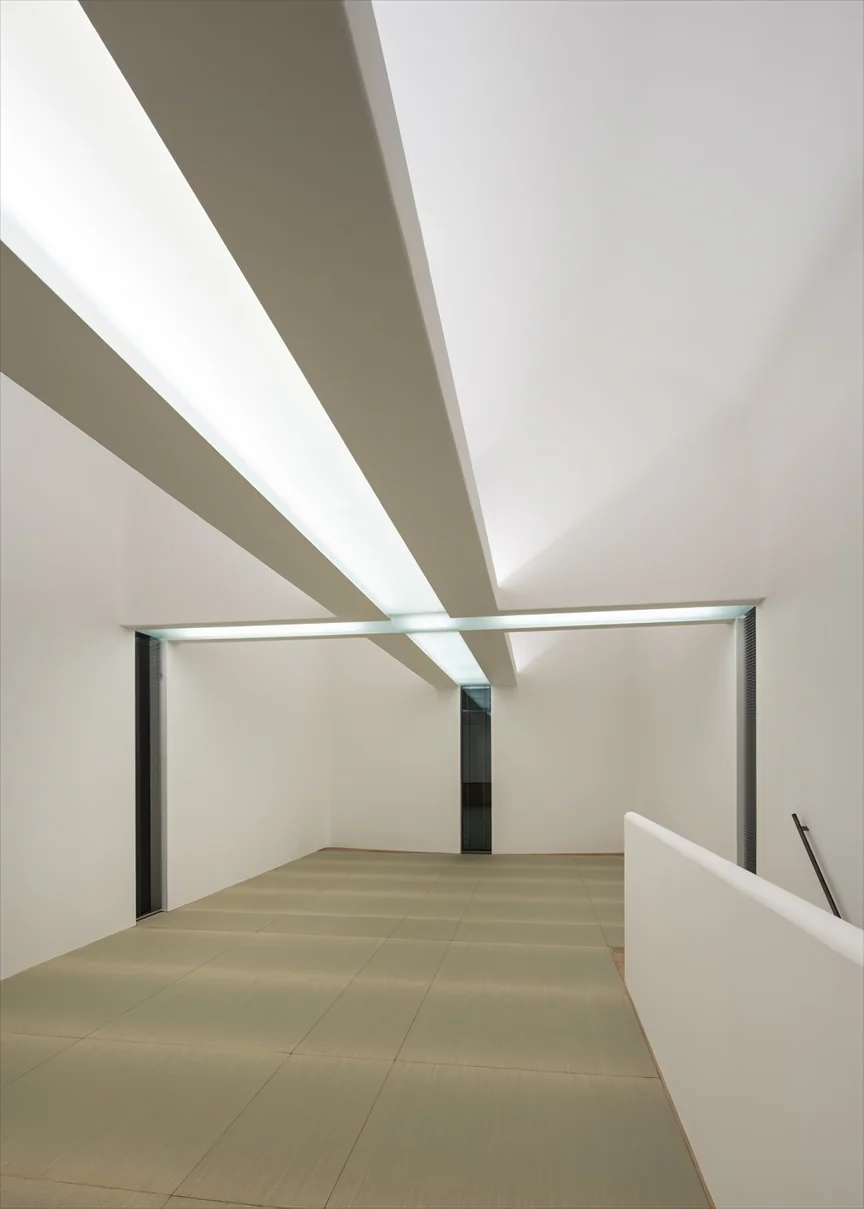
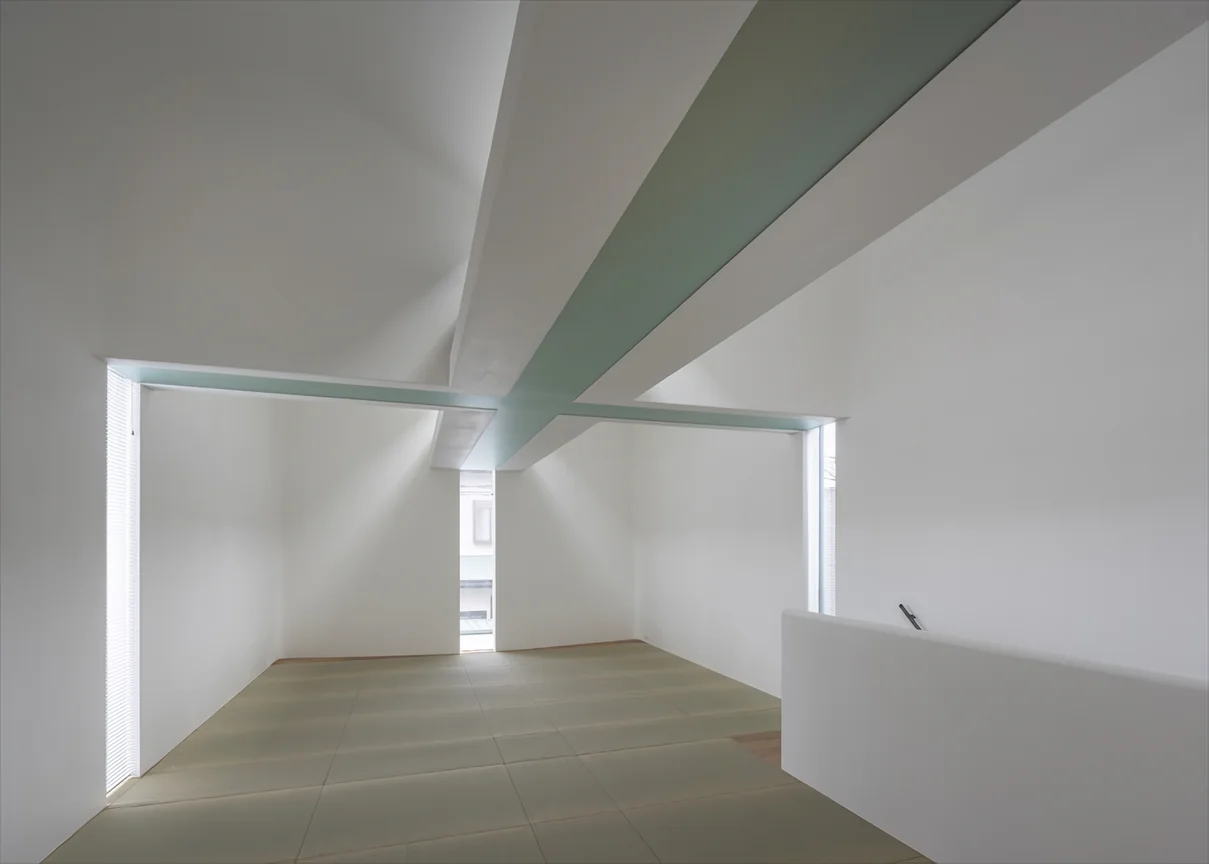
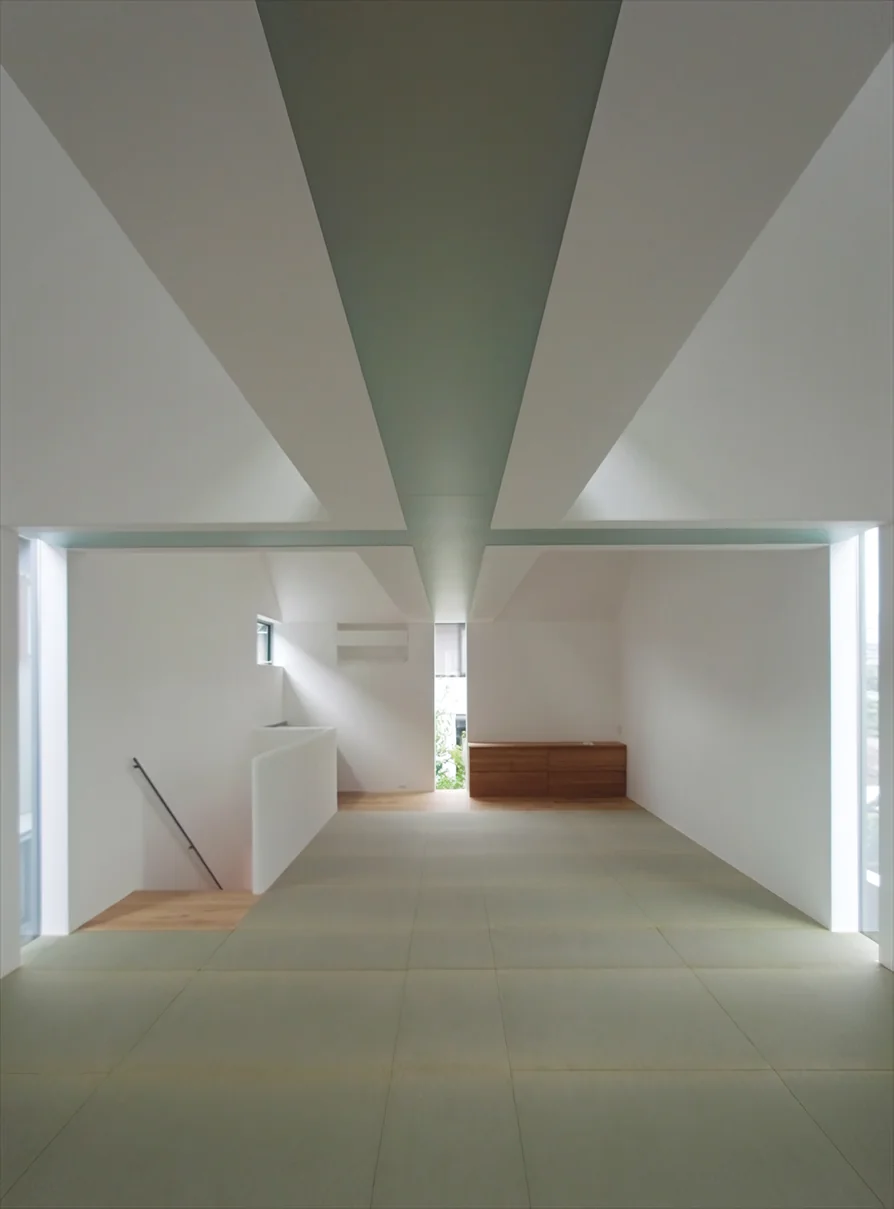
Specifically, the roof adopts a V-shaped (butterfly) form with an inverted pitch relative to a conventional gabled roof. Light is introduced through cross-shaped slits integrated into an internal gutter system on plan. Inside, the seamless curvature of the plaster-finished walls and ceiling eliminates sharp edges, transforming incoming light into a uniform diffuse glow that envelops the entire atelier space. This design ensures that during daytime natural lighting and after sunset with artificial illumination, shadows do not form anywhere within the atelier’s approximately 4.6m by 9.6m workspace.
Structurally, the building is engineered to a high seismic performance grade and incorporates vibration control systems to withstand repeated major earthquakes. Through close collaboration with structural engineers, an entirely column-free interior space was realized, enhancing versatility and openness.
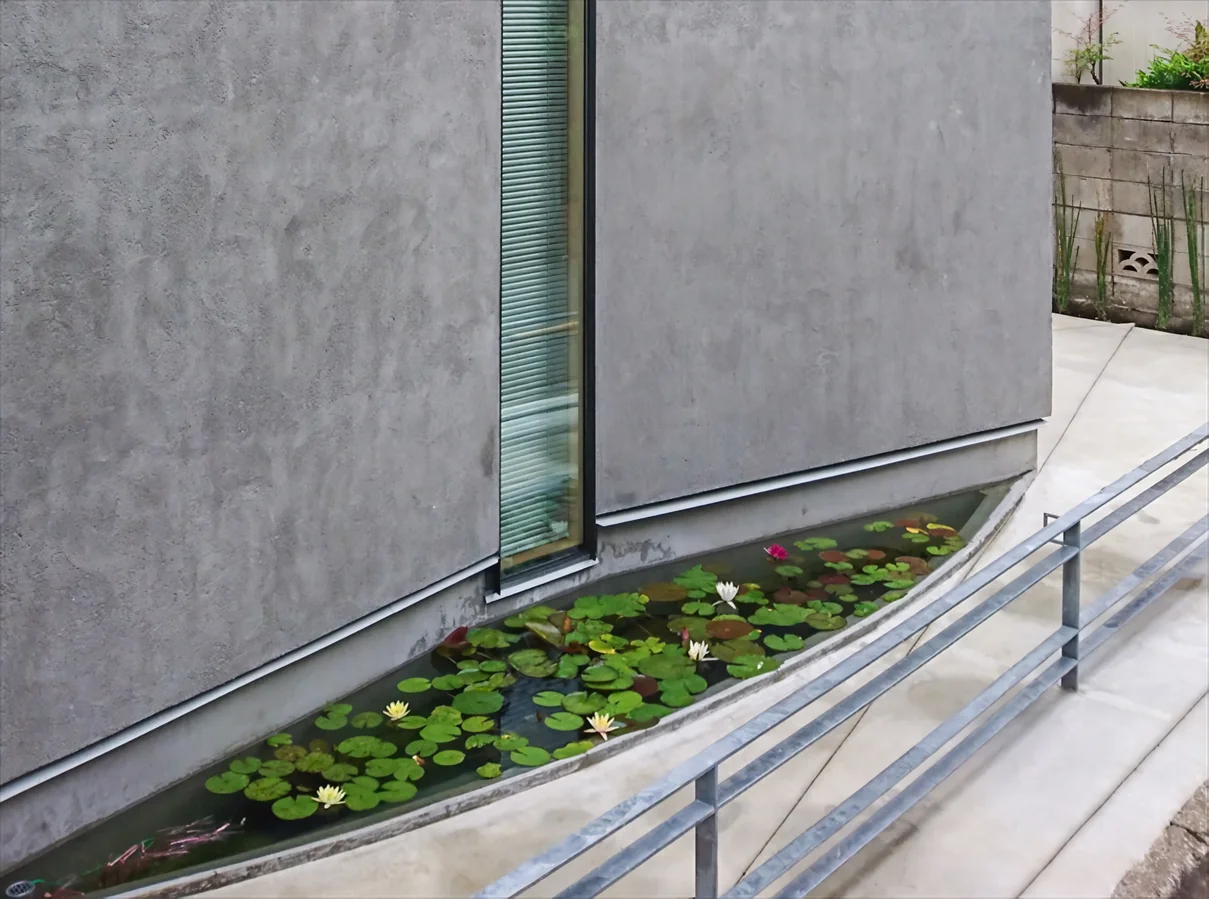
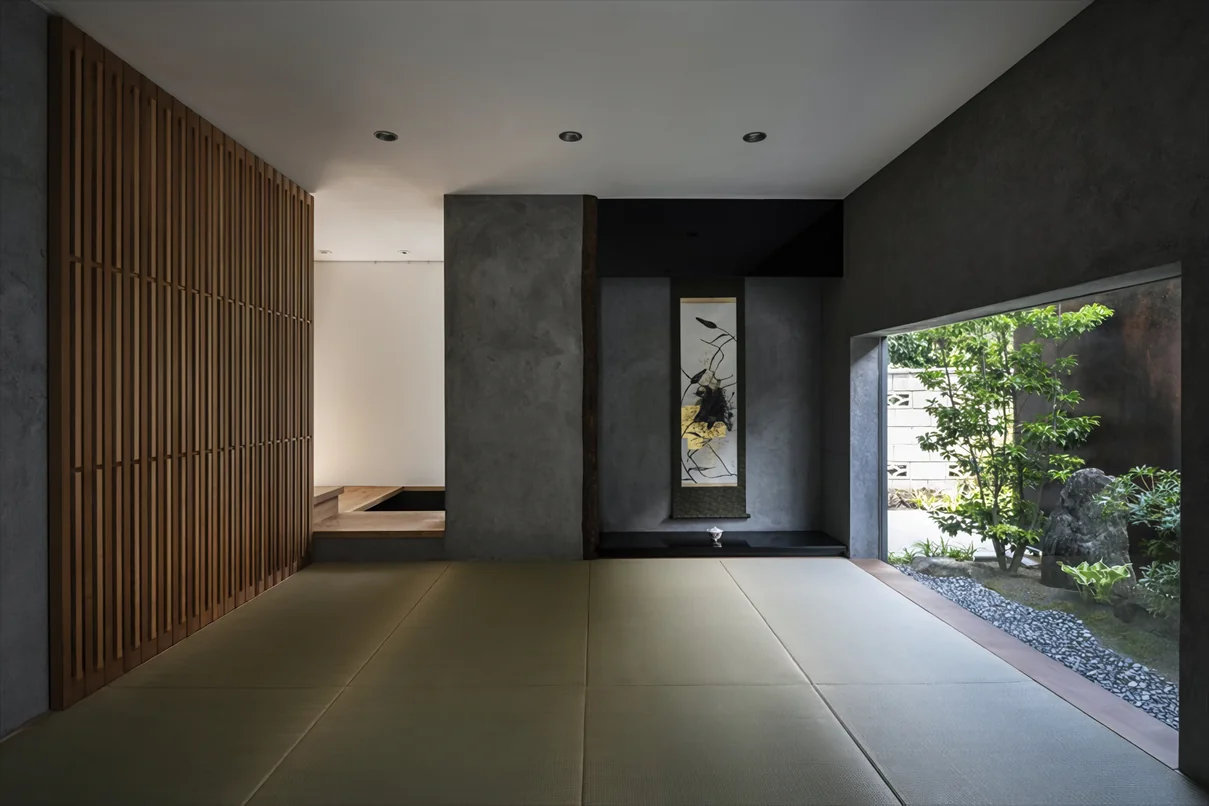
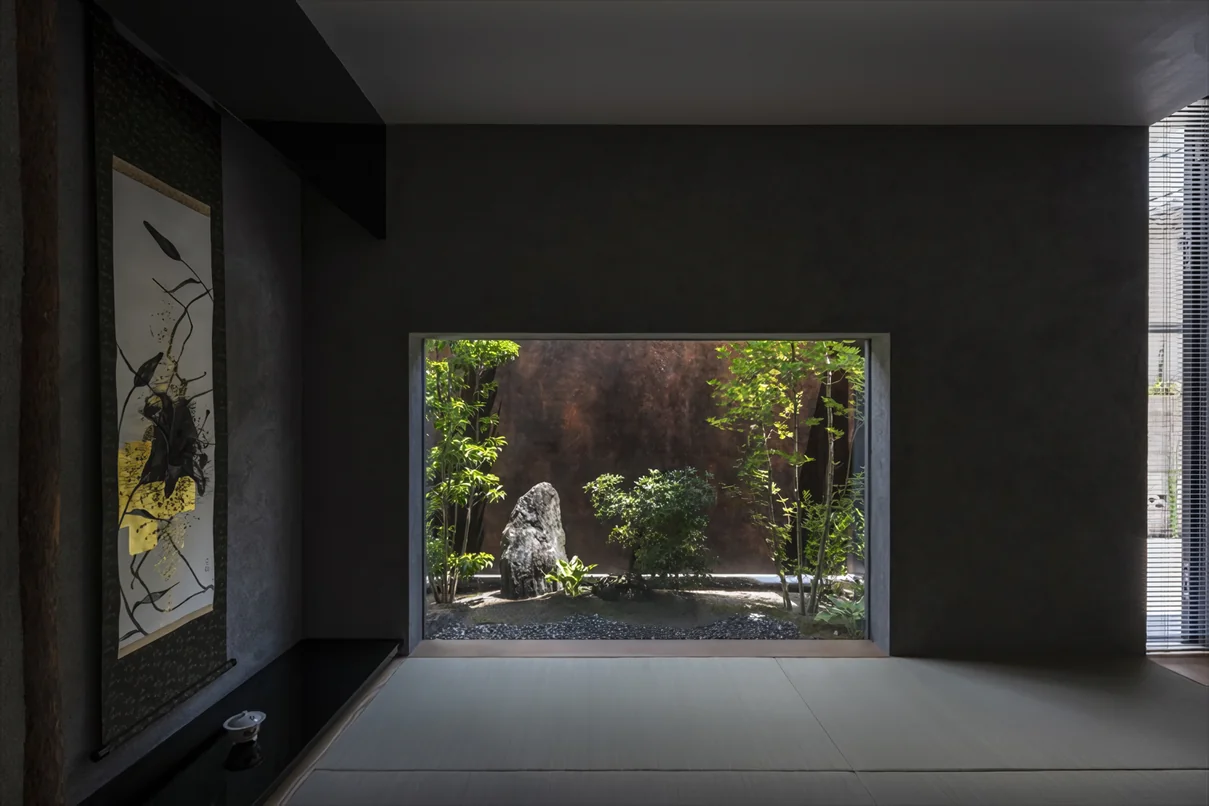
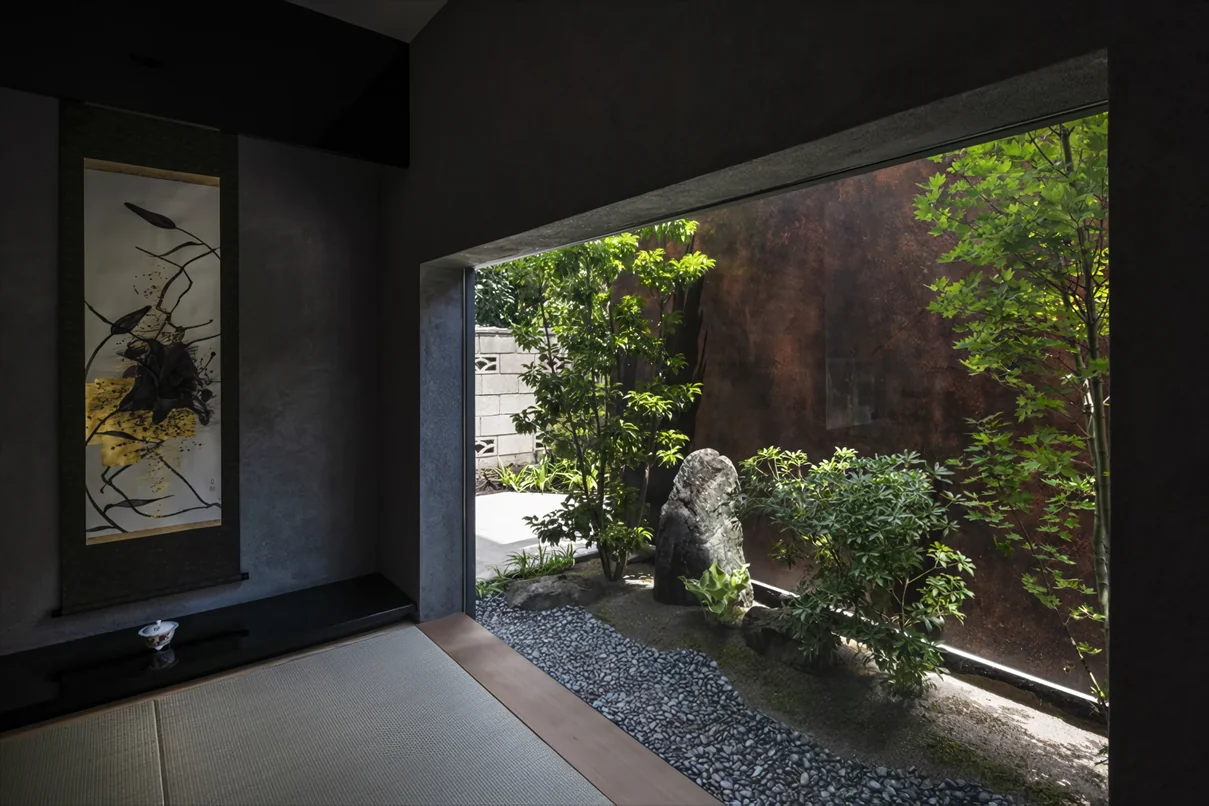
Rainwater is actively harvested and utilized: about half of the rainwater collected by the roof is channeled along the building’s front glass facade before cascading into an adjacent water lily pond, allowing occupants to appreciate the rainwater’s movement indoors during wet weather. Additional programmatic elements include a Japanese-style room for receiving guests and resting, a storage area for paintings, as well as sanitary and utility facilities.
This project was honored with the Second Award at The Architecture Community’s World Design Awards 2020 and received the Excellence Award in the Non-Residential Category at the Tanita Housingware Roofed Architecture Competition 2019. Site area: 107.77 m² (32.6 tsubo)
Total floor area: 86.1 m² (26.05 tsubo)
Contractor: Enaka Construction Co., Ltd.

This building is an atelier designed for a Nihonga (traditional Japanese painting) artist, situated on a site of approximately 32 tsubo (about 106 square meters). The atelier accommodates the creation of large-scale works, requiring a consistent ceiling height and functional accessibility for the transport of sizable paintings.
Typically, residential designs in urban environments carefully consider surrounding buildings and environmental factors, often maximizing direct sunlight penetration during autumn through spring. However, in this atelier, the act of painting necessitates stable, uniform illumination filled with diffuse light, irrespective of season, time, or weather conditions. Hence, the deliberate suppression of direct sunlight was paramount.
Specifically, the roof adopts a V-shaped (butterfly) form with an inverted pitch relative to a conventional gabled roof. Light is introduced through cross-shaped slits integrated into an internal gutter system on plan. Inside, the seamless curvature of the plaster-finished walls and ceiling eliminates sharp edges, transforming incoming light into a uniform diffuse glow that envelops the entire atelier space. This design ensures that during daytime natural lighting and after sunset with artificial illumination, shadows do not form anywhere within the atelier’s approximately 4.6m by 9.6m workspace.
Structurally, the building is engineered to a high seismic performance grade and incorporates vibration control systems to withstand repeated major earthquakes. Through close collaboration with structural engineers, an entirely column-free interior space was realized, enhancing versatility and openness.
Rainwater is actively harvested and utilized: about half of the rainwater collected by the roof is channeled along the building’s front glass facade before cascading into an adjacent water lily pond, allowing occupants to appreciate the rainwater’s movement indoors during wet weather. Additional programmatic elements include a Japanese-style room for receiving guests and resting, a storage area for paintings, as well as sanitary and utility facilities.
This project was honored with the Second Award at The Architecture Community’s World Design Awards 2020 and received the Excellence Award in the Non-Residential Category at the Tanita Housingware Roofed Architecture Competition 2019. Site area: 107.77 m² (32.6 tsubo)
Total floor area: 86.1 m² (26.05 tsubo)
Contractor: Enaka Construction Co., Ltd.
- Copyright(C)Qurasuki.All Rights Reserved.