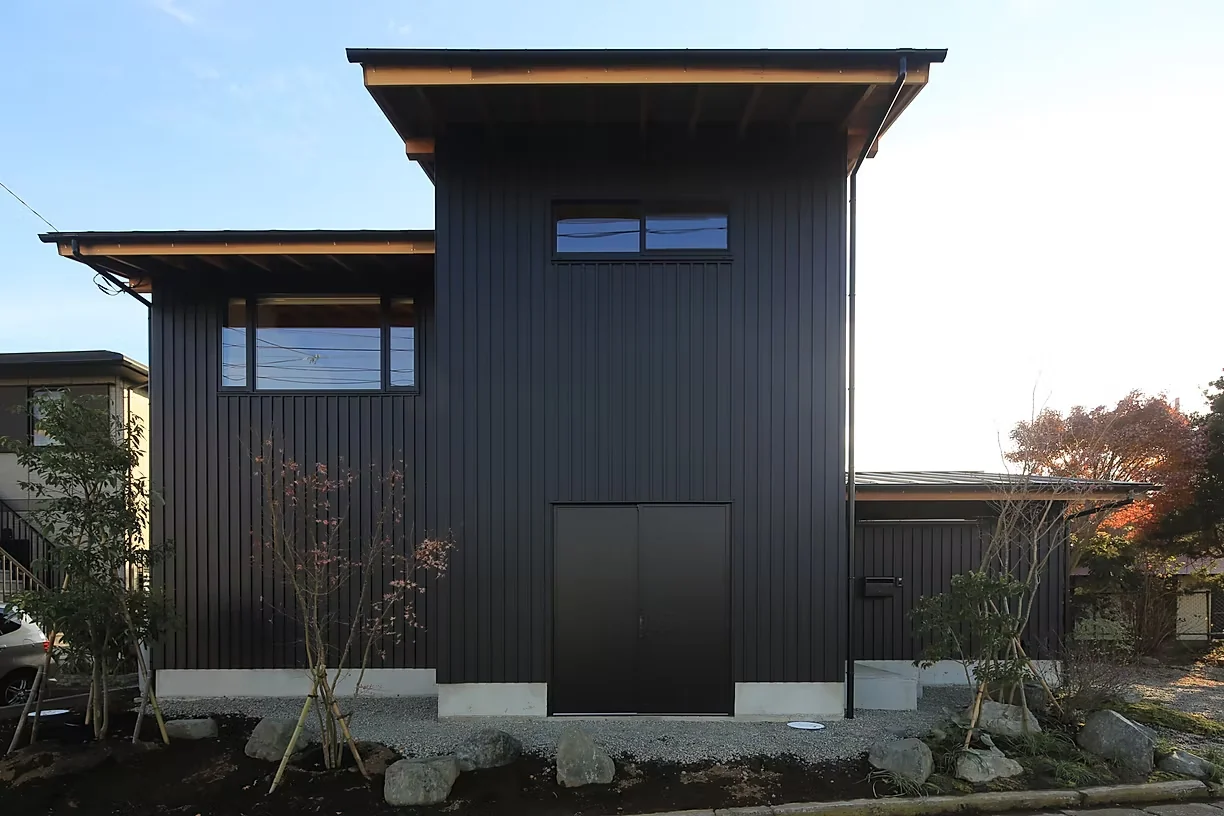
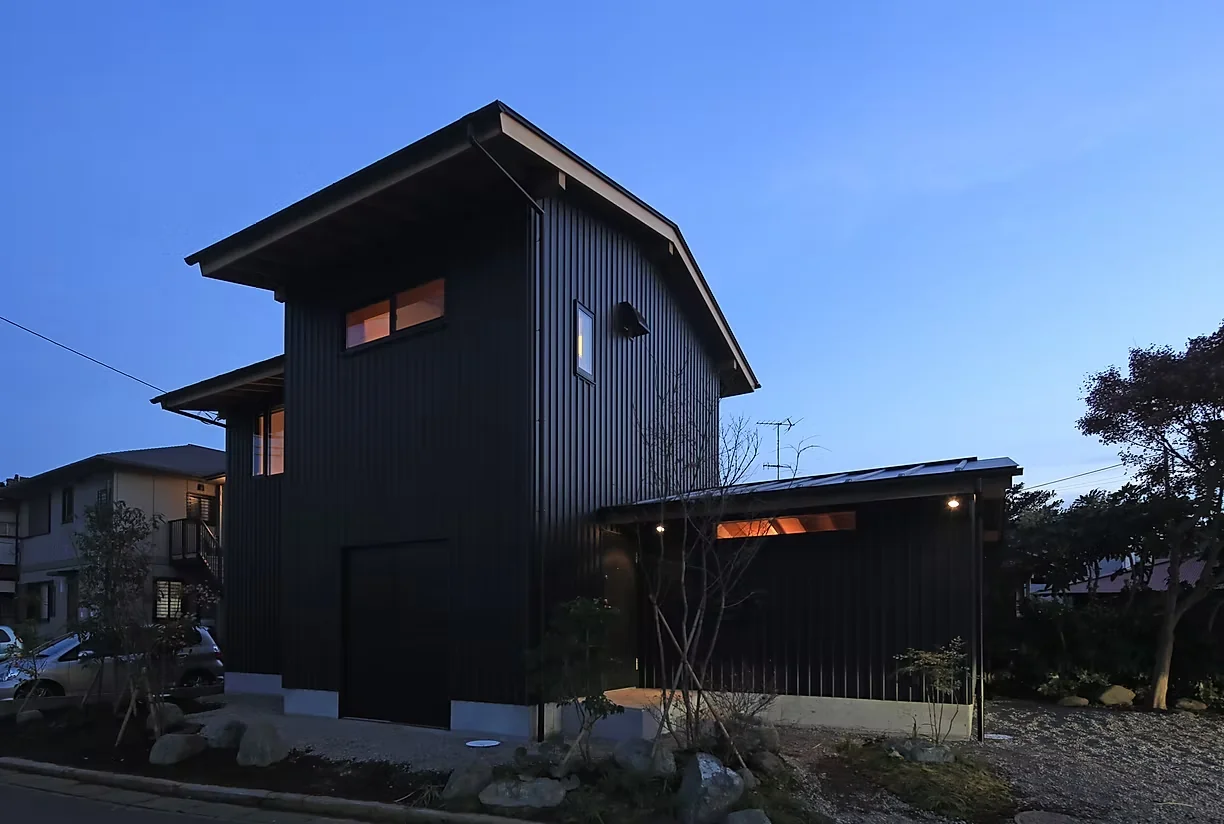
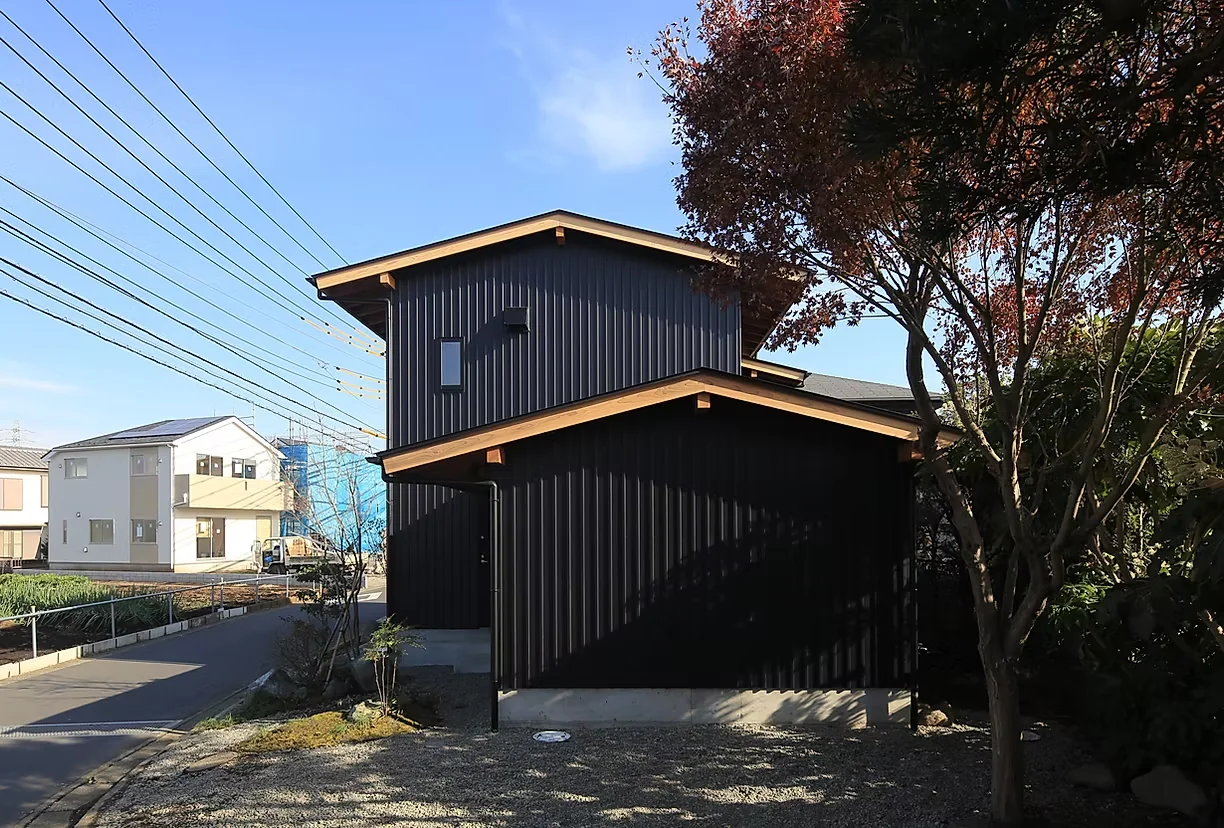
Introducing House in Kotani, a custom-built home example by Kurashi no Jōzōsho, a Architect / Design office in 4-14-12 Honkugenuma, Fujisawa City, Kanagawa Prefecture
Careful preservation of existing vegetation to protect the traditional landscape character
House in Kotani
House in Kotani
House in Kotani
House in Kotani
House in Kotani
House in Kotani
House in Kotani
House in Kotani
Springtime vistas of the northern cherry tree framed by thoughtfully designed windows
House in Kotani
House in Kotani
House in Kotani
House in Kotani
House in Kotani
Chiaki Yasukawa
Learn More
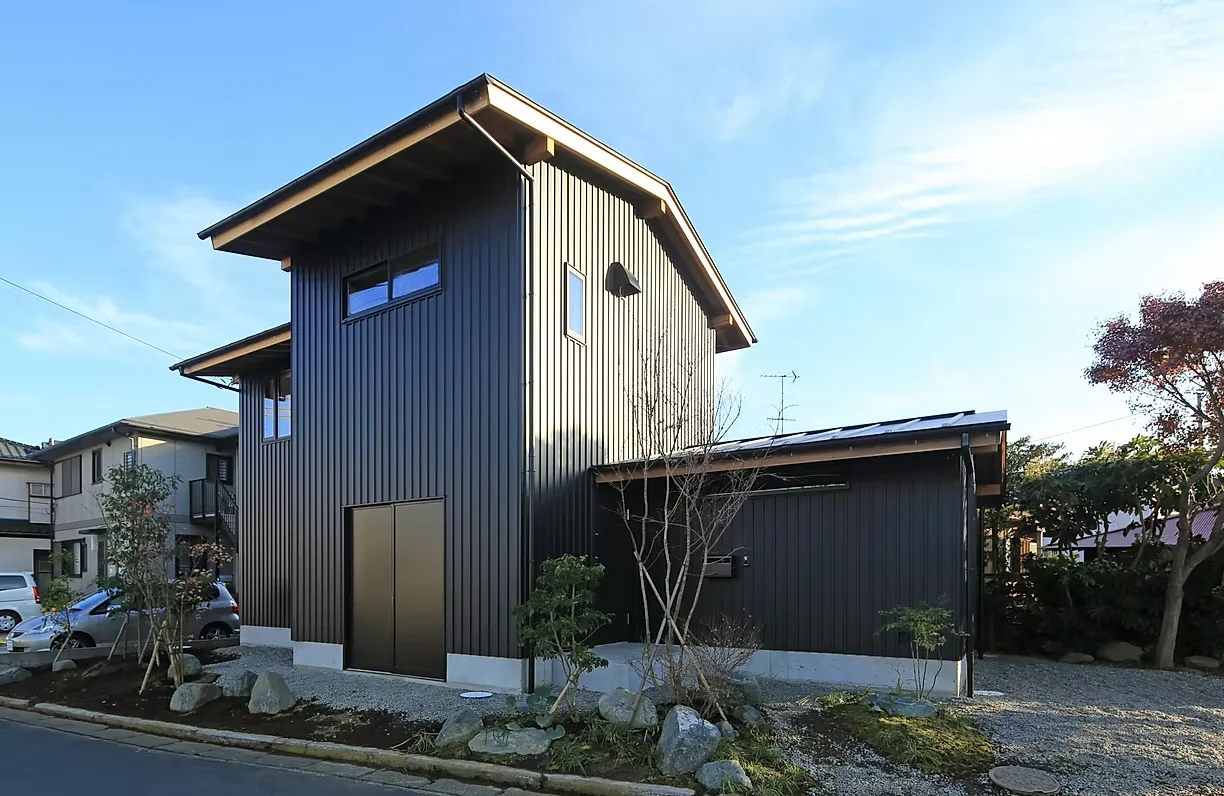
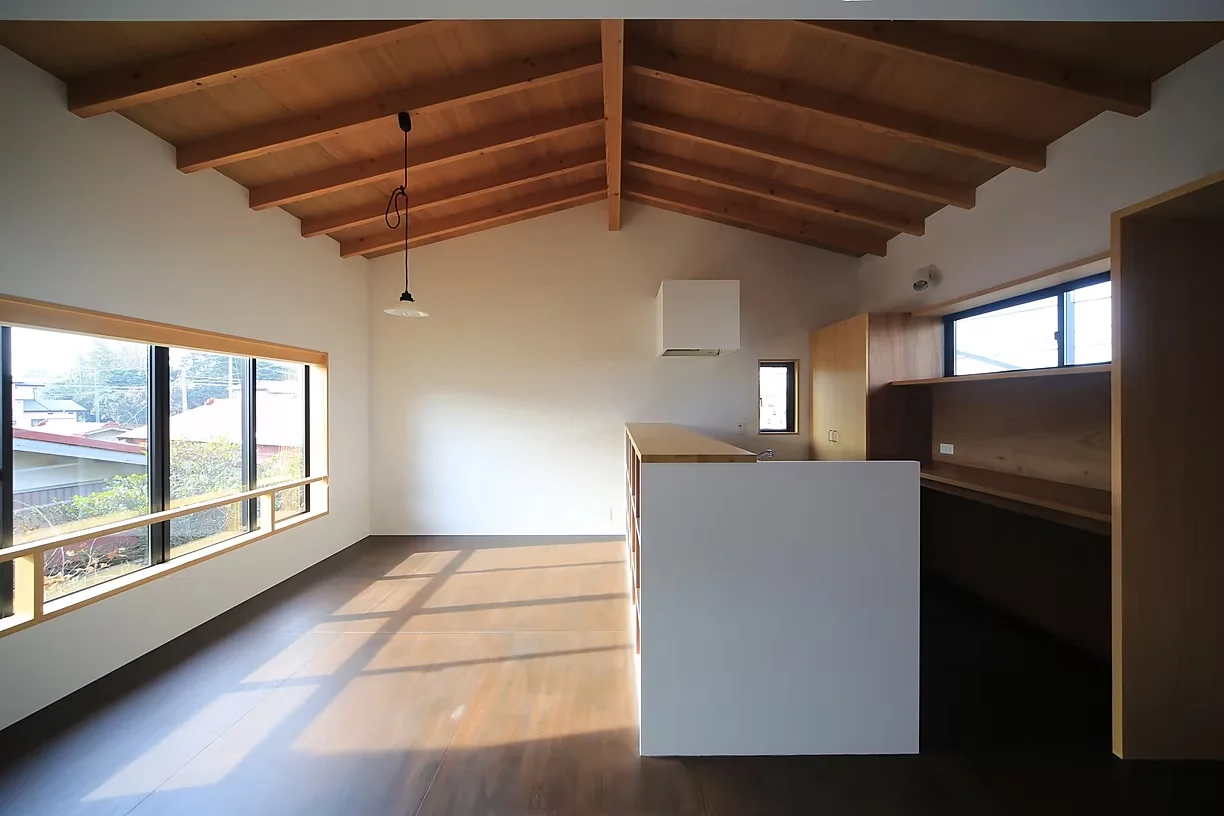
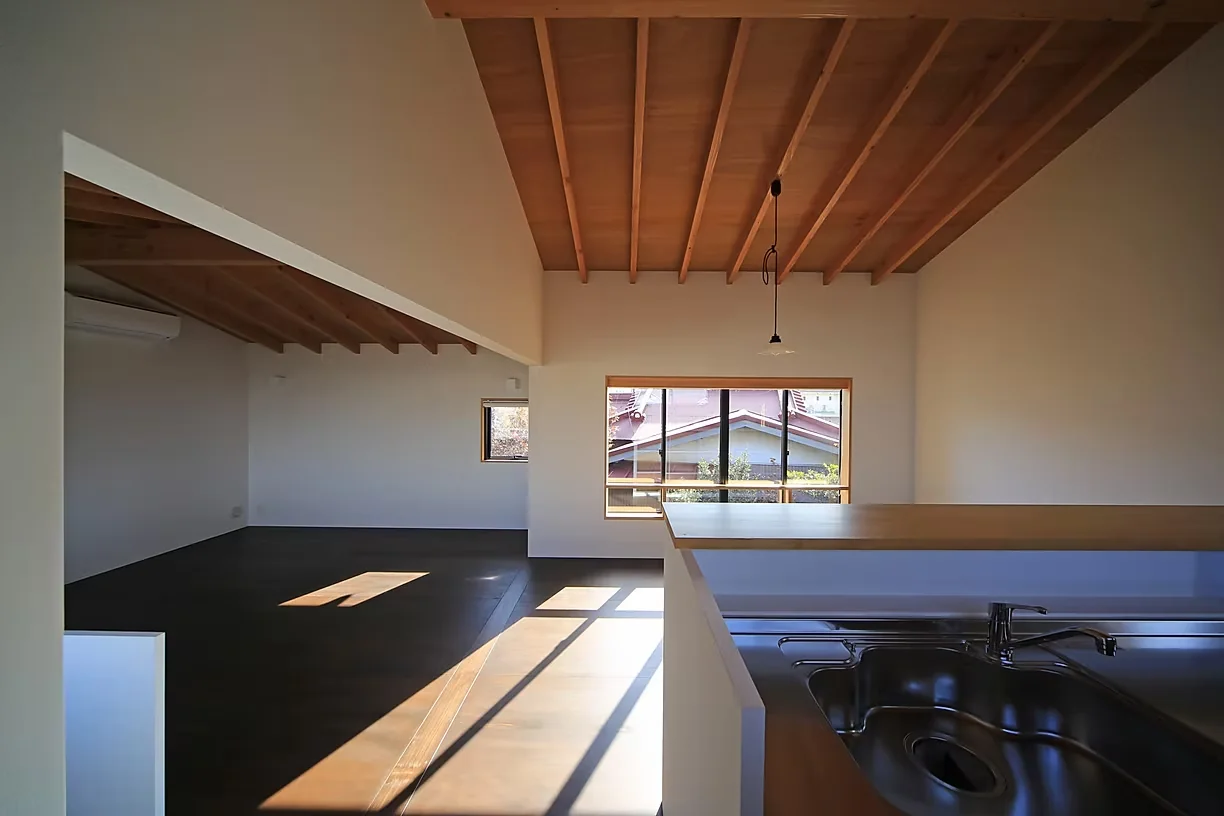
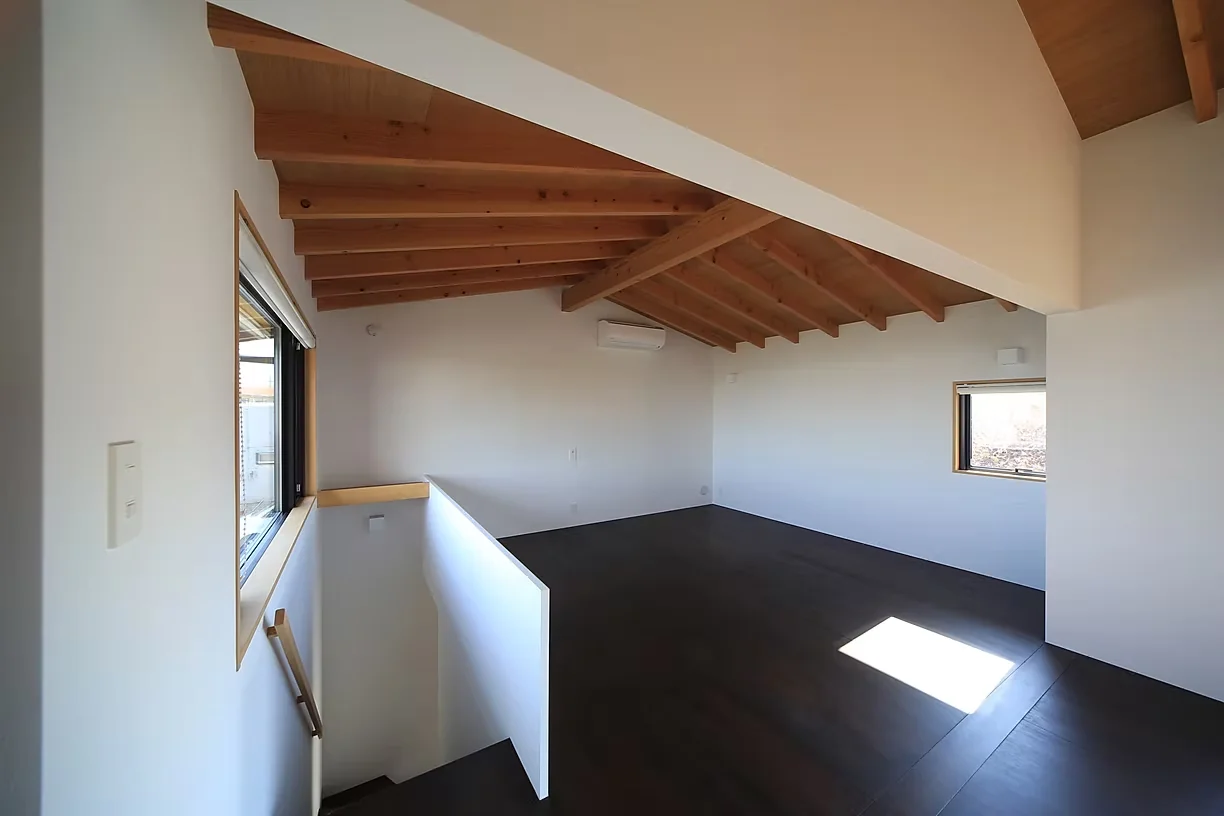
Situated at a three-way intersection within a site where remnants of a traditional landscape still prevail, this residence was designed for a couple and their cat, with provisions for future children. The architectural approach strategically limits the height of the building’s left and right wings to alleviate any sense of enclosure or pressure from the intersection. Existing vegetation—including camellias, maples, and podocarps—was preserved to maintain and honor the historic character of the surroundings.
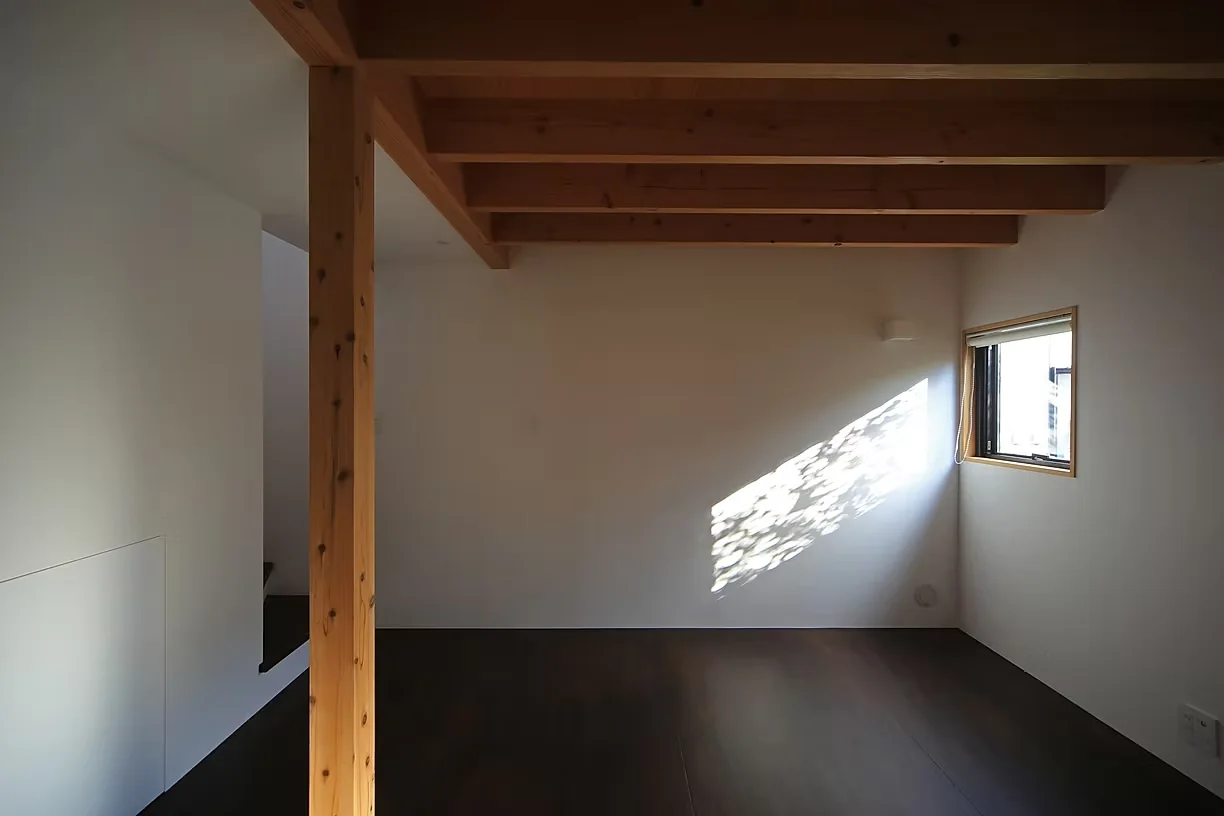
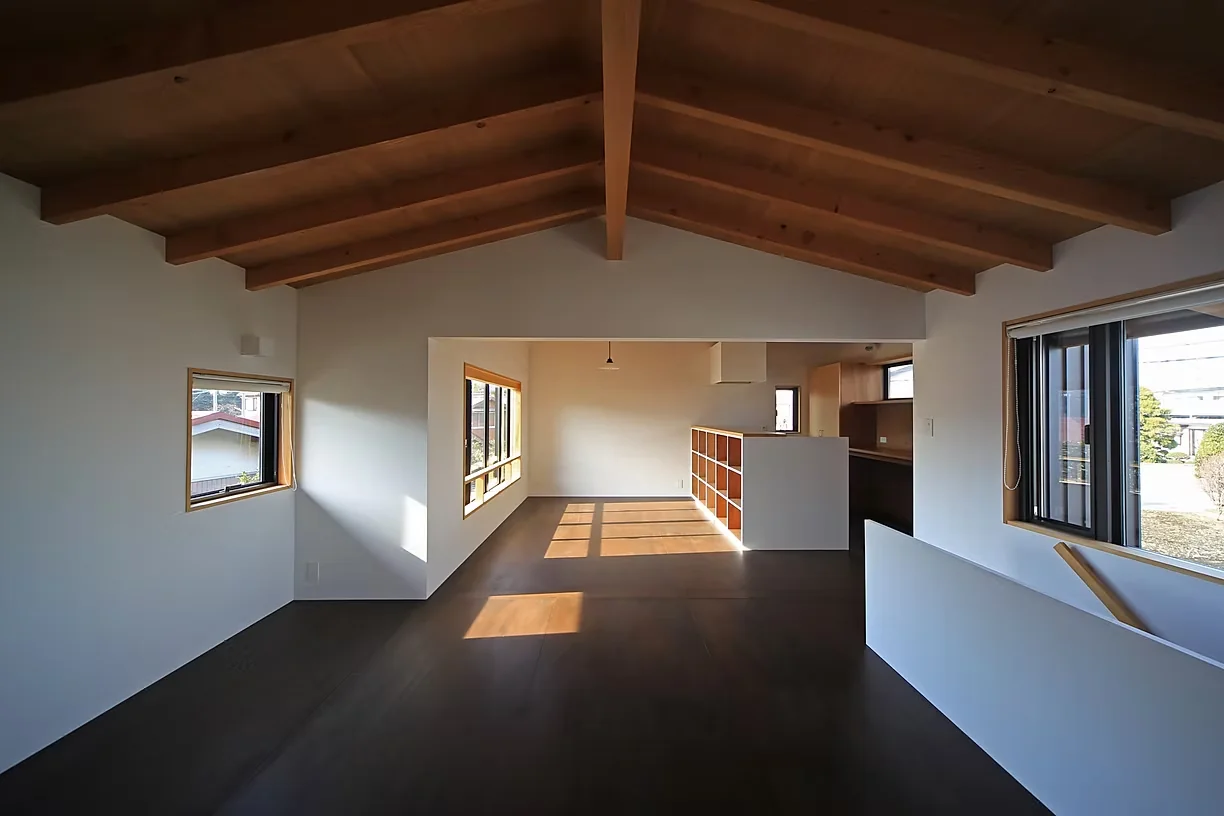
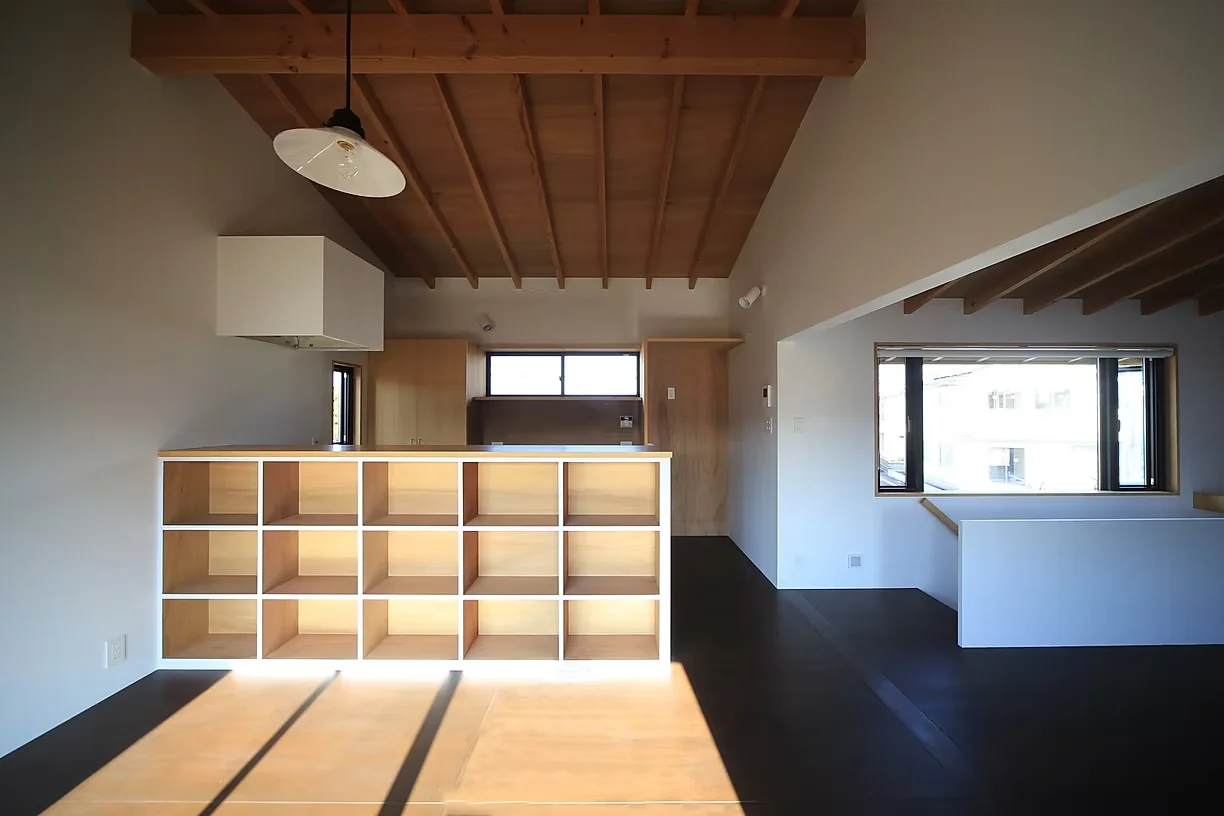
From the second-floor living room, a large cherry tree can be admired beyond the northern agricultural fields, with carefully positioned openings enabling seasonal cherry blossom viewing during spring. Conversely, the southern facade faces less desirable views; therefore, window openings there are designed lower to direct sightlines toward the undergrowth, enhancing privacy and visual comfort.
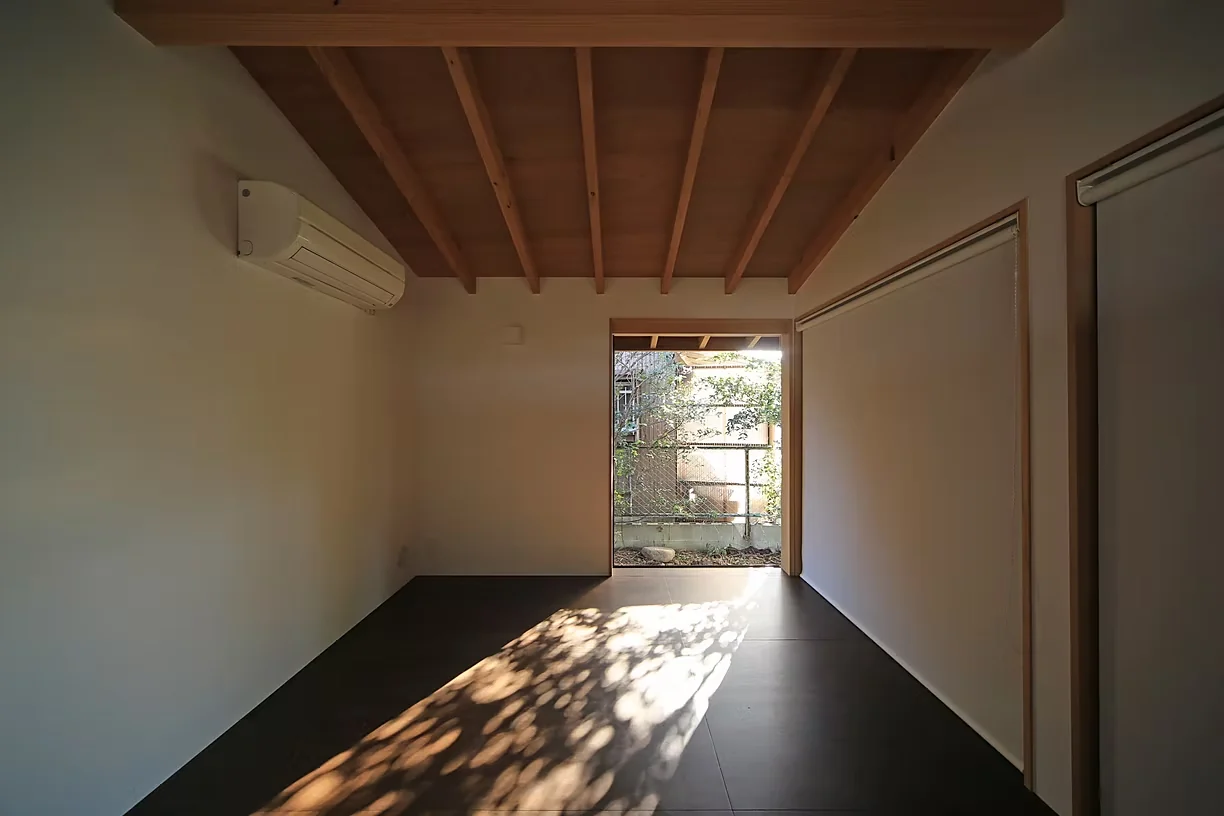
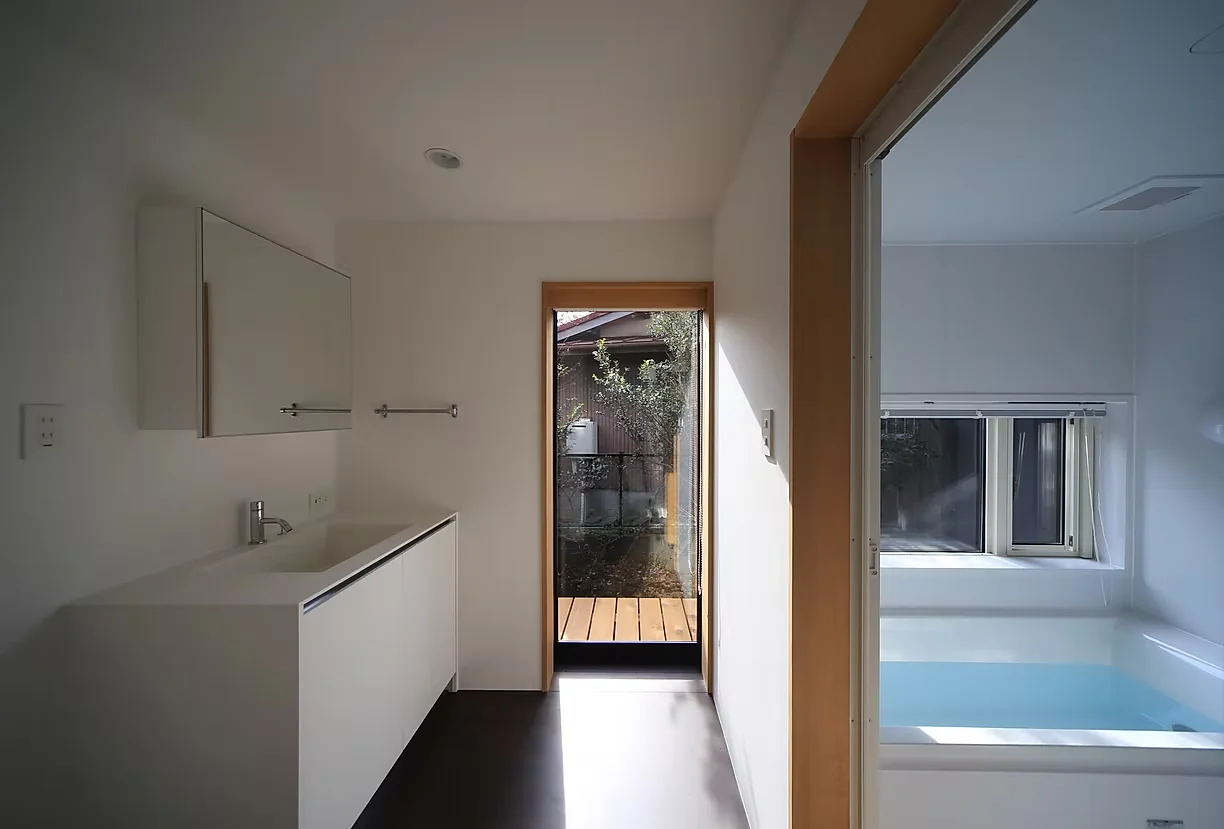
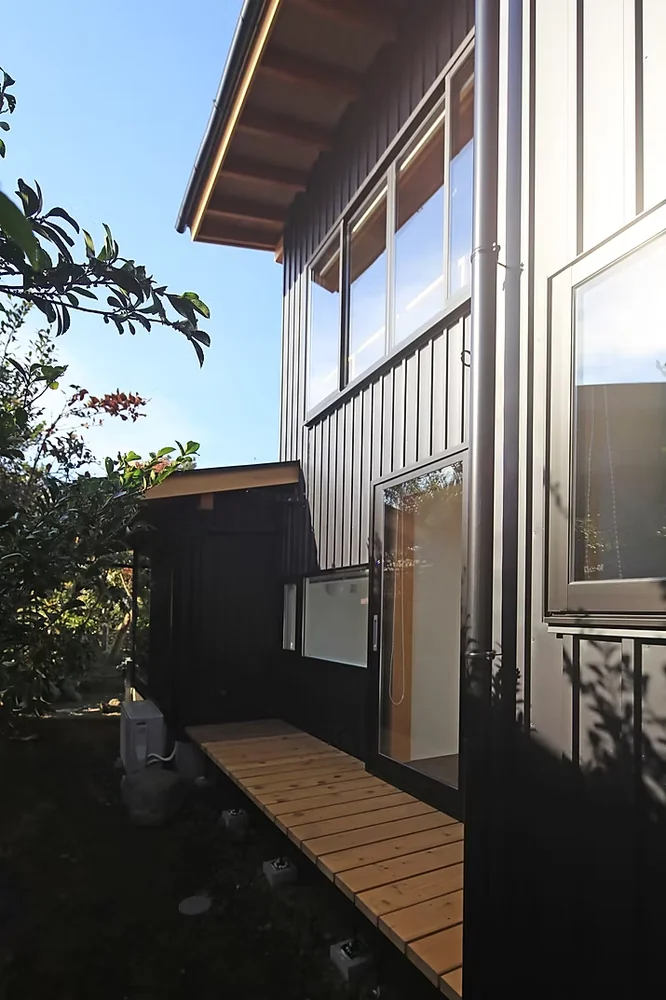
The first-floor bedrooms are conceived as tranquil, dimly lit retreats to foster restful atmospheres. The washroom and bathroom are recessed closer to the street side than the adjacent wings, featuring a traditional wooden veranda (nure-en) that introduces natural brightness and a connection to the exterior.
Along the street frontage, a variety of trees and shrubs—including yuzu, loquat, sawtooth oak, maple, nandina, and Ilex integra—are planted with the aspiration that, as they mature over the next two to three years, the structure will become enveloped in verdant greenery, fostering a beloved presence within the neighborhood. Location: Kōza District, Kanagawa Prefecture
Primary use: Single-family residence
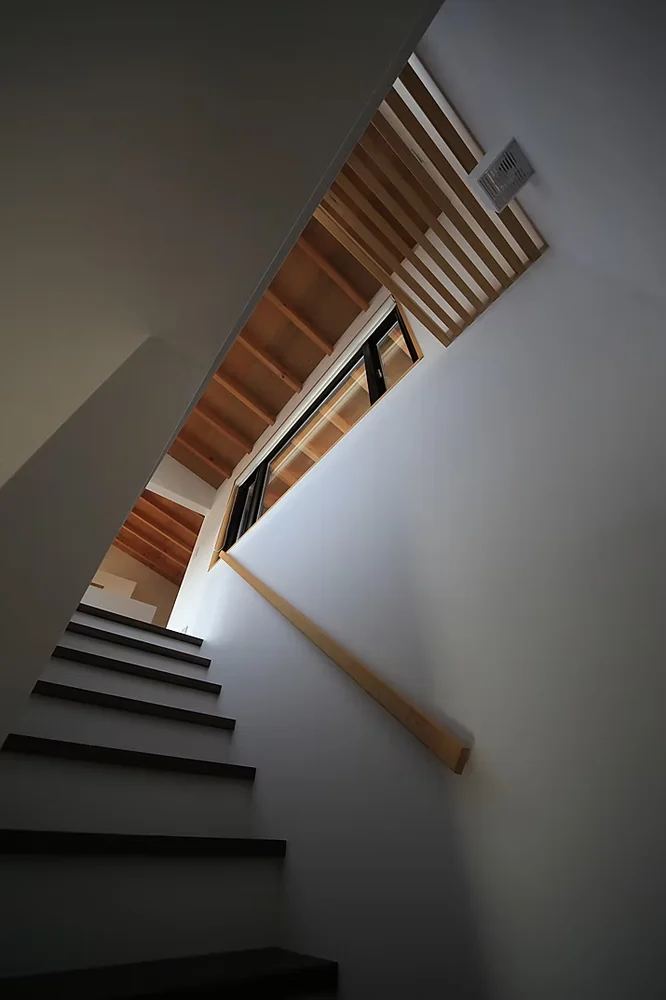
Structure and scale: Timber-framed, two-storey building
Construction (contractor): Hirota Komuten Co., Ltd.
Landscape design: NAYA Design Office
Site area: 165.34 m² (50.01 tsubo)
First-floor area: 47.93 m² (14.49 tsubo)
Second-floor area: 34.68 m² (10.49 tsubo)
Total floor area: 82.61 m² (24.98 tsubo)
Other: Seismic performance rating — Grade 3

From the second-floor living room, a large cherry tree can be admired beyond the northern agricultural fields, with carefully positioned openings enabling seasonal cherry blossom viewing during spring. Conversely, the southern facade faces less desirable views; therefore, window openings there are designed lower to direct sightlines toward the undergrowth, enhancing privacy and visual comfort.
The first-floor bedrooms are conceived as tranquil, dimly lit retreats to foster restful atmospheres. The washroom and bathroom are recessed closer to the street side than the adjacent wings, featuring a traditional wooden veranda (nure-en) that introduces natural brightness and a connection to the exterior.
Along the street frontage, a variety of trees and shrubs—including yuzu, loquat, sawtooth oak, maple, nandina, and Ilex integra—are planted with the aspiration that, as they mature over the next two to three years, the structure will become enveloped in verdant greenery, fostering a beloved presence within the neighborhood. Location: Kōza District, Kanagawa Prefecture
Primary use: Single-family residence
Structure and scale: Timber-framed, two-storey building
Construction (contractor): Hirota Komuten Co., Ltd.
Landscape design: NAYA Design Office
Site area: 165.34 m² (50.01 tsubo)
First-floor area: 47.93 m² (14.49 tsubo)
Second-floor area: 34.68 m² (10.49 tsubo)
Total floor area: 82.61 m² (24.98 tsubo)
Other: Seismic performance rating — Grade 3
- Copyright(C)Qurasuki.All Rights Reserved.