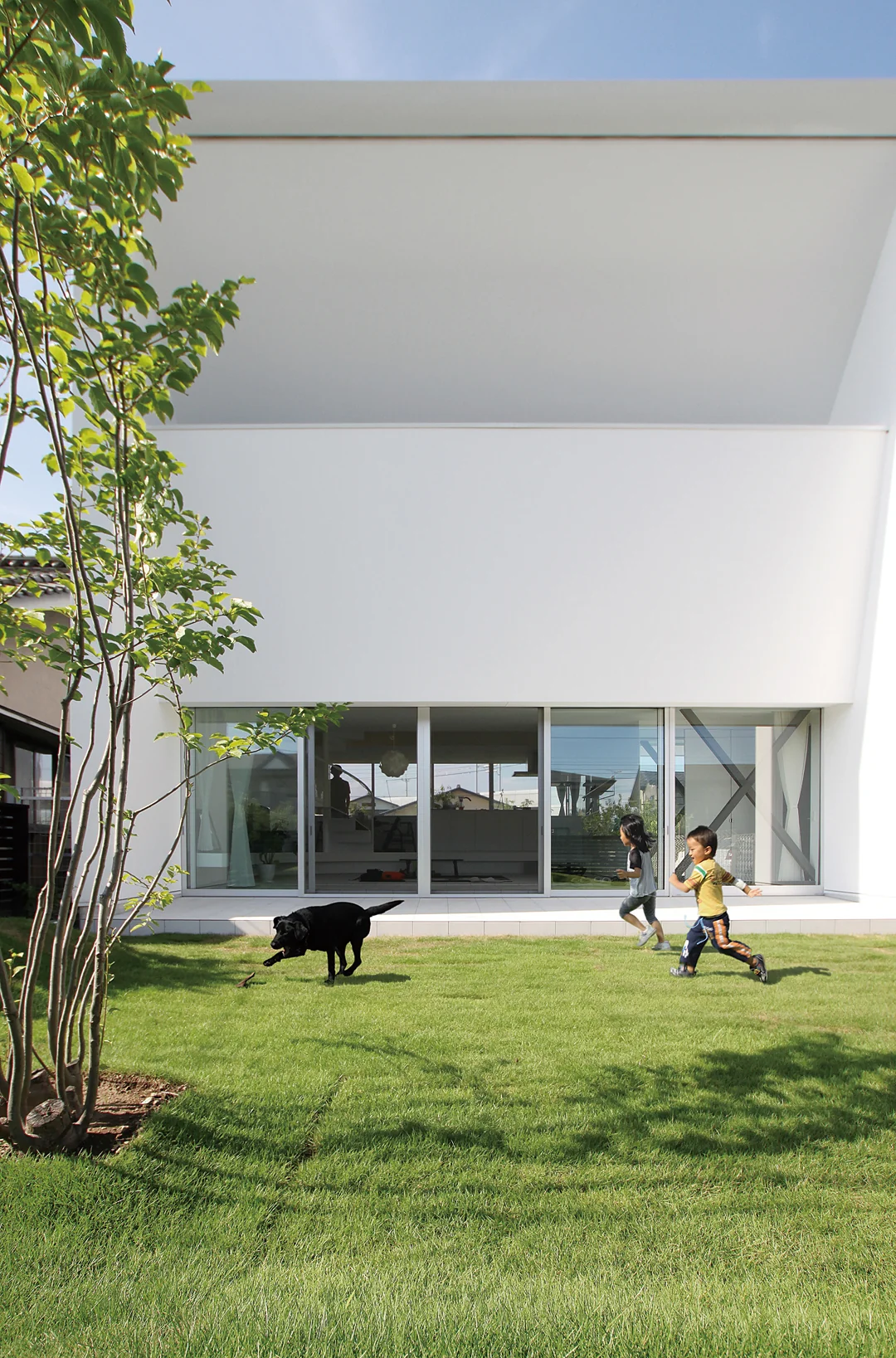
Introducing The Form of the Wind, a custom-built home example by Mitsuhiro Kojima Architects, a Architect / Design office in 426-1-101 Higashisin-machi, Ota City, Gunma Prefecture

The Form of the Wind
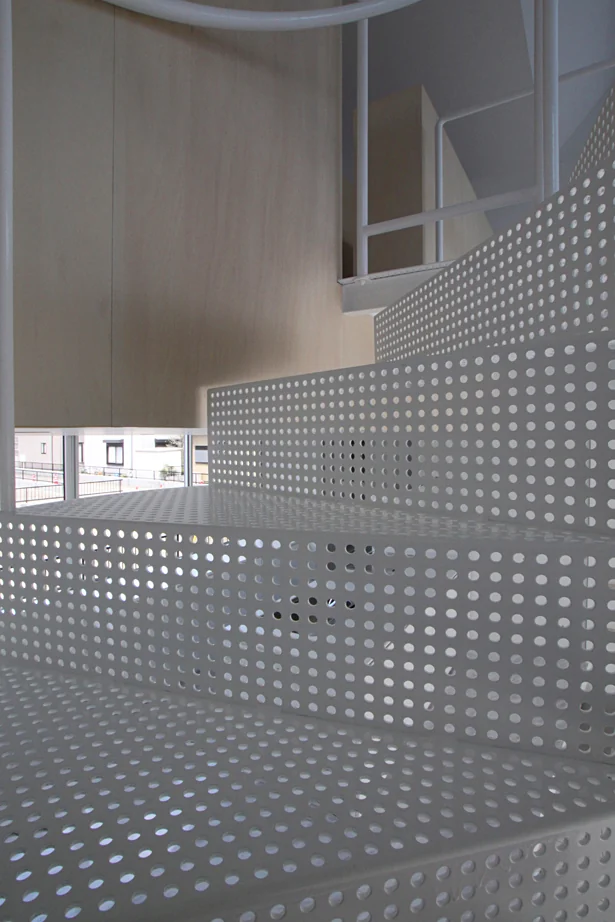
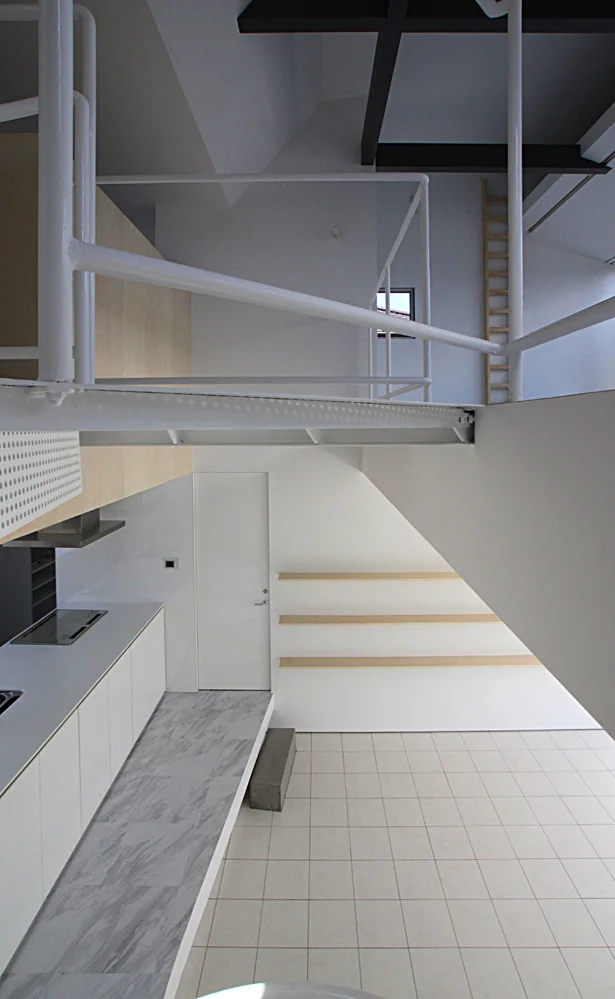
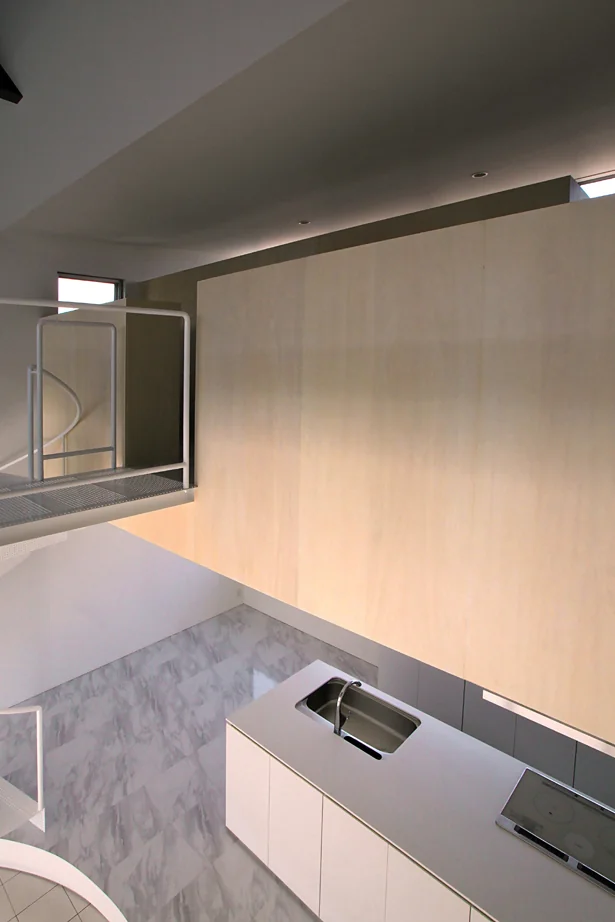
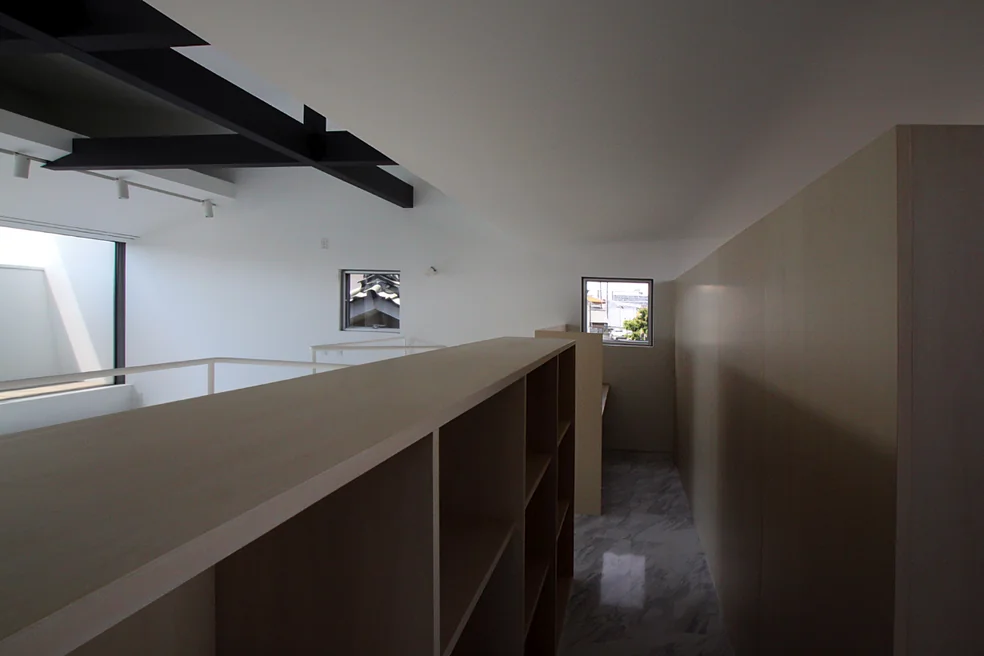
Terrace
Void
Breezy House
Living with a Dog
Dog Run
Simple Modern
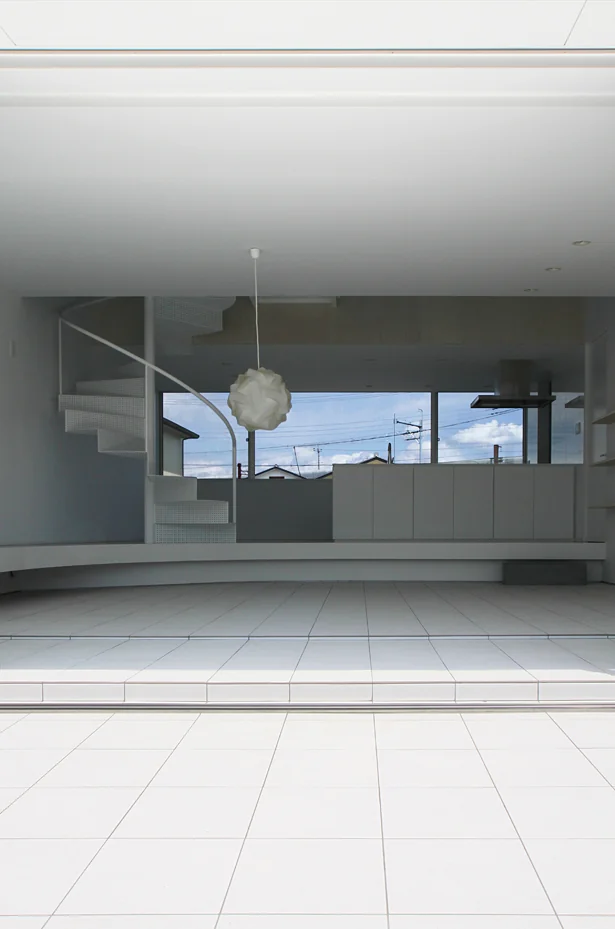
Spiral Staircase
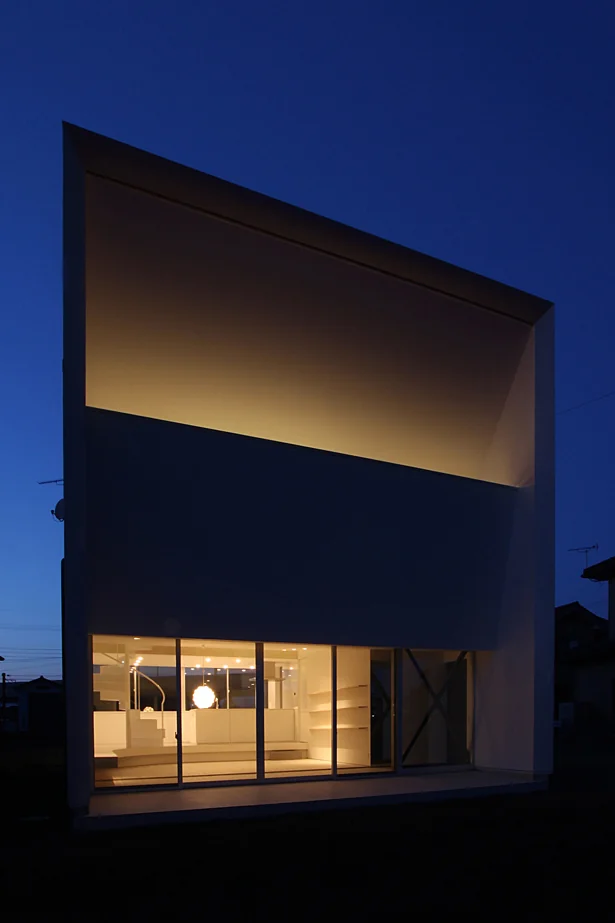
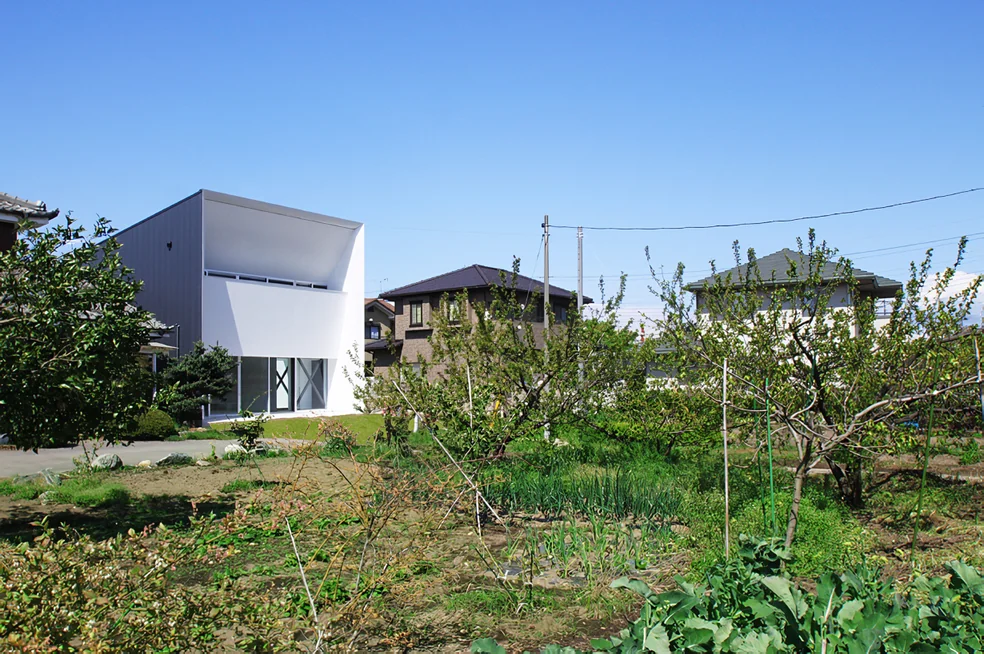
White House
Passive Design
Continuous Window
HouseLivingWithDogs
DogRun
Ventilation
Atrium
Terrace
Learn More
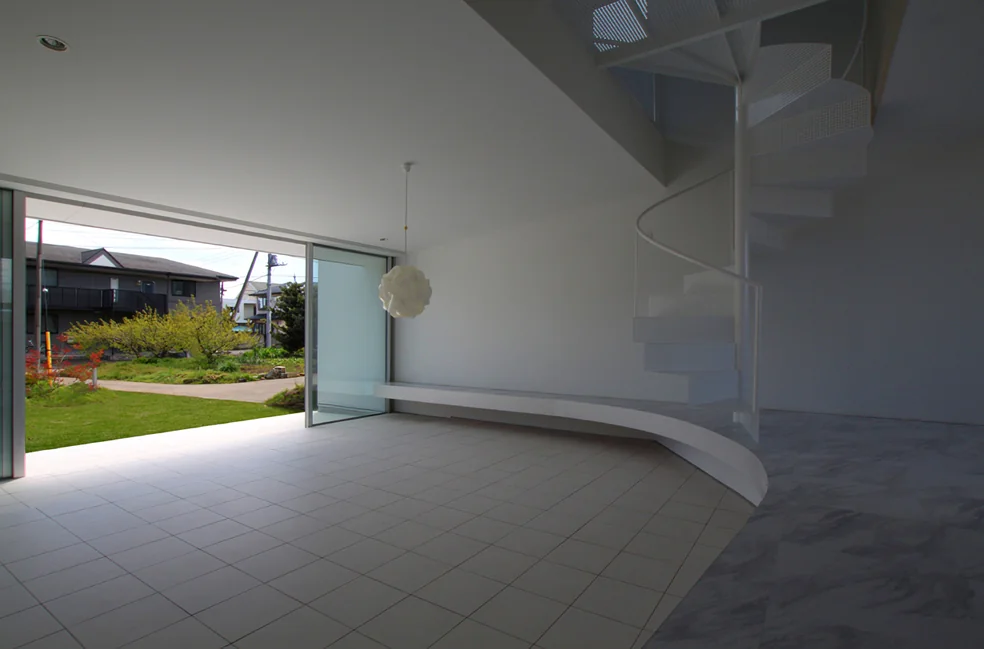
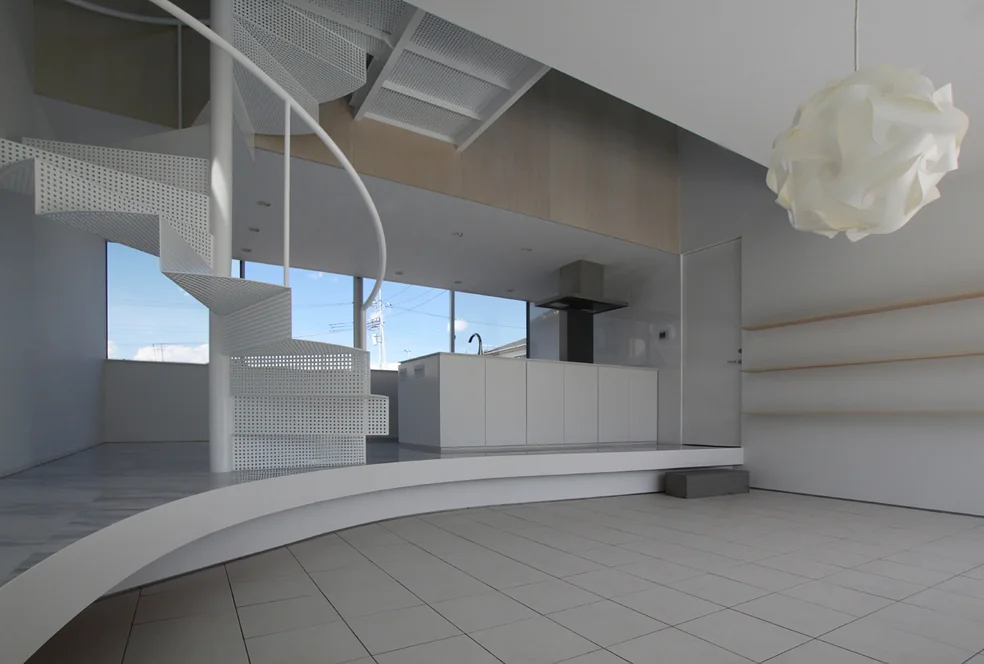
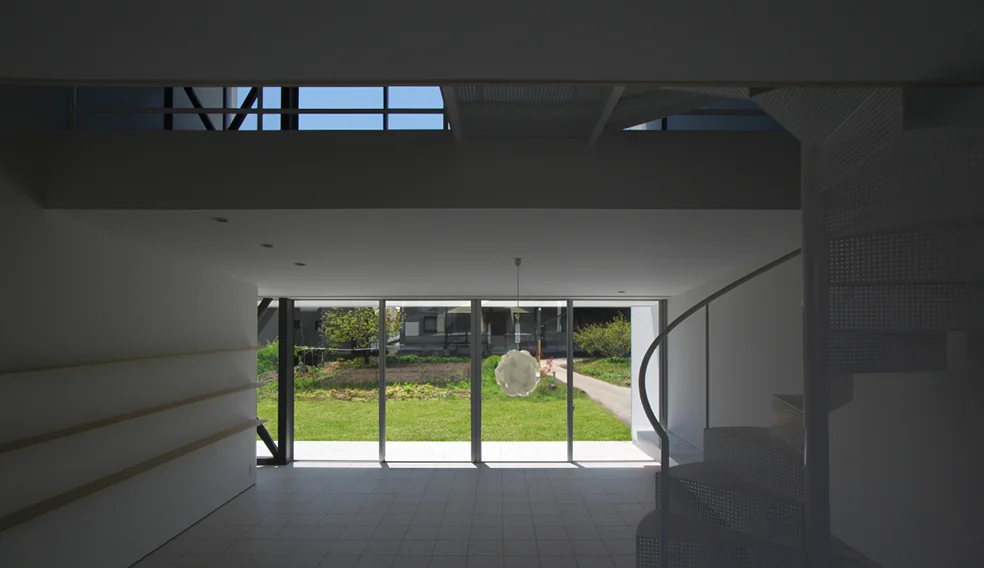
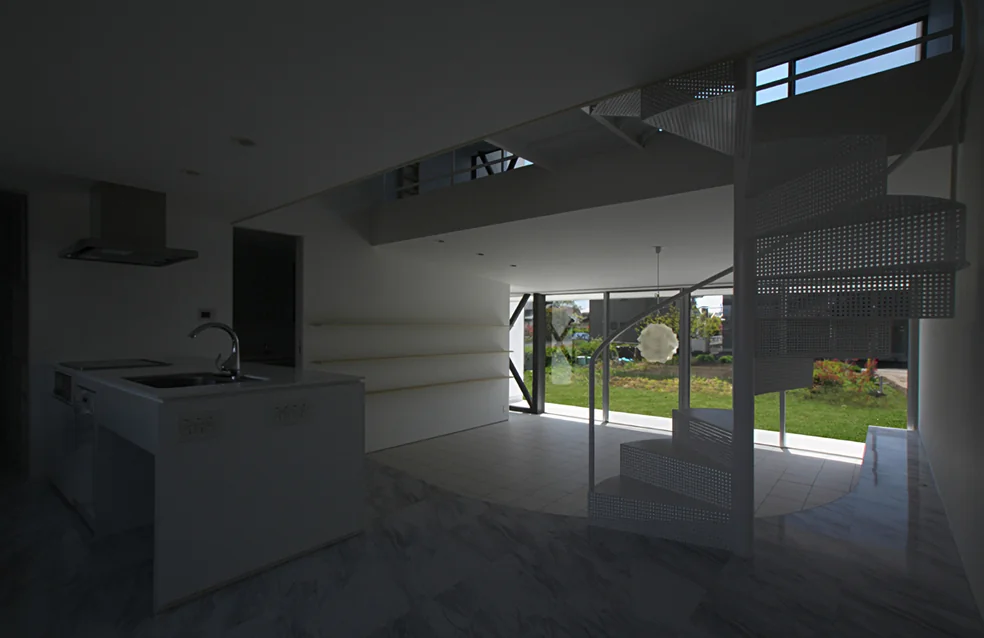
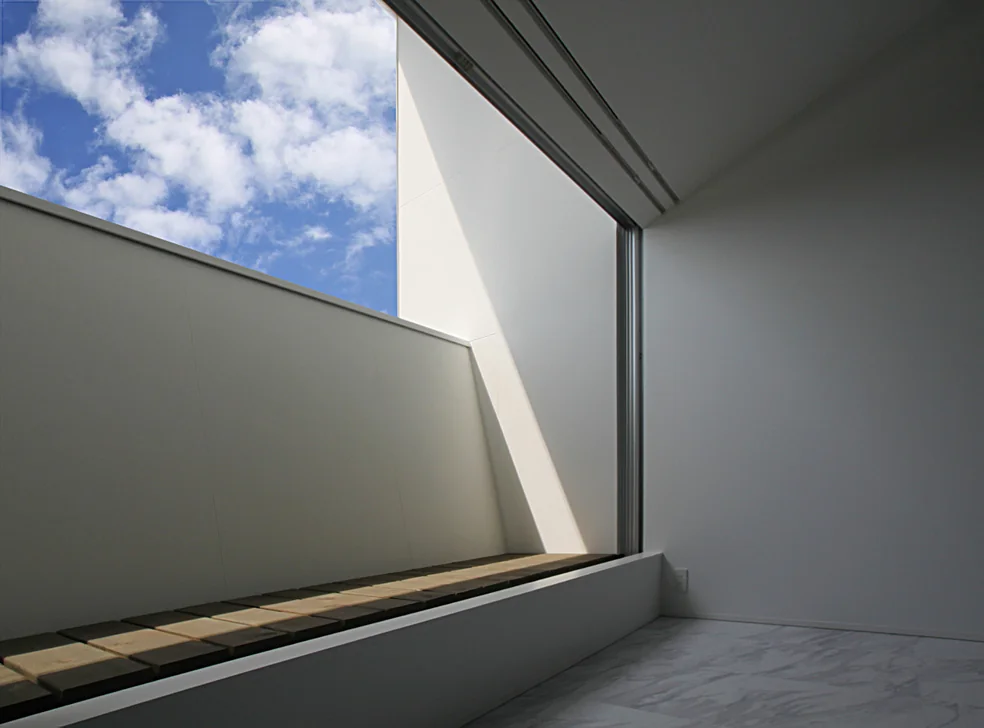
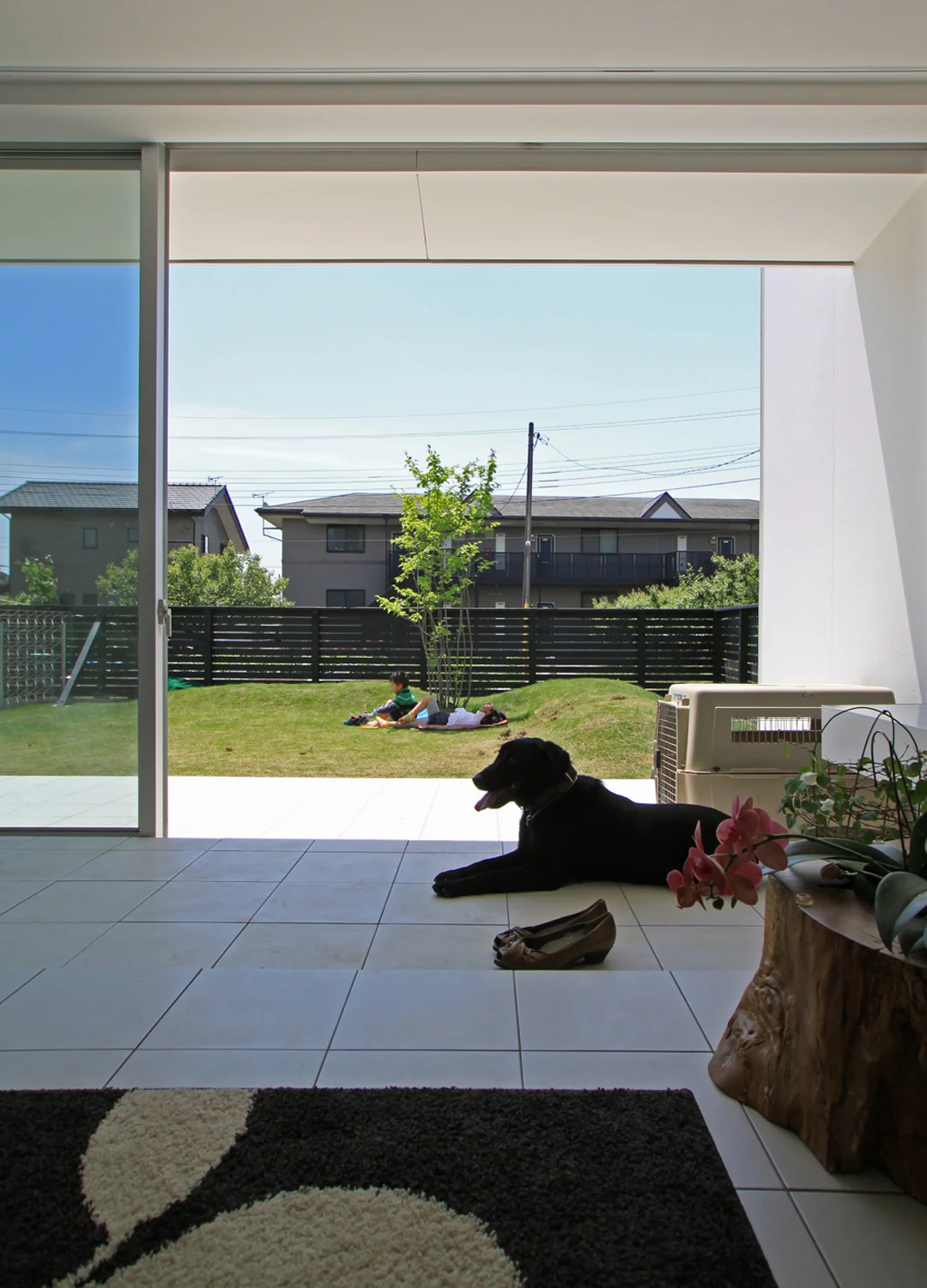
This project is situated in Isesaki City, Gunma Prefecture, a locale renowned for recording some of Japan’s highest summer temperatures. The client expressed three key desires: to achieve comfortable living conditions without relying on air conditioning due to discomfort with artificial airflow; to maintain openness while shielding the southern facade from direct views of a nearby apartment entrance; and to create an environment that facilitates easy access to the garden for their pet dog.
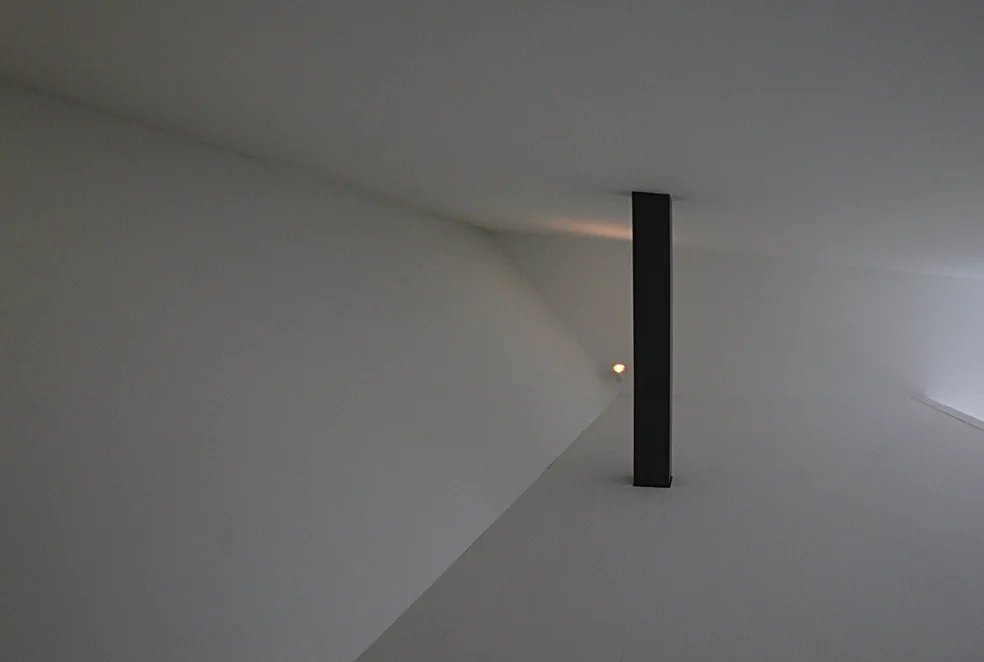
In response, the design draws inspiration from traditional Japanese residences known for their summer cooling strategies, enhanced by contemporary technologies and design principles tailored to the client’s lifestyle. Key considerations included strategies for effective wind intake and exhaust, utilization of geothermal ground cooling, dynamic solar control responsive to seasonal variations, and spatial organization exploiting temperature differentials in the air. Additionally, visual relationships with the surroundings were carefully crafted through manipulating ceiling slopes and floor level changes to guide sightlines, alongside adjustable wall heights to frame and filter views.
Having endured three summers without the installation of air conditioning, the residence continues to provide a comfortable living environment that harmoniously embraces seasonal changes.
In response, the design draws inspiration from traditional Japanese residences known for their summer cooling strategies, enhanced by contemporary technologies and design principles tailored to the client’s lifestyle. Key considerations included strategies for effective wind intake and exhaust, utilization of geothermal ground cooling, dynamic solar control responsive to seasonal variations, and spatial organization exploiting temperature differentials in the air. Additionally, visual relationships with the surroundings were carefully crafted through manipulating ceiling slopes and floor level changes to guide sightlines, alongside adjustable wall heights to frame and filter views.
Having endured three summers without the installation of air conditioning, the residence continues to provide a comfortable living environment that harmoniously embraces seasonal changes.
- Copyright(C)Qurasuki.All Rights Reserved.