Introducing Renovation of an Urban Residence Retaining a Kura | Abeno Residence, a custom-built home example by Yoshihiro Yamamoto Architects Associates, a Architect / Design office in 302, Zeniya Honpo Main Building, 14-6 Ishigatsujichō, Tennōji-ku, Osaka

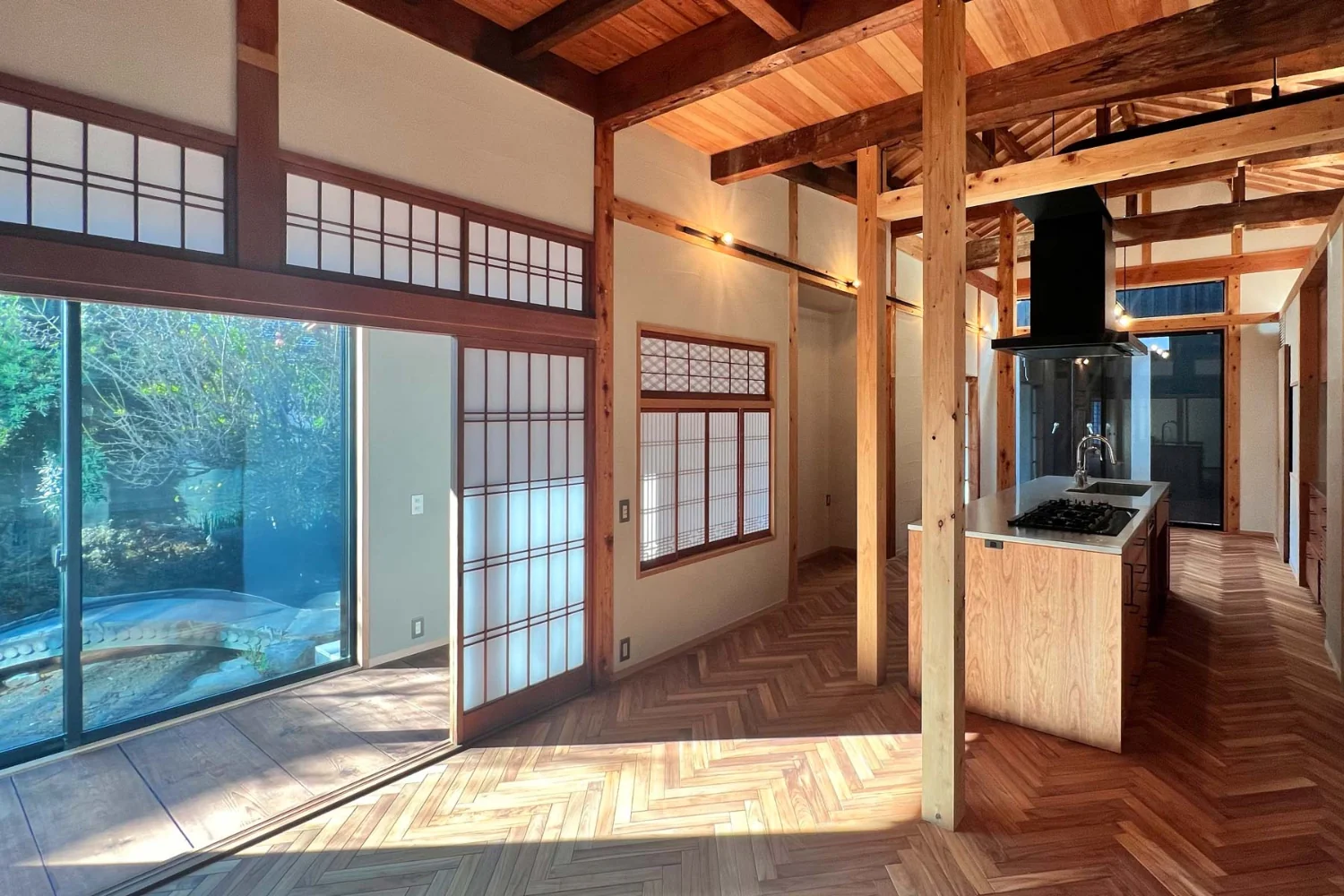
To allow the tatami room fittings and the robust, generous character of the old structural frame to coexist with contemporary living and performance.
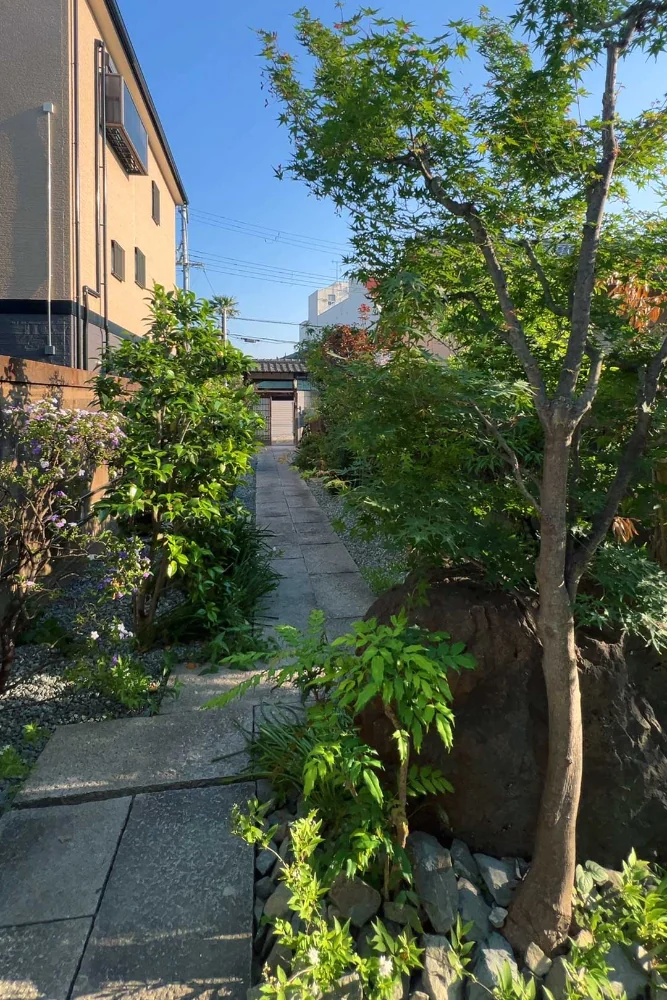
Return view of the flag‑lot approach. Planting and stonework reconfigured.
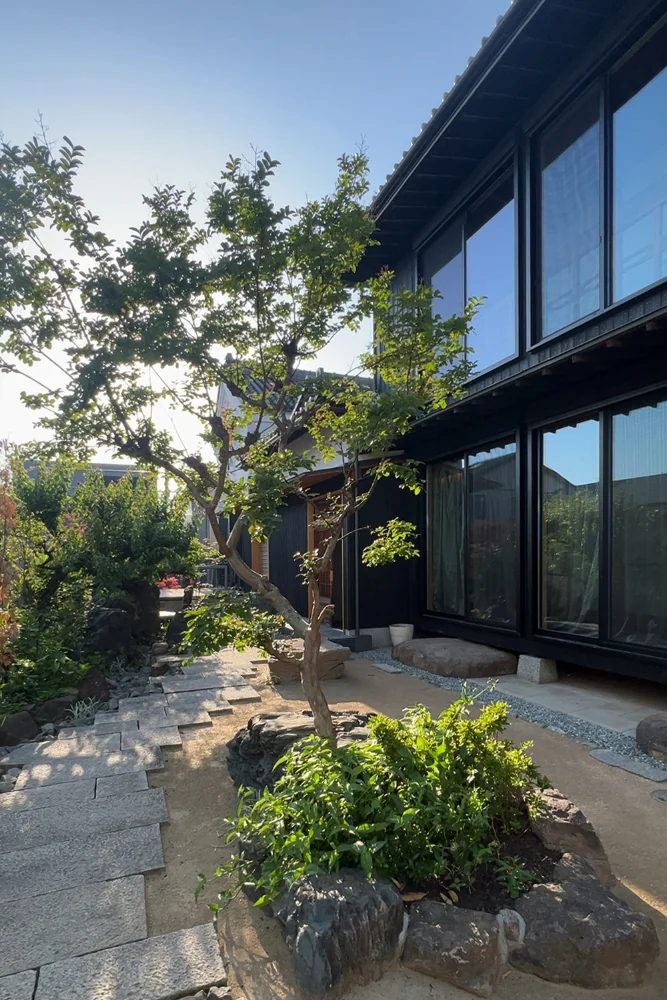
The approach: the added shed was removed and existing garden stones were reused and rearranged.
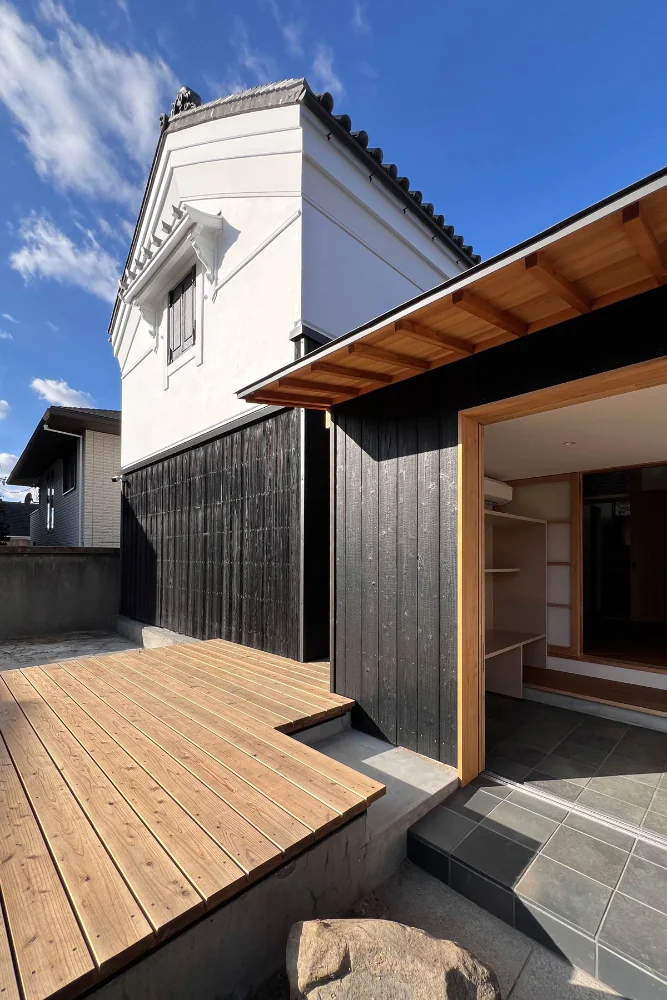
The kura, which had been awkwardly attached to the main house by an extension and had suffered water ingress, was detached and restored to its original form.
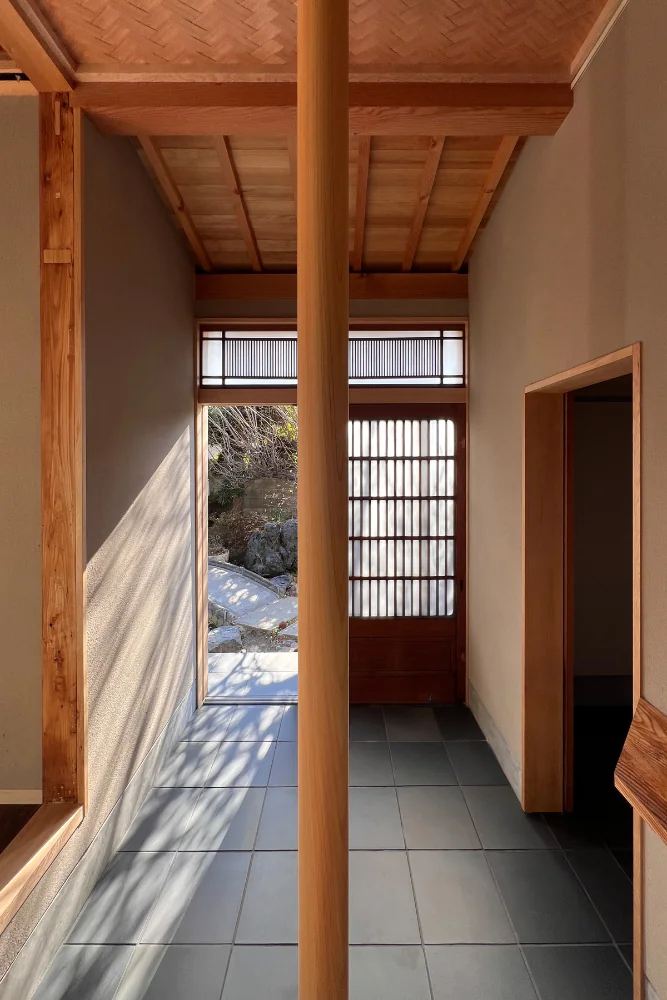
A newly created entrance resulting from a plan revision. The sliding door and glass transom were repaired and reused.
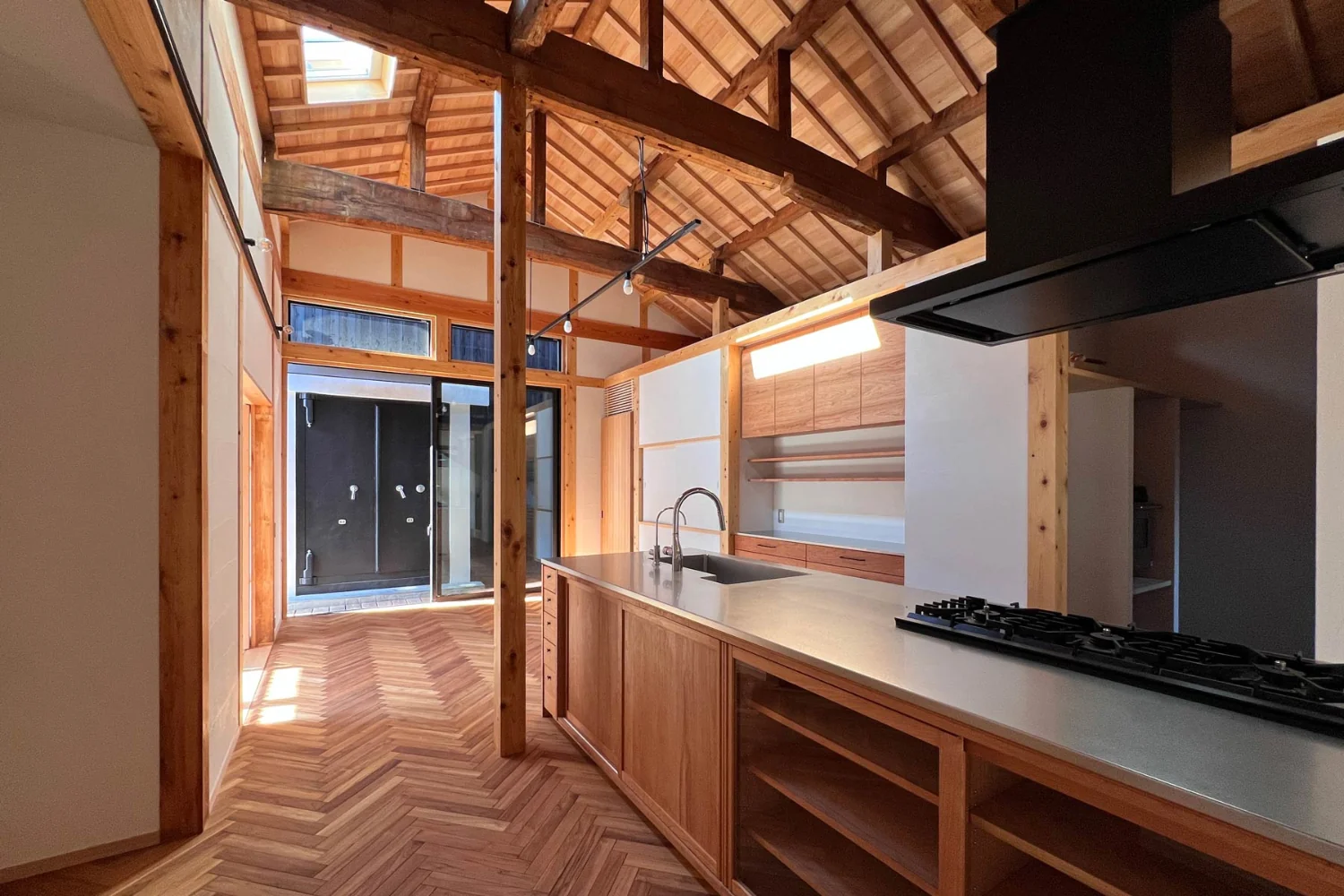
The plan was reorganized so the kura adjoins the kitchen and dining; the kura is used as a hobby room.
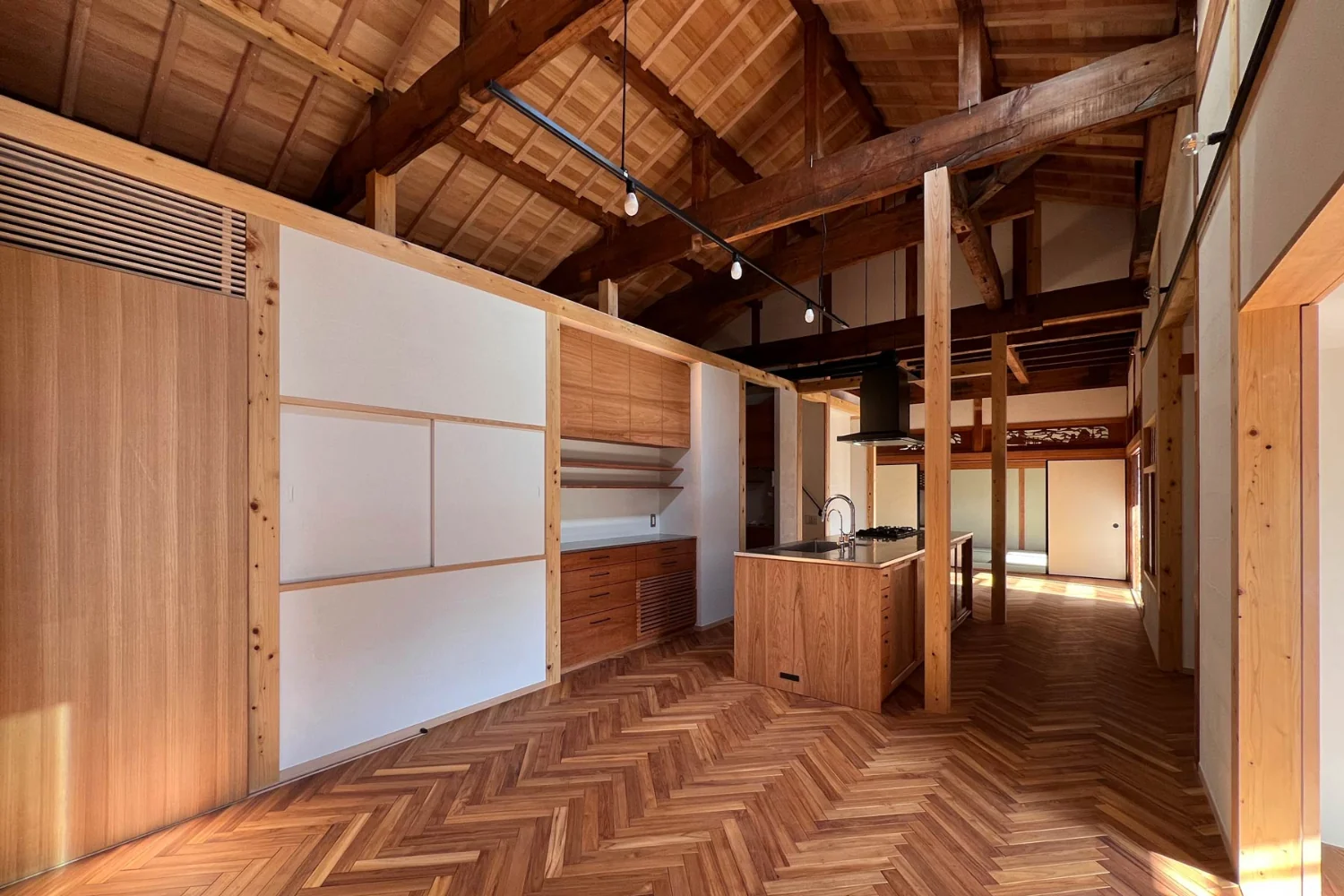
Ceilings in hemlock, walls in German lime plaster, floors in teak herringbone, and joinery in oak.
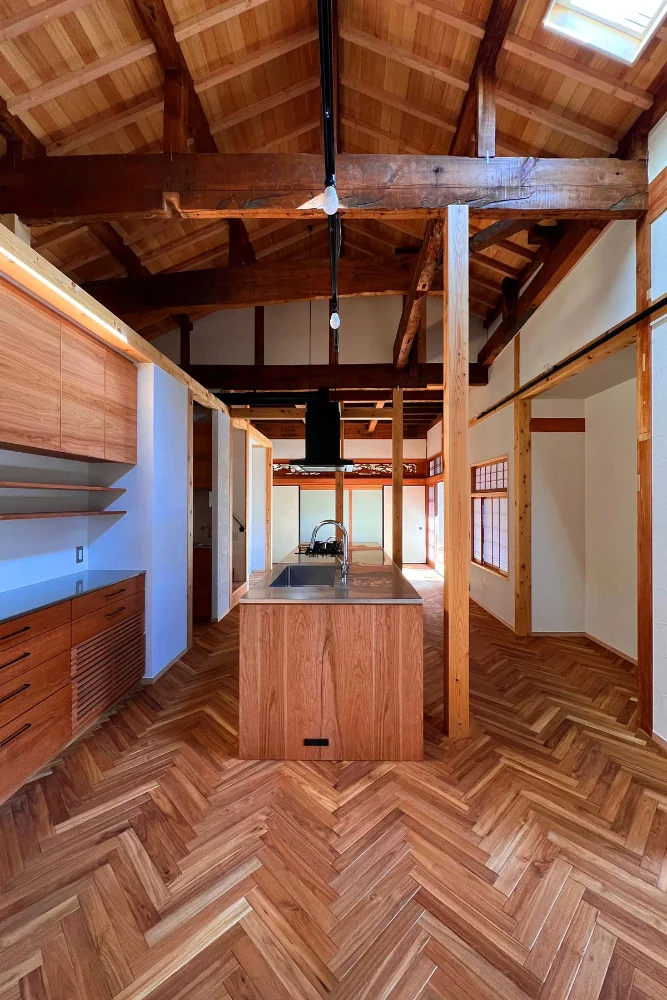
Responding to the characteristics of the existing building, the living spaces are arranged in a D–K–L sequence: dining, kitchen, then living.
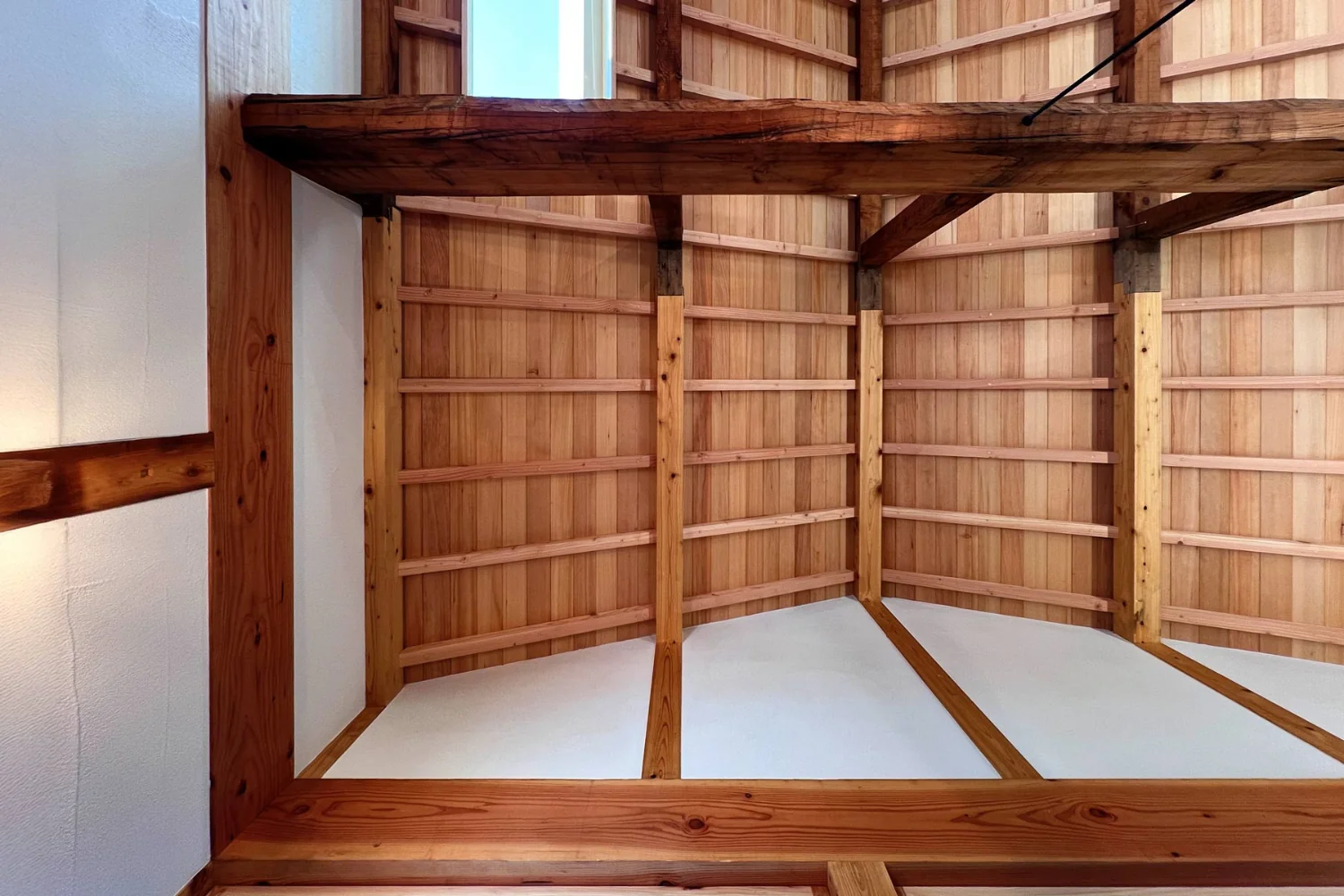
Looking up from the dining. When the kura was detached, the end of the main house was extended by one span, which altered the roof geometry.
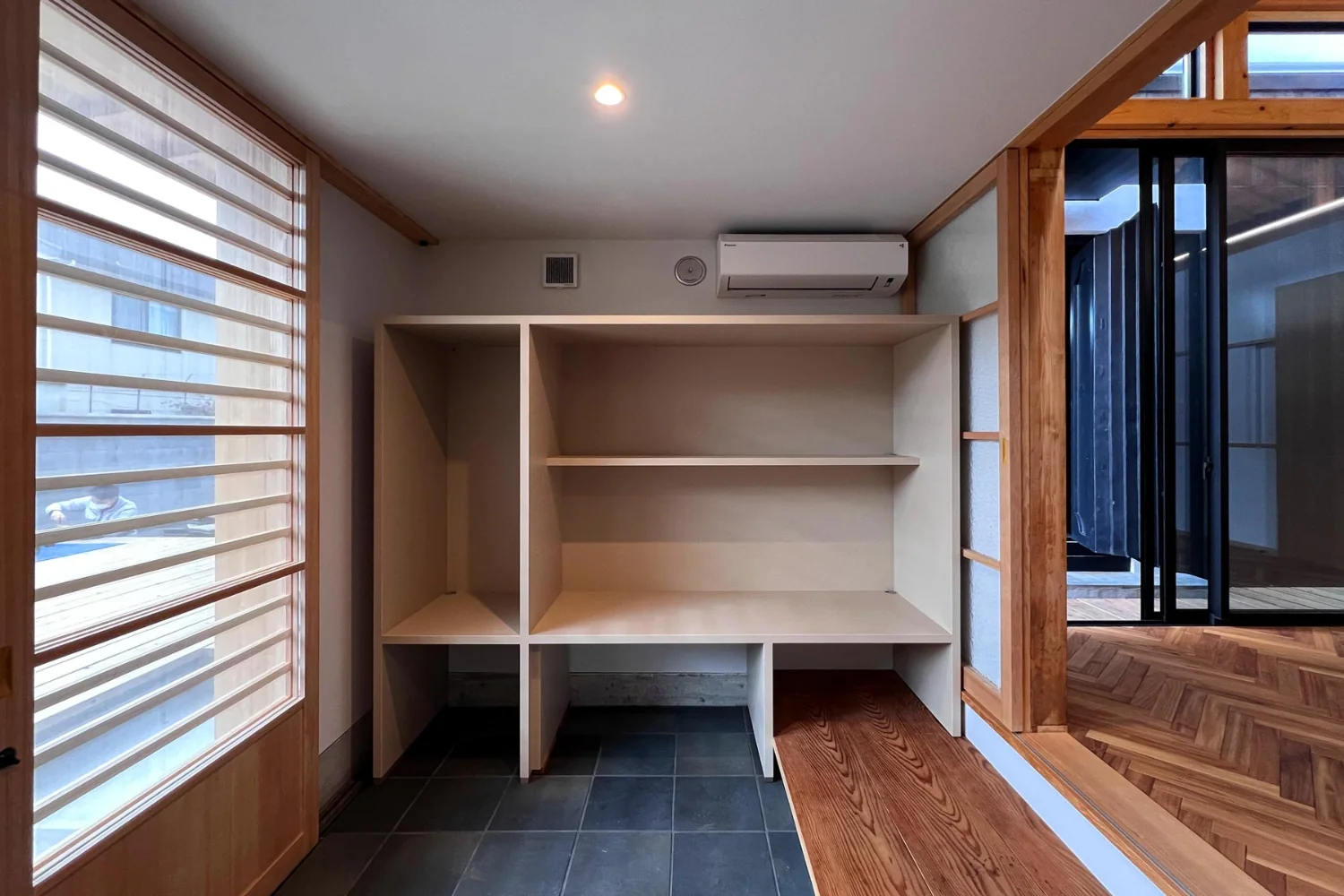
A purpose‑designed doma (earthen‑floor entrance). The floor is paved with variegated tiles. The shikidai (entrance platform) was repurposed from the existing front entrance.
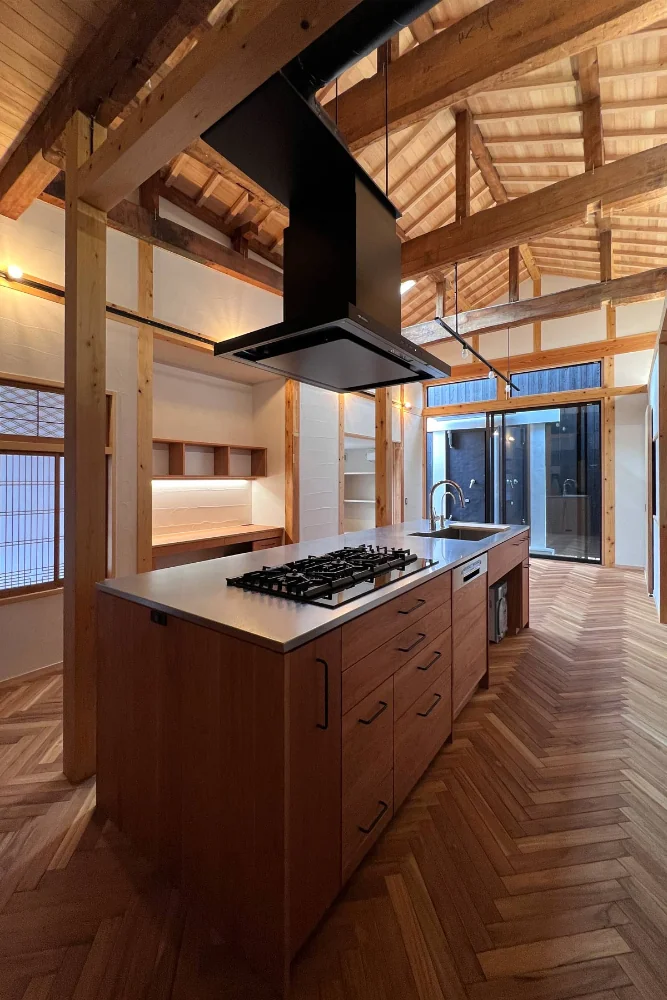
Large custom‑built island kitchen. The gas cooktop has three inline burners.
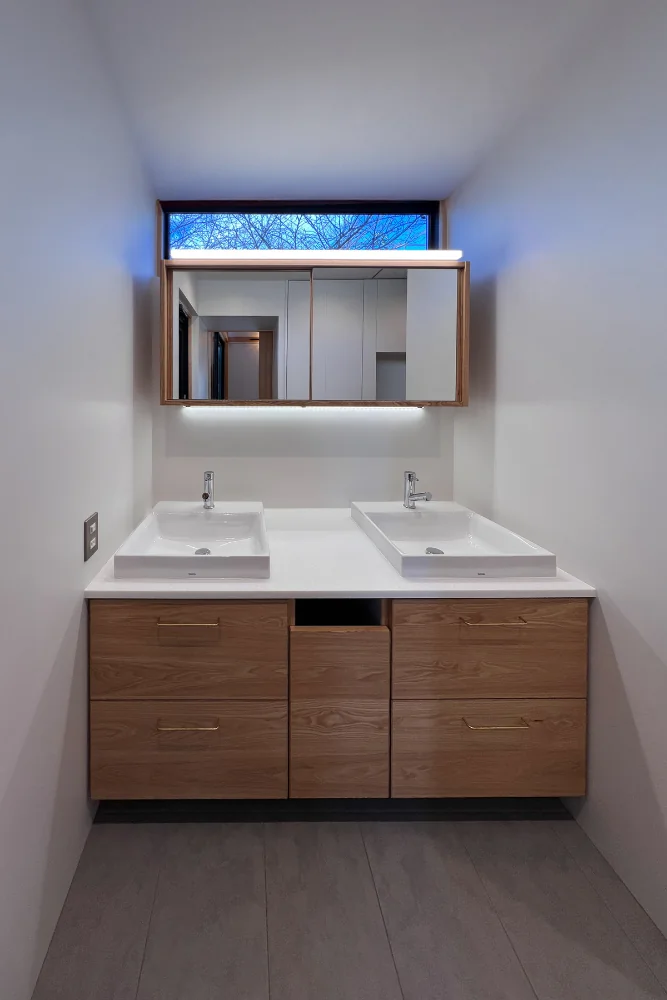
Washroom. Preserving privacy from the facing condominium while framing an old cherry tree through a high window.
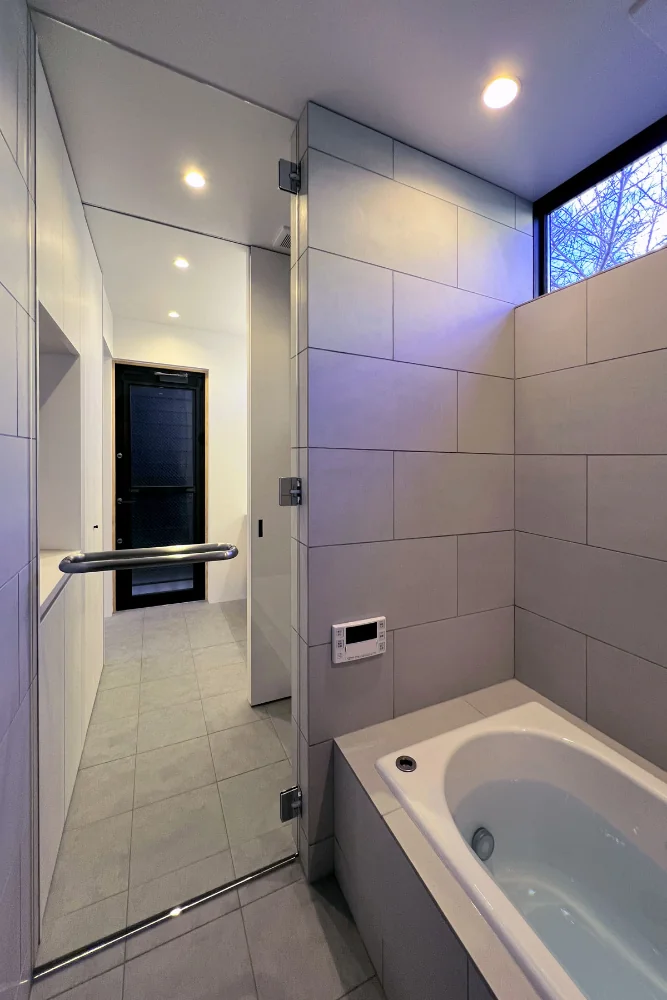
Bathroom sequence connecting the washroom to the bathing room via the laundry.
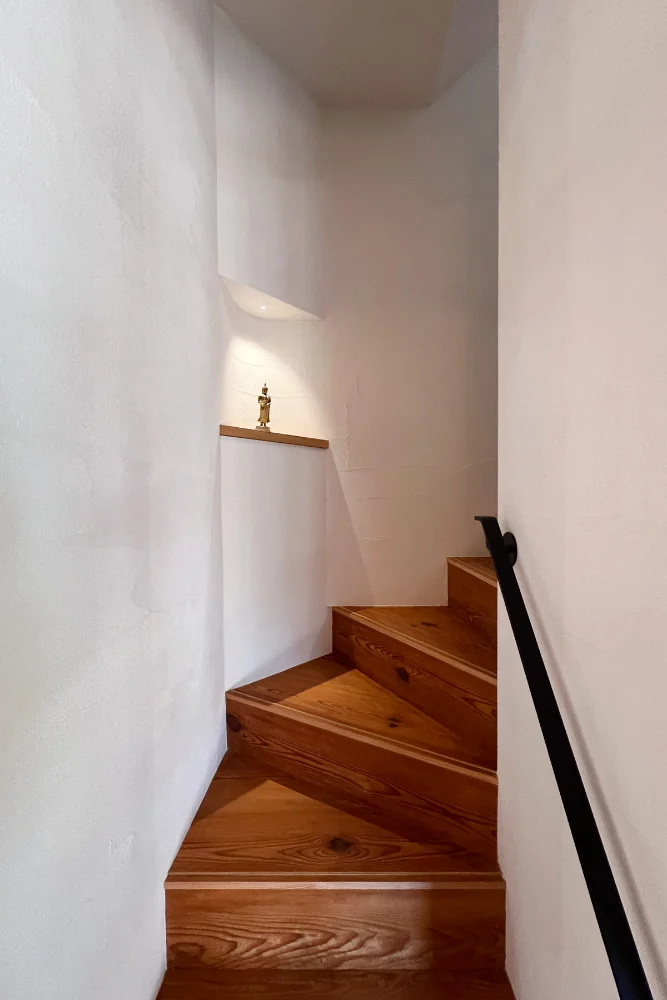
A niche formed from the void at the corner of the winding staircase.
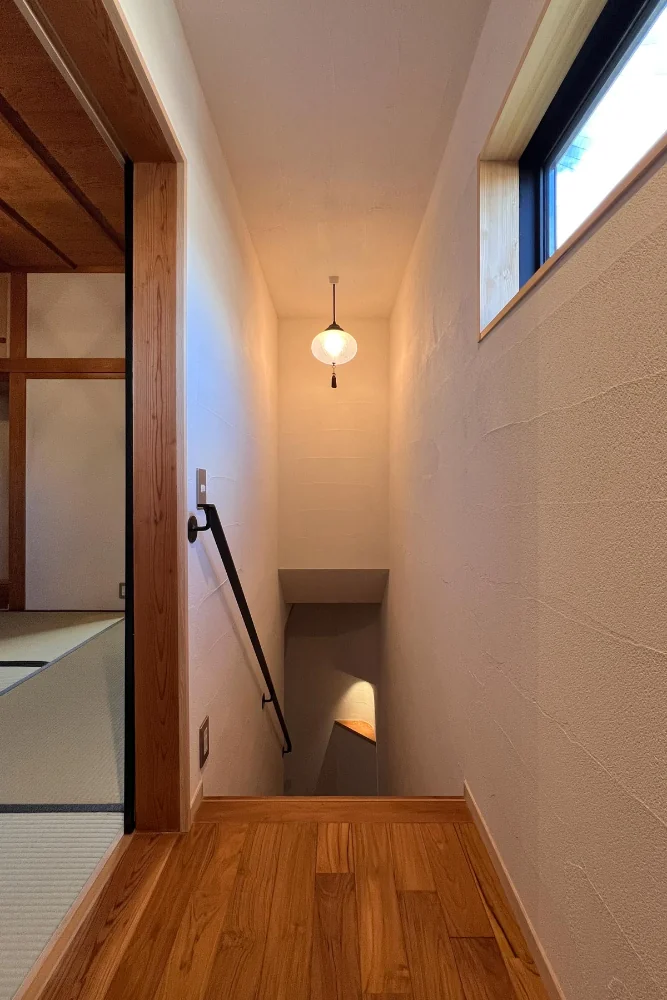
View of the staircase from the second floor.
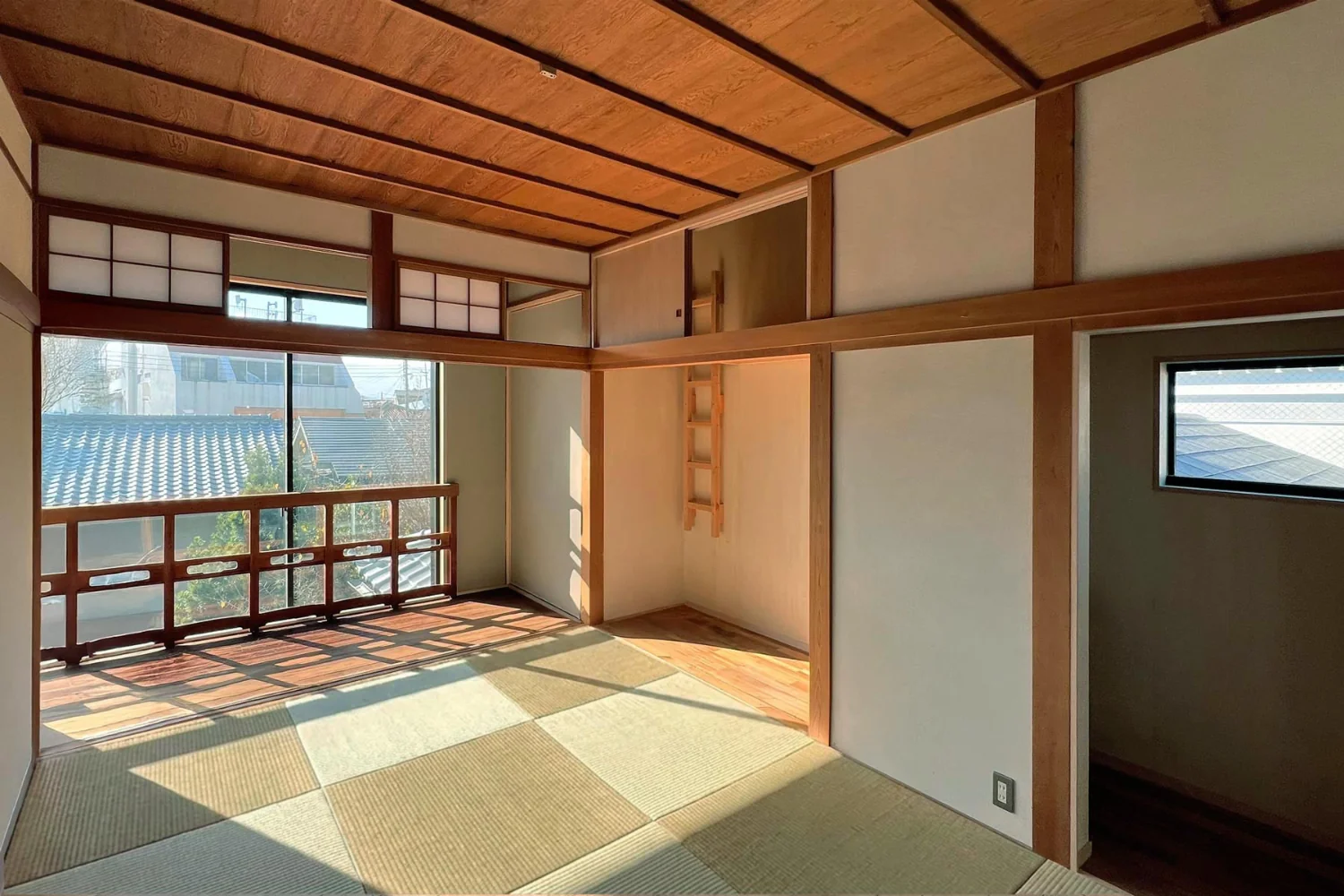
Second‑floor Japanese‑style room. The built‑in closet (oshiire) was converted into a workspace and a loft.