Qurasuki
Image Room Tour Project Event List Column
Favorites
Image
Room Tour
Project
Event
Professional
Personal Diagnosis
The Slow-Living in Harmony with Nature Type
The Open to Light and Wind Type
The Private Courtyard for Inner Peace Type
The Mobility and Travel-Loving Garage Type
The Simple and Functional Minimalist Type
The Japanese Modern Fusion Type
The Antique and Story-Filled Living Type
The Art and Creation-Loving Creator Type
The DIY Life-Building Practitioner Type
The Music and Culture Immersion Type
The Cooking and Wine-Loving Gourmet Type
The Health-Conscious Fitness Type
The Living with Pets as Partners Type
The Urban Stylish Type
The Work-Life Integration Type
The Sea and Scenery-Loving Resort Type
The Industrial Design-Inspired Type
The Secret Hideout Hobbyist Type
Personal Color Diagnosis
Warm Spring
Cool Summer
Warm Autumn
Cool Winter
Translated automatically
日本語 (ja) 简体中文 (zh-hans) 繁體中文 (zh-hant) English (en)
Login
User Registration
Publish
Use
Advertise with Us
Frequently Asked Questions
Announcements
Operations

Lifestyle of The Japanese Modern Fusion Type

Personal Diagnosis
Personal Color Diagnosis
The Japanese Modern Fusion Type
Meticulously blending traditional aesthetics into modern living while selecting only the essential.
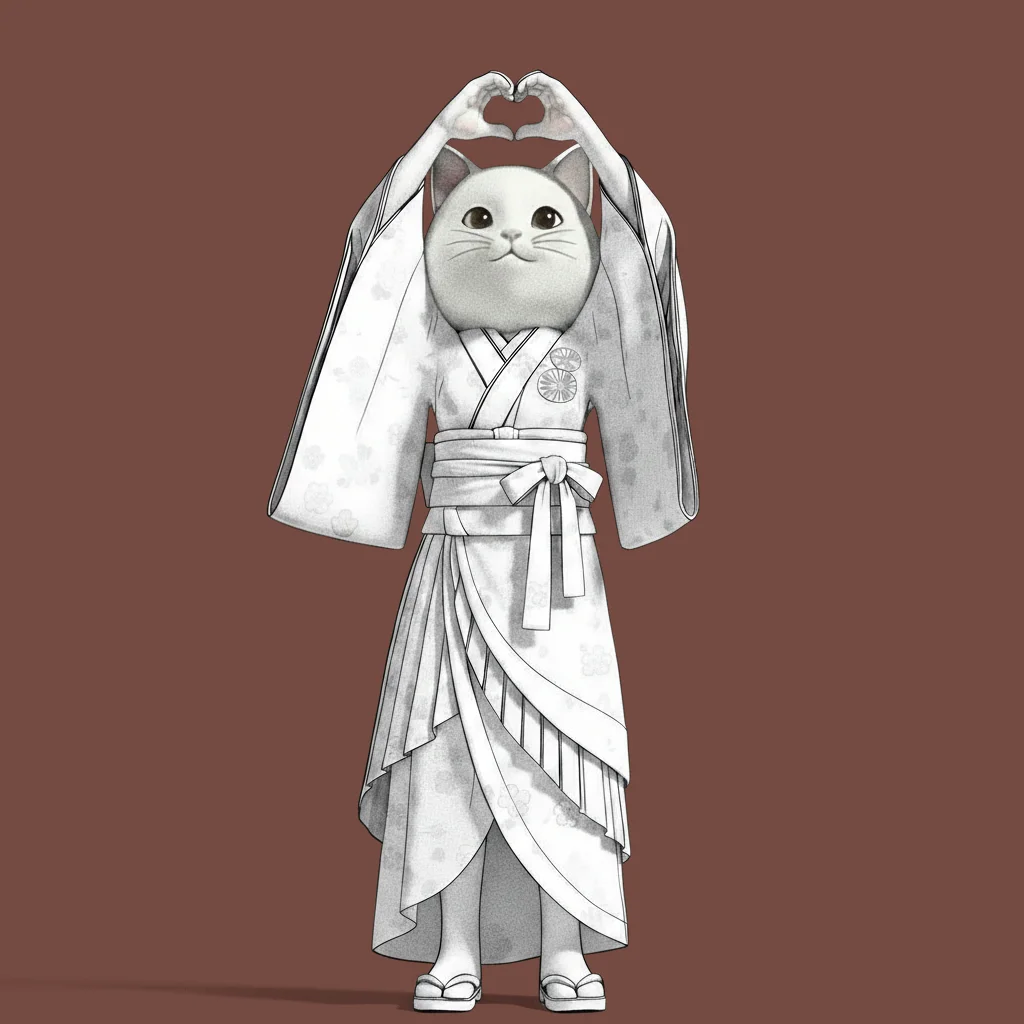
The Japanese Modern Fusion Type
  • The way of life cherished by The Japanese Modern Fusion Type
  • Believing that old and new are not opposites, but rather finding universal value in essential beauty that transcends time—this is the life philosophy of this type. They find joy in developing a discerning eye for "the real thing" over following trends. While holding deep respect for Japanese culture and history, they view it not as mere nostalgia, but as wisdom to be applied to modern living. Concepts like shizuka (quietude), yohaku (empty space), and okuyukashi (refined modesty) resonate with their way of life—not overassertive, yet undeniably present. Their affection for materials that deepen with use reflects a belief in nurturing relationships and endeavors over time.
The Japanese Modern Fusion Type
Imbuing daily movements with traditional aesthetics and accumulating quiet, careful moments alongside the seasons.
  • Lifestyle of The Japanese Modern Fusion Type
  • Sitting on the floor, reclining on tatami, and slowly watching the changing seasons from an engawa (veranda). This type finds comfort in a low-seated lifestyle and consciously integrates the rhythms of nature into their routine. In the home, they use tools and tableware made from carefully selected natural materials, allowing a sense of beauty to reside even in mundane chores like cooking and cleaning. Modern interpretations of Japanese rooms serve as workspaces or meditation areas, naturally incorporating "quiet time" into the day. A central large room where the family gathers for conversation and meals is a hallmark of this style. The flow of time and actions within the home themselves shape the richness of daily life.
  • #Lattice
    #Calm Presence
    #Eaves Space
    #Japandi
    #Japanese House
    #Traditional Japanese House
    #Solid Wood
    #Shoji
    #Generational Home
    #Passage Doma
    #Wood Plank Ceiling
    #Entrance Doma
    #Charred Cedar
    #Japanese Modern
    #Open-Air Bath
    #Diatomaceous Earth
    #Handcrafted Texture
    #Tea Garden
    #Wet-Engawa
    #Plasterer's Finish
    #Plaster Wall
    #Exposed Beam
    #Borrowed Scenery
    #Tsubo Garden
    #Engawa
    #Reclaimed Beam
A modern Japanese house where interior and exterior gently connect, housing a quiet presence of nature.

The Japanese Modern Fusion Type
  • Housing that suits The Japanese Modern Fusion Type
  • The home of the Japanese Modernist is based on a spatial composition that "protects by closing and heals by opening." Thoughtful layouts where the living space isn't immediately visible from the entrance, soft zoning using lattices and shoji screens, and gentle connections to the outside via courtyards or tsuboniwa (pocket gardens) utilize the wisdom of traditional architecture in modern design. Materials like solid wood, plaster, washi paper, and ceramic tiles are chosen for their ability to gain character over time, enveloping the space in stillness and modesty. A central hall where the family naturally gathers, offering sightlines out to the veranda or garden, creates a rich sense of connection. A design that prizes space and silence brings the beauty of Ma (the interval) to everyday life.
Field
Features & Facilities
Description
Materials/Interior
Solid wood, plaster, washi paper, plaster finish
A finish that allows you to enjoy the beauty of the materials themselves and their changes over time. You can feel nature both tactilely and visually.
Space Composition
Courtyard/small garden, veranda, tatami space, indirect lighting
Incorporates the "ambiguity of inside and outside" into the design by creating an intermediate area with the outside.
Storage/Function
Wall storage, hanging storage, alcove and underfloor storage
Balances the beauty and practicality of the space by creating a contrast between what is shown and what is hidden.
Openings
Wooden sashes, shoji screens/lattices, deep eaves
A design that is excellent in insulation, lighting, and ventilation while maintaining a Japanese atmosphere.
Lighting/Electricity
Indirect lighting, lantern-style lighting, dimming system
Designed as "light" rather than strong lighting, emphasizing the shadows and atmosphere of the space.
Kitchen/Water Area
Simple and linear custom-made, wood grain finish
Realizes a comfortable housework flow with the latest functions and easy-to-clean equipment while utilizing Japanese elements.
Exterior/Garden
Stone pavement, planting (maple, bamboo, moss, etc.), stepping stones
A setup where you can feel the changes of the seasons. Planting that combines privacy and ventilation also gives a calm impression to the exterior.
  • The Japanese Modern Fusion Type × Warm Spring Infuse traditional Japanese spaces with the brightness of Warm Spring for a modern twist. We recommend using light woods like Japanese cypress (hinoki) or cedar, paired with Ryukyu tatami in a bright young-grass green. Textures like hand-made washi paper that gently diffuses light and gold leaf accents shine here. Incorporate tones like golden yellow (yamabuki) or vermilion through fabrics like cushions. Aiming for a "light and delicate Japanese style" rather than heavy folk art will harmonize perfectly with both modern furniture and the Warm Spring personality.
  • The Japanese Modern Fusion Type × Cool Summer For a modern Japanese space, be mindful of cool "shadows." Use weathered antique wood or ink-dyed wood. For textures, light-absorbing washi paper and matte ceramics are suitable. Use tones with strong blue undertones from traditional Japanese colors, such as indigo or Hatoba-iro (dove gray). Prioritize "airiness" over heaviness to achieve a modern silence that speaks to the delicate Cool Summer sensibility. Adding cool-toned glimmers like silver leaf or aluminum lattices will sharply pull the space together.
  • The Japanese Modern Fusion Type × Warm Autumn In a modern Japanese space, incorporate the "autumnal scenes" that Warm Autumn excels in. Choose walnut or antique wood, and use deep navy or burgundy for the tatami edges. Textures like expressive hand-made washi wallpaper and furniture with a deep luster reminiscent of lacquer work well. Use tones like golden yellow and persimmon. By creating a world of "In Praise of Shadows," where a single beam of light pierces a deliberately dimmed space, you embody a dignified yet calm Japanese beauty that fits modern life. The serene wood grain will help you forget the urban bustle.
  • The Japanese Modern Fusion Type × Cool Winter In a modern Japanese space, it is wonderful to incorporate an "aesthetic of shadows" based on ink-black and silver. Use ebony or black-stained cedar for wood, and choose snow-white for washi paper fixtures. For textures, use metal with a dull glow like tin or glossy pure silk cushions. Use tones like deep indigo or noble purple. By blending traditional Japanese beauty with the dramatic color schemes of the Winter type, you create a sophisticated Japanese-modern style that feels entirely contemporary, like a luxury hotel lounge.
  • The Japanese Modern Fusion Type × Warm Spring
  • Infuse traditional Japanese spaces with the brightness of Warm Spring for a modern twist. We recommend using light woods like Japanese cypress (hinoki) or cedar, paired with Ryukyu tatami in a bright young-grass green. Textures like hand-made washi paper that gently diffuses light and gold leaf accents shine here. Incorporate tones like golden yellow (yamabuki) or vermilion through fabrics like cushions. Aiming for a "light and delicate Japanese style" rather than heavy folk art will harmonize perfectly with both modern furniture and the Warm Spring personality.
  • TOP
  • 〉Personal Diagnosis
  • 〉The Japanese Modern Fusion Type
Tips for connecting what you love with your home
English
Translated automatically
日本語 (ja) 简体中文 (zh-hans) 繁體中文 (zh-hant) English (en)
  • #Brick
  • #Multiple Pets
  • #Indoor Plants
  • #Large Opening
  • #Lattice
  • #Apartment Renovation
  • #Calm Presence
  • #Light Court
  • #Solar Panel
  • #Pool
  • #Conversion
  • #Circulation Flow
  • #Nook
  • #Pet Washing Area
  • #Steel Staircase
  • #Sense of Openness
  • #Circulation Kitchen
  • #Scenic View
  • #Gardening
  • #Sloped Site
  • #Work Flow
  • #Narrow House
  • #Continuous Window
  • #Void
  • #Vacation Home
  • #Bouldering Wall
  • #Local Timber
  • #Pet-Friendly Doma
  • #Cat Steps
  • #Eaves Space
  • #Japandi
  • #Tile
  • #Scandinavian Interior
  • #Fishing
  • #Contemporary
  • #Doma Living
  • Announcements | Architect | Construction company | Frequently Asked Questions | Q&A | Column
  • © Qurasuki.All Rights Reserved. | Terms of Service | Privacy | Operations
Please configure your cookie settings.
  • Our website uses cookies to enhance site usability.
  • Some cookies are necessary for the proper functioning of our services.
  • For more details, please refer to Cookie Policy.
  • Accept all cookies
  • Reject non-essential cookies