Choose architectural examples of Concrete Houses and Stylish Living Rooms for your Personal Diagnosis,
A home-building support tool to meet design offices and builders who resonate with your sensibilities.
The exposed concrete finish, which preserves the raw texture of the material, presents a rugged yet refined expression. The wood grain of the formwork and the location of joints all contribute to the unique character of the space. Achieving a beautiful finish requires precision in formwork and expertise in concrete placement techniques. Collaborate with experienced contractors to pursue the "beauty of the material."
Quiet Living with Superior Sound Insulation Performance.
Concrete walls are characterized by their higher sound insulation performance compared to wooden structures. They effectively block external noise and prevent indoor sounds from leaking outside, creating a quiet and tranquil living environment. This is a significant advantage for multi-generational homes, houses designed for music enjoyment, or sites along major roads. It is an ideal construction method for those who prioritize privacy and serenity.
Realization of Large Spaces and Wide Openings.
Reinforced concrete construction offers high structural flexibility, enabling the reduction of columns and walls to create expansive spaces and large openings. This facilitates the realization of dynamic spatial configurations and glass curtain walls that are challenging to achieve with timber construction. Enjoy the freedom of design where structure and aesthetics are seamlessly integrated.
Variations of Surface Finishes.
Concrete offers a variety of finishing methods beyond exposed formwork, including painting, tiling, and plaster finishes. Painting the surface white imparts a bright and light impression, while a mortar finish creates a soft texture. It is also possible to selectively use exposed concrete on certain areas while applying different finishes elsewhere.
Creating Texture Through Formwork Patterns.
The appearance of concrete varies significantly depending on the type and arrangement of the formwork. In addition to conventional plywood formwork, using cedar boards or decorative formwork can transfer wood grain or geometric patterns onto the concrete surface. The positioning of formwork joints and the arrangement of separators (metal fittings used to secure the formwork) can also be planned as integral elements of the design.
Combination of Materials to Soften the Coldness.
Concrete can often feel cold both visually and tactilely. By combining solid wood flooring, wooden furniture, fabrics, and greenery, a warm and inviting space is created. Instead of using concrete throughout, incorporating different materials in moderation achieves a well-balanced and comfortable environment.
Measures Against Condensation and Prevention of Internal Condensation.
Concrete walls with insufficient insulation are prone to condensation. It is essential to properly implement external or internal insulation methods to minimize temperature differences within the interior. Additionally, condensation within the wall assembly (internal condensation) can lead to structural deterioration; therefore, planning for vapor barriers and ventilation layers is indispensable. Insulation strategies should be developed considering both thermal comfort and durability.
Creating Shadows and Highlights on Concrete through Lighting Design.
Exposed concrete walls dramatically change their appearance depending on how light falls upon them. By using indirect lighting and spotlights to create shadows and highlights, the texture of the material is accentuated, adding depth to the space. Natural light also alters the ambiance throughout the day, allowing for a variety of visual experiences. Lighting should be planned not merely to illuminate but as a tool to enhance the inherent beauty of materials.
Degradation Countermeasures and Regular Maintenance.
Concrete is a highly durable material; however, surface protection and repairs are required periodically. Applying a water-repellent agent to exposed concrete can suppress rainwater penetration and mold growth. In the event of cracking, prompt repairs can extend the building's lifespan. To ensure long-lasting and aesthetically pleasing habitation, maintenance planning should be considered from the design stage.
Utilization of Concrete Flooring.
By finishing the floor with concrete, a cohesive spatial unity is achieved. Embedding underfloor heating allows the high thermal mass of concrete to efficiently radiate heat, creating a warm environment from the ground up. This approach also enables a versatile, earthen-floor-like usage, resulting in a design that harmonizes both functionality and aesthetics.
A Presence of Solidity and Stability.
Concrete houses convey a sense of solidity and presence in their exterior appearance. Even with a simple box-shaped design, the inherent strength of the material imparts a dignified character to the building. The subdued color palette, which harmonizes with the surrounding landscape, embodies a timeless beauty that transcends eras. Its quiet stance within the streetscape reflects the occupant's refined aesthetic sensibility.
Living with the Beauty of Structure.
Concrete houses allow the structure itself to become the focal point of the space. With visible elements such as beams, columns, and wall thicknesses that support the building, residents can experience living while truly sensing the architecture. This beauty arises not from decoration but from necessity, which is the essence of concrete homes.
Establishing Appropriate Size and Proportions.
The size of the living room varies depending on the number of family members and their lifestyle; however, it is essential to determine a comfortable scale that avoids both a cramped feeling and an excessive sense of emptiness. The balance between ceiling height and floor area is also crucial: ceilings that are too high can create a lack of coziness, while those that are too low may induce a sense of confinement. Spatial design that consciously considers three-dimensional proportions contributes significantly to overall comfort.
Creating a Family Sanctuary.
A spatial arrangement that consciously considers each family member's personal space—such as areas for relaxing on the sofa, reading, and children's play—is essential. Instead of relying solely on a single large sofa, incorporating features like a window-side bench or a small study nook transforms the living room into a comfortable environment where everyone can enjoy their own retreat.
Control of Sightlines.
When planning the orientation and openness of sightlines in the living room—such as views from windows, the placement of the television, and the lines of sight that allow family presence to be felt—consideration leads to a more comfortable space. It is essential to balance blocking views from the outside while maintaining a sense of openness. The selection of curtains and blinds should also be regarded as part of sightline control.
A Commitment to the Quality of Light.
While capturing bright light through large south-facing windows is effective, the soft northern light and the morning light from the east are also highly appealing. Planning for daylight from multiple directions allows for an appreciation of the changing light throughout the day. Additionally, if direct sunlight becomes too intense, consider appropriate modulation using eaves or landscaping.
Selection Between Floor Seating and Chair Seating.
The design of the space varies depending on whether the lifestyle involves sitting on a sofa or sitting on the floor. When floor seating is anticipated, it is effective to consider underfloor heating and soft flooring materials. Designing with adequate spatial allowance to accommodate both styles enables adaptability to changes in lifestyle.
Enhancing Spaces with Custom-Built Furniture.
By incorporating custom-built elements such as wall-mounted storage, benches, and display shelves, the living area achieves a seamless and elegant fit. When designing, carefully plan the required storage capacity and functionality while considering integration with off-the-shelf furniture to create a clean and organized space. Additionally, select the materials and colors of the custom components in harmony with the overall spatial design.
Creating Atmosphere Through Color Planning.
The atmosphere of a living space is greatly influenced by the combination of colors used on walls, floors, ceilings, as well as furniture and fabrics. To achieve a calm ambiance, employing a subdued color palette is effective. Conversely, intentionally incorporating vibrant accent colors can create a distinctive and dynamic environment.
Selection of Heating Systems.
The choice of heating system, such as underfloor heating, air conditioning, or wood-burning stoves, significantly influences the comfort and ambiance of the living room. Underfloor heating provides comfortable warmth from the floor up but requires time to reach the desired temperature. Wood-burning stoves offer the appealing flicker of flames but necessitate maintenance and storage space for firewood. It is essential to understand the characteristics of each system to make an informed selection.
Window Arrangement and Opening Planning.
The size, height, and placement of windows determine the brightness, ventilation, and view quality of the living space. Creating a sense of openness by connecting the interior to the garden with floor-to-ceiling windows is effective, while using clerestory windows to admit light alone is also a viable option. When arranging multiple windows, considering the airflow path can facilitate natural ventilation.
Creating Spaces for Display.
By intentionally designating areas to display paintings, photographs, or flowers, everyday life gains a vibrant touch. Implementing picture rails, creating niches, or custom-building display shelves allows for creative presentation methods. Considering lighting placement further enhances the aesthetic appeal of the displayed items.
Ceiling Design Aesthetics.
The ceiling occupies a large surface area, and its finishing significantly influences the overall impression of the living room. While a simple white ceiling offers a clean and minimalist look, incorporating wood paneling or introducing partial coffered elements can create a more distinctive and characterful space. Additionally, integrating indirect lighting solutions can be thoughtfully coordinated with the ceiling design to enhance ambiance.
Selecting Materials That Age Gracefully.
By choosing materials such as solid wood and plaster that develop character over time, you create a living space that fosters a deep sense of attachment. Selecting materials with an eye not only to the initial beauty at the time of construction but also to their appearance 10 or 20 years later allows you to craft a space you will cherish for the long term. Consider maintenance requirements as well, and choose materials that suit your lifestyle.
Q&A
Concrete Houses|Stylish Living Rooms|Q&A
I am drawn to exposed concrete houses for their modern and sculptural presence.
Concrete is a powerful and beautiful material that serves both as a structural element and a finished surface. Depending on the formwork technique, it can capture wood grain textures or be finished smoothly, offering a wide variety of expressive possibilities.
What is the approach to interior design that utilizes the texture of concrete?
To soften the cool impression of concrete, it is effective to combine it with warm materials such as wood and fabrics. Through lighting design, one can highlight the beautiful shadows on the concrete surface, aiming to create a space that does not feel overly inorganic.
How can a concrete house be designed to remain cool in summer and warm in winter?
Design strategies that leverage the thermal mass of concrete are key. In summer, solar shading is employed to minimize heat gain, while in winter, solar heat gain and enhanced insulation work together to maximize heat retention. When combined with underfloor heating, these measures enable stable indoor temperature control.
What measures are taken to address the acoustic characteristics of concrete houses?
Due to the rigid nature of the material, sound reflections are pronounced, necessitating sound absorption measures. By effectively incorporating fabric materials such as carpets, curtains, and cushions, a comfortable acoustic environment can be achieved.
What are the measures against mold and condensation in concrete houses?
The installation of mechanical ventilation systems and appropriate insulation planning are fundamental. Moisture control around areas such as bathrooms and kitchens is particularly important, requiring careful consideration of the capacity and placement of localized exhaust fans. Utilizing air conditioning units with dehumidification functions is also an effective countermeasure.
How can a residence maintain the texture of concrete while creating a warm atmosphere?
Incorporating soft lighting through indirect illumination and introducing heating appliances such as fireplaces or pellet stoves that allow enjoyment of flickering flames are effective strategies. Additionally, placing greenery in courtyards or atriums can add a sense of vitality to otherwise inorganic spaces.
What are the fundamental points to make a living room look stylish?
Achieving a cohesive color scheme and a balanced use of materials is essential. By selecting a base color to unify the overall space and effectively combining diverse materials such as wood, stone, and metal, one can create a sophisticated environment with depth. Additionally, the interplay of light and shadow through thoughtful lighting design is a crucial element.
What considerations should be made around windows to effectively incorporate natural light?
It is ideal to secure stable natural light throughout the day by carefully determining the size and placement of windows. South-facing windows should be equipped with appropriately sized eaves to block intense summer sunlight while allowing winter light to penetrate. Additionally, selecting curtains or blinds that enable light control helps maintain a comfortable brightness level according to the time of day.
Please provide tips for creating ambiance in living room lighting design.
A multi-layered lighting approach combining multiple light sources is effective. By utilizing general ambient lighting, task lighting for reading, and accent lighting to enhance atmosphere, you can create spatial experiences tailored to different times of day and functions. Incorporating dimming controls allows for even more precise adjustment of brightness levels.
What are the key strategies for creating a tidy living room while enhancing storage capacity?
Effectively utilizing dead spaces such as wall-mounted storage and under-sofa compartments is essential. Frequently used items should be placed within easy reach, while seasonal belongings can be stored in higher locations. Additionally, differentiating between open display storage and concealed storage allows for aesthetically showcasing favorite accessories and books, while hiding everyday items behind doors, thereby maintaining a refined and organized space.
How can the connection between the living room and the adjoining terrace and garden be enhanced?
It is essential to align the floor levels of the living room and the terrace, connecting them with large, step-free openings. This approach creates a seamless integration between indoor and outdoor spaces, resulting in a profound sense of openness. Additionally, coordinating the interior design of the living room with the style of outdoor furniture placed on the terrace can further elevate the sophistication of this connection.
What are the key strategies for creating a living room where each family member can comfortably spend time?
To ensure that family members of different age groups can comfortably coexist in the same space, it is essential to create diverse zones within the living room. This includes designated areas such as a reading nook, a play area for children, and a relaxation space for adults, each tailored to specific uses. Additionally, incorporating individual lighting controls and temperature regulation systems allows for personalized environmental settings that accommodate each person's preferences.
Home building starts with what you love. A place to visualize your sensibilities and achieve a lifestyle that is uniquely yours.
Pick architectural photos to automatically analyze your sensibilities. Visualize your unspoken 'likes' and find professionals who share your values.
Shape your ideal home with intuitive operations. How to enjoy Qurasuki even if it's your first time.
No special knowledge required. Just browse photos and pick what moves you to reveal your style and meet experts who can fulfill your dreams.
Save Photos You Love
Just tap '♡'. Whether you know your style or are just starting, begin by freely collecting the seeds of your ideal home.
'Auto-Analysis' to Decode Your Sensibility
Analyzes preferences from your saved photos. Uncover your 'true ideal' by visualizing the tastes you couldn't put into words.
Discover Professionals through Diagnosis
Find experts who match your sensibilities. Explore their philosophies and projects to find a partner who shares your values.
Experience Your Ideal through Events
Join open houses or events hosted by experts you like. Deepen your trust and peace of mind by experiencing actual spaces.
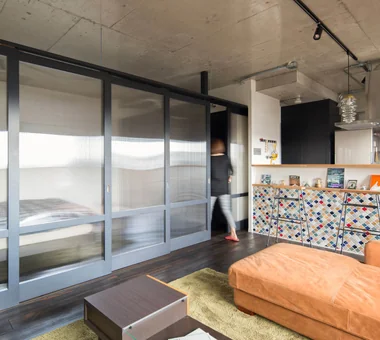
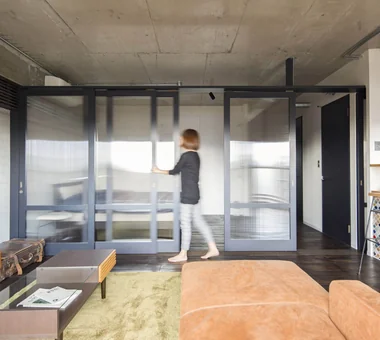
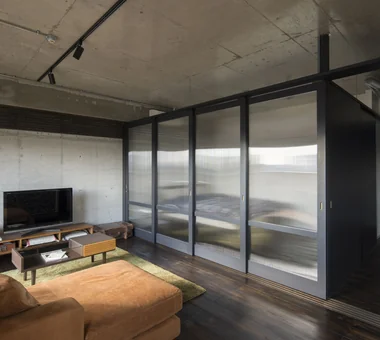
The central room is fitted with sliding doors that can be fully opened.