Choose architectural examples of Homes with Gardens and Stylish Gardens for your Personal Diagnosis,
A home-building support tool to meet design offices and builders who resonate with your sensibilities.
Emphasizing Continuity Between Garden and Interior.
By establishing a relationship that allows for daily interaction with the garden, rather than merely viewing it, gardening becomes a more integral part of everyday life. Incorporating wood decks or terraces that provide seamless, step-free access from the living and dining areas extends the living space into the garden. Connecting interior and exterior through large windows or glass doors creates a comfortable environment where greenery can be appreciated even while indoors.
Enhanced Outdoor Faucets and Workspaces.
Water is indispensable for gardening. Installing multiple outdoor faucets at various locations in the garden eliminates the hassle of dragging hoses around. Ideally, using a mixing valve that provides hot water as well ensures comfortable work during the winter months. Additionally, having a dedicated workspace for soil and fertilizer, along with garden shelves, facilitates easier transplanting and maintenance.
Tool Storage Located Near the Garden.
Gardening tools such as shovels, watering cans, and pruning shears are used frequently, so having a storage area close to the garden is highly convenient. Storage solutions vary in form, including sheds adjacent to the back door, corners of the garage, or small garden sheds. Organizing these tools on open shelves or hooks in a location where soil contamination is not a concern allows for quick access and improves work efficiency.
Planting Design That Reflects the Four Seasons.
Incorporating seasonal changes in the garden adds vibrancy to everyday life. By combining plants that showcase spring blossoms, summer greenery, autumn foliage, and the winter branch structure, the garden offers varied expressions throughout the year. Planting deciduous trees in view from windows provides functional benefits as well, creating shade in summer and allowing sunlight to penetrate in winter.
Preparation for Improving Soil Quality.
A good garden begins with good soil. In new construction, soil can become compacted due to building activities, or poor-quality soil may be backfilled. By replacing the soil with high-quality topsoil prior to planting, an environment conducive to healthy plant growth is established. Although this process requires some effort and cost, it is a crucial foundation that influences the garden's development in the long term.
Zoning Based on Sunlight Conditions.
Within the garden, there are various conditions such as areas with full sun, partial shade, and full shade. Plants that prefer sunlight, such as vegetables and roses, should be placed in sunny locations, while shade-loving plants like ferns and hostas are best situated on the north side of the building. Proper placement according to each plant’s light requirements is the key to success. Conducting a sunlight simulation of the garden during the architectural phase facilitates a smooth planting plan.
Easy Maintenance with Flower Beds and Raised Beds.
While planting directly in the ground is an option, elevating the edges of flower beds or creating raised beds (elevated planting areas) facilitates a more comfortable working posture and simplifies soil management. This design is especially considerate for those seeking to reduce strain on the lower back. Edging with materials such as bricks, wood, or railroad ties also adds visual interest and character to the garden.
A Green Carpet of Lawn Space.
Having a lawn in the garden creates a sense of visual expansiveness and a soft texture. It is also ideal as a space where children can run barefoot and pets can play. However, maintaining a lawn requires regular mowing and watering, so it is important to consider the maintenance effort when determining the area. While artificial turf is an option, the comfort unique to natural grass is unparalleled.
Enjoy Climbing Plants with Pergolas and Arches.
Incorporating pergolas and arches that support climbing plants such as roses, clematis, and wisteria adds a three-dimensional aesthetic to the garden. Installing a pergola over a deck provides shade during the summer and creates a fragrant environment during the flowering season. Green tunnels and canopies establish distinctive spaces within the garden.
Creating Nighttime Ambiance in the Garden with Lighting.
By strategically placing lighting in the garden, you can enjoy beautiful nighttime scenery. Options include uplights that illuminate trees from below and footlights that light pathways, allowing selection based on specific functions. Solar lights require no wiring and are easy to install. The presence of lighting enriches the experience of dining on the terrace at night and enhances the garden’s appearance when viewed through windows.
Enhancing Circulation with Pathways and Stepping Stones.
Creating pathways within the garden facilitates a circuit-style layout that allows visitors to enjoy walking among the plants. Constructing these paths using materials such as brick, stone, or gravel helps prevent muddy footing on rainy days and simplifies garden maintenance. Strategically arranging stepping stones in a rhythmic pattern adds an element of walking enjoyment. Designing the garden with careful consideration of circulation encourages the habit of regularly spending time outdoors in the garden.
Balancing Gardens for Viewing and Use.
A garden requires a balance between spaces designed for visual enjoyment and those intended for active use. Rather than filling the entire area with planting, zoning the garden according to function—such as leaving open spaces for tables and chairs or lawn areas where children can play—allows the whole family to engage with the garden.
Setting the Purpose and Concept of the Garden.
Clearly defining how the garden will be used is the starting point of the design process. The required size and facilities vary depending on the intended use, such as a home vegetable garden, a children's playground, a Japanese garden for viewing, or a terrace for BBQ. By establishing a concept that considers the family's lifestyle and potential future changes, the garden will become a space that can be cherished for a long time.
Circulation and Usability.
Ease of access from the interior to the garden significantly influences the frequency of garden use. By arranging direct exits from the living and dining areas, the garden can be enjoyed on a daily basis. Additionally, circulation within the garden itself is crucial; consider the placement of pathways, water faucets, and storage sheds to design an efficient and user-friendly garden.
Planting Plan and Tree Species Selection.
Selecting plants that define the garden's atmosphere requires careful consideration of the mature size of trees and the maintenance effort involved. Evergreen trees provide year-round greenery, while deciduous trees offer seasonal variation. Choosing species suited to sunlight exposure, soil conditions, and climate ensures healthy growth. The arrangement of plantings should also take into account views from interior spaces.
Water Faucets and Irrigation Equipment.
Having water faucets in the garden is convenient for watering plants and cleaning. Choose fixtures such as freestanding faucets or wall-mounted faucets, considering both functionality and design aesthetics. Installing an automatic irrigation system can reduce the effort required for watering. In cold regions, measures to prevent freezing during winter are also necessary.
Creating a Nighttime Garden Ambiance through Lighting Design.
Garden lighting is crucial for both security and aesthetic purposes. By combining uplights on trees, footlights along pathways, and bracket lights on terraces, the garden is beautifully illuminated at night. The nighttime view from indoors is captivating, and the outdoor experience is greatly enhanced.
Balance Between Privacy and Openness.
By moderately shielding views from neighboring houses and the street, you can relax in the garden with peace of mind. Privacy can be secured without creating a closed-off feeling by effectively arranging hedges, fences, and plantings. It is important to consider the flow of wind and light to maintain a balance with openness.
Selection of Paving Materials.
The choice of paving materials for approaches, terraces, and garden paths significantly influences the overall ambiance of the garden. Materials such as stone, brick, tile, gravel, and turf each impart a distinct character. It is essential to consider factors such as slip resistance and maintenance requirements when selecting materials. Combining different materials can create a dynamic and richly textured garden environment.
Treatment of Fences and Boundaries.
The boundaries with adjacent properties are planned to clearly define legal divisions while also considering design aesthetics. Various options are available, including wooden fences, aluminum fences, hedges, and block walls. Harmonizing these elements with the building's exterior creates a cohesive unity throughout the entire site.
Enjoying the Changes of the Four Seasons.
Japan is blessed with beautiful four seasons. Gardens that transform their appearance with each season—from spring blossoms, summer shade, autumn foliage, to winter snow scenes—enrich daily living. By thoughtfully balancing evergreen and deciduous trees and planting seasonal flowers and plants, one can enjoy the garden throughout the entire year.
Provision of Outdoor Storage.
Having designated storage spaces for gardening tools, hoses, fertilizers, and children's outdoor play equipment used in the garden is highly convenient. Installing sheds or storage rooms, or incorporating storage beneath benches, helps maintain a tidy garden environment. Selecting aesthetically designed storage units ensures that the garden's visual appeal is preserved.
Harmony and Unity with the Building.
By designing the garden as an extension of the building in an integrated manner, a sense of cohesion is created throughout the entire site. Selecting landscaping and paving materials that harmonize with the exterior wall colors, materials, and roof shapes achieves a cohesive and aesthetically pleasing living environment. It is also important to plan with consideration of the garden views from the interior.
Layout Anticipating Future Growth.
Plantings grow over time. Although they may be small when first planted, they will mature significantly after 10 or 20 years. It is essential to arrange them with their eventual size in mind. Consider the distance from buildings and power lines, as well as root expansion patterns, and plan the landscaping with a long-term perspective.
Q&A
Homes with Gardens|Stylish Gardens|Q&A
I want to enjoy views of the garden greenery from the living room. What kind of floor plan would be ideal?
Incorporating large windows facing the garden and aligning the floor level of the living room with the height of an adjacent wooden deck creates a seamless connection between indoor and outdoor spaces, making the garden feel like an integral part of daily living. Designing the layout so that your favorite plants are at eye level when seated on the sofa also enhances the experience.
Are there any design ideas to make working in the garden easier?
Having a utility sink and a simple workbench is convenient. Since gardening often involves kneeling, creating raised flower beds with bricks or decking materials helps reduce strain on the lower back. Installing a pergola for shade is also effective in creating a comfortable working environment.
What are some garden designs that are easy to maintain for beginners?
It is recommended to start with low-maintenance perennials and plants that are resistant to pests and diseases. Utilizing automatic irrigation systems and weed control sheets allows beginners to effortlessly maintain a beautiful garden. Additionally, planning to gradually increase the planting over time is an effective approach.
How should plumbing for garden water supply be planned?
It is convenient to install a water tap near areas with high usage frequency. Plan the location of hose reels as well, ensuring an arrangement that facilitates watering the entire garden efficiently. Installing an irrigation timer can also alleviate concerns about watering during travel.
Are there architectural strategies that can be implemented to manage pest control in garden spaces?
Designing layouts that promote good ventilation can help suppress the occurrence of pests and diseases. Additionally, creating environments that support beneficial insects and allocating space for companion planting are recommended approaches that leverage natural ecological processes for pest control.
How can I mitigate the intense summer sunlight? Is it possible to effectively utilize garden trees?
Planting deciduous trees on the south-facing side of windows is an effective strategy, as they provide shade with their dense foliage during summer and allow sunlight to penetrate indoors by shedding leaves in winter. Additionally, cultivating climbing plants such as morning glories or bitter melons as a "green curtain" can be an enjoyable and functional way to reduce solar heat gain.
What are the key considerations for selecting plants suitable for a garden?
We recommend considering a balance between evergreen and deciduous trees, selecting plants that maintain their beauty throughout the four seasons. For a specimen tree, choose species with elegant forms such as multi-stemmed Cornus kousa (Japanese dogwood) or Acer palmatum var. matsumurae (small-leaved maple). For ground cover, using plants like Hosta or Hedera can create a cohesive and harmonious appearance.
What are the important considerations in garden lighting design?
It is essential to balance the beauty and safety of the garden at night. It is recommended to illuminate a feature tree with uplights and guide pathways safely with footlights. Lighting fixtures should be selected to blend seamlessly with the garden design, avoiding excessive brightness while also enhancing the beauty of shadows and contrasts.
What are the key points for creating a garden that feels integrated with the living room?
It is important to align the floor level of the living room with the height of the garden’s wood deck or tiles. Selecting window sills with minimal thresholds further enhances this effect, allowing the interior and exterior spaces to connect seamlessly and creating a sense of openness as if the living room extends into the garden. Additionally, coordinating the style of the interior furnishings with the outdoor furniture helps to reinforce a cohesive and unified aesthetic.
What are ideas for creating a sophisticated garden on a narrow site?
Utilizing vertical space for three-dimensional planting is recommended. Through green walls, it is possible to enjoy abundant greenery even within a limited area. Additionally, using white gravel to create a sense of spatial expansion and selecting a few carefully chosen plant species can effectively establish a refined impression.
How should privacy screens and boundaries be created in a garden?
We recommend creating soft boundaries using natural materials such as hedges and lattice fences. Evergreen trees like Ilex pedunculosa (Soyo) provide effective screening with an appropriate density. Additionally, utilizing level differences to incorporate terraced planting or structural elements like pergolas can effectively establish three-dimensional privacy screens.
Is it possible to create a low-maintenance garden that is easy to care for?
Yes, it is possible. By increasing the area covered with materials such as tiles or wood decking and reducing the exposed soil, the effort required for weed control can be significantly minimized. For planting, it is advisable to select primarily low-maintenance evergreen trees and drought-tolerant perennials. Additionally, the installation of an automated irrigation system can be highly effective.
Home building starts with what you love. A place to visualize your sensibilities and achieve a lifestyle that is uniquely yours.
Pick architectural photos to automatically analyze your sensibilities. Visualize your unspoken 'likes' and find professionals who share your values.
Shape your ideal home with intuitive operations. How to enjoy Qurasuki even if it's your first time.
No special knowledge required. Just browse photos and pick what moves you to reveal your style and meet experts who can fulfill your dreams.
Save Photos You Love
Just tap '♡'. Whether you know your style or are just starting, begin by freely collecting the seeds of your ideal home.
'Auto-Analysis' to Decode Your Sensibility
Analyzes preferences from your saved photos. Uncover your 'true ideal' by visualizing the tastes you couldn't put into words.
Discover Professionals through Diagnosis
Find experts who match your sensibilities. Explore their philosophies and projects to find a partner who shares your values.
Experience Your Ideal through Events
Join open houses or events hosted by experts you like. Deepen your trust and peace of mind by experiencing actual spaces.
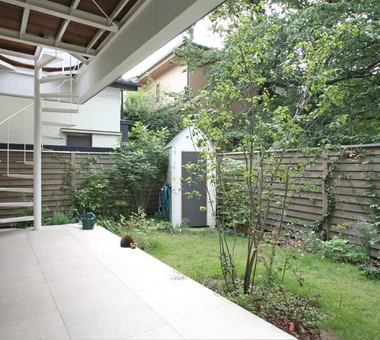
The southern garden, enclosed by wooden fencing, is dedicated to gardening; the white shed serves as storage for gardening tools.