Choose architectural examples of Industrial Design Residences and Stylish Entrances for your Personal Diagnosis,
A home-building support tool to meet design offices and builders who resonate with your sensibilities.
Industrial Design Residences|Stylish Entrances|How To
Utilizing Piping as a Design Element.
Piping, which is usually concealed, is deliberately exposed to enhance an industrial atmosphere. Black steel pipes serve as accents within the space themselves. Depending on their arrangement and color selection, the result is a refined impression rather than a cluttered one. Pursuing functional beauty is the essence of this style.
Exposed Concrete Walls and Floors.
Exposed concrete finishes are a staple of industrial design. The cold, inorganic texture creates a distinctive warmth when combined with metal and wood materials. However, because concrete tends to reflect sound, incorporating fabrics or wood elements in certain areas can enhance acoustic comfort.
Steel Sashes and Large Openings.
Steel sashes, reminiscent of factories and warehouses, are indispensable in industrial style architecture. The slender black or dark gray frames accentuate expansive glass surfaces. Creating large openings allows for an open space that integrates exterior views seamlessly. To ensure thermal insulation performance, it is essential to thoroughly consider functional aspects such as double glazing and Low-E coatings.
Iron and Steel Staircases.
Steel frame staircases are iconic elements of industrial design. By opting for open risers, sightlines are preserved, imparting a sense of lightness to the space. When the handrails are composed of simple pipes or flat steel bars, the result is a rugged yet refined aesthetic. Staircases that combine structural elegance with functionality can become a focal point within the residence.
Floors and Shelves Utilizing Reclaimed Wood and Scaffolding Boards.
The industrial style is well complemented by materials that exhibit a well-worn texture. By incorporating reclaimed wood and scaffolding boards into flooring and shelving, even newly constructed spaces can evoke a sense of accumulated time. The appeal lies in appreciating scratches, stains, and color variations as part of the material's character. However, since reclaimed wood can vary in quality, it is essential to source it from reliable suppliers and apply reinforcement or treatment as necessary.
Accent with Pendant Lighting.
Industrial pendant lights and lighting fixtures featuring Edison bulbs are indispensable elements in industrial-style spaces. The design of metal shades produces a rich, textured light. Placing them above dining tables or island kitchens creates a visual rhythm within the space.
An Open Kitchen with a Workshop-Like Ambiance.
By designing the kitchen as an open space and finishing it with inorganic materials such as stainless steel and mortar, the atmosphere resembles that of a professional culinary workspace. Omitting upper cabinets in favor of open shelving, and suspending cooking utensils on hanging rails, achieves a harmonious balance between functionality and aesthetic appeal.
Blurring the Boundary Between Interior and Exterior with a Dirt Floor Space.
The spacious dirt floor area extending from the entrance complements industrial design residences exceptionally well. Finished with mortar or tile, this dirt floor serves multiple purposes such as storing bicycles and motorcycles or facilitating DIY projects. By softening the boundary between interior and exterior, it creates a flexible space reminiscent of a warehouse or workshop within urban living environments.
Three-Dimensional Composition with Lofts and Mezzanines.
If you aim to create a space reminiscent of a renovated warehouse, consider incorporating lofts or mezzanines. Floors and railings constructed from steel frames and steel mesh impart a light and open atmosphere. When ceiling height permits, utilizing vertical space enhances the richness and spaciousness of the living environment.
Compatibility with Vintage Furniture.
Industrial spaces are well complemented by iron chairs and workbenches reminiscent of those used in old factories. Combining rugged architectural environments with well-worn furniture layers the passage of time, creating depth. Even with new furniture, selecting pieces that embody industrial design principles enhances overall cohesion.
Based on Gray and Black Tones.
In industrial design, a subdued monochromatic color scheme is fundamental. Centered on gray, black, and white, the selective addition of rust hues and aged wood tones creates a space that is both inorganic and warm. The absence of vivid colors allows the textures of materials and the interplay of light and shadow to stand out prominently.
Enjoying the Changing Light through Atriums and Skylights.
High ceilings and atriums impart a sense of openness to the industrial space. Natural light entering through the skylights interacts with the surfaces of steel and concrete, creating varying expressions throughout the day. The contrast of light and shadow breathes life into the inorganic materials. By carefully planning the daylighting strategy, a space that is both industrial and comfortable is achieved.
Ensuring Appropriate Spatial Dimensions.
The size of the entrance varies depending on the number of family members and the frequency of visitors. Generally, an area of about 3 tatami mats provides ample space for multiple people to put on and take off shoes simultaneously. The balance in depth between the dirt floor area and the hall area is also important; securing sufficient space in each ensures a functional and comfortable entrance.
Storage Capacity Planning.
In addition to accommodating the shoes of all family members, it is essential to provide space for storing umbrellas, coats, keys, and small accessories. Enhancing the shoe closet allows the entrance area to remain neat and organized. By incorporating adjustable shelves, the storage can accommodate footwear of varying heights, such as boots and sneakers. Including a dirt-floor storage area further enhances functionality.
Selection and Texture of Flooring Materials.
The entrance floor should be selected with materials that combine durability, ease of maintenance, and aesthetic appeal. Options such as tiles, natural stone, and mortar finishes each have distinct characteristics. Slip resistance is also a critical factor, especially to ensure safety on rainy days. The material of the threshold step is another important element that significantly influences the overall ambiance.
Design and Performance of Entrance Doors
The entrance door serves as the face of a residence. When selecting a door, it is important to consider not only its aesthetic design but also its thermal insulation performance, security features, and natural lighting capabilities. The usability varies depending on the door type, such as double doors, single swing doors, or sliding doors. It is recommended to choose the door’s color and material in harmony with the building’s exterior appearance.
Creating Atmosphere Through Lighting Design.
Entrance lighting requires both practical brightness and a welcoming warmth for guests. By combining downlights, wall-mounted bracket lights, and footlights, a space with beautiful shadows and depth is achieved. Incorporating motion sensor lighting enhances convenience during arrival and nighttime use.
Considerations for Ventilation and Air Circulation.
The entrance area is prone to accumulating moisture and odors. By incorporating windows to enable natural ventilation and appropriately positioning the supply and exhaust vents of a 24-hour ventilation system, a consistently fresh environment can be maintained. Ventilation of the shoe closet is particularly important as a measure against odors.
Optimization of Circulation Flow.
By streamlining the circulation paths from the entrance to each room, daily living becomes more comfortable. Determine the layout by anticipating the family’s lifestyle patterns, such as circulation routes to the living room and the washroom. Additionally, a "shoe cloakroom" that allows passage through the mudroom into the interior is popular as an efficient circulation solution.
Design Quality of Wall Surfaces.
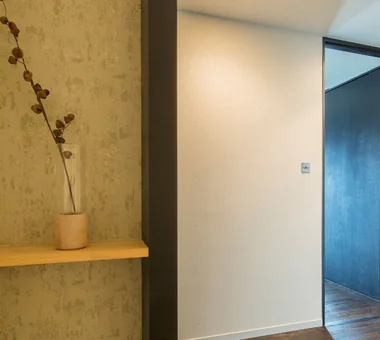
The entrance wall surfaces can be enhanced with accent wallpaper, tiles, or eco-friendly ceramic tiles to create visual interest. Additionally, incorporating niches to display seasonal flowers or decorative items can add vibrancy to the entryway. However, excessive ornamentation may result in a cluttered appearance, so maintaining a balance with simplicity is essential.
Placement and Effects of Mirrors.
Installing a full-length mirror in the entrance area allows for last-minute appearance checks before going out. Additionally, mirrors have the effect of visually expanding the space. By embedding them into the wall surface or using mirrored doors for the shoe closet, a clean and streamlined appearance can be achieved. The location should be chosen so that the mirror is not visible from outside when the entrance door is opened.
Installation of Benches and Seating.
Having benches or seating in the entrance area facilitates putting on and taking off shoes, creating a user-friendly design for elderly individuals and pregnant women. When custom-built benches are installed, the space underneath can also be utilized for storage. Additionally, it serves as a convenient place for guests to set down their belongings.
Considerations for Security.
The entrance is the key point of a home's security. Consider adopting features such as dimple keys, electronic locks, and double locking mechanisms. Additionally, having an intercom with recording capabilities allows for monitoring visitors even when absent, providing peace of mind. Installation of security cameras can also be planned as needed.
Connection with the Entire House.
By arranging the layout so that the line of sight extends from the entrance toward the depths of the house, the space can be perceived as larger than its actual size. Positioning the entrance to allow views of a courtyard or inner garden, or to sense the presence of the living room, contributes to a feeling of security upon returning home. Maintaining privacy while providing an appropriate sense of openness is a key element in creating a sophisticated entrance.
I want to create a space with a rugged and unadorned atmosphere, like a factory or warehouse.
Techniques such as deliberately exposing structural steel frames, leaving concrete walls unfinished, and finishing floors with mortar can be considered. Expressing the inherent texture of materials without concealment is key to capturing the appeal of industrial design.
What strategies can be employed in industrial design to avoid an overly inorganic or cold atmosphere?
Incorporating materials such as wood and leather in select areas can add warmth to the space. Additionally, the strategic placement of greenery creates a contrast with inorganic materials, enabling the creation of more inviting and engaging environments.
What are suitable flooring options for an industrial style?
Typical choices include mortar finishes, concrete, and tiles; however, it is also important to consider the impact on comfort and physical strain. We recommend incorporating measures to enhance comfort, such as placing rugs in certain areas or considering underfloor heating.
I admire black iron staircases and handrails. What options are available?
While prefabricated products are available, custom fabrication by a metal workshop is recommended. From simple designs to slightly decorative ones, they can be freely designed to match the spatial concept. Intentionally leaving welding marks can create a more raw and industrial atmosphere.
I want the kitchen to have a functional design similar to a commercial kitchen.
A kitchen composed of stainless steel counters and cabinets, which are highly durable and easy to clean, becomes the centerpiece of an industrial-style space. Installing subway tiles on the walls and utilizing open shelving to display utensils is also a classic approach.
I want to furnish with industrial-style furniture. What kind of pieces would suit this style?
Tables combining reclaimed wood and iron, vintage leather sofas, and stools reminiscent of those used in factories are highly compatible. Enjoying this style also involves seeking unique, one-of-a-kind furniture at flea markets, not just relying on new items.
What design strategies can be employed to create a spacious and open feeling the moment one enters the entrance?
It is essential to create visual 'lines of sight' that extend through the space. For example, installing fixed windows beyond the entrance to showcase a courtyard garden or greenery, or using glass doors that connect to the living room. Additionally, incorporating a double-height ceiling can be highly effective. Placing a large mirror on a wall also helps by reflecting the space, thereby visually enhancing the sense of depth.
What are the key points to consider when selecting flooring materials for the entrance?
Durability, aesthetics, and ease of cleaning are important factors. Natural stone, tiles, and exposed concrete each have their own characteristics. It is also advisable to consider slip resistance and the material's ability to conceal dirt, selecting a material that suits your household's usage style.
I want to keep the entrance area neat and tidy. What should I consider when planning a shoes-in closet?
It is important to first make a list of not only shoes but also items used outdoors such as umbrellas, strollers, and outdoor gear that you intend to store. Additionally, to prevent moisture and odors from accumulating, consider incorporating ventilation fans or windows, and using wall materials with humidity control and deodorizing properties. Designing the closet with a pass-through circulation path will further enhance convenience.
Is a handwashing station necessary at the entrance?
Considering contemporary lifestyles, it is a convenient feature to have. Even a compact handwashing basin is effective for hygiene management upon returning home and for accommodating guests. Due to constraints related to plumbing and drainage systems, it is recommended to consider this at the initial design stage.
What are the benefits of placing a bench in the entrance, and what are some tips to make it look stylish?
Having a bench in the entrance is not only convenient for sitting while putting on boots or shoes, but it also serves as a handy spot to temporarily place shopping bags or other items. It creates a sense of spaciousness within the area. A built-in, simple bench that appears to extend from the wall with wooden elements offers a minimalistic and refined aesthetic. Coordinating the bench material with the flooring, for example, enhances a cohesive and unified look.
Please explain the appeal of an entrance with an extended earthen floor area, known as a 'doma genkan,' and share ideas for its utilization.
The doma genkan offers the advantage of a semi-outdoor space where one can enter with shoes on, allowing for versatile use. For example, it provides a convenient area to store bicycles or strollers without concern, and serves as a practical space for maintaining outdoor hobby equipment. Additionally, it can be enjoyed as a reception area for guests, enabling relaxed conversation without formality—enhancing the overall living experience.
Home building starts with what you love. A place to visualize your sensibilities and achieve a lifestyle that is uniquely yours.
Pick architectural photos to automatically analyze your sensibilities. Visualize your unspoken 'likes' and find professionals who share your values.
Shape your ideal home with intuitive operations. How to enjoy Qurasuki even if it's your first time.
No special knowledge required. Just browse photos and pick what moves you to reveal your style and meet experts who can fulfill your dreams.
Save Photos You Love
Just tap '♡'. Whether you know your style or are just starting, begin by freely collecting the seeds of your ideal home.
'Auto-Analysis' to Decode Your Sensibility
Analyzes preferences from your saved photos. Uncover your 'true ideal' by visualizing the tastes you couldn't put into words.
Discover Professionals through Diagnosis
Find experts who match your sensibilities. Explore their philosophies and projects to find a partner who shares your values.
Experience Your Ideal through Events
Join open houses or events hosted by experts you like. Deepen your trust and peace of mind by experiencing actual spaces.
Entrance. Reclaimed existing dead space to create a cloakroom and a recessed niche.