Choose architectural examples of A Residence for Relaxation and Stylish Exteriors for your Personal Diagnosis,
A home-building support tool to meet design offices and builders who resonate with your sensibilities.
A Residence for Relaxation|Stylish Exteriors|How To
Designing Healing Through All Five Senses.
Relaxation involves not only the visual sense but also tactile, auditory, olfactory, and, in some cases, gustatory senses. Materials with a pleasant texture, a quiet acoustic environment, natural scents, and comfortable temperatures—all contribute to a space that considers every sense. Creating an environment attentive to all five senses fosters profound healing. The perspective that architecture is experienced by the entire body is essential in designing relaxation spaces.
The Comfort of Being Enveloped by Natural Materials.
The warmth and gentleness inherent in natural materials such as solid wood, plaster, Japanese paper, and igusa rush grass create a calming effect on the human spirit. These materials breathe, regulate humidity, and develop character over time. Being surrounded by materials free of chemical substances establishes an environment conducive to both physical and mental relaxation. The creation of a healing space begins with the careful selection of materials.
Soft Lighting with Indirect Illumination.
Direct light can cause visual discomfort; therefore, indirect lighting is fundamental in relaxation spaces. By reflecting light off walls and ceilings, a gentle and enveloping brightness is created. Incorporating dimming functions allows adjustment of light intensity according to the time of day and mood. The quality of light significantly influences psychological comfort.
Experiencing Nature Through Greenery Beyond the Window.
The greenery visible through the window serves as the most accessible and effective element for relaxation. Whether it is garden trees, potted plants, or distant mountain ranges, the presence of green within the field of view naturally soothes the mind. By strategically planning the position and size of windows to incorporate greenery, a sense of connection with nature is fostered indoors.
Blocking Noise for a Pleasant Quietude.
Quietness is indispensable for relaxation. It is essential to consider the acoustic environment by incorporating high sound insulation performance to block external noise and strategically placing sound-absorbing materials to reduce reverberation within the interior. In a tranquil space, one can even hear their own breathing and heartbeat, allowing for profound moments of introspection. Silence itself is an element that must be intentionally designed.
Transforming the Bathroom into a Sanctuary of Healing.
The bathroom, where one soothes the fatigue of the day, serves as the centerpiece of a relaxation space. Carefully arranged elements that engage the five senses include a spacious bathtub, a courtyard garden visible through the window, natural materials such as wood and stone, and indirect lighting. A semi-open-air bath setup that allows the sensation of outdoor air is also a luxurious feature. Aim to create a special place where bathing becomes a meditative experience.
Warmth from the Floor with Underfloor Heating.
When the feet feel cold, it is difficult to relax regardless of how high the room temperature is. Underfloor heating provides ideal warmth by radiating heat that penetrates the body’s core, and because it does not generate airflow, it minimizes air dryness. The comfort of being able to walk barefoot even in winter brings a sense of relaxation to everyday life.
Design Elements for Enjoying Aromas and Fragrances.
Fragrance is a powerful relaxation element that directly influences memory and emotions. By incorporating counters for aroma diffusers and coordinating scent diffusion with ventilation plans, a pleasant aroma can permeate the entire space. The design of fragrance is also an integral part of creating a relaxing environment.
Curves and Soft Forms.
Spaces dominated by straight lines and right angles subconsciously generate tension. Incorporating curves into walls or creating arched openings introduces softness and a sense of embrace within the space. Rounded shapes possess the ability to gently welcome occupants and promote relaxation.
Space for Meditation and Yoga.
Having a dedicated space to harmonize the mind and body allows for regular relaxation time in daily life. Even a small area with tatami mats or cork flooring, provided it receives natural light through windows and remains quiet, is sufficient. Consider designing a place where one can engage in meditation, yoga, stretching, or other activities that foster self-reflection.
Unified with Earth Tone Colors.
Earth tones such as beige, brown, green, and gray, which evoke the imagery of soil and vegetation, promote a sense of calm. Vivid colors and strong contrasts can be stimulating and are therefore avoided in relaxation spaces, which are instead unified with gentle color schemes. The choice of colors determines the healing effect of the space.
Incorporating the Sound of Water.
The sounds of water, such as babbling brooks and rainfall, have a high relaxation effect. By installing a small water basin in the garden or placing a fountain indoors, the sound of water can be integrated into daily life. Experiencing water through both visual and auditory senses provides profound tranquility.
Refining Proportions.
By consciously considering the building's vertical-to-horizontal ratio and the balance of openings, a sense of calmness and elegance is imparted to the overall facade. Even simply standardizing the size and arrangement of windows can significantly alter the visual impression. It is advisable to repeatedly review physical models and elevation drawings during the design phase to verify the overall balance. Particular attention should be paid to the alignment of windows when viewed from the front and the depth of eaves, as these elements are difficult to modify later and therefore require careful consideration.
Achieving Cohesion by Limiting the Number of Colors.
By restricting the colors of exterior walls, roofs, and window frames to approximately two to three hues, a unified and harmonious facade can be achieved. While using multiple colors can express individuality, it may also result in a lack of cohesion. Carefully selecting a combination of base and accent colors allows for a sophisticated appearance that remains timeless. It is recommended to consider harmony with the surrounding landscape when making color choices.
Commitment to Material Texture.
The texture of exterior wall and roofing materials significantly influences the building's overall impression, even from a distance. For siding, factors such as the depth of relief and pattern selection are crucial, while for plaster finishes, the texture of the surface treatment plays a key role. Attention to these details creates a refined atmosphere. It is advisable to review actual installation samples under natural sunlight and consider their aging characteristics to make informed choices that minimize future regrets.
Creating Shadows and Depth with Eaves and Canopies.
Moderate eaves and canopies add dimensionality and character to a building’s exterior. They are also practical for controlling solar exposure and preventing rain intrusion. While minimalist designs with zero eaves have gained popularity recently, incorporating eaves with a projection of around 90 cm can effectively create a sense of depth through shadow play. It is essential to plan these elements in accordance with the local climatic conditions.
Simplify the Roof Form.
Complex roof forms are distinctive, but if a refined impression is desired, simple gable, mono-pitched, or flat roofs are effective. A clean roof form enhances the overall silhouette of the building, making it appear more elegant. However, due to their simplicity, details such as pitch and eave junctions become more prominent, so careful attention to precision in these areas is essential.
Creating a Cohesive Integration Between Exterior Structures and the Building.
By designing exterior elements such as gates, fences, and approaches in an integrated manner with the building, a unified sense of coherence is established across the entire site. Utilizing the same materials for fences as those used on the exterior walls, or harmonizing color schemes, achieves a cohesive and aesthetically pleasing residential environment. Although exterior landscaping is often deferred, planning it concurrently with the building allows for a more refined and sophisticated outcome.
Creating Nighttime Ambiance Through Lighting Design.
The nighttime appearance of a building is significantly influenced by the strategic placement of lighting. By thoughtfully arranging elements such as eave lighting, approach lights, and uplights on landscaping, a captivating ambiance distinct from the daytime character is achieved. Illuminating areas around the entrance and the building’s façades, in particular, enhances the sense of depth and volume, thereby conveying a refined and sophisticated architectural identity.
Consideration of the Placement of Rain Gutters and Air Conditioning Piping.
Although often overlooked, the placement of rain gutters, outdoor air conditioning units, and piping significantly impacts the building's exterior appearance. Positioning these elements so they are less visible from the front and selecting rain gutters that match the exterior wall color can maintain a clean and cohesive facade. By addressing the locations of these installations from the design stage, a visually appealing exterior can be achieved.
Considering the Continuity of Openings.
When multiple windows are present, arranging them in a regular pattern or aligning their heights creates a rhythmically pleasing and aesthetically attractive facade. Additionally, vertically aligning the window positions on the first and second floors imparts a clean and orderly impression. However, it is also important to balance this with interior functionality, so it is advisable to make decisions in close consultation with the designer.
Create Distinctive Features Around the Entrance.
The entrance serves as the face of the building. By thoughtfully designing elements such as the canopy, the materials and colors of the door, and the finishes of the surrounding walls, one can express the home's individuality and elegance. It is not necessary to be ostentatious; a subtle sense of distinction can be achieved through the careful use of materials and the refinement of detailing. Since this is the first area visitors see, it is essential to plan it with great care.
Consider the Segmentation of Volume.
Compared to a large box-shaped building, segmenting the volume can create a lighter and more refined impression. For example, changing the exterior wall materials between the first and second floors or introducing recesses and projections in certain areas can produce a richly textured facade. However, overdoing it may result in a cluttered appearance, so maintaining a sense of balance is crucial. It is advisable to review and evaluate the design using models and perspectives during the process.
Harmonizing with the Surrounding Environment.
A refined exterior does not necessarily mean an extravagant design. The ideal appearance is one that harmonizes with the surrounding streetscape and natural environment while exhibiting a tasteful individuality. When regional landscape guidelines are available, it is advisable to refer to them, aiming for a façade that blends seamlessly with the locale yet distinctly reflects your unique character.
Q&A
A Residence for Relaxation|Stylish Exteriors|Q&A
What are the fundamental principles for creating spaces with a high relaxation effect?
The fundamental principle is to effectively incorporate natural light and greenery to create an environment conducive to both physical and mental relaxation. Through open spatial design and interiors that emphasize the warmth of natural materials, it is possible to realize a healing residence that frees occupants from everyday stress.
Please explain the key points for selecting colors that have a relaxation effect.
It is important to choose colors based on earth tones and natural hues that psychologically evoke a sense of calm. Greens, beiges, and soft blues, for example, promote parasympathetic nervous system activity and enhance relaxation. Strong, vivid colors should be avoided, and a gentle gradient approach is recommended.
Please tell me about lighting design suitable for a healing space.
An ideal lighting environment centers on indirect lighting that provides a soft and warm ambiance. Selecting lighting fixtures with dimming capabilities allows for brightness adjustments according to the time of day and intended use. Additionally, flickering light reminiscent of candlelight has a calming effect on the mind.
Are there any floor plan ideas that are effective for stress relief?
It is important to clearly separate public and private spaces and to secure a quiet area where one can be alone. By incorporating dedicated zones such as a reading nook or a meditation space that promote mental calmness, you can create a living environment that allows for regular refreshment and stress reduction.
Please explain how to design a bathroom that promotes relaxation.
By using natural materials and creating an atmosphere reminiscent of a hot spring, one can effectively soothe daily fatigue. In addition to selecting materials such as cypress wood and granite, incorporating a small garden or courtyard visible from the bathroom enhances the bathing experience, transforming it into a more enriching relaxation time.
How can plants be effectively arranged?
The key is to naturally position plants with air-purifying and aromatherapeutic properties along the daily circulation paths within the living space. By incorporating not only ornamental plants but also creating herb gardens by the windows and implementing green walls, it is possible to realize a soothing environment where greenery is constantly experienced.
What are the key design elements to achieve a refined exterior appearance?
Proportion and balance are essential elements. The harmonious arrangement of window placement and size, eave projections, and the ratio of exterior wall materials creates an elegant and cohesive facade. It is recommended to limit the color palette to within three colors and to pay close attention to the texture when selecting materials.
Please explain how to enhance the exterior design through window placement.
Rhythm and order are essential in window placement. Aligning the central axes of windows across each floor and maintaining consistency in the size of openings create a cohesive and aesthetically pleasing façade. Additionally, balancing functionality and design by avoiding excessive window proliferation and ensuring appropriate placement contributes to a refined architectural expression.
Are there any tips to avoid mistakes when choosing exterior colors?
It is important to prioritize harmony with the surrounding environment. We recommend using basic colors such as white, gray, or beige as the primary palette, while keeping accent colors to a small area. Additionally, considering the effects of aging, selecting colors that do not easily show dirt is a practical decision.
What are the key points to create a refined impression around the entrance?
The entrance serves as the "face" of the building and is an area that should be designed with great care. Details such as the ceiling height of the porch, the projection depth of the eaves, the material of the entrance door, and the texture of the handle all play a decisive role in shaping the overall impression. Harmonizing the paving materials of the approach with the surrounding landscaping is also essential in creating a cohesive spatial experience.
Please explain the lighting design that influences the impression of the building's exterior.
Exterior lighting that defines the nighttime appearance plays a crucial role in beautifully highlighting the building's contours. By using uplights to illuminate walls and landscaping, or incorporating indirect lighting under eaves, it is possible to create an appealing ambiance distinct from the daytime facade.
How can one achieve a distinctive exterior design while maintaining harmony with the surrounding neighborhood?
It is important to express individuality based on an understanding of the architectural context of the area. Fundamental elements such as roof pitch and eave overhangs should be aligned with the surrounding environment, while originality can be introduced through color schemes, materials, and window shapes. This approach allows for the expression of the resident’s character while respecting the surrounding context.
Home building starts with what you love. A place to visualize your sensibilities and achieve a lifestyle that is uniquely yours.
Pick architectural photos to automatically analyze your sensibilities. Visualize your unspoken 'likes' and find professionals who share your values.
Shape your ideal home with intuitive operations. How to enjoy Qurasuki even if it's your first time.
No special knowledge required. Just browse photos and pick what moves you to reveal your style and meet experts who can fulfill your dreams.
Save Photos You Love
Just tap '♡'. Whether you know your style or are just starting, begin by freely collecting the seeds of your ideal home.
'Auto-Analysis' to Decode Your Sensibility
Analyzes preferences from your saved photos. Uncover your 'true ideal' by visualizing the tastes you couldn't put into words.
Discover Professionals through Diagnosis
Find experts who match your sensibilities. Explore their philosophies and projects to find a partner who shares your values.
Experience Your Ideal through Events
Join open houses or events hosted by experts you like. Deepen your trust and peace of mind by experiencing actual spaces.
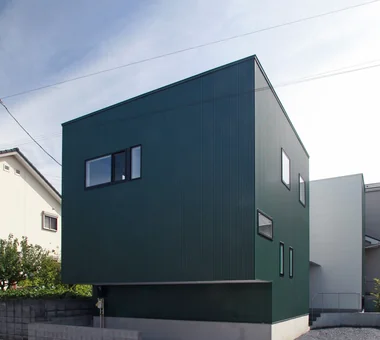
The entrance is positioned near the center of the elongated north-south site.