Choose architectural examples of Homes Designed for Living with Cats and Stylish Dining Spaces for your Personal Diagnosis,
A home-building support tool to meet design offices and builders who resonate with your sensibilities.
Homes Designed for Living with Cats|Stylish Dining Spaces|How To
Incorporating Vertical Movement with Catwalks.
Cats are animals that prefer vertical movement. By installing catwalks along the walls, cats can navigate elevated spaces, alleviating lack of exercise and stress. When positioned facing an atrium, these catwalks become prime vantage points from which cats can survey the entire home. Designing spaces that understand feline behavior supports a healthy living environment.
Incorporating Scratching Areas Throughout the Space.
Cats have a natural instinct to scratch. By applying scratching carpets or sisal fabric to sections of walls, or by allocating space for scratching posts, damage to furniture and walls can be minimized. Designing with consideration for the cat's innate behaviors is key to harmonious coexistence.
Scratch-Resistant Wall and Flooring Materials.
Cats have sharp claws that can damage wallpaper and flooring. Installing wainscoting with wooden panels or using hard flooring materials can make scratches less noticeable. Additionally, selecting materials that are easy to clean with wiping simplifies daily maintenance.
Dedicated Entrance and Exit for Cats.
Installing cat doors that allow free access to courtyards and balconies helps reduce stress for cats. Doors compatible with microchip recognition can prevent intrusion by other cats. Please also consider measures to prevent escape.
Arrangement and Ventilation of Toilet Spaces.
Installing the cat's litter box in a quiet area slightly removed from human traffic paths allows the cat to use it comfortably and securely. Ideal locations include corners of washrooms or other spaces where privacy is maintained. Incorporating ventilation fans and odor-absorbing wall materials can effectively address odor control.
Double Doors for Escape Prevention.
To prevent escape from the entrance, it is effective to install an inner door in the entrance hall, creating a double-door system. By closing the first door before opening the second, the risk of cats darting outside is reduced. Such safety measures contribute to peace of mind.
Escape Prevention Net for Balconies
When access to the balcony is possible, installing escape prevention nets or fences allows for safe sunbathing. Since cats may jump from high places, robust measures are essential. This ensures a safe environment where they can enjoy the outdoor air.
Storage Space for Cat Supplies.
Cat supplies encompass a wide range of items, including food, treats, toys, litter accessories, and carriers. By providing dedicated storage, these essentials can be accessed promptly and efficiently. This approach also maintains a clean and organized appearance, ensuring a composed environment when hosting guests.
Dedicated Spaces for Multi-Cat Households.
When keeping multiple cats, it is essential to provide each with a secure and comfortable space. Installing multiple cat towers and catwalks, or creating resting areas in separate rooms, helps maintain appropriate distances between the cats. Designing spaces that consider the individual personalities of each cat is crucial.
Storage Planning to Prevent Accidental Ingestion.
Cats are naturally curious and at risk of ingesting small objects. It is crucial to design storage with secure closures to prevent items such as buttons, rubber bands, and threads from falling onto the floor. Meticulous consideration is required to ensure the safety of cats.
Careful Selection of Indoor Plants.
Many indoor plants are toxic to cats. It is essential to avoid plants that pose a danger if ingested by cats, such as lilies, pothos, and aloe. Maintaining a balance between enjoying greenery and ensuring the safety of cats is crucial.
Creating Playful Spaces.
Providing a spacious area where cats can play with toys such as cat teasers and balls increases their physical activity. Allocating a corner of the living room as a dedicated play area or incorporating catwalks that allow cats to run freely promotes a healthy lifestyle. Play is essential for maintaining the physical and mental well-being of cats.
Spatial Design Based on Table Size.
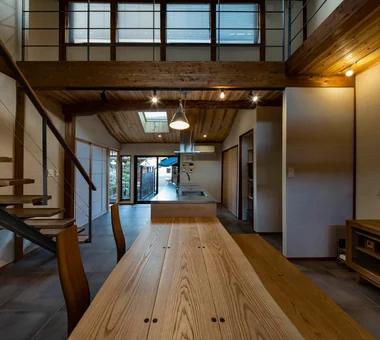
It is essential to anticipate the size of the dining table to be used and ensure adequate clearance for surrounding circulation paths and chair movement. Generally, a minimum width of approximately 75 cm behind chairs is required for people to pass comfortably, while a width of around 90 cm provides greater ease of movement. When the table size is predetermined, spatial design can be tailored accordingly.
Height and Arrangement of Pendant Lights
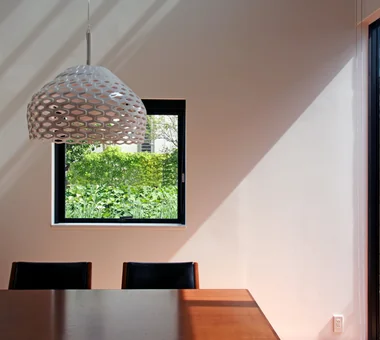
Pendant lights above the dining table serve as a crucial accent element within the space. It is common practice to install them at a height of approximately 60 to 80 cm from the tabletop; however, adjustments may be necessary depending on ceiling height and the design of the lighting fixtures. When arranging multiple pendants in a row, careful consideration should be given to their overall balance.
Circulation Designed for Chair Movement
It is essential to arrange the space so that actions such as pulling out dining chairs to sit and standing up during meals can be performed smoothly. Particular attention should be paid to ensuring that the serving route from the kitchen and the access route to the dining area do not intersect, enhancing comfort during mealtime. Planning should also take into account the number of family members and their seating positions.
Incorporating Natural Light
Arranging the dining area to enjoy breakfast in bright natural light creates a pleasant start to the day. Positioning the dining space near east- or south-facing windows allows ample morning sunlight to be experienced. In cases where the west-facing sunlight is too intense, it is advisable to plan for adjustments using curtains or eaves.
Spatial Relationship with Storage.
Having storage units such as a china cabinet or serving counter near the dining area shortens the circulation path for serving and clearing, enhancing efficiency. Placing storage between the kitchen and dining area, or providing storage on the dining side, creates a functional and user-friendly space.
Selection of Flooring Materials and Maintenance Considerations.
The dining area is prone to food spills and water exposure. While the warmth of solid wood flooring is appealing, choosing water-resistant finishes or materials such as tiles that are highly resistant to moisture is also a viable option. Select materials by carefully balancing ease of maintenance with tactile quality.
The View Beyond the Line of Sight.
When dining, being able to see the greenery and sky outside the window enriches the mealtime experience. Additionally, layouts that allow visibility of family members cooking in the kitchen or making eye contact with those in the living room foster communication. Careful planning of sightline orientations is essential.
Ceiling Height and Spatial Expansion.
By partially raising the ceiling height in the dining area, an open and airy dining space can be created. Conversely, deliberately lowering the ceiling to produce a more intimate atmosphere is also effective. When installing pendant lights, it is important to select fixtures that balance well with the ceiling height.
Harmony of Color and Materials.
By harmonizing the materials and colors of tables and chairs with the finishes of walls and floors, a cohesive and aesthetically pleasing dining space is achieved. For wooden tables, one can either match the tone with the flooring or deliberately combine contrasting materials to create visual interest, allowing for choices that align with the overall interior design direction.
Flexible Table Arrangement.
Having a space that allows for extending or rearranging the table during visits or when the family grows is highly convenient. While it may typically accommodate four people, an extension table can increase seating to six, and having sufficient clearance to move the table enables adaptation to various scenarios.
Window Placement and Its Relationship with the Exterior.
Arranging the dining area to provide access to the garden or terrace expands the ways in which meals can be enjoyed. On pleasant days, dining outdoors or opening the windows to create a semi-outdoor space allows for adaptable use according to the season and climate. It is important to coordinate the position of floor-to-ceiling windows with the table layout during the planning process.
Utilization Methods for Wall Surfaces
Incorporating shelving or displaying artwork on dining room walls introduces character to the dining space. Additionally, converting a portion of the wall into a chalkboard or magnetic board allows it to function as a family message center. A wall design that combines both functionality and aesthetics enriches the dining environment.
Q&A
Homes Designed for Living with Cats|Stylish Dining Spaces|Q&A
Do you have any ideas to address a cat's lack of exercise?
Installing catwalks near the ceiling or creating cat steps on walls can encourage vertical movement. Placing a climbing pole on a central pillar in the living room or arranging bookshelves in a staircase configuration to form an athletic course for the cat is also effective. Additionally, providing a prime spot by the window where the cat can observe the outdoors is recommended.
What considerations should be taken into account in the indoor environment to manage a cat's health?
To maintain appropriate humidity levels, install air conditioners with humidity control functions or humidifiers. Store small items that cats might accidentally ingest out of their reach, and select houseplants that are non-toxic to cats. It is important to provide both a sunny window area where cats can bask and a cool space to avoid heat during the summer.
What are the optimal conditions for locating a cat litter box?
The ideal location is a quiet area with minimal foot traffic that is also easy to clean. Utilizing corners of the washroom or under-stair dead spaces is recommended, with a ventilation fan installed nearby. To prevent cat litter scatter, it is advisable to provide a litter mat.
What should be considered in spatial design when housing multiple cats?
It is essential to design a layout that allows each cat to have its own territory to prevent stress among them. Incorporate elevated refuge areas and circulation paths that enable visual connection without direct face-to-face encounters. Additionally, provide one more litter box and feeding station than the number of cats to ensure all cats can live comfortably. Creating such an environment results in a harmonious living space that benefits both humans and cats.
What safety measures should be implemented to prevent cats from escaping?
Install double doors or pet gates at the entrance, and equip windows with secure nets or grilles. For windows facing the courtyard, consider creating a dedicated cat entrance to allow safe outdoor access within a controlled area. Another effective solution is to construct a fully enclosed balcony or terrace space, known as a "catio," surrounded by nets or fences extending up to the ceiling.
Are there any design strategies to prevent cats from feeling stressed when guests visit?
Dedicated refuge rooms or hidden spaces within closets are created exclusively for cats, ensuring they always have a secure and comforting retreat. In the living area, a cat tower is installed at an elevated position, allowing cats to observe visitors from above while maintaining a sense of control. Incorporating small rooms or niches along the circulation path from the entrance to the living room provides additional escape options, effectively reducing feline stress during visits.
What are the key points to creating a comfortable and sophisticated dining space?
Lighting design, particularly the selection and placement of pendant lights illuminating the dining table, is crucial. A pleasant light that enhances the appearance of food and softly illuminates family members’ expressions is essential. Hanging the light approximately 70 to 80 cm above the table surface prevents excessive light diffusion and fosters an intimate atmosphere at the dining area. Highly designed lighting fixtures can also serve as focal points within the space.
What are the key points to consider when selecting a dining table to create a sophisticated dining space?
Appropriate size and material are crucial elements relative to the spatial scale. Solid wood tables exhibit a beautiful patina over time, while glass tops can create a light and airy impression. The design of the legs also significantly influences the overall ambiance of the space; therefore, it is advisable to select them in consideration of harmony with other furniture. Additionally, extendable tables that can adapt to changes in family composition are practical solutions.
Please share tips on how to avoid mistakes when selecting dining chairs.
It is essential to consider a balance between comfort, design, and maintenance. Chairs should have a structure that minimizes fatigue even after prolonged sitting, and the height and proportion relative to the dining table are also important. For upholstery materials, it is advisable to choose fabrics that are easy to clean in case of spills or opt for chairs with removable covers. Selecting designs with a cohesive aesthetic enhances the overall quality of the space.
Are there effective ways to utilize the wall surfaces in a dining area?
Incorporating display shelves or niches allows you to showcase your favorite tableware or seasonal ornaments. Additionally, a corkboard can serve as a family message center. However, it is important to maintain a balanced level of decoration to preserve the dining space's sense of calm and comfort.
How can a small dining area be made to look neat and tidy?
By limiting the colors and materials used, even a compact space can convey a sophisticated impression. A round table facilitates easy movement flow and creates a soft, inviting atmosphere. Incorporating a mirror on the wall enhances the sense of depth, making the limited space feel more expansive.
What are the key considerations for window placement to enjoy views from the dining area?
It is important to consider the height and direction of the line of sight when seated. Arranging windows so that the garden or exterior views naturally enter the field of vision enriches the dining experience. Additionally, east-facing windows that capture the morning sun and the relationship with landscaping that reflects seasonal changes contribute to creating a comfortable and inviting space.
Home building starts with what you love. A place to visualize your sensibilities and achieve a lifestyle that is uniquely yours.
Pick architectural photos to automatically analyze your sensibilities. Visualize your unspoken 'likes' and find professionals who share your values.
Shape your ideal home with intuitive operations. How to enjoy Qurasuki even if it's your first time.
No special knowledge required. Just browse photos and pick what moves you to reveal your style and meet experts who can fulfill your dreams.
Save Photos You Love
Just tap '♡'. Whether you know your style or are just starting, begin by freely collecting the seeds of your ideal home.
'Auto-Analysis' to Decode Your Sensibility
Analyzes preferences from your saved photos. Uncover your 'true ideal' by visualizing the tastes you couldn't put into words.
Discover Professionals through Diagnosis
Find experts who match your sensibilities. Explore their philosophies and projects to find a partner who shares your values.
Experience Your Ideal through Events
Join open houses or events hosted by experts you like. Deepen your trust and peace of mind by experiencing actual spaces.
The front-facing window is a favorite spot for the cats, who often perch on the windowsill to observe the outdoors.