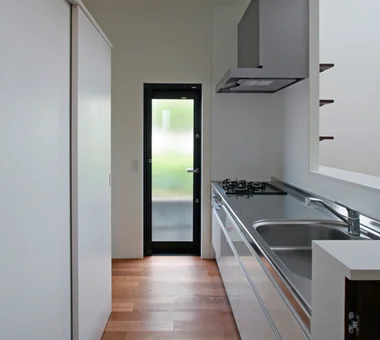
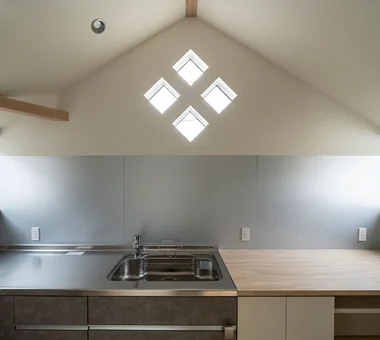
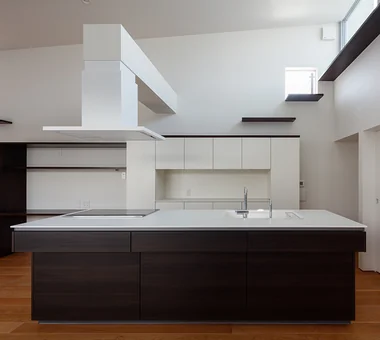
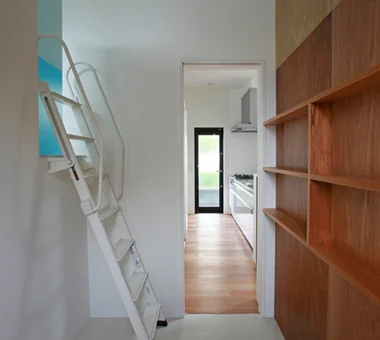
Choose architectural examples of Homes Featuring Courtyards and Stylish Kitchens for your Personal Diagnosis,
A home-building support tool to meet design offices and builders who resonate with your sensibilities.
Homes Featuring Courtyards|Stylish Kitchens|How To
A Configuration Closed to the Outside and Open to the Inside.
Houses with courtyards are characterized by a configuration that is closed to the exterior and open toward the interior. This form allows for a private yet open living environment. Even in densely populated urban areas, the presence of a courtyard enables the incorporation of natural light, ventilation, and greenery.
A Sense of Openness with Unobstructed Sightlines.
The presence of a courtyard allows views of the sky and greenery beyond the rooms, creating unobstructed sightlines. This visual effect of the courtyard imparts a sense of spatial expansion that exceeds the actual floor area. The relationship between opposing rooms is also enriched through the courtyard, generating depth and transparency within the space.
Creating Pathways for Airflow.
By installing windows opposite each other across the courtyard, pathways for airflow are established. This promotes natural ventilation, allowing for a cooler indoor environment even during summer. By opening and closing windows according to wind direction, ventilation can be effectively controlled.
Experience the Seasons Through Plantings.
By planting trees and flowering plants in the courtyard, residents can intimately experience the changes of the seasons. The presence of greenery visible from living rooms, dining areas, and bedrooms enriches daily life with a sense of vitality. Even a small courtyard, with just a single tree, establishes a meaningful connection to nature.
Expanding Space through Circulation Pathways.
Rooms are arranged around a courtyard, creating a continuous circulation path that connects the space three-dimensionally. Walking along the corridors while overlooking the courtyard generates an engaging experience of moving through each room. This permeability introduces variation and rhythm into daily living.
Drainage Plan for the Courtyard.
It is fundamental to provide an appropriate slope on the floor surface to reliably direct rainwater towards drains and rainwater inlets. When aligning the interior floor level with the courtyard, drainage channels should be installed around the courtyard perimeter to prevent rainwater from entering the interior spaces. It is recommended to ensure drainage capacity that accounts for intense localized rainfall events and to design the system for ease of regular maintenance and cleaning.
Connecting Interior and Exterior with a Deck.
By installing a wooden deck facing the courtyard, a strong sense of unity between the interior and the courtyard is achieved. Connecting it seamlessly with the living room allows the deck to function as an extension of the living space, making the area feel more spacious than it actually is. Spending time on the deck, enjoying views of the greenery in the courtyard, becomes a daily luxury.
Ensuring Privacy and Security.
It is essential to enclose the courtyard with fences and vegetation to prevent visibility from the outside. Additionally, from a security perspective, it is necessary to securely lock windows and doors facing the courtyard. The enclosed nature of the courtyard allows for a safe and open living environment. Balancing security and openness is crucial.
A Courtyard Enjoyable Even on Rainy Days.
The courtyard retains its charm even on rainy days. Listening to the sound of rain while observing the wet landscaping offers a moment of quiet solace. Spending time in rooms facing the courtyard, immersed in the experience of rain, is a luxurious pleasure. The courtyard’s appeal lies not only in the changing seasons but also in the dynamic variations of weather.
Family Connections Through the Courtyard.
From each room surrounding the courtyard, the presence of family can be felt. The family members in the living room, working in the study, and the sounds of children playing in their rooms. The courtyard serves as an intermediary, enabling a lifestyle that maintains an appropriate sense of distance while fostering connection.
Ensuring Vantage Points Overlooking the Courtyard.
By creating viewpoints on the second floor or at elevated positions that allow a comprehensive overview of the entire courtyard, the spatial expansiveness of the courtyard is accentuated. Thoughtful placement of windows in stairwells and corridors enables occupants to regularly enjoy panoramic views of the courtyard.
A Mindset to Enjoy Maintenance.
The courtyard planting requires regular care. Watering, pruning, and leaf cleanup involve effort, but it is precisely this effort that brings the joy of nurturing the courtyard. Time spent living in dialogue with the garden enriches the spirit. A mindset that embraces the effort supports a long-lasting relationship with the courtyard.
Optimization of the Work Triangle.
The triangular workflow connecting the sink, stove, and refrigerator is referred to as the "work triangle." It is considered efficient when the total length of these three sides falls within approximately 3.6 to 6 meters. If the points are too close, workspace becomes insufficient; if too far apart, excessive movement occurs. Therefore, it is advisable to arrange these elements with an appropriate balance in distance to ensure optimal functionality.
Counter Height and Depth.
The height of the kitchen counter should be tailored to the user's height. Generally, the guideline is "height ÷ 2 + 5 cm," but it is recommended to experience and verify the most comfortable height in showrooms or similar settings. The standard depth is approximately 60 to 65 cm; however, if a larger workspace is desired, a depth of around 75 cm may be used.
Enhanced Storage Planning.
The kitchen accommodates a vast array of items, including tableware, cooking utensils, ingredients, and appliances. By clearly defining storage locations for each category, an efficient and aesthetically pleasing kitchen environment is achieved. It is essential to plan storage based on usage frequency and weight, placing frequently used items within easy reach and heavier items in lower compartments.
Ventilation Planning and Selection of Exhaust Fans.
Efficient removal of smoke and odors during cooking is essential for a comfortable kitchen environment. Range hoods should be evaluated not only for their exhaust capacity but also for noise reduction and aesthetic design. In the case of open kitchens, it is particularly worthwhile to consider high-performance ventilation systems that effectively minimize the spread of odors into the living and dining areas.
Trash Bin Placement Space
Often overlooked, the location of trash bins is crucial. It is important to secure sufficient space to accommodate separated waste and to plan their placement so as not to obstruct circulation paths. Integrating pull-out trash bins under counters or situating them within pantries helps maintain a clean and organized kitchen environment.
Balancing Functionality and Ambiance in Lighting Design.
Separating task lighting that brightly illuminates work surfaces from ambient lighting that shapes the overall atmosphere allows for a harmonious integration of functionality and aesthetics. Incorporating multiple lighting elements—such as installing LED lights beneath hanging cabinets and adding pendant lights as accents—creates a kitchen that is both beautiful and highly functional.
Material Selection and Maintainability.
When selecting materials for countertops, door panels, and flooring, consider not only aesthetics but also maintainability. Stainless steel offers high durability, while engineered marble provides a wide variety of colors and patterns. Choosing door panel materials that are easy to clean will facilitate daily upkeep. It is essential to select materials with consideration for their aging characteristics over time.
Selection and Usability of Faucets
There are various types of faucets, including single-lever, touchless, and integrated water purifier models. Choosing a faucet that balances usability and design enhances daily operational efficiency. Hose pull-out faucets are particularly convenient for cleaning the sink and filling large pots.
Planning for Pantries and Rear Storage
When kitchen and rear storage alone are insufficient, incorporating a pantry proves effective. Consolidating food stock, appliance storage, and trash bin placement in a single area allows the main kitchen space to remain uncluttered and functional. The size of the pantry and the depth of its shelves should be planned according to the items intended for storage.
Choosing Between Open-Plan and Closed Kitchens.
If you wish to cook while communicating with your family, an open-plan kitchen is suitable; if you prefer to focus solely on cooking, a closed kitchen is more appropriate. Even with an open-plan design, adjusting the counter height to conceal the workspace or using hanging cabinets to create a gentle partition can provide a moderate degree of separation.
Selection of Flooring Materials and Comfort Underfoot.
In kitchens where prolonged standing is required, comfort underfoot is also crucial. Considering flooring materials with cushioning properties or the installation of underfloor heating can create a kitchen environment that reduces fatigue. Additionally, it is important to choose materials that are easy to maintain, even when exposed to splashes of water or oil.
Designing with Future Changes in Mind.
Flexibility to accommodate changes in family composition and lifestyle is essential. Priorities shift over time—for example, prioritizing storage during child-rearing years and emphasizing shorter circulation paths in later life. By securing space for additional storage and designing for easy replacement of equipment, the kitchen can remain functional and adaptable over the long term.
Q&A
Homes Featuring Courtyards|Stylish Kitchens|Q&A
What are the advantages of incorporating a courtyard?
The primary advantage is achieving a sense of openness while maintaining privacy. It allows for large windows without concern for neighboring views, enabling natural light and ventilation to reach all living spaces. Additionally, it fosters a close connection with the changing seasons and integrates a rich natural environment into the home, even within urban settings.
How can privacy and openness be balanced in a courtyard?
Privacy can be managed by balancing the building height and landscaping to control sightlines. Lower areas are screened with vegetation or latticework to provide visual barriers, while upper portions open toward the sky. This approach maintains privacy while creating a courtyard space that feels open and unconfined.
What are the key considerations when selecting plantings for a courtyard?
It is important to choose plantings that are easy to maintain and do not adversely affect the building. Select species with shallow root systems that will not damage the building’s foundation, as well as trees that shed minimal leaves to prevent clogging of drainage systems. Additionally, by considering views from the interior and planning plantings that display beautiful seasonal variations throughout the year, the appeal of the courtyard can be maximized.
Is it possible to incorporate a courtyard in a compact house?
Even a small light court or atrium can achieve significant effects. It brings light and ventilation to the surrounding rooms and creates a sense of visual spaciousness. Additionally, when combined with a double-height space, it provides a three-dimensional sense of openness even within a limited footprint.
What points should be considered in the drainage planning of a courtyard?
It is fundamental to provide an appropriate slope on the floor surface to reliably direct rainwater toward drains or rainwater inlets. When the indoor floor level is aligned with the courtyard level, installing drainage channels around the courtyard perimeter is essential to prevent rainwater from entering the interior space. It is also recommended to ensure sufficient drainage capacity to accommodate heavy rainfall events and to design the system for ease of regular maintenance and cleaning.
Please tell us about the facilities for parties and dining utilizing the courtyard.
Outdoor power outlets, water taps, and appropriate lighting enhance the outdoor living experience in the courtyard. Additionally, by minimizing the circulation distance from the kitchen and providing a roofed terrace area, the courtyard can be enjoyed as a functional space regardless of weather conditions.
What are the key layout points for achieving a refined kitchen?
It is essential to base the design on the work triangle concept—optimizing the placement of the sink, stove, and refrigerator—to enhance operational efficiency while balancing aesthetic appeal. An island kitchen layout offers a sense of openness, whereas a peninsula layout improves efficiency. Storage should primarily consist of concealed cabinetry, and countertops should be designed to minimize clutter, maintaining a clean and streamlined appearance.
Which is recommended: an open-plan kitchen or a closed kitchen?
The optimal choice depends on your family's lifestyle. An open-plan kitchen is recommended for those who prioritize communication with family members, while a closed kitchen is suitable for those who prefer to focus on cooking or wish to conceal the kitchen area when entertaining guests.
What are the key points to consider in kitchen lighting design?
It is essential to balance sufficient brightness for work surfaces with the creation of aesthetically pleasing shadows. Differentiate the use of task lighting for handwork, base lighting for overall illumination, and accent lighting to set the ambiance. In particular, for island kitchens, careful attention should be paid to the height and placement of pendant lights to harmonize functionality and design.
Are there methods to integrate refrigerators, which often convey a sense of everyday life, seamlessly into the spatial design?
Selecting furniture-style refrigerators that allow the application of the same paneling as the kitchen cabinetry on their doors, or opting for built-in refrigerator models, helps them blend harmoniously into the space, creating a clean and cohesive impression. Additionally, designing the refrigerator alcove recessed into the wall to reduce its visibility from the front is an effective strategy.
What are the key strategies for skillfully balancing "display storage" and "concealed storage" to maintain a sophisticated kitchen?
Beautiful cookware and favorite tableware used daily are showcased as "display storage" on open shelves or glass-fronted wall cabinets, serving as accent elements within the space. Meanwhile, appliances, food stocks, and other items that tend to reveal everyday life are neatly stored as "concealed storage" in large pantries or cupboards with doors. This approach is essential for achieving both aesthetic appeal and functional convenience.
Regarding the popular "pantry," what type is best for creating a refined impression in the kitchen?
A separate "walk-in" pantry that is not visible from the kitchen completely conceals everyday clutter, making it easier to maintain a clean and streamlined space. On the other hand, a "wall-mounted" pantry that utilizes part of a wall can create a sophisticated look by matching the door design with the kitchen cabinetry or surrounding walls, effectively minimizing the visual presence of the storage. In both cases, having adjustable shelving is convenient as it allows flexibility to accommodate changes in stored items.
Home building starts with what you love. A place to visualize your sensibilities and achieve a lifestyle that is uniquely yours.
Pick architectural photos to automatically analyze your sensibilities. Visualize your unspoken 'likes' and find professionals who share your values.
Shape your ideal home with intuitive operations. How to enjoy Qurasuki even if it's your first time.
No special knowledge required. Just browse photos and pick what moves you to reveal your style and meet experts who can fulfill your dreams.
Save Photos You Love
Just tap '♡'. Whether you know your style or are just starting, begin by freely collecting the seeds of your ideal home.
'Auto-Analysis' to Decode Your Sensibility
Analyzes preferences from your saved photos. Uncover your 'true ideal' by visualizing the tastes you couldn't put into words.
Discover Professionals through Diagnosis
Find experts who match your sensibilities. Explore their philosophies and projects to find a partner who shares your values.
Experience Your Ideal through Events
Join open houses or events hosted by experts you like. Deepen your trust and peace of mind by experiencing actual spaces.
Custom cabinetry behind the kitchen houses appliances, and a door is installed at the entrance to restrict cat access.