Choose architectural examples of Homes with Kitchen Gardens and Stylish Washrooms for your Personal Diagnosis,
A home-building support tool to meet design offices and builders who resonate with your sensibilities.
Homes with Kitchen Gardens|Stylish Washrooms|How To
Utilize Sunny Areas for a Vegetable Garden.
For cultivating vegetables, an ideal condition is receiving more than six hours of sunlight per day. Securing a garden space in sunlit locations such as south-facing yards or balconies is the first step toward successful cultivation. When determining the building layout, plan to ensure adequate sunlight exposure for the vegetable garden.
Water Faucet Arrangement Facilitating Easy Watering.
Considering daily watering, having an external water faucet near the vegetable garden is convenient. Placing multiple faucets at key points in the garden or creating locations for hose reels enhances operational efficiency. Using a mixing faucet with hot water availability also makes winter tasks more comfortable.
Space Dedicated to Soil Preparation
High-quality vegetables originate from fertile soil. Planning for areas that accommodate compost and manure storage, spaces for soil and fertilizer storage, and workstations for soil preparation—though often unseen—significantly influence the harvest outcome. Consider allocating a corner of the garden or a section of the storage shed to create dedicated spaces for these tasks and storage needs.
Easier Management with Raised Beds.
Raised beds, constructed above ground level, allow for gardening without the need to bend over, thereby reducing physical strain. By framing the bed with wood or bricks and filling it with high-quality soil, you create a vegetable garden with excellent drainage and ease of maintenance. This approach also enhances the design aesthetic, contributing positively to the overall landscape of the garden.
Storage Location for Garden Tools
Garden tools such as shovels, hoes, watering cans, and stakes are surprisingly numerous. Providing a shed or storage room, or installing storage shelves near the back entrance, allows for easy access when needed. Since these tools often get dirty with soil, it is important to plan storage in a location that is easy to clean.
A Circular Lifestyle with Composting.
Having a compost system that converts kitchen waste and fallen leaves into fertilizer allows you to reduce waste while producing high-quality compost. By securing a designated space in a corner of the garden and enhancing the visual appeal with screening or enclosures, the compost area becomes unobtrusive. Embracing a circular lifestyle is a sustainable choice that benefits both the environment and household finances.
Enjoying Fragrance in the Herb Garden.
Herbs such as basil, rosemary, and mint are easy to cultivate and versatile for culinary use. Growing them near the kitchen or in window planters allows for convenient harvesting at any time. Gardening while enjoying their aromas provides a soothing and restorative experience.
Year-Round Cultivation in Greenhouses and Small Vinyl Houses.
For those who wish to fully enjoy gardening, consider installing greenhouses or small vinyl houses. These structures enable vegetable cultivation and seedling growth even during winter. It is important to secure installation space in a corner of the site and to position the structure with consideration for sunlight exposure and access to water supply.
Structure Allowing Installation of Insect-Repellent Nets and Support Poles.
To protect vegetables from pests, insect-repellent nets and support poles are essential. Designing the raised bed with a structure that accommodates the erection of support poles around its perimeter or provides a frame for netting facilitates easier management. A well-planned garden layout ensures a reliable harvest.
Home Vegetable Garden Enjoyable for Children
Growing vegetables together with children also serves as food education. By incorporating mini raised beds at child-height and planters within easy reach, children can actively participate. From sowing seeds to harvesting, it creates opportunities for family bonding and shared enjoyment.
Vegetable Space Suitable for Shaded Areas
Even in locations where sunlight is limited, there are vegetables such as lettuce, spinach, and herbs that can thrive in partial shade. By thoroughly understanding the sunlight conditions across the entire site and strategically placing vegetables according to their light requirements, it is possible to make effective use of limited space. The key to enjoying a kitchen garden lies in persistent ingenuity and adaptation.
Storage and Processing of Harvested Produce.
Having a dedicated space for storing abundant harvested vegetables and processing them into jams or pickles enhances the enjoyment of the kitchen garden. Designing areas such as a pantry, earthen floor space, or a workbench near the service entrance with post-harvest activities in mind enriches the overall garden lifestyle.
Ensuring Appropriate Space.
The size of the washroom is determined by the width of the washbasin and the placement of the washing machine. Generally, an area of about 2 tatami mats allows for comfortable use by one person. For larger families or when the space is shared with a dressing room, an area of approximately 2.5 to 3 tatami mats provides additional room. Consider the size with the morning rush hour in mind.
Selection and Dimensions of Washbasins
The specifications of a washbasin, including the size and depth of the basin, type of faucet, and countertop height, directly impact its usability. Custom-built washbasins can be tailored to fit the space perfectly and allow for flexible storage design. Even with prefabricated units, there is a wide range of width and height options available, so selections should be made according to the user’s height and intended use.
Enhancement of Storage Planning.
Items used in the washroom, such as towels, detergents, cosmetics, and hairdryers, are diverse. By strategically arranging storage solutions to organize these items, a clean and orderly space can be maintained. There are many opportunities for innovation, including utilizing storage under the washbasin, wall-mounted storage, and a combination of open shelving and enclosed cabinets.
The Relationship Between Lighting Design and Mirrors.
In bathroom lighting design, it is essential to illuminate the face brightly. Arranging light sources not only above the mirror but also on both sides minimizes shadows, facilitating makeup application and shaving. Mirror cabinets with integrated lighting are also functional and popular.
Shared or Separate Dressing Room?
Whether to combine the washroom and dressing room or to separate them depends on the family composition and lifestyle. Separating them allows the washroom to be used even during bathing, which is convenient, but requires more space. In the case of a combined space, it is important to secure space for a laundry basket and changing clothes.
Flooring Materials and Waterproofing.
The washroom is an area prone to water splashes, so it is essential to select flooring materials with waterproof properties. Cushion flooring and tiles are suitable options. Tiles offer a sense of luxury but require maintenance of the grout joints. It is also important to consider slip resistance when choosing materials.
Ventilation Planning and Moisture Control
The washroom is a space prone to moisture accumulation. It is important to incorporate windows to enable natural ventilation and to appropriately position exhaust fans. In particular, for dressing rooms that are combined with bathrooms, sufficient ventilation capacity is essential. Utilizing wall materials with moisture-regulating properties is also effective as a measure against humidity.
Optimization of Circulation Paths.
The washroom serves multiple functions such as washing, changing clothes, and laundry. By thoughtfully arranging the washbasin, washing machine, and bathroom to prevent overlapping circulation paths, the space becomes more user-friendly. Particular attention should be given to the layout planning to accommodate peak usage times, especially during busy mornings.
Washing Machine Area and Surrounding Facilities.
Incorporating shelving above the washing machine and planning storage for detergents and fabric softeners facilitates smoother laundry operations. Additionally, having a work counter adjacent to the washing machine is convenient for sorting and temporarily placing laundry. When indoor drying is anticipated, consider installing a drying rod.
Selection and Maintenance of Wall Materials.
For bathroom walls, it is essential to choose materials that are resistant to water splashes and humidity. Around the washbasin, use water-resistant materials such as tiles or kitchen panels, while other walls can be finished with wallpaper, allowing for selective application. Ease of cleaning should also be taken into consideration.
Design Tailored to Family Composition.
When there are small children, it is effective to allocate space for step stools and install towel racks at heights accessible to children. For households with elderly members, considerations for safety such as the installation of handrails and entrances without steps are essential. Planning should also account for potential future changes.
Consideration for Privacy.
Windows in the washroom are essential for natural lighting and ventilation; however, attention must also be given to preventing external visibility. Privacy can be ensured through the use of frosted glass, patterned glass, or blinds. Additionally, family privacy should be taken into account by carefully considering the placement of doors and the presence or absence of locks.
Q&A
Homes with Kitchen Gardens|Stylish Washrooms|Q&A
What are the key site conditions and layout considerations suitable for a home vegetable garden?
It is important to select a location with good sunlight exposure and well-drained soil, while minimizing the distance from the kitchen for efficient workflow. An ideal site faces south and receives at least six hours of direct sunlight daily. Additionally, the layout should consider access to water supply facilities and storage for gardening tools, creating an environment that facilitates enjoyable and convenient daily gardening activities.
How can an efficient vegetable garden be created in a limited space?
Utilizing vertical cultivation and planter gardening enables effective three-dimensional use of space. By creatively employing balconies, rooftops, and walls for herb gardens, it is possible to grow a variety of vegetables even in small areas. Additionally, implementing crop rotation plans to avoid continuous cropping obstacles becomes more manageable.
What facilities and design strategies are implemented to enjoy a vegetable garden throughout the seasons?
By installing greenhouses and cold frames, vegetable cultivation can be sustained even during the winter months. Additionally, securing a compost area for soil preparation and a seedling nursery space allows for a well-planned home gardening lifestyle throughout the year.
How do you consider the integration between the kitchen and the harvested produce?
It is convenient to have a kitchen door that provides direct access from the vegetable garden, as well as an outdoor sink for immediately washing freshly harvested vegetables. Additionally, an ideal kitchen design includes a spacious countertop for preparing preserved foods and a dedicated area for drying herbs, enabling the optimal utilization of freshly picked produce.
What are some ideas for harmonizing home vegetable gardens with residential design?
Planning the vegetable garden area as an integral part of a beautiful landscape, incorporating not only vegetables but also flowers and aromatic herbs to create a vibrant garden design, is highly effective. Utilizing elements such as wooden raised beds and stone pathways can achieve a functional and aesthetically pleasing vegetable garden space.
How can one create an environment for an organic home vegetable garden?
Enhancing the composting system and implementing pest and disease control methods without relying on chemical pesticides are essential. Installing composters to produce high-quality fertilizer from kitchen waste, along with incorporating flower beds that attract beneficial predatory insects, can facilitate a sustainable home vegetable garden that leverages natural ecological cycles.
I want to create a sophisticated bathroom similar to those found in hotels. Where should I start?
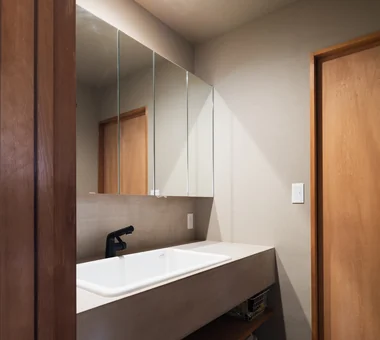
Focusing on the vanity countertop, mirror, and lighting design can dramatically transform the ambiance of the space. For example, selecting a vessel-type sink placed atop the countertop and installing a large mirror on the wall can establish a refined foundation. Incorporating indirect lighting above and below the mirror will diffuse soft illumination, creating an elegant, hotel-like atmosphere.
Are there any tips for selecting washbasins and faucets to create a refined impression?
Attention to detail in design enhances the overall quality. For example, choosing a washbasin with a thin-edged, sharp profile imparts a modern aesthetic. Opting for wall-mounted faucets instead of those mounted on the countertop prevents water accumulation at the base, facilitates easier cleaning, and results in a visually streamlined appearance.
Please share storage strategies to keep a bathroom, which tends to show signs of daily use, neat and organized.
The key is to enhance "concealed storage." A "mirror cabinet," where the entire area behind the mirror serves as storage, is ideal for hiding items such as toothbrushes and cosmetics. Additionally, it is important to plan storage locations in advance by incorporating large drawers under the countertop and situating a linen closet nearby for towels and clothing changes.
What are moisture-resistant and stylish materials suitable for bathroom walls and flooring?
For walls, tiles, resin-based panels, and moisture-regulating wall materials are recommended. For flooring, selecting slip-resistant and water-resistant tiles or cushioned vinyl flooring ensures safety and functionality while achieving a highly designed washroom environment.
How should lighting be planned for a washroom?
To avoid shadows when grooming in front of the mirror, it is important to arrange lighting that evenly illuminates the entire face. Lighting positioned on both sides or above the mirror can achieve a flattering effect. Incorporating dimmable features is convenient, allowing adjustments according to the time of day and specific uses.
How should the color scheme for a washroom be planned?
It is common to base the color scheme on a clean, white palette, incorporating elegant accent colors. By coordinating with mirrors and lighting, a bright and open atmosphere can be created. Maintenance considerations are also important; therefore, it is recommended to select colors that do not easily show dirt.
Home building starts with what you love. A place to visualize your sensibilities and achieve a lifestyle that is uniquely yours.
Pick architectural photos to automatically analyze your sensibilities. Visualize your unspoken 'likes' and find professionals who share your values.
Shape your ideal home with intuitive operations. How to enjoy Qurasuki even if it's your first time.
No special knowledge required. Just browse photos and pick what moves you to reveal your style and meet experts who can fulfill your dreams.
Save Photos You Love
Just tap '♡'. Whether you know your style or are just starting, begin by freely collecting the seeds of your ideal home.
'Auto-Analysis' to Decode Your Sensibility
Analyzes preferences from your saved photos. Uncover your 'true ideal' by visualizing the tastes you couldn't put into words.
Discover Professionals through Diagnosis
Find experts who match your sensibilities. Explore their philosophies and projects to find a partner who shares your values.
Experience Your Ideal through Events
Join open houses or events hosted by experts you like. Deepen your trust and peace of mind by experiencing actual spaces.