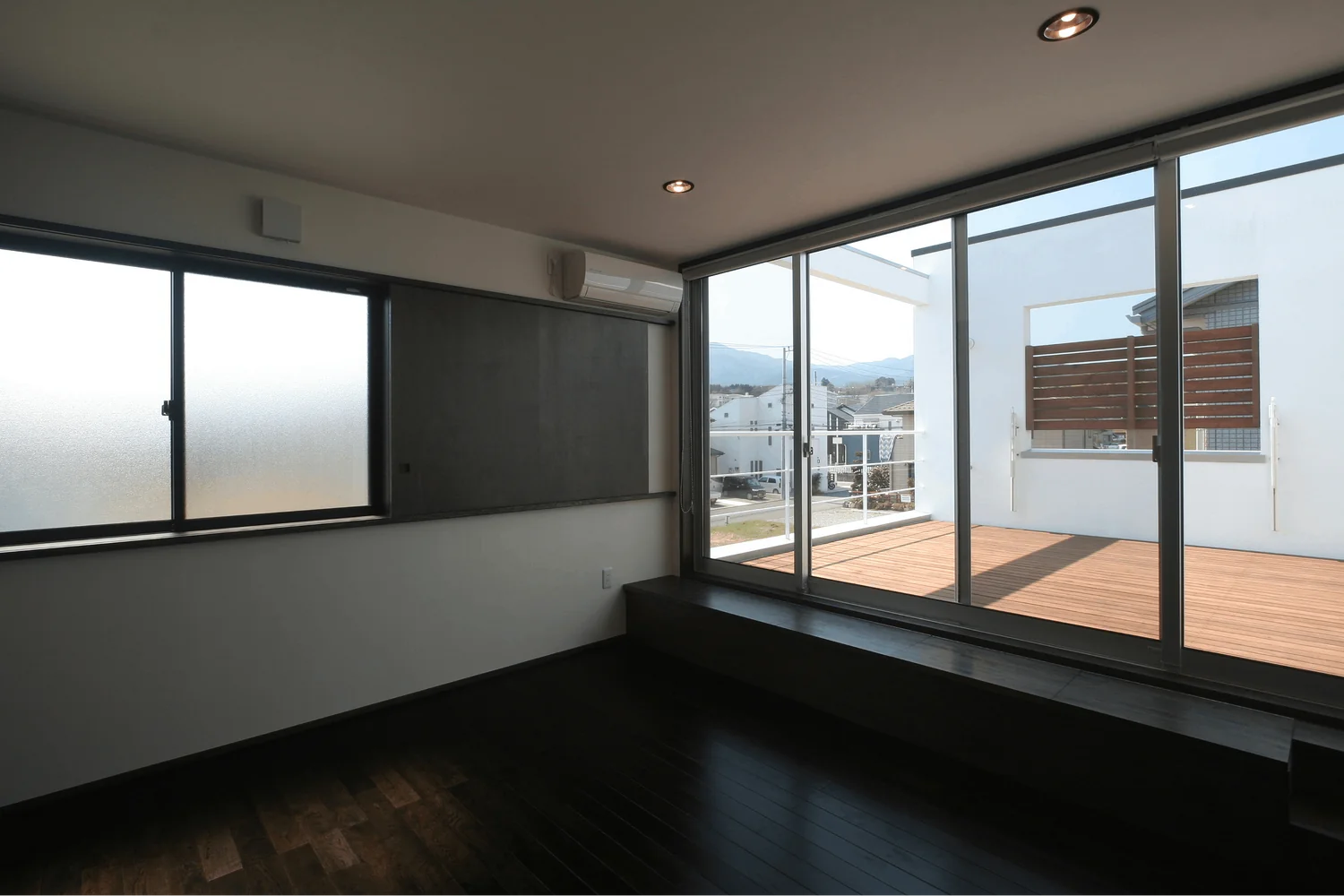
Tenkosha First-Class Architects Office
Stylish Bedrooms|Key Points for Home Building|Practical Strategies for Creating Spaces that Enhance Sleep Quality
Author: Qurasuki Editorial Department
The bedroom is the most personal space dedicated to recovering from the fatigue of the day. Environmental factors such as natural lighting, ventilation, and humidity control are directly linked to sleep quality. Additionally, thoughtful arrangements of furniture, color selection, and lighting design cultivate an atmosphere conducive to mental and physical reset. Because this space is used during limited hours, its environment fundamentally supports the overall quality of life for the entire family.
Appropriate Room Size and Bed Arrangement.
The size of the bedroom is determined by the size and arrangement of the bed. For a double bed, approximately 6 tatami mats (about 9.7 square meters) is a guideline, while queen or king sizes require around 8 tatami mats (about 13 square meters). It is essential to ensure sufficient space around the bed for circulation and storage. Positioning the bed by the window or against the wall affects both the functionality and ambiance of the room. Consider the circulation flow upon waking when deciding the bed placement.
Balance of Light Blocking and Light Control.
An appropriate lighting environment is essential for high-quality sleep. While blackout curtains and blinds effectively block external light, it is ideal to have a system that allows awakening with natural morning light. Careful consideration of the window orientation and size, combined with the use of shoji screens or roller shades as needed, enables controlled modulation of light according to the time of day.
Creating a Relaxing Atmosphere Through Lighting Design.
In bedroom lighting, ambiance is more important than brightness. The main ceiling light should feature dimming capabilities, while bedside areas should be equipped with reading lamps or floor lamps to allow for functional versatility. Incorporating indirect lighting creates a space where one can relax under soft illumination. Additionally, the color temperature of light before bedtime significantly affects sleep quality.
Storage Planning and Closets.
Having ample storage to organize clothing, bedding, and seasonal items helps maintain a tidy bedroom. Efficient storage can be achieved by adjoining a walk-in closet or incorporating built-in wall storage. Closing the closet doors conceals everyday clutter, thereby maintaining an appropriate separation from the sleeping area.
Thermal Comfort in the Indoor Environment.
The temperature and humidity levels in the bedroom are directly linked to the quality of sleep. Enhancing insulation performance ensures a warm environment in winter and a cool one in summer. Arranging spaces to avoid direct airflow from air conditioning units and using wall materials with moisture-regulating properties contribute to maintaining a comfortable humidity environment throughout the year.
Color Planning and Psychological Effects.
The color scheme of a bedroom influences psychological relaxation effects. By using subdued tones such as beige, gray, and blue as the base colors, a tranquil environment is created. It is important to avoid overly stimulating colors and select hues that are gentle on the eyes. Employing an accent color on a single wall can also express individuality.
Window Placement and Incorporation of Views.
Waking up to sunlight streaming through the windows in the morning is a pleasant experience. Installing east-facing or south-facing windows encourages a natural awakening. Additionally, having greenery visible outside the windows provides a visual soothing effect. However, it is essential to carefully consider external sightlines; therefore, privacy should be ensured through the use of curtains, blinds, or landscaping.
Selection of Flooring Materials and Tactile Experience
The flooring material in the bedroom is crucial for the tactile sensation and warmth experienced when walking barefoot. Solid wood flooring offers a warm feel, while carpets provide softness and sound absorption. Cork tiles excel in thermal insulation and acoustic performance. Maintenance requirements vary depending on the material, so it is advisable to select flooring that aligns with your lifestyle.
Ceiling Height and Sense of Calm.
In bedrooms, lowering the ceiling height compared to the living room can create a cocooning sense of calm. A ceiling height of approximately 2.4 meters is sufficient when lying on the bed and looking upward. Conversely, if a sense of openness is desired, incorporating variations such as a sloped ceiling in certain areas can be effective.
Ventilation and Air Quality.
Introducing fresh air during sleep is crucial for health. While an arrangement that allows natural ventilation through openable windows is ideal, concerns about security may necessitate the use of small or high-level windows. Proper placement of intake vents for a 24-hour ventilation system ensures a consistently fresh air environment.
Storage and Management of Bedding
When using futons, securing adequate storage space is essential. Incorporating built-in closets or large-capacity wardrobes facilitates smooth seasonal bedding changes. Even with beds, having dedicated storage space for sheets and spare blankets is advantageous.
Adapting to Future Changes.
The use of the bedroom evolves in accordance with changes in life stages. After children become independent, the space may be converted into separate rooms for each spouse or serve as a combined study, reflecting shifts in function. By incorporating partition-ready substrates or designing the room with a generous layout, the bedroom can flexibly accommodate future alterations.






 House with Outdoor Living Space|Introduction to Architecture Firms|Living Where Interior and Exterior Become One
 Modern Residences|Introduction to Architecture Firms|The Fusion of Rationality and Beauty
 Garage Houses|Introduction to Architecture Firms|A Home for Living with Your Beloved Car
 Stylish Living-Dining-Kitchen Space|Key Points for Home Building|Spatial Composition and Planning Tips to Enhance Family Time
 House with Second-Floor Living Room|Introduction to Architecture Firms|Open Views, Transformed Living
 Concrete Houses|Introduction to Architecture Firms|Architecture That Speaks Through Materiality