Kumi Inoue Architects
Homes Embracing Natural Light|Case Studies|How the Day's Light Shapes Your Life: Creating Rich Expressions of Natural Light Through Orientation, Materials, and Openings
Author: Qurasuki Editorial Department
Natural light is more than just brightness; it's a material that shapes the character of a home over time. The slanted morning light highlights the texture of the floor, the diffused light of midday softly fills the room, and the warm tones of evening bring a sense of calm.
By combining window placement suited to the orientation, techniques like clerestory windows or light courts to draw light deeper inside, and diffusion on reflective surfaces, you can deliver light to the far corners of a room while reducing glare. The choice of furniture and flooring also directly impacts how light is perceived, making it crucial to consider architecture and interior design as a unified whole.

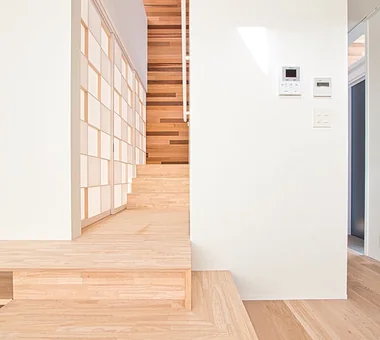
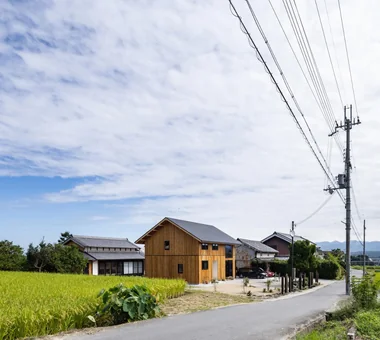
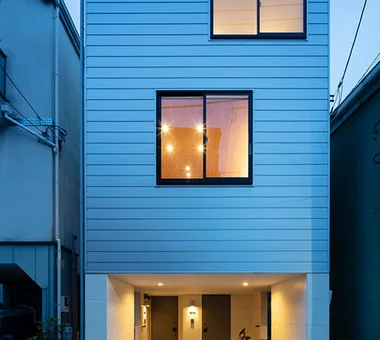
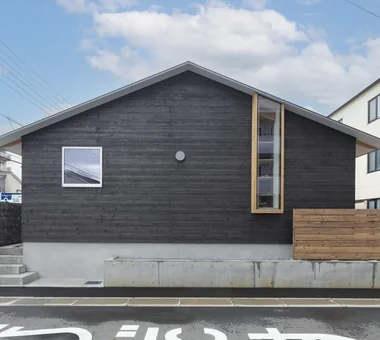
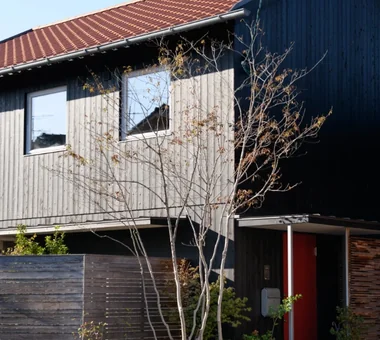
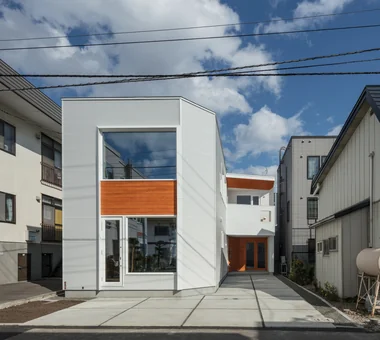
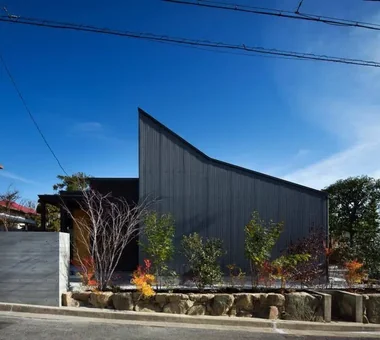
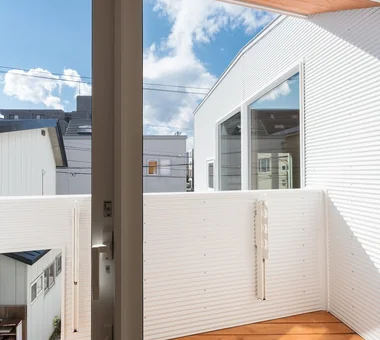
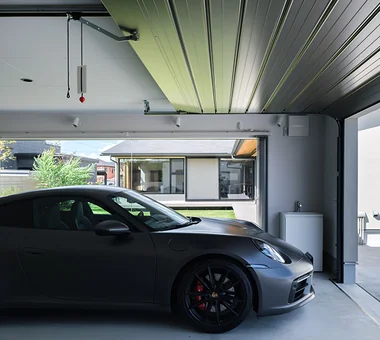
An exterior presence that invites light in. The brightness within reflected by the design of shadows, reflections, and openings.
Homes Embracing Natural Light |Exterior
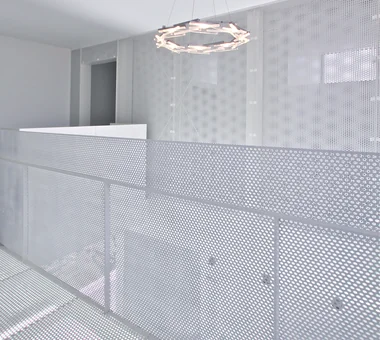
Deep eaves and louvers block the harsh summer sun while allowing the low winter sun to enter. Considering glass transmittance and reflectance, as well as the tone of the exterior walls during the design phase, links the beauty of the exterior with the color of the light inside.

To ensure privacy, staggering openings or combining transparent and opaque elements can control views from the outside while still admitting necessary natural light. The texture of materials and the layering of shadows, combined with daylight, enrich the building's expression.
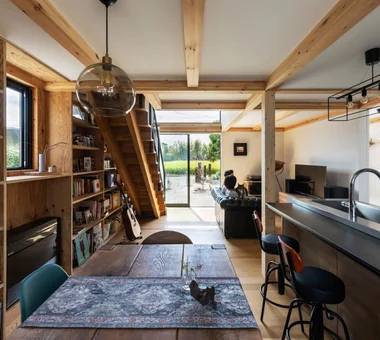
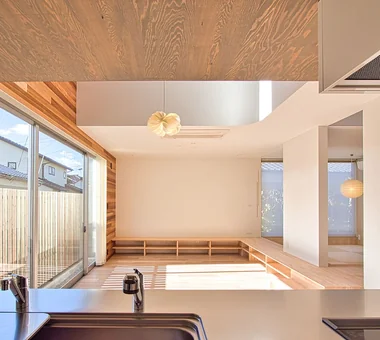
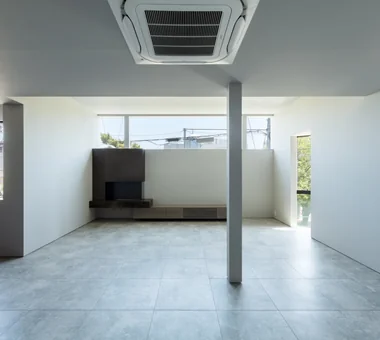
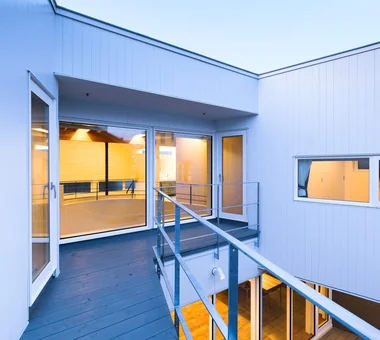
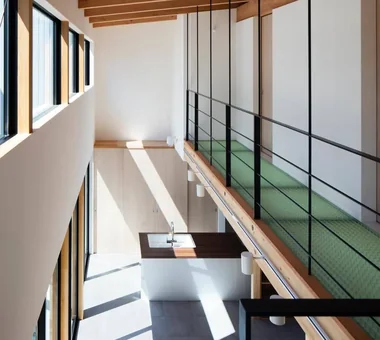
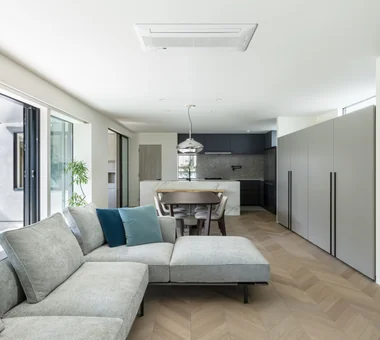
A living-dining-kitchen area connected by light; designing a space that creates depth with clerestory windows and reflections.
Homes Embracing Natural Light |LDK
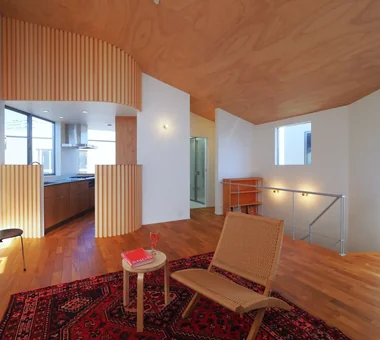
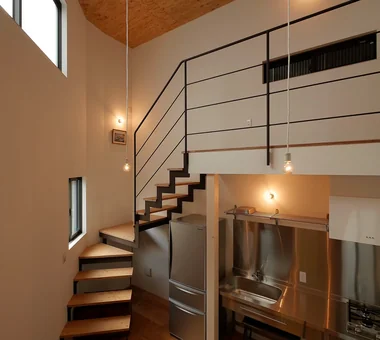
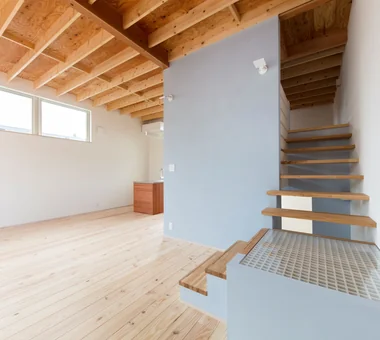
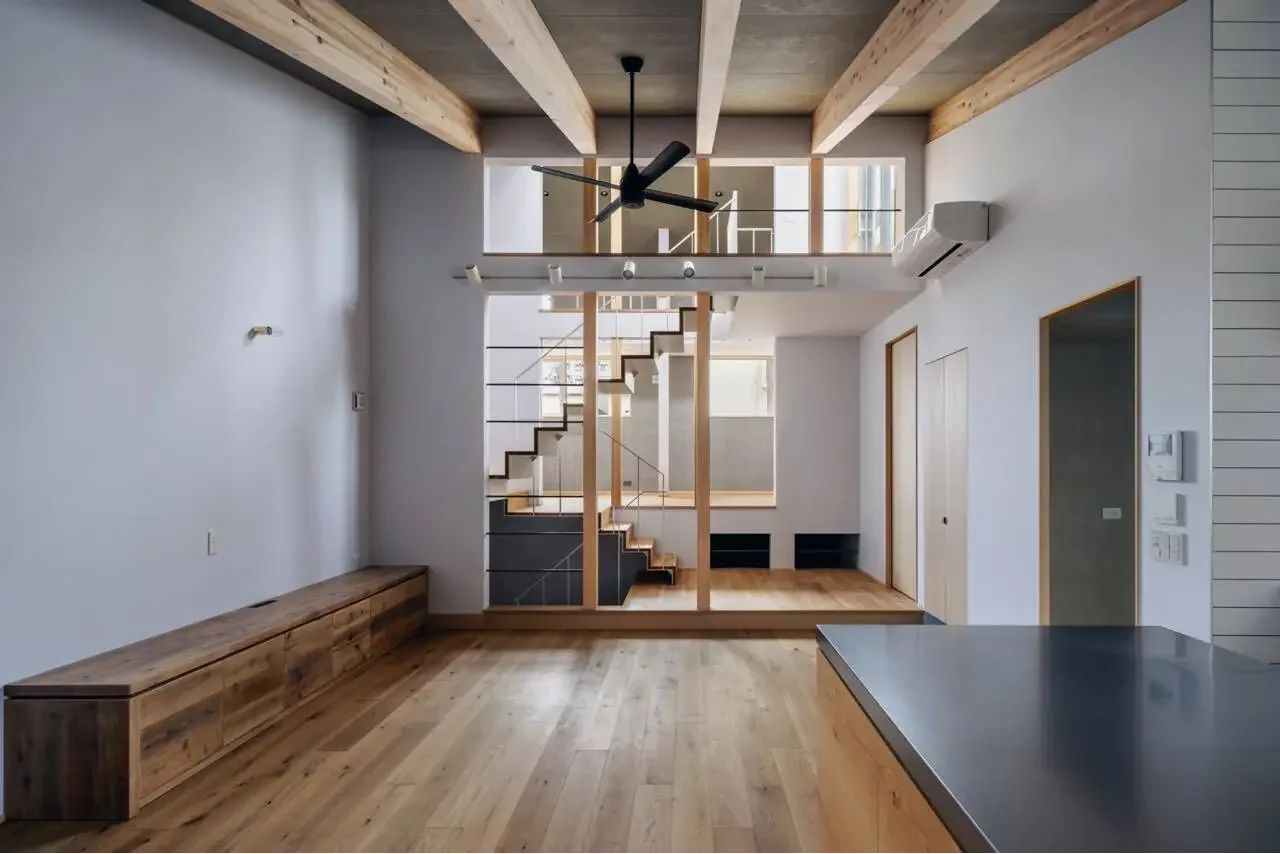
The LDK (living-dining-kitchen) is a space where light can be used to define different zones. By bringing in soft light through high-sidelights near the ceiling and diffusing it with white ceilings and walls, natural light can reach the sofa and kitchen in the back.
By carefully arranging the relationship between windows and furniture, you can secure adequate brightness for a reading nook or workspace while reducing glare around the television. The reflectivity of flooring and the sheerness of curtains also affect the impression of light, so it's essential to coordinate the architecture and interior design.
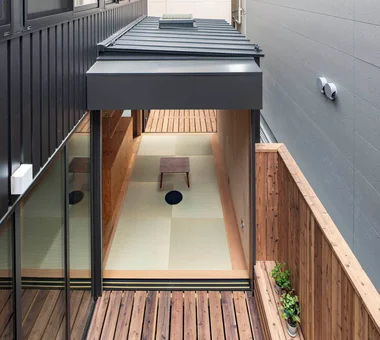
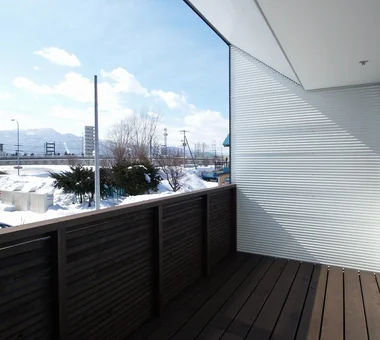
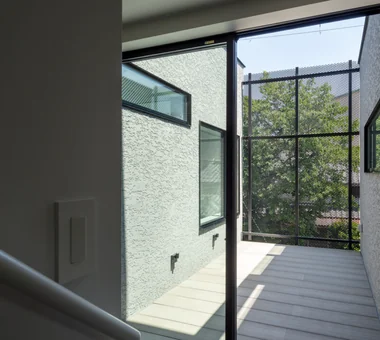
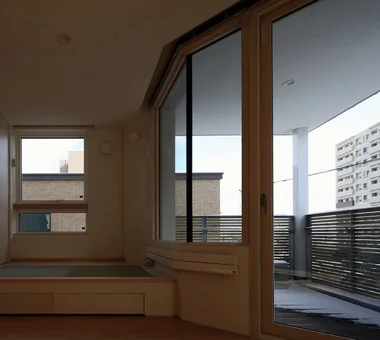
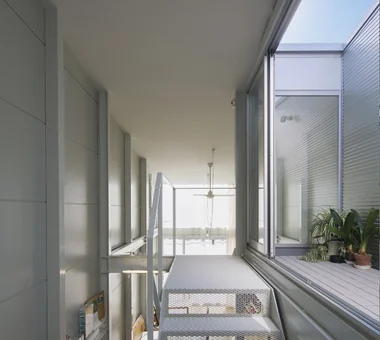
The terrace connects inside and out, incorporating semi-outdoor light into daily life.
Homes Embracing Natural Light |Terrace
A terrace is an intermediate zone that invites soft light into the home. By controlling direct sunlight with deep eaves or movable awnings and softening the light with the shadows of foliage, you can refine the quality of light entering the interior.
A "flat connection" with aligned floor levels creates a natural continuity of sightlines and light, bringing the changing light of seasons and times of day indoors. The benefits of light can be enjoyed even on rainy days or in winter. By simultaneously considering ventilation and drainage, it becomes a comfortable and long-lasting semi-outdoor space.
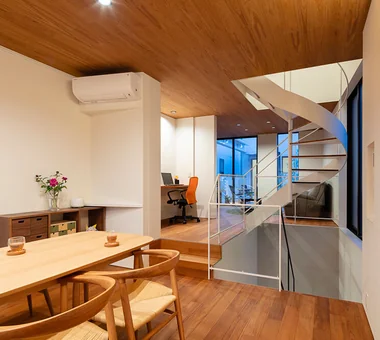
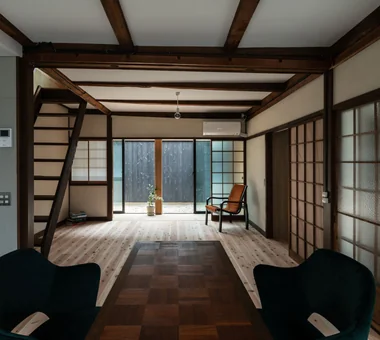
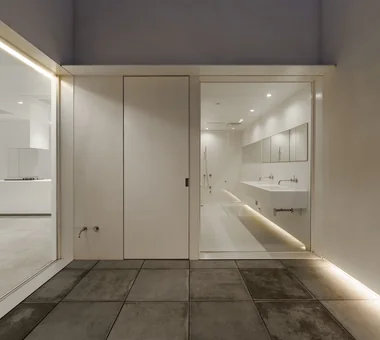
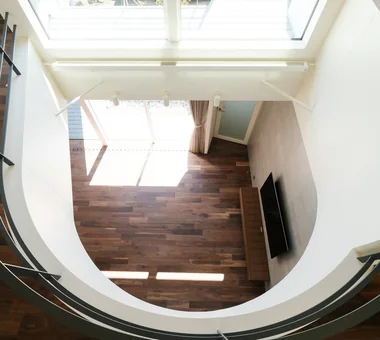
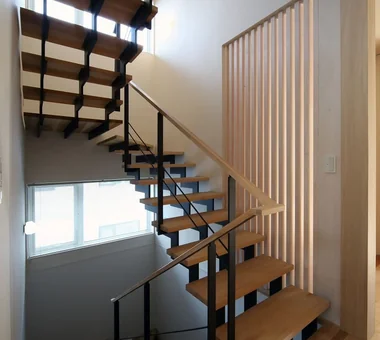
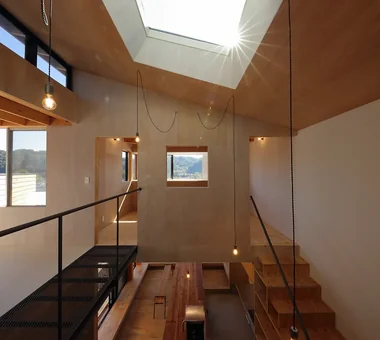
An atrium that brings down light; high-level daylighting that expands brightness and creates a rich connection between floors.
Homes Embracing Natural Light |Atrium
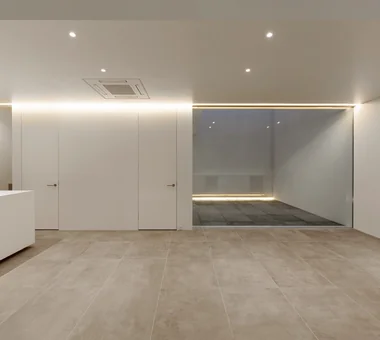
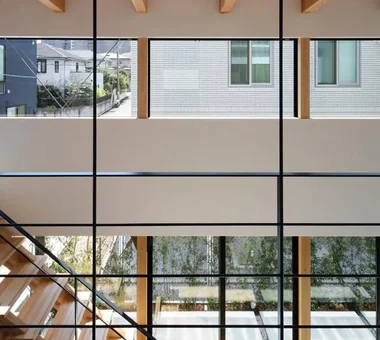
An atrium is an effective way to distribute light not just horizontally but also vertically. By guiding diffused light from above through high windows or skylights and letting it softly descend to the lower floor via interior walls and ceilings, a sense of unity across levels is created.
However, consideration must also be given to the flow of sound and temperature. The position of openings, ventilation plans, and the reflective properties of furniture should be adjusted during the design phase. A well-proportioned and shaped atrium allows for flexibility not only in daytime natural light but also in nighttime lighting schemes, creating a comfortable space.
-
Homes with Atelier Spaces|Key Points for Home Building|An Optimal Atelier Environment for Creative Practice: Daylighting, Ventilation, and Exhibition2026-03-02|Qurasuki Editorial Department -
Skip Floor|Case Studies|Creating Expanse and Diverse Spaces with Level Changes for a Rich, Three-Dimensional Life2026-01-27|Qurasuki Editorial Department -
Homes for Antique Enthusiasts|Case Studies|Living Comfortably with Time‑Worn Furniture: A Home That Savors the Depth of Materials2026-05-17|Qurasuki Editorial Department -
Homes Featuring Courtyards|Custom-built homes by architecture firms|A Residence with an Interior Sky2026-05-11|Qurasuki Editorial Department -
Narrow House|Case Studies|A Rich Lifestyle Maximizing Limited Land2026-01-27|Qurasuki Editorial Department -
Skip Floor|Introduction to Architecture Firms|Stepped Levels Enrich the Space2026-05-11|Qurasuki Editorial Department