Tatsumi Negishi Architectural Studio
Homes for Antique Enthusiasts|Custom-built homes by architecture firms7Picks|A Home That Lives with Timeworn Treasures
Author: Qurasuki Editorial Department
For those who cherish the patina of furniture, ceramics and fittings that have aged over time, residential design poses the question not merely of “how to display” but of “how to coexist.” In mass-produced housing, ceiling heights, the proportions of openings, and the tactile qualities of floors and walls often fail to harmonize with the character of antique pieces. Architectural practices carefully calibrate the overall tonal composition of a space while taking into account the dimensions and color palettes of the client’s treasured collections and furnishings. They may incorporate reclaimed timber in structural elements or finishes, or propose spatial organizations that deliberately encourage a dialogue between materials from different eras. We present examples of dwellings in which the memory of time naturally breathes within new architecture.

Quiet Waiting Residence — A Final Home as a Private Art Museum
Tokuhiro Norimatsu Architect
Set on a site with mountain ranges to the north, this residence for a couple comprises a main house and an annex created by relocating a kominka from the early Shōwa period. Scattered throughout the site are historically layered elements such as an aged weeping cherry, bamboo smoked for centuries, Taishō-period stained glass and foreign stone statues. Materials including roof tiles, stone, earthen walls, shikkui plaster and solid timber have been realized using contemporary craft techniques to achieve an appearance mindful of future living environments.
Tower of Light and Wind
Kumi Inoue Architects
A residence located in a residential neighborhood in Ikuno Ward, Osaka. Street-facing openings are minimized, with a plan that admits daylight and breezes from above the central staircase. East–west skip floors introduce level changes whose gaps allow air and light to circulate. In winter, warm air beneath the floor is circulated via the staircase to moderate the interior environment. The garage and the earthen entry (doma) are configured as an integrated space that screens views from the exterior, creating a calm dwelling that harmonizes with existing reclaimed-wood furniture.
Residence in Nishikyogoku
In-Ex Design Co., Ltd.
This is a multigenerational renovation of a 40-year-old timber-framed house, planned for the family and mother returning to the home where they were born and raised. While preserving the sound existing structural frame, the minimum necessary structural alterations and seismic reinforcement were carried out to regenerate the dwelling into a living environment appropriate for a new way of life. The garden, which the father had created, was carefully retained, and the composition allows the landscape and the interior to respond to one another. Reclaimed timber and the existing timber joinery are employed throughout, while the design also provides future adaptability and the capacity to function as the principal family residence, resulting in a home where family memories and new time gently overlap.
Urban Folk House
Tatsumi Negishi Architectural Studio
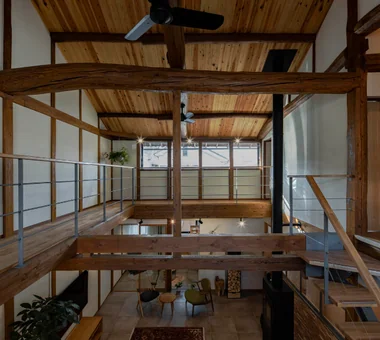
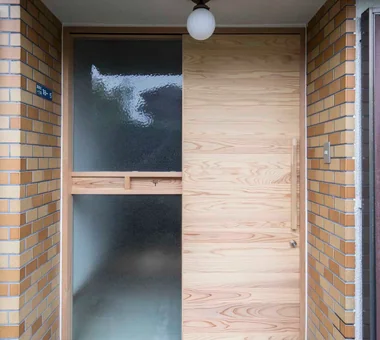
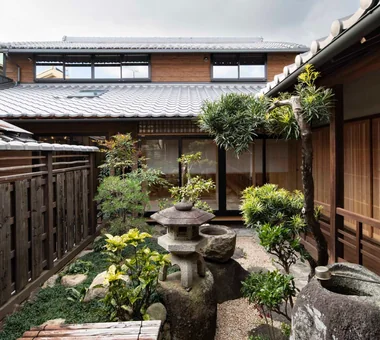
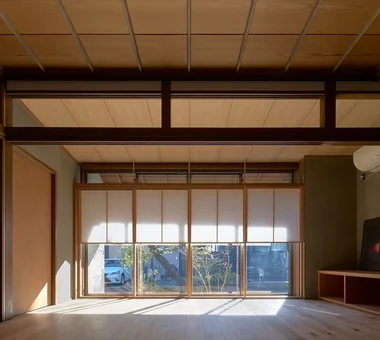
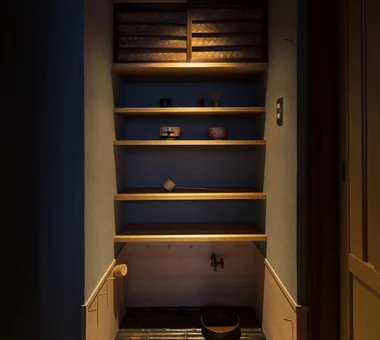
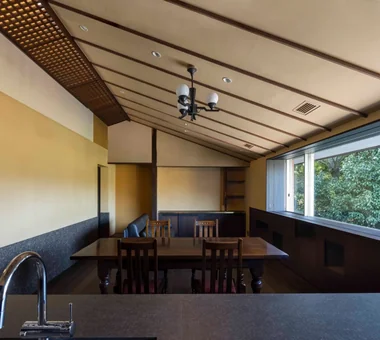
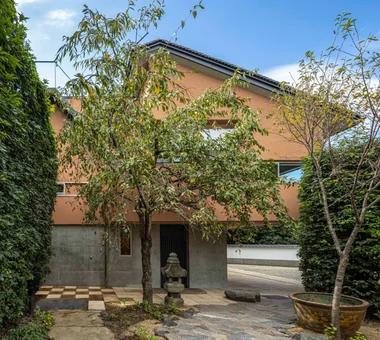
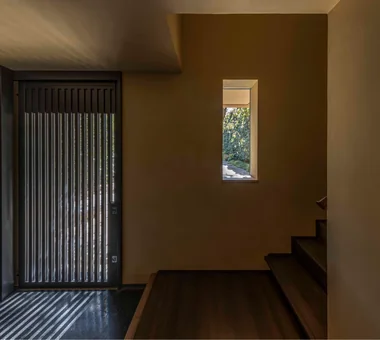
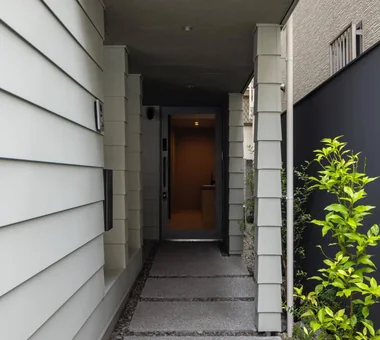
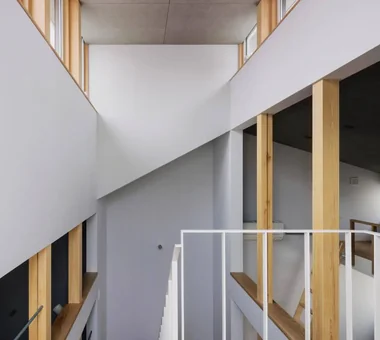
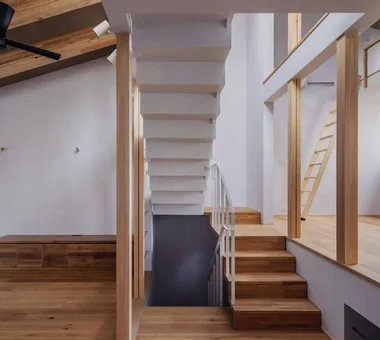
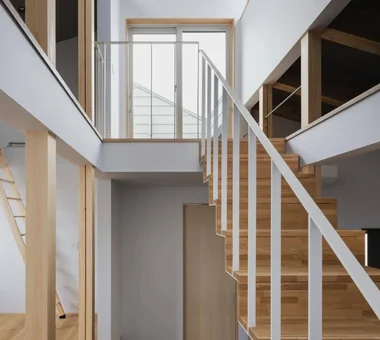
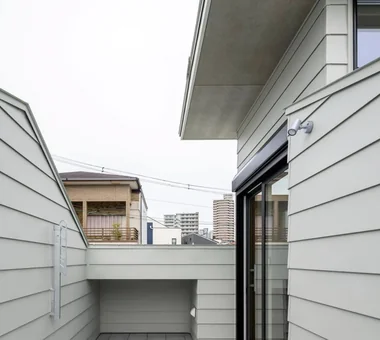
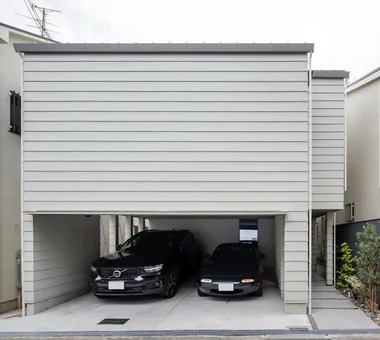
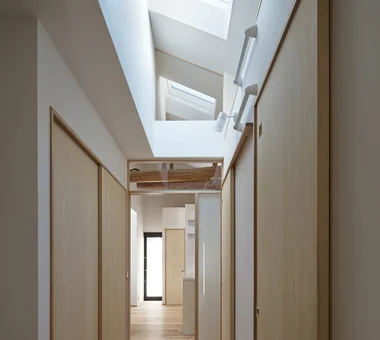
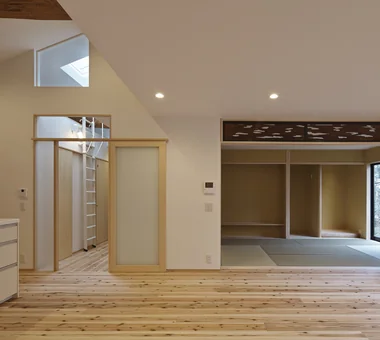
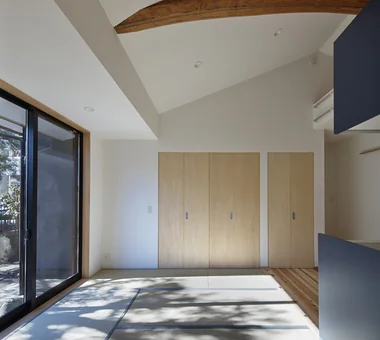
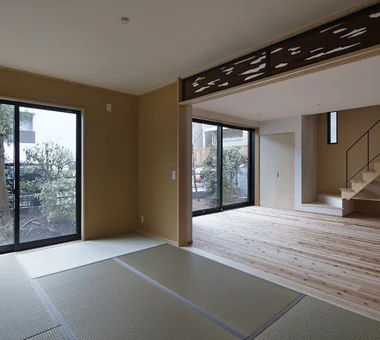
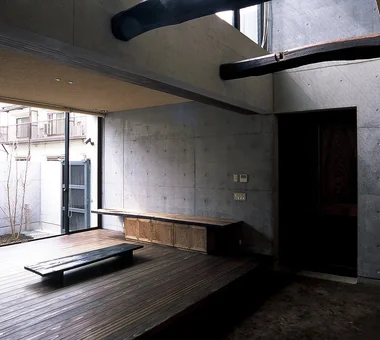
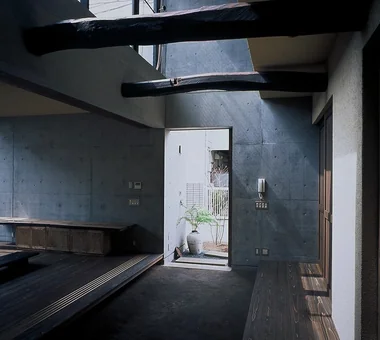
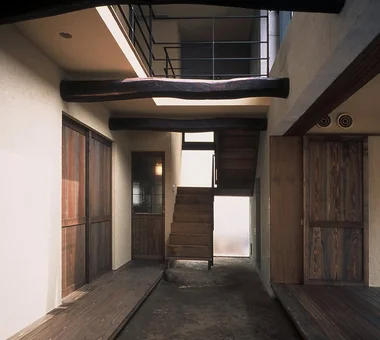
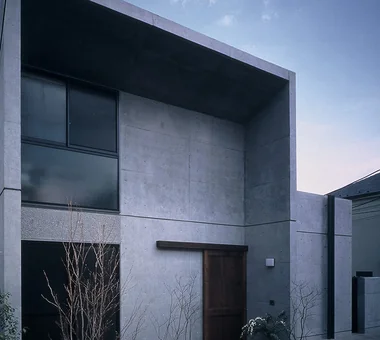
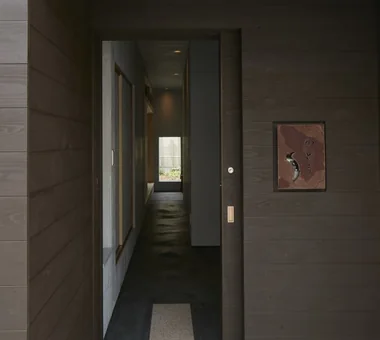
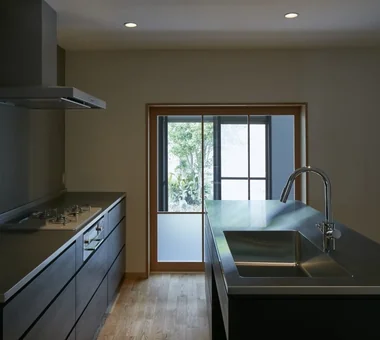
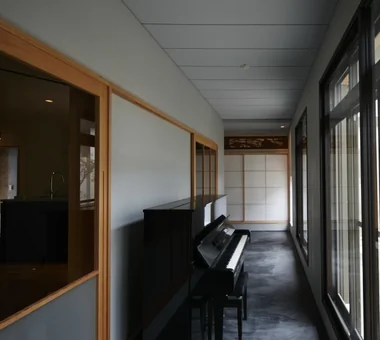
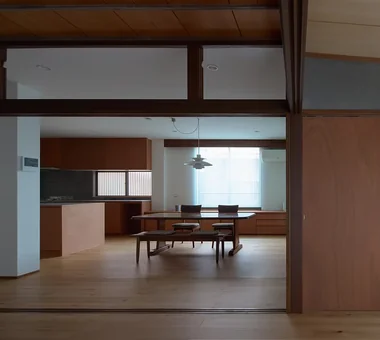
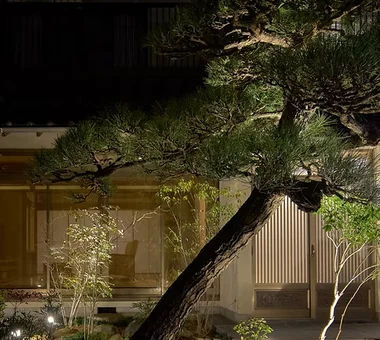
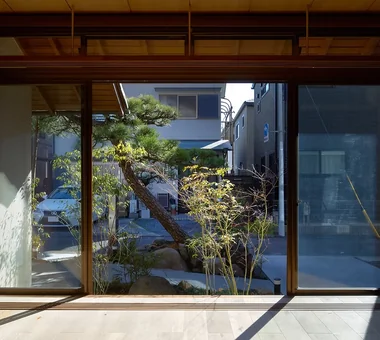
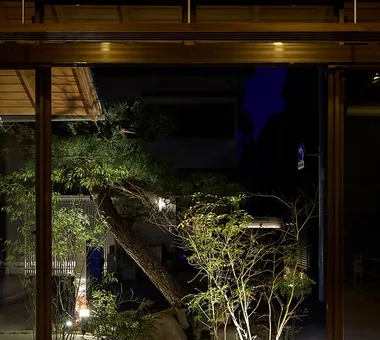
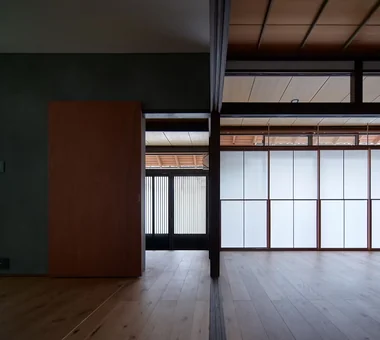
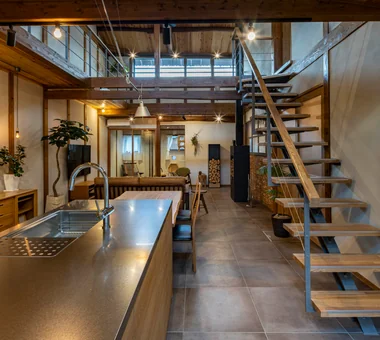
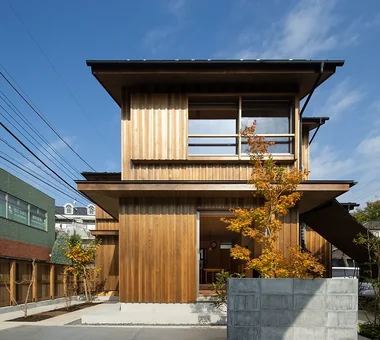
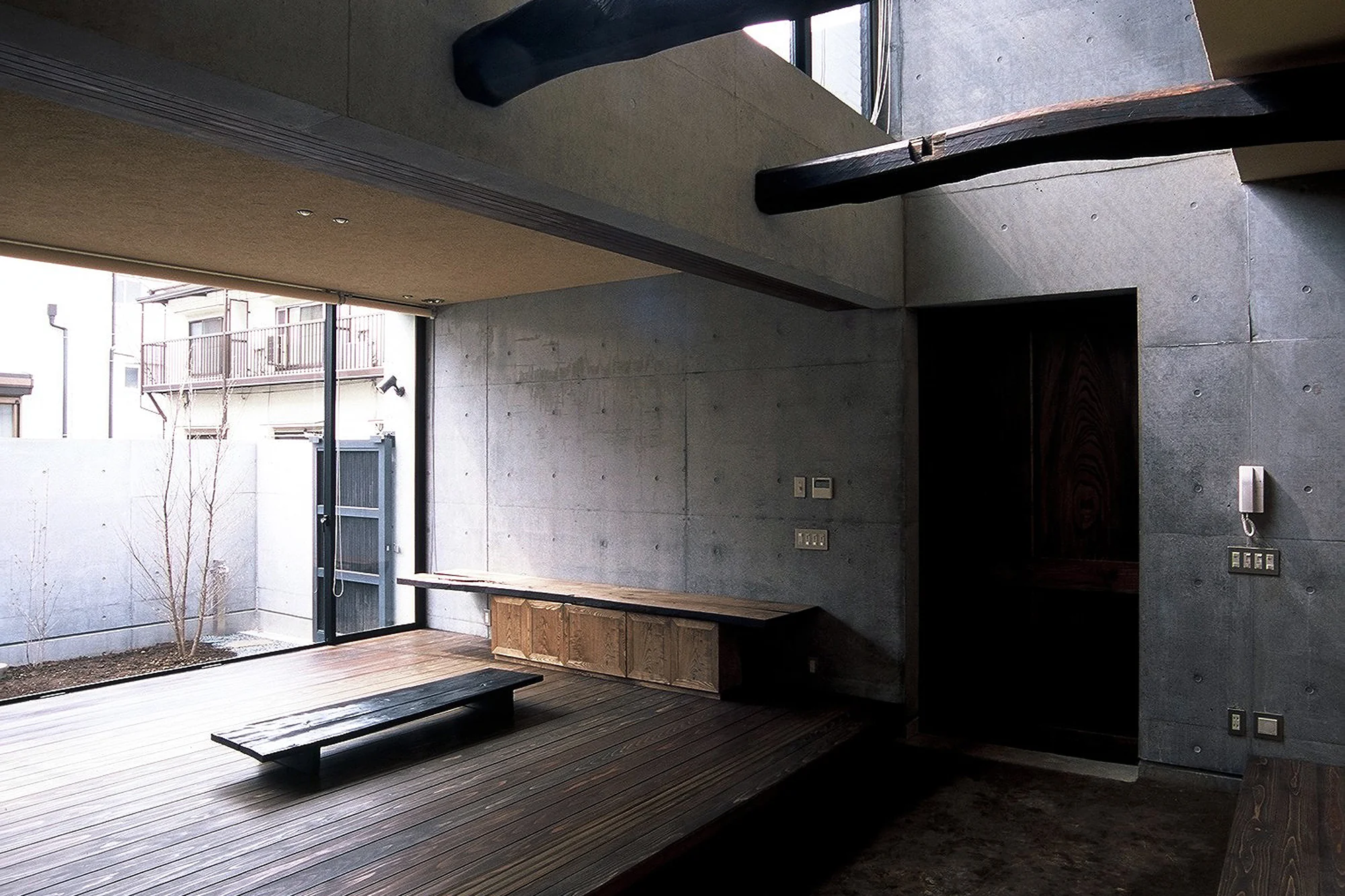
This residence was planned to reconcile the opposing requests of a wife who loves antiques and desired a home reminiscent of a traditional folk house, and her son who sought a robust dwelling of exposed cast-in-place reinforced concrete (RC). Beyond a contemporary exposed-concrete gateway is fitted an antique storehouse door; when opened it leads into a double-height space where an earthen doma finished with arakida clay spreads out. Reclaimed timber beams and Japanese cedar plank flooring, carefully selected in Nagano, bring a sense of nostalgia and tranquility even within the city, creating a home in which the passage of time can be felt gently.
House in Tajimi
Tada Architectural Design Office
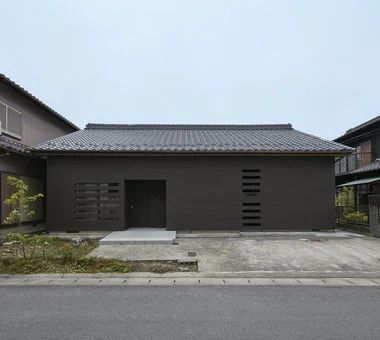
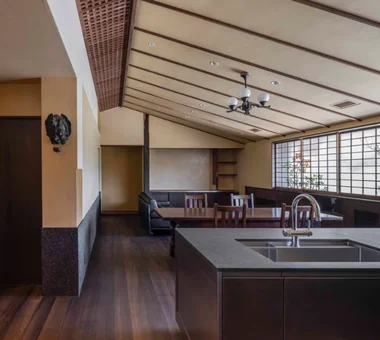
This is a final residence for a married couple located in Tajimi City, Gifu Prefecture. The approximately 60-year-old family home was renovated, preserving the dignified presence of the beautiful tiled roof while achieving a comfortable living environment adapted to the local climate. The south-facing hiroen (wide veranda) was reconfigured into a doma (earthen-floored) space, creating an expansive dwelling that admits seasonal breezes and natural light. With an eye to the future possibility of opening a small restaurant, a lane-like approach and a guest room were planned. The plan is arranged as a one-room-like composition that allows continuous circulation from the LDK (living/dining/kitchen) to the bedroom and wet areas, delivering a comfortable, tranquil living environment with minimal temperature differentials.
House K/S
Yoshihara Tamaki Architectural Design
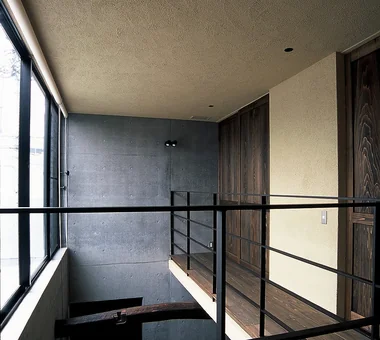
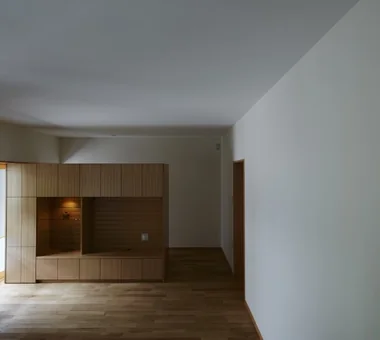
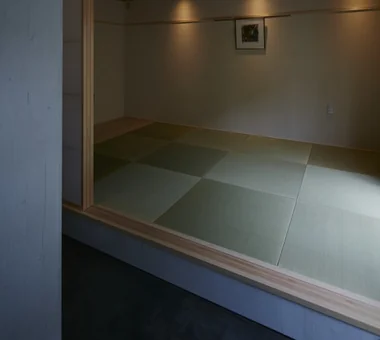
This is the renovation of a large family residence that has been passed down across three generations. While responding to changes in lifestyle resulting from generational succession, it has been reconfigured as a 'second living room' that continues to inherit the family's memories and emotional attachments. Retaining the existing design elements, it gently connects old and new through components such as brass and shoji screens, reorganizing the interior into a highly flexible, adaptable space. By dissolving the boundary between 'hare' (ceremonial) and 'ke' (everyday life), it becomes a home where new layers of the family's time accumulate.
Renovation of a Traditional Farmhouse with a Large Double-Height Space | Kitamachi House
Yoshihiro Yamamoto Architects Associates
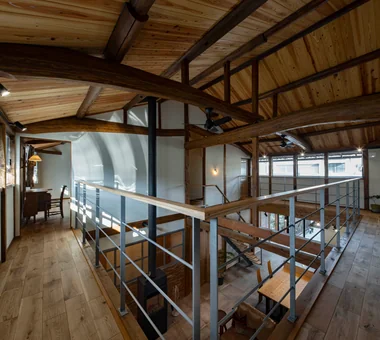
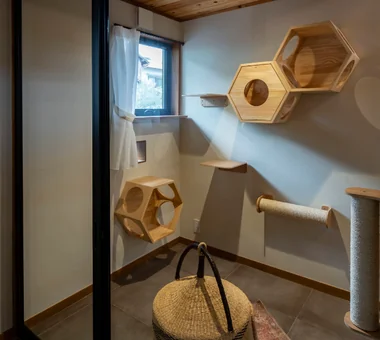
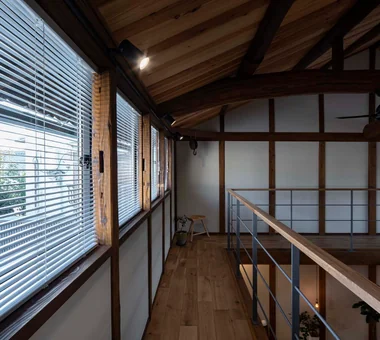
On the Nara City site, buildings of different eras are connected by open verandas and an inner courtyard. The oldest and largest outbuilding — a former timber storage barn — was planned for conversion into a comfortable residence. The barn had originally been built as a lumber warehouse; half of its volume comprised a large double‑height void and much of the structure was exposed to the elements. All earthen infill walls that had deteriorated and delaminated from the post‑and‑beam frame were removed; posts and beams affected by termite damage and rot were reinforced or replaced. After upgrading the thermal insulation, the double‑height space was repurposed as a large open‑plan living/dining/kitchen (LDK). Surrounding this space, a guest tatami room, bedroom, sanitary/wet areas (bathroom and laundry), storage, and a dedicated room for cats were arranged.
-
Homes Designed for Living with Dogs|Case Studies|From Material Selection to Workflow Planning, a Form of Home that Achieves Comfortable Coexistence2025-10-13|Qurasuki Editorial Department -
House of Wood|Case Studies|The Expression of Wood Weaves a Life: A Deeper Connection with Wood Over Time2025-10-13|Qurasuki Editorial Department -
Homes Featuring Dedicated Theater Rooms|Case Studies|Comfortable Enjoyment of Visuals and Acoustics2026-06-24|Qurasuki Editorial Department -
Homes Designed for Living with Cats|Custom-built homes by architecture firms|A Comfortable Environment for Cats and People2026-05-11|Qurasuki Editorial Department -
Minimalist Design Residences|Key Points for Home Building|Spatial Design Pursuing Purity by Emphasizing Materiality2026-03-02|Qurasuki Editorial Department -
Stylish Kitchens|Key Points for Home Building|Balancing Cooking Efficiency and Comfort2025-10-20|Qurasuki Editorial Department