Far East Design Lab.
Stylish Bathrooms|Key Points for Home Building|A Space Combining a Relaxing Environment with Practicality
Author: Qurasuki Editorial Department
The bathroom serves not only as a place to cleanse the body but also as a personal retreat for mental and physical relaxation. Elements such as ventilation, natural lighting, thermal insulation, and material texture collectively create an environment conducive to alleviating fatigue. Additionally, designs that ensure safety for all family members, along with ease of cleaning and maintenance, are indispensable from a practical standpoint. Through meticulous attention to detail, the bathroom functions as a vital space that enhances overall quality of life.
Appropriate Size and Spaciousness Settings.
The typical bathroom size is 1 tsubo (1616 dimension), but if a more spacious bathing experience is desired or caregiving is anticipated, sizes of 1.25 tsubo or 1.5 tsubo can also be considered. Decide based on the bathtub dimensions, the size of the washing area, and potential future uses. Excessive size may reduce heat retention, so maintaining a balanced proportion is essential.
Selection of Bathtub Shapes and Materials.
Bathtubs come in various shapes, including straight bathtubs, wide bathtubs, and corner bathtubs. The appropriate shape depends on whether you wish to fully immerse yourself up to the shoulders for relaxation or prefer to enjoy a half-body bath. Materials include FRP (fiberglass reinforced plastic), cultured marble, and enamel-coated steel, each differing in thermal retention, tactile quality, and maintenance requirements. It is recommended to physically inspect and touch the materials to make an informed decision.
Window Placement and Incorporation of Views
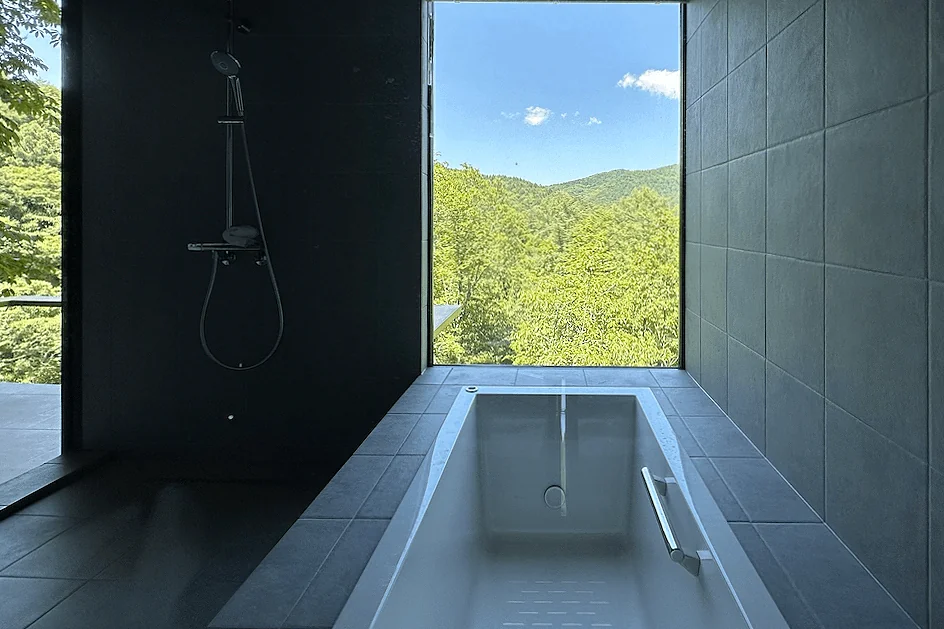
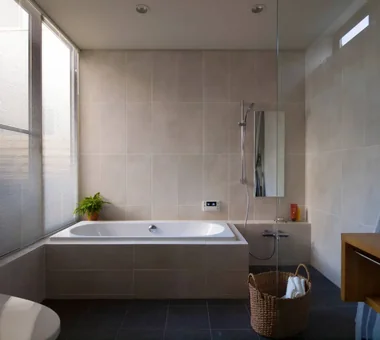
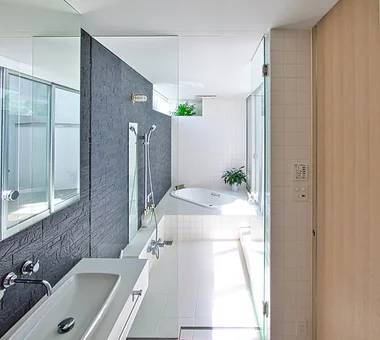
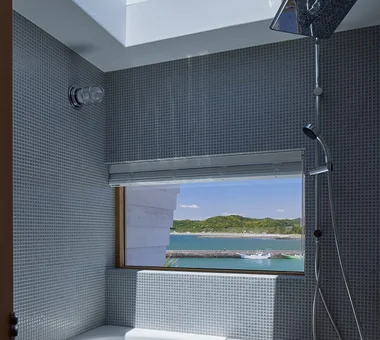
Incorporating windows in the bathroom allows natural light to enter, creating an open and airy space. Positioning the windows to face a courtyard or a small garden enables bathing while enjoying views of greenery. However, careful consideration must be given to privacy and security concerns. Privacy can be ensured through the use of frosted or patterned glass, as well as lattice screens.
Creating a Relaxing Atmosphere through Lighting Design.
Bathroom lighting should prioritize not only brightness but also ambiance creation. In addition to ceiling downlights, incorporating indirect lighting allows for relaxation under soft illumination. With dimming and color temperature adjustment functions, one can switch between crisp light in the morning and soothing light at night.
Enhanced Ventilation and Drying Functions.
The bathroom is the area most prone to moisture accumulation. It is essential to select an exhaust fan with adequate capacity and equip it with a bathroom dryer function to suppress mold growth and accommodate indoor drying of laundry. While natural ventilation by opening windows is effective, combining it with mechanical ventilation ensures a more comfortable environment.
Selection of Wall and Floor Materials
Bathroom wall materials include tile, panels, stone, and natural wood. Tiles offer a sense of luxury and a wide variety of colors and patterns, but require maintenance of grout joints. Panels feature minimal seams and are easy to clean. For flooring, it is crucial to select materials that are slip-resistant and have good drainage to ensure safety.
Ensuring Thermal Insulation and Heat Retention.
For a comfortable bathing experience, maintaining the overall thermal insulation of the bathroom is essential. Incorporating insulation materials into the walls, ceiling, and floor of the bathroom creates a warm environment even during winter. The heat retention performance of the bathtub itself has also improved, with an increasing number of products designed to minimize heat loss. Adequate insulation performance is indispensable as a countermeasure against heat shock.
Unit Bath or Conventional Construction Method?
Unit baths are characterized by shorter construction periods, high waterproof performance, and ease of maintenance. Conventional construction methods allow for flexible design of size and shape, as well as a wider range of material options. Selection should be made considering budget, desired spatial quality, and cleaning requirements. Recently, hybrid units combining the advantages of both methods have also become available.
Consideration for Acoustic Environment.
The sound of water supply and drainage in bathrooms can resonate in adjacent rooms. To mitigate acoustic impact, it is advisable to avoid placing bathrooms next to bedrooms or to position storage spaces or closets in between. Additionally, using soundproof drainage pipes is an effective measure. Special attention is required when bathing frequently during late-night hours.
Safety and Barrier-Free Design.
Bathrooms present a high risk of falls. It is recommended to select flooring materials with slip-resistant properties and to incorporate substrates that allow for the installation of handrails. The bathtub’s threshold height can be lowered with future accessibility needs in mind. Eliminating level differences between the bathroom and the dressing room also contributes to enhanced safety.
Ease of Cleaning
Bathrooms are prone to high humidity and mold growth, making ease of cleaning a critical consideration. Selecting materials with minimal joints, applying coatings that resist dirt adherence, and designing for efficient water drainage all contribute to simplifying daily maintenance. Thorough ventilation is also fundamental to maintaining cleanliness.
A Sensory Experience for the Five Senses.
The bathroom is a space where one can relax through the five senses, including sight, touch, and smell. By incorporating elements such as an aroma diffuser, waterproof speakers for enjoying music, and adjustable lighting colors, it becomes a special environment that soothes the fatigue of daily life. Discovering your own methods of relaxation and transforming the bathroom into a comfortable retreat is also one of the pleasures of home design.





 Contemporary Design Residences|Case Studies|Pursuing Functional Beauty and Freedom in Spatial Composition
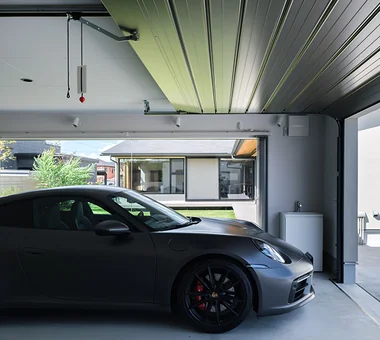 Garage Houses|Custom-built homes by architecture firms|A Home for Living with Your Beloved Car
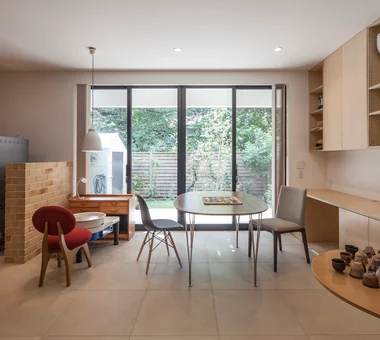 Homes with Atelier Spaces|Case Studies|Fusing spatial design that sparks creativity with a comfortable living space
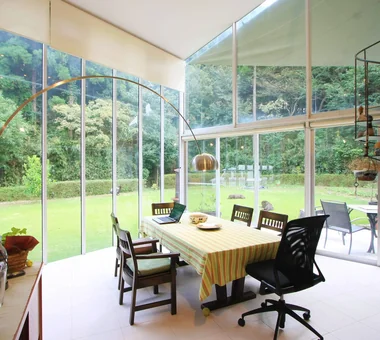 Glass-Enclosed Residences|Case Studies|Balancing Comfort with High-Performance Glazing and Structural Design
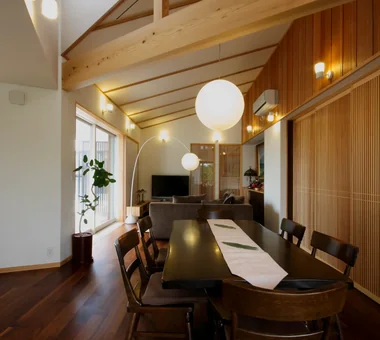 Modern Japanese-Style Residence|Introduction to Architecture Firms|A Home Inheriting Japanese Aesthetic Sensibilities in the Contemporary Era
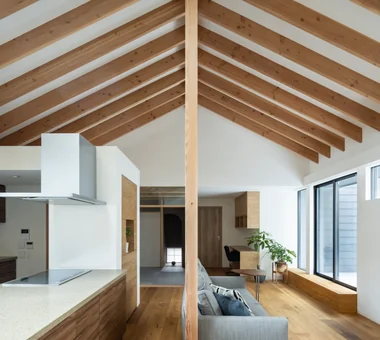 House of Wood|Key Points for Home Building|Spatial Design Embracing Material Warmth and the Patina of Aging