JYU ARCHITECT
Homes Designed for Living with Cats|Custom-built homes by architecture firms7Picks|A Comfortable Environment for Cats and People
Author: Qurasuki Editorial Department
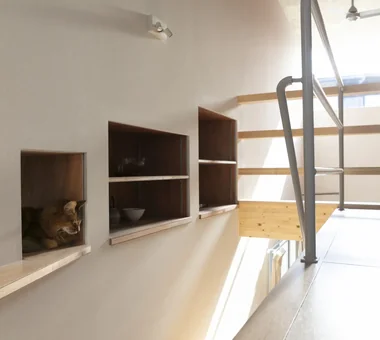
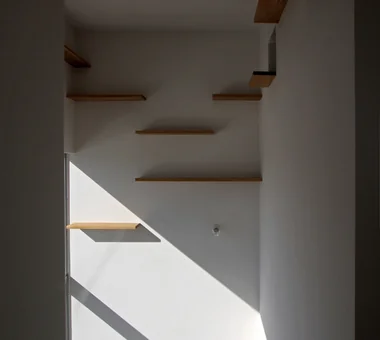
Designing a home for life with cats requires a design approach informed by feline behavior and daily rhythms. Measures include provision of catwalks and shelving to satisfy cats' preference for elevated locations; selection and detailing of materials to mitigate wear from scratching; design of openings with escape-prevention netting or grilles; ventilation strategies to address odors; and storage solutions that discreetly accommodate litter areas. Integrating these elements into the architecture makes a dwelling comfortable for both cats and people. The design office interviews clients about the number of cats, their temperaments, and how they use the living spaces, and then designs environments that enable a rich life shared with cats.

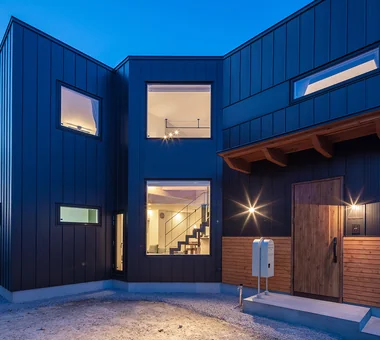
House in Minamiashigara
Tenkosha First-Class Architects Office
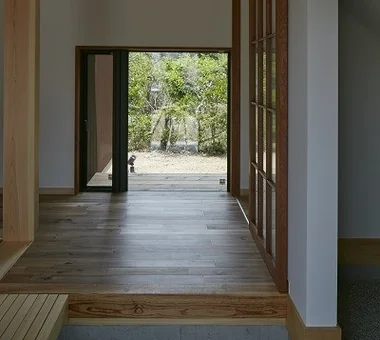
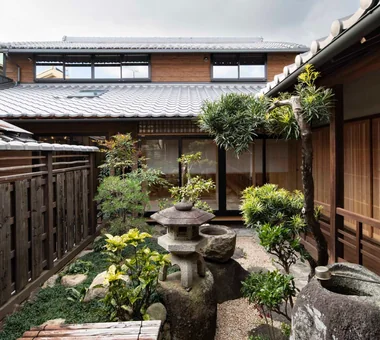
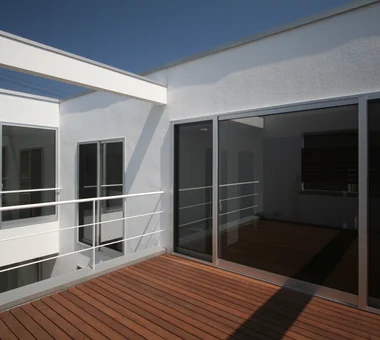
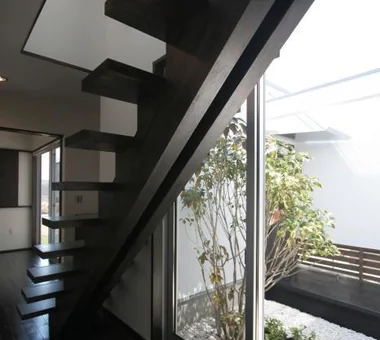
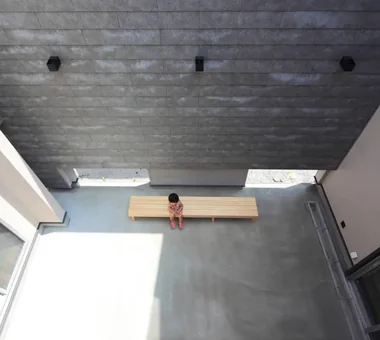
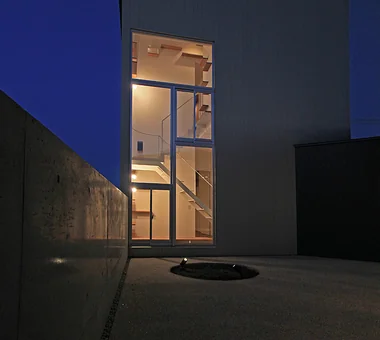
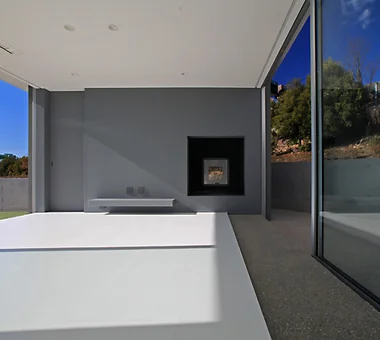
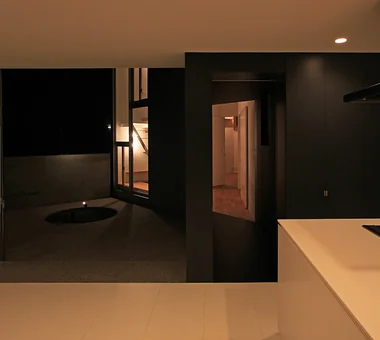
The residence, set within a streetscape undergoing land readjustment, is designed to present a closed street frontage and to open inward. A U-shaped plan encloses a central courtyard planted with a tree that functions as a sheltering screen. A deck on the second floor secures daylighting while maintaining separation from the surrounding context. The interior is composed in a restrained, Japanese‑modern aesthetic.
A Residence with Workspace for Living with Cats
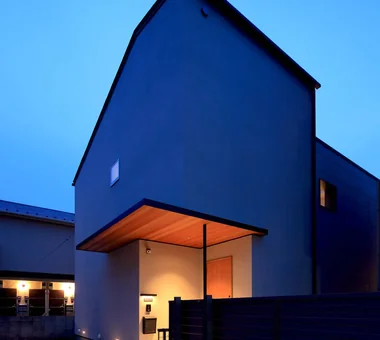
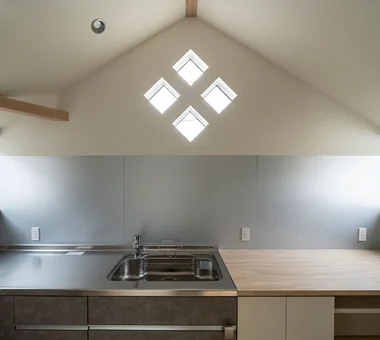
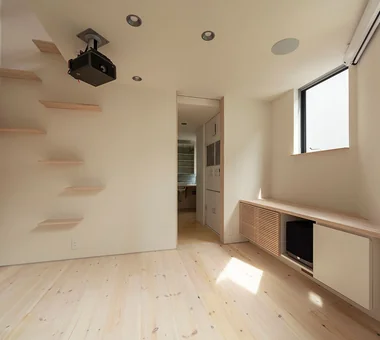
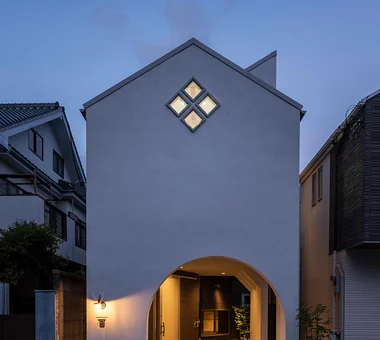
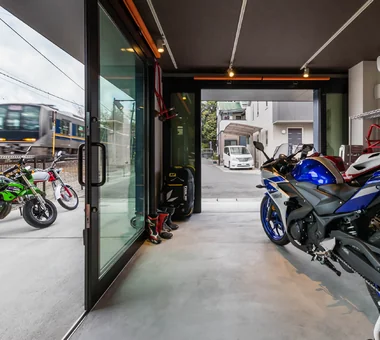
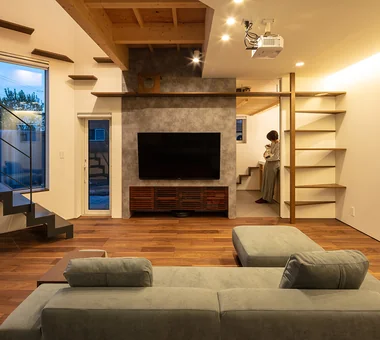
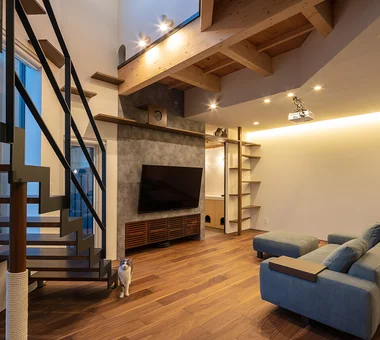
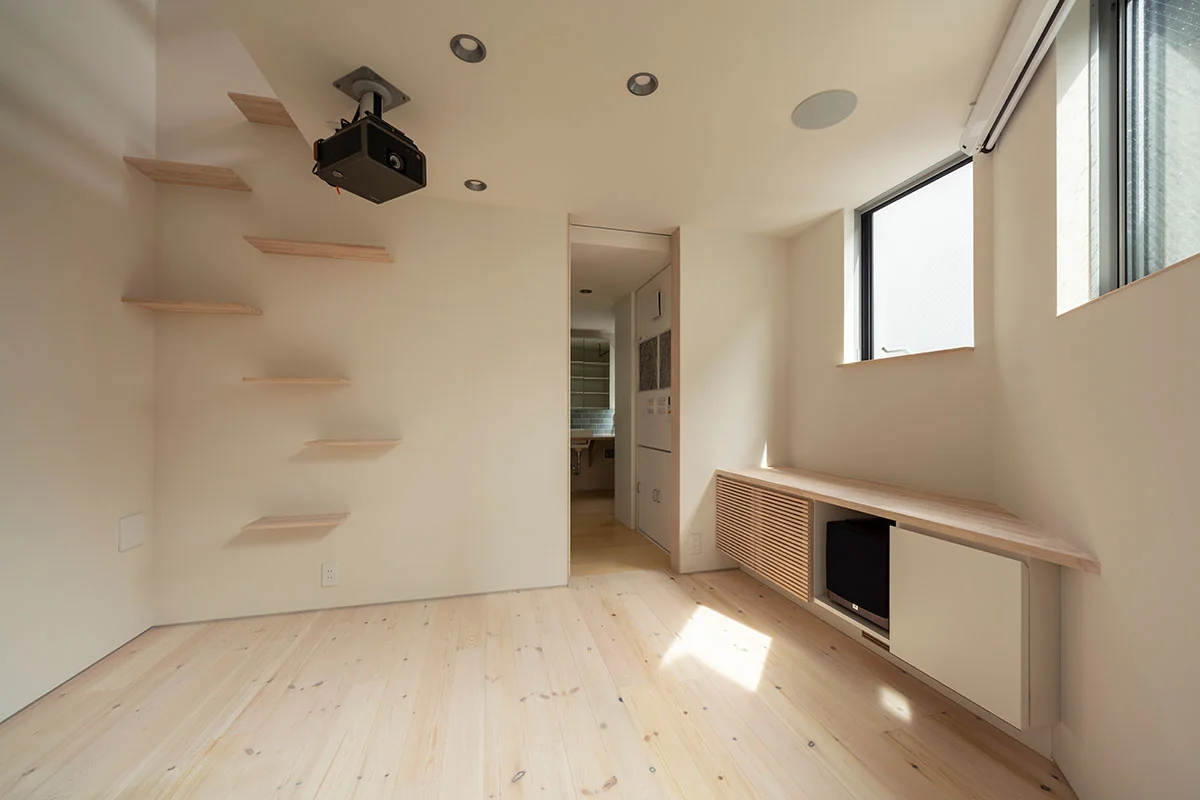
JYU ARCHITECT
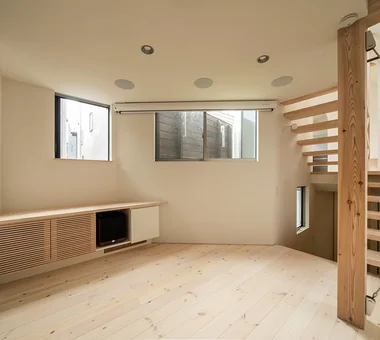
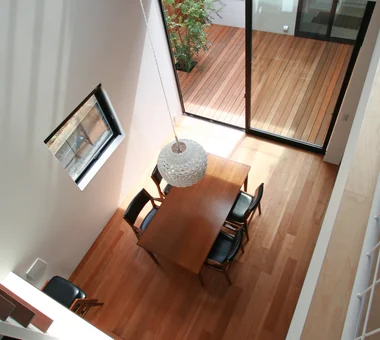
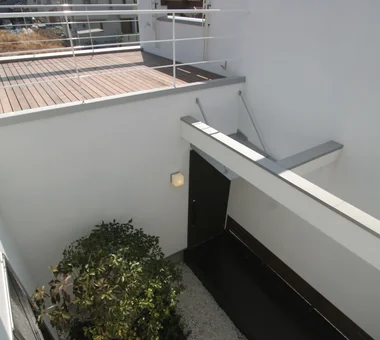
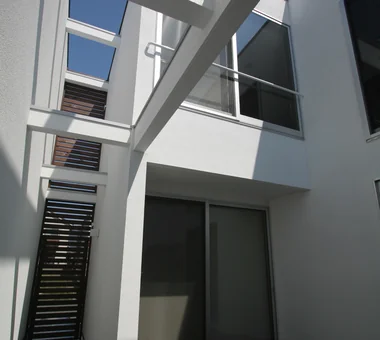
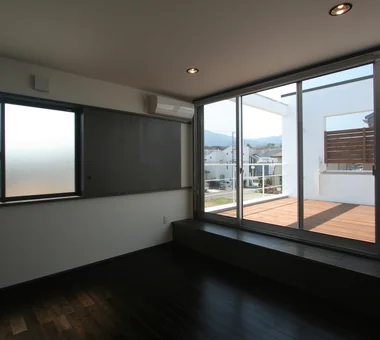
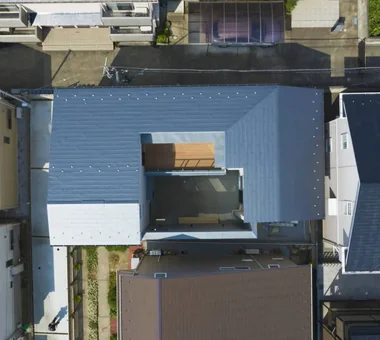
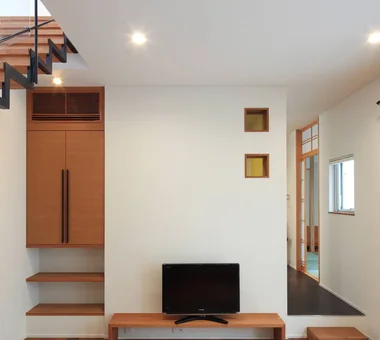
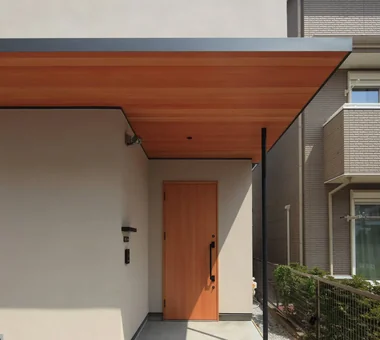
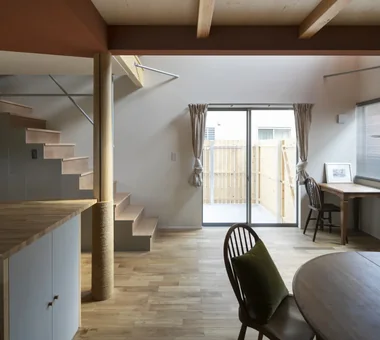
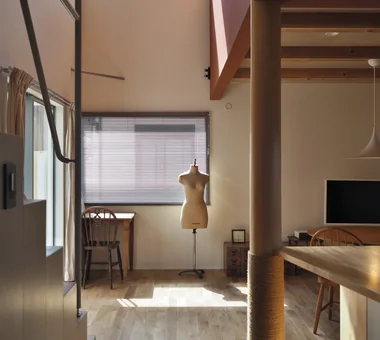
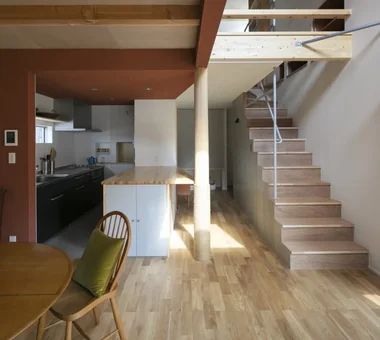
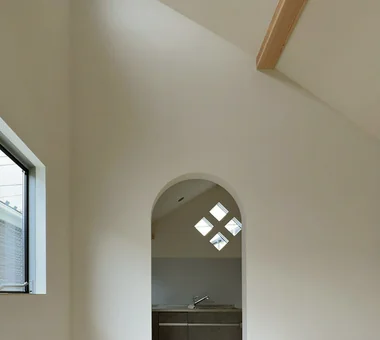
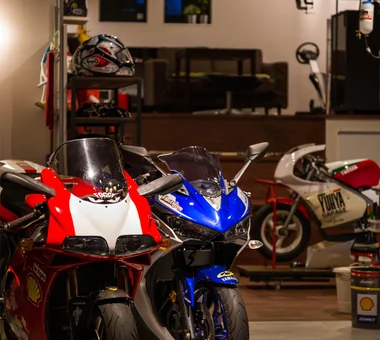
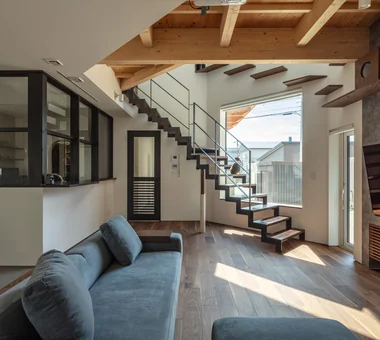
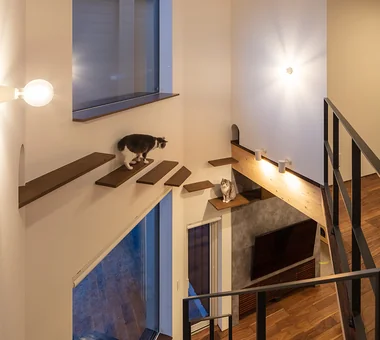
Compliant with oblique-plane height restrictions, the project adopts a split-level configuration with half of the building volume arranged as a semi-basement. It includes an entrance porch directly connected to an integrated garage, a high-ceiling dining area that opens onto an outdoor terrace, a living room incorporating cat steps, a kitchen, and a semi-basement workroom overlooking an interior courtyard. A whole-house climate-control system utilizing the underfloor void—a radiant–convective hybrid—has been implemented to provide a comfortable indoor environment while reducing operating costs.
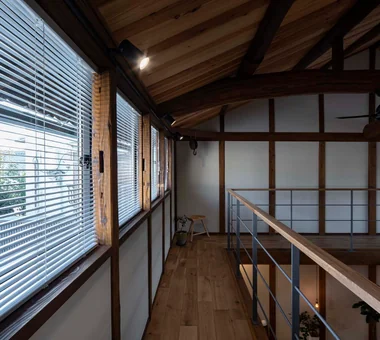
Renovation of a Traditional Farmhouse with a Large Double-Height Space | Kitamachi House
Yoshihiro Yamamoto Architects Associates
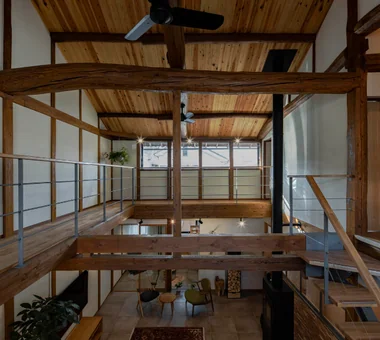
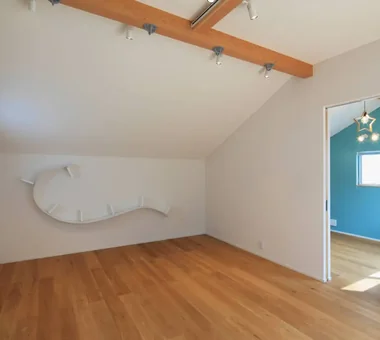
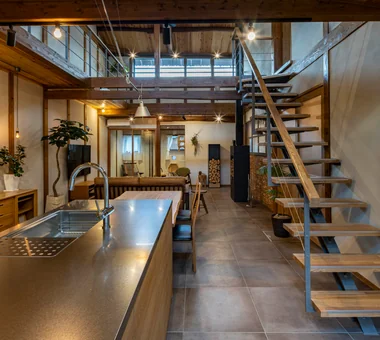
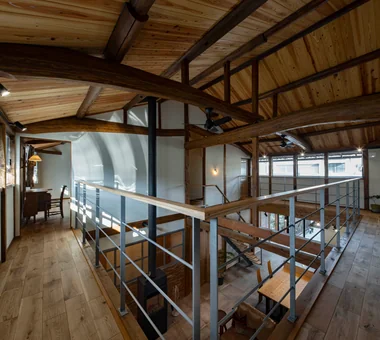
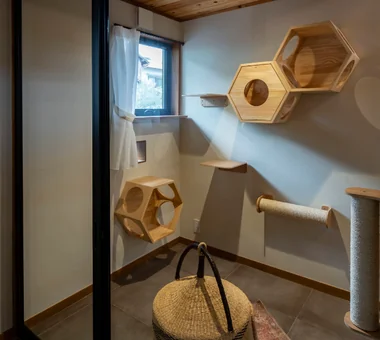
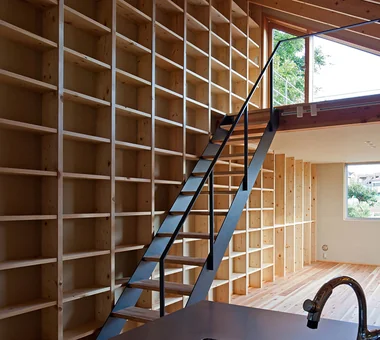
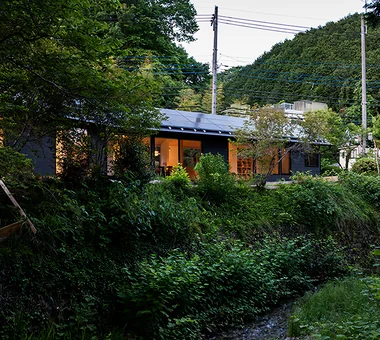
On the Nara City site, buildings of different eras are connected by open verandas and an inner courtyard. The oldest and largest outbuilding — a former timber storage barn — was planned for conversion into a comfortable residence. The barn had originally been built as a lumber warehouse; half of its volume comprised a large double‑height void and much of the structure was exposed to the elements. All earthen infill walls that had deteriorated and delaminated from the post‑and‑beam frame were removed; posts and beams affected by termite damage and rot were reinforced or replaced. After upgrading the thermal insulation, the double‑height space was repurposed as a large open‑plan living/dining/kitchen (LDK). Surrounding this space, a guest tatami room, bedroom, sanitary/wet areas (bathroom and laundry), storage, and a dedicated room for cats were arranged.
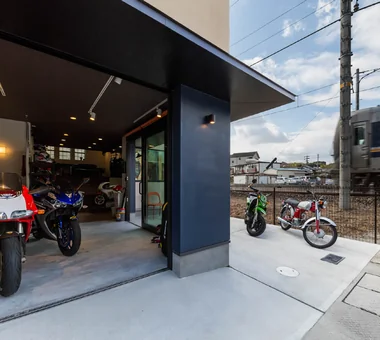
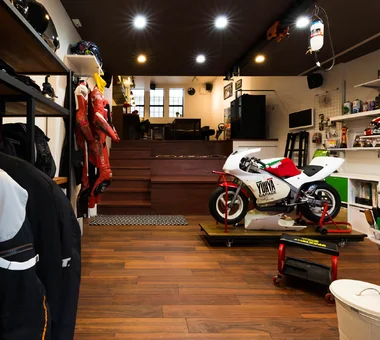
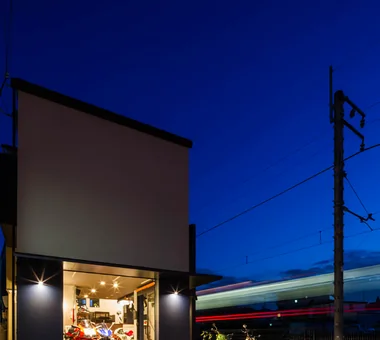
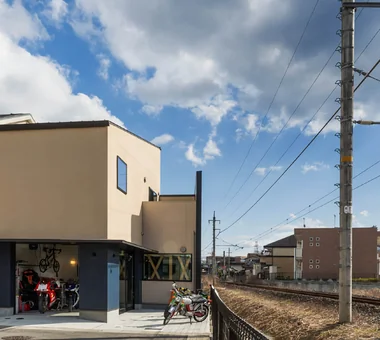
Garage House in Kyotanabe
In-Ex Design Co., Ltd.
House in Oami
Yu Architectural Design Studio
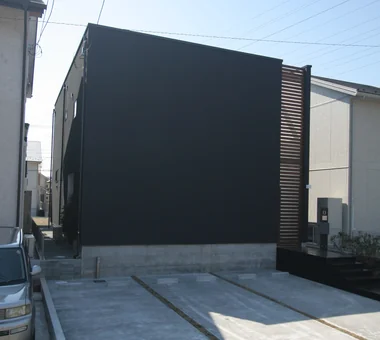
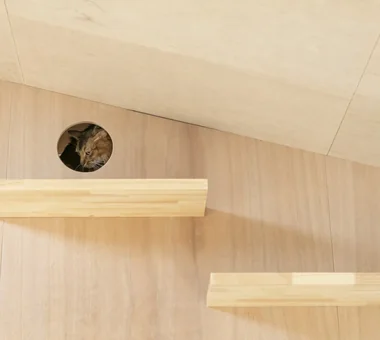
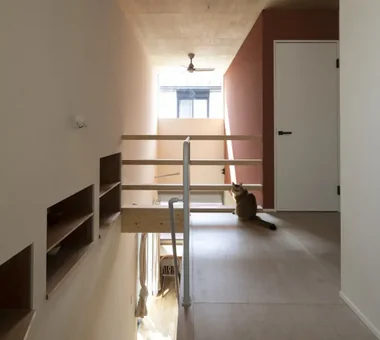
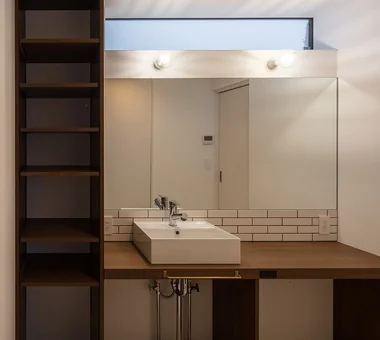
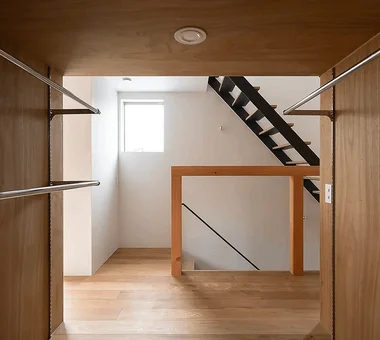
This project was designed to showcase the owner’s existing furnishings while prioritizing the comfort of the resident cat. Interior finishes employ materials that will patinate over time, such as lauan plywood and flexible board, and deliberately minimize the use of contemporary manufactured finishes (e.g., vinyl tiles) and off‑the‑shelf products. To ensure the cat’s well‑being, the design incorporates scratching surfaces, a dedicated location for the litter tray, elevated catwalks, and compact secluded spaces for retreat. The terrace is enclosed by a tall vertical board fence to prevent the animal from escaping to the outdoors; the exterior cladding likewise uses materials that age gracefully—charred cedar (yakisugi / shou sugi ban)—to achieve a cohesive material expression.
A Courtyard House Cherishing Individual Time with Dogs and Cats
Archiplace
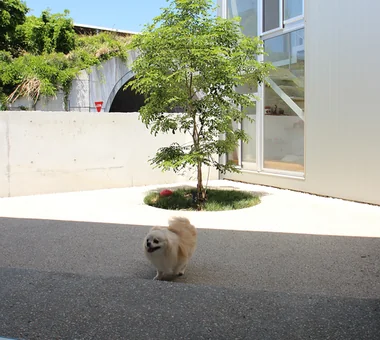
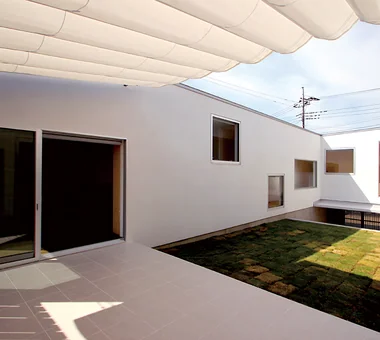
This residence accommodates a family of four living together with a dog and a cat. Prioritizing functionality and efficiency, the design employs a streamlined storage strategy and pursues a level of comfort that respects each family member’s private time. The building is conceived as a near single‑storey courtyard house with an internal courtyard, enabling barrier‑free living that is less susceptible to changes in the surrounding environment. The courtyard provides a secure area for pets to play, and integrated catwalks and a cat terrace facilitate comfortable coexistence between animals and occupants.
Horizontal and Vertical
Mitsuhiro Kojima Architects
-
The Simple House|Case Studies|The Sharp, Refined Charm of a Minimalist Home2025-10-13|Qurasuki Editorial Department -
Contemporary Design Residences|Case Studies|Pursuing Functional Beauty and Freedom in Spatial Composition2026-06-24|Qurasuki Editorial Department -
Homes Featuring Courtyards|Introduction to Architecture Firms|The Enclosed Sky Garden2026-05-11|Qurasuki Editorial Department -
The Simple House|Custom-built homes by architecture firms|The Richness of Negative Space2026-05-11|Qurasuki Editorial Department -
Homes Featuring Dedicated Theater Rooms|Custom-built homes by architecture firms|A Home Immersed in the World of Cinema2026-06-24|Qurasuki Editorial Department -
Homes for Design Enthusiasts|Introduction to Architecture Firms|Designing Everyday Living2026-05-11|Qurasuki Editorial Department