KASA ARCHITECTS
Stylish Storage Solutions|Key Points for Home Building|Invisible Strategies and Planning Tips for an Organized Life
Author: Qurasuki Editorial Department
Storage is not merely a place to put things away; it is a critical factor that influences the comfort of daily living. By anticipating the actual quantity and usage patterns of the family, and comprehensively planning for ease of access, ease of storage, and ventilation, the living environment becomes neatly organized, fostering a sense of mental spaciousness. It is these invisible strategies that uphold the aesthetic quality of visible spaces.
Accurate Estimation of Storage Capacity
When planning storage capacity for a new residence, it is essential to consider not only the current volume of belongings but also anticipated future increases. Generally, it is advisable to allocate approximately 10 to 15% of the total floor area for storage spaces; however, the required amount varies depending on lifestyle. We recommend concretely visualizing what items will be stored and where to optimize storage planning.
Locate Near the Point of Use.
Storage should fundamentally be provided close to the area where items are used. For example, shoes and outdoor accessories near the entrance, food and cooking utensils in the kitchen, and clothing in the bedroom. Arranging storage with consideration to circulation paths enhances efficiency. Especially for frequently used items, plan during the design phase to ensure they can be stored in positions that are easy to access and return to.
Differentiation of Depth Usage.
It is essential to adjust the shelf depth according to the items to be stored. For clothing, a depth of approximately 60 cm is appropriate; for books, around 30 cm; and for cleaning tools, about 45 cm. By setting the appropriate depth, dead space is minimized, enabling efficient storage. Care should be taken to avoid excessively deep storage, as it makes retrieving items at the back difficult.
Enhancing Flexibility with Adjustable Shelves.
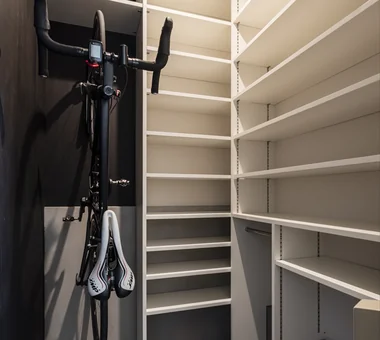
By opting for adjustable shelves instead of fixed ones, you can accommodate changes in the items being stored. Adjustable shelving is particularly useful in areas such as bookshelves, pantries, and closets, where items of various sizes need to be stored. The ability to modify shelf heights allows for efficient use of space and facilitates adaptation to changes in life stages.
Differentiating Between Display Storage and Concealed Storage.
It is not necessary to conceal everything; by using display storage for aesthetically pleasing items and those frequently used, the space becomes both functional and an integral part of the interior design. Conversely, items that evoke a sense of everyday life can be hidden behind doors, maintaining a clean and uncluttered environment. This strategic differentiation is key to a refined storage plan.
Planning of Walk-In Closets
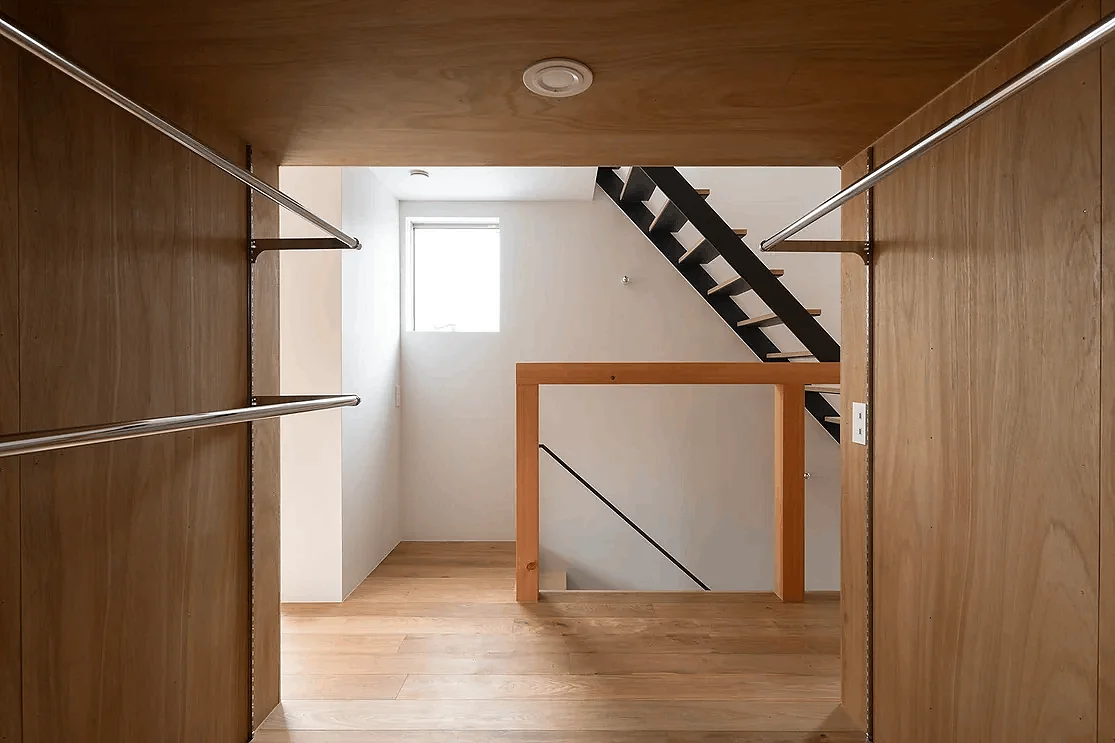
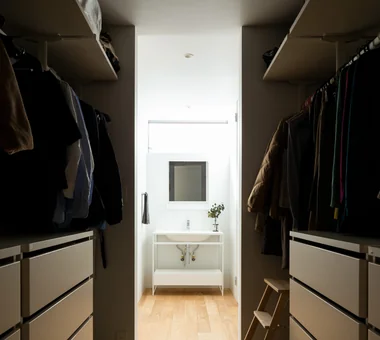
A walk-in closet adjacent to the bedroom provides convenient storage by consolidating clothing in one location. A minimum area of approximately 3.3 square meters (2 tatami mats) is recommended, with around 5 square meters (3 tatami mats) preferred for greater ease of use. By carefully considering the height and placement of hanging rods and the arrangement of shelves, it is possible to maximize clothing storage even within a limited space.
Effective Utilization of the Pantry.
Having a pantry adjacent to the kitchen allows for centralized storage of food supplies, cooking appliances, and tableware. Even a space of approximately 1 to 2 tatami mats can provide ample storage capacity by incorporating adjustable shelving. Additionally, connecting the pantry to a service entrance facilitates a smooth workflow after grocery shopping.
Utilization of Space Under Stairs and Attic.
The space under the stairs is suitable for storing cleaning tools and similar items. Due to its irregular shape, custom-built shelving is an efficient solution. Additionally, attic storage serves as an effective place for keeping seasonal appliances and memorabilia that are not used regularly; however, attention must be paid to temperature increases during the summer months.
Enhanced Entrance Storage.
By incorporating a shoes-in cloakroom, it is possible to store not only footwear but also coats, umbrellas, strollers, and outdoor equipment. Storage areas contiguous to the dirt floor are convenient for directly storing items used outdoors. Maintaining a tidy entrance improves the overall impression of the residence.
Custom-Built Furniture Tailored to the Space.
Wall-mounted storage and custom shelving are precisely fitted to the dimensions of the space, eliminating wasted areas. Even in locations with beams or columns, these elements are designed to maximize storage capacity by skillfully navigating around structural obstacles. Additionally, the specifications of doors, drawers, and internal partitions can be meticulously designed to suit specific functional requirements, offering a high degree of customization.
Moisture Control and Ventilation.
Enclosed storage spaces such as closets and pantries tend to retain moisture, making adequate ventilation essential. Installing louvered doors or using wall materials with humidity-regulating properties can prevent mold growth.
Designing with Future Changes in Mind.
As family composition and lifestyles evolve, the utilization of storage spaces also changes. While toy storage is necessary when children are young, it becomes redundant as they grow. Employing adjustable shelves and removable partitions allows for flexible storage solutions. It is essential to consider systems that can accommodate change from a long-term perspective.





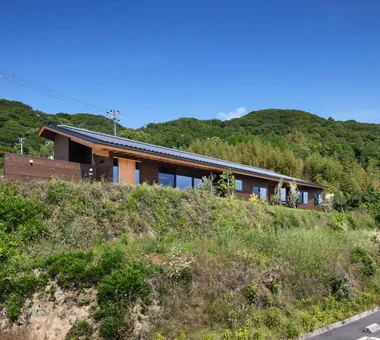 Single-Story Houses|Custom Home Examples by Architectural Offices|A Grounded, Enriched Lifestyle
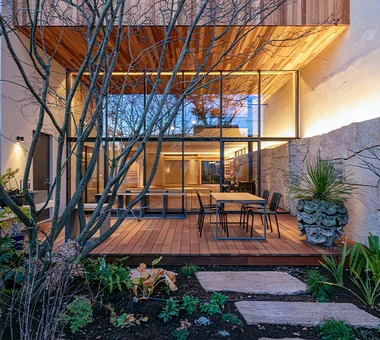 Homes with Gardens|Key Points for Home Building|Architectural Considerations and Circulation Planning for Cultivating Plants
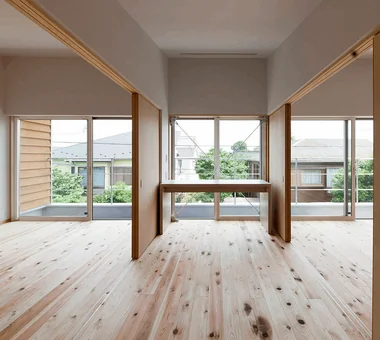 Stylish Hallways|Key Points for Home Building|Key Strategies for Harmonizing Circulation and Spatial Design
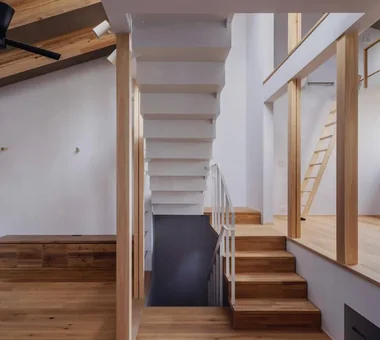 House with Skip Floors|Introduction to Architecture Firms|Stepped Levels Enrich the Space
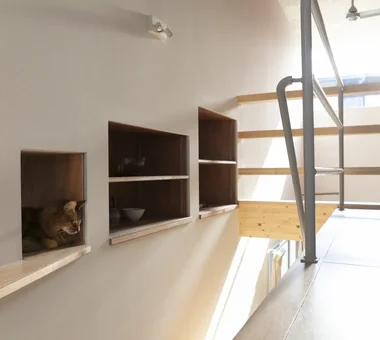 Homes Designed for Living with Cats|Key Points for Home Building|Vertical Circulation and Spatial Design Responsive to Feline Behavior
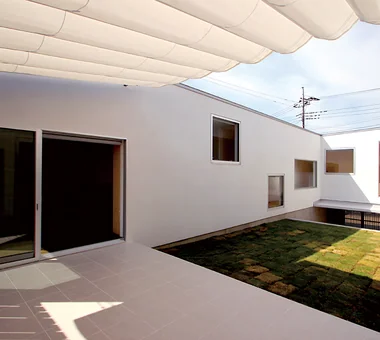 Homes Designed for Living with Dogs|Custom Home Examples by Architectural Offices|A Home Nurtured Together with the Family Dog