JYU ARCHITECT
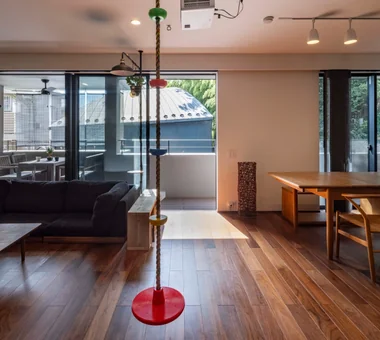
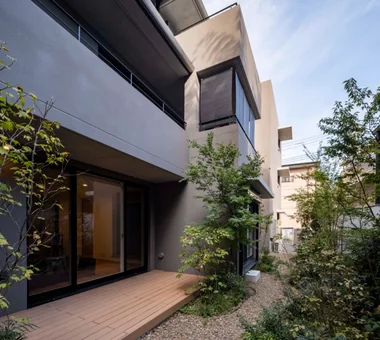
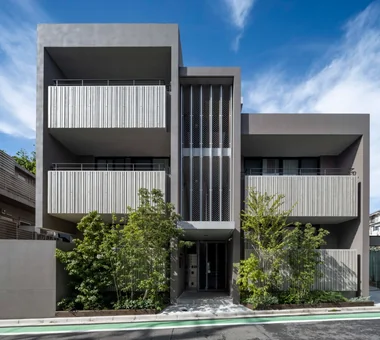
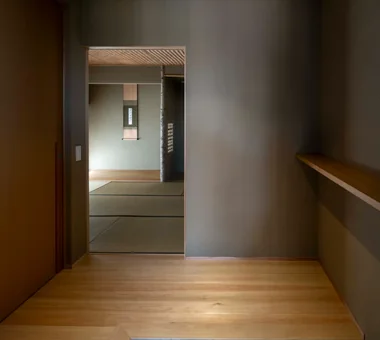
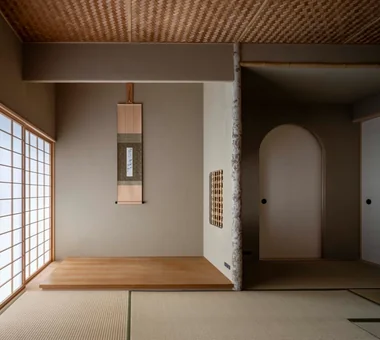
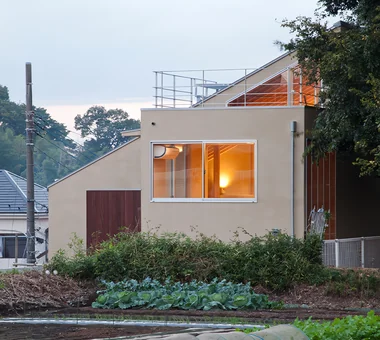
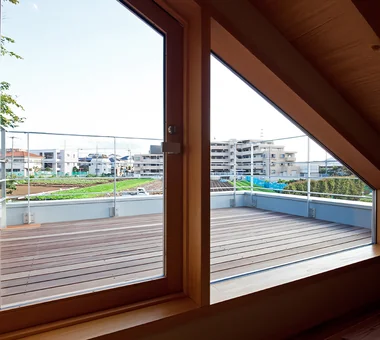
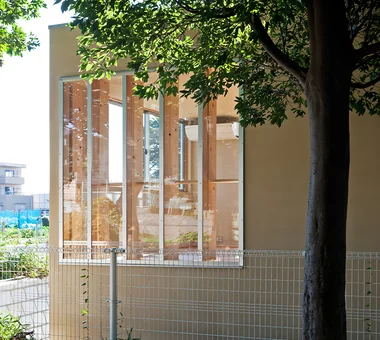
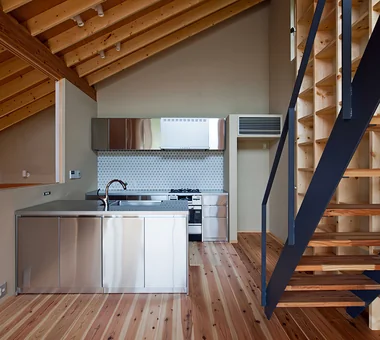
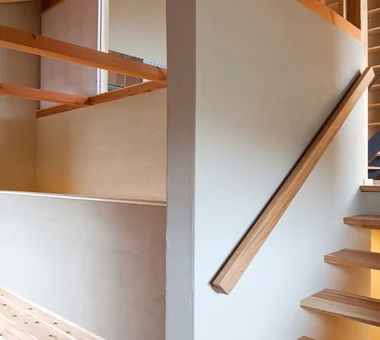
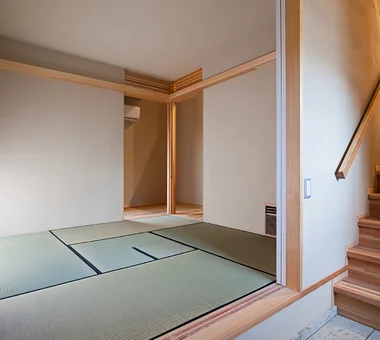
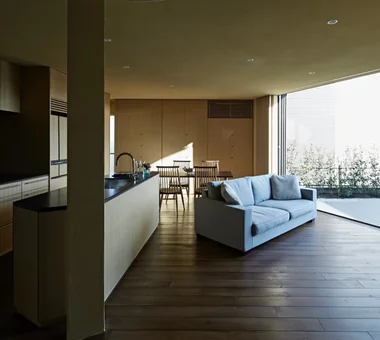
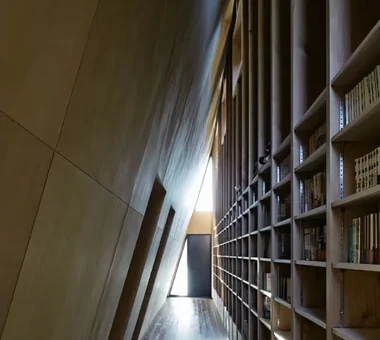
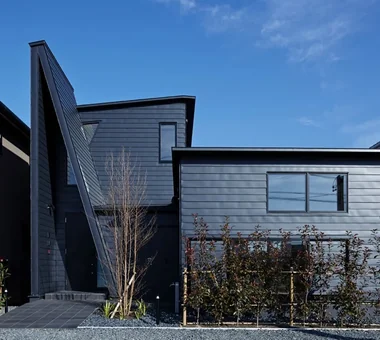
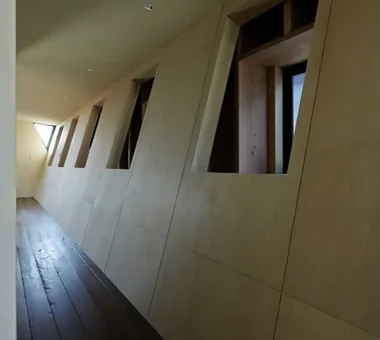
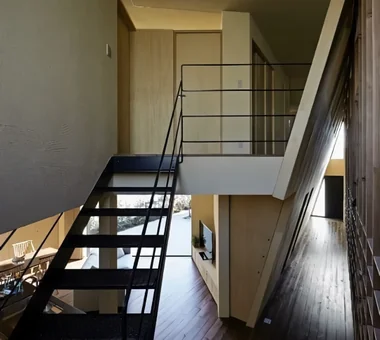
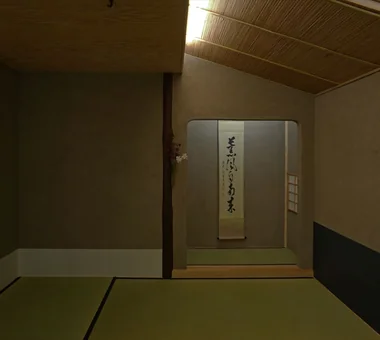
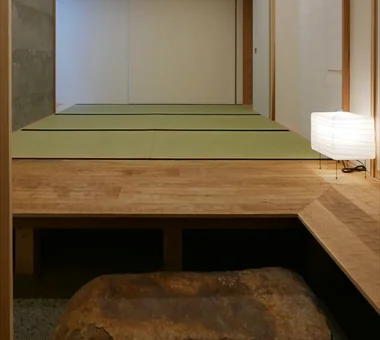
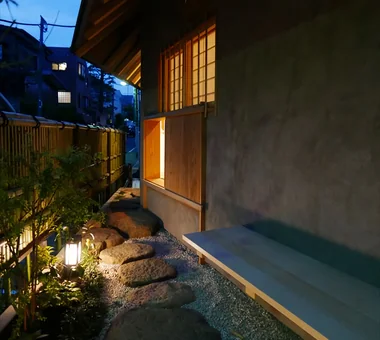
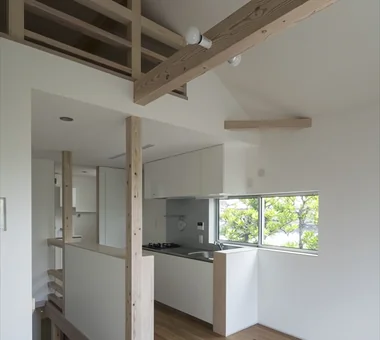
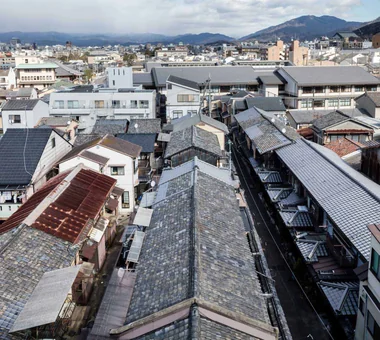
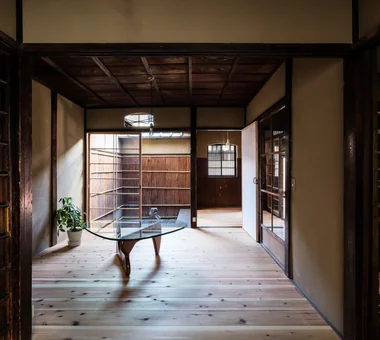
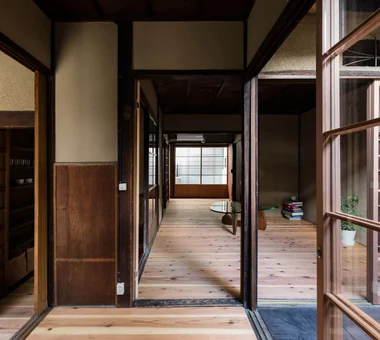
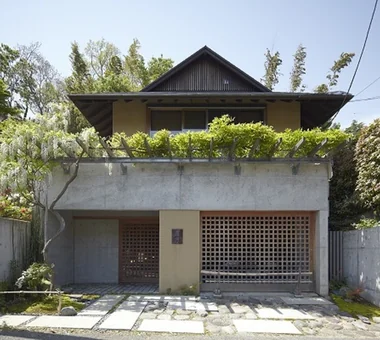
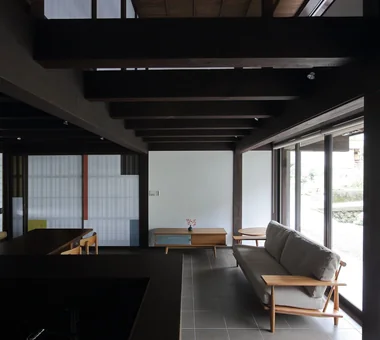
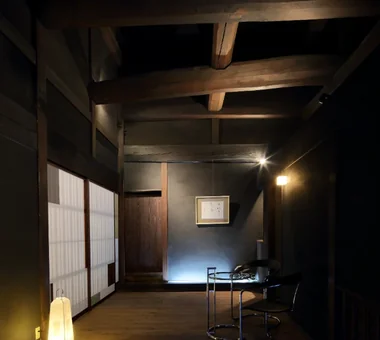
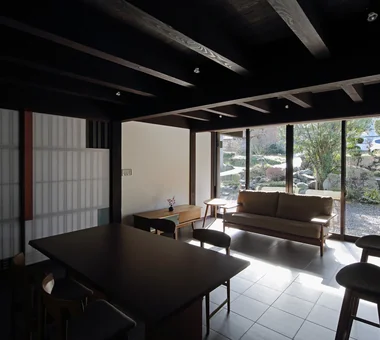
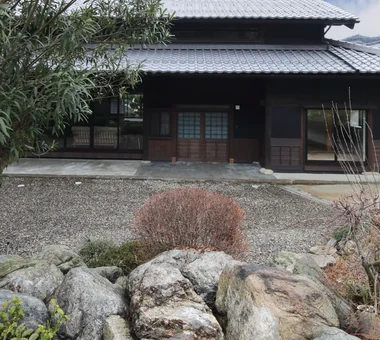
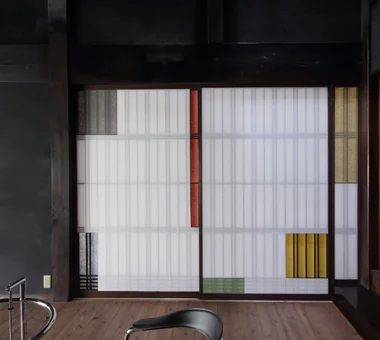
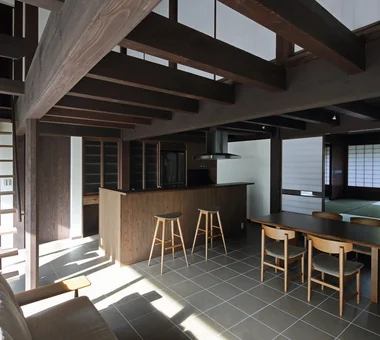
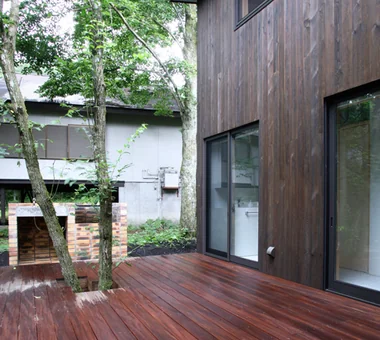
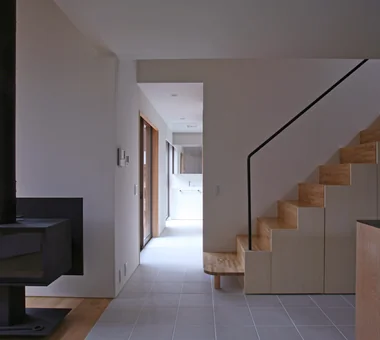
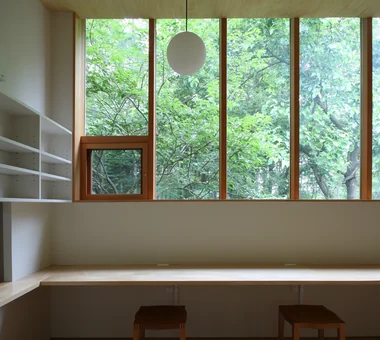
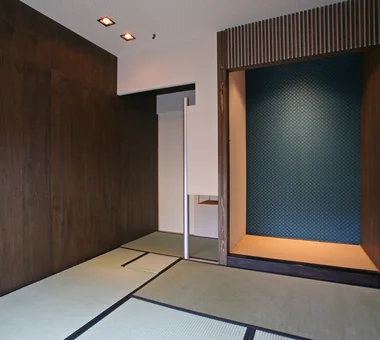
Homes Featuring Traditional Tea Rooms|Custom Home Examples by Architectural Offices8Picks|A Residence Infused with Japanese Aesthetic Sensibility
Author: Qurasuki Editorial Department
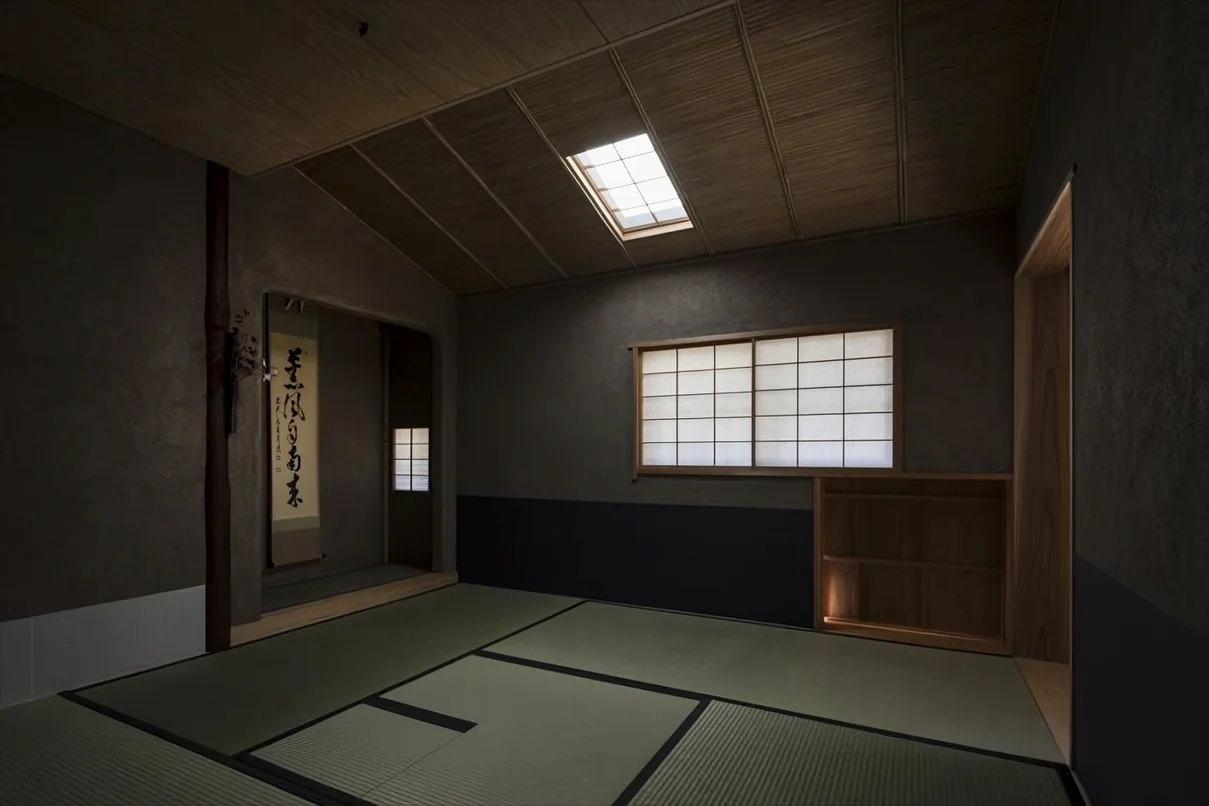
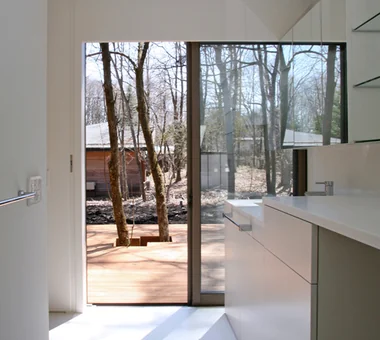
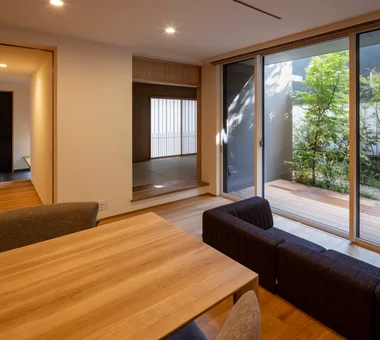
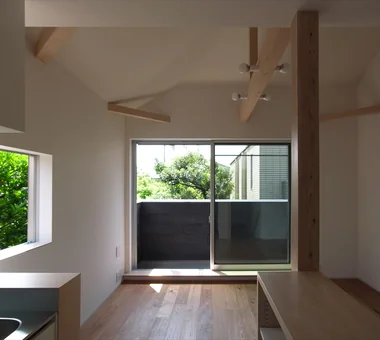
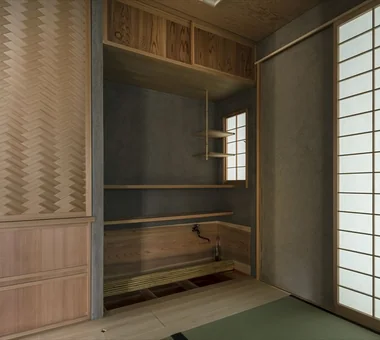
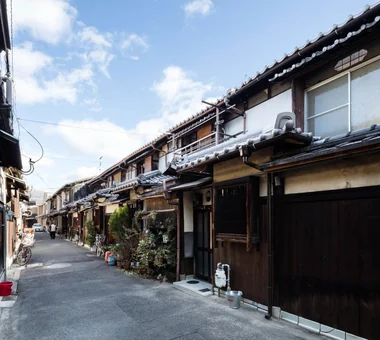
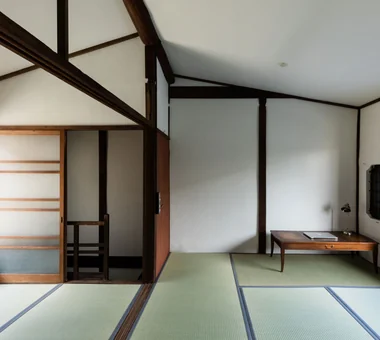
The tea room (chashitsu) is a space in which the aesthetic sensibility of Japanese architecture is concentrated, and its design requires a refined sensitivity to materials, light, proportions, and subtle spatial presence. When incorporating a tea room into a contemporary dwelling, it is essential to respect traditional rituals and proportions while ensuring a natural and seamless connection to modern living. Design considerations rooted in the spirit of the tea ceremony are wide-ranging: the placement of the sunken hearth (ro), the arrangement of the tokonoma (alcove) and tokowaki (adjacent alcove), the presence or absence of a nijiriguchi (low entrance), the direction and quality of natural light, and the materials and finishes of walls and ceilings. Architectural practices carefully confirm the tea school's lineage and the intended use of the tea room while proposing spaces that quietly embed Japanese aesthetic sensibility within contemporary architecture.







-
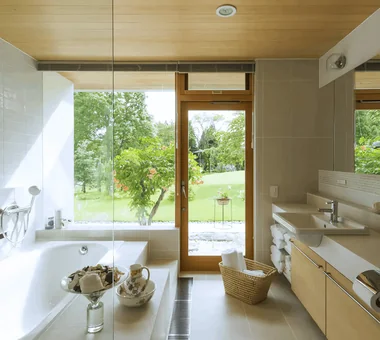 A Residence for Relaxation|Introduction to Examples by Floor Plan & Room Type|Incorporating Resort-like Serenity into Everyday Life: A Tranquil Space for Mindful Repose
 -
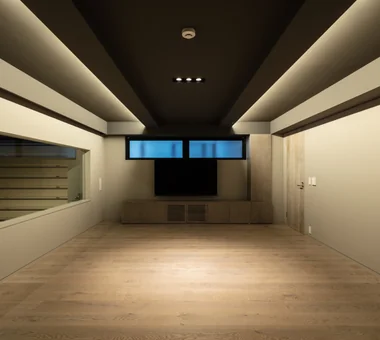 Homes Featuring Dedicated Theater Rooms|Key Points for Home Building|Designing an Environment that Balances Acoustic Performance and Visual Expression
 -
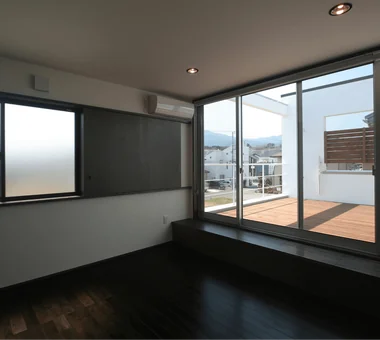 Stylish Bedrooms|Key Points for Home Building|Practical Strategies for Creating Spaces that Enhance Sleep Quality
 -
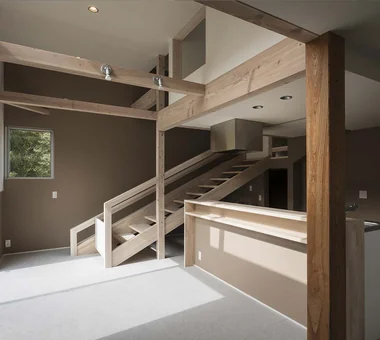 Homes Designed for Living with Dogs|Introduction to Examples by Floor Plan & Room Type|From Material Selection to Workflow Planning, a Form of Home that Achieves Comfortable Coexistence
 -
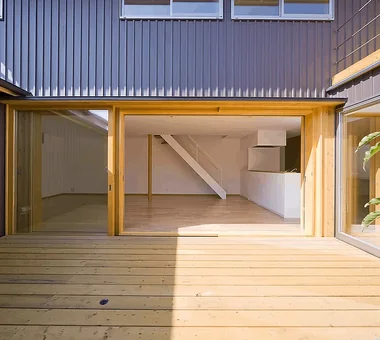 Stylish Courtyards|Key Points for Home Building|Creating a Private Space that Invites Light and Breeze
 -
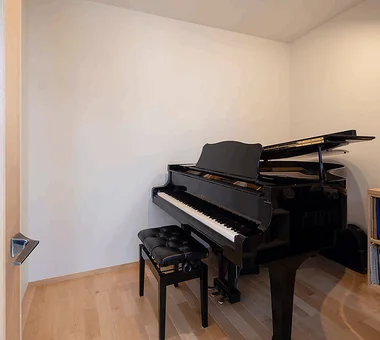 Soundproof Rooms|Key Points for Home Building|Planning Spaces that Balance Hobbies and Family Time