KICHI ARCHITECTURAL DESIGN
The Simple House|Case Studies|The Sharp, Refined Charm of a Minimalist Home
Author: Qurasuki Editorial Department
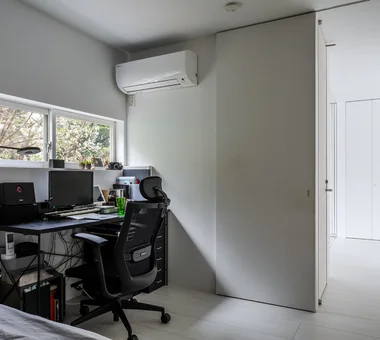
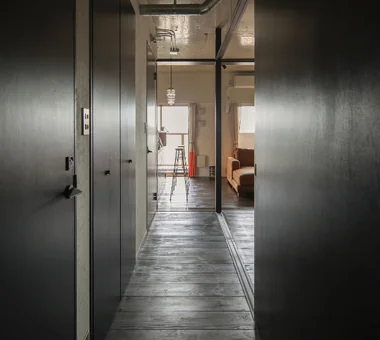
A simple house creates an essential richness by refining its elements. It establishes order in the elevation by aligning standards for openings and ceiling heights. The way light is brought in is adjusted by the position and depth of openings, creating different expressions for day and night.
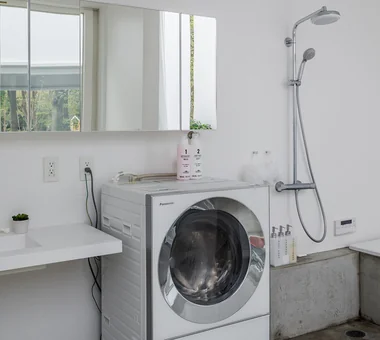
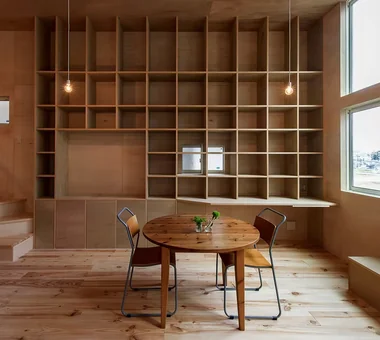
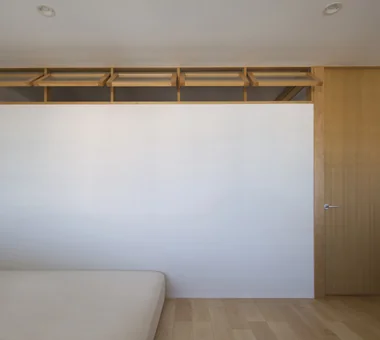
Planning furniture and lighting as integral parts of the space and integrating storage into the walls creates a clean line of sight, making daily cleaning and maintenance easier. For utilities, wiring and ventilation routes are consolidated to reduce visual noise. Instead of relying on decoration, a "quiet richness" is achieved through carefully chosen proportions and materials.

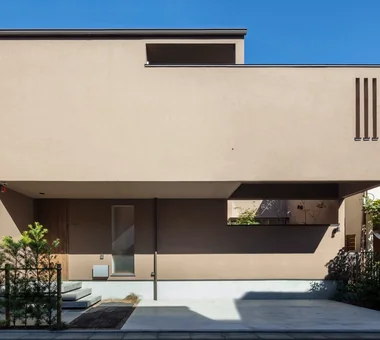
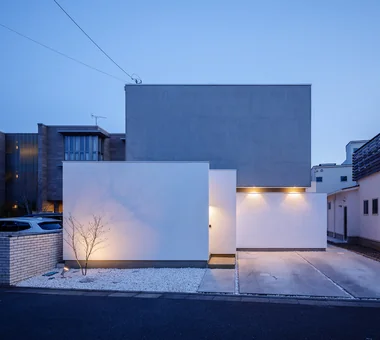
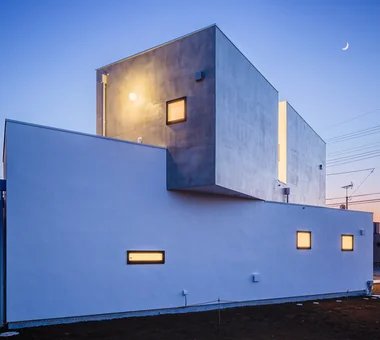
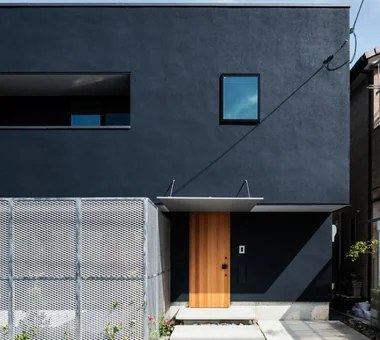
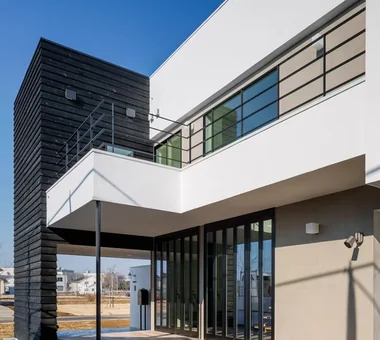
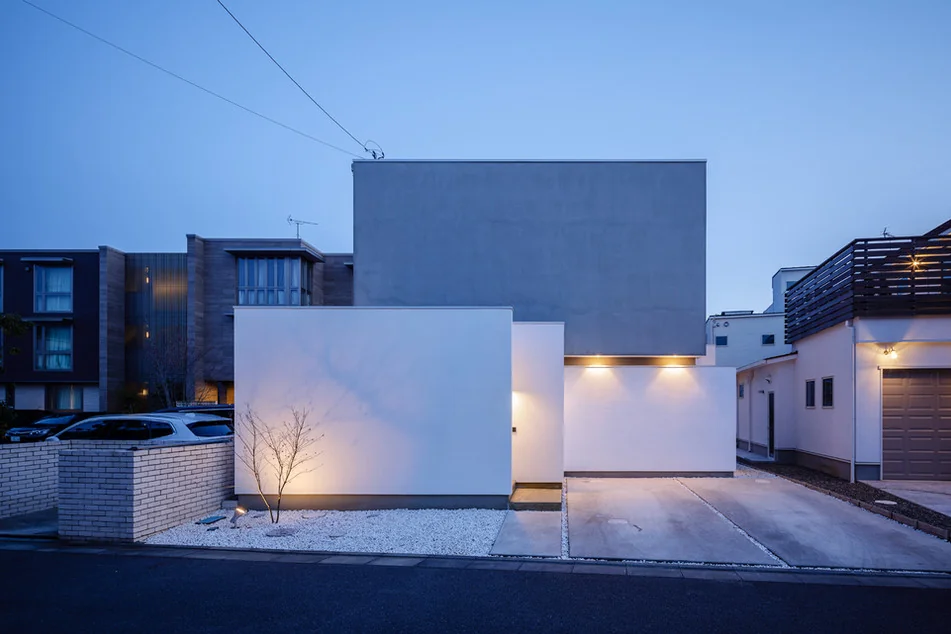
Blending into the city with a well-ordered facade. An exterior that harmonizes beautifully over time through the rhythm of its walls and openings and the tone of its materials.
The Simple House |Exterior
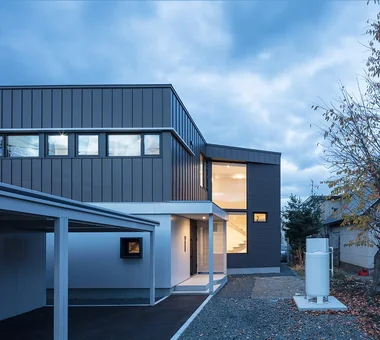
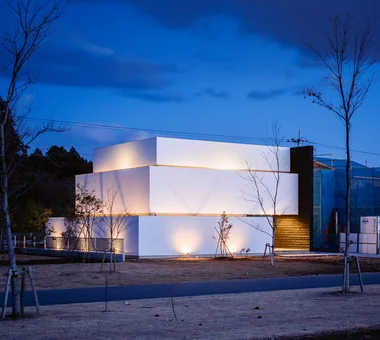
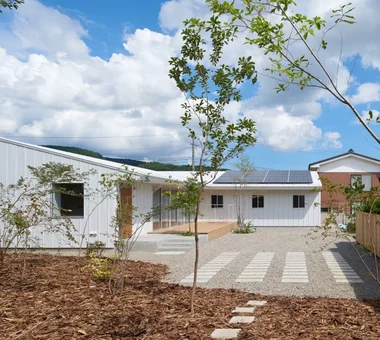
A simple exterior is composed of lines and planes, where the detailing significantly impacts the overall impression. Aligning standards for window heights and the rhythm of walls brings a sense of calm to the elevation. Exterior materials are chosen based on the premise of a ventilated construction method and weatherproofing; materials like metal, plaster, and wood are combined based on weather resistance, maintenance, and proportion.
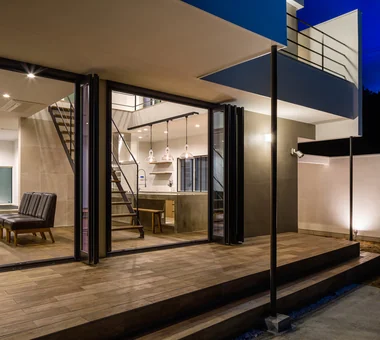
The color palette is kept gentle to match the surroundings, helping it blend into the streetscape. A nighttime lighting plan that creates shadows results in an exterior whose expression changes with the angle and time of day.
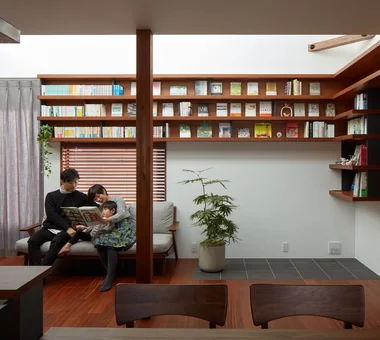
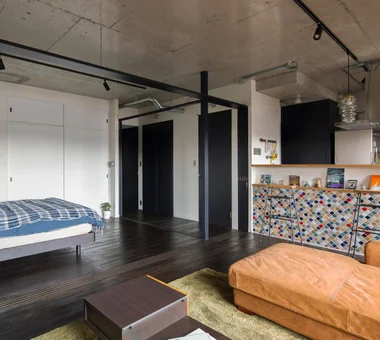
An LDK that weaves comfort from few elements. Designing with a sense of time through clear sightlines, organized circulation, and layers of materials and lighting.
The Simple House |LDK
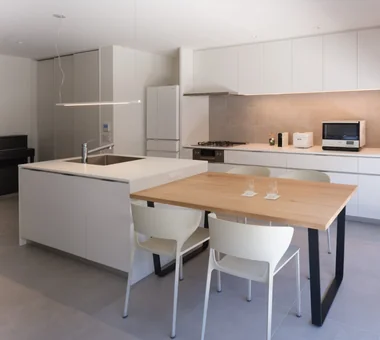
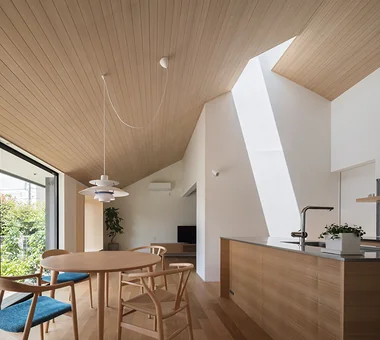
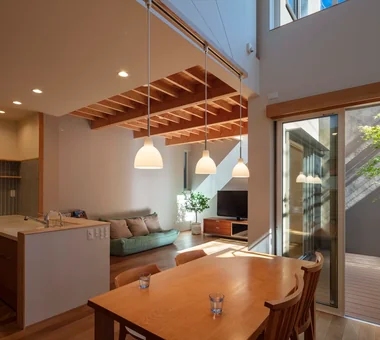
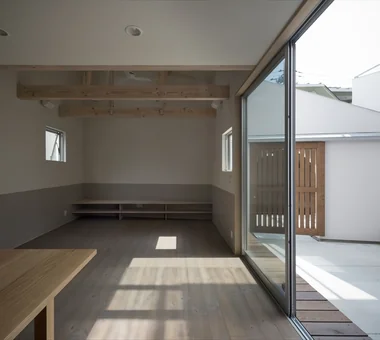
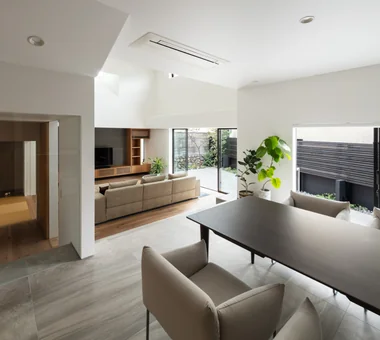
In the LDK of a simple house, aligning the lines of the ceiling and walls and discreetly integrating equipment and storage eliminates visual noise, creating comfortable empty space. Materials with rich textures like wood, stone, and plaster are used simply, and a limited color palette achieves both a calm atmosphere and a sense of quality.
Windows with thin frames bring in outdoor light and greenery directly, reflecting natural expressions in the simple interior. Choosing low, slender furniture enhances the horizontal lines of the space, increasing the sense of openness.
A terrace for enjoying the open space. An external area that brings in the breeze and blends into daily life.
The Simple House |Terrace
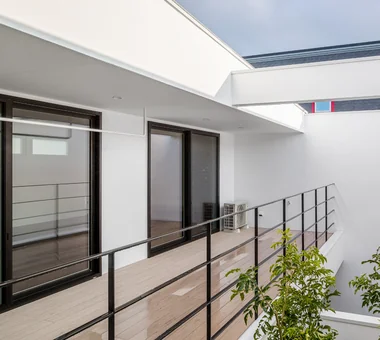
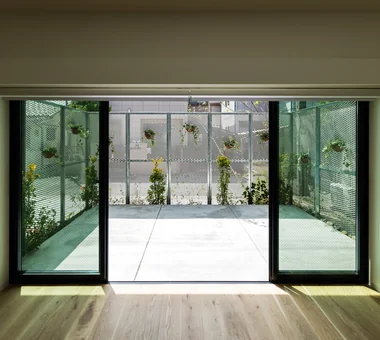
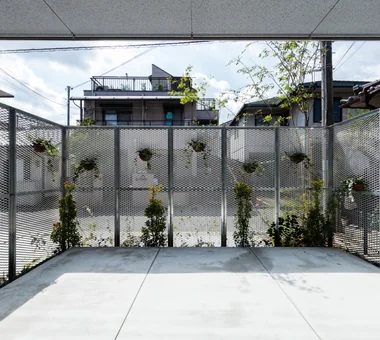
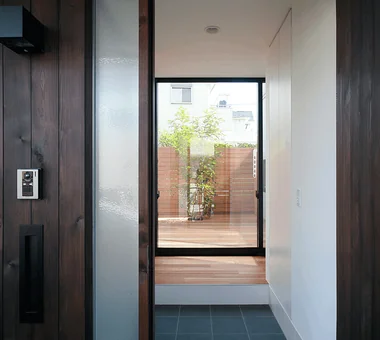
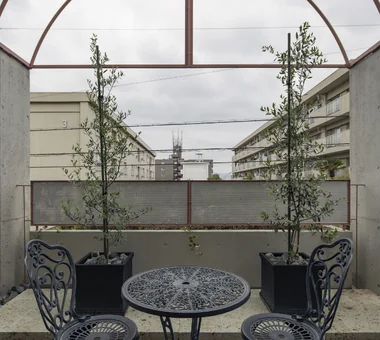
In a simple house, stripping away decorations on the terrace emphasizes its continuity with the interior. Finishing the indoor and outdoor floors at the same level creates an uninterrupted line of sight, making the space feel larger. The depth of the eaves and the way the walls are cut out create shadows, which can be used to control sunlight and wind, becoming a mechanism for naturally incorporating the changing seasons.
Choosing simple materials like wood or tile and limiting the number of colors creates a sense of unity throughout the space. In contrast to the linear architecture, organic plantings bring depth to the simple space.
Stairs that design the vertical axis. Clad in light and shadow, they have a simple, beautiful presence that runs through the entire home.
The Simple House |Stairs
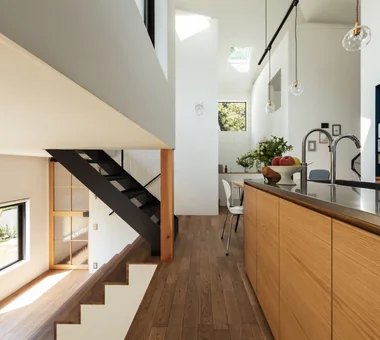
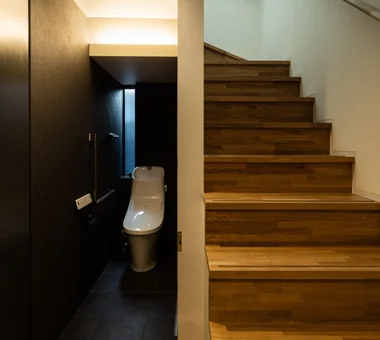
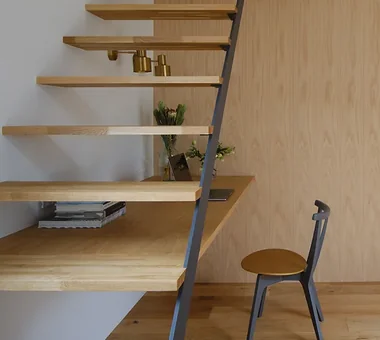
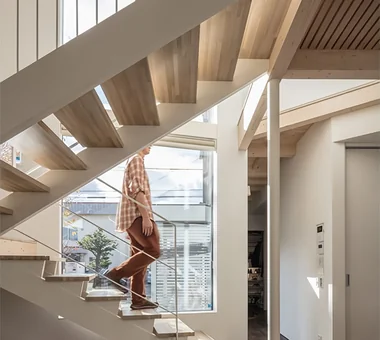
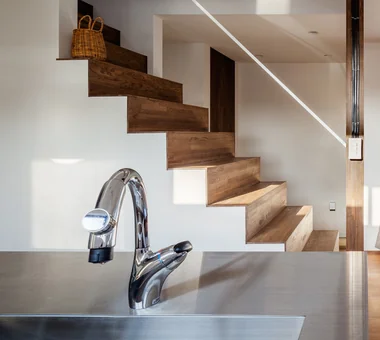
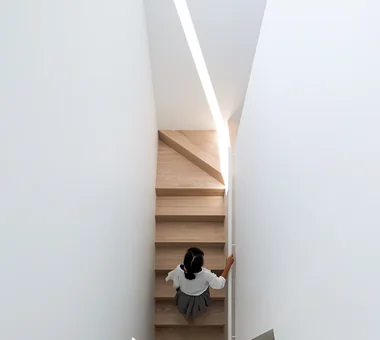
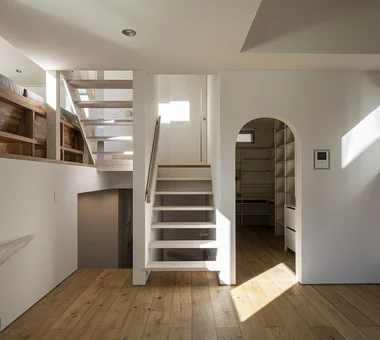
Stairs are not just a path for circulation but an element that guides sightlines and creates a center of gravity within a home. In a simple house, it is effective to keep the lines of the treads and handrails thin, eliminate unnecessary decoration, and showcase the beauty of the structure itself. Open-riser stairs allow light to pass through, creating a connection between the upper and lower floors.
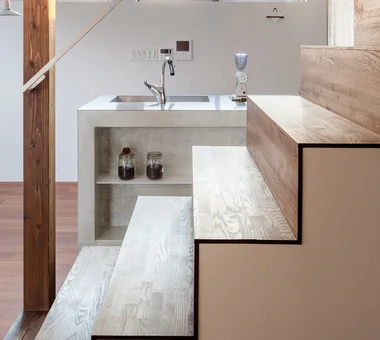
Matching the material of the treads and handrails with the floor and walls unifies the entire space and emphasizes the empty areas. While ensuring safety, the straight lines and continuous rhythm give the stairs a sculptural presence within the home.
-
Minimalist Design Residences|Custom-built homes by architecture firms|A Richer Home Through Restraint2026-05-11|Qurasuki Editorial Department -
House with a Doma|Key Points for Home Building|Design Strategies for Leveraging Transitional Indoor–Outdoor Spaces as Multifunctional Areas2026-03-02|Qurasuki Editorial Department -
Modern Japanese-Style Residence|Custom-built homes by architecture firms|A Residence Where Japanese Aesthetics Meet Contemporary Living2026-05-11|Qurasuki Editorial Department -
Stylish Kitchens|Key Points for Home Building|Balancing Cooking Efficiency and Comfort2025-10-20|Qurasuki Editorial Department -
Homes for Antique Enthusiasts|Case Studies|Living Comfortably with Time‑Worn Furniture: A Home That Savors the Depth of Materials2026-05-17|Qurasuki Editorial Department -
Circulation Flow|Custom-built homes by architecture firms|Designing for Ease of Living with Continuous Circulation2026-05-11|Qurasuki Editorial Department