Tatsumi Negishi Architectural Studio
Homes with Gardens|Key Points for Home Building|Architectural Considerations and Circulation Planning for Cultivating Plants
Author: Qurasuki Editorial Department
Cultivating seasonal plants in the garden and watching their growth brings a deep sense of satisfaction to how one lives at home. For gardening enthusiasts, the garden is not merely an exterior space but can serve as the focal point of daily life. In addition to horticultural conditions such as soil preparation, drainage, and sunlight, architectural considerations are equally necessary—visibility from the living room, efficient work circulation, and areas for rest. An integrated design that unites house and garden enables a richer, more fulfilling gardening lifestyle.
Emphasizing Continuity Between Garden and Interior.
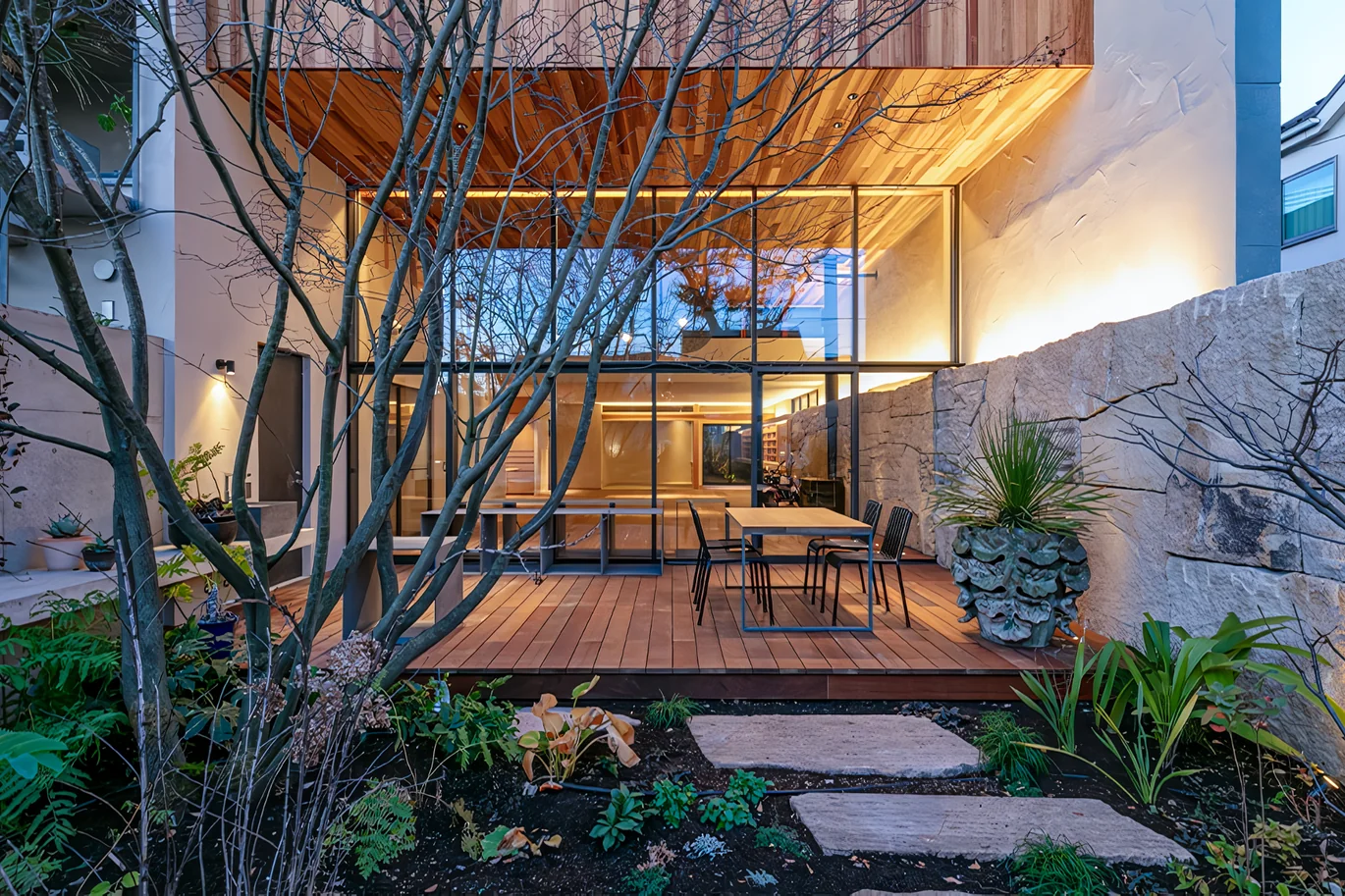
By establishing a relationship that allows for daily interaction with the garden, rather than merely viewing it, gardening becomes a more integral part of everyday life. Incorporating wood decks or terraces that provide seamless, step-free access from the living and dining areas extends the living space into the garden. Connecting interior and exterior through large windows or glass doors creates a comfortable environment where greenery can be appreciated even while indoors.
Enhanced Outdoor Faucets and Workspaces.
Water is indispensable for gardening. Installing multiple outdoor faucets at various locations in the garden eliminates the hassle of dragging hoses around. Ideally, using a mixing valve that provides hot water as well ensures comfortable work during the winter months. Additionally, having a dedicated workspace for soil and fertilizer, along with garden shelves, facilitates easier transplanting and maintenance.
Tool Storage Located Near the Garden.
Gardening tools such as shovels, watering cans, and pruning shears are used frequently, so having a storage area close to the garden is highly convenient. Storage solutions vary in form, including sheds adjacent to the back door, corners of the garage, or small garden sheds. Organizing these tools on open shelves or hooks in a location where soil contamination is not a concern allows for quick access and improves work efficiency.
Planting Design That Reflects the Four Seasons.
Incorporating seasonal changes in the garden adds vibrancy to everyday life. By combining plants that showcase spring blossoms, summer greenery, autumn foliage, and the winter branch structure, the garden offers varied expressions throughout the year. Planting deciduous trees in view from windows provides functional benefits as well, creating shade in summer and allowing sunlight to penetrate in winter.
Preparation for Improving Soil Quality.
A good garden begins with good soil. In new construction, soil can become compacted due to building activities, or poor-quality soil may be backfilled. By replacing the soil with high-quality topsoil prior to planting, an environment conducive to healthy plant growth is established. Although this process requires some effort and cost, it is a crucial foundation that influences the garden's development in the long term.
Zoning Based on Sunlight Conditions.
Within the garden, there are various conditions such as areas with full sun, partial shade, and full shade. Plants that prefer sunlight, such as vegetables and roses, should be placed in sunny locations, while shade-loving plants like ferns and hostas are best situated on the north side of the building. Proper placement according to each plant’s light requirements is the key to success. Conducting a sunlight simulation of the garden during the architectural phase facilitates a smooth planting plan.
Easy Maintenance with Flower Beds and Raised Beds.
While planting directly in the ground is an option, elevating the edges of flower beds or creating raised beds (elevated planting areas) facilitates a more comfortable working posture and simplifies soil management. This design is especially considerate for those seeking to reduce strain on the lower back. Edging with materials such as bricks, wood, or railroad ties also adds visual interest and character to the garden.
A Green Carpet of Lawn Space.
Having a lawn in the garden creates a sense of visual expansiveness and a soft texture. It is also ideal as a space where children can run barefoot and pets can play. However, maintaining a lawn requires regular mowing and watering, so it is important to consider the maintenance effort when determining the area. While artificial turf is an option, the comfort unique to natural grass is unparalleled.
Enjoy Climbing Plants with Pergolas and Arches.
Incorporating pergolas and arches that support climbing plants such as roses, clematis, and wisteria adds a three-dimensional aesthetic to the garden. Installing a pergola over a deck provides shade during the summer and creates a fragrant environment during the flowering season. Green tunnels and canopies establish distinctive spaces within the garden.
Creating Nighttime Ambiance in the Garden with Lighting.
By strategically placing lighting in the garden, you can enjoy beautiful nighttime scenery. Options include uplights that illuminate trees from below and footlights that light pathways, allowing selection based on specific functions. Solar lights require no wiring and are easy to install. The presence of lighting enriches the experience of dining on the terrace at night and enhances the garden’s appearance when viewed through windows.
Enhancing Circulation with Pathways and Stepping Stones.
Creating pathways within the garden facilitates a circuit-style layout that allows visitors to enjoy walking among the plants. Constructing these paths using materials such as brick, stone, or gravel helps prevent muddy footing on rainy days and simplifies garden maintenance. Strategically arranging stepping stones in a rhythmic pattern adds an element of walking enjoyment. Designing the garden with careful consideration of circulation encourages the habit of regularly spending time outdoors in the garden.
Balancing Gardens for Viewing and Use.
A garden requires a balance between spaces designed for visual enjoyment and those intended for active use. Rather than filling the entire area with planting, zoning the garden according to function—such as leaving open spaces for tables and chairs or lawn areas where children can play—allows the whole family to engage with the garden.





 Homes Featuring Soundproof Rooms|Introduction to Architecture Firms|A Place to Fully Enjoy Musical Performance
 Stylish Residential Approaches|Key Points for Home Building|A Pleasant Pathway to the Entrance
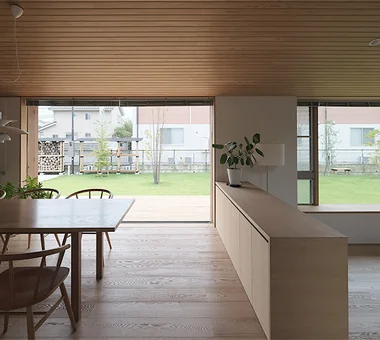 House with Outdoor Living Space|Custom Home Examples by Architectural Offices|An Additional Living Room Where Interior and Exterior Merge
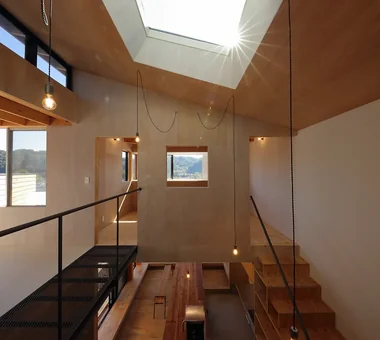 House with Circular Flow Layout|Pros and Cons|Layouts That Enable Continuous Flow
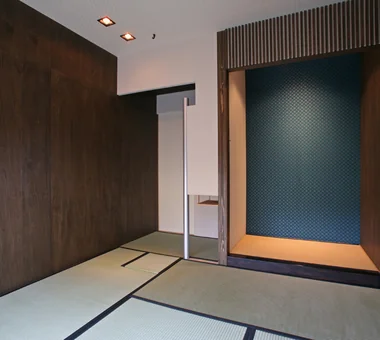 Homes Featuring Traditional Tea Rooms|Introduction to Examples by Floor Plan & Room Type|Harmonizing Traditional Aesthetic Beauty with Contemporary Living
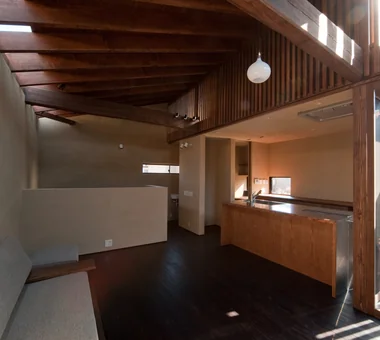 A Home for Culinary Enthusiasts|Custom Home Examples by Architectural Offices|A Home That Makes Cooking a Pleasure