12mm Architects
Compact House|Custom-built homes by architecture firms9Picks|Living Abundantly in Compact Homes
Author: Qurasuki Editorial Department
Even with a limited floor area, it is entirely possible to achieve a generous quality of life through careful spatial organization and design ingenuity. In compact dwellings, strategies typical of architectural practices become particularly effective: creating visual continuity with double-height voids and clerestory windows, integrating storage into structural elements and level changes, and arranging layouts to shorten and streamline domestic circulation. Precisely because the footprint is small, there is an opportunity to engage rigorously with materials and detailing, producing spaces in which the occupant’s character is concentrated and expressed. The following presents case studies that adopt a positive stance toward cost and site constraints to realize small yet highly satisfying homes.

Komagawa House
Kumi Inoue Architects
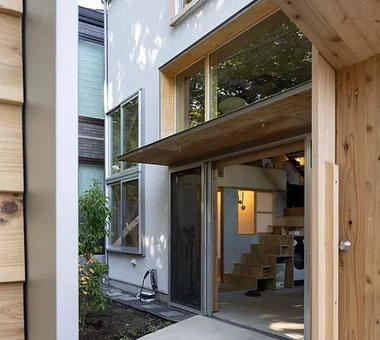
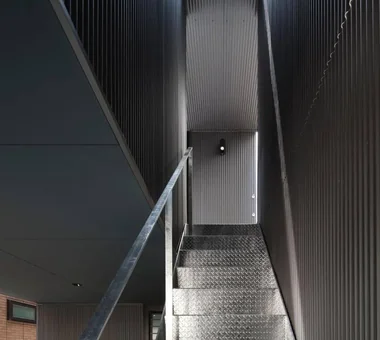
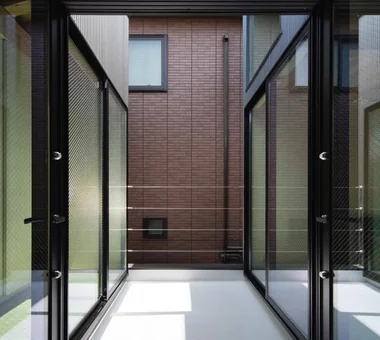
This residence, sited on an 18-tsubo (approximately 59.5 m²) lot in a residential area of Higashisumiyoshi Ward, Osaka, is designed to withdraw from the bustle of the adjacent shopping street. To achieve this, the entrance is located on the second floor, accessed via an exterior staircase and mediated by a terrace that leads into the interior. The terrace functions as an intermediary zone between inside and outside, providing an expanded sense of living. The second floor is divided into two volumes, with a Japanese-style room arranged like a detached annex, creating small moments of richness and tranquility in everyday life.
House Along the Jōsui Canal
Atelier Cotocoto
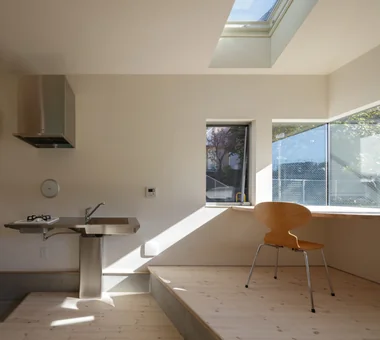
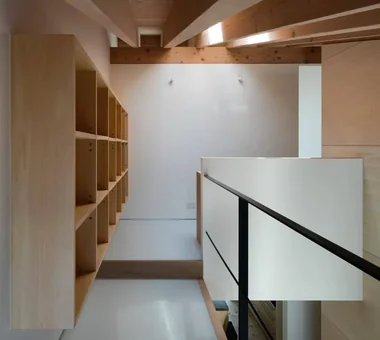
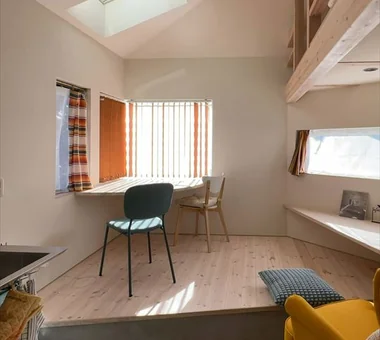
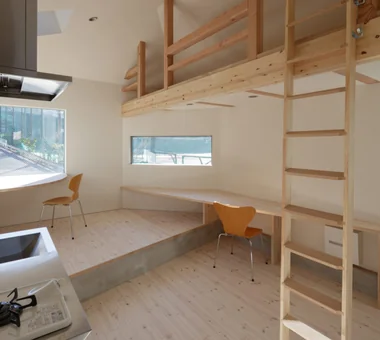
A small live-work dwelling that nestles against the lush greenery of the Tamagawa Josui. While screening views from the heavily trafficked greenway, it aims to create a space that still retains a connection to nature. A high‑ceilinged, open‑plan studio is organized with three floor levels of varying heights; the split‑level arrangement gently delineates work and living zones. Through an inner courtyard that controls sightlines, the interior opens views toward the greenery along the Tamagawa Josui. Within a compact total floor area of 45 m², this residence demonstrates a new possibility that reconciles a sense of spaciousness and comfort.
A Small House Composed of Three Connected Boxes (Large, Medium, Small) | Tsuzura House
Yoshihiro Yamamoto Architects Associates
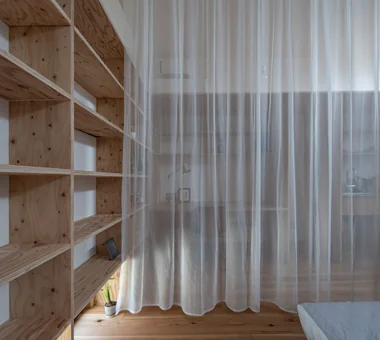
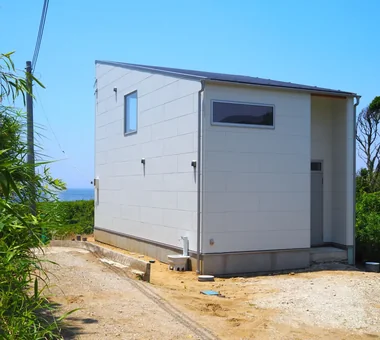
A compact residence for a single occupant sited on a generous suburban plot. Primary functions—sleeping, dining, and working—are consolidated within a large open-plan space that is subtly subdivided by curtains to create flexible separations and efficient domestic circulation. Support functions—wet areas, storage, and a guest room—are articulated as a series of interlocking volumes of varying scale. The building is positioned centrally on the site to maintain a buffer from the surrounding context. Designed with high levels of airtightness and thermal insulation, the project proposes a new approach to suburban living.
House in Momoyama
Masahiko Sawamura Architect and Associates
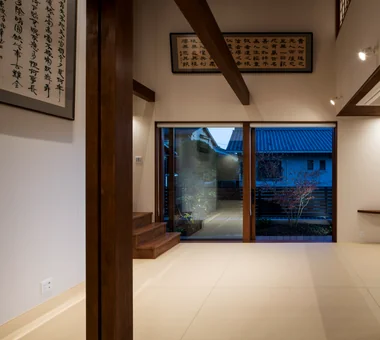
A quiet house for a calligrapher
House in Futtsu
Yu Architectural Design Studio
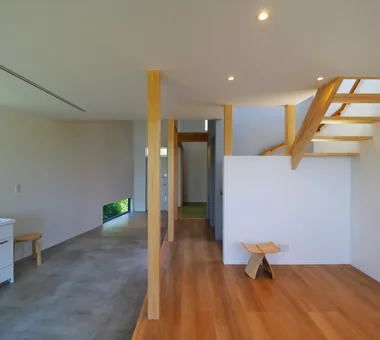
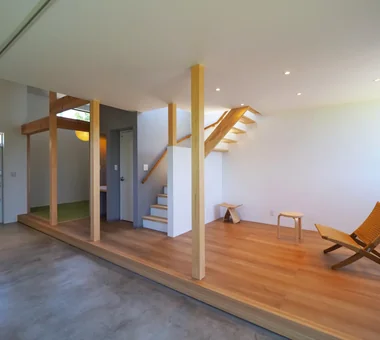
A compact residence with a total floor area of approximately 22 tsubo, built on a hill overlooking the sea at Futtsu. The interior is configured like a studio with minimal partitioning, creating a generous sense of openness within a limited footprint. From the LDK (living-dining-kitchen) one can take in a sweeping view of Tokyo Bay, and the bathroom offers the luxurious prospect of Mount Fuji. A doma kitchen integrated with the entrance provides a light, direct circulation and immediate access to the garden. A small home for enjoying rich moments where sea and sky, landscape and daily life are gently connected.
House in Endo
Kurashi no Jōzōsho
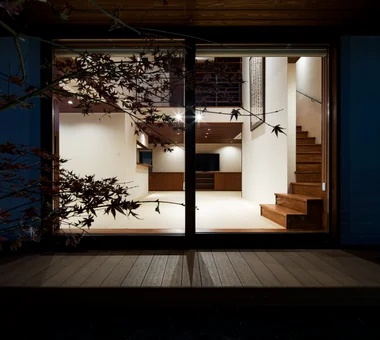
Responding to a site enclosed by residences on all sides, this dwelling brings light and greenery into a U‑shaped courtyard at its heart. Employing an east‑facing garden strategy to capture morning light from the east while securing daylighting from the south, the design achieves a sense of openness that belies its total floor area of 26 tsubo (approximately 86 m²). A deck level with the living room provides a pleasant, outward extension of the living space. Trees such as Japanese maple (Acer palmatum) and olive animate the seasons, completing a home in which the family can peacefully spend the years together.
A Small Single-Story House on a Sloped Site
12mm Architects
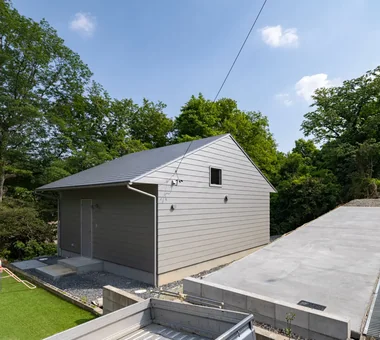
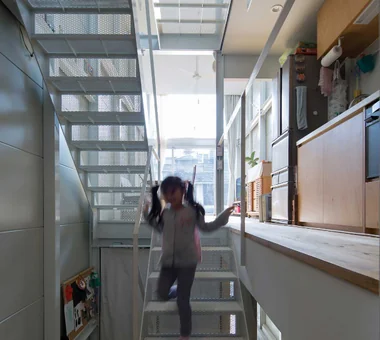
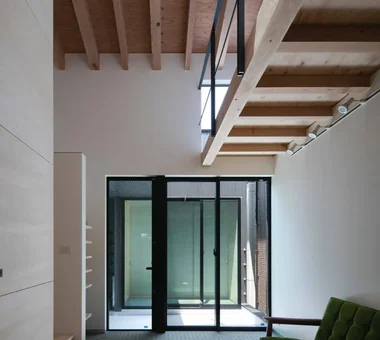
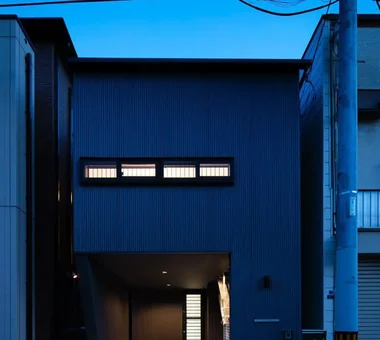
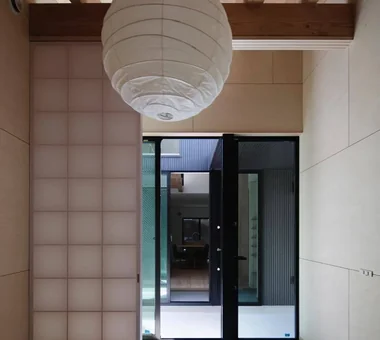
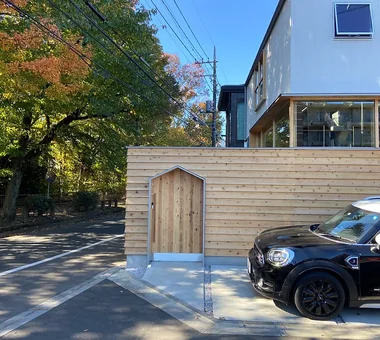
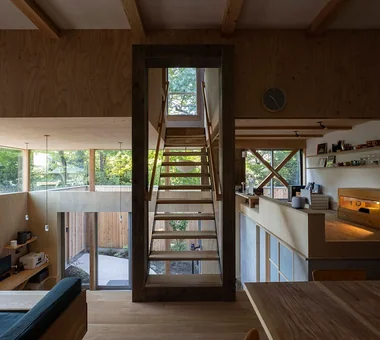
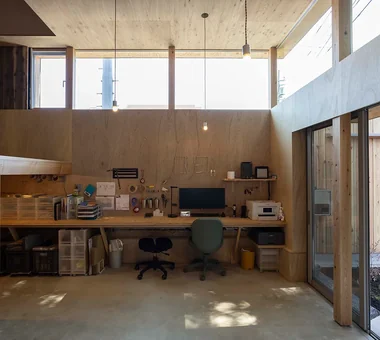
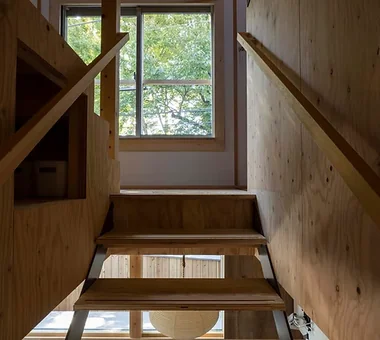
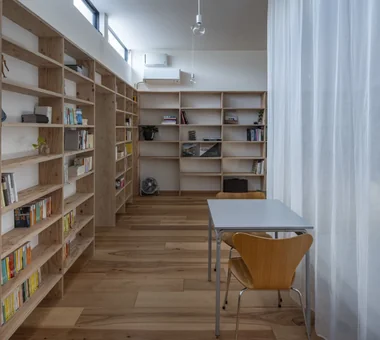
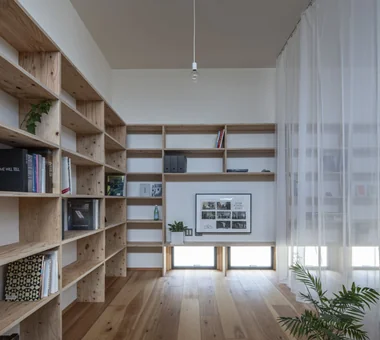
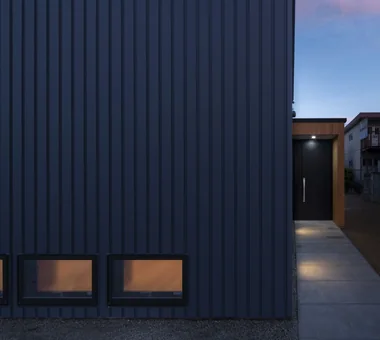
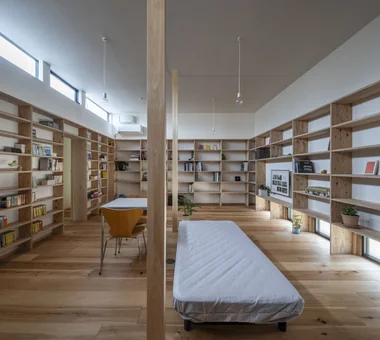
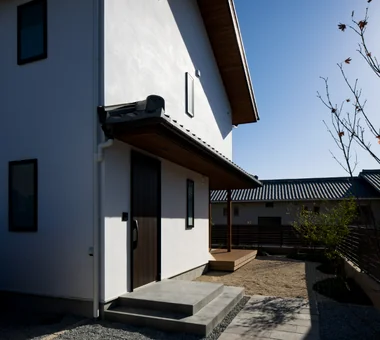
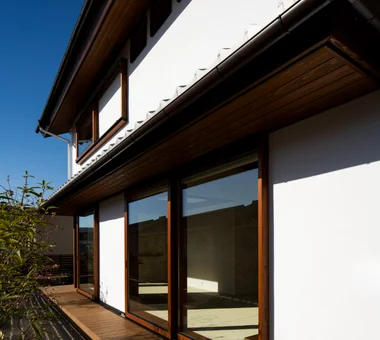
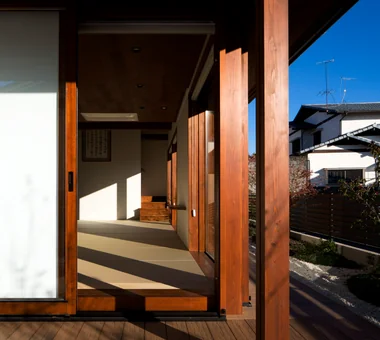
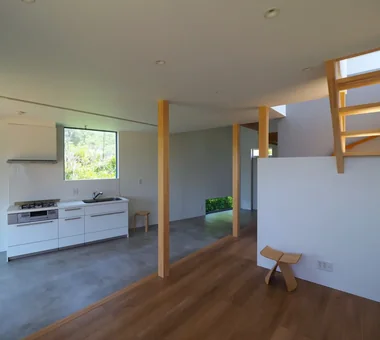
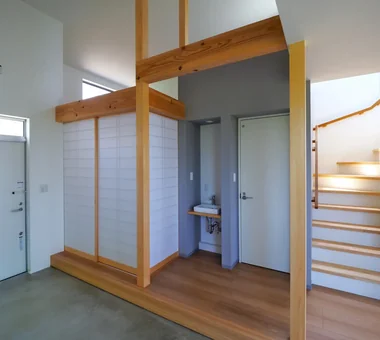
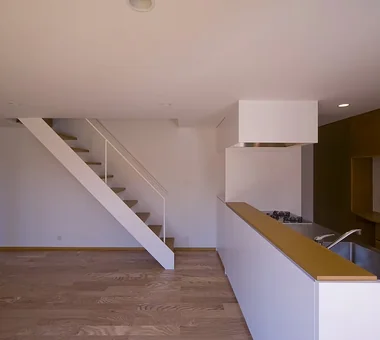
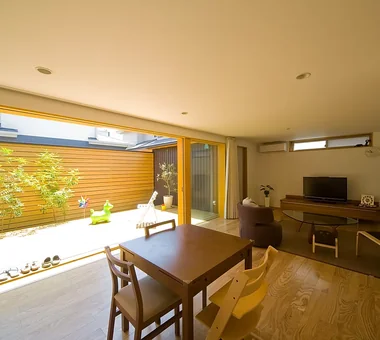
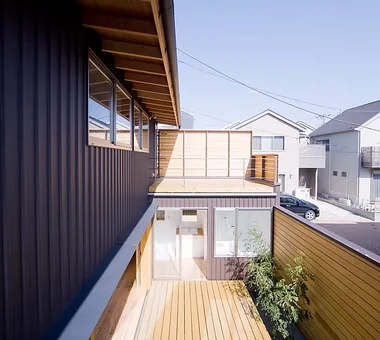
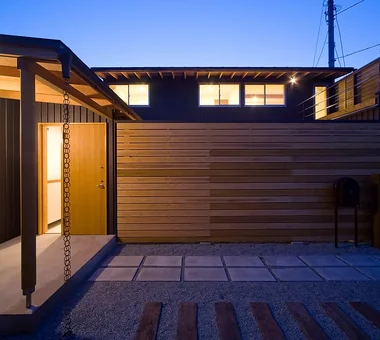
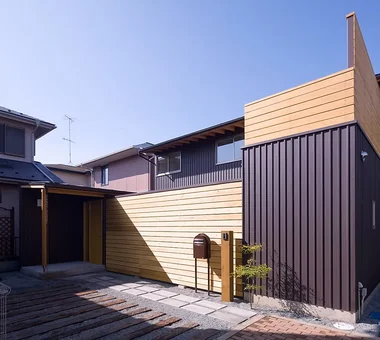
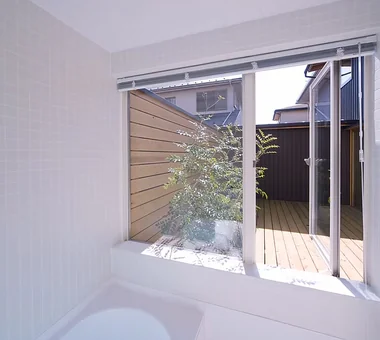
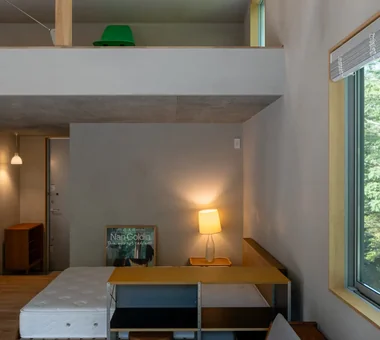
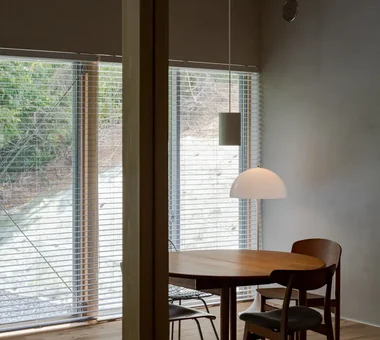
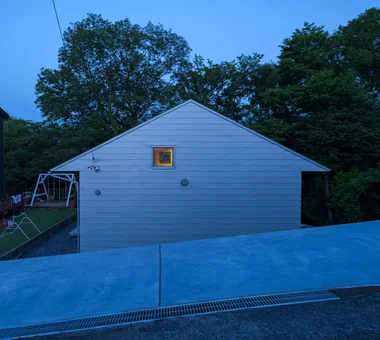
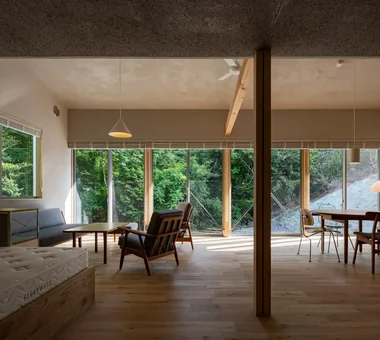
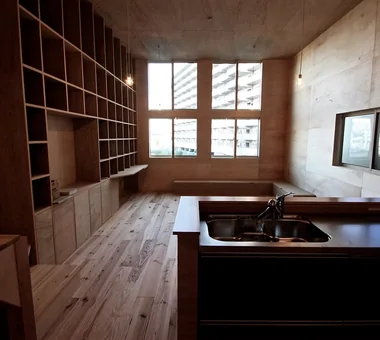
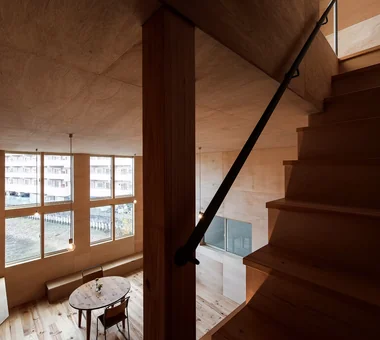
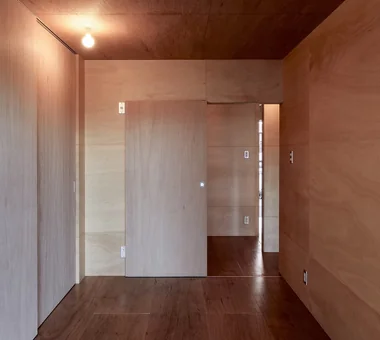
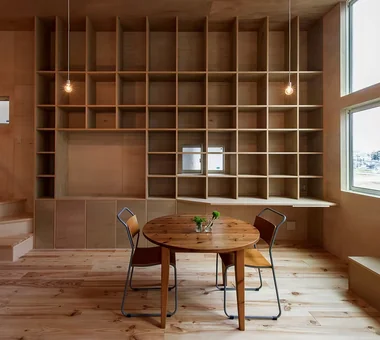
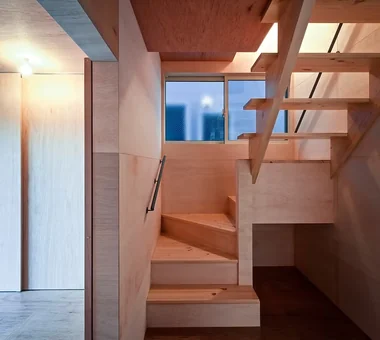
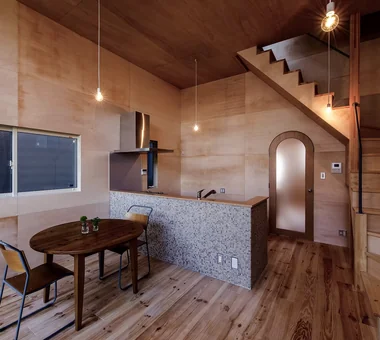
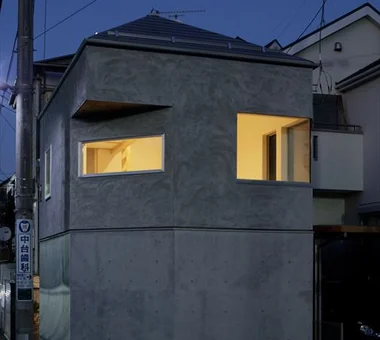
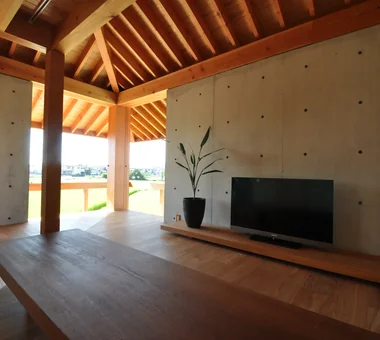
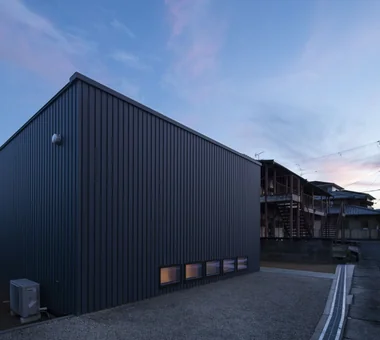
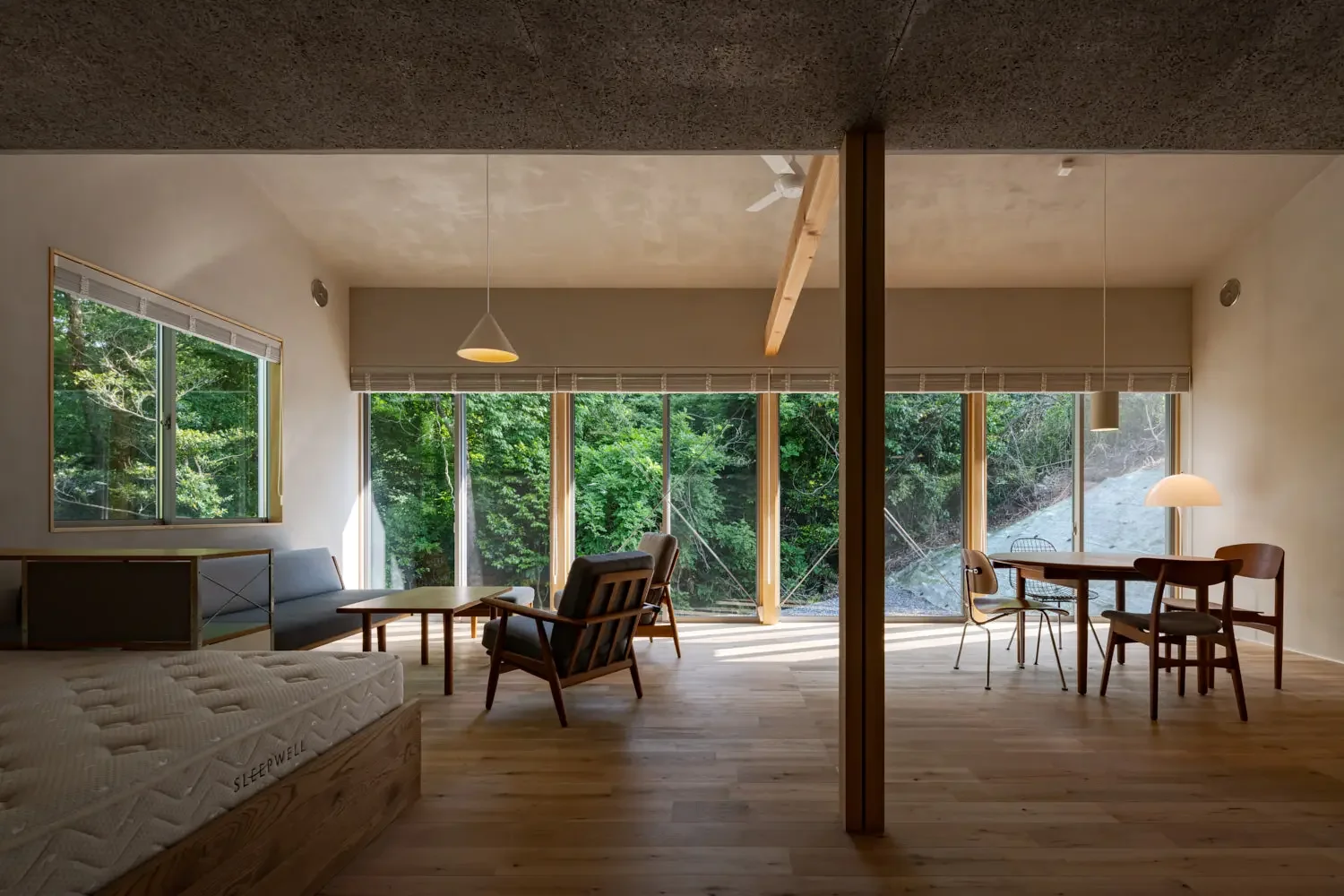
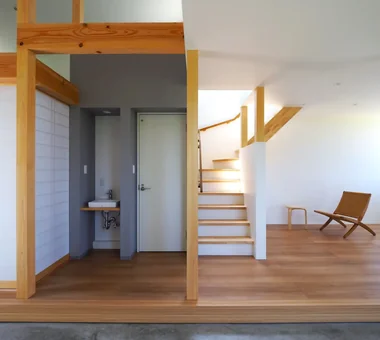
This is a small, single-story house of 12 tsubo built on a sloping site adjacent to a mixed woodland in Moriyama Ward, Nagoya. The square building, gently placed on the mid-slope of a site with level changes, was planned under the theme "enveloping a sense of largeness within a small footprint." The interior is an open-plan, one-room layout with minimal partitions—a highly flexible space that carefully incorporates daily life, hobbies, and cherished furniture. Large openings face the woodland, allowing occupants to experience light and breeze shifting through the trees and the seasonal changes. It is a rich residence quietly connected to nature.
House in Sayama
Coo Planning
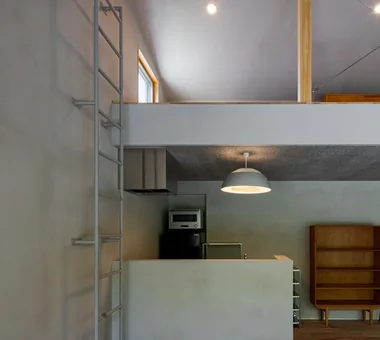
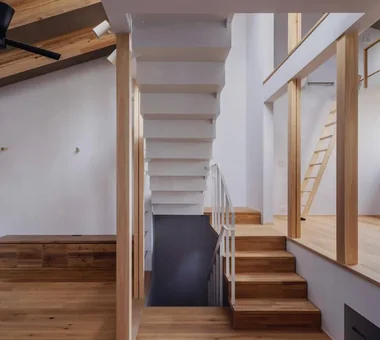
A residence for a family of four built on a narrow site in Osaka Sayama City. Set within an environment flanked on both sides by three-story houses, the project pursued a rich spatial experience while reconciling numerous programmatic requirements, such as a parking space, bicycle storage for each family member, private rooms, and a rooftop. The emblematic element is the cube-like double-height void created in the second-floor living room. By securing a two-story height, it achieves a sense of openness and expansiveness that transcends the limited floor area. This is a home in which structure and design have been refined and integrated.
Dwelling of Drummer
JYU ARCHITECT
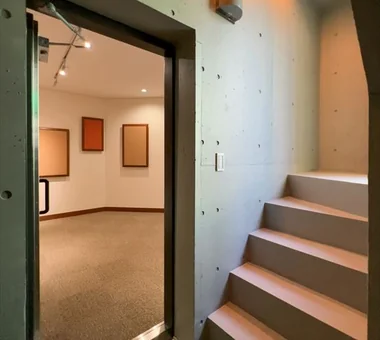
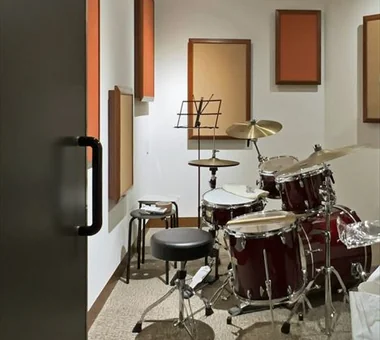
Satellite residence with an attached drum studio, planned on an 8 tsubo site. The semi‑basement reinforced‑concrete studio, though under six tatami in area, is a full‑scale soundproofed volume with a high ceiling; thick walls, floor and ceiling ensure performance that prevents even low‑frequency bass and vibration from transmitting to the exterior. The timber-framed residence on the upper floor incorporates borrowed greenery and open views, achieving a level of comfort that belies its roughly eight‑and‑a‑half tatami size. The stepped floor functions multipurpose as counters and seating, creating a variety of places to inhabit; at the same time those level changes contribute to sound diffusion and support a favorable acoustic environment. It is a dwelling in which music and daily life are concentrated within a limited space.
-
Soundproof Rooms|Key Points for Home Building|Planning Spaces that Balance Hobbies and Family Time2025-10-20|Qurasuki Editorial Department -
Skip Floor|Introduction to Architecture Firms|Stepped Levels Enrich the Space2026-05-11|Qurasuki Editorial Department -
Concrete Houses|Key Points for Home Building|Design and Insulation Strategies Emphasizing Material Texture2026-06-24|Qurasuki Editorial Department -
House of Wood|Introduction to Architecture Firms|Living Enveloped in the Warmth of Wood2026-05-11|Qurasuki Editorial Department -
Stylish Lofts|Key Points for Home Building|Strategies for Maximizing Space on Limited Sites2026-03-02|Qurasuki Editorial Department -
Homes Featuring Wood-Burning Stoves|Introduction to Architecture Firms|The Richness of Life with Fire2026-05-11|Qurasuki Editorial Department