Mochizuki Architectural Atelier
The Simple House|Key Points for Home Building|Essential Spatial Design: Strategies for Eliminating Excess
Author: Qurasuki Editorial Department
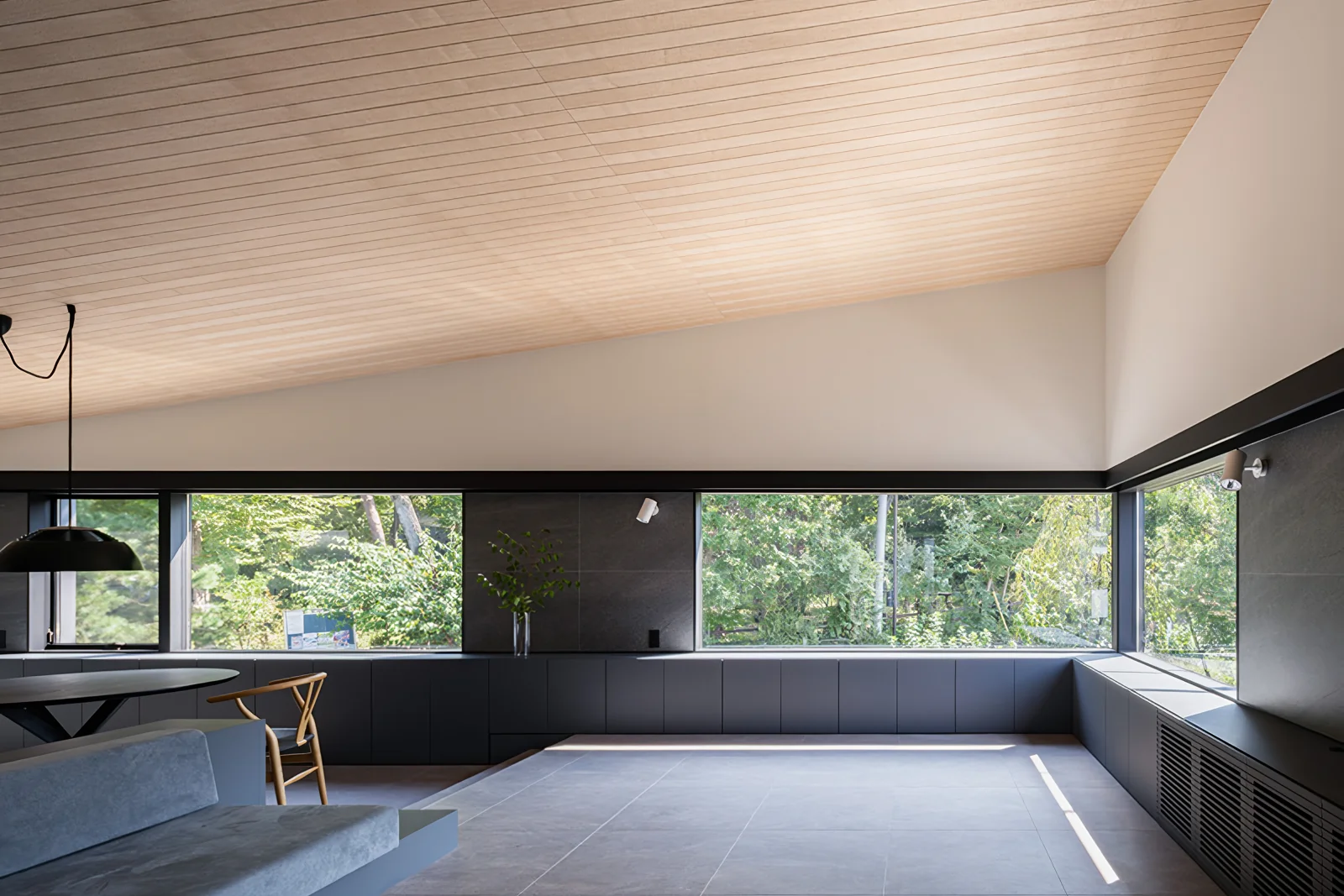
A way of living that pares away the superfluous and engages with the essential is the ideal many people aspire to in domestic architecture. A simple space is not merely an absence of objects, but a condition in which only what is necessary exists in the right amount and is appropriately organized. Architecturally, this approach emphasizes the inherent textures of primary elements such as walls and floors and minimizes decorative treatments. Realizing it, however, requires careful choices in materials and color palettes and close attention to daylight and solar exposure—those invisible aspects that are crucial to success. In addition, flexible spatial planning tailored to a family’s lifestyle makes it possible to create a simple home that remains valued over the long term.
Simplicity in Form, Richness in Quality.
A simple house is by no means inexpensive. On the contrary, by eliminating unnecessary ornamentation, the quality of materials and the beauty of detailing are accentuated. Through careful attention to each element—solid wood flooring, high-quality plaster walls, meticulously finished joinery—a simple yet richly expressive space is created.
Roof Shapes Unified in Simplicity.
Complex roof shapes increase the risk of leaks and raise maintenance costs. By selecting simple roof forms such as gable or single-pitch roofs, the structure becomes both rational and aesthetically pleasing. Careful consideration of eave projections and the detailing of the eaves allows for a richly expressive appearance even with a simple form.
Creating Rhythm in Window Arrangement.
To achieve a simple exterior, it is essential to organize the size and placement of windows. Rather than arranging windows randomly, aligning their heights and widths or spacing them evenly introduces order to the façade. Plan a rhythmic window arrangement that balances the interior functionality with the aesthetic appeal of the exterior.
Create Cohesion by Limiting the Color Palette.
By restricting the colors used for exterior walls, roofs, and window frames to two or three, a harmonious facade is achieved. Basic colors such as white, gray, black, and beige are timeless and blend seamlessly with the surrounding environment. The subtraction of colors imparts elegance and tranquility. A home that remains appealing over time begins with thoughtful color selection.
Organizing Space with Built-in Furniture.
Instead of placing commercially available furniture afterward, planning built-in wall storage and custom shelves allows for maintaining a neat and orderly space. Finishing these elements in the same color and material as the walls effectively conceals the presence of storage, preserving a simple and clean aesthetic. Storage integrated with the architecture not only enhances visual appeal but also improves spatial efficiency.
Doors Designed to Blend Seamlessly into Walls.
By finishing doors and sliding doors with the same surface treatment as the walls or employing frameless installations, the presence of the doors is minimized, resulting in a more cohesive spatial experience. Selecting simple handles or using pocket doors that recess into the wall further reduces visual clutter, creating a clean and streamlined appearance. Spaces where doors effectively disappear represent the pinnacle of simplicity.
Minimize Lighting Fixtures, Maximize Effectiveness.
Instead of extensively using pendant lights or chandeliers, securing the necessary brightness through downlights and indirect lighting keeps the ceiling plane clean and uncluttered. By carefully planning the lighting design, it is possible to reduce the number of fixtures while creating a comfortable luminous environment. Light is present, but the fixtures remain unseen. This represents the ideal of simple lighting.
Uniform Flooring Throughout
Instead of changing flooring materials for each room, unifying them with the same material as much as possible creates a sense of visual expansiveness and tranquility. Selecting materials such as solid wood that develop character over time results in a space that is both simple and richly textured. The continuity of materials supports a serene living environment.
Applying Subtractive Design to the Garden as Well.
A simple house is complemented by a simple garden. Rather than overcrowding with a wide variety of plants, selecting and arranging a limited number of tree species creates a refined landscape. Materials such as gravel, turf, and concrete are also kept minimal. The garden, too, achieves beauty through the aesthetics of subtraction.
Storage Planning to Conceal Everyday Clutter
To maintain a simple and clean space, it is essential to devise ways to keep everyday miscellaneous items out of sight. Enhancing dedicated storage areas such as pantries, shoe closets, and family closets allows for consolidated organization, helping to keep public spaces like the living room neat and orderly. Establishing a clear distinction between 'concealed storage' and 'display areas' is crucial.
Seamlessly Finishing Material Joints with Elegance.
In minimalist designs, the beauty of material joints and detailing becomes particularly prominent. Meticulous finishing of junctions such as floor-to-wall connections, door frame installations, and ceiling-to-wall transitions enhances the overall quality. These areas also test the craftsmanship of artisans, making the selection of contractors crucial. The accumulation of attention to detail creates a refined simplicity.
Maintain Beauty with a Design that Facilitates Cleaning.
Since simple spaces tend to show dirt more easily, it is advisable to consider ease of cleaning from the design stage. By minimizing level changes, adopting forms that are less prone to dust accumulation, and selecting materials that are easy to wipe down, the aesthetic quality can be more effectively preserved. Ease of maintenance is also a fundamental condition for a simple lifestyle.


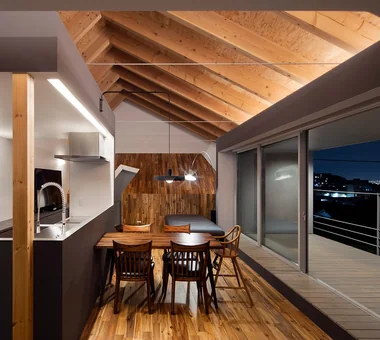

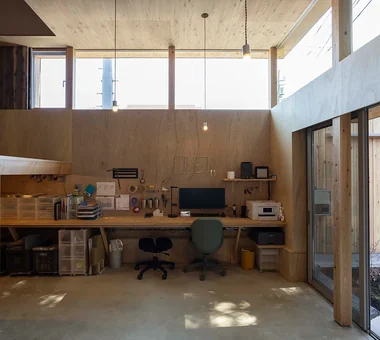 Homes with Atelier Spaces|Custom Home Examples by Architectural Offices|A Residence Where Creative Workspaces Are Integrated into Everyday Life
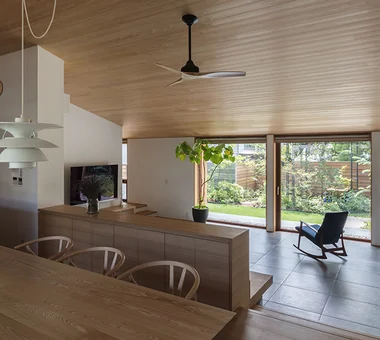 House with a Doma|Custom Home Examples by Architectural Offices|A Living Space Bridging Interior and Exterior
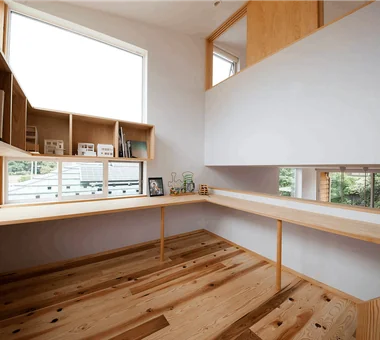 Stylish Home Studies|Key Points for Home Building|Design Strategies for an Environment that Supports Concentration
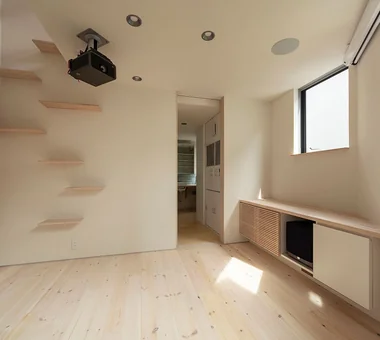 Homes Designed for Living with Cats|Custom Home Examples by Architectural Offices|A Comfortable Environment for Cats and People
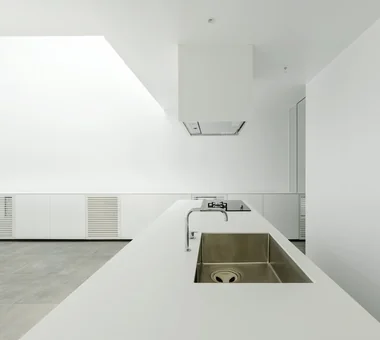 Minimalist Design Residences|Key Points for Home Building|Spatial Design Pursuing Purity by Emphasizing Materiality
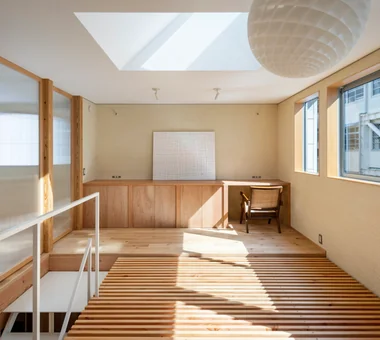 Narrow Lot House|Custom Home Examples by Architectural Offices|Abundant Living Within a Compact Site