Abax Architects
Homes with Gardens|Custom-built homes by architecture firms9Picks|A Home That Grows with Greenery
Author: Qurasuki Editorial Department
The garden should be regarded not as the "outside" of the home but as an integral part of the living space, continuous with everyday life. For those who garden regularly, detailed planning that directly affects usability is essential—sun exposure for planting areas, the location of outdoor water outlets, efficient circulation for gardening tasks, and the siting of a garden shed for tool storage are all critical. Equally indispensable to a rich garden experience are considerations of how the garden is viewed from the interior: the height and dimensions of openings and the quality of sightlines. The architectural practice designs building and landscape holistically to realize homes with gardens where the changing seasons can be felt from indoors. See these examples of living in harmony with plants.

House in Ashiya
Kumi Inoue Architects
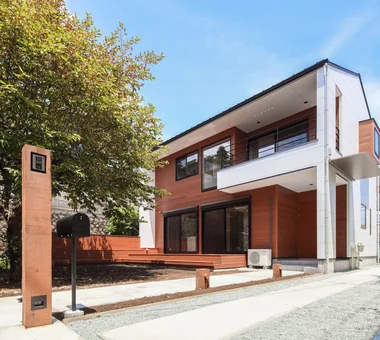
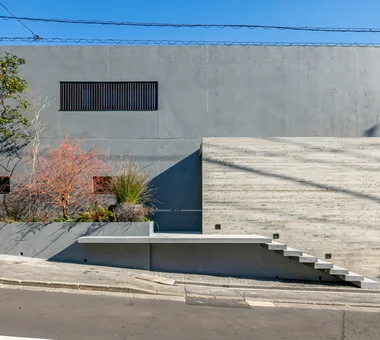
This is a reconstruction project for a residence located in a quiet residential area near JR Ashiya Station. The existing underground parking structure was retained, the large above‑ground timber structure was dismantled, and the building was reconfigured as a compact two‑storey timber house. The street‑facing exterior wall is set at an angle to reduce the sense of enclosure and to create an elevation that harmonizes with the streetscape. The resulting residual spaces are planted with grasses and flowering plants, enlivening the surroundings and allowing the dwelling to cultivate a new local landscape.
A Home Living with Plants
Tatsumi Negishi Architectural Studio
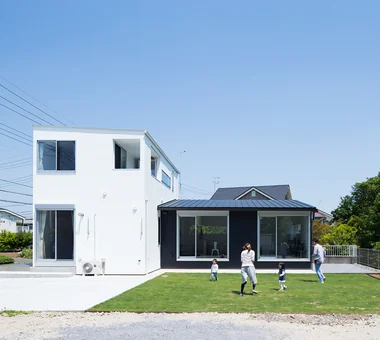
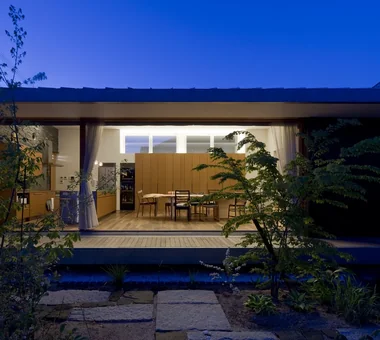
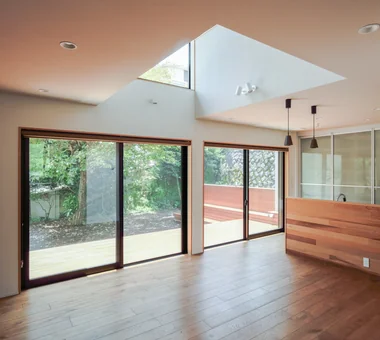
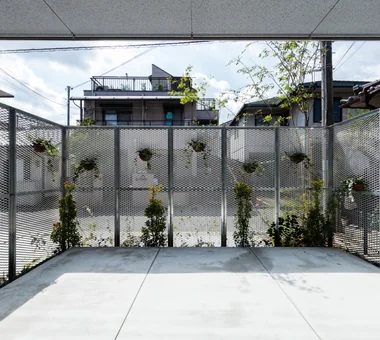
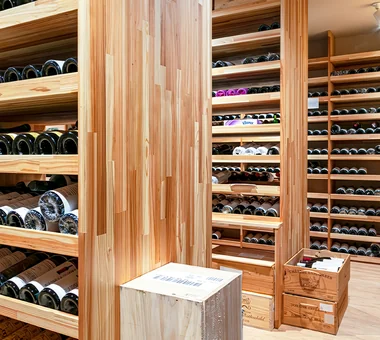
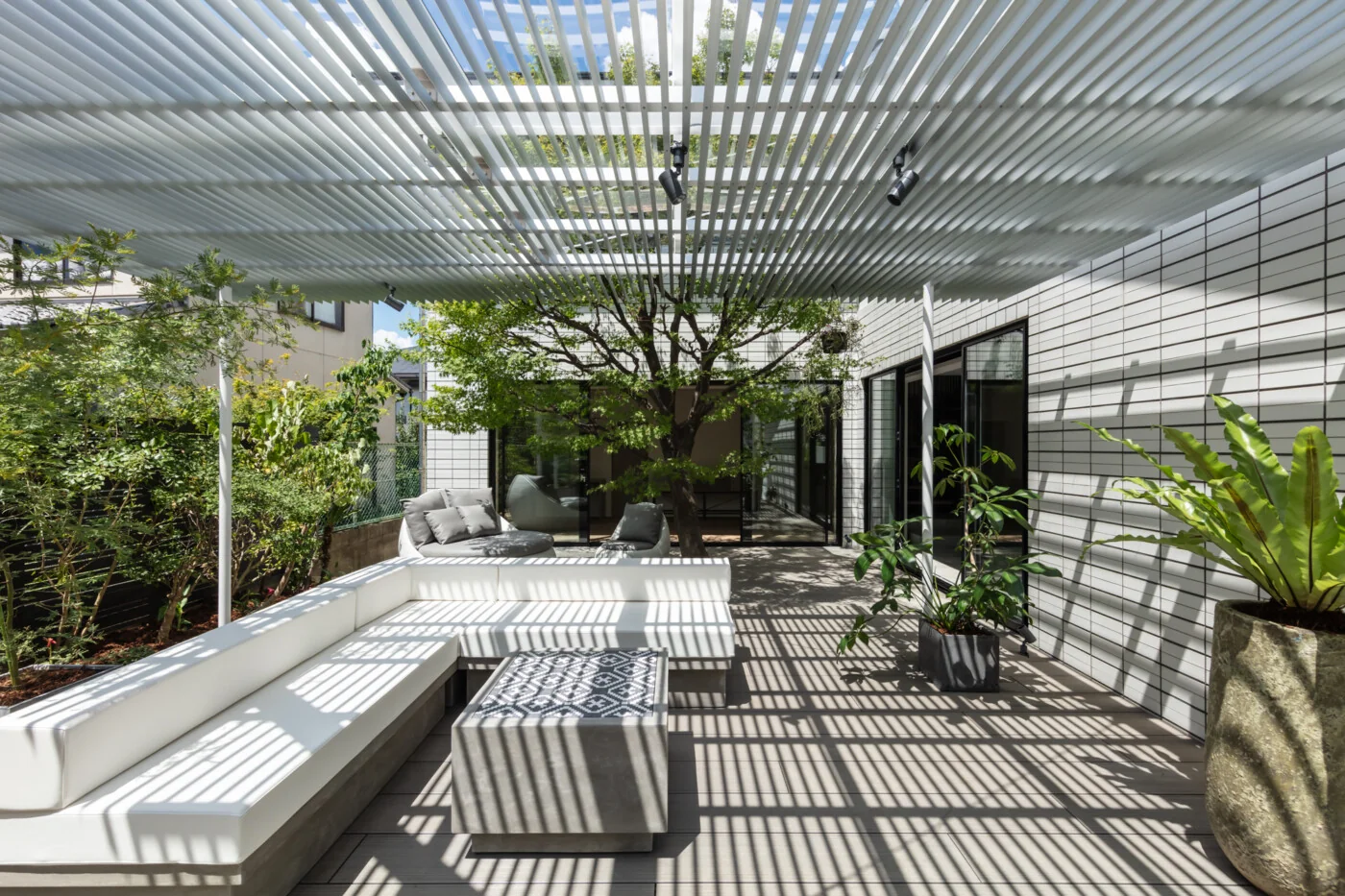
This residence, for which we were engaged from the site-selection phase, leverages the plot’s characteristics to organize the living room, a deck for enjoying wine and al fresco dining, and a garden abundant with flowers and greenery into a single, continuous spatial composition. Design strategies that soften the boundaries between each element were employed to create an integrated interior–exterior environment. The result is a pleasant living space where occupants coexist harmoniously with plantings.
Residence in Nishikyogoku
In-Ex Design Co., Ltd.
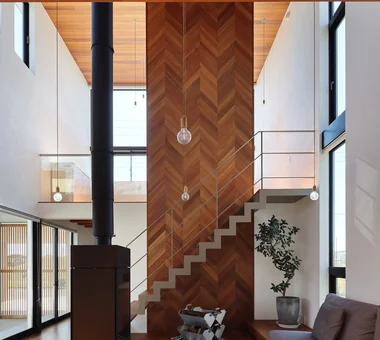
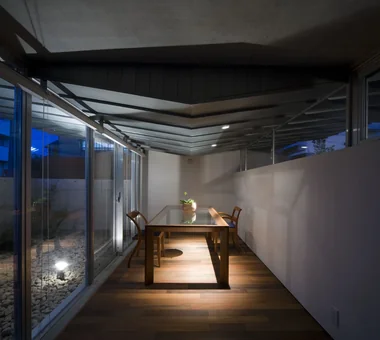
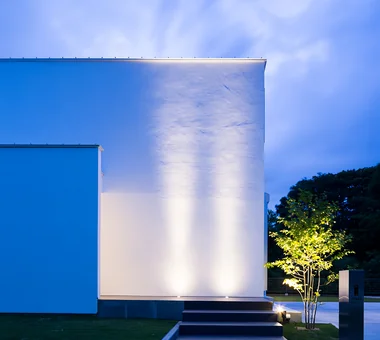
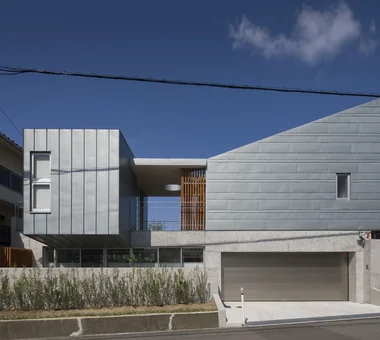
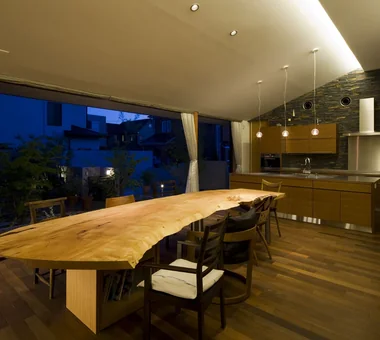
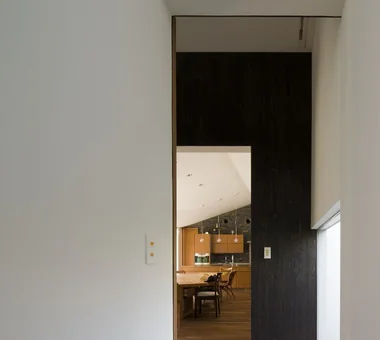
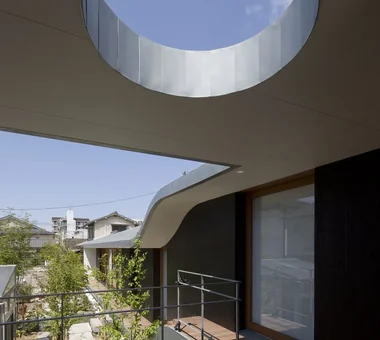
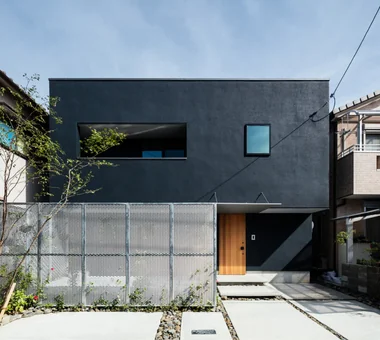
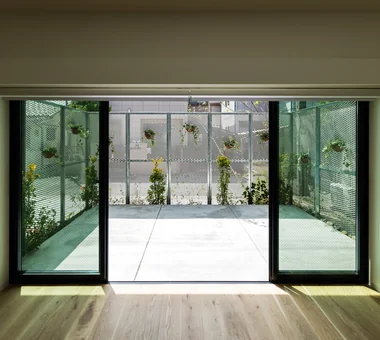
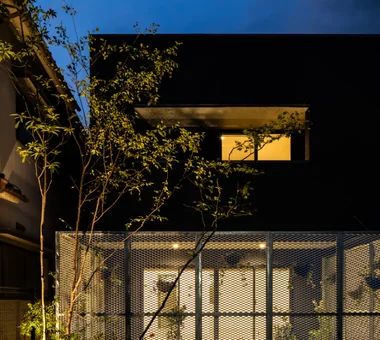
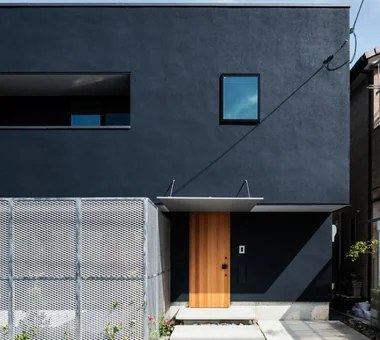
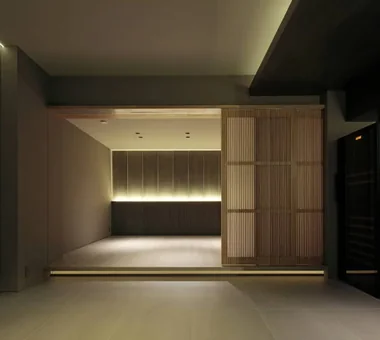
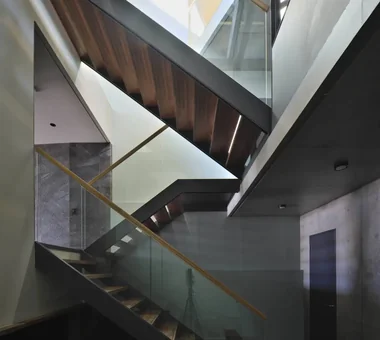
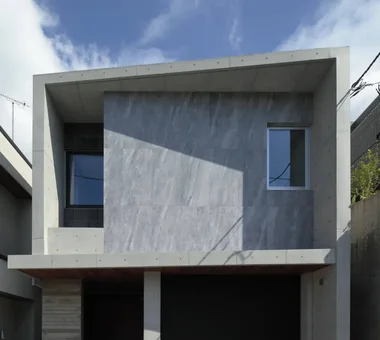
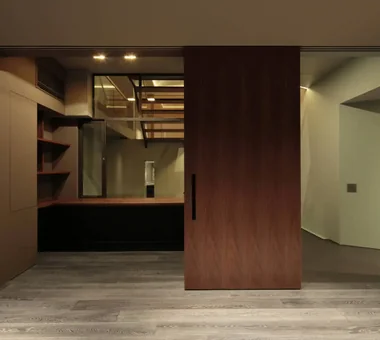
House in Akenocho, Takatsuki
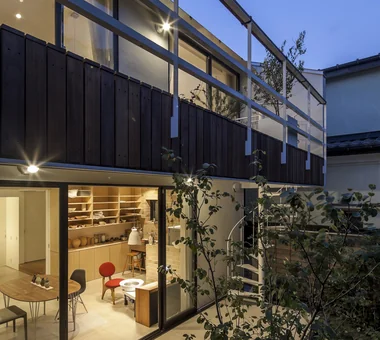
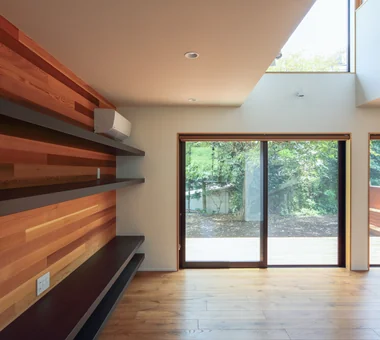
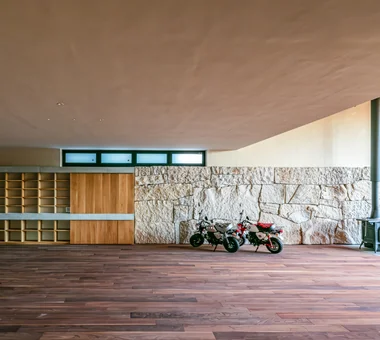
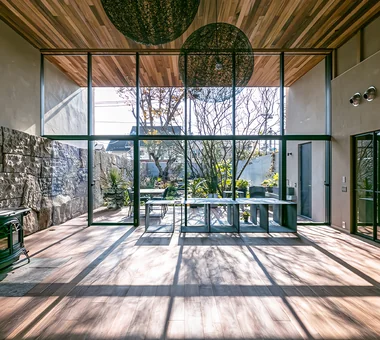
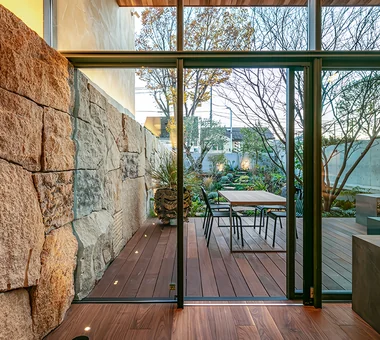
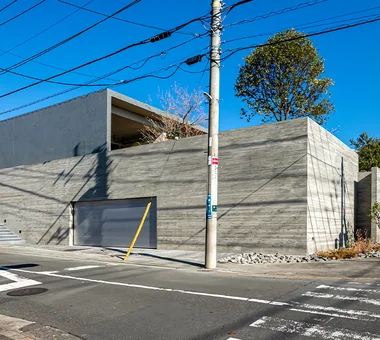
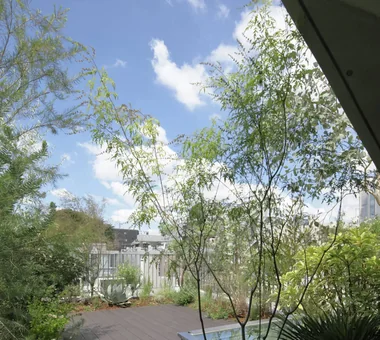
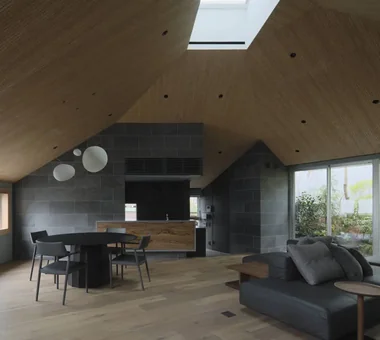
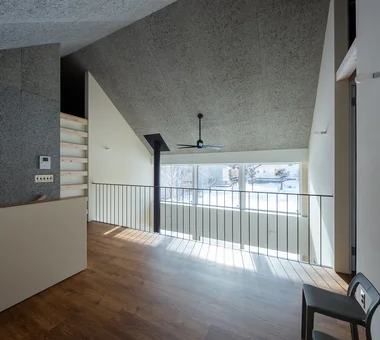
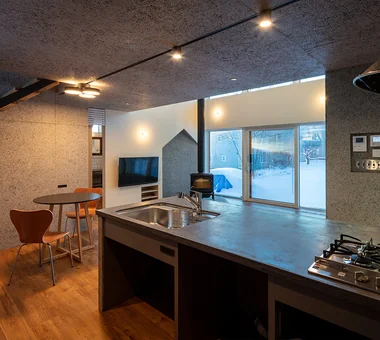
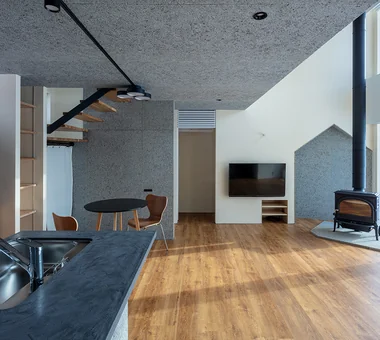
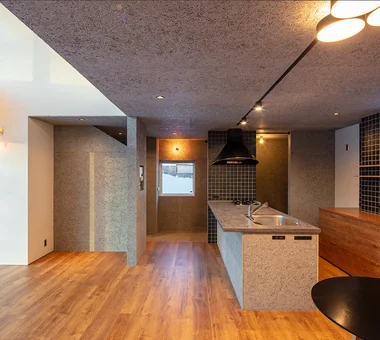
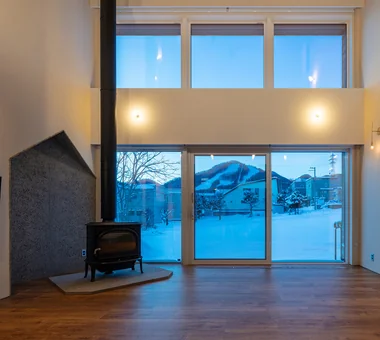
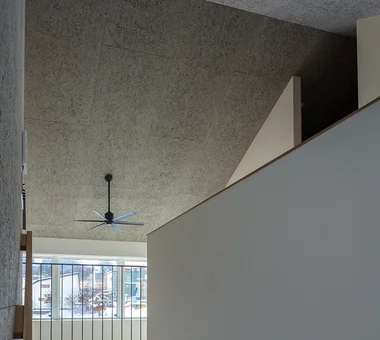
Abax Architects
A House with a Lush Green Atelier
Archiplace
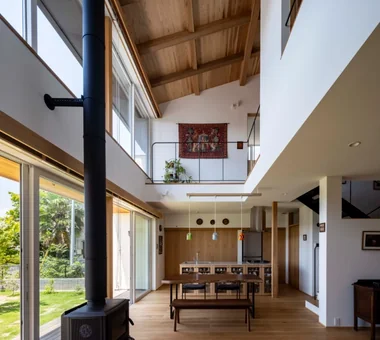
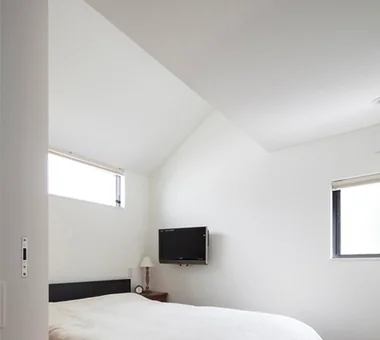
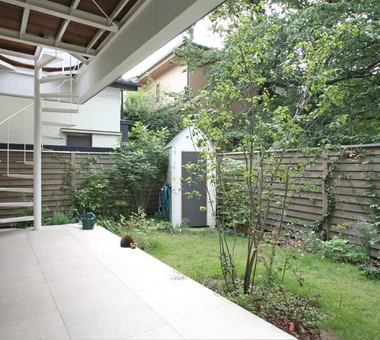
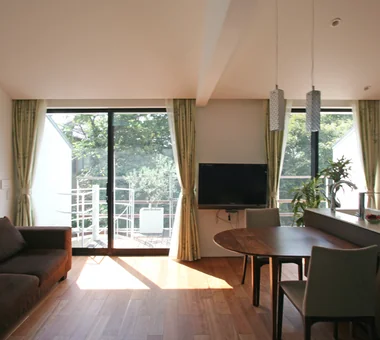
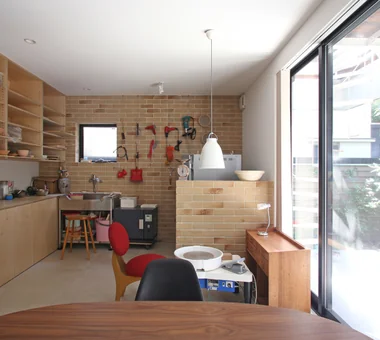
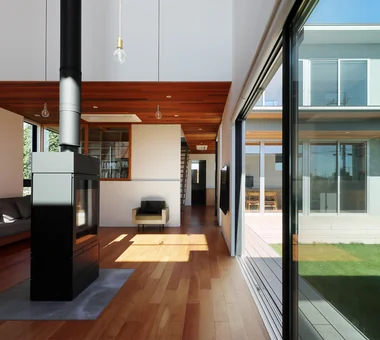
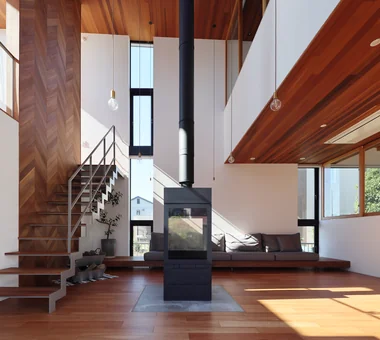
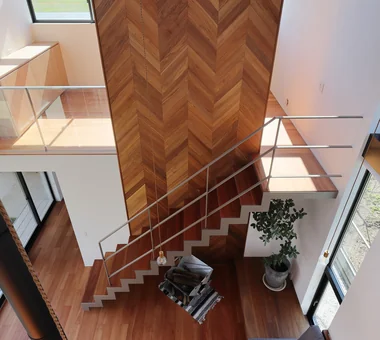
An atelier-attached residence for an owner engaged in design. Situated in a residential neighborhood of Tokyo yet taking advantage of abundant south-facing greenery, the ground floor accommodates a ceramics atelier and a garden. The second floor separates sleeping quarters and wet areas from the open-plan living, dining and kitchen, while a central double-height void and a circulating floor plan reinforce spatial connectivity. A deck terrace and a spiral staircase provide continuity with the garden, creating a home where everyday life and creative practice are gently intertwined.
House in Kotani
Kurashi no Jōzōsho
Hillside House
Far East Design Lab.
A residence sited within a housing district on the slopes of the Tama Hills. Making use of a plot that sits a half level below the street, two primary floor levels were arranged at the street and site elevations and linked by staggered split-level connections, creating an open spatial volume approximately 2.5 storeys in height. Each floor offers panoramic views across the town, while the upper levels afford vistas that convey a strong sense of the sky. The living room, which opens onto a garden set a half level below the road, provides an expansive yet private interior space.
House on a Sloping Street
Tenkosha First-Class Architects Office
A new-build project on a flat 93-tsubo (approximately 307.6 m²) site in Shiroyama, Odawara City, Kanagawa Prefecture. Due to a narrow entrance and a steep approach, the existing building was demolished after the access was widened. As a countermeasure against potential collapse of the western cliff, the design provides an increased setback and an elevated foundation to ensure safety, and the building is sited centrally on the plot. A large persimmon tree at the center of the site has been preserved. Apitong timber is used for the exterior cladding and the wood deck; the living room features a double-height void and fixed glazing, ensuring a continuous visual and spatial connection between the garden greenery and the first and second floors.
POCCO — Excellence Award, Residential Interior Coordination Contest
YIA Ishiue Yoshihiro Architectural Design Office
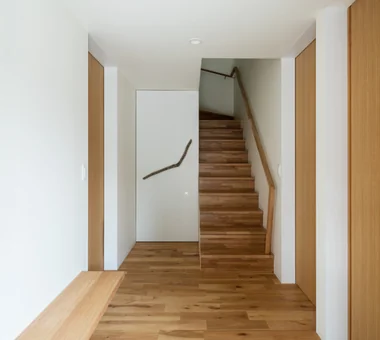
In this house the corridor, stair and entrance together occupy nearly half of the total volume. At the center is an uchi-niwa — an atrium beneath a full-width top light that serves as both entrance and stair, with an excavated planting bed in the floor. The ground floor employs a concrete finish continuous with the approach and exterior garden; the uchi-niwa is clad in stained softwood plywood arranged in a brick bond, with interrupted horizontal joints to create the impression of a unified volume.
-
Modern Japanese-Style Residence|Case Studies|Living with the changing seasons, a timeless space of tranquility woven from wood and earthen walls2025-10-13|Qurasuki Editorial Department -
Stylish Hobby Rooms|Key Points for Home Building|Design Strategies for Dedicated Spaces that Enrich Personal Time2026-03-02|Qurasuki Editorial Department -
Homes Embracing Natural Light|Introduction to Architecture Firms|Light Transforms Space2026-05-11|Qurasuki Editorial Department -
Outdoor Living|Introduction to Architecture Firms|Living Where Interior and Exterior Become One2026-05-13|Qurasuki Editorial Department -
Soundproof Rooms|Key Points for Home Building|Planning Spaces that Balance Hobbies and Family Time2025-10-20|Qurasuki Editorial Department -
Circulation Flow|Introduction to Architecture Firms|Seamlessly Connected: The Secret to Comfortable Living2026-05-11|Qurasuki Editorial Department