Tatsumi Negishi Architectural Studio
Homes Featuring Traditional Tea Rooms|Key Points for Home Building|Traditional Spatial Design Infused with the Spirit of Chanoyu
Author: Qurasuki Editorial Department
A tea room intended for practicing chanoyu (the Japanese tea ceremony) within the home is not merely a functional chamber but a place for spiritual cultivation. The sequential arrangement of spaces—from the roji (garden path) leading to the machiai (waiting area) and onward into the tea room—is a fundamental design consideration. Detailed planning of elements such as the tokonoma alcove, the placement of the sunken hearth (ro), views framed by windows, and the tactility of materials is essential to realize the aesthetics of chanoyu. While multiple approaches are possible, designing with actual chaji (tea gatherings) in mind is crucial. By crafting spaces where architectural intent and the spirit of the tea ceremony resonate, a dwelling can provide an enriched, immersive experience of Japan’s traditional culture.
The Aesthetics of Wabi in a Small Tea Room.
Tea rooms smaller than four and a half tatami mats are considered the realm of wabi-cha. By situating oneself in such a confined space, extraneous elements are stripped away, allowing full focus on the spirit of the tea ceremony. Entering through the nijiriguchi, a small crawl-in door, one physically bows down, symbolically separating from the outside world and commencing the ritual of entering the tea world.
Creating Seasonal Ambiance with a Tokonoma Alcove.
By adorning the tokonoma alcove with hanging scrolls and floral arrangements, the season and thematic elements are expressed. The use of prized timber for the tokobashira (alcove pillar) and selecting materials with character for the tokoban (alcove floor) imbue the space with refined elegance. The design of the tokonoma lends profound significance to the compact and intimate tea room environment.
Soft Light Through Shoji Screens.
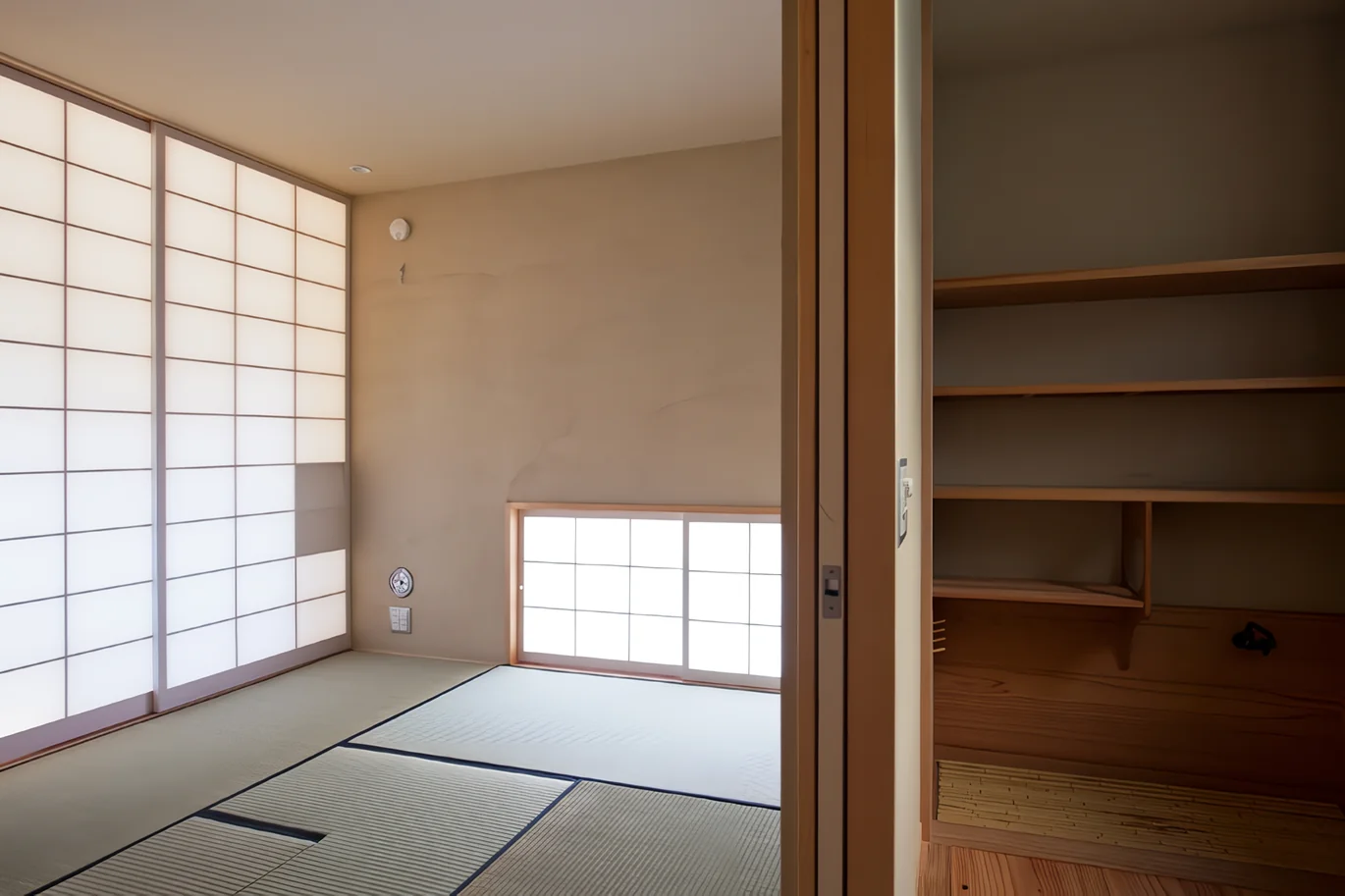
The windows of the tea room avoid direct light, instead admitting soft illumination filtered through shoji screens. Traditional window designs such as renji-mado (latticed windows) and shitaji-mado (underlay windows) create an atmosphere characteristic of the tea room. The quality of light enhances the serene ambiance of the space.
Placement of the Hearth and Brazier.
In a tea room, a hearth is used in winter and a brazier in summer. The position of the hearth cut varies depending on the tea ceremony school, but it is important to plan this from the architectural design stage. Consider whether to adopt a full-scale specification by cutting the tatami to install the hearth or to use a portable brazier, based on the frequency of use and budget.
Managing Tea Utensils in the Mizukiya.
The mizukiya is a space designated for washing and storing tea utensils. It requires a functional layout that includes areas for placing items such as tea bowls and tea whisks. By situating it adjacent to the tea room, the preparation and cleanup of tea ceremonies can be conducted smoothly.
Design of the Nijiriguchi Entrance.
The nijiriguchi is a small entrance through which guests enter by bowing their heads, symbolizing a humble attitude. With an opening approximately 70 cm in height, one must stoop to enter, thereby setting aside everyday status and position, creating a sense of equality within the tea room. Although often omitted in modern residences, it remains an essential element for authentic traditional designs.
The Warmth of Earthen Walls and Natural Materials.
The walls of a tea room are traditionally finished with earthen plaster. By layering the rough coat, intermediate coat, and finish coat, a unique texture and warmth are achieved. Earthen plaster mixed with straw and sand breathes and regulates humidity. The craftsmanship of plaster artisans imparts dignity to the tea room.
Preparing the Mind in the Roji Garden.
The garden leading to the tea room is called the "roji," serving as a transitional space from the mundane world to the realm of tea. It is an important area where stepping stones, a tsukubai (stone basin), lanterns, and other elements are arranged to calm the mind as one walks through. The design of the roji heightens anticipation for the tea room, creating a harmonious integration between the garden and the architecture.
Purifying Hands and Mind at the Tsukubai.
The tsukubai installed in the roji garden serves as a place to cleanse the hands and simultaneously acts as a ritual for purifying the mind. The arrangement of the stone water basin, ladle, and front stone follows meticulous traditional etiquette. The sound of flowing water and the texture of the stone create an entrance that evokes the world of tea.
Welcoming Guests with a Waiting Seat.
By providing a "waiting seat" (koshikake) in the roji garden where guests await the start of the tea ceremony, a more authentic tea gathering experience is achieved. In a simple hut or a space with an eave, guests quietly wait together, fostering a tranquil atmosphere. The accumulation of such moments deepens the essence of the tea ceremony.
Design of Door Pulls and Nail Covers.
In a tea room, metal fittings such as door pulls and nail covers are also important design elements. Using materials like bamboo, wood, or iron, and integrating them subtly and beautifully, creates a space where aesthetic sensibility extends to every detail. The tea room is a work meticulously crafted down to the smallest corner.
Harmony with Contemporary Living.
When incorporating a tea room into a modern residence, achieving a balance between tradition and contemporary lifestyle presents a key challenge. Flexible design solutions, such as movable partitions that allow the space to function as a corner of the living room during everyday use and transform into a tea room for tea ceremonies, are viable. It is essential to honor the spirit of the tea ceremony while thoughtfully integrating it into modern living environments.





 A Residence for Relaxation|Introduction to Examples by Floor Plan & Room Type|Incorporating Resort-like Serenity into Everyday Life: A Tranquil Space for Mindful Repose
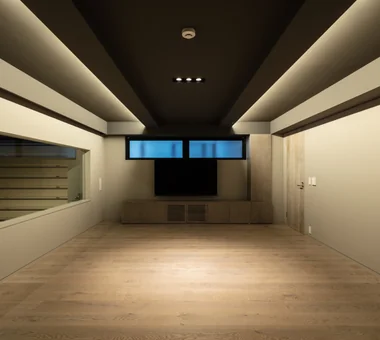 Homes Featuring Dedicated Theater Rooms|Key Points for Home Building|Designing an Environment that Balances Acoustic Performance and Visual Expression
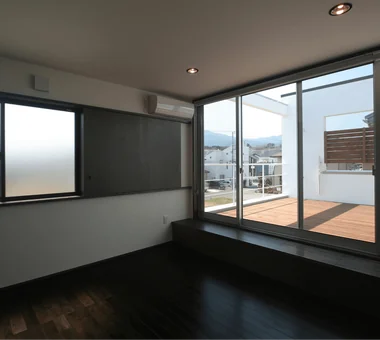 Stylish Bedrooms|Key Points for Home Building|Practical Strategies for Creating Spaces that Enhance Sleep Quality
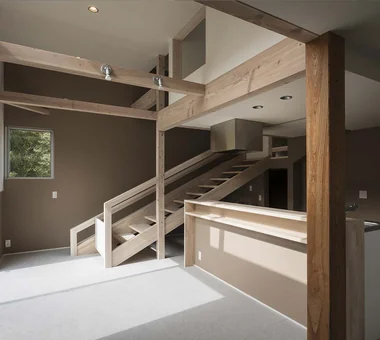 Homes Designed for Living with Dogs|Introduction to Examples by Floor Plan & Room Type|From Material Selection to Workflow Planning, a Form of Home that Achieves Comfortable Coexistence
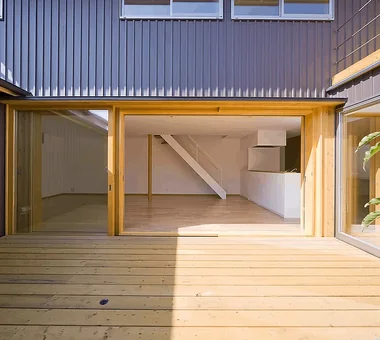 Stylish Courtyards|Key Points for Home Building|Creating a Private Space that Invites Light and Breeze
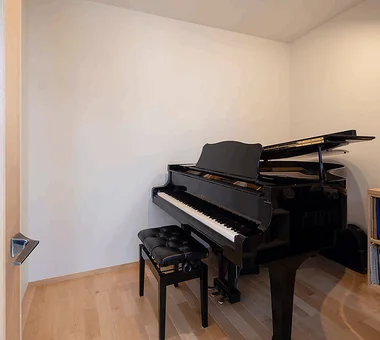 Soundproof Rooms|Key Points for Home Building|Planning Spaces that Balance Hobbies and Family Time