Archiplace
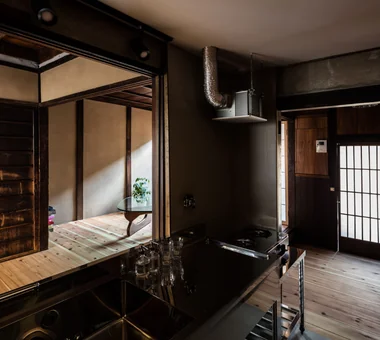
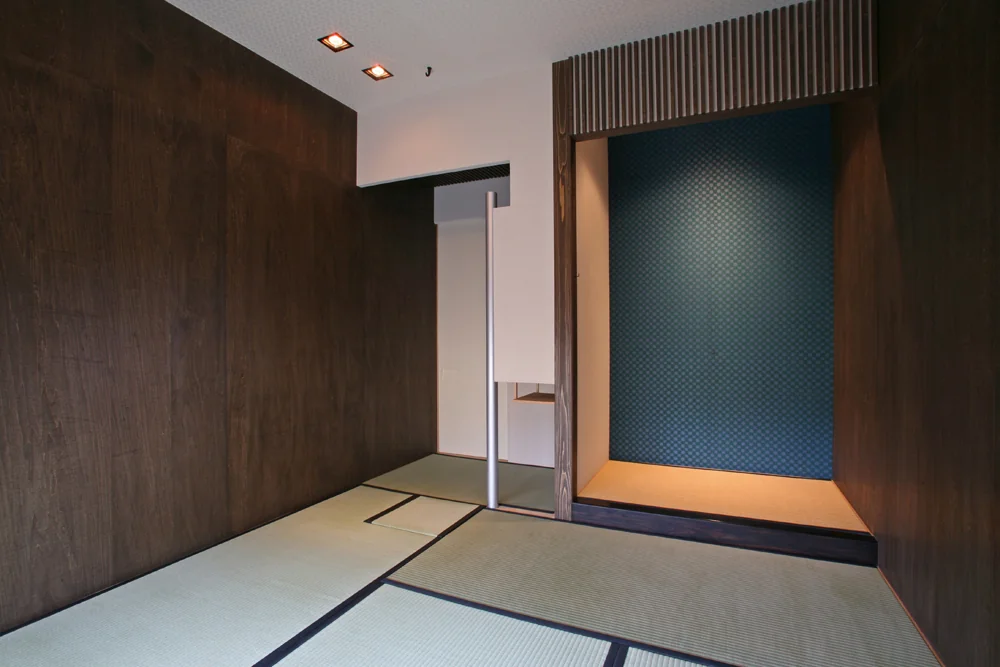
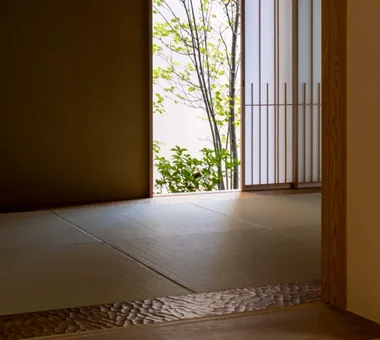
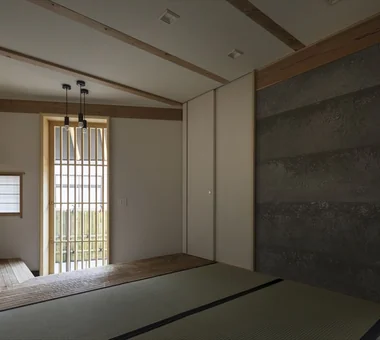
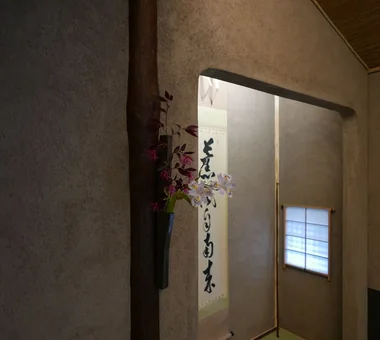
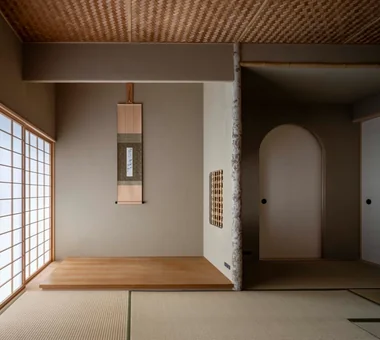
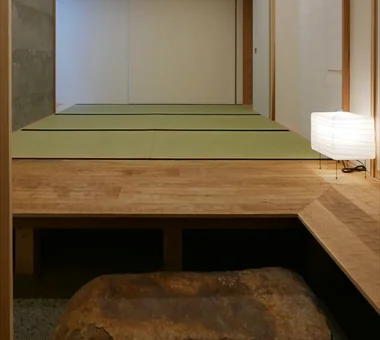
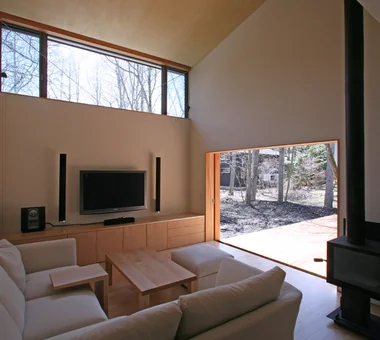
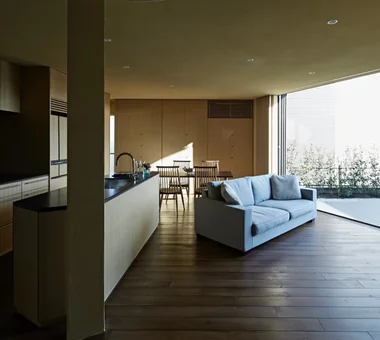
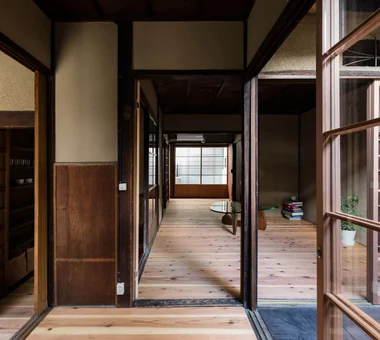
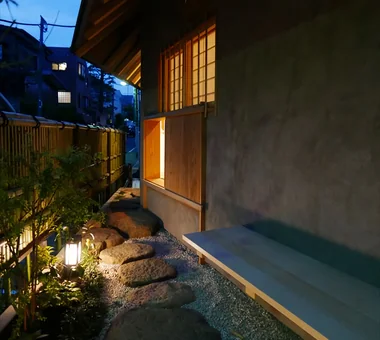
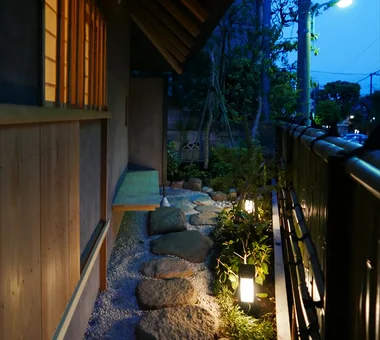
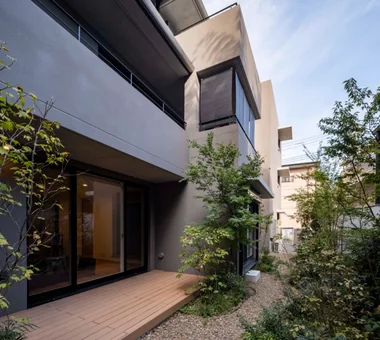
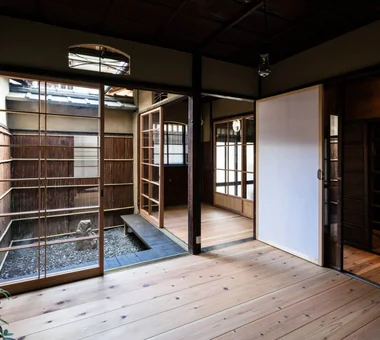
Homes Featuring Traditional Tea Rooms|Introduction to Examples by Floor Plan & Room Type|Harmonizing Traditional Aesthetic Beauty with Contemporary Living
Author: Qurasuki Editorial Department
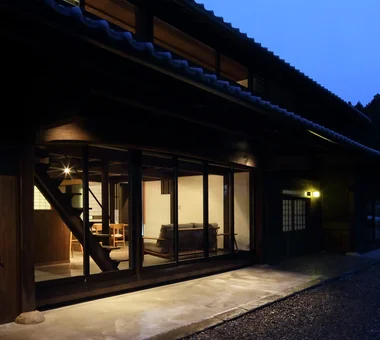
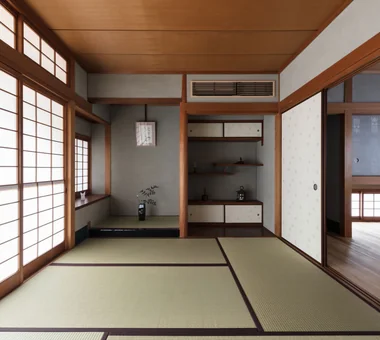
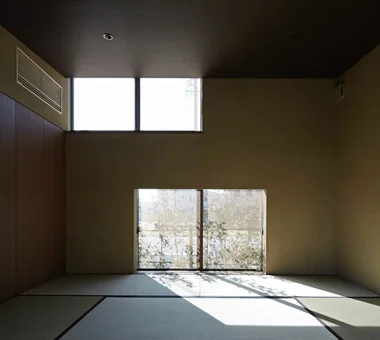
When incorporating a tea room into a residence, it is essential to plan efficient circulation that responds to the movements and ritualized gestures of the host and guests. When locating a sunken hearth platform (ro-dan), the position must be coordinated with underfloor beams and service piping. In traditional four-and-a-half–mat or small tea rooms, deliberately lowering the ceiling height produces an enveloping calm and a focused atmosphere suited to the tea ceremony. In addition, carefully planning a mizuya (preparation and washing area) and adequate storage for tea utensils preserves the high functional performance expected of a contemporary home while enabling an authentic tea experience.








-
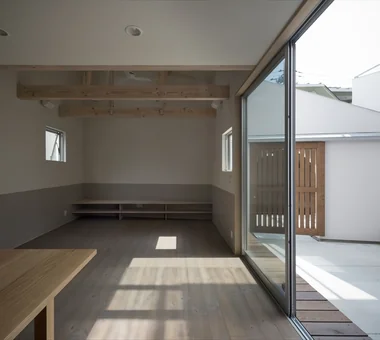 Homes Designed for Living with Dogs|Key Points for Home Building|Designing a Dog-Friendly Environment: From Flooring Selection to Circulation Planning
 -
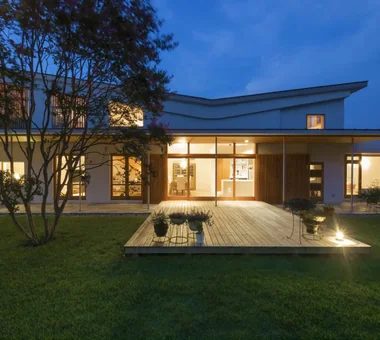 House with Outdoor Living Space|Introduction to Architecture Firms|Living Where Interior and Exterior Become One
 -
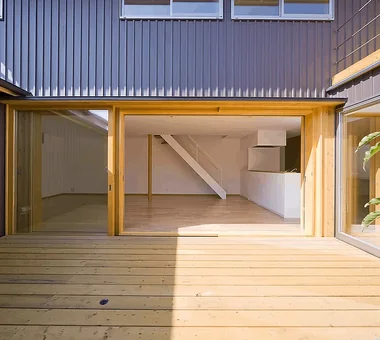 Stylish Courtyards|Key Points for Home Building|Creating a Private Space that Invites Light and Breeze
 -
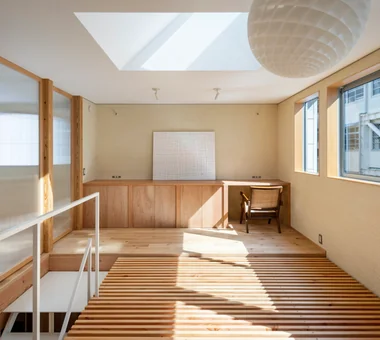 Narrow Lot House|Custom Home Examples by Architectural Offices|Abundant Living Within a Compact Site
 -
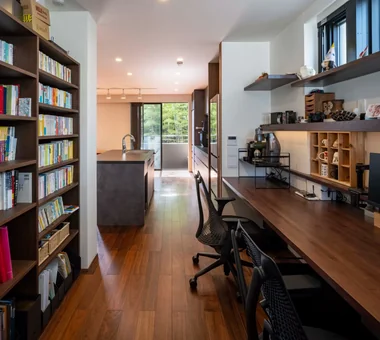
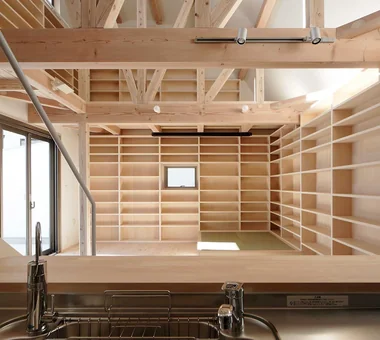 Homes Featuring Wall-Mounted Bookshelves|Custom Home Examples by Architectural Offices|A Residence Surrounded by Books
 -
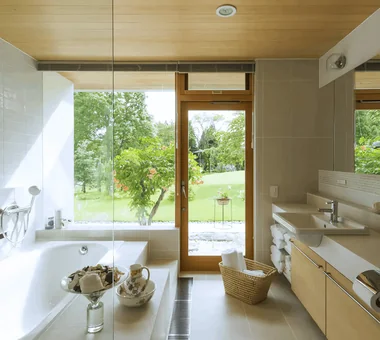 A Residence for Relaxation|Introduction to Examples by Floor Plan & Room Type|Incorporating Resort-like Serenity into Everyday Life: A Tranquil Space for Mindful Repose