JYU ARCHITECT
Homes for Design Enthusiasts|Case Studies|A Home That Balances Sensibility and Livability, Elegantly Composing Materials, Light, and Negative Space
Author: Qurasuki Editorial Department
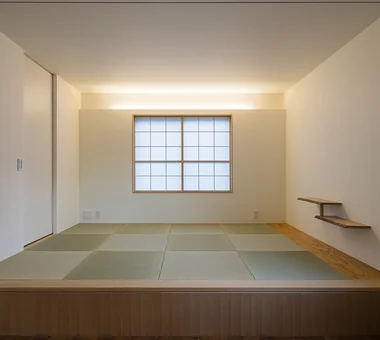
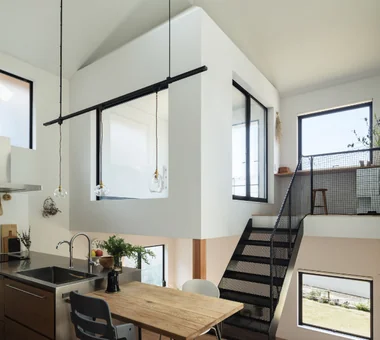
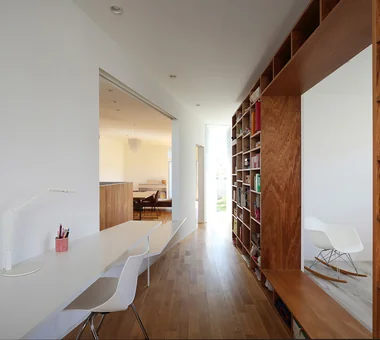
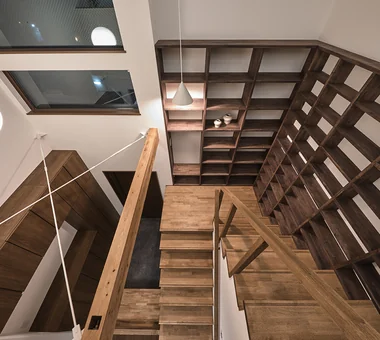
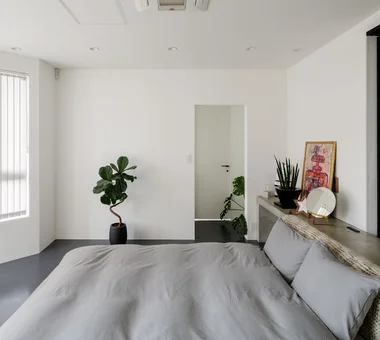
In homes for design enthusiasts, it is essential to consider not only visual beauty but also the practical ease of daily living. By planning the tactile qualities of materials, the way light falls, and the balance with furniture, a cohesive atmosphere can be established throughout the space. There is a growing tendency to combine contrasting materials—such as solid wood, plaster finishes, and ironwork—while maintaining an overall simple composition. Consolidating storage, which tends to reveal signs of everyday life, into wall planes makes it easier to keep spaces visually tidy. To enhance design quality, it is important to address window placement, ceiling heights, and sightlines as part of the architectural design. Finished homes that remain comfortable over the long term and resist fleeting trends are full of carefully considered design decisions down to the smallest detail.

A Highly Designed LDK Where Furniture and Architecture Connect Seamlessly, Composing an Attractive Living Scene
Homes for Design Enthusiasts |LDK
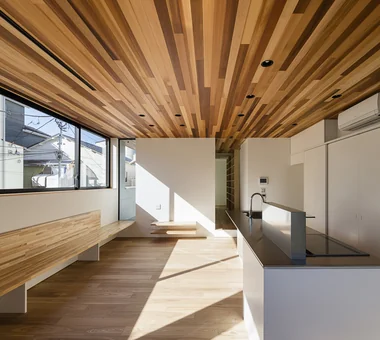
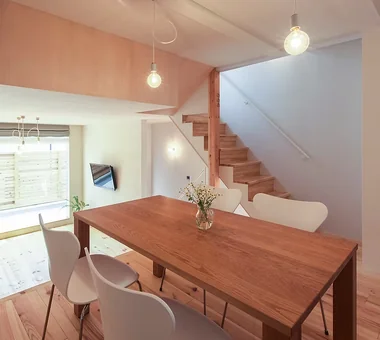
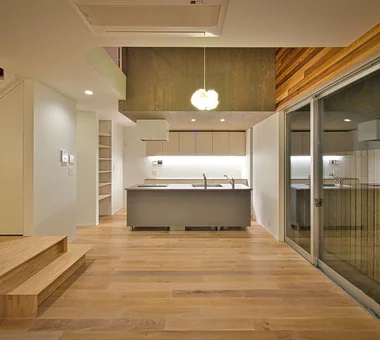
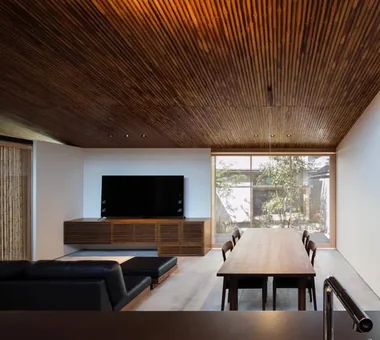
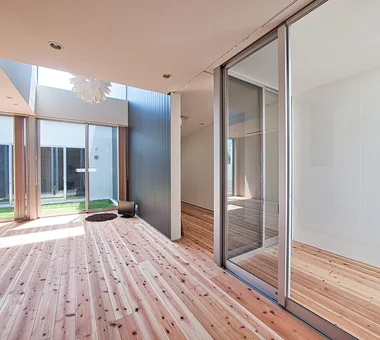
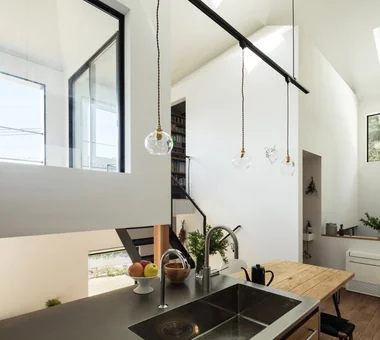
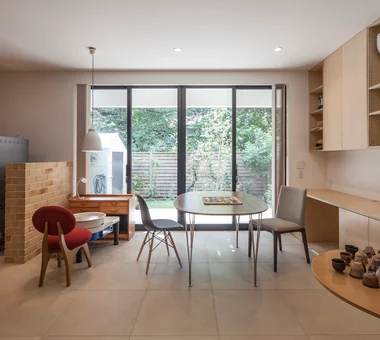
In design-oriented living, dining, and kitchen areas, it is important that the space as a whole—not just the furniture—acts as the protagonist, unifying floors, walls, and ceilings. Limiting material types and color palettes reduces visual noise and creates a tranquil environment. Integrating kitchens and storage as bespoke built-in casework so they read like furniture is a popular approach. Planning to include the garden or external views visible from the windows extends the perceived interior volume. Lighting strongly influences the character of a space, so incorporating indirect lighting to produce soft gradations of shadow is effective. An LDK that is thoughtfully resolved for both design and practical matters—such as household circulation and storage capacity—supports comfortable daily living.
Homes with Terraces That Beautifully Bridge Inside and Out, Creating a Sense of Openness
Homes for Design Enthusiasts |Terrace
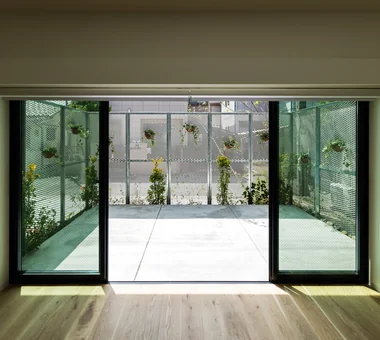
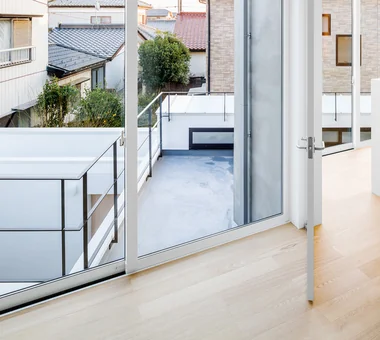
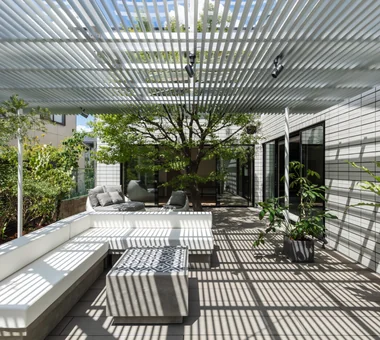
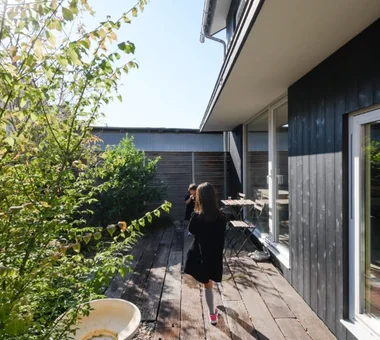
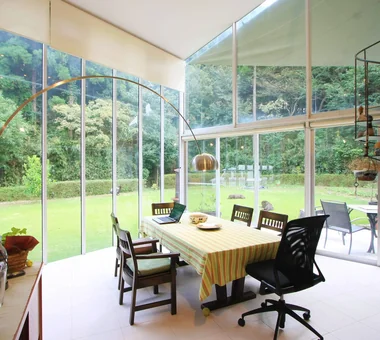
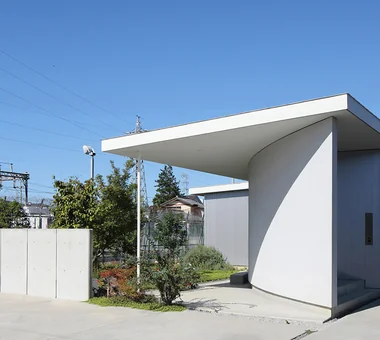
Among design-minded residences, terraces are increasingly conceived as integral to the interior rather than merely outdoor appendages. A terrace that connects flush with the living room creates sightline continuity and makes the whole home feel more expansive. Aligning the color and tactile quality of floor materials strengthens the visual connection between interior and exterior. Careful use of eaves and walls to modulate sunlight and views produces outdoor settings that feel sheltered and comfortable. More homes are using terraces as extensions of dining or work areas. Designing the terrace together with outdoor furniture and planting adds an appropriate sense of openness and comfort to everyday life.
Kitchens That Go Beyond Functionality to Shape the Overall Spatial Character
Homes for Design Enthusiasts |Kitchen
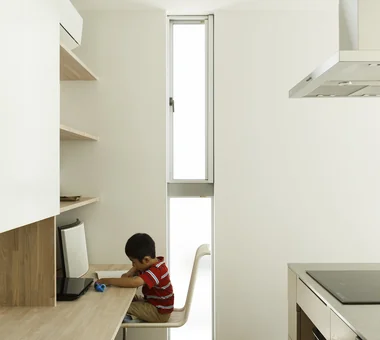
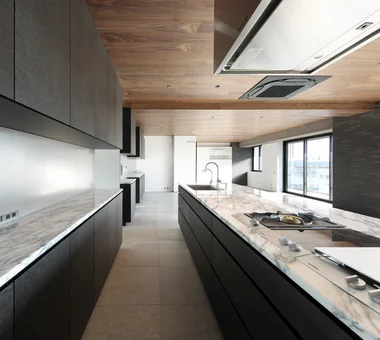
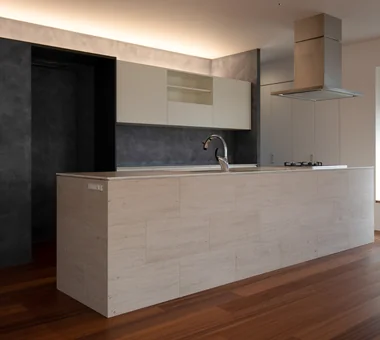
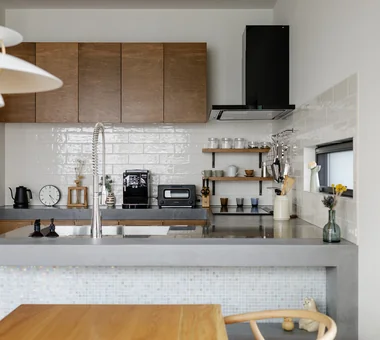
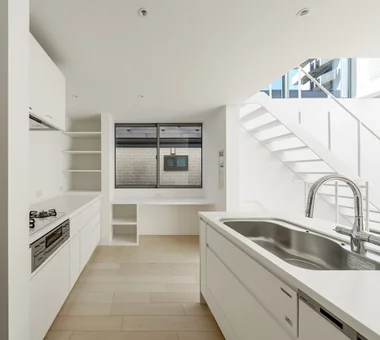
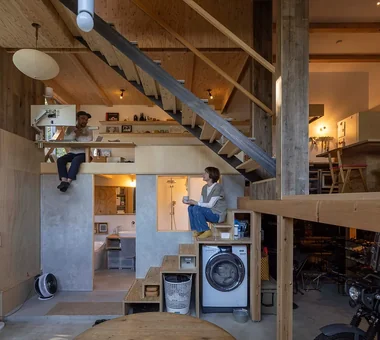
In kitchens for design-conscious homes, it is essential to reconcile usability with spatial beauty. To make the kitchen read like furniture, streamlined door faces and simple hardware are favored. Integrating back-of-house storage with the wall plane helps conceal everyday domesticity while maintaining ample storage. The choice of materials—stainless steel, solid timber, microcement finishes such as MORTEX, and others—significantly alters the space’s character. Considering visual continuity with the dining and living areas allows the kitchen to function as the home’s focal point. Rather than privileging appearance alone, kitchens that are designed with ease of cleaning and efficient circulation in mind contribute to long-term comfort and usability.
Façade Design That Subtly Reads Well in the Streetscape, Crafting Beauty through Material and Line
Homes for Design Enthusiasts |Exterior
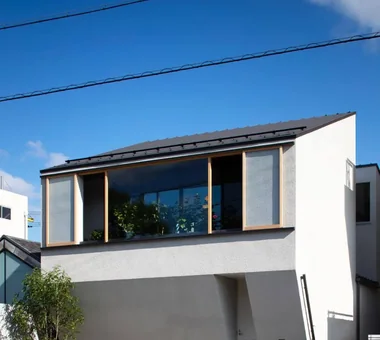
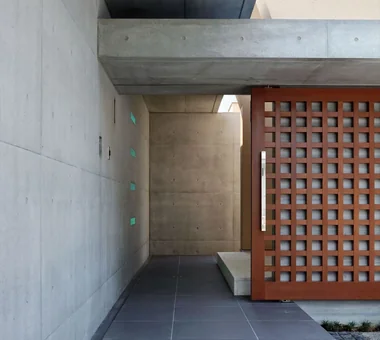
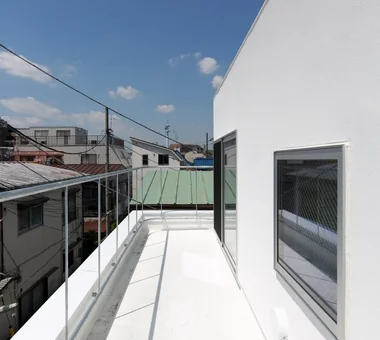
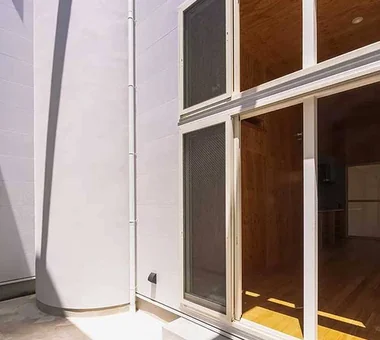
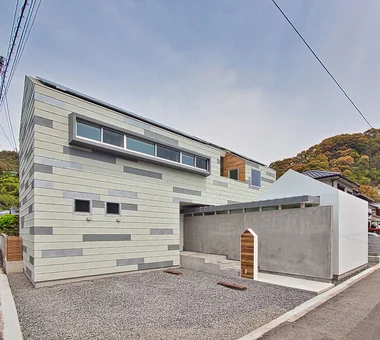
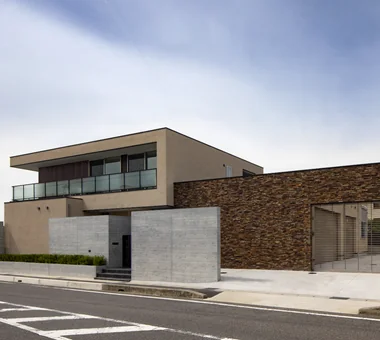
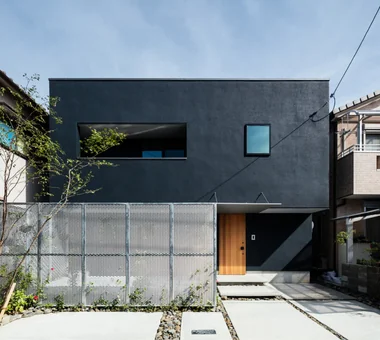
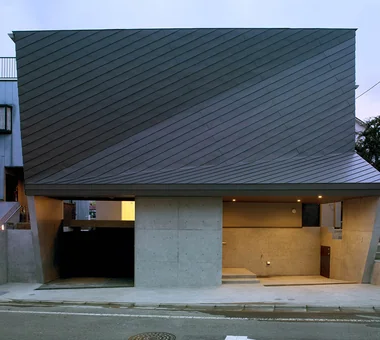
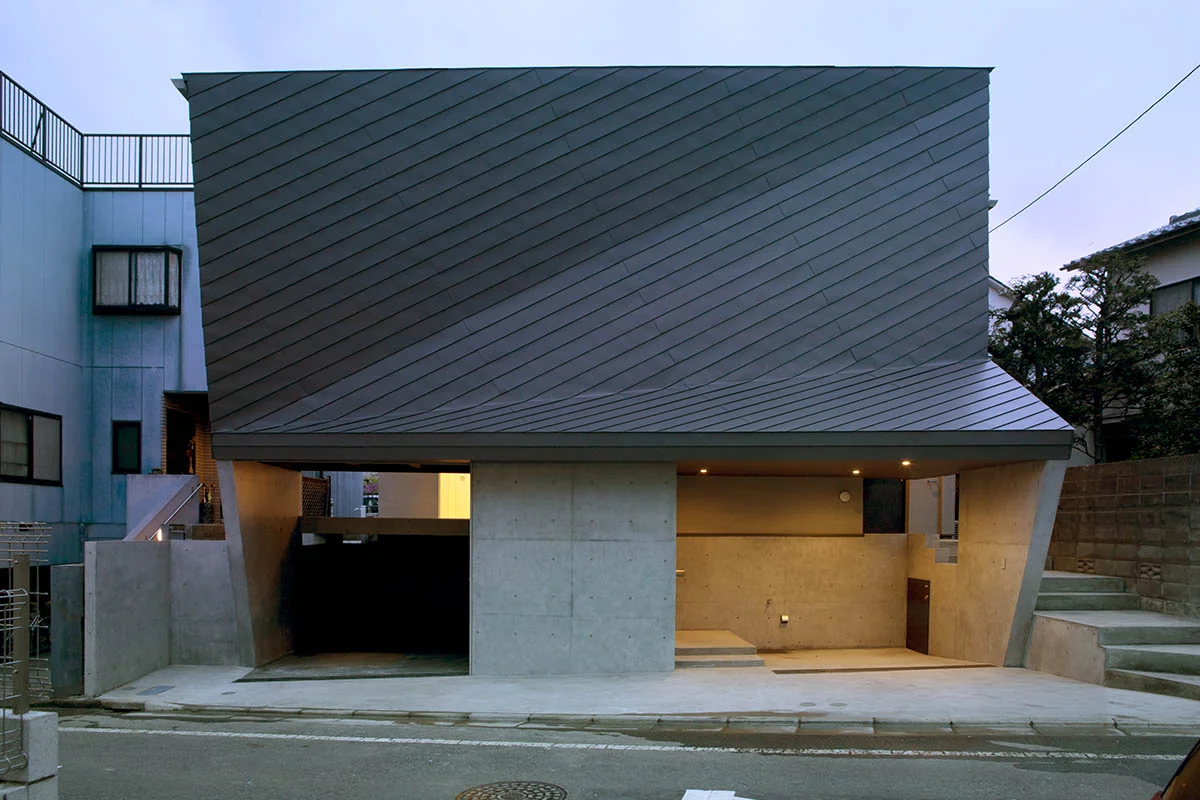
For design-oriented exteriors, it is more important to refine the building’s form and materiality than to add ornamentation. The simpler the façade, the more the placement of windows, the depth of eaves, and the texture of exterior walls dictate the building’s presence. Combining plaster, timber, and metal materials to produce nuanced shadows and articulation is increasingly common. Planning landscaping and the approach as part of the design helps the building sit naturally within the streetscape rather than read as an isolated object. It is also important to balance views and daylight by controlling sightlines from the exterior. Façades that consider not only aesthetic quality but also durability and ease of maintenance result in homes that are cherished over the long term.
-
Homes for Antique Enthusiasts|Custom-built homes by architecture firms|A Home That Lives with Timeworn Treasures2026-05-11|Qurasuki Editorial Department -
Stylish Washrooms|Key Points for Home Building|Functions and Environmental Design Supporting Daily Comfort2025-10-20|Qurasuki Editorial Department -
Homes Featuring Traditional Tea Rooms|Case Studies|Harmonizing Traditional Aesthetic Beauty with Contemporary Living2026-06-24|Qurasuki Editorial Department -
Homes with Gardens|Key Points for Home Building|Architectural Considerations and Circulation Planning for Cultivating Plants2026-03-02|Qurasuki Editorial Department -
Homes in Harmony with Nature|Introduction to Architecture Firms|A Residence That Integrates Nature's Bounty into Everyday Life2026-05-11|Qurasuki Editorial Department -
Homes Featuring Dedicated Theater Rooms|Custom-built homes by architecture firms|A Home Immersed in the World of Cinema2026-06-24|Qurasuki Editorial Department