JYU ARCHITECT
Narrow House|Pros and Cons|Transforming Smallness into Quality of Living
Author: Qurasuki Editorial Department
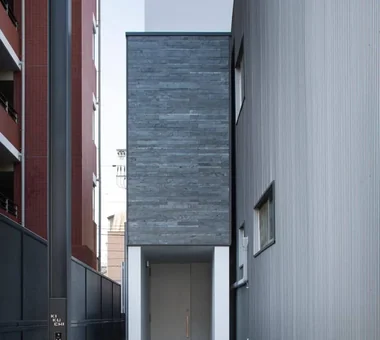
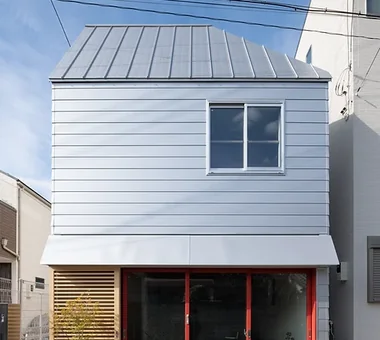
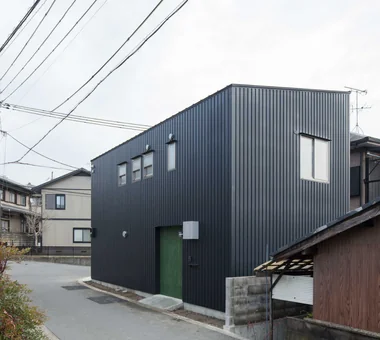
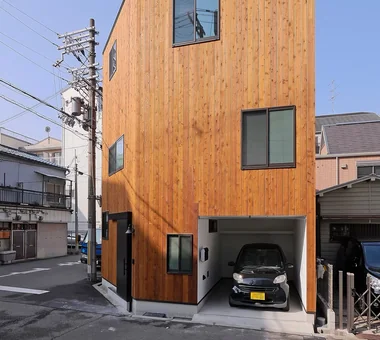
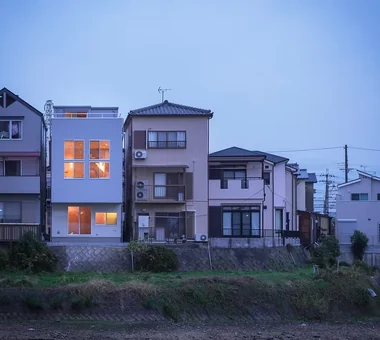
Compact housing generally refers to residences built on small plots of land measuring approximately 50 to 66 square meters (15 to 20 tsubo). Although there is no strict definition, such homes are commonly found in urban areas, often characterized by elongated lot shapes or narrow fronting streets. Due to limited space, these dwellings demand sophisticated design strategies and construction techniques to maximize the potential of constrained conditions. The prevalence of compact housing stems largely from location factors. In central urban districts or areas with excellent transportation access, land prices are prohibitively high, making the acquisition of large lots impractical. Consequently, purchasing smaller parcels and building compact homes becomes a viable option. While some may associate compact housing with diminished livability, in reality, thoughtful living arrangements and innovative design solutions can yield comfortable and enriching homes. Designing compact housing with the mindset of leveraging spatial constraints to enhance quality—rather than merely overcoming narrowness—results in functional and pleasant living environments.

Prime Location and Efficient Circulation: Turning Compactness into an Asset
Narrow House|Advantages
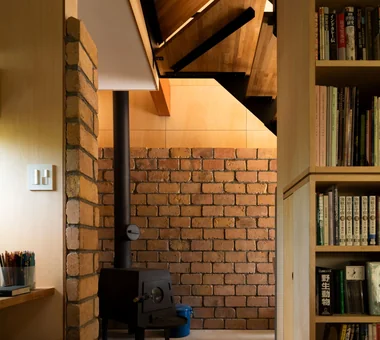
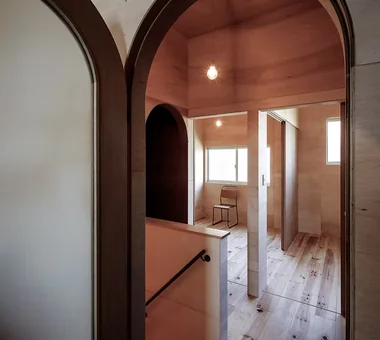
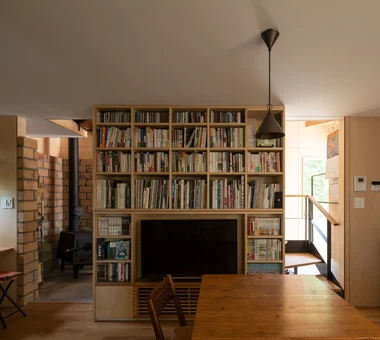
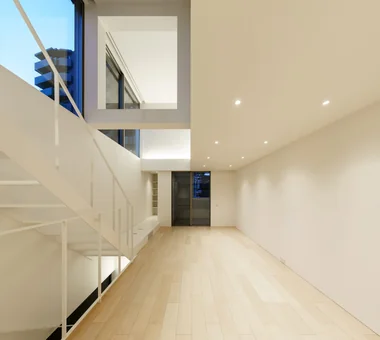
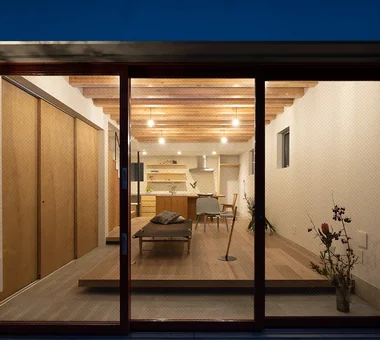
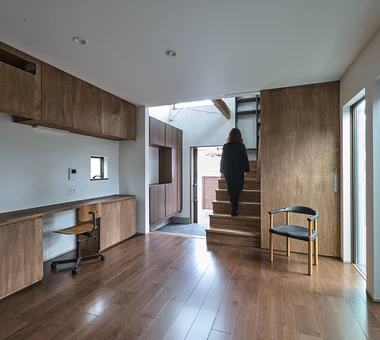
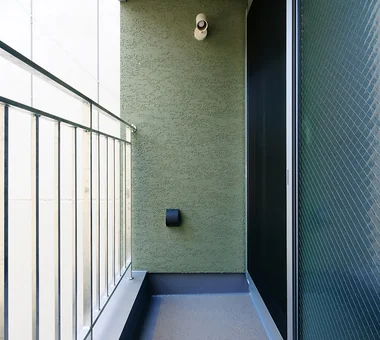
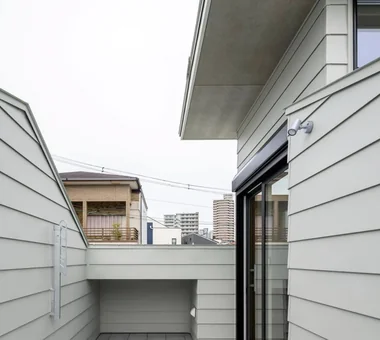
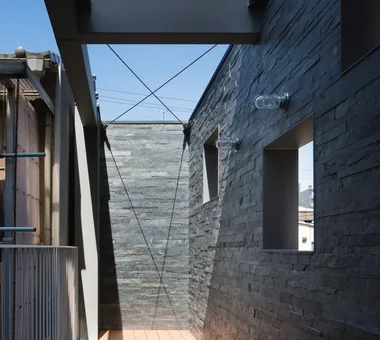
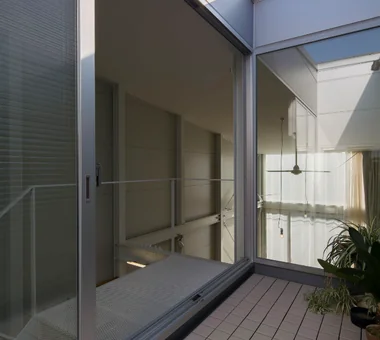
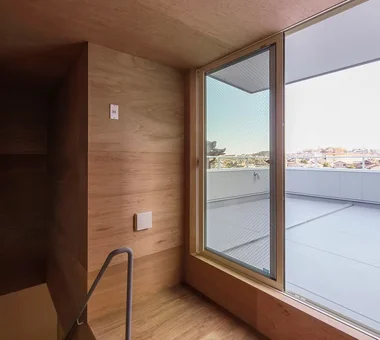
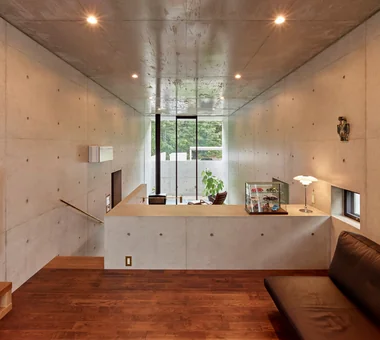
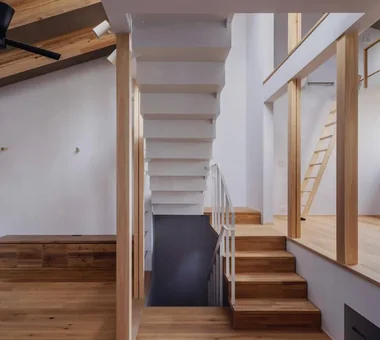
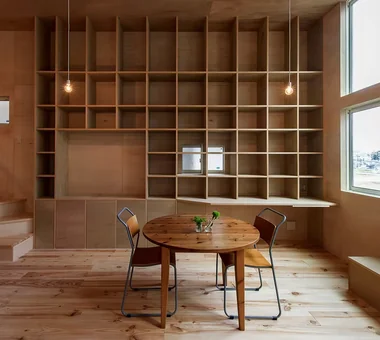
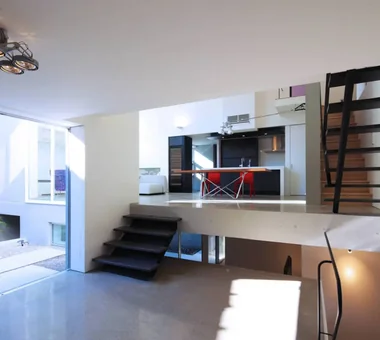
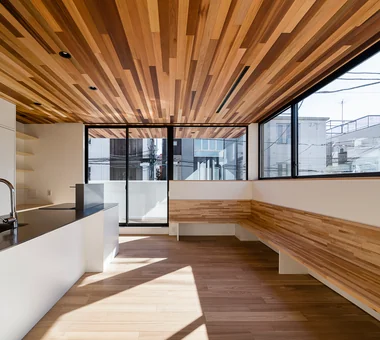
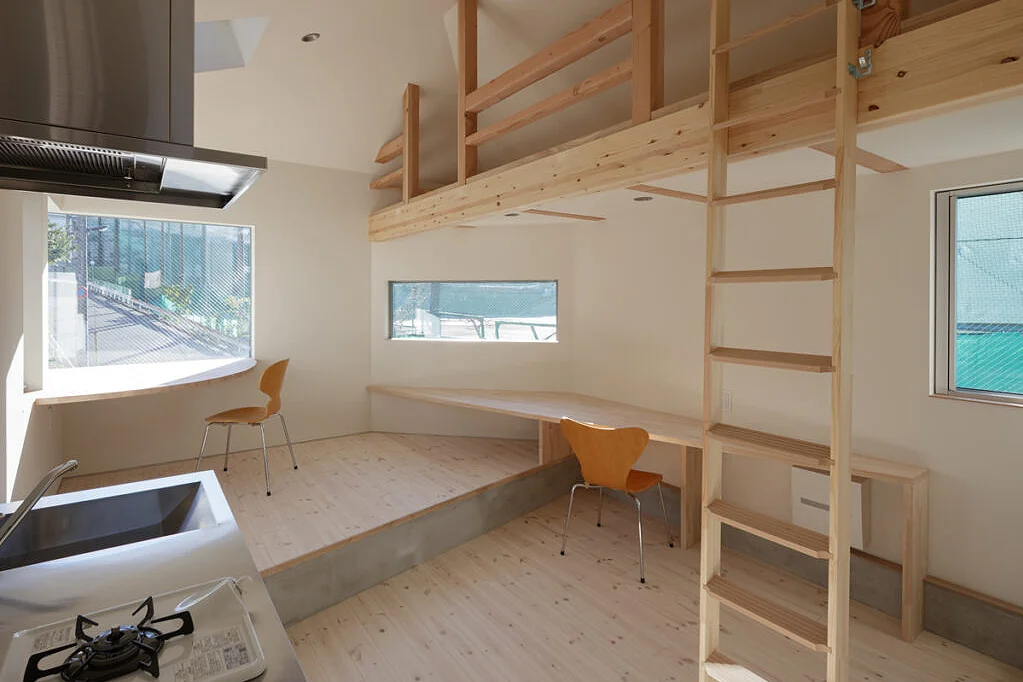
The foremost advantage of compact housing lies in the expanded range of desirable locations accessible to prospective homeowners. Acquiring property near train stations or commercial hubs becomes more feasible, significantly reducing commute and shopping times and thereby enhancing daily convenience. The reduced footprint eliminates superfluous indoor spaces, streamlining household workflows and minimizing transit distances within the home, which translates into time savings and more efficient cleaning and tidying routines. To compensate for spatial limitations, vertical spatial strategies prove highly effective. Incorporating split-level floors, lofts, and double-height voids creates multiple distinct zones that exceed the apparent floor area. Natural light management is critical; when neighboring buildings or roads are in close proximity, the use of clerestory and skylight windows preserves privacy while ensuring interior brightness. The smaller scale also allows budget prioritization toward premium finish materials—flooring, walls, joinery—thereby elevating occupant satisfaction. Custom-built furniture integrated into wall thicknesses, beneath stairs, or under raised floors can substantially increase storage capacity without compromising perceived spaciousness. Furthermore, rooftop terraces or compact gardens introduce outdoor air and greenery, fostering psychological spaciousness and enriching everyday life. By embracing site constraints, compact homes can harmonize convenience with material quality.
Challenges Arising from Compactness: Frequent Stair Use, Privacy, and Storage Limitations
Narrow House|Disadvantages
Designing and constructing compact housing necessitates careful attention to several challenges. Cost considerations are paramount: the proportion of space allocated to staircases and building services increases relative to the total floor area, often driving up the unit cost per square meter of living space. Logistical difficulties such as narrow access routes for construction materials and limited onsite staging areas may require segmented deliveries and manual handling, elevating construction expenses. Additional costs related to scaffolding, crane placement, and neighborhood impact mitigation must also be factored. Legal constraints present further limitations; regulations governing building envelope setbacks, daylight and shadow restrictions, floor area ratios, site coverage, road frontage requirements, and fire safety can restrict building massing and window placement, thereby reducing design flexibility. Securing adequate daylight and ventilation is challenging when adjacent structures are closely spaced. Insufficient natural light leads to increased reliance on artificial lighting and HVAC systems, potentially causing uneven interior temperatures and condensation issues. In highly airtight and insulated homes, inadequate ventilation planning risks deteriorating indoor air quality, underscoring the necessity of well-designed mechanical ventilation systems with proper maintenance protocols. Frequent stair navigation can pose physical burdens, particularly for families with young children or elderly members, while limited storage and inefficient laundry workflows may induce daily stress. Proximity to neighboring residences also demands careful consideration of sightlines, noise, and odor control measures to preserve privacy and comfort.
Exploiting Verticality and Openness: Innovations in Structure, Thermal Comfort, Circulation, and Storage
Narrow House|Countermeasures for Disadvantages
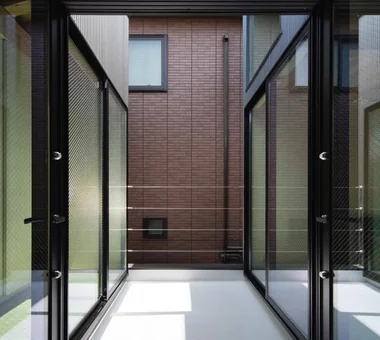
Addressing the challenges of compact housing begins with thorough site analysis during the initial planning phase, including detailed review of applicable legal restrictions—such as envelope angle controls, shadow regulations, and floor area/site coverage ratios—and logistical conditions for material delivery and construction. Evaluating multiple elevation and section studies facilitates optimal volumetric solutions. For daylight and ventilation, prioritizing top-down illumination through clerestory windows, skylights, or light wells enhances natural brightness, while external louvers and wing walls manage privacy by controlling sightlines. Effective cross-ventilation is achieved by strategically placing windows at varying heights and along diagonal axes to promote airflow. Mechanical ventilation is indispensable in airtight buildings; consideration of heat recovery ventilation systems can minimize thermal losses while maintaining air quality. The design of ventilation routes and equipment selection directly impact performance. Storage and household circulation benefit from three-dimensional planning: utilizing under-stair voids, wall cavities, raised floor compartments, and loft spaces for storage optimizes capacity. Laundry-related activities are streamlined by co-locating washbasins, dressing areas, drying zones, and storage to facilitate a seamless workflow. To accommodate future needs and reduce physical strain, bedrooms may be positioned on lower levels, and provisions for installing lifts or other mobility aids should be incorporated into the initial design to ensure adaptability.
-
Homes Featuring Soundproof Rooms|Case Studies|Spatial design where life and hobbies resonate, creating a comfortable distance between sound and daily life2025-10-13|Qurasuki Editorial Department -
Narrow House|Case Studies|A Rich Lifestyle Maximizing Limited Land2026-01-27|Qurasuki Editorial Department -
Garage Houses|Key Points for Home Building|Garage Design for the Elegant Storage of a Beloved Car2026-03-02|Qurasuki Editorial Department -
Second-Floor Living|Case Studies|A Home That Embraces Light, Wind, and Scenery for an Open and Airy Lifestyle2026-01-27|Qurasuki Editorial Department -
House of Wood|Custom-built homes by architecture firms|A Home Embracing the Warmth of Wood2026-05-11|Qurasuki Editorial Department -
Stylish Studios|Key Points for Home Building|Daylighting and Environmental Design Supporting Creative Activities2026-03-02|Qurasuki Editorial Department