「ha」 hosaka hironobu architect associate
Glass-Enclosed Residences|Key Points for Home Building|Maintaining Privacy While Achieving a Sense of Openness
Author: Qurasuki Editorial Department
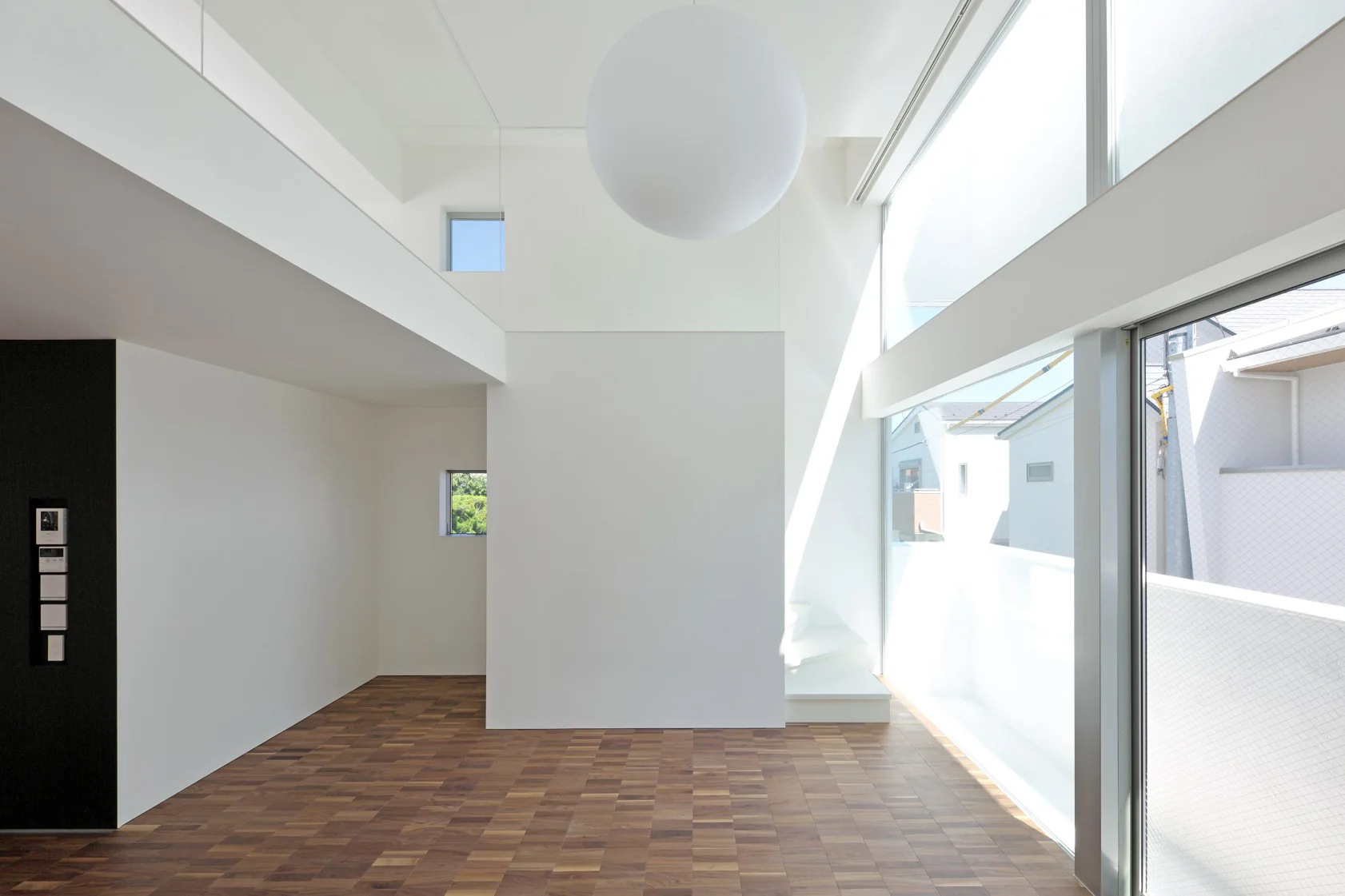
Residences that deliberately employ glazing to create transparency and openness arise from design approaches that emphasize visual connection to the exterior. However, the use of glass requires careful consideration of challenges—privacy, thermal insulation, and solar heat gain—alongside benefits such as daylighting and views. Contemporary glazing technologies provide a wide range of options, and selecting the most suitable products according to function and orientation enables a balanced resolution of these advantages and constraints. It is important that the resulting design succeeds not only as a contemporary expression but also as a practical, buildable solution.
A Sense of Openness and Unity with Nature.
The greatest appeal of a glass-walled house lies in its ability to blur the boundaries between interior and exterior to an almost indistinguishable degree. Expansive glass surfaces bring the greenery of the garden and the vastness of the sky into the living space, creating a sense of openness that exceeds the actual floor area. Living in close connection with the changing seasons and weather conditions is a unique privilege afforded by the materiality of glass.
Consideration for Privacy and Visual Control.
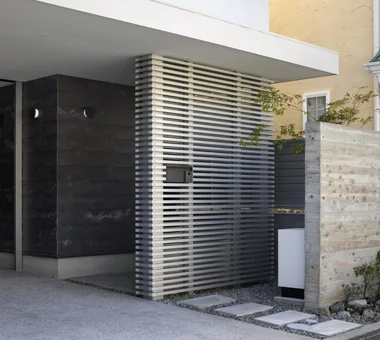
When extensively using glass, controlling views from the outside is crucial. By strategically arranging the site layout and using landscaping or fences to obstruct sightlines, it is possible to maintain a sense of openness while protecting privacy. Additionally, selectively incorporating patterned or frosted glass allows for the admission of natural light while blocking direct views, enabling a nuanced approach to transparency and privacy.
Ensuring Thermal Insulation Performance is Key to Comfort.
Glass is aesthetically pleasing but also a material with significant heat transfer. By selecting high thermal insulation products such as Low-E glass, triple glazing, or double glazing filled with argon gas, it is possible to mitigate summer heat and winter cold. The performance of window frames is also crucial; resin frames offer excellent thermal insulation. Combining high-performance glass and frames achieves both beauty and comfort.
Controlling Solar Radiation with Eaves and Louvers.
Large glass surfaces tend to increase indoor temperatures due to intense summer sunlight; therefore, it is essential to implement systems such as eaves, external blinds, or louvers to regulate solar exposure. Special attention must be given to elevations exposed to western sunlight. By calculating the projection depth of eaves to block the high summer sun while allowing the lower winter sun to penetrate—a principle of passive design—year-round comfort can be achieved.
Glass Cleaning and Maintenance.
The larger the glass surfaces, the greater the effort required for cleaning. In particular, high-elevation glass may necessitate scaffolding. During new construction, limiting the height to within reach from the exterior or incorporating maintenance catwalks can facilitate routine upkeep. Selecting products such as self-cleaning glass, which resist dirt accumulation, is also a viable option.
Planning for Curtains and Blinds.
Even in glass-walled houses, it is essential to have measures to protect privacy during sleeping hours or when guests are present. It is advisable to plan in advance for curtains, roller screens, blinds, and similar window treatments. Incorporating curtain rails into the ceiling or adopting motorized blinds can enhance operability. Designing with both open and closed states in mind supports a comfortable living environment.
Layout Designed with Calculated Sightlines.
In glass-enclosed spaces, the direction and extent of sightlines are crucial. By consciously directing views from the living room to the garden, from the dining area to the courtyard, and from the staircase to the sky, a sense of depth and drama is created within the space. Conversely, areas that are not meant to be seen—such as neighboring properties or roads—are strategically positioned to avoid drawing the eye.
Incorporating the Surrounding Scenery as Borrowed Landscape.
The views visible through the glass can be considered an integral part of the residence. By incorporating beautiful surrounding elements such as garden trees, distant mountain ranges, and the expanse of the sky as borrowed landscape, one can achieve a richness that extends beyond the site boundaries. It is essential to design the height and size of windows in accordance with the specific views intended to be showcased.
Nighttime Visibility and Lighting Design.
A glass-walled house becomes fully visible from the outside at night. To protect privacy while maintaining an aesthetically pleasing exterior, a well-considered lighting design is essential. By dimming interior lighting and illuminating the garden and exterior elements, visual focus can be directed outward. Additionally, extensive use of indirect lighting can create a soft glow that minimizes glare.
Safety Measures Against Earthquakes and Typhoons.
Large glass panels must be designed with safety considerations for earthquakes and typhoons. It is essential to select glass types that are resistant to breakage and, in the event of breakage, minimize shattering, such as tempered glass or laminated glass. Additionally, to protect against damage from flying debris, it is advisable to incorporate provisions for installing shutters or storm panels.
Differentiated Use of Clear and Patterned Glass
Instead of using clear glass exclusively, selectively employing patterned glass, frosted glass, or etched glass according to the location allows for the preservation of privacy while admitting natural light. This approach is particularly effective in areas where visual screening is desired, such as bathrooms, toilets, and bedrooms. Additionally, patterned glass diffuses light, creating a soft and gentle quality of illumination.
Flexibility to Adapt to Changes in Lifestyle.
An open living space with glass walls is appealing; however, changes in family composition or life stages may lead to a desire for increased privacy. By incorporating provisions for adding partitions or enabling adjustments through curtains and blinds, the design can flexibly accommodate evolving lifestyle needs.



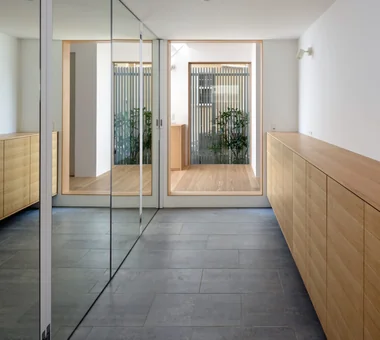
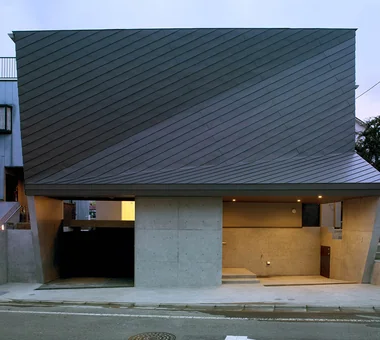 Homes for Design Enthusiasts|Introduction to Examples by Floor Plan & Room Type|A Home That Balances Sensibility and Livability, Elegantly Composing Materials, Light, and Negative Space
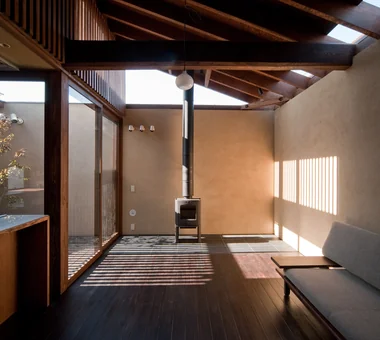 Homes Featuring Wood-Burning Stoves|Introduction to Examples by Floor Plan & Room Type|A Design of Warmth Where the Flicker of Fire Embraces Life
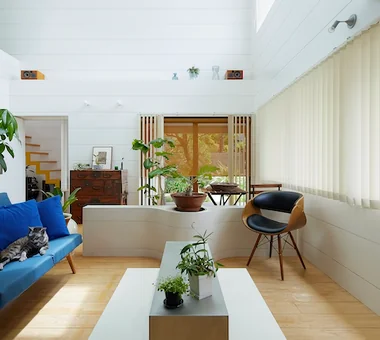 Homes Designed for Living with Cats|Introduction to Architecture Firms|A Home Designed to Support a Cat's Free‑Spirited Life
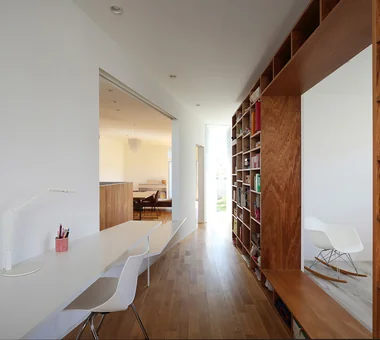 Contemporary Design Residences|Introduction to Architecture Firms|Homes Reflecting Contemporary Sensibilities
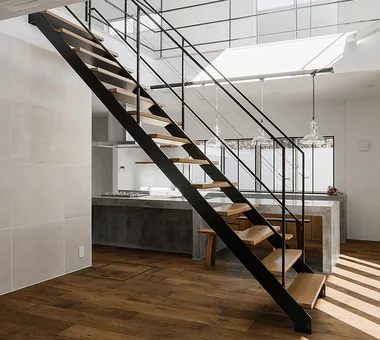 Stylish Staircases|Key Points for Home Building|Design Innovations for Vertical Spaces Combining Safety and Aesthetics
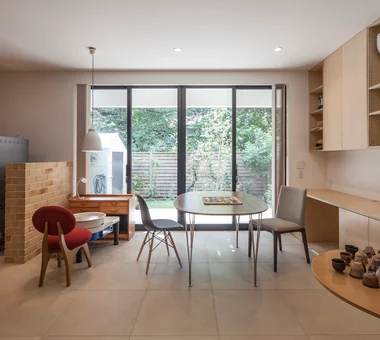 Homes with Atelier Spaces|Introduction to Examples by Floor Plan & Room Type|Fusing spatial design that sparks creativity with a comfortable living space