Atelier Cotocoto
Stylish Dining Spaces|Key Points for Home Building|Creating Spaces That Enrich Mealtime
Author: Qurasuki Editorial Department
The time spent gathered around the dining table strengthens family bonds. Elements such as the approach to lighting, the relationship with the table, and the views framed by windows bring varied expressions to the same mealtime. Because it is a familiar space, attention to detail enhances the sense of fulfillment in everyday life.
Spatial Design Based on Table Size.
It is essential to anticipate the size of the dining table to be used and ensure adequate clearance for surrounding circulation paths and chair movement. Generally, a minimum width of approximately 75 cm behind chairs is required for people to pass comfortably, while a width of around 90 cm provides greater ease of movement. When the table size is predetermined, spatial design can be tailored accordingly.
Height and Arrangement of Pendant Lights
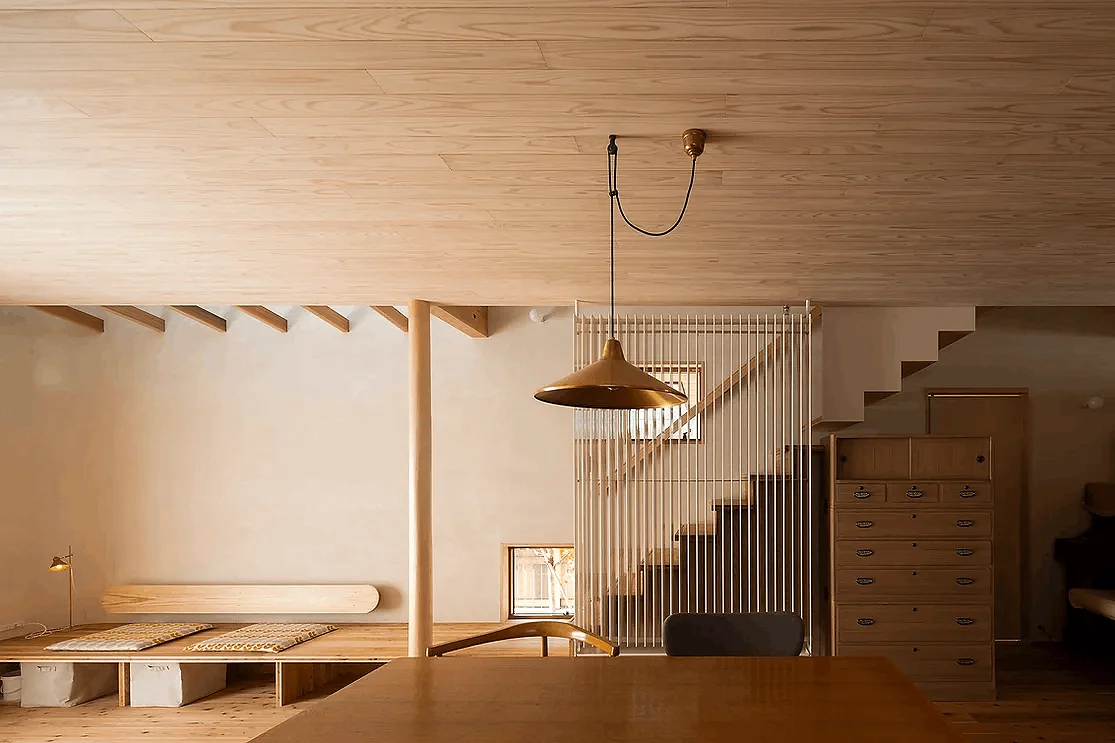
Pendant lights above the dining table serve as a crucial accent element within the space. It is common practice to install them at a height of approximately 60 to 80 cm from the tabletop; however, adjustments may be necessary depending on ceiling height and the design of the lighting fixtures. When arranging multiple pendants in a row, careful consideration should be given to their overall balance.
Circulation Designed for Chair Movement
It is essential to arrange the space so that actions such as pulling out dining chairs to sit and standing up during meals can be performed smoothly. Particular attention should be paid to ensuring that the serving route from the kitchen and the access route to the dining area do not intersect, enhancing comfort during mealtime. Planning should also take into account the number of family members and their seating positions.
Incorporating Natural Light
Arranging the dining area to enjoy breakfast in bright natural light creates a pleasant start to the day. Positioning the dining space near east- or south-facing windows allows ample morning sunlight to be experienced. In cases where the west-facing sunlight is too intense, it is advisable to plan for adjustments using curtains or eaves.
Spatial Relationship with Storage.
Having storage units such as a china cabinet or serving counter near the dining area shortens the circulation path for serving and clearing, enhancing efficiency. Placing storage between the kitchen and dining area, or providing storage on the dining side, creates a functional and user-friendly space.
Selection of Flooring Materials and Maintenance Considerations.
The dining area is prone to food spills and water exposure. While the warmth of solid wood flooring is appealing, choosing water-resistant finishes or materials such as tiles that are highly resistant to moisture is also a viable option. Select materials by carefully balancing ease of maintenance with tactile quality.
The View Beyond the Line of Sight.
When dining, being able to see the greenery and sky outside the window enriches the mealtime experience. Additionally, layouts that allow visibility of family members cooking in the kitchen or making eye contact with those in the living room foster communication. Careful planning of sightline orientations is essential.
Ceiling Height and Spatial Expansion.
By partially raising the ceiling height in the dining area, an open and airy dining space can be created. Conversely, deliberately lowering the ceiling to produce a more intimate atmosphere is also effective. When installing pendant lights, it is important to select fixtures that balance well with the ceiling height.
Harmony of Color and Materials.
By harmonizing the materials and colors of tables and chairs with the finishes of walls and floors, a cohesive and aesthetically pleasing dining space is achieved. For wooden tables, one can either match the tone with the flooring or deliberately combine contrasting materials to create visual interest, allowing for choices that align with the overall interior design direction.
Flexible Table Arrangement.
Having a space that allows for extending or rearranging the table during visits or when the family grows is highly convenient. While it may typically accommodate four people, an extension table can increase seating to six, and having sufficient clearance to move the table enables adaptation to various scenarios.
Window Placement and Its Relationship with the Exterior.
Arranging the dining area to provide access to the garden or terrace expands the ways in which meals can be enjoyed. On pleasant days, dining outdoors or opening the windows to create a semi-outdoor space allows for adaptable use according to the season and climate. It is important to coordinate the position of floor-to-ceiling windows with the table layout during the planning process.
Utilization Methods for Wall Surfaces
Incorporating shelving or displaying artwork on dining room walls introduces character to the dining space. Additionally, converting a portion of the wall into a chalkboard or magnetic board allows it to function as a family message center. A wall design that combines both functionality and aesthetics enriches the dining environment.




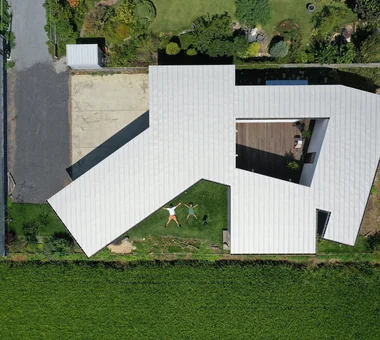 Single-Story Houses|Introduction to Examples by Floor Plan & Room Type|A Home That Breathes with the Seasons, Defined by Spreading Horizontal Lines and the Warmth of Materials
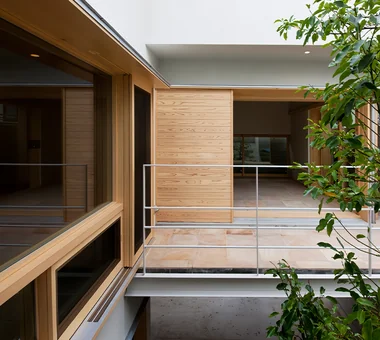 House with Wooden Window Sashes|Custom Home Examples by Architectural Offices|Warm Materiality
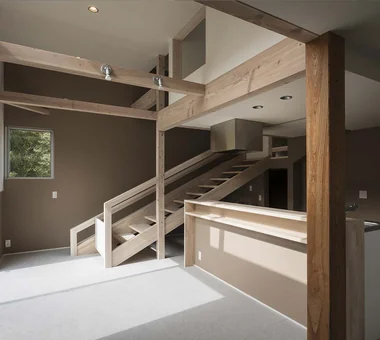 Homes Designed for Living with Dogs|Introduction to Examples by Floor Plan & Room Type|From Material Selection to Workflow Planning, a Form of Home that Achieves Comfortable Coexistence
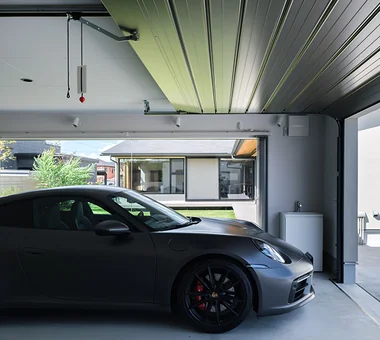 Garage Houses|Custom Home Examples by Architectural Offices|A Home for Living with Your Beloved Car
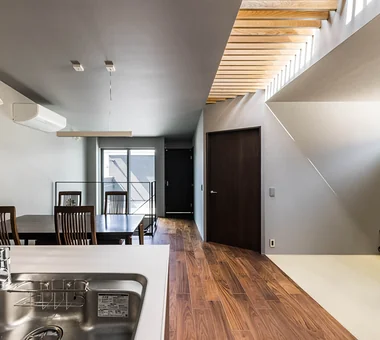 Homes Embracing Natural Light|Key Points for Home Building|Daylighting Strategy and Response to Seasonal Variations in Light
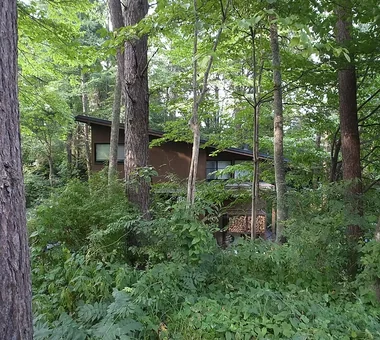 Homes in Harmony with Nature|Introduction to Examples by Floor Plan & Room Type|A way of living that enjoys daily life in harmony with nature, feeling the seasons and embracing the wind and light