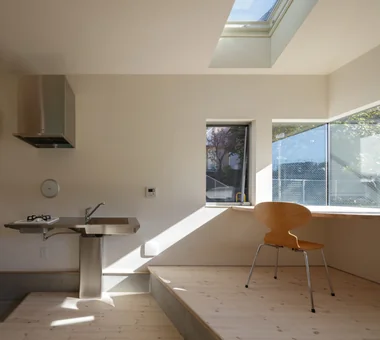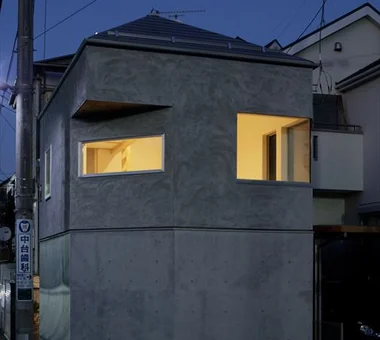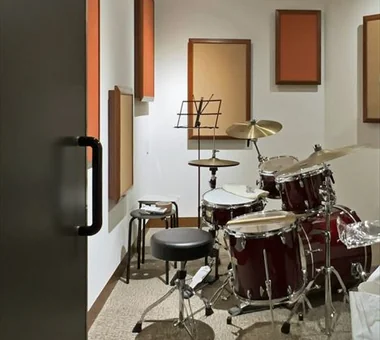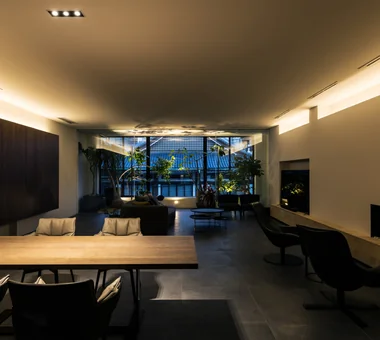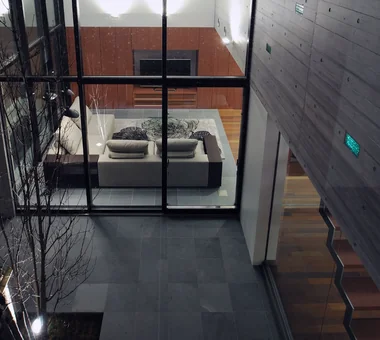
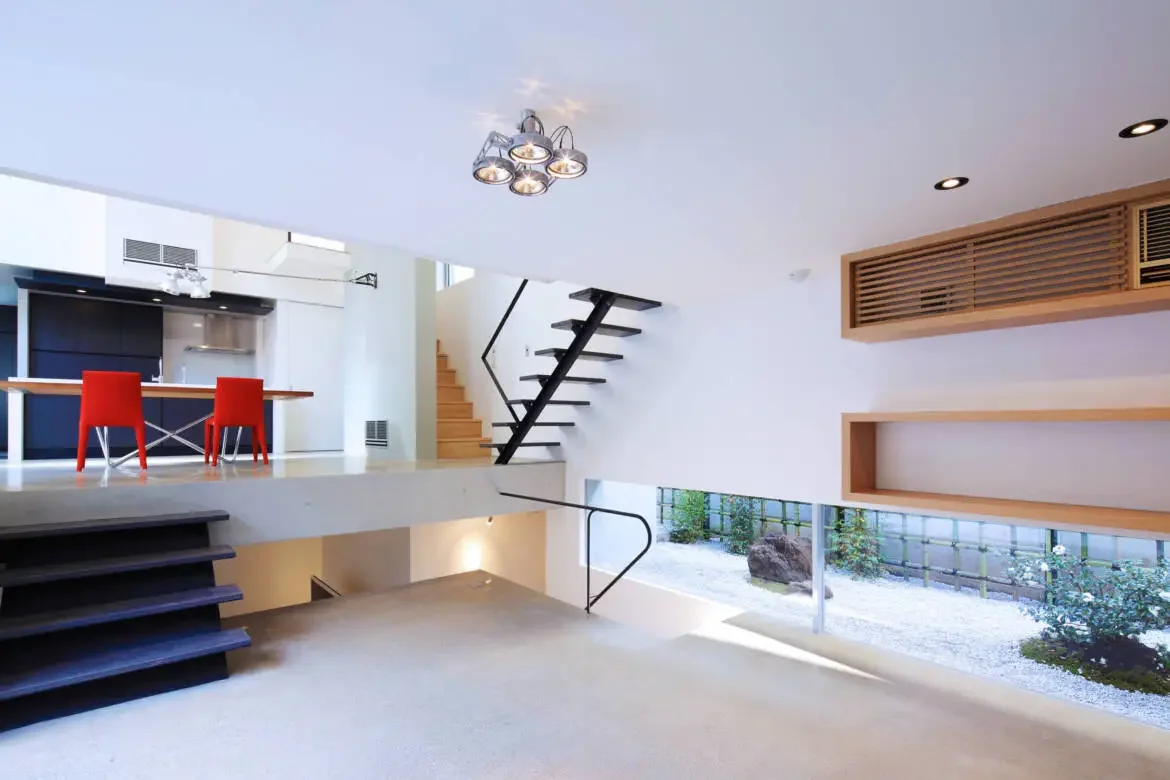
Far East Design Lab.
Concrete Houses|Custom-built homes by architecture firms5Picks|The Aesthetics of Concrete and Comfortable Residential Environments
Author: Qurasuki Editorial Department
Concrete residences are recognized as an architectural expression that derives a distinctive beauty from the material’s sense of solidity and its uniform surface quality. Conversely, concrete has relatively high thermal conductivity, and without appropriate insulation strategies and condensation control, habitability can be compromised. Architectural practices, fully cognizant of these material characteristics, integrate measures such as thermal insulation detailing, careful planning of openings, and ventilation system design to achieve homes that reconcile aesthetic presence with comfort. We present case studies in which a robust materiality supports a calm and enriched everyday life.

A Home Living with Plants
Tatsumi Negishi Architectural Studio
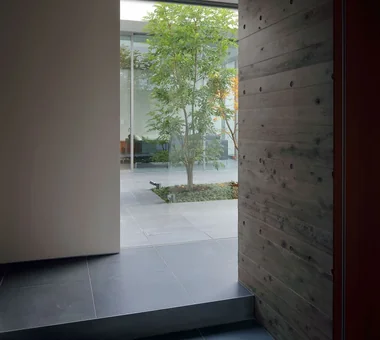
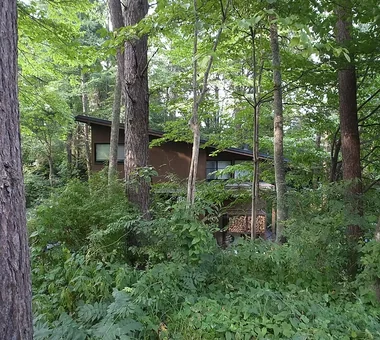
This residence, for which we were engaged from the site-selection phase, leverages the plot’s characteristics to organize the living room, a deck for enjoying wine and al fresco dining, and a garden abundant with flowers and greenery into a single, continuous spatial composition. Design strategies that soften the boundaries between each element were employed to create an integrated interior–exterior environment. The result is a pleasant living space where occupants coexist harmoniously with plantings.
Unuma House
Kota Goto Architectural Studio
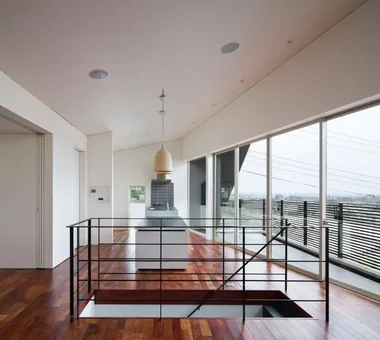
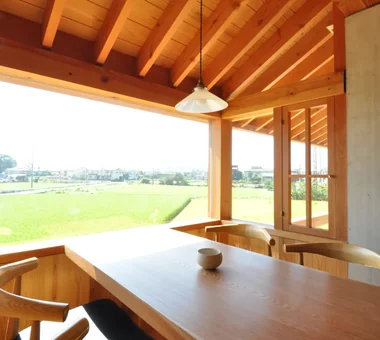
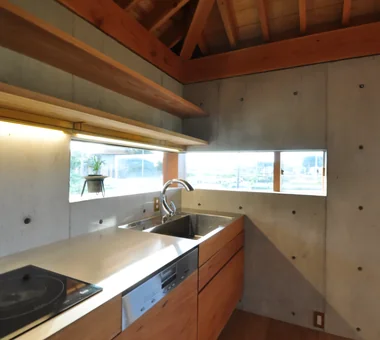
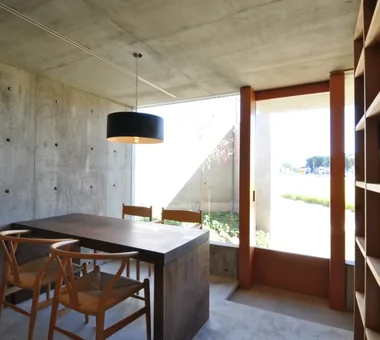
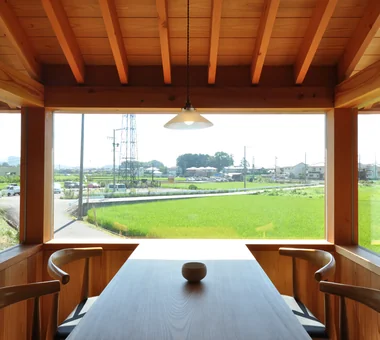
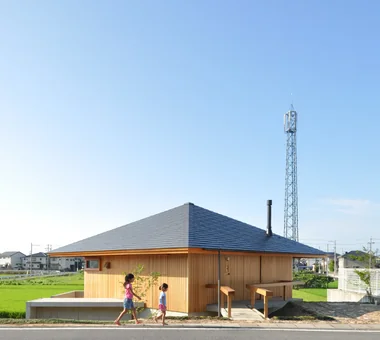
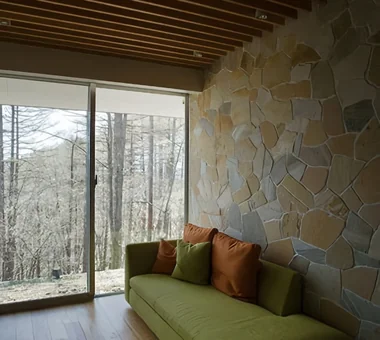
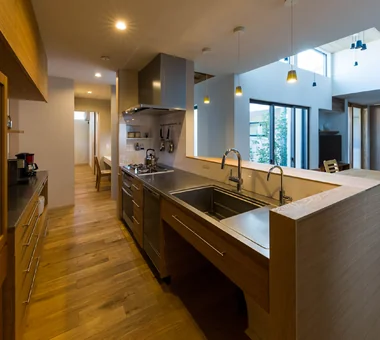
An architect's own residence located at the northern edge of the Nōbi Plain on a site with a pronounced level change where the plain meets upland terrain. The square plan is rotated 45° to reconcile openness and privacy by avoiding direct sightlines from the main road and neighboring houses. The site's elevation difference is used so that primary living spaces are on the second floor. A hybrid concrete-and-wood structure leaves materials exposed to express their natural qualities. The layout centers on the dining area and allows for continuous circulation so that, except for sleeping, daily life takes place on the second floor. Materials such as solid timber, brass, and stone were chosen to develop patina over time and to harmonize with the southern rural landscape.
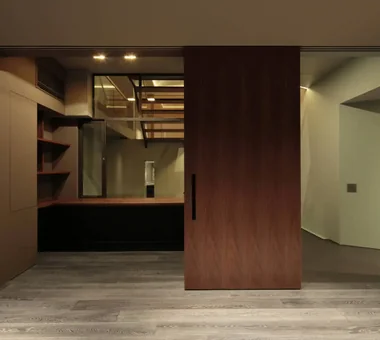
Condominium Renovation: Choose the Layout According to Mood | A Home That Changes Its Outfit
Yoshihiro Yamamoto Architects Associates
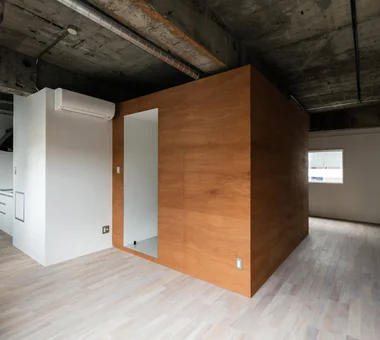
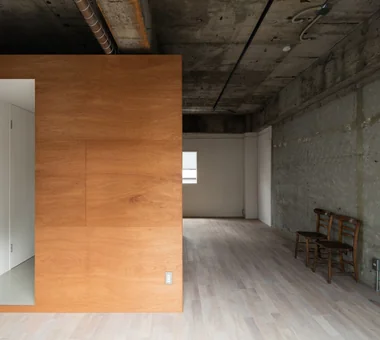
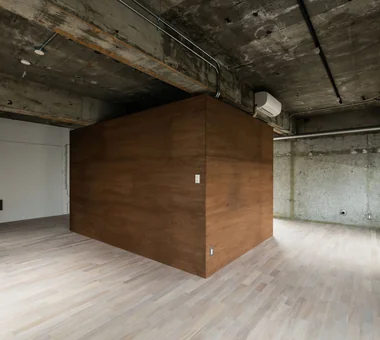
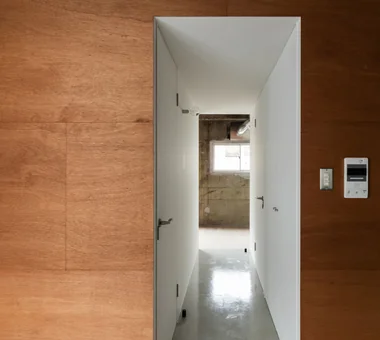
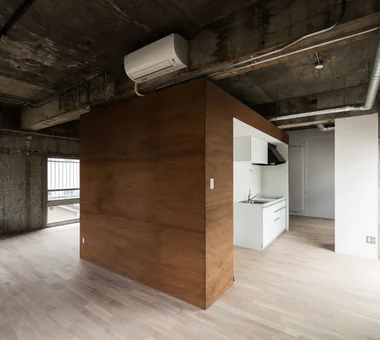
In a typical three-bedroom (3LDK) apartment the plan places two bedrooms on the corridor side, the living/dining/kitchen on the balcony side, and a single room between them. That intermediary room often suffers from poor daylighting, ventilation and air‑conditioning conditions and frequently cannot accommodate layouts that adapt flexibly to changing needs. In this scheme the middle room is fitted with fully opening sliding doors so it can function as an independent room, as part of an enlarged LDK, or as a semi‑enclosed partitioned space, enabling variable and flexible use.
Garage House in Yashio
Atelier Cotocoto
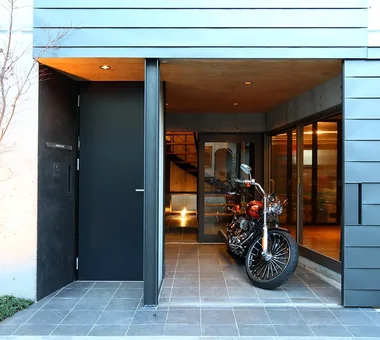
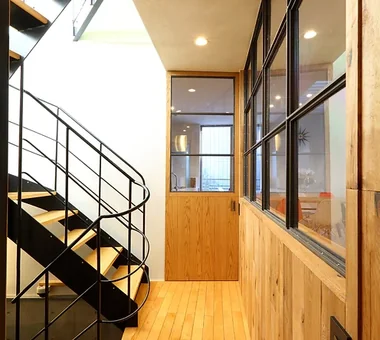
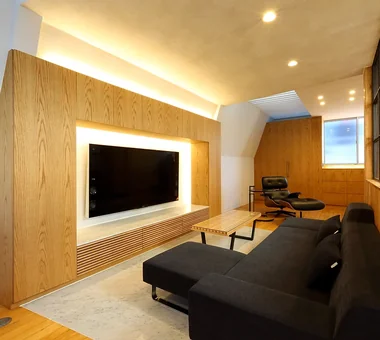
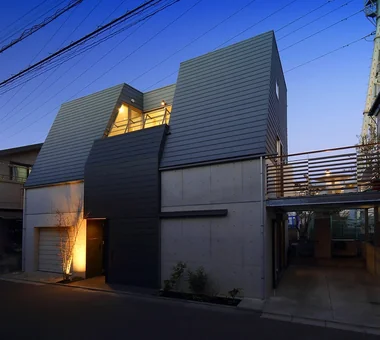
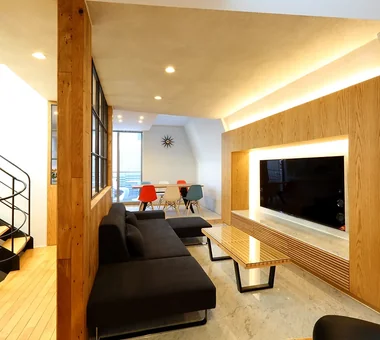
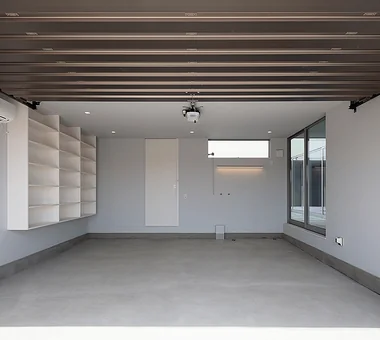
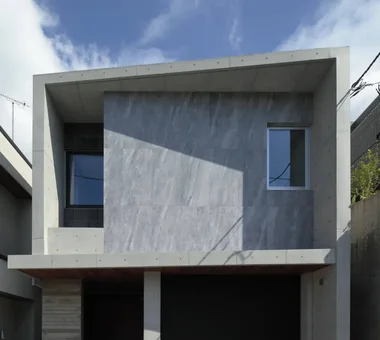
A house for a couple and their three sons, the site is enclosed by neighboring houses on three sides and faces a densely built residential street to the west, making privacy a primary concern. The ground floor functions as the owner’s hobby area: exposed cast‑in‑place concrete applied both inside and out and a Galvalume steel sliding door form an entrance integrated with a motorcycle garage, while continuity is achieved by carrying the same black slate and exposed concrete floor between interior and exterior. A spiral staircase rises to the third floor, where a warm living‑dining‑kitchen (LDK), characterized by extensive use of timber, unfolds. Only the central AV corner is finished with a marble floor; a slanted wall and a narrow, slit‑like skylight channel daylight down to the second floor.
The Sunken Retreat
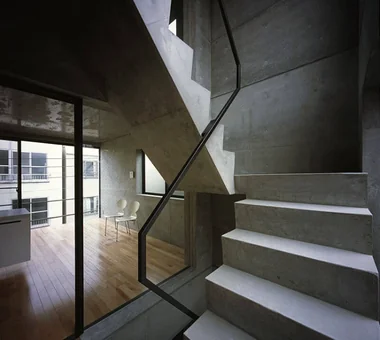
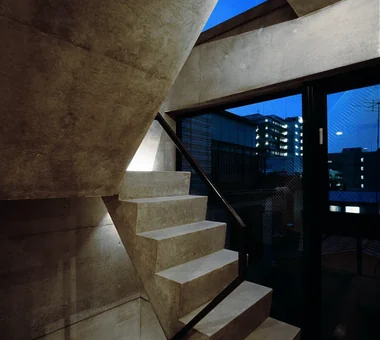
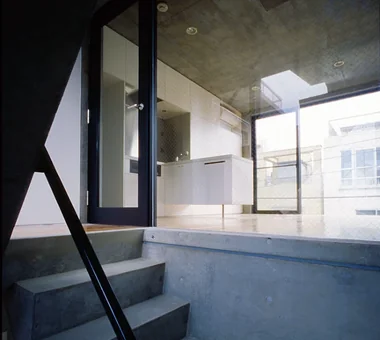
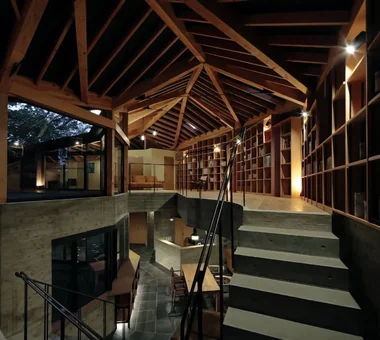
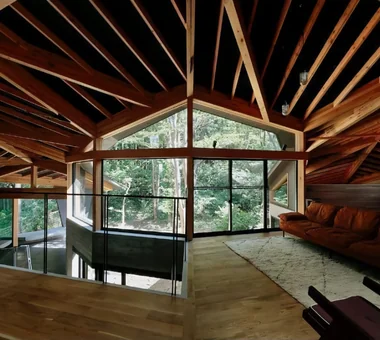
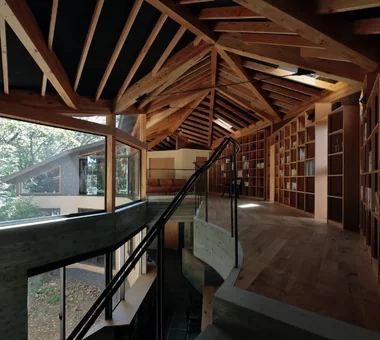
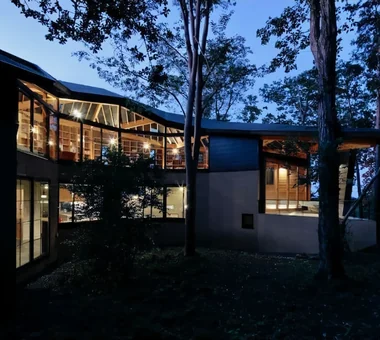
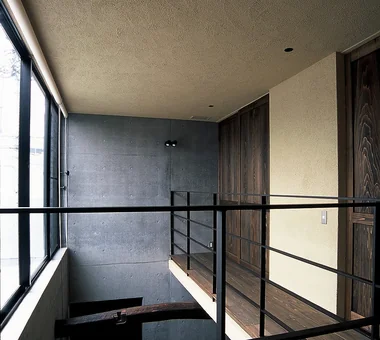
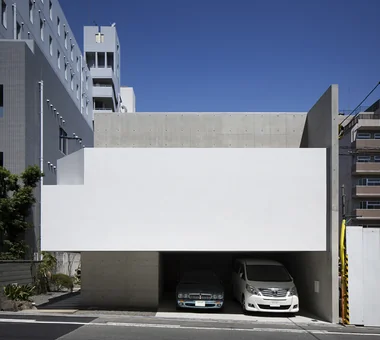
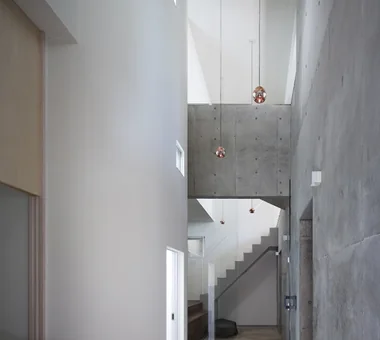
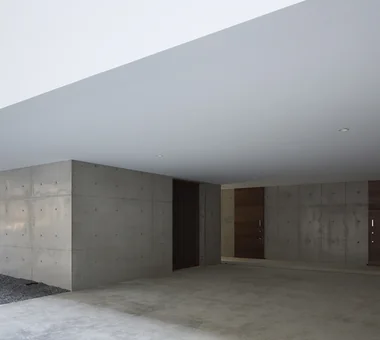
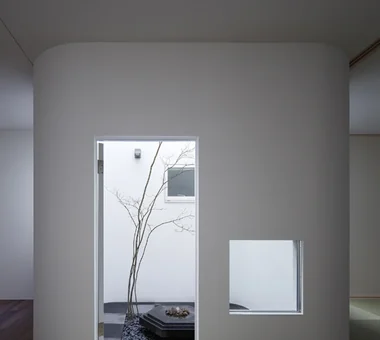
Far East Design Lab.
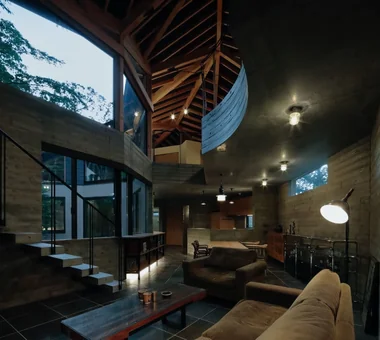
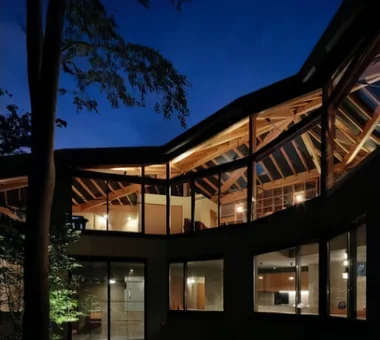
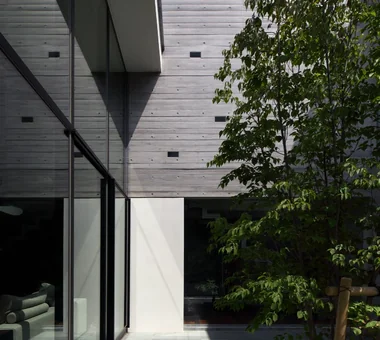
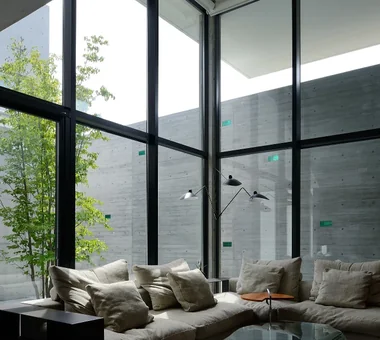
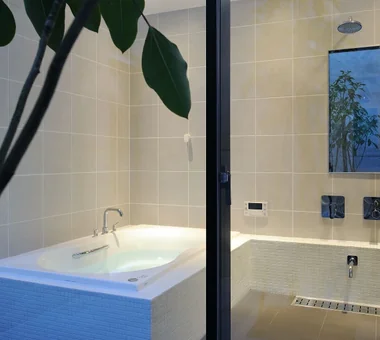
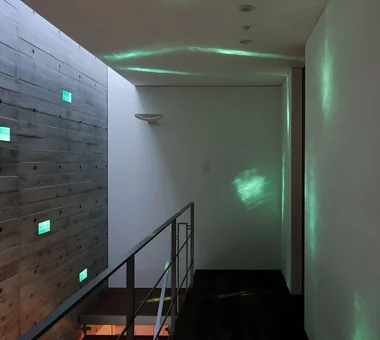
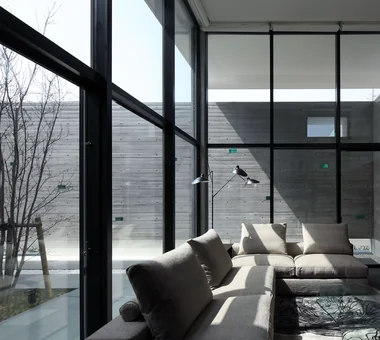
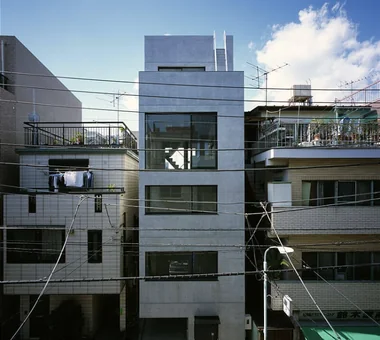
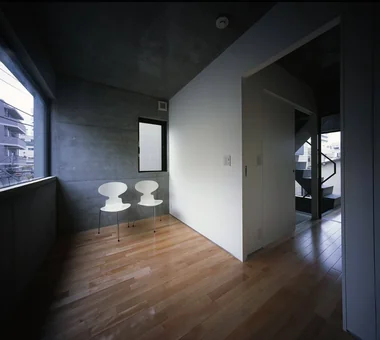
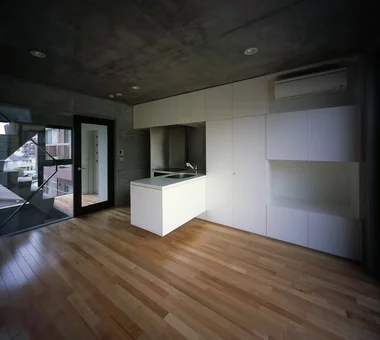
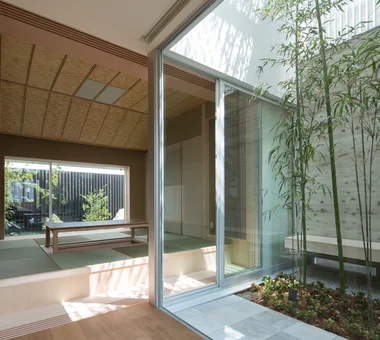
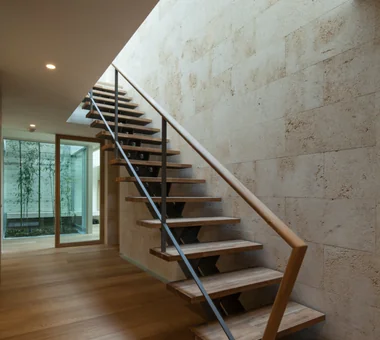
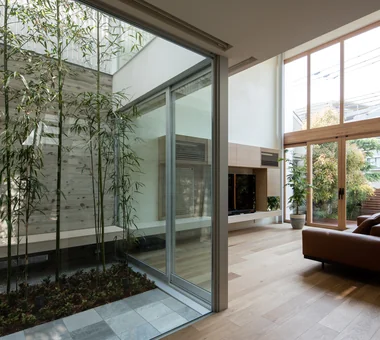
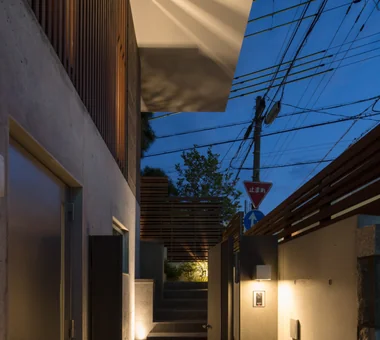
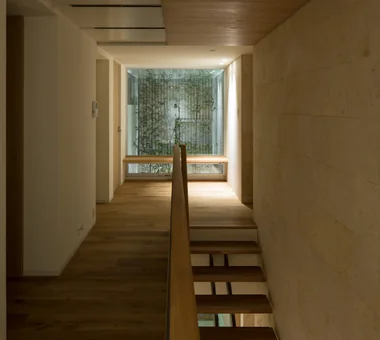
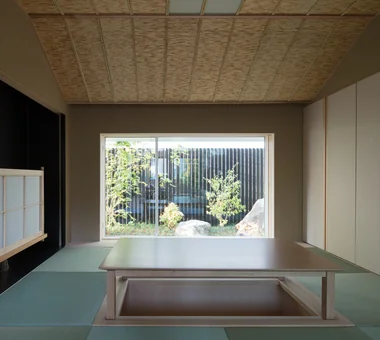
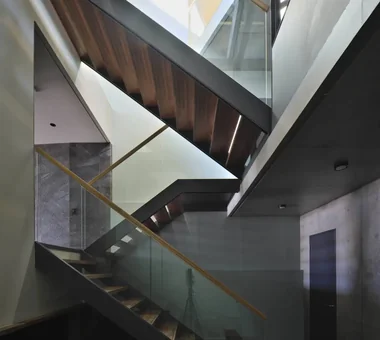
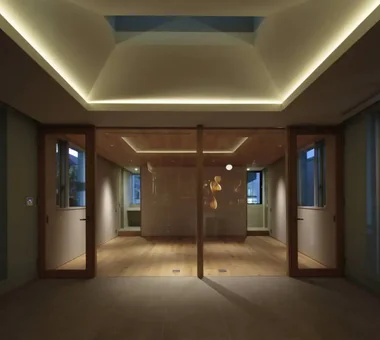
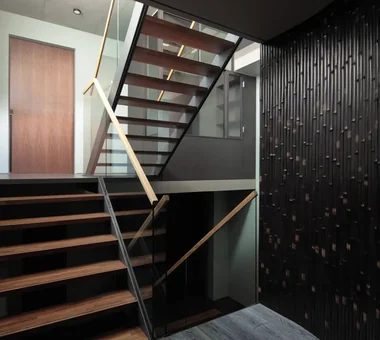
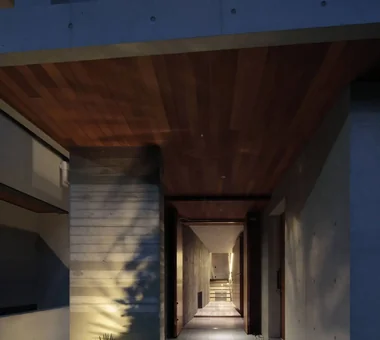
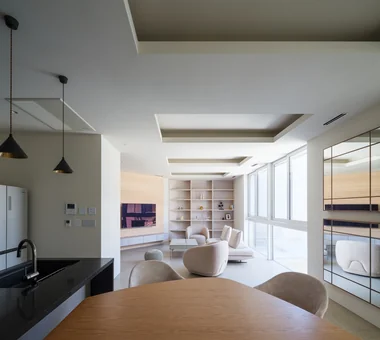
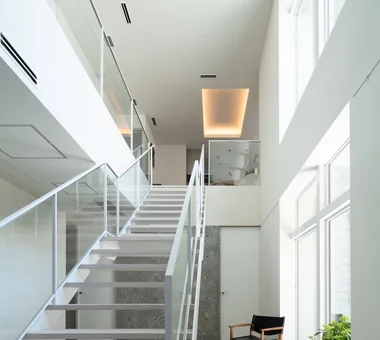
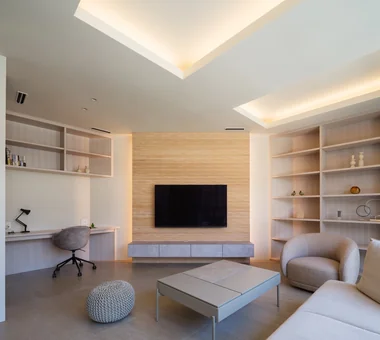
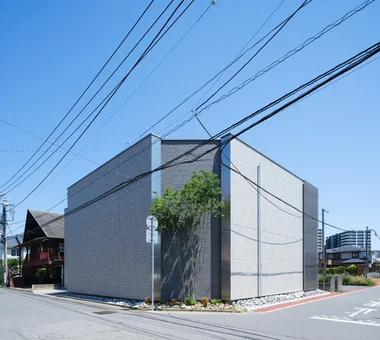
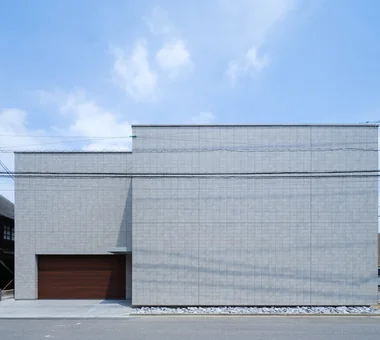
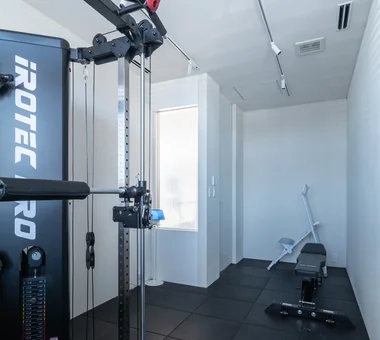
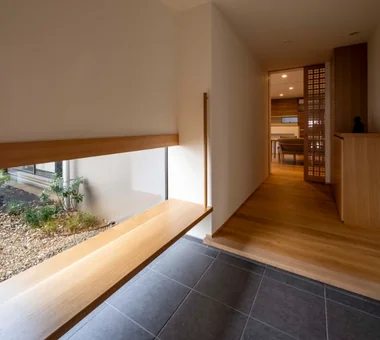
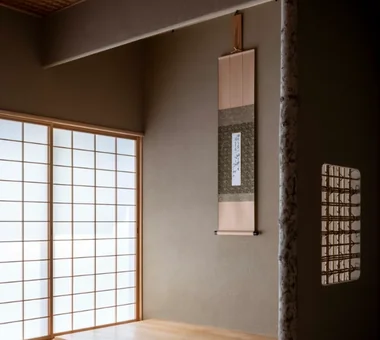
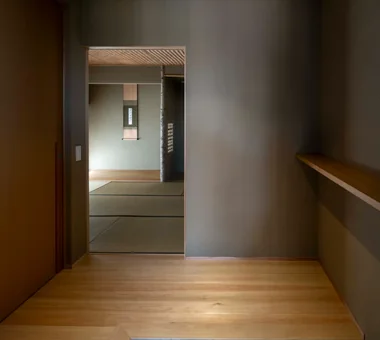
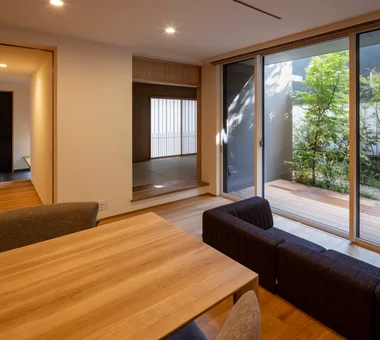
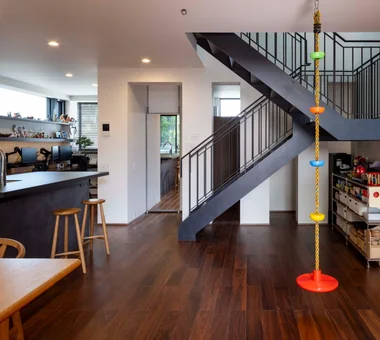
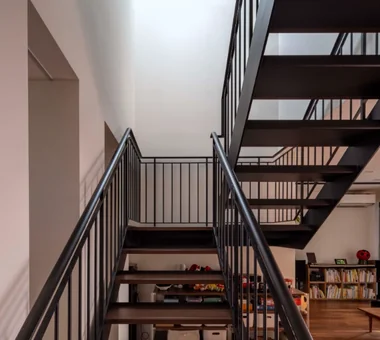
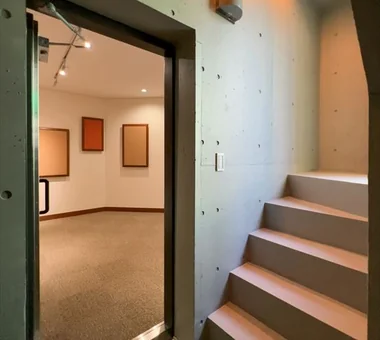
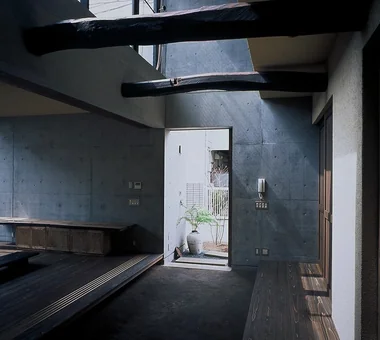
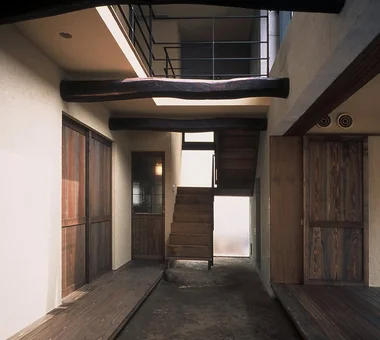
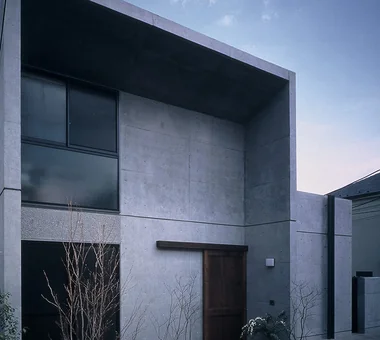
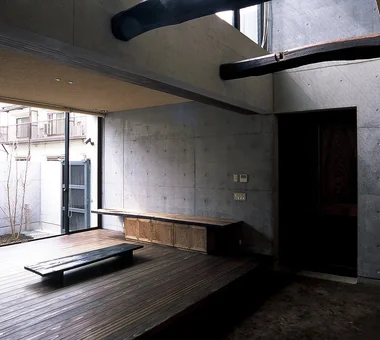
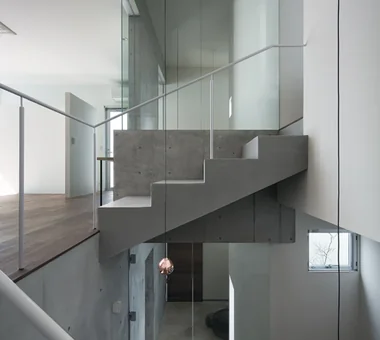
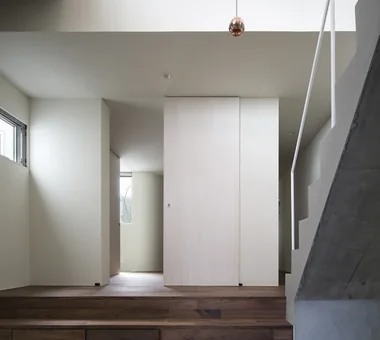
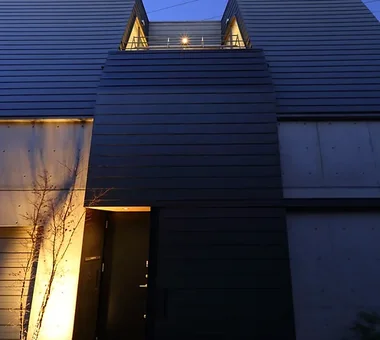
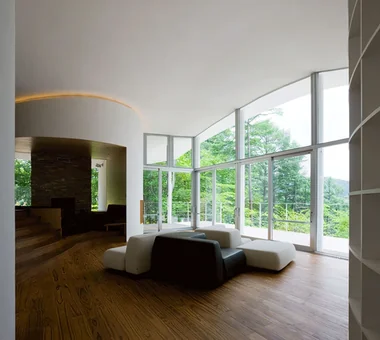
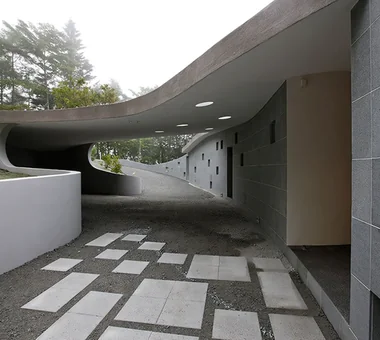
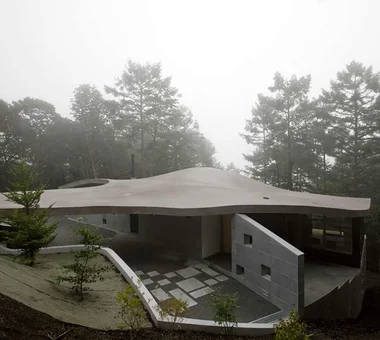
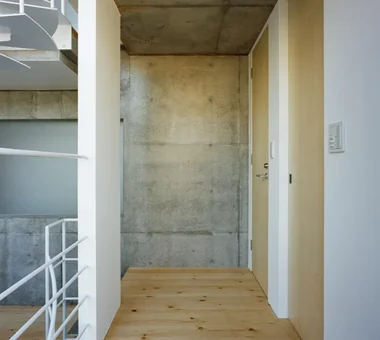
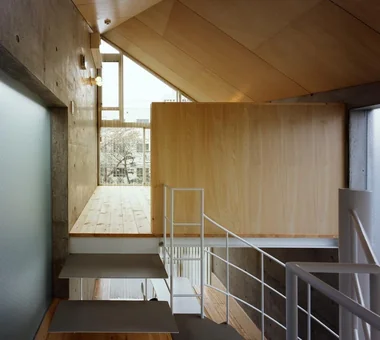
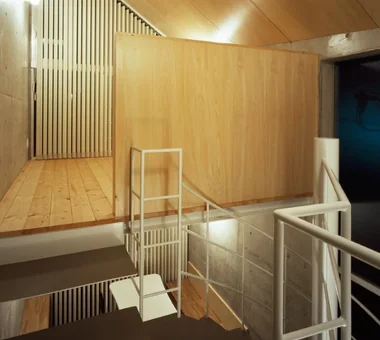
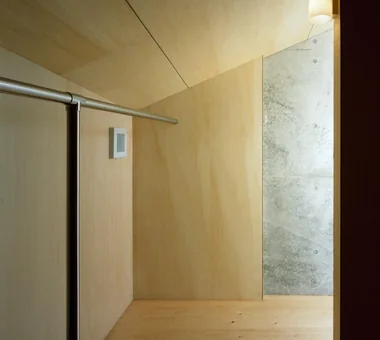
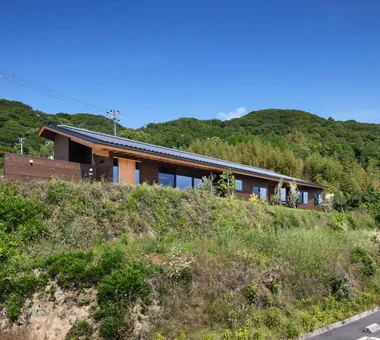
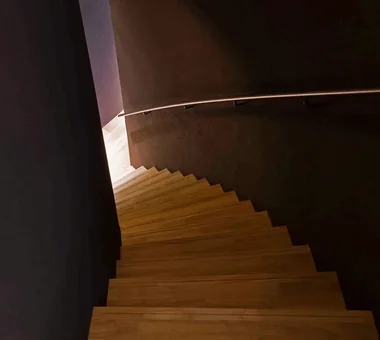
Located in a quiet residential neighborhood in the city center, this house occupies a sloping site with an elevation change of approximately 5 m. Under the constrained conditions of being enclosed by adjacent buildings, the design secures residential floor area through a three-level configuration that includes a basement. A sequence of split-level living spaces and a stair atrium approximately 10 m in height are provided so that daylight from a skylight reaches down to the basement. The top floor is conceived as an open space connected to a garden and roof terrace; the contrast with the calm atmosphere of the basement creates a three-dimensional residence evoking a natural ravine.
-
Spiral Staircase|Introduction to Architecture Firms|A Sculptural Centerpiece at the Heart of the Space2026-05-13|Qurasuki Editorial Department -
Circulation Flow|Case Studies|Connecting the Whole House: How a Circular Flow Enhances Household Efficiency and Family Connection2026-01-27|Qurasuki Editorial Department -
Homes Featuring Wood-Burning Stoves|Case Studies|A Design of Warmth Where the Flicker of Fire Embraces Life2025-10-13|Qurasuki Editorial Department -
Spiral Staircase|Custom-built homes by architecture firms|Harmonizing Aesthetics and Functionality2026-05-13|Qurasuki Editorial Department -
Homes with Atelier Spaces|Case Studies|Fusing spatial design that sparks creativity with a comfortable living space2025-10-13|Qurasuki Editorial Department -
Skip Floor|Case Studies|Creating Expanse and Diverse Spaces with Level Changes for a Rich, Three-Dimensional Life2026-01-27|Qurasuki Editorial Department