JYU ARCHITECT
Homes Designed for Living with Dogs|Key Points for Home Building|Designing a Dog-Friendly Environment: From Flooring Selection to Circulation Planning
Author: Qurasuki Editorial Department
Living with a dog is about valuing time with a family member. Creating an environment that is comfortable and safe for dogs significantly affects their physical and mental development and overall health. The selection of flooring is especially important: slippery surfaces increase joint load, so materials with adequate grip and slip resistance are ideal. Attention must also be paid to addressing level changes and thresholds, locating toileting areas, seasonal thermal management, and planning circulation that enables easy and secure movement between interior and exterior spaces. By adopting a long-term perspective and accommodating changes in required spatial allowances as a dog grows, it is possible to realize a residential environment that supports the animal throughout its life.
Dedicated Entrance for Dogs Allowing Unrestricted Access.
Installing a pet door that enables free access to the garden or terrace significantly reduces stress for dogs. Various product types are available, including those integrated into human doors and those installed directly in walls. For security considerations, selecting models with locks or sensor-based mechanisms provides peace of mind. This design solution balances the dog's freedom with the family's safety.
Protecting Joints with Non-Slip Flooring Materials.
Floors that are slippery for dogs place significant strain on their joints and lower back. In the case of hardwood flooring, applying an anti-slip coating or selecting cork tiles or cushioned flooring can help safeguard the health of dogs. Choosing flooring that protects a dog's body forms the foundation for a long and healthy life.
Selection of Materials Resistant to Stains and Easy to Clean.
Living with dogs inevitably involves dealing with mud stains, shedding, and odors. Applying tile cladding to the lower sections of walls or choosing vinyl wallpaper that is easy to wipe clean helps maintain hygiene more effectively. Selecting flooring materials that can be cleaned with a damp cloth also facilitates daily maintenance.
Playing in the Garden and Dog Run.
Having a garden where dogs can run freely greatly contributes to their physical and mental well-being. Securing a safe space enclosed by fencing and incorporating areas of lawn and soil creates an environment where dogs can play to their heart's content. For large breeds in particular, it is ideal to ensure ample space.
Keep the Entrance Clean with a Foot Washing Station.
Having a foot washing station at the main entrance or service entrance is convenient when returning from a walk. By installing a sink or an external faucet, muddy feet can be washed before entering the interior. The availability of hot water further enhances comfort. This setup streamlines the post-return routine for both dogs and people, while maintaining indoor cleanliness.
Provide Multiple Resting Areas for Dogs.
Dogs tend to change their preferred resting spots depending on the season and their mood. By offering multiple locations—such as a corner of the living room, a sunlit window nook, or a cool entrance vestibule—you can ensure your dog’s comfort. When planning spaces for crates or beds, consider placing them in areas that do not disrupt circulation paths.
Odor Control and Ventilation Planning.
When living with dogs, odor control is essential. Utilizing wall materials with deodorizing properties, such as Eco-Carat, and enhancing ventilation systems can maintain clean indoor air quality. It is also effective to locate the dog's toilet area in a well-ventilated space. The quality of air is the key to ensuring comfort for both humans and dogs.
Storage Space for Dog Supplies.
Dog supplies, including food, treats, toys, leashes, harnesses, and care products, can accumulate unexpectedly. By providing dedicated storage near the entrance or in a corner of the living room, these items can be accessed quickly and efficiently. This approach also maintains a clean and organized appearance, ensuring a composed environment when guests arrive.
Considerations for Safety.
It is essential to ensure that gaps in stair railings and fences are narrow enough to prevent small dogs from passing through, and to store small items that pose a risk of accidental ingestion out of the dogs' reach. Planning for the installation of gates in potentially hazardous areas such as kitchens and balconies provides additional peace of mind.
Spaciousness Designed for Multiple Dogs.
Anticipating the possibility of an increase in the number of dogs in the future, it is advisable to secure a slightly larger space for peace of mind. Depending on the compatibility and temperament of each dog, individual areas may be required. A flexible spatial design accommodates changes in living arrangements with dogs.
Living Room Layout Designed for Spending Time with Dogs.
Dogs are animals that want to be close to their family. By creating a designated space for dogs in the living room, the time spent together with family increases. The key is to secure a comfortable spot for the dog to relax, such as near the sofa or by the window, while ensuring that the human circulation paths are not obstructed.
Barrier-Free Design for Aging Dogs
As dogs age, steps and stairs become challenging for them. By anticipating the future and minimizing level changes or installing ramps, it is possible to ensure a safe and comfortable living environment for elderly dogs. Forward-looking design is essential to maintain a long-lasting companionship.





 Compact House|Case Studies|Spatial design that transforms a limited floor area into comfort
 A Home for Culinary Enthusiasts|Introduction to Architecture Firms|A Residence with the Kitchen at Its Heart
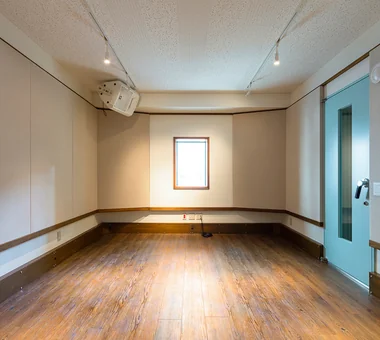 Homes Featuring Soundproof Rooms|Custom-built homes by architecture firms|A Home for Free Musical Expression
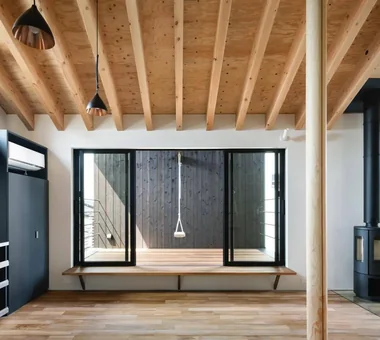 Homes Featuring Wood-Burning Stoves|Introduction to Architecture Firms|The Richness of Life with Fire
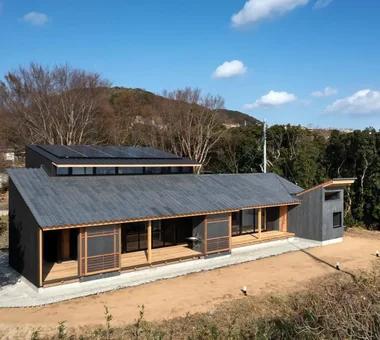 Homes in Harmony with Nature|Introduction to Architecture Firms|A Residence That Integrates Nature's Bounty into Everyday Life
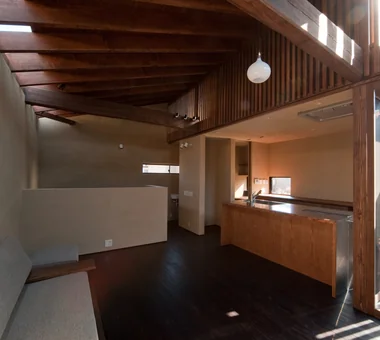 A Home for Culinary Enthusiasts|Custom-built homes by architecture firms|A Home That Makes Cooking a Pleasure