an Archi-Lab. First-Class Architect Office
Stylish Living Rooms|Key Points for Home Building|Practical Approaches to Enhancing the Quality of Relaxation Environments
Author: Qurasuki Editorial Department
The living room, as the core space for relaxation, should serve as a place where both mind and body can be reset. Comprehensive comfort is essential, encompassing natural lighting and views, acoustic environment, and temperature control. Ideally, the space should be designed to evolve in character according to time of day and season, while considering its relationship with furniture, resulting in a living area that is cherished over the long term.
Establishing Appropriate Size and Proportions.
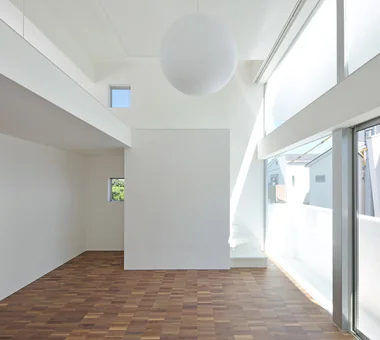
The size of the living room varies depending on the number of family members and their lifestyle; however, it is essential to determine a comfortable scale that avoids both a cramped feeling and an excessive sense of emptiness. The balance between ceiling height and floor area is also crucial: ceilings that are too high can create a lack of coziness, while those that are too low may induce a sense of confinement. Spatial design that consciously considers three-dimensional proportions contributes significantly to overall comfort.
Creating a Family Sanctuary.
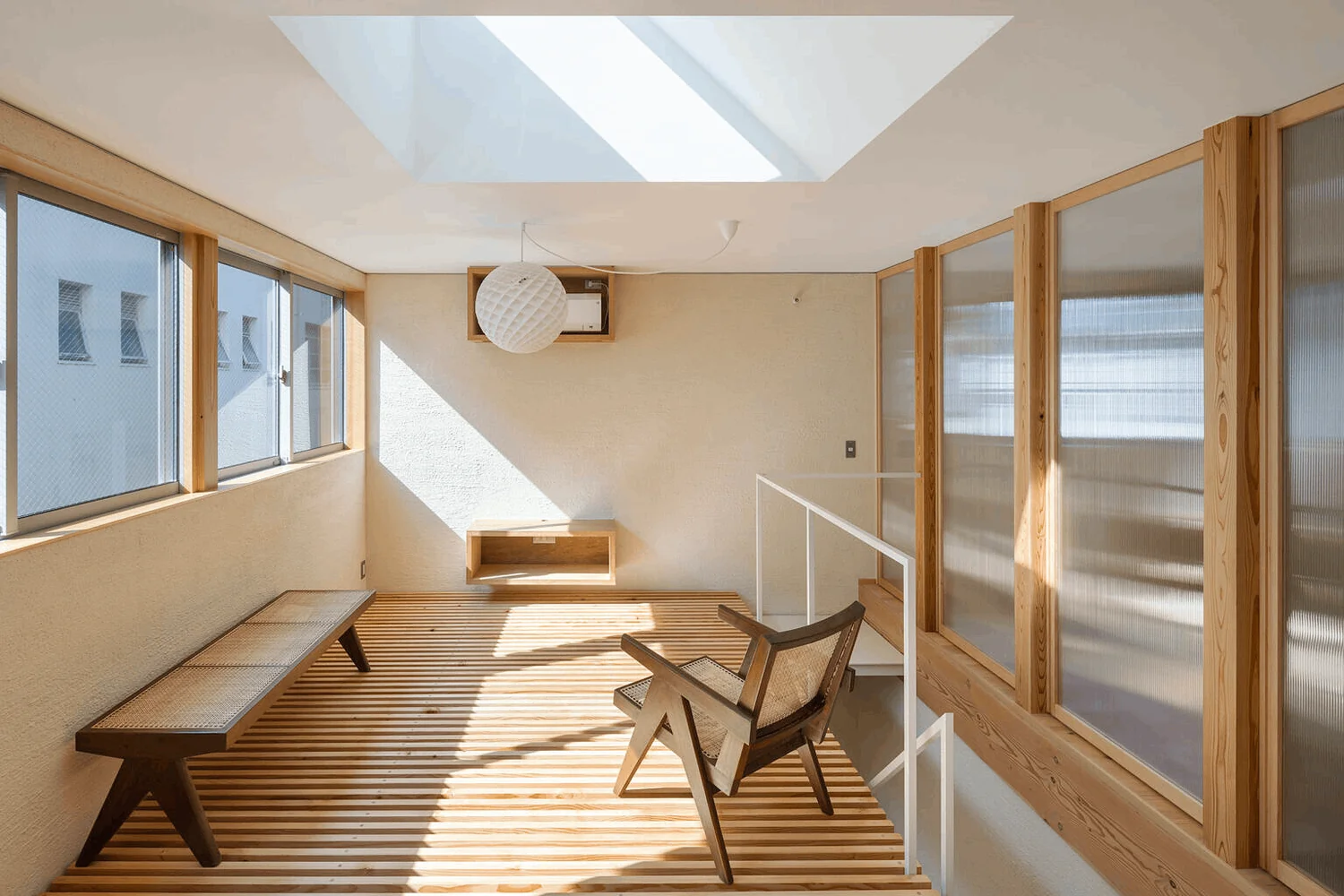
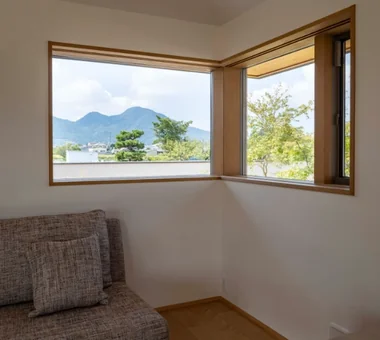
A spatial arrangement that consciously considers each family member's personal space—such as areas for relaxing on the sofa, reading, and children's play—is essential. Instead of relying solely on a single large sofa, incorporating features like a window-side bench or a small study nook transforms the living room into a comfortable environment where everyone can enjoy their own retreat.
Control of Sightlines.
When planning the orientation and openness of sightlines in the living room—such as views from windows, the placement of the television, and the lines of sight that allow family presence to be felt—consideration leads to a more comfortable space. It is essential to balance blocking views from the outside while maintaining a sense of openness. The selection of curtains and blinds should also be regarded as part of sightline control.
A Commitment to the Quality of Light.
While capturing bright light through large south-facing windows is effective, the soft northern light and the morning light from the east are also highly appealing. Planning for daylight from multiple directions allows for an appreciation of the changing light throughout the day. Additionally, if direct sunlight becomes too intense, consider appropriate modulation using eaves or landscaping.
Selection Between Floor Seating and Chair Seating.
The design of the space varies depending on whether the lifestyle involves sitting on a sofa or sitting on the floor. When floor seating is anticipated, it is effective to consider underfloor heating and soft flooring materials. Designing with adequate spatial allowance to accommodate both styles enables adaptability to changes in lifestyle.
Enhancing Spaces with Custom-Built Furniture.
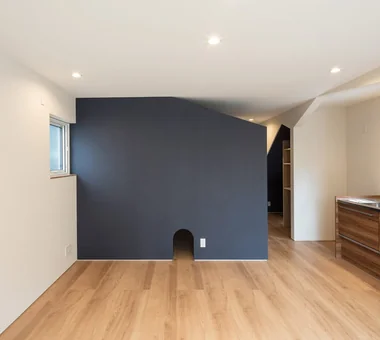
By incorporating custom-built elements such as wall-mounted storage, benches, and display shelves, the living area achieves a seamless and elegant fit. When designing, carefully plan the required storage capacity and functionality while considering integration with off-the-shelf furniture to create a clean and organized space. Additionally, select the materials and colors of the custom components in harmony with the overall spatial design.
Creating Atmosphere Through Color Planning.
The atmosphere of a living space is greatly influenced by the combination of colors used on walls, floors, ceilings, as well as furniture and fabrics. To achieve a calm ambiance, employing a subdued color palette is effective. Conversely, intentionally incorporating vibrant accent colors can create a distinctive and dynamic environment.
Selection of Heating Systems.
The choice of heating system, such as underfloor heating, air conditioning, or wood-burning stoves, significantly influences the comfort and ambiance of the living room. Underfloor heating provides comfortable warmth from the floor up but requires time to reach the desired temperature. Wood-burning stoves offer the appealing flicker of flames but necessitate maintenance and storage space for firewood. It is essential to understand the characteristics of each system to make an informed selection.
Window Arrangement and Opening Planning.
The size, height, and placement of windows determine the brightness, ventilation, and view quality of the living space. Creating a sense of openness by connecting the interior to the garden with floor-to-ceiling windows is effective, while using clerestory windows to admit light alone is also a viable option. When arranging multiple windows, considering the airflow path can facilitate natural ventilation.
Creating Spaces for Display.
By intentionally designating areas to display paintings, photographs, or flowers, everyday life gains a vibrant touch. Implementing picture rails, creating niches, or custom-building display shelves allows for creative presentation methods. Considering lighting placement further enhances the aesthetic appeal of the displayed items.
Ceiling Design Aesthetics.
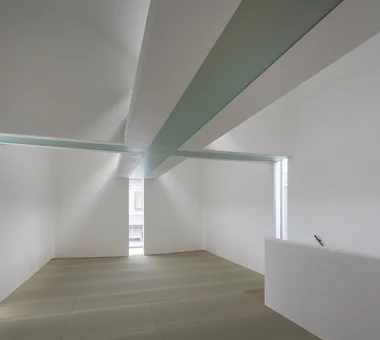
The ceiling occupies a large surface area, and its finishing significantly influences the overall impression of the living room. While a simple white ceiling offers a clean and minimalist look, incorporating wood paneling or introducing partial coffered elements can create a more distinctive and characterful space. Additionally, integrating indirect lighting solutions can be thoughtfully coordinated with the ceiling design to enhance ambiance.
Selecting Materials That Age Gracefully.
By choosing materials such as solid wood and plaster that develop character over time, you create a living space that fosters a deep sense of attachment. Selecting materials with an eye not only to the initial beauty at the time of construction but also to their appearance 10 or 20 years later allows you to craft a space you will cherish for the long term. Consider maintenance requirements as well, and choose materials that suit your lifestyle.





 Homes with Atelier Spaces|Key Points for Home Building|An Optimal Atelier Environment for Creative Practice: Daylighting, Ventilation, and Exhibition
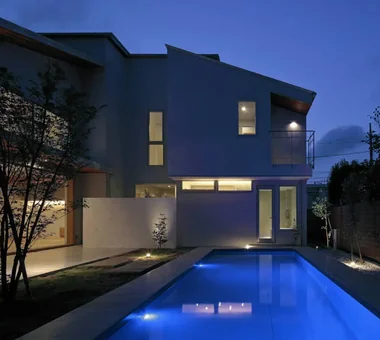 Hotel‑inspired Residence|Custom-built homes by architecture firms|The Extraordinary within Everyday Life
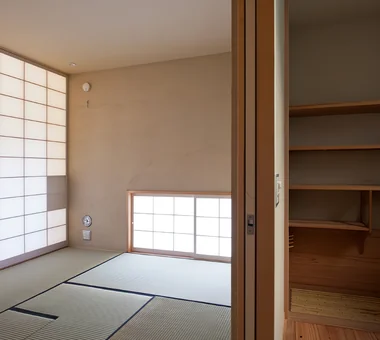 Homes Featuring Traditional Tea Rooms|Key Points for Home Building|Traditional Spatial Design Infused with the Spirit of Chanoyu
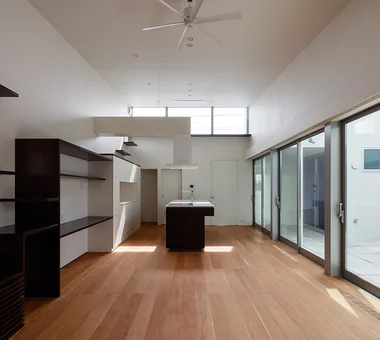 Homes Designed for Living with Cats|Case Studies|A Relaxing and Secure Home for Cats and People, Tailored to the Cat's Personality and Lifestyle
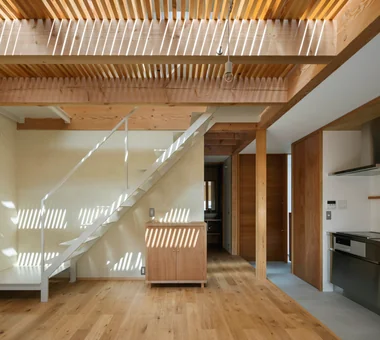 House with a Doma|Case Studies|Expanding the Scope of Living: A Space in the Home that Gently Connects Inside and Out
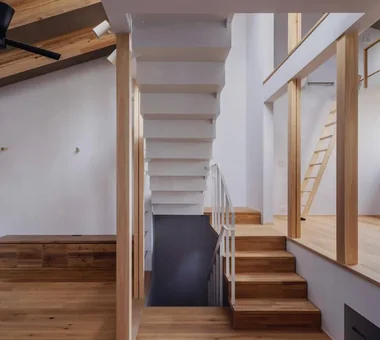 Skip Floor|Introduction to Architecture Firms|Stepped Levels Enrich the Space