Mitsuhiro Kojima Architects
Stylish Terrace|Key Points for Home Building|Strategies and Concepts for Integrating Outdoor Spaces into Daily Living
Author: Qurasuki Editorial Department
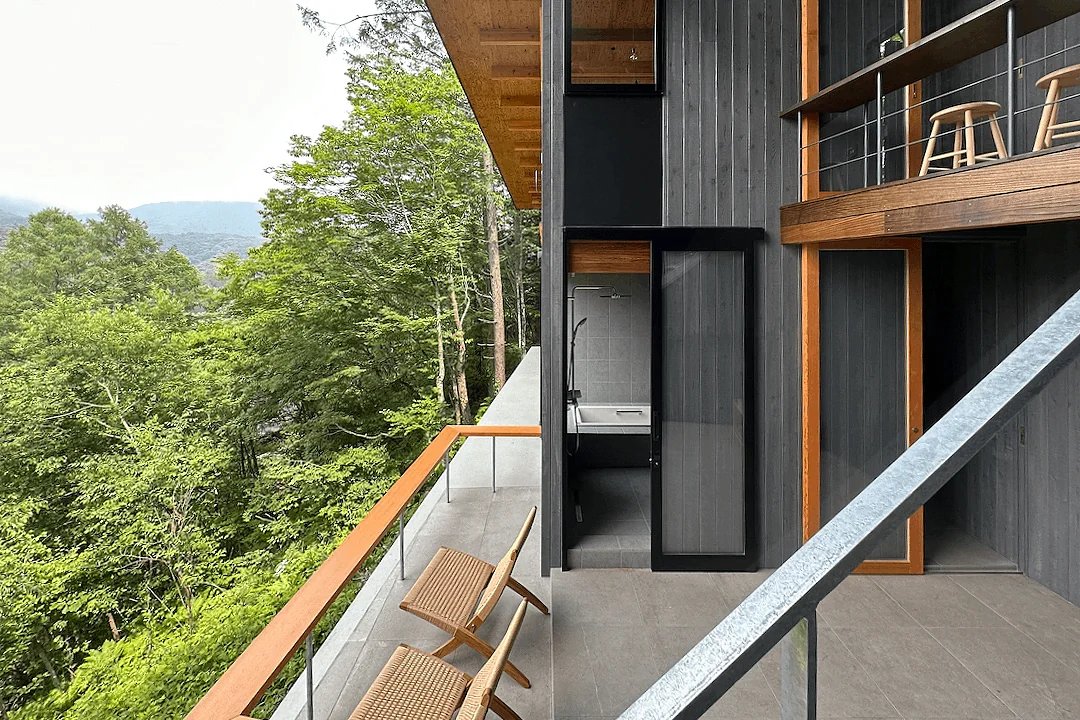
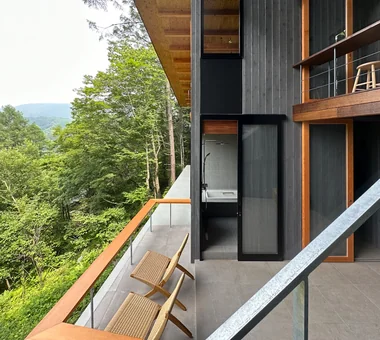
Terraces that connect outdoor and indoor environments serve as valuable spaces that expand lifestyle options. They offer the opportunity to experience seasonal transitions while carefully balancing sunlight, airflow, and privacy. Thoughtful planning regarding flooring materials and the presence or absence of roofing can transform these areas into dynamic spaces that remain functional and inviting throughout the year.
Emphasizing Continuity with the Interior.
Aligning the floor levels of the living and dining areas with the terrace creates a cohesive visual and circulation flow. Minimizing level differences allows the terrace to be used naturally as an extension of the interior, enhancing the sense of spaciousness. However, careful consideration must be given to waterproofing details; therefore, close consultation with the designer is essential.
Commitment to Selecting Flooring Materials.
The atmosphere of a terrace can vary significantly depending on the flooring materials used, such as wood decking, tiles, or natural stone. It is advisable to consider factors like durability, maintenance requirements, and the tactile sensation when walking barefoot. While natural wood offers warmth, modern alternatives like composite decking and porcelain tiles have seen improvements in texture and quality, making them worthy options to consider.
Appropriate Planning of Roofs and Eaves.
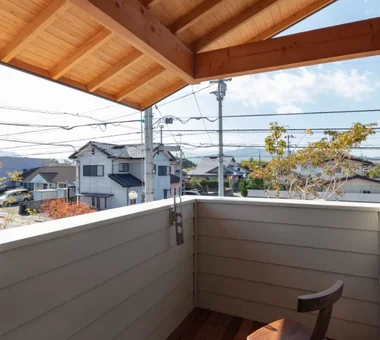
To create a terrace usable in all weather conditions, the installation of roofs and eaves is effective. Incorporating awnings allows for control of sunlight and rain while maintaining a sense of openness. When opting for a fixed roof, it is essential to design with a balanced consideration of natural lighting and ventilation.
Consideration for Privacy.
By appropriately screening views from neighboring houses and roads, the terrace becomes a more relaxing space. Privacy can be secured without a sense of confinement through the effective placement of vegetation with adjusted height and density, lattice screens, and privacy walls. Planning with attention to airflow and natural light further enhances comfort.
Creating Nighttime Ambiance with Lighting.
The terrace from dusk to night can be transformed into an attractive space through thoughtful lighting design. By combining elements such as footlights and uplights, a soft and comfortable illumination can be achieved. Incorporating dimming functions allows for versatile lighting adjustments tailored to different scenes, enhancing convenience and ambiance.
Creating a Sense of Seasonality through Planting Design.
By arranging plantings around the terrace, the space allows occupants to experience the changing seasons up close. Selecting deciduous trees provides shade in summer and allows sunlight to penetrate in winter. Utilizing potted plants facilitates easy rearrangement and simplifies maintenance. It is advisable to plan with consideration for the growth of the plants.
Consideration of Faucet Installation Location
The presence of a faucet significantly enhances convenience for activities such as watering plants and cleaning up after barbecues. Selecting a highly designed standing faucet or opting for a wall-embedded type can achieve a balance between functionality and aesthetics. In regions where pipe freezing is a concern, it is also important to choose faucets equipped with a drainage function to prevent freezing.
Furniture and Equipment Layout Planning.
Envision how you intend to use the terrace and consider the necessary furniture and equipment accordingly. Custom-built fixed benches can also serve as storage, while movable furniture allows for flexible arrangement based on usage. Installing outdoor electrical outlets enables the use of lighting fixtures and cooking appliances.
The Importance of Drainage Planning.
A well-designed plan for proper rainwater drainage significantly influences the comfort and durability of a terrace. By incorporating an appropriate slope on the flooring surface and strategically positioning drains and gutters, the formation of water puddles on the terrace can be minimized. Selecting permeable flooring materials is also an effective method to enhance drainage performance.
Utilizing Orientation and Sunlight.
The placement of terraces is constrained by site conditions, but it is desirable to plan them in orientations that receive ample sunlight. South-facing terraces provide warmth during winter, though measures against summer sun exposure are necessary. East-facing terraces allow enjoyment of morning light, while west-facing ones offer an appealing ambiance at dusk. It is important to understand and incorporate the characteristics of each orientation in the design.
Create a Cohesive Finish.
By harmonizing the finishing materials of terrace floors, walls, and railings with the main building and exterior structures, a unified and aesthetically pleasing space is achieved. Matching color tones and material textures fosters a refined impression. Deliberately incorporating accent materials in select areas can also be an effective design strategy.
Balance Between Ventilation and Sunshade.
Adequate ventilation is essential for a comfortable terrace space. Completely enclosing the surrounding walls and screens can obstruct airflow, creating harsh conditions during the summer. Utilizing louvers and latticework allows for privacy while ensuring proper ventilation. Additionally, arranging vegetation with consideration for airflow pathways is recommended.




 Homes with Atelier Spaces|Custom Home Examples by Architectural Offices|A Residence Where Creative Workspaces Are Integrated into Everyday Life
 Homes Featuring Wood-Burning Stoves|Key Points for Home Building|Installation and Thermal-Flow Planning with Safety and Efficiency
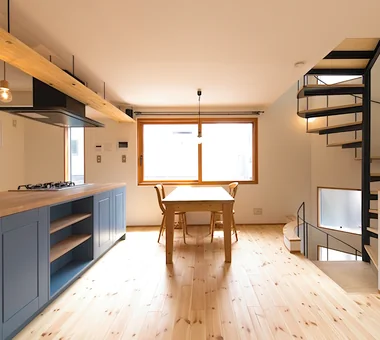 Narrow Lot House|Introduction to Architecture Firms|Great Potential Within a Small Footprint
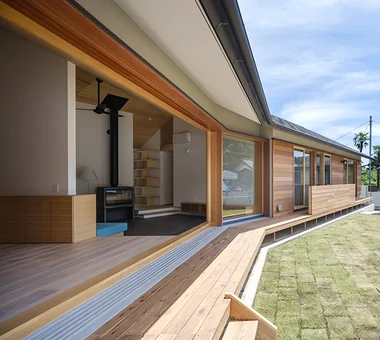 House with Wooden Window Sashes|Introduction to Architecture Firms|Windows That Express Natural Warmth
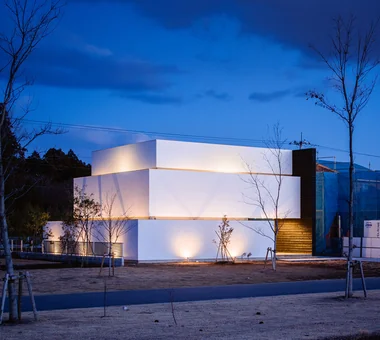 Modern Residences|Introduction to Examples by Floor Plan & Room Type|A Form of High-Quality Living Woven from Materials, Light, and Spatial Composition
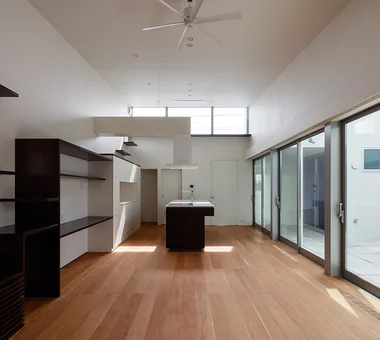 Homes Designed for Living with Cats|Introduction to Examples by Floor Plan & Room Type|A Relaxing and Secure Home for Cats and People, Tailored to the Cat's Personality and Lifestyle