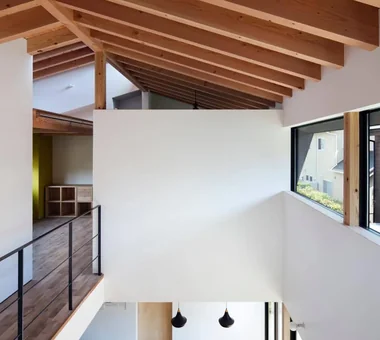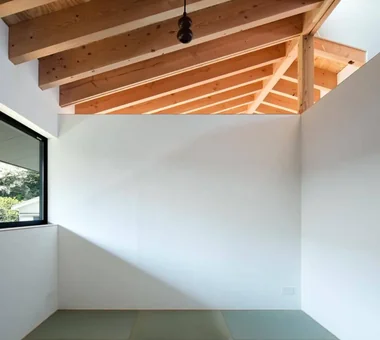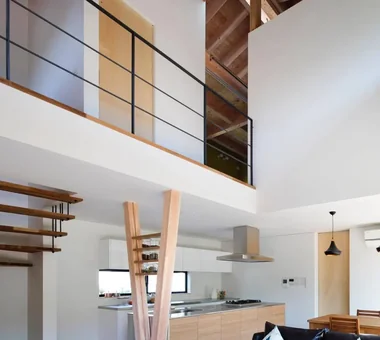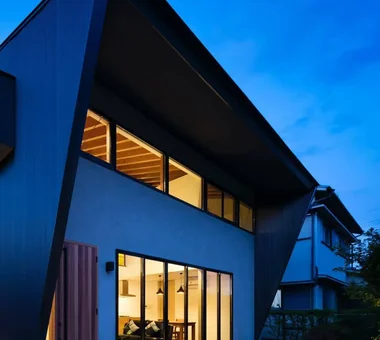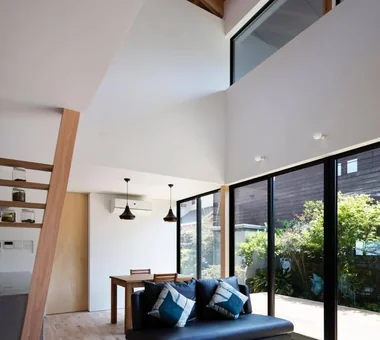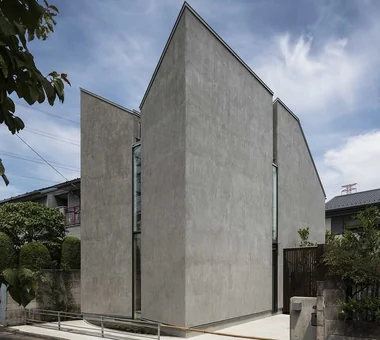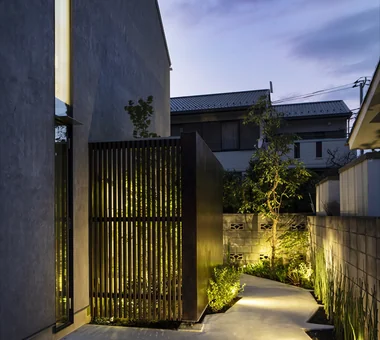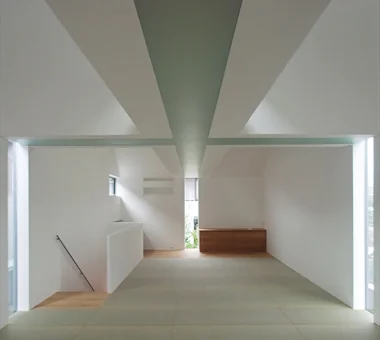
Atelier Cotocoto
Homes with Atelier Spaces|Custom-built homes by architecture firms9Picks|A Residence Where Creative Workspaces Are Integrated into Everyday Life
Author: Qurasuki Editorial Department
For those who regard creative practice as an integral part of daily life, having an atelier at home is a decision that fundamentally alters the way they live. The required environment varies with the activity—painting, making, carving, sewing—but certain elements are commonly essential: reliable natural daylight, floor and wall finishes that tolerate dirt and diverse materials, careful provision for ventilation and odor control, and storage solutions for tools and supplies. The design firm conducts interviews to understand the nature and pace of the creative work and its relationship to the residential areas, then designs spaces in which focused production and everyday life can coexist comfortably. Below are examples in which the creative workspace and the home are integrated.

Residence Featuring an Indoor-Integrated Terrace
Archiplace
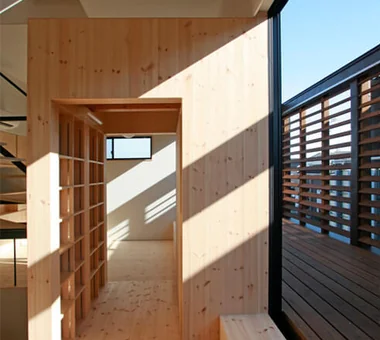
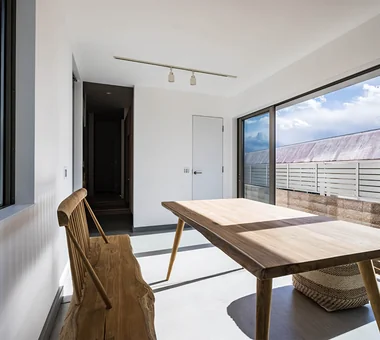
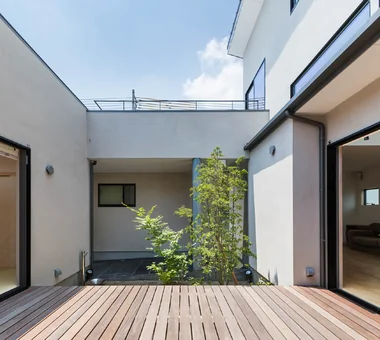
This residence serves as the couple’s final home after childrearing, designed for them to cherish everyday living. The second floor, which forms the core of daily life, arranges the living and dining spaces around a southeast-facing terrace. The terrace, enclosed by roof and walls, functions as a semi-outdoor space that shields views from the outside while allowing occupants to remain close to nature. A music room on the first floor gives rise to changes in floor level, a double-height void, and an observation terrace, which together introduce spatial diversity and continuity in this three-story timber-framed house.
Residence with an Atelier
T-Architectural Studio
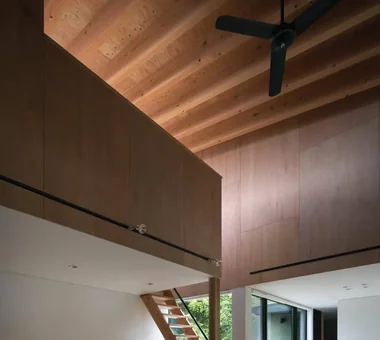
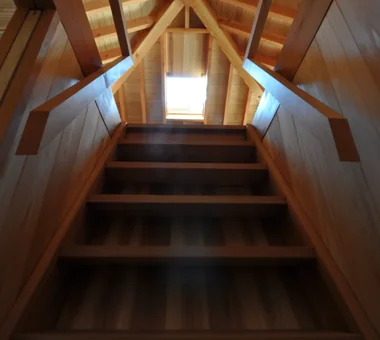
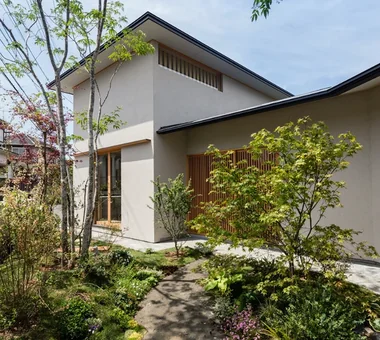
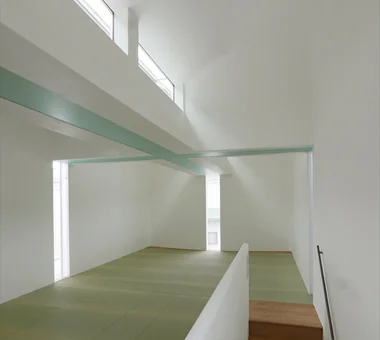
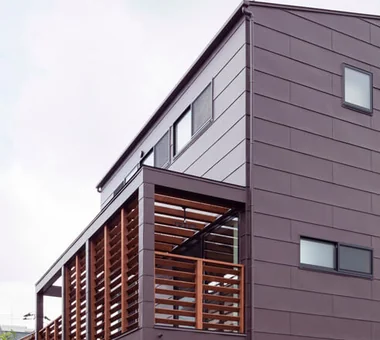
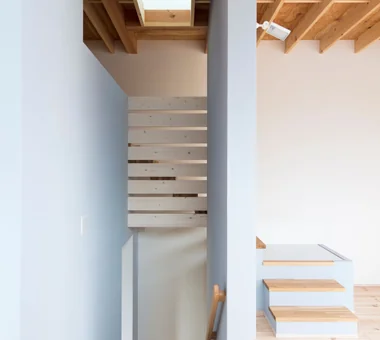
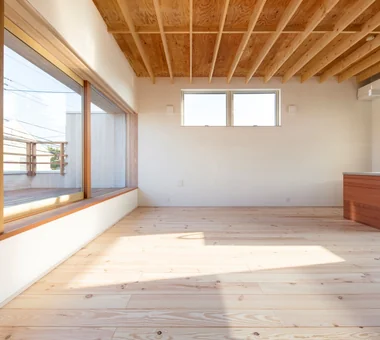
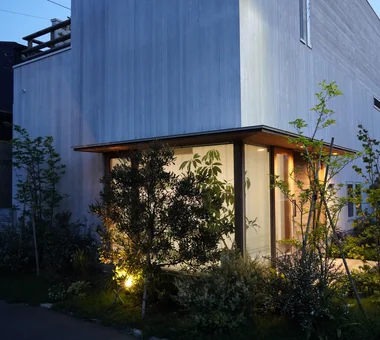
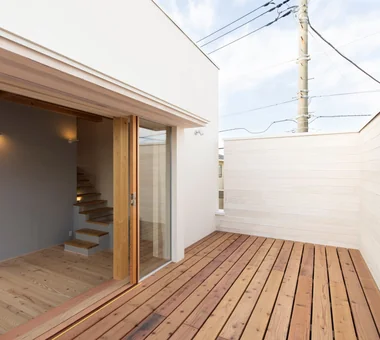
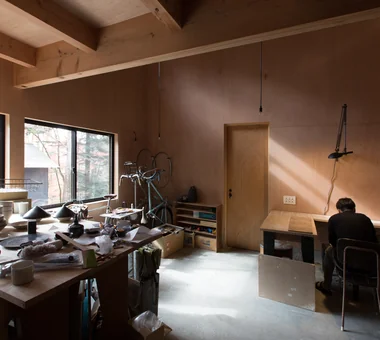
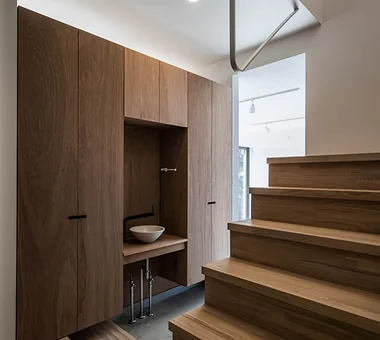
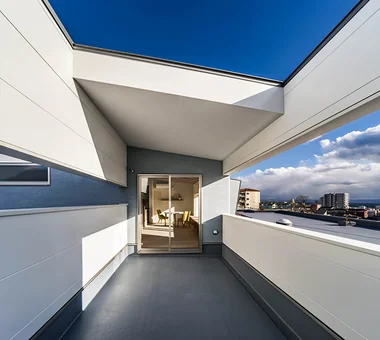
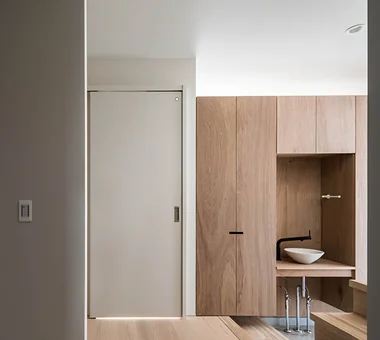
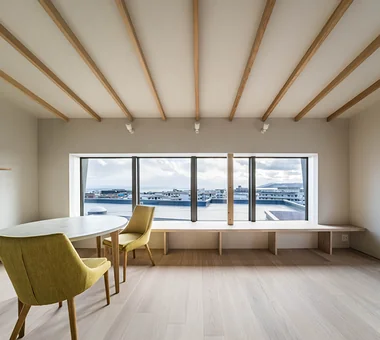
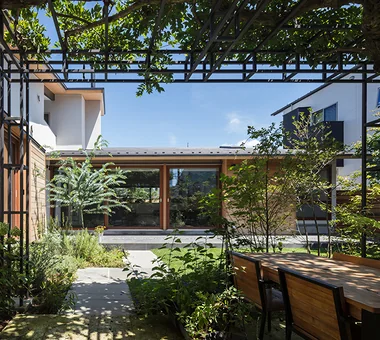
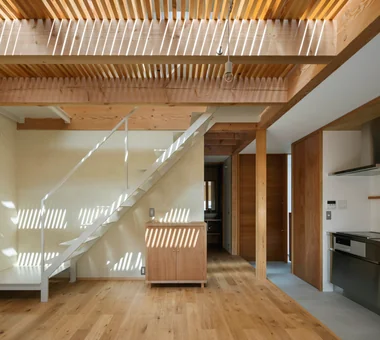
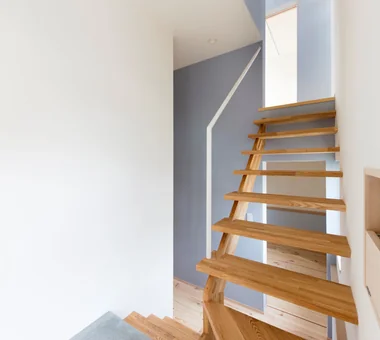
This residence, which incorporates an attached design atelier, employs thick timber cladding on the exterior finished in white, and maintains a reduced overall height to harmonize with the surroundings. Changes in floor levels and ceiling heights articulate the atelier, private zones, and communal areas while maintaining spatial continuity. A loft, roof balcony, multiple access points, and generous landscaping create a strong interior–exterior relationship and sense of extension. The staircase is treated as a key element of spatial composition and is expressed through a variety of configurations.
Unuma House
Kota Goto Architectural Studio
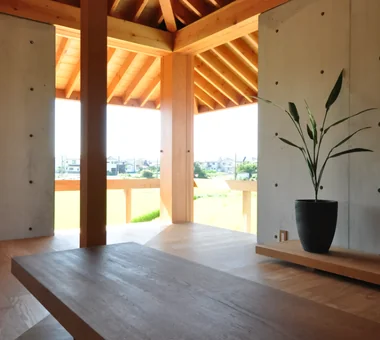
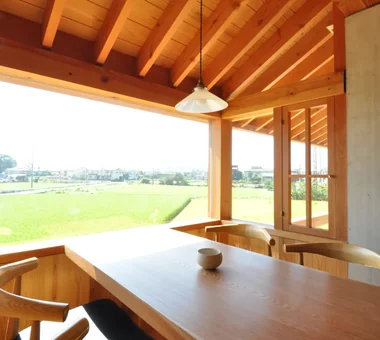
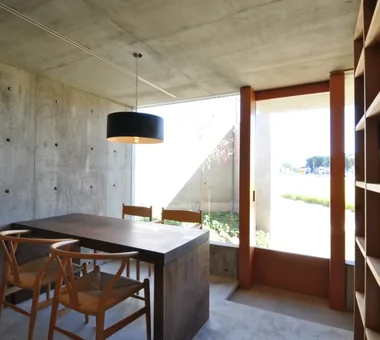
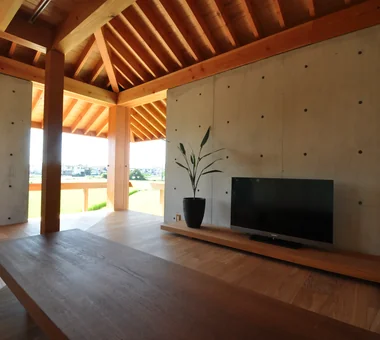
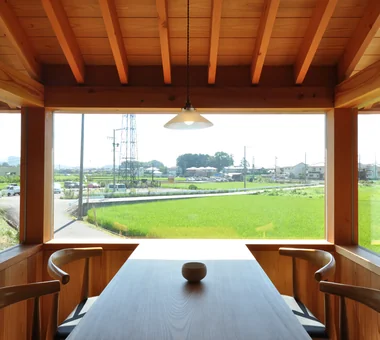
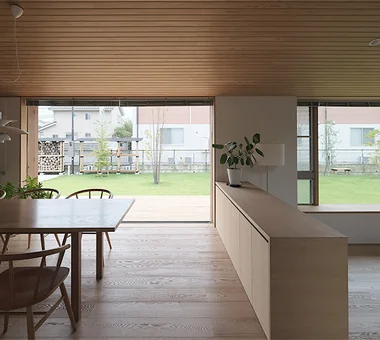
An architect's own residence located at the northern edge of the Nōbi Plain on a site with a pronounced level change where the plain meets upland terrain. The square plan is rotated 45° to reconcile openness and privacy by avoiding direct sightlines from the main road and neighboring houses. The site's elevation difference is used so that primary living spaces are on the second floor. A hybrid concrete-and-wood structure leaves materials exposed to express their natural qualities. The layout centers on the dining area and allows for continuous circulation so that, except for sleeping, daily life takes place on the second floor. Materials such as solid timber, brass, and stone were chosen to develop patina over time and to harmonize with the southern rural landscape.
House in Tomio
Kumi Inoue Architects
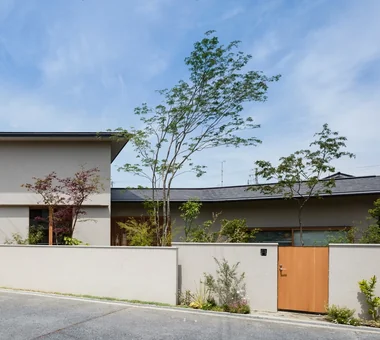
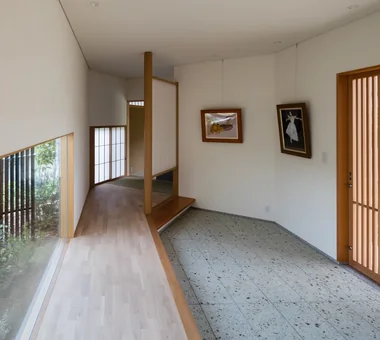
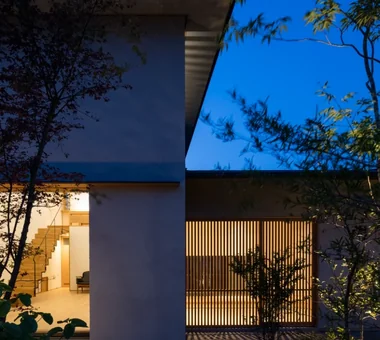
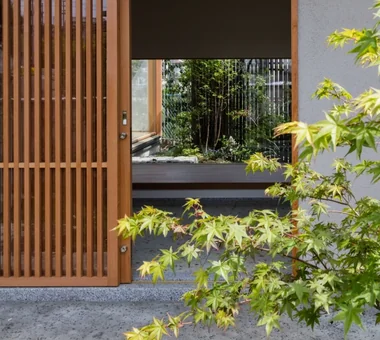
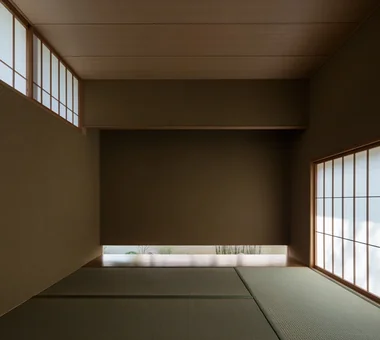
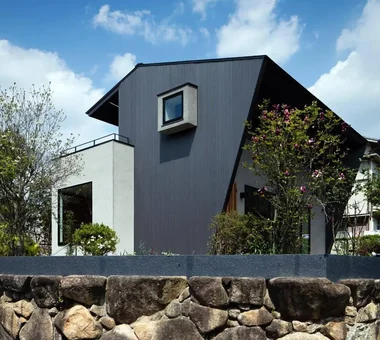
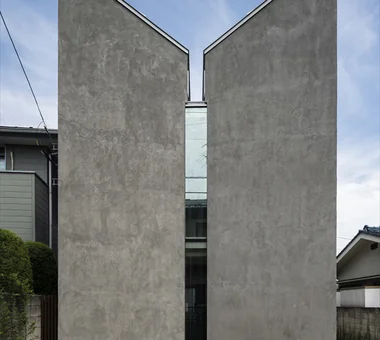
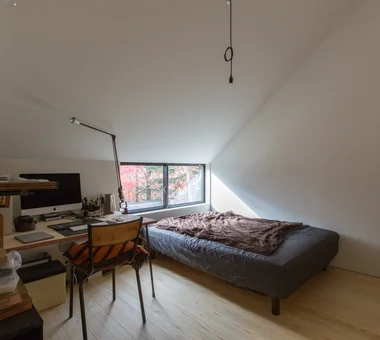
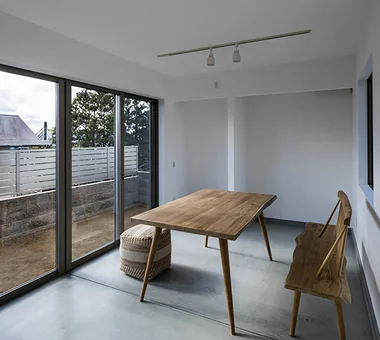
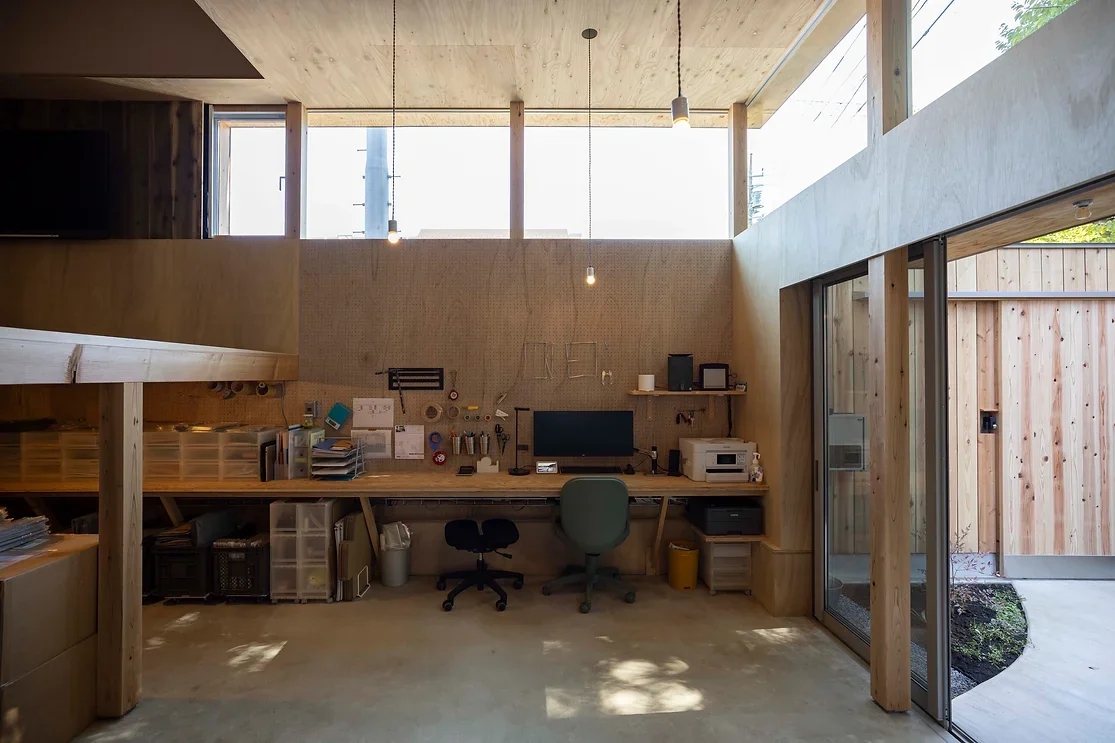
A residence incorporating separate ateliers for each member of a married couple, situated in a tranquil residential district in Tomio, Nara City. While attentive to the streetscape regulated by the scenic preservation district, the design aims to create a home that reflects the occupants' individual personalities, hobbies, and lives. The project seeks to weave diverse values into a cohesive environment, thereby bringing new vitality and nuanced character to the neighborhood.
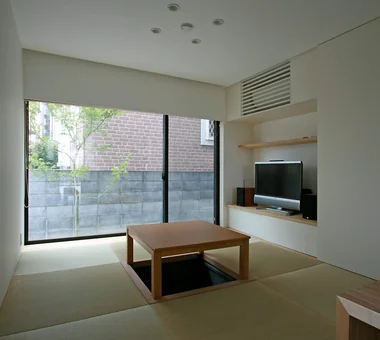
Flat with Raised Seating Area and Through-Passage | Tranquil House
Yoshihiro Yamamoto Architects Associates
Residential House in Tarumi
In-Ex Design Co., Ltd.

House of a Potter
Tatsumi Negishi Architectural Studio
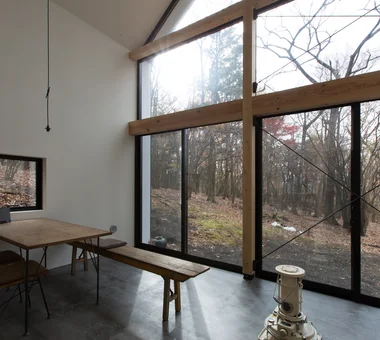
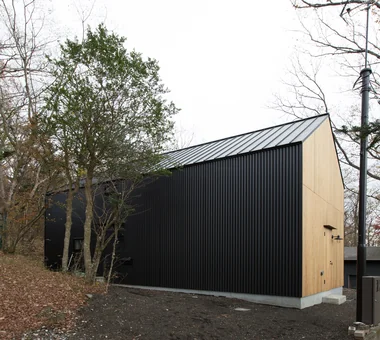
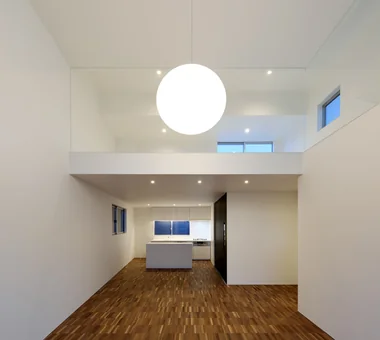
A residence for a family of four adjacent to a beautiful forest on the foothills of Mount Fuji in Shizuoka Prefecture. The design is intended to incorporate the woodland: the living room is conceived as a double‑height space with openings oriented toward the forest. The floor is treated as a black earthen surface, continued into the forest’s black scoria to blur the boundary between interior and exterior. The exterior massing is kept low in height so the building nestles gently alongside the forest.
F Atelier
JYU ARCHITECT
An atelier for a Nihonga (traditional Japanese-style) painter, located on a site of approximately 32 tsubo (≈106 m²). While providing a column-free volume and generous ceiling heights to accommodate large-scale works, the design pursues a homogeneous lighting environment that is unaffected by season, time of day, or weather. Light admitted through a reverse-pitched butterfly roof and a cruciform skylight is gently diffused by curved walls and ceilings finished in lime plaster, enveloping the entire interior in stable, even illumination. Rainwater is architecturally harnessed and guided along glazed surfaces to fall into a water-lily pond, creating a scene that can be enjoyed from inside. The atelier balances functional performance to support creative work with a rich environmental experience.
Forest Atelier
KASA ARCHITECTS
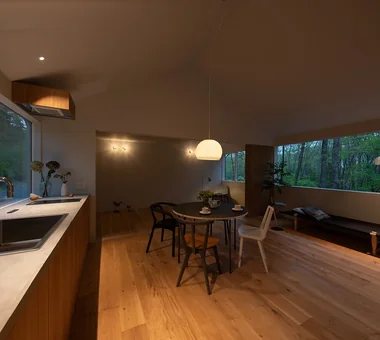
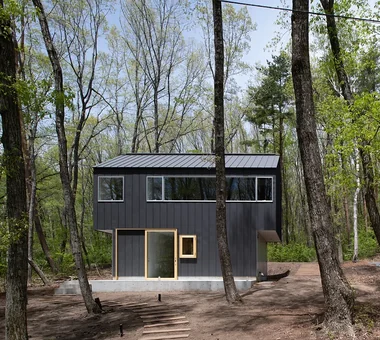
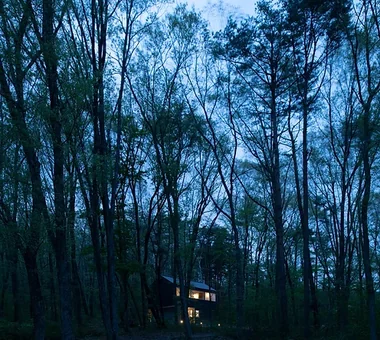
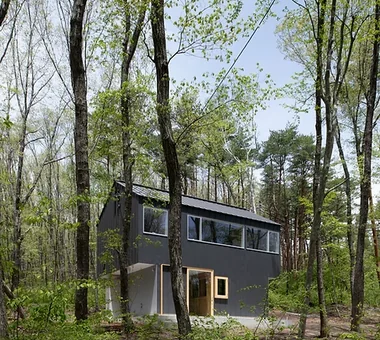
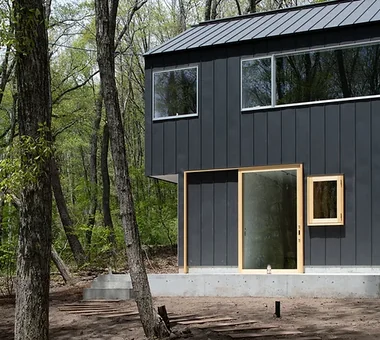
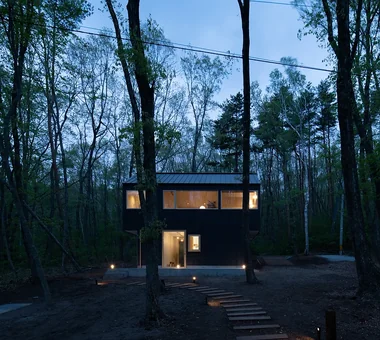
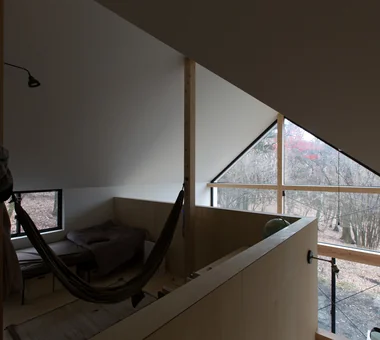
A building quietly set within the forest, with state-owned woodland extending to the north and views toward the foothills of Mount Asama to the south. The first floor accommodates a confectionery workshop, while the second floor serves as a residence, forming an integrated live-work dwelling. The design fosters an intimate relationship with the abundant natural landscape, where craft production and daily life gently interweave.
-
House with a Doma|Key Points for Home Building|Design Strategies for Leveraging Transitional Indoor–Outdoor Spaces as Multifunctional Areas2026-03-02|Qurasuki Editorial Department -
Stylish Terrace|Key Points for Home Building|Strategies and Concepts for Integrating Outdoor Spaces into Daily Living2025-10-20|Qurasuki Editorial Department -
House of Wood|Custom-built homes by architecture firms|A Home Embracing the Warmth of Wood2026-05-11|Qurasuki Editorial Department -
Homes in Harmony with Nature|Key Points for Home Building|Seasonal Spatial Expression Utilizing Trees and Water Features2026-03-02|Qurasuki Editorial Department -
Glass-Enclosed Residences|Case Studies|Balancing Comfort with High-Performance Glazing and Structural Design2026-06-24|Qurasuki Editorial Department -
Circulation Flow|Custom-built homes by architecture firms|Designing for Ease of Living with Continuous Circulation2026-05-11|Qurasuki Editorial Department