Yu Architectural Design Studio
Homes Embracing Natural Light|Custom-built homes by architecture firms9Picks|A Residence Where Light Changes Over Time
Author: Qurasuki Editorial Department
Homes rich in natural light enable occupants to sense the passage of time and seasonal shifts indoors, imbuing daily life with vitality. Daylighting strategies encompass a multifaceted approach: planning openings based on the solar exposure characteristics of each orientation; employing skylights and high-side windows to deliver light deep into the plan; utilizing light courts; and selecting finish materials with attention to reflection and diffusion. Furthermore, designing eaves and overhangs that block summer solar gain while admitting low winter sunlight is essential to a comfortable luminous environment. Against the backdrop of site conditions and lifestyle requirements, explore these architectural firm case studies in which light transforms beautifully from morning to evening.

Residence with an Atelier
T-Architectural Studio
This is a private residence with an attached design atelier. Built on a site once familiar as a walking path, and intended to inherit the memory of a beach landscape cloaked in pine woods, its exterior walls are clad in thick timber. The timber is painted white to add softness, giving the house a presence that quietly blends into the surrounding environment. Internally, changes in floor and ceiling levels gently articulate the atelier, individual/private spaces, and shared areas. Lofts, a roof balcony, planted areas, and staircases create multi-layered spatial extensions between interior and exterior.
Residence in Moriguchi
In-Ex Design Co., Ltd.
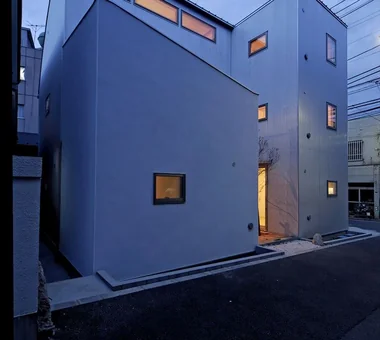
Situated close to a shopping arcade, this is a “windowless house” built on a mere 19-tsubo hexagonal site. The building wraps around the full perimeter of the lot, creating a quiet interior world cut off from the street’s bustle. Exterior spaces are inserted at both ends of the two-storey volume, and living areas are arranged along the circulation that connects them. Without distinct room partitions, the spaces are loosely zoned by use and activity, accommodating the occupants’ flexible patterns of living. An inventive urban dwelling, it feels closed yet conveys a rich sense of spatial expansiveness.
House on a Sloping Street
Tenkosha First-Class Architects Office
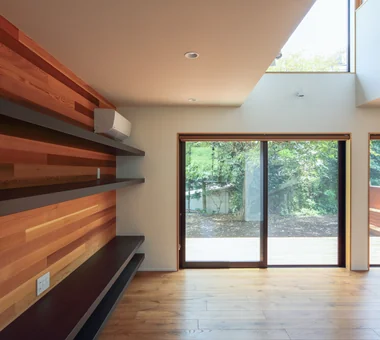
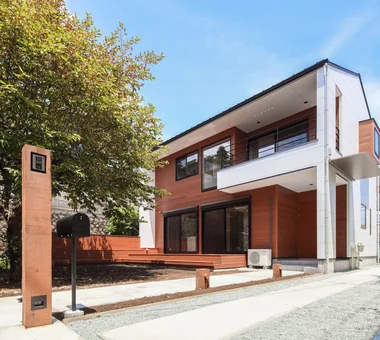
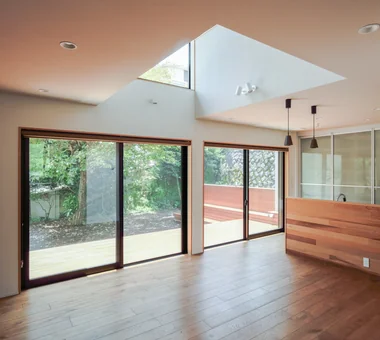
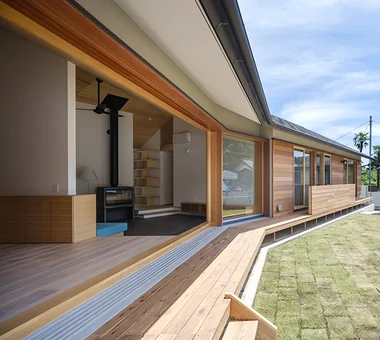
This is a new residence planned in a quiet residential neighborhood of Shiroyama, Odawara City, Kanagawa Prefecture. Although the site is approximately 93 tsubo in area, road access is narrow and on a steep incline, so work began with widening the entrance. To ensure safety against the cliff on the west side, a high foundation and a setback were provided, and the building was located at the center of the site. Existing trees were thinned while retaining a persimmon tree as a symbol of the garden and daily life. Apitong timber was used for the exterior cladding and deck to harmonize with the surrounding trees. A double‑height void and large openings gently connect interior and exterior, creating a soft residence enveloped by the tactile quality of wood.
House Behind the School Building
an Archi-Lab. First-Class Architect Office
This is a reconstruction plan of the long-occupied family home so that a mother and her daughter can live there. Under the severe condition of a narrow 19-tsubo site with an elementary school building pressing on the south side, a small garden and a nure-en (verandah) were provided on the southern side of the site to bring light, wind, and a sense of depth into the residence. Internally, multiple living areas were arranged according to degrees of privacy and openness, realizing a composition in which light moves throughout the entire house. While engaging carefully with the surrounding environment, the design cultivates a rich residential quality within a limited footprint. The phrase "a house you want to come home to" testifies to that comfort.
House in Toyoshiki
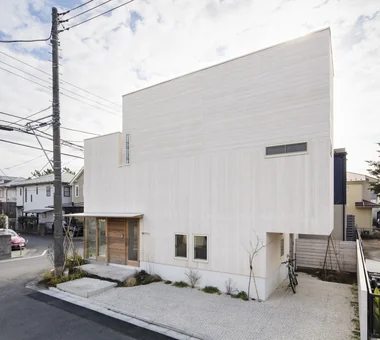
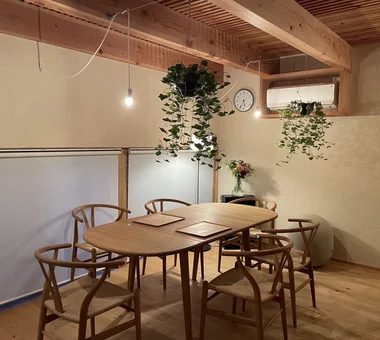
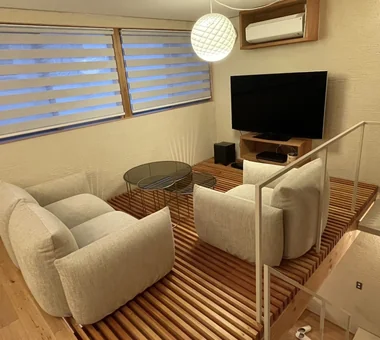
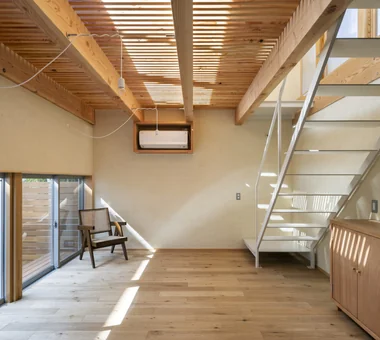
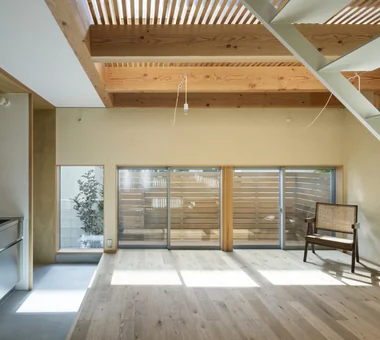
Yu Architectural Design Studio
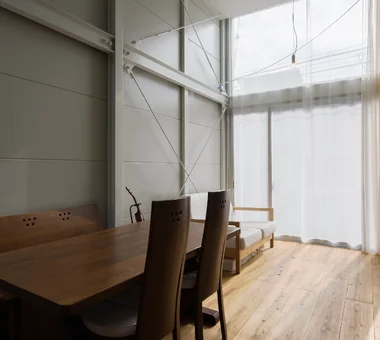
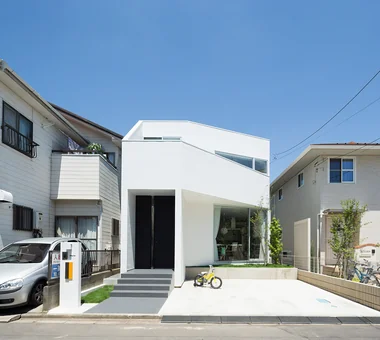
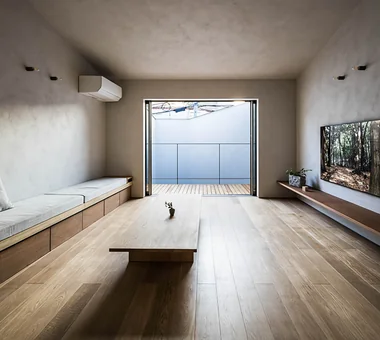
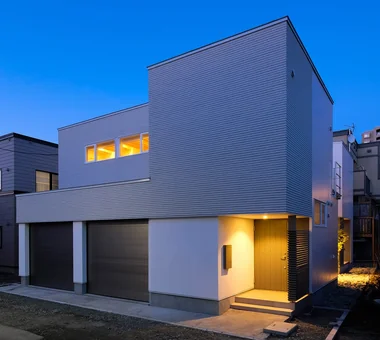
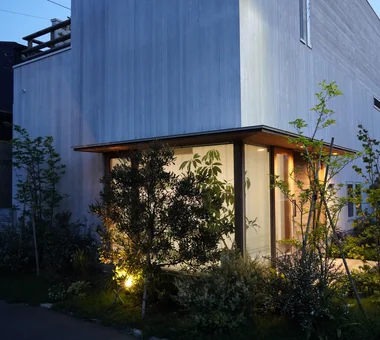
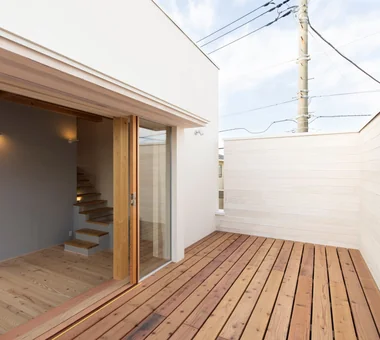
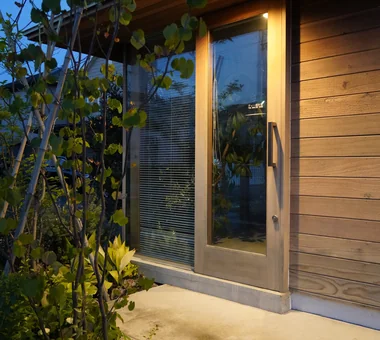
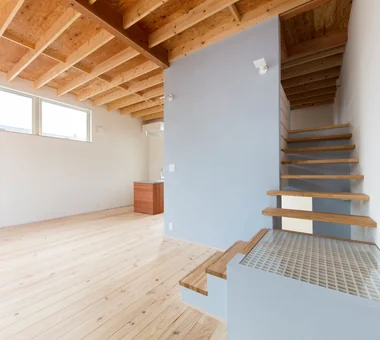
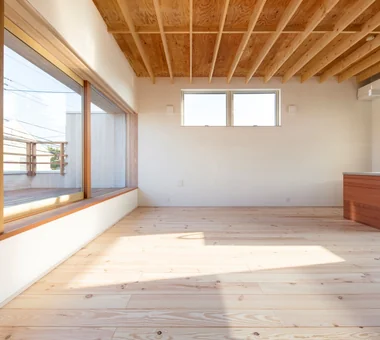
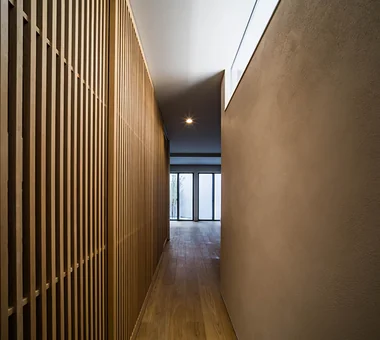
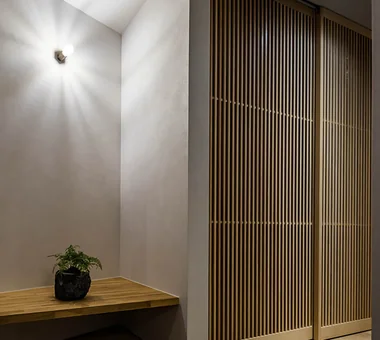
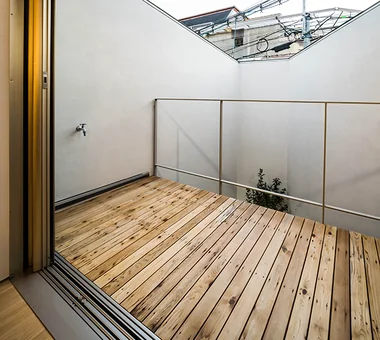
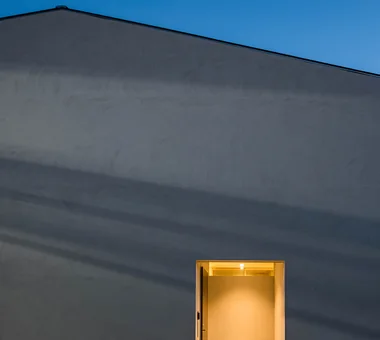
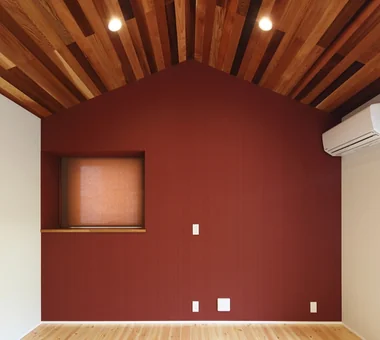
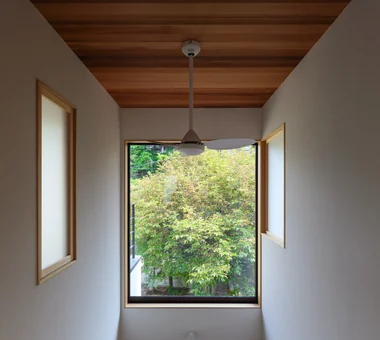
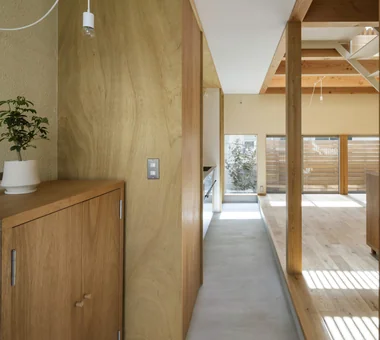
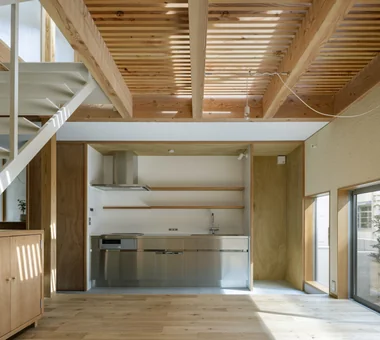
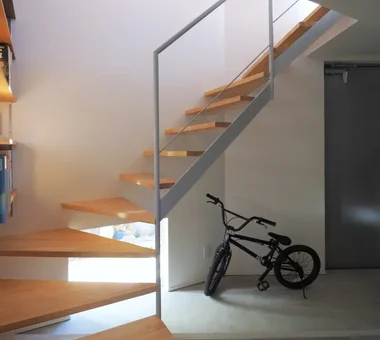
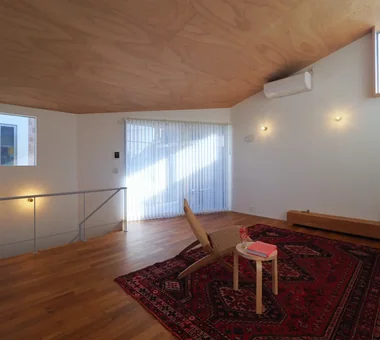
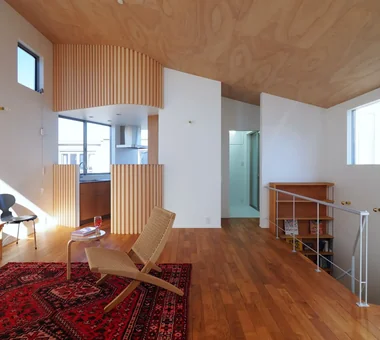
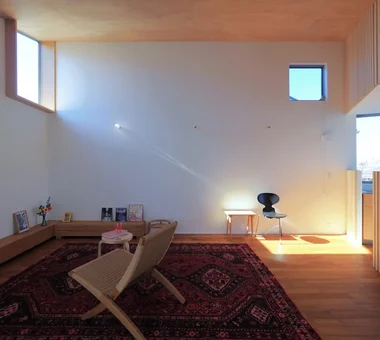
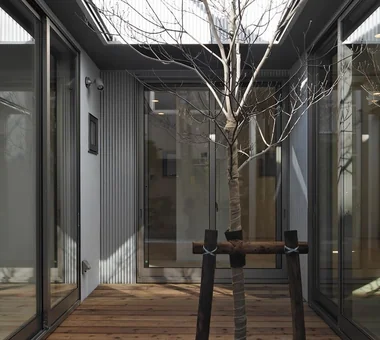
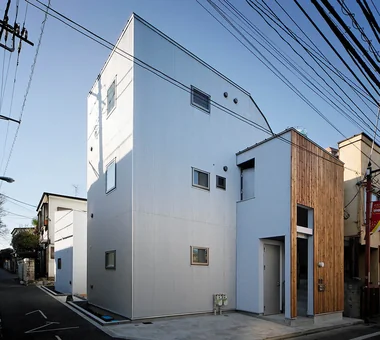
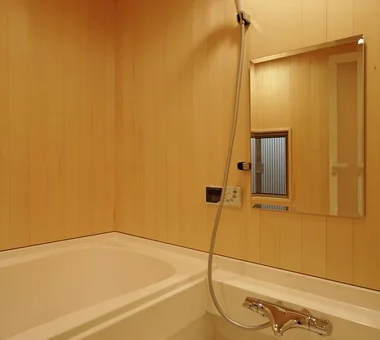
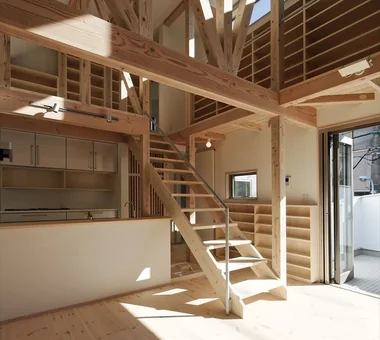
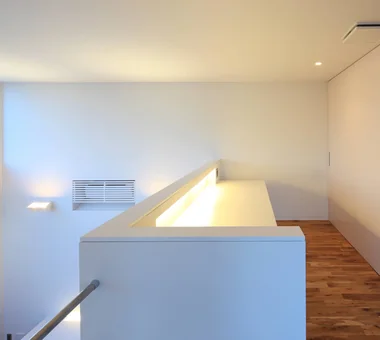
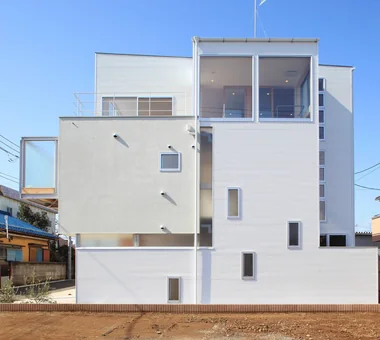
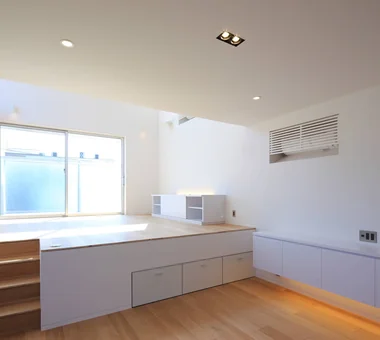
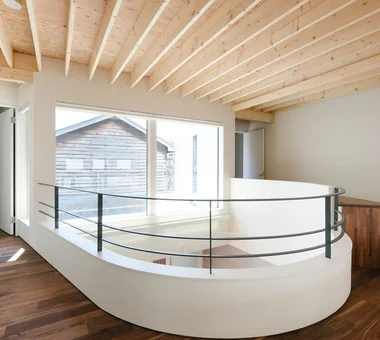
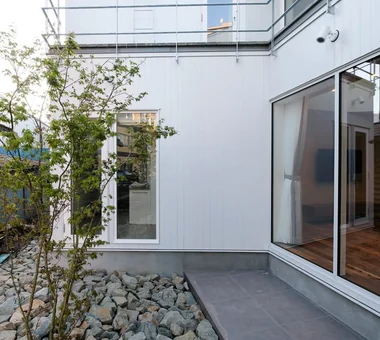
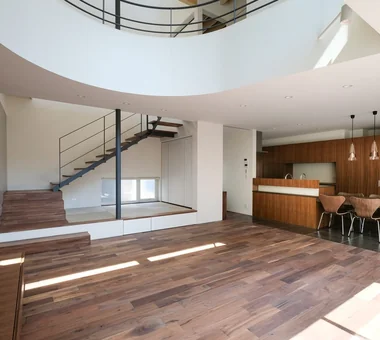
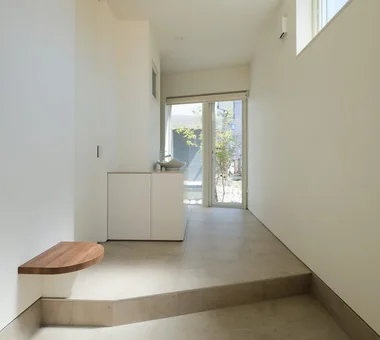
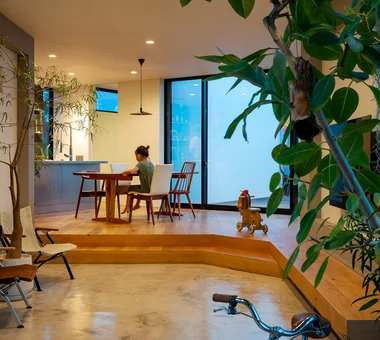
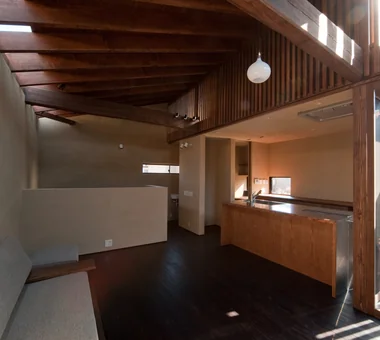
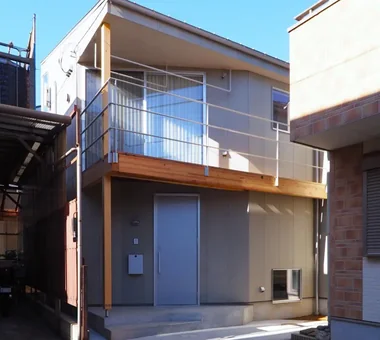
This is a compact residence of approximately 26 tsubo of total floor area, built on a flag-lot in Kashiwa City. In a site surrounded by neighboring houses, a second-floor living room was adopted to maximize daylight. The openings facing the balcony are articulated with angled walls that skillfully control sightlines, achieving both brightness and privacy. A mortar-effect siding exterior is harmonized with a warm interior that leaves beams and columns exposed. By incorporating DIY elements to keep costs down, the house realizes a rich way of life through ingenuity and creativity.
The Dwelling of Books
JYU ARCHITECT
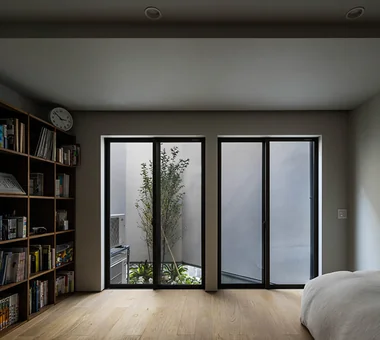
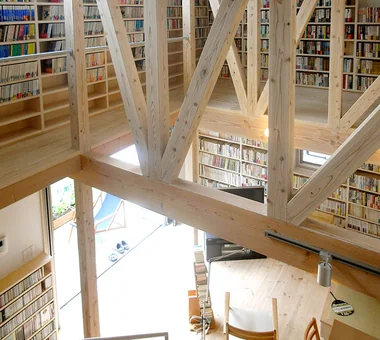
This is a timber residence planned within a high-density commercial district. While maintaining privacy, ventilation and daylighting are carefully optimized, and by allocating cost and performance to the building’s concealed elements we aim to deliver a reasonably priced dwelling. The atrium walls are clad with tens of thousands of volumes, so that the residence itself becomes a forest of books. Set against the backdrop of urban bustle, the interior is nonetheless suffused with a rich sense of knowledge.

White House
Far East Design Lab.
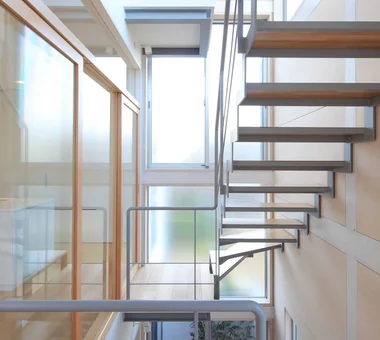
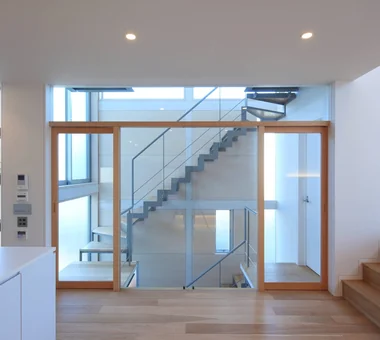
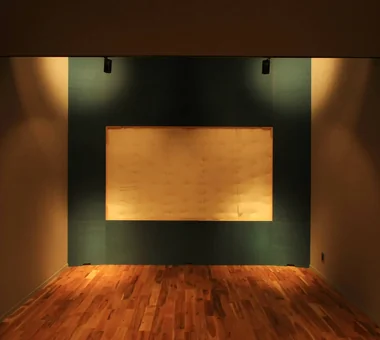
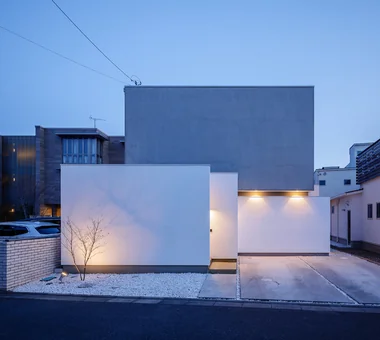
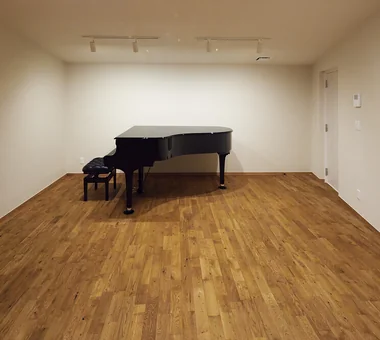
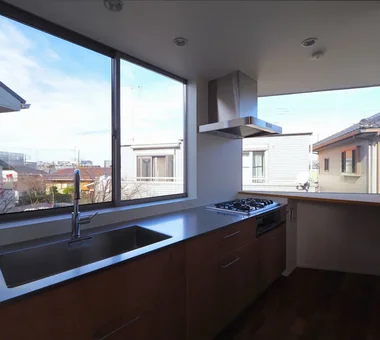
A residence for a family of four that balances the openness characteristic of suburban neighborhoods with the need for privacy. By placing a daylight-filled stairwell at the core, the floors are softly connected and each level enjoys bright spaces with a close relationship to the sky while minimizing views from the outside. A roof balcony on the third floor allows for kitchen gardening; the first floor includes a fully sound-insulated theater room that doubles as a guest bedroom. The vertical and horizontal composition and window placement combine to realize both openness and comfortable private spaces.
sha-la Tsukuba House
e do design architects
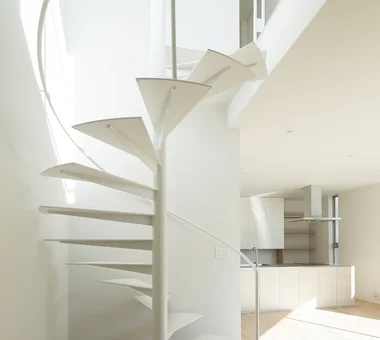
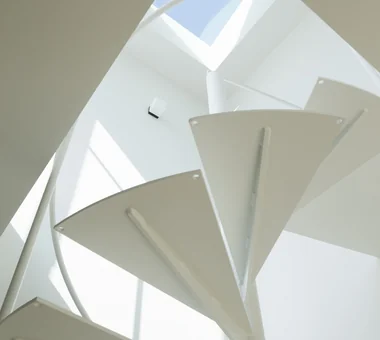
This is a family residence planned on a 30-tsubo site in a residential neighborhood near Dōhō Park in Tsukuba. On the limited site, diagonal lines were introduced to reconcile a garage and a garden and to deftly guide light and sightlines. Two diagonal walls that give depth and character to the exterior, together with a spiral staircase that pierces the center of the house, create a rich sense of spatial expansiveness. With light delivered through a skylight and the staircase acting as the axis that connects the family’s presence, the dwelling unfolds into a refreshing, softly articulated home.
Light-Gathering House
Yosuke Tomiya Architectural Design Co., Ltd.
This residence is built in a densely populated area near central Sapporo. With the aim of securing natural light over the long term in anticipation of future surrounding development, the design combines a first-floor living room with a south-facing courtyard and atrium, a large second-floor opening, and third-floor clerestory windows to admit light from different heights. The courtyard-facing exterior wall is operable to make use of reflected and indirect light, and the stairwell serves as a natural ventilation shaft to bring light and air into the building’s mechanisms, achieving privacy, openness, and a comfortable interior environment in an urban context.
-
A Residence for Relaxation|Key Points for Home Building|Multisensory Spatial Design for Resetting Body and Mind2026-03-02|Qurasuki Editorial Department -
The Simple House|Case Studies|The Sharp, Refined Charm of a Minimalist Home2025-10-13|Qurasuki Editorial Department -
House with a Doma|Introduction to Architecture Firms|A Rich Transitional Space Connecting Interior and Exterior2026-05-11|Qurasuki Editorial Department -
Homes Featuring Soundproof Rooms|Key Points for Home Building|Balancing Sound Insulation Performance and Comfort in Design2026-03-02|Qurasuki Editorial Department -
Wooden Sash|Introduction to Architecture Firms|Windows That Express Natural Warmth2026-05-13|Qurasuki Editorial Department -
A Home for Culinary Enthusiasts|Custom-built homes by architecture firms|A Home That Makes Cooking a Pleasure2026-05-11|Qurasuki Editorial Department