Far East Design Lab.
A Residence for Relaxation|Key Points for Home Building|Multisensory Spatial Design for Resetting Body and Mind
Author: Qurasuki Editorial Department
The time to be released from daily fatigue and to reset the body and mind is becoming increasingly precious for contemporary life. Providing a residential environment that enables such fulfillment is not mere self-indulgence but an effort to fundamentally enhance quality of life. In the design of relaxation spaces, multisensory elements—light, sound, temperature, and scent—are critical. Attention to detail such as the outward view from windows, daylighting strategies, acoustic measures, thermal performance, and the tactile qualities of materials collectively creates a place for repose. Furthermore, the quietude and sense of stability that underpin these spaces contribute directly to psychological tranquility.
Designing Healing Through All Five Senses.
Relaxation involves not only the visual sense but also tactile, auditory, olfactory, and, in some cases, gustatory senses. Materials with a pleasant texture, a quiet acoustic environment, natural scents, and comfortable temperatures—all contribute to a space that considers every sense. Creating an environment attentive to all five senses fosters profound healing. The perspective that architecture is experienced by the entire body is essential in designing relaxation spaces.
The Comfort of Being Enveloped by Natural Materials.
The warmth and gentleness inherent in natural materials such as solid wood, plaster, Japanese paper, and igusa rush grass create a calming effect on the human spirit. These materials breathe, regulate humidity, and develop character over time. Being surrounded by materials free of chemical substances establishes an environment conducive to both physical and mental relaxation. The creation of a healing space begins with the careful selection of materials.
Soft Lighting with Indirect Illumination.
Direct light can cause visual discomfort; therefore, indirect lighting is fundamental in relaxation spaces. By reflecting light off walls and ceilings, a gentle and enveloping brightness is created. Incorporating dimming functions allows adjustment of light intensity according to the time of day and mood. The quality of light significantly influences psychological comfort.
Experiencing Nature Through Greenery Beyond the Window.
The greenery visible through the window serves as the most accessible and effective element for relaxation. Whether it is garden trees, potted plants, or distant mountain ranges, the presence of green within the field of view naturally soothes the mind. By strategically planning the position and size of windows to incorporate greenery, a sense of connection with nature is fostered indoors.
Blocking Noise for a Pleasant Quietude.
Quietness is indispensable for relaxation. It is essential to consider the acoustic environment by incorporating high sound insulation performance to block external noise and strategically placing sound-absorbing materials to reduce reverberation within the interior. In a tranquil space, one can even hear their own breathing and heartbeat, allowing for profound moments of introspection. Silence itself is an element that must be intentionally designed.
Transforming the Bathroom into a Sanctuary of Healing.
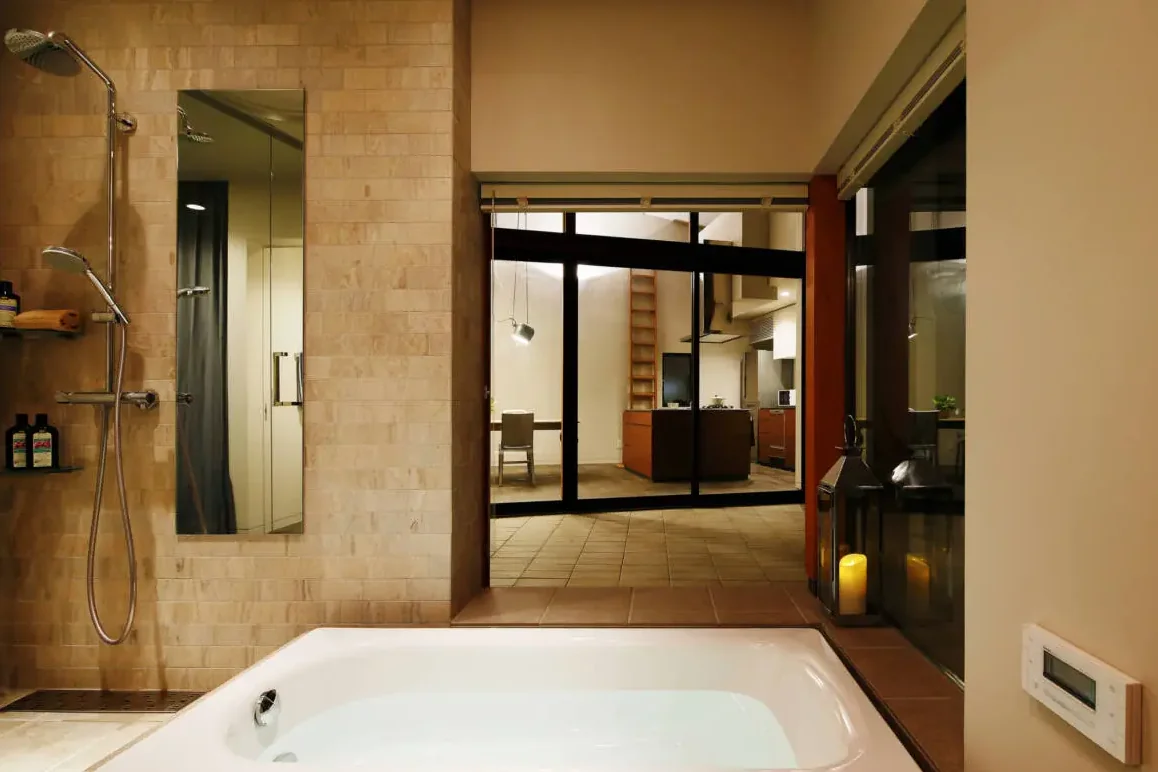
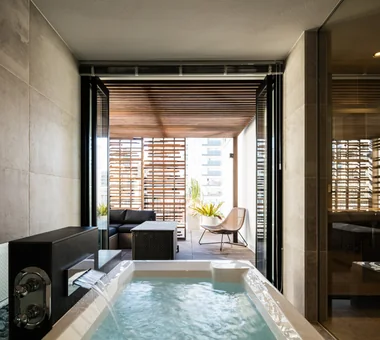
The bathroom, where one soothes the fatigue of the day, serves as the centerpiece of a relaxation space. Carefully arranged elements that engage the five senses include a spacious bathtub, a courtyard garden visible through the window, natural materials such as wood and stone, and indirect lighting. A semi-open-air bath setup that allows the sensation of outdoor air is also a luxurious feature. Aim to create a special place where bathing becomes a meditative experience.
Warmth from the Floor with Underfloor Heating.
When the feet feel cold, it is difficult to relax regardless of how high the room temperature is. Underfloor heating provides ideal warmth by radiating heat that penetrates the body’s core, and because it does not generate airflow, it minimizes air dryness. The comfort of being able to walk barefoot even in winter brings a sense of relaxation to everyday life.
Design Elements for Enjoying Aromas and Fragrances.
Fragrance is a powerful relaxation element that directly influences memory and emotions. By incorporating counters for aroma diffusers and coordinating scent diffusion with ventilation plans, a pleasant aroma can permeate the entire space. The design of fragrance is also an integral part of creating a relaxing environment.
Curves and Soft Forms.
Spaces dominated by straight lines and right angles subconsciously generate tension. Incorporating curves into walls or creating arched openings introduces softness and a sense of embrace within the space. Rounded shapes possess the ability to gently welcome occupants and promote relaxation.
Space for Meditation and Yoga.
Having a dedicated space to harmonize the mind and body allows for regular relaxation time in daily life. Even a small area with tatami mats or cork flooring, provided it receives natural light through windows and remains quiet, is sufficient. Consider designing a place where one can engage in meditation, yoga, stretching, or other activities that foster self-reflection.
Unified with Earth Tone Colors.
Earth tones such as beige, brown, green, and gray, which evoke the imagery of soil and vegetation, promote a sense of calm. Vivid colors and strong contrasts can be stimulating and are therefore avoided in relaxation spaces, which are instead unified with gentle color schemes. The choice of colors determines the healing effect of the space.
Incorporating the Sound of Water.
The sounds of water, such as babbling brooks and rainfall, have a high relaxation effect. By installing a small water basin in the garden or placing a fountain indoors, the sound of water can be integrated into daily life. Experiencing water through both visual and auditory senses provides profound tranquility.



 Stylish Children's Rooms|Key Points for Home Building|Flexible Spaces Adaptable to Growth
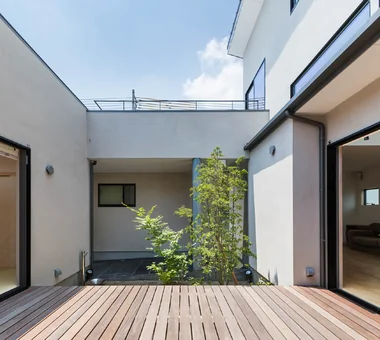 Homes Featuring Courtyards|Key Points for Home Building|Practical Design of Inner Courtyards Combining Privacy and Daylighting
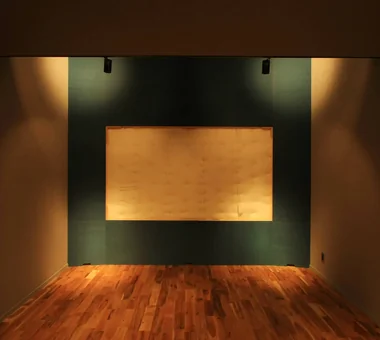 Homes Featuring Dedicated Theater Rooms|Custom-built homes by architecture firms|A Home Immersed in the World of Cinema
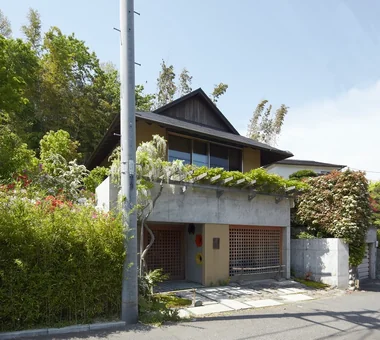 Modern Japanese-Style Residence|Case Studies|Living with the changing seasons, a timeless space of tranquility woven from wood and earthen walls
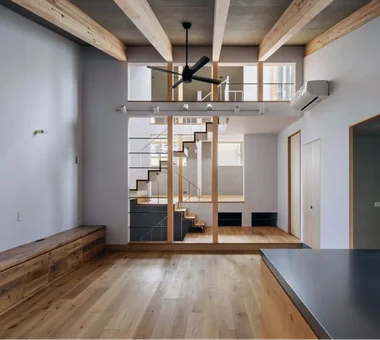 Homes Embracing Natural Light|Case Studies|How the Day's Light Shapes Your Life: Creating Rich Expressions of Natural Light Through Orientation, Materials, and Openings
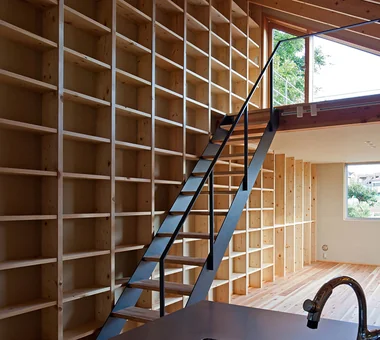 Homes Featuring Wall-Mounted Bookshelves|Introduction to Architecture Firms|Spaces for Living with Books