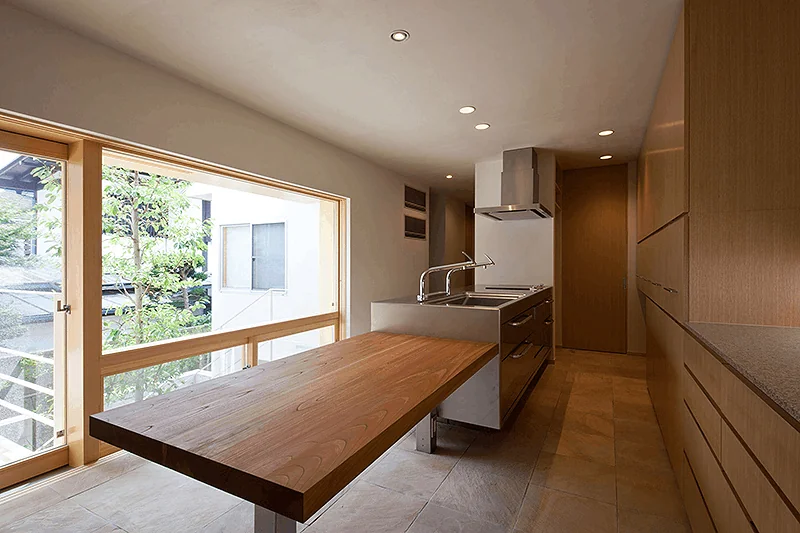
Tatsumi Negishi Architectural Studio
Stylish Kitchens|Key Points for Home Building|Balancing Cooking Efficiency and Comfort
Author: Qurasuki Editorial Department
The kitchen serves as a space that harmonizes household efficiency with family communication. The balance between practical elements such as workflow, natural lighting, and ventilation, and an inviting atmosphere that encourages family gatherings, transforms the daily cooking experience. Creating an environment that can be cherished over time involves careful selection of materials and colors.
Optimization of the Work Triangle.
The triangular workflow connecting the sink, stove, and refrigerator is referred to as the "work triangle." It is considered efficient when the total length of these three sides falls within approximately 3.6 to 6 meters. If the points are too close, workspace becomes insufficient; if too far apart, excessive movement occurs. Therefore, it is advisable to arrange these elements with an appropriate balance in distance to ensure optimal functionality.
Counter Height and Depth.
The height of the kitchen counter should be tailored to the user's height. Generally, the guideline is "height ÷ 2 + 5 cm," but it is recommended to experience and verify the most comfortable height in showrooms or similar settings. The standard depth is approximately 60 to 65 cm; however, if a larger workspace is desired, a depth of around 75 cm may be used.
Enhanced Storage Planning.
The kitchen accommodates a vast array of items, including tableware, cooking utensils, ingredients, and appliances. By clearly defining storage locations for each category, an efficient and aesthetically pleasing kitchen environment is achieved. It is essential to plan storage based on usage frequency and weight, placing frequently used items within easy reach and heavier items in lower compartments.
Ventilation Planning and Selection of Exhaust Fans.
Efficient removal of smoke and odors during cooking is essential for a comfortable kitchen environment. Range hoods should be evaluated not only for their exhaust capacity but also for noise reduction and aesthetic design. In the case of open kitchens, it is particularly worthwhile to consider high-performance ventilation systems that effectively minimize the spread of odors into the living and dining areas.
Trash Bin Placement Space
Often overlooked, the location of trash bins is crucial. It is important to secure sufficient space to accommodate separated waste and to plan their placement so as not to obstruct circulation paths. Integrating pull-out trash bins under counters or situating them within pantries helps maintain a clean and organized kitchen environment.
Balancing Functionality and Ambiance in Lighting Design.
Separating task lighting that brightly illuminates work surfaces from ambient lighting that shapes the overall atmosphere allows for a harmonious integration of functionality and aesthetics. Incorporating multiple lighting elements—such as installing LED lights beneath hanging cabinets and adding pendant lights as accents—creates a kitchen that is both beautiful and highly functional.
Material Selection and Maintainability.
When selecting materials for countertops, door panels, and flooring, consider not only aesthetics but also maintainability. Stainless steel offers high durability, while engineered marble provides a wide variety of colors and patterns. Choosing door panel materials that are easy to clean will facilitate daily upkeep. It is essential to select materials with consideration for their aging characteristics over time.
Selection and Usability of Faucets
There are various types of faucets, including single-lever, touchless, and integrated water purifier models. Choosing a faucet that balances usability and design enhances daily operational efficiency. Hose pull-out faucets are particularly convenient for cleaning the sink and filling large pots.
Planning for Pantries and Rear Storage
When kitchen and rear storage alone are insufficient, incorporating a pantry proves effective. Consolidating food stock, appliance storage, and trash bin placement in a single area allows the main kitchen space to remain uncluttered and functional. The size of the pantry and the depth of its shelves should be planned according to the items intended for storage.
Choosing Between Open-Plan and Closed Kitchens.
If you wish to cook while communicating with your family, an open-plan kitchen is suitable; if you prefer to focus solely on cooking, a closed kitchen is more appropriate. Even with an open-plan design, adjusting the counter height to conceal the workspace or using hanging cabinets to create a gentle partition can provide a moderate degree of separation.
Selection of Flooring Materials and Comfort Underfoot.
In kitchens where prolonged standing is required, comfort underfoot is also crucial. Considering flooring materials with cushioning properties or the installation of underfloor heating can create a kitchen environment that reduces fatigue. Additionally, it is important to choose materials that are easy to maintain, even when exposed to splashes of water or oil.
Designing with Future Changes in Mind.
Flexibility to accommodate changes in family composition and lifestyle is essential. Priorities shift over time—for example, prioritizing storage during child-rearing years and emphasizing shorter circulation paths in later life. By securing space for additional storage and designing for easy replacement of equipment, the kitchen can remain functional and adaptable over the long term.



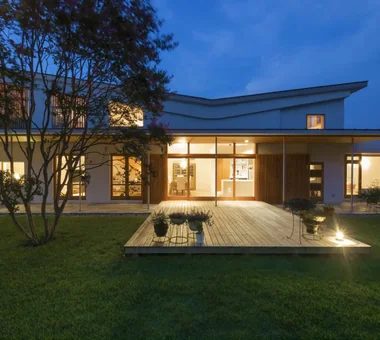 House with Outdoor Living Space|Introduction to Architecture Firms|Living Where Interior and Exterior Become One
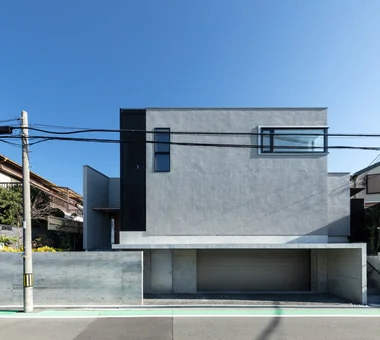 Modern Residences|Introduction to Architecture Firms|The Fusion of Rationality and Beauty
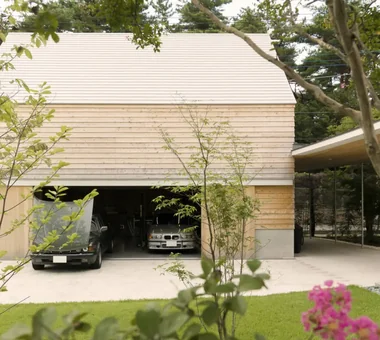 Garage Houses|Introduction to Architecture Firms|A Home for Living with Your Beloved Car
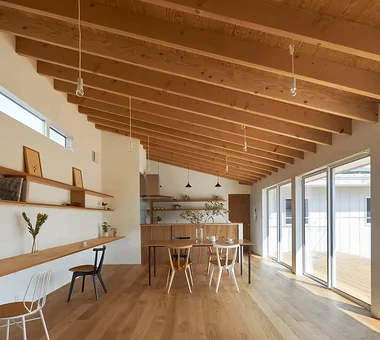 Stylish Living-Dining-Kitchen Space|Key Points for Home Building|Spatial Composition and Planning Tips to Enhance Family Time
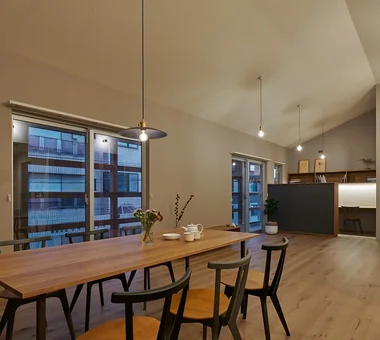 House with Second-Floor Living Room|Introduction to Architecture Firms|Open Views, Transformed Living
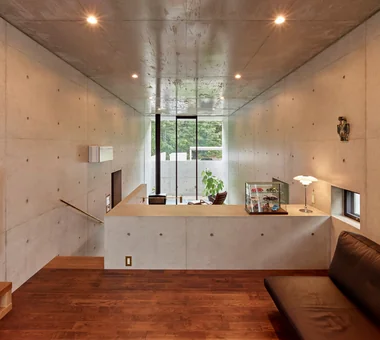 Concrete Houses|Introduction to Architecture Firms|Architecture That Speaks Through Materiality