Archiplace
Modern Japanese-Style Residence|Custom-built homes by architecture firms9Picks|A Residence Where Japanese Aesthetics Meet Contemporary Living
Author: Qurasuki Editorial Department
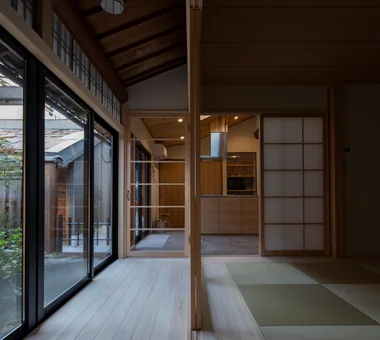
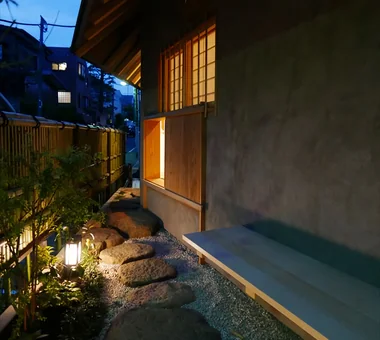
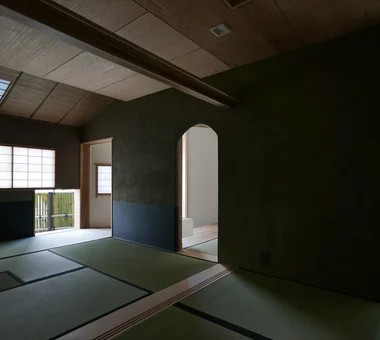
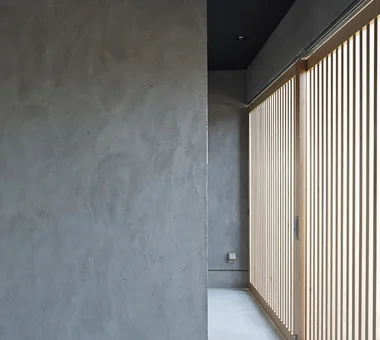
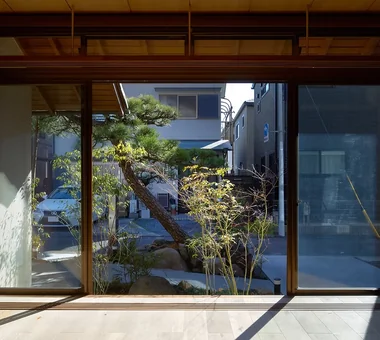
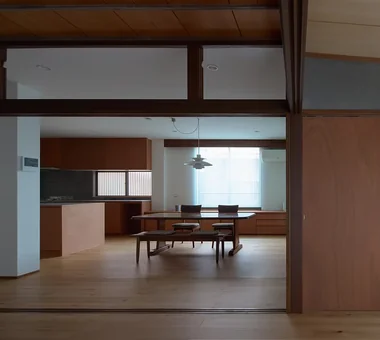
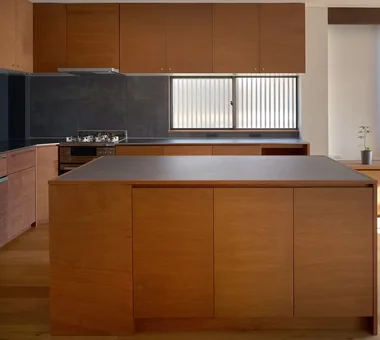
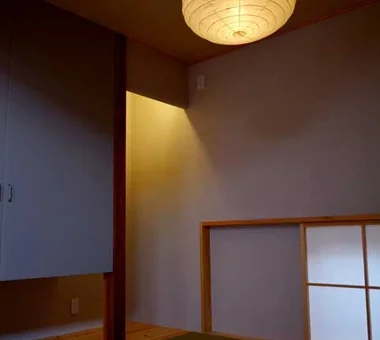
Wa-modern is a design approach that fuses the aesthetic values of traditional Japanese architecture and ornament—such as the sensibility of ma (the interval of space), the tactility of materials, and the interplay of light and shadow—with contemporary spatial design. It encompasses the use of natural materials like plaster, timber, stone, and washi paper executed with modern construction techniques; the integration of traditional Japanese fittings—such as lattices and sliding doors—into contemporary interiors; and spatial compositions defined by horizontal lines and low sightlines that cultivate a composed atmosphere. Rather than treating “wa” as mere surface decoration, the architectural office rigorously designs from the essence of the space to realize dwellings that are beautiful across eras and rooted in Japan’s climate and culture. Here we present examples of wa-modern residences that embody a quiet, restrained richness.

Sakura House on Awaji Island
Kumi Inoue Architects
A combined clinic and residence for a physician specializing in sports medicine, planned on a site surrounded by the abundant nature of Awaji Island's east coast. While enjoying views of Osaka Bay and the green mountains, consideration was also given to the natural environment, including wind, insects, and damage from wildlife. The three volumes—the residence, the clinic, and the bath—are arranged at differing heights and connected by a linear 'engawa'. The 'engawa' functions not merely as a corridor but as a place to engage with nature. Operable mesh screens reconcile ventilation with insect protection, creating comfortable spaces in which to enjoy the landscape. The residence is intended to serve as a base for fostering new connections with the local community.
House on a Flagpole Lot
12mm Architects
The site is one of five lots subdivided into residential land 40–50 years ago when a designated roadway was established, and is a flag lot surrounded on all sides by neighboring properties. With the theme of a 'truly luxurious space' where openness and privacy coexist, a bright, sheltered residence was required. The dining room is placed at the center of the first floor, with the kitchen, a tatami room, the living room, and an engawa (veranda) arranged around it, and a double-height void secures daylight from the upper level. The design incorporates Japanese spatial relationships into daily life, creating a home that allows residents to enjoy the subtle changes of everyday life.
House in North Kamakura
Tada Architectural Design Office
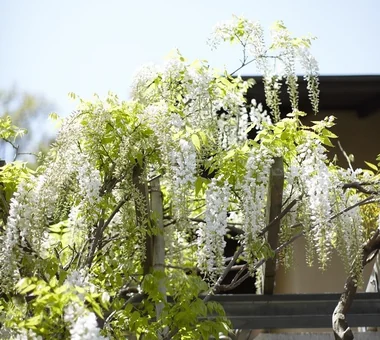
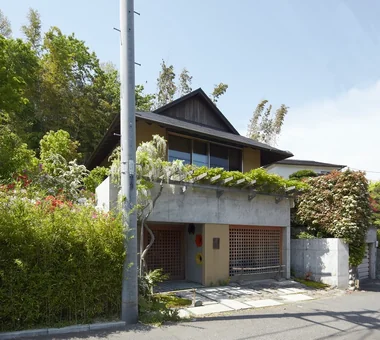
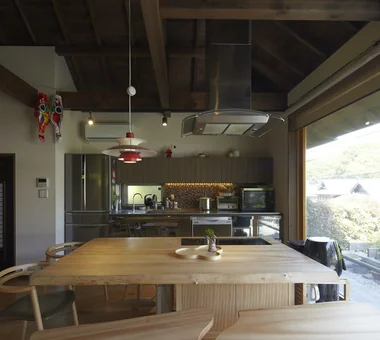
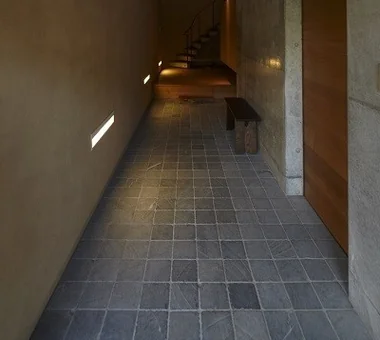
A residence standing in a valley in northern Kamakura, greeted by a wisteria trellis. Taking advantage of an approximately 2.5 m level difference between the site and the road, the building is a hybrid structure with a reinforced-concrete basement and timber construction above. Passing through the entrance, a lane-like space appears and naturally guides you into the first-floor living room. Daily circulation is completed on the first floor; centered on a camphor dining table and curved walls constructed from soil of Kamakura rock, the plan offers a continuous, circulatory layout. A music room is located in the basement and a three‑tatami tea room is provided on the north side, adding a quiet, playful quality to everyday living. The exterior expresses a Japanese aesthetic with an irimoya (hip-and-gable) roof, while the interior is composed with an organic expression using stone and iron.
House K/S
Yoshihara Tamaki Architectural Design
This is the renovation of a large family residence that has been passed down across three generations. While responding to changes in lifestyle resulting from generational succession, it has been reconfigured as a 'second living room' that continues to inherit the family's memories and emotional attachments. Retaining the existing design elements, it gently connects old and new through components such as brass and shoji screens, reorganizing the interior into a highly flexible, adaptable space. By dissolving the boundary between 'hare' (ceremonial) and 'ke' (everyday life), it becomes a home where new layers of the family's time accumulate.
Higashiura House
Kota Goto Architectural Studio
A residence sited in a longstanding residential neighborhood on the Chita Peninsula. The design gives form to the owner's wish for a living arrangement with a sunken kotatsu while valuing connections to the local community. By raising part of the living-room floor to create a sunken-kotatsu and offsetting southern sightlines from interior views, the scheme achieves both openness and privacy. The extensive use of solid cedar enriches the space as it matures. The house is designed to integrate gently with the surrounding streetscape and to grow alongside the local landscape.
Layering a Studio Apartment and a Traditional Kyoto Townhouse — Row House III on Showa Lane
Yoshihiro Yamamoto Architects Associates
Phase 3 of the renovation of prewar row houses on Showa Lane, Higashiyama Ward, Kyoto. The exterior has been refined through the unification of rooflines and lime-based plaster finishes, while variations in lattices and windows preserve a measured degree of individual character. The residential units are conceived for live–work integration: wet areas are compactly consolidated and partitions removed to create studio layouts. Existing columns, beams and timber joinery have been retained and expressed, while aluminum window assemblies are introduced to improve overall building performance, reconciling the character of traditional townhouses with contemporary comfort.
Residence in Nishikyogoku
In-Ex Design Co., Ltd.
This is a multigenerational renovation of a 40-year-old timber-framed house, planned for the family and mother returning to the home where they were born and raised. While preserving the sound existing structural frame, the minimum necessary structural alterations and seismic reinforcement were carried out to regenerate the dwelling into a living environment appropriate for a new way of life. The garden, which the father had created, was carefully retained, and the composition allows the landscape and the interior to respond to one another. Reclaimed timber and the existing timber joinery are employed throughout, while the design also provides future adaptability and the capacity to function as the principal family residence, resulting in a home where family memories and new time gently overlap.
A Hobby-Filled Residence Featuring a Traditional Irori Hearth
Archiplace
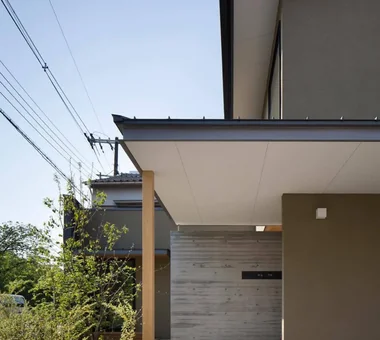
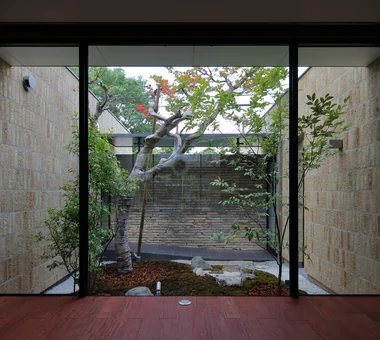
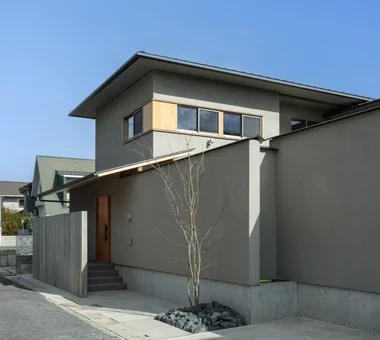
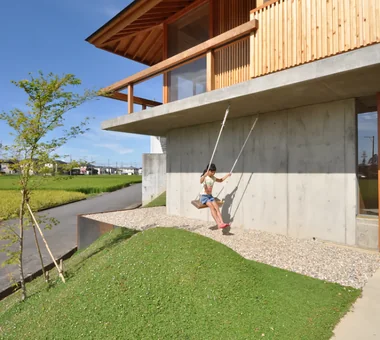
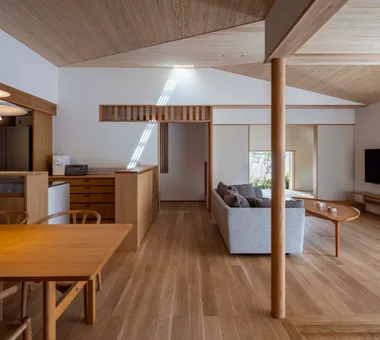
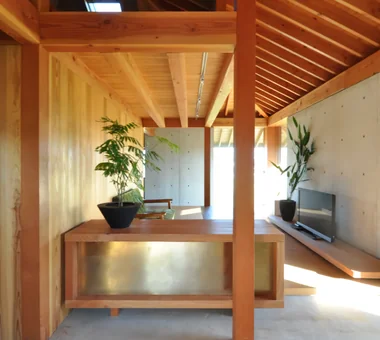
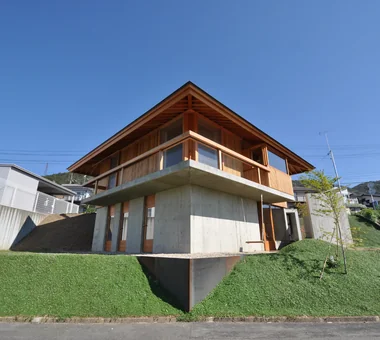
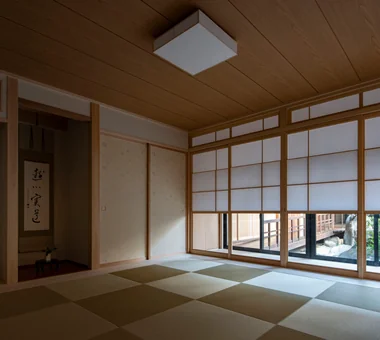
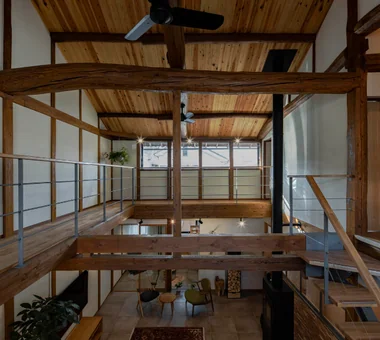
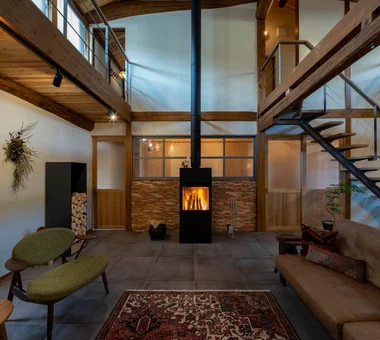
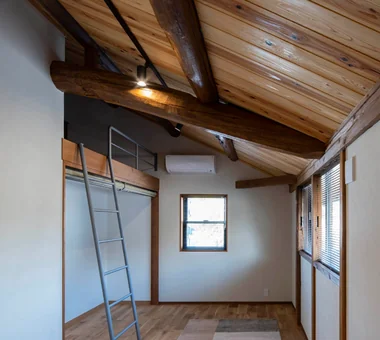
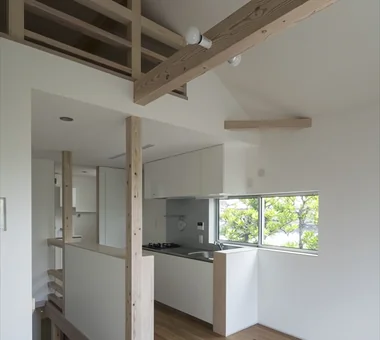
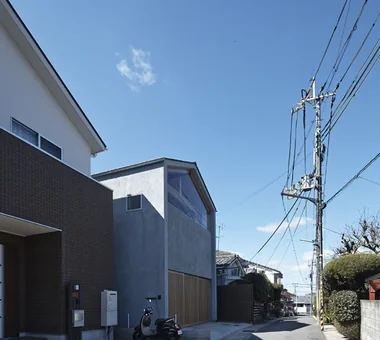
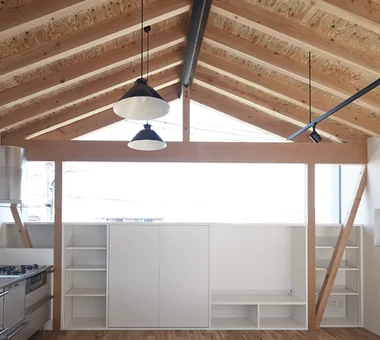
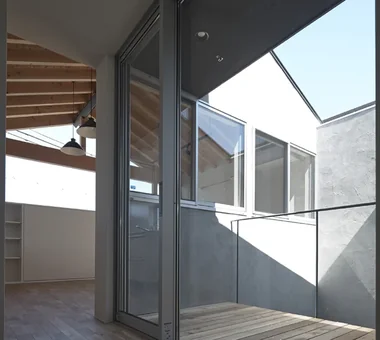
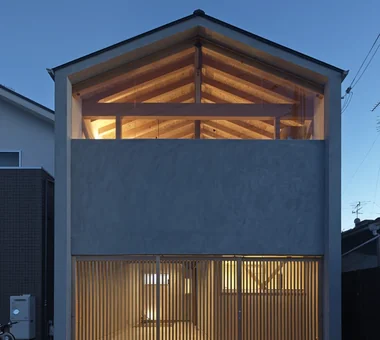
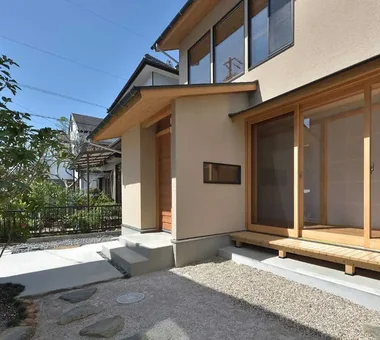
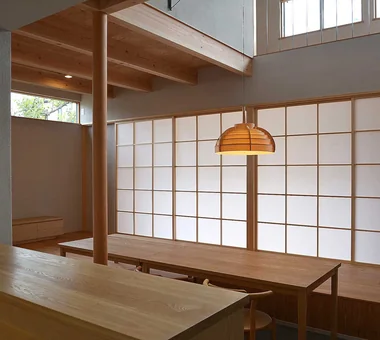
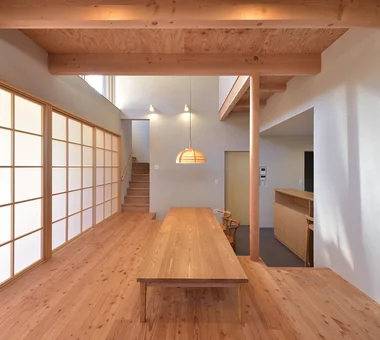
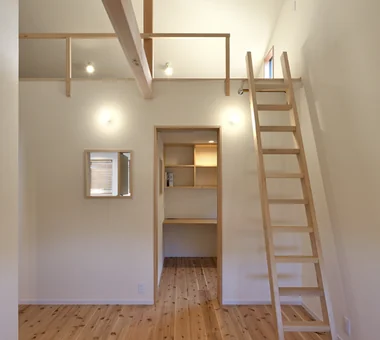
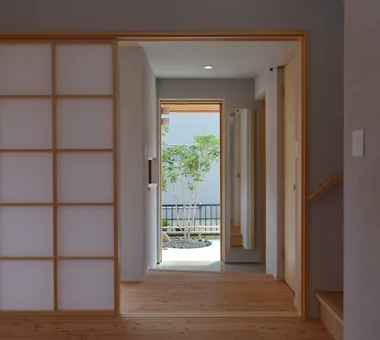
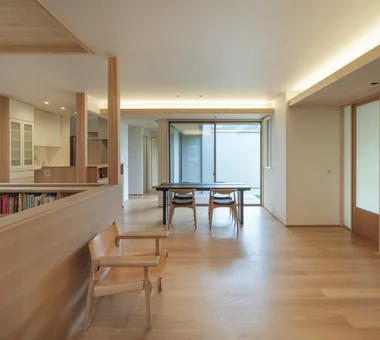
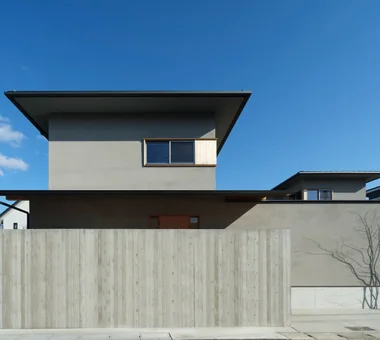
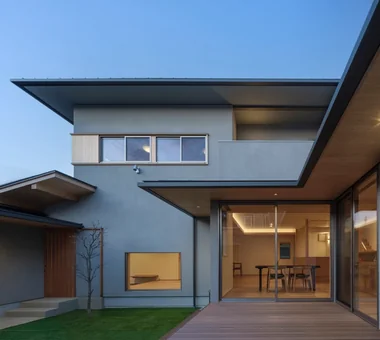
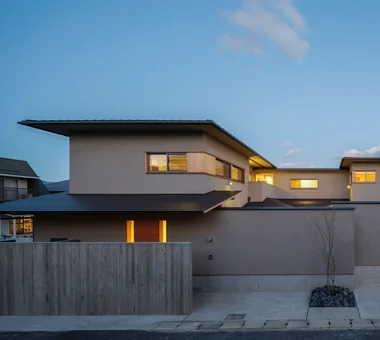
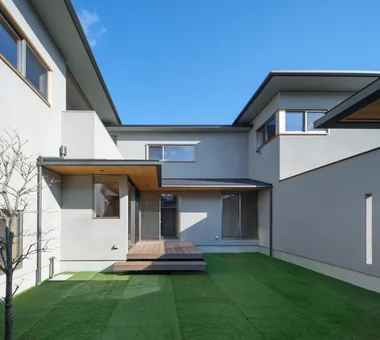
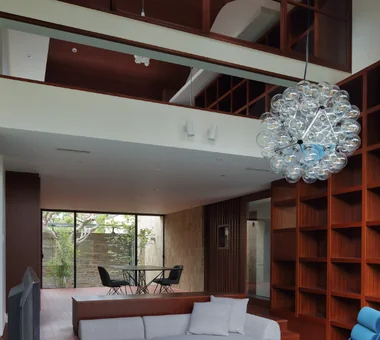
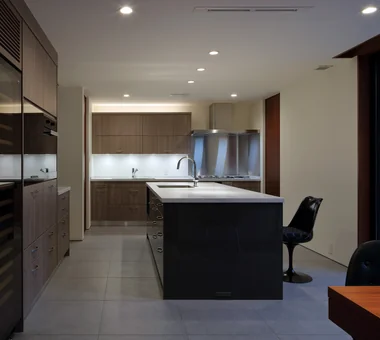
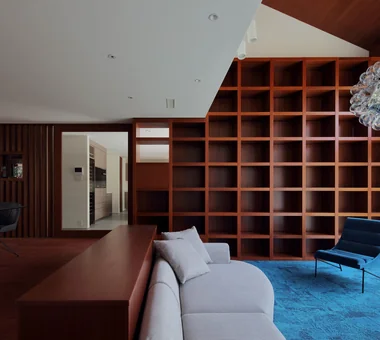
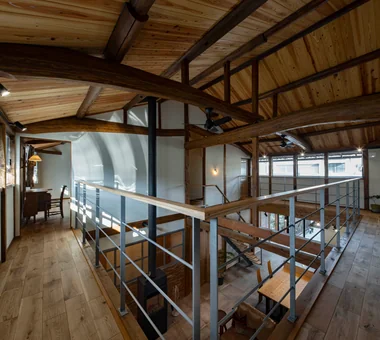
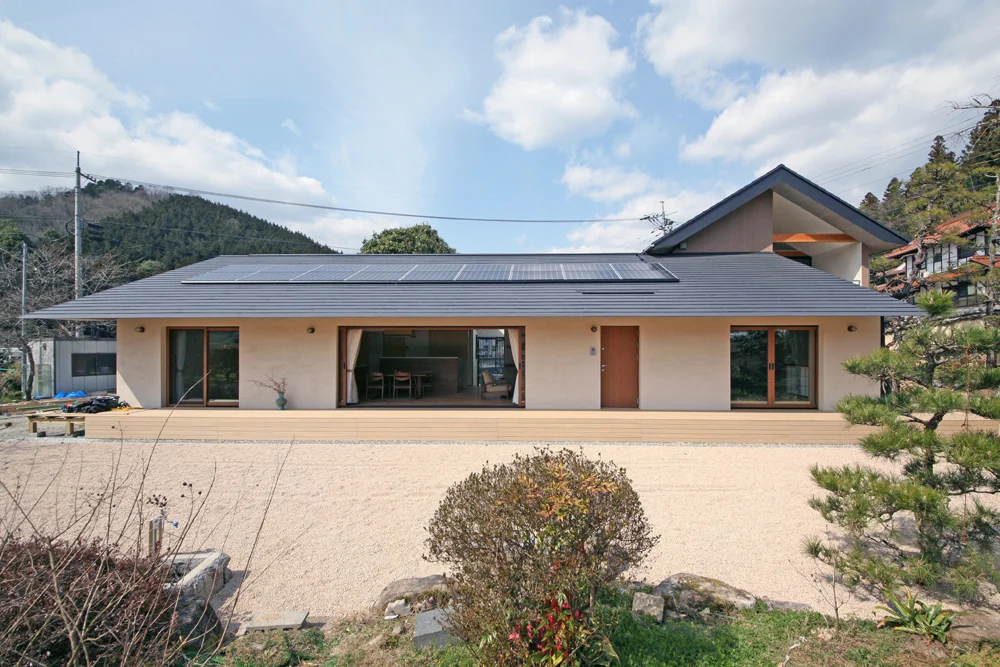
This is the couple’s final residence, tailored to their hobbies, sited on an irregular parcel with pronounced north–south level changes. Three volumes are arranged in response to the building height plane, forming an elevation distinguished by a refined pitched roof. Internally, centered on a Japanese-style room equipped with an irori that functions as a sunken kotatsu, voids and split-level floors gently connect the various rooms and balconies. The house combines seismic grade 3 with high thermal insulation and airtightness at HEAT20 G2 level, achieving both a sense of openness and comfort. It is a home that will richly nurture the life ahead while the couple enjoys their hobbies.
Yukyuro + Row-Type Rental Housing
JYU ARCHITECT
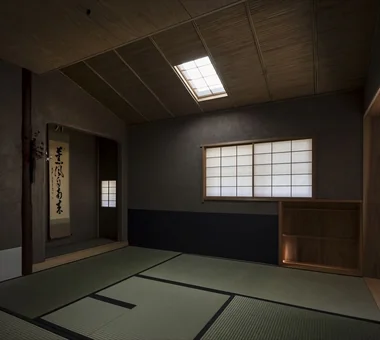
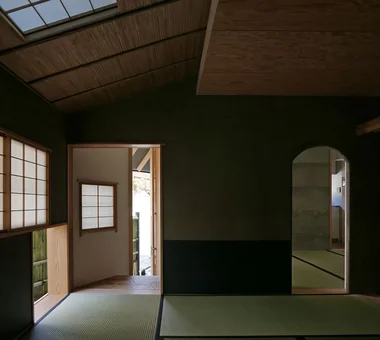
This mixed-use building on a site of approximately 40 tsubo integrates a full-scale Omotesenke tea room and rental housing for two households. The tea room links a four-and-a-half-mat tea space and the mizuya (tea preparation area) with movable partitions, creating a flexible configuration that adapts to the number of participants for lessons or gatherings. The rental units prioritize materiality and residential comfort while keeping costs down, and are standardly equipped with comfortable amenities such as underfloor heating and bathroom drying/heating units. The project reconciles a space that carries on traditional culture with the functional requirements of urban living. In addition, a seismic-damping structural system has been adopted to provide reassurance against repeated major earthquakes.
-
Homes for Design Enthusiasts|Custom-built homes by architecture firms|A Home Infused with Aesthetic Sensibility2026-05-11|Qurasuki Editorial Department -
Stylish Staircases|Key Points for Home Building|Design Innovations for Vertical Spaces Combining Safety and Aesthetics2025-10-20|Qurasuki Editorial Department -
Concrete Houses|Introduction to Architecture Firms|Architecture That Speaks Through Materiality2026-06-24|Qurasuki Editorial Department -
Homes Featuring Soundproof Rooms|Introduction to Architecture Firms|A Place to Fully Enjoy Musical Performance2026-05-11|Qurasuki Editorial Department -
Stylish Terrace|Key Points for Home Building|Strategies and Concepts for Integrating Outdoor Spaces into Daily Living2025-10-20|Qurasuki Editorial Department -
Stylish Bedrooms|Key Points for Home Building|Practical Strategies for Creating Spaces that Enhance Sleep Quality2025-10-20|Qurasuki Editorial Department