Yoshihiro Yamamoto Architects Associates
Homes for Antique Enthusiasts|Case Studies|Living Comfortably with Time‑Worn Furniture: A Home That Savors the Depth of Materials
Author: Qurasuki Editorial Department
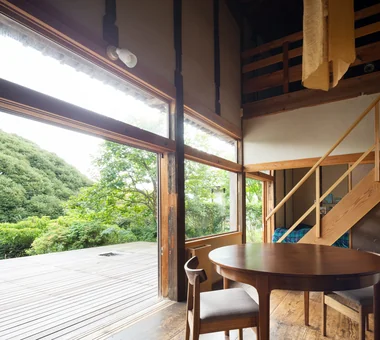
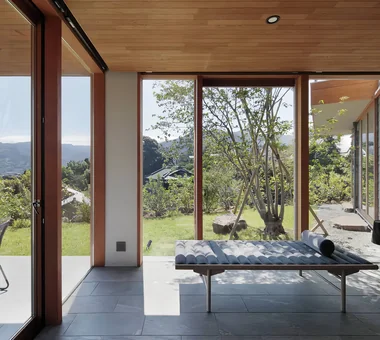
In homes for antique enthusiasts, creating a space where aged furniture and materials sit naturally within a new dwelling is paramount. Selecting materials that develop character over time — such as solid‑wood flooring, plastered walls, and brass hardware — fosters harmony with antique pieces. Rather than furnishing a space solely with off‑the‑shelf products, there is a growing tendency to design bespoke joinery and built‑in storage so that furniture and architecture are considered as an integrated whole. Thoughtful lighting design that softens highlights and shadows further enhances the distinctive textures of older furniture. Because antique pieces vary individually in scale and presence, designing with delivery routes and placement strategies in mind is also important. A home that allows room to evolve gradually while lived in — rather than being over‑finished at completion — tends to become a space that is cherished for years.

More Than Mere Display: An LDK That Naturally Harmonizes with Antiques
Homes for Antique Enthusiasts |LDK
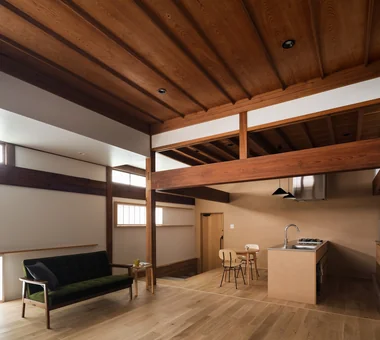
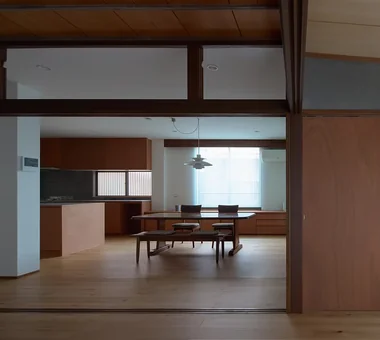
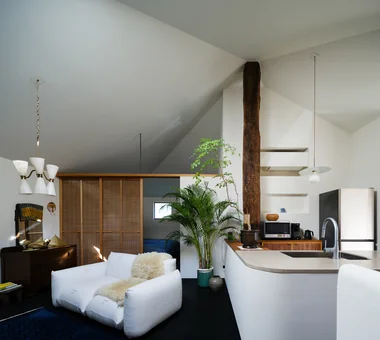
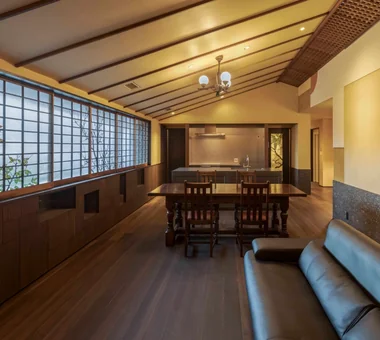
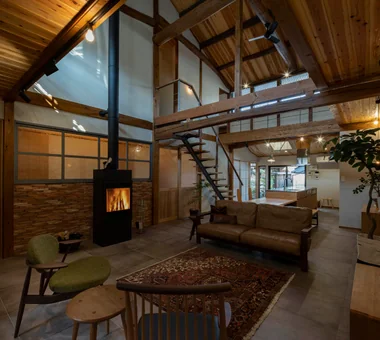
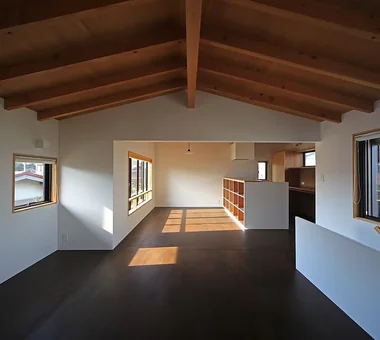
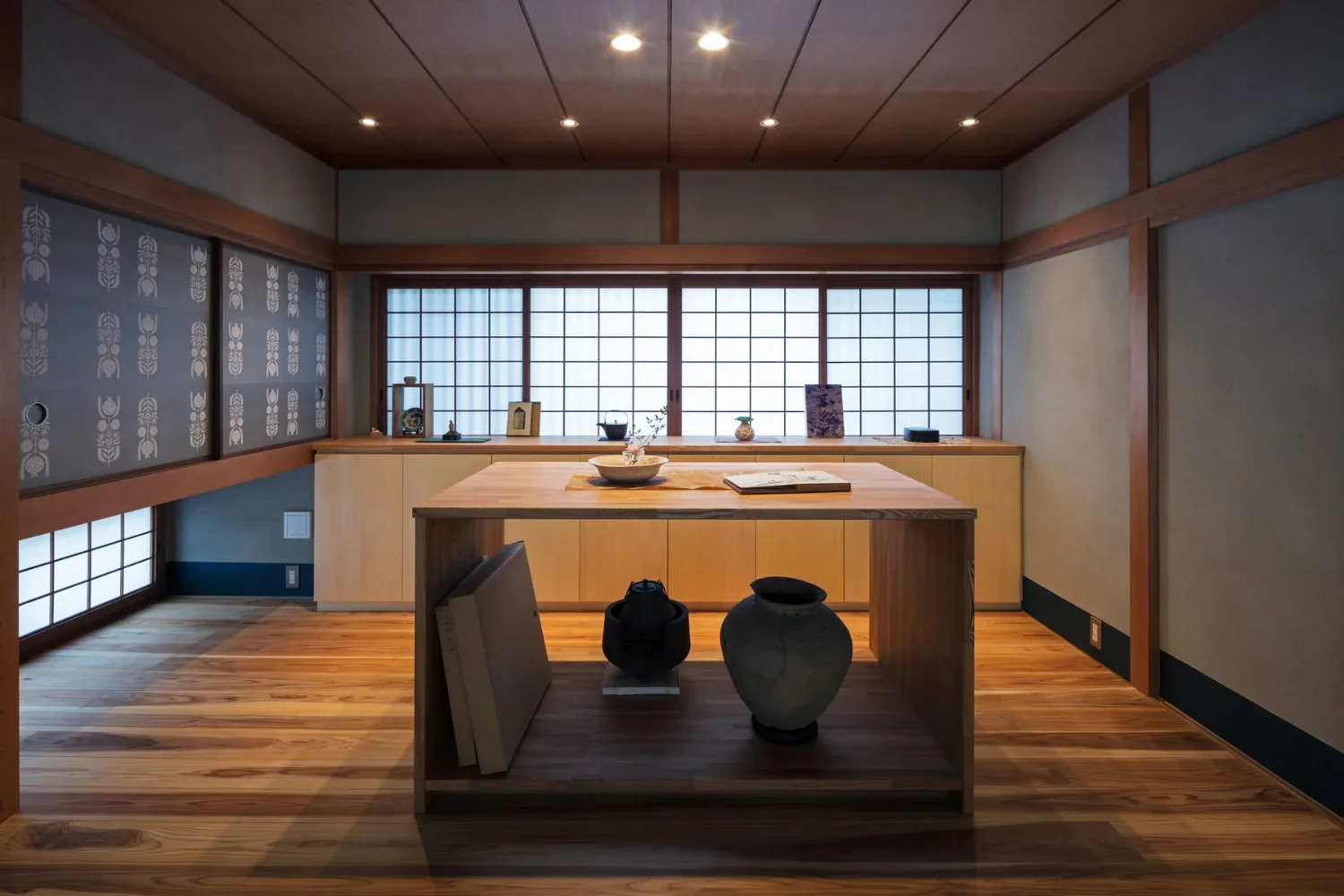
In an LDK that showcases the appeal of antique furniture, the overall materiality and colour balance of the space are critical. Introducing the tactile quality of wood on floors and ceilings while keeping walls pared back allows furniture to assert itself naturally. Custom‑designed kitchens and storage tailored to vintage chairs or reclaimed timber tables create an integrated interior language. Using a warm colour temperature for lighting enriches the modelling and surface quality of the furniture. Since antique items differ in proportion and form from piece to piece, planning the layout with anticipated furniture locations in mind is essential. An LDK that is thoughtfully restrained rather than over‑engineered at new build enables the living environment to acclimate gracefully over time.
A Quiet, Refined Living Room Where Antiques Take Center Stage
Homes for Antique Enthusiasts |Living Room
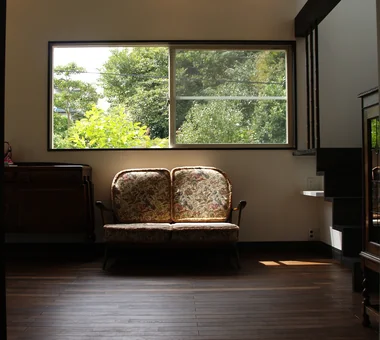
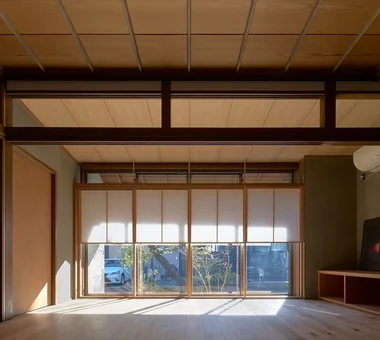
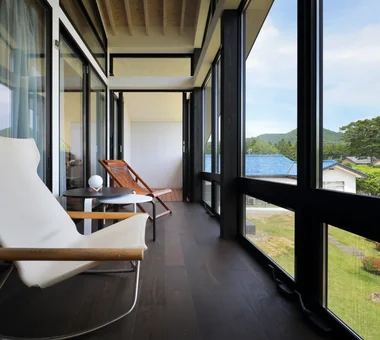
In living rooms for antique lovers, design seeks to make furniture the focal point while composing the surrounding space with calm restraint. Incorporating indirect lighting fosters a serene ambience. Integrating generous wall‑length storage conceals daily clutter and elevates the perceived material quality of furniture and objets. Because some antiques are vulnerable to deterioration from direct sunlight, the positioning of windows and the specification of curtains or shading require careful consideration. Increasingly, homes incorporate reclaimed doors or stained glass as interior elements alongside sofas and rugs. A living room in which well‑worn materials are allowed to merge naturally with daily life becomes a place to appreciate time at a measured pace.
Comfort and Warmth Within Volume: Double‑Height Spaces Where Antiques Sit Well
Homes for Antique Enthusiasts |Atrium
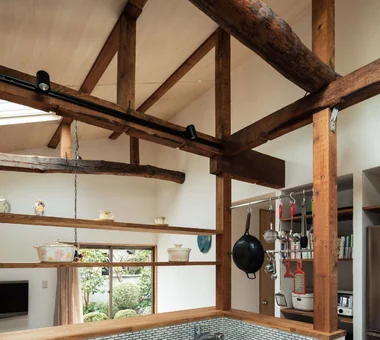
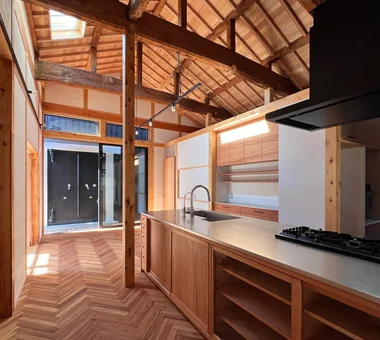
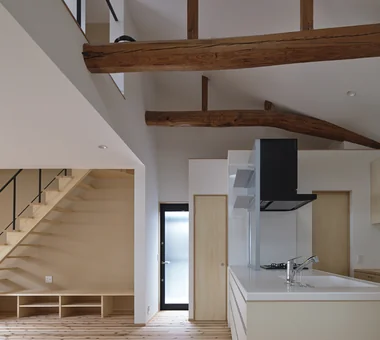
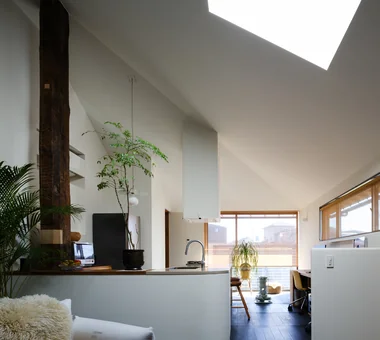
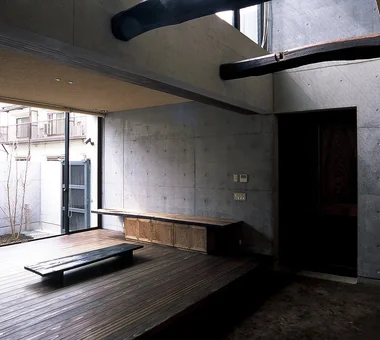
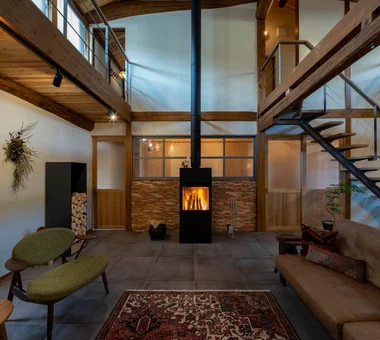
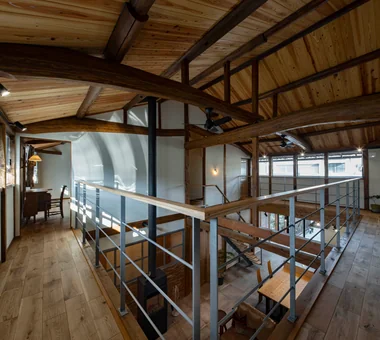
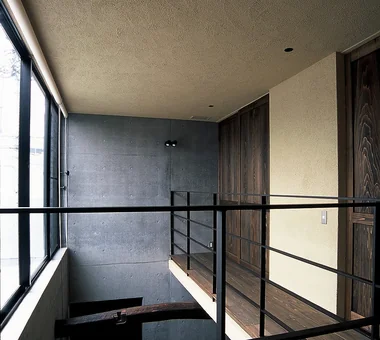
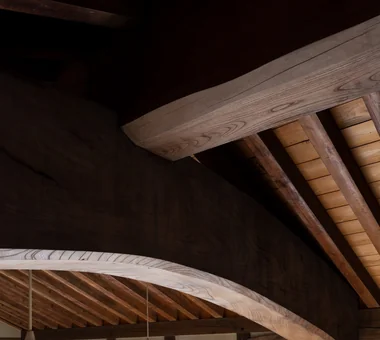
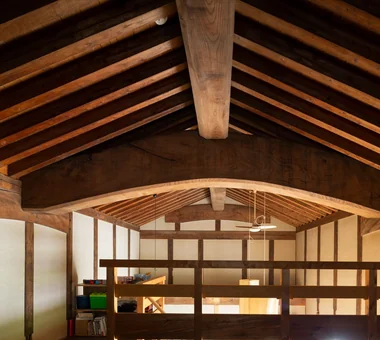
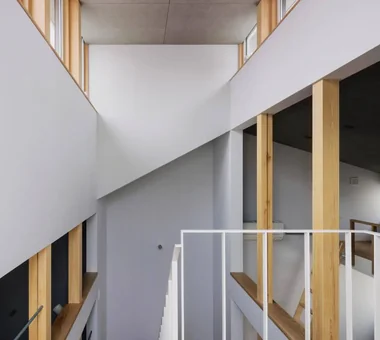
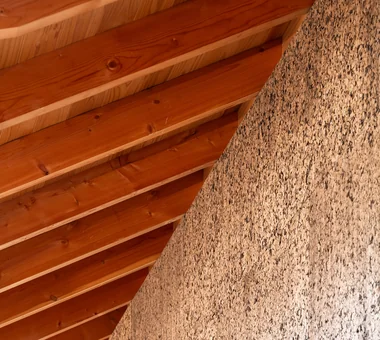
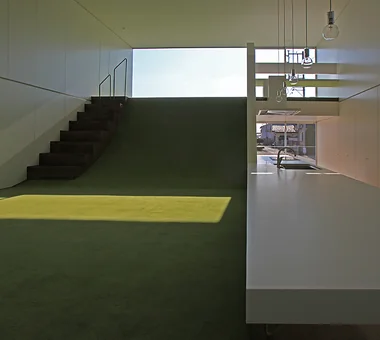
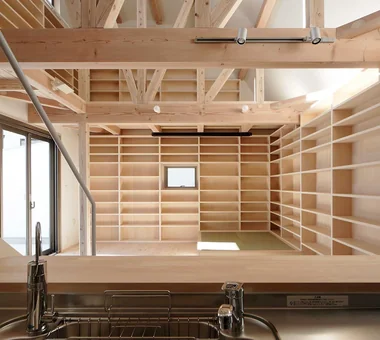
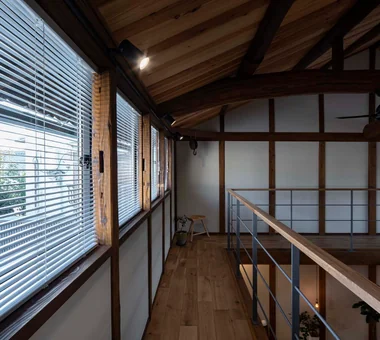
While double‑height spaces provide a strong sense of openness, they can also feel austere if not carefully managed. In homes for antique enthusiasts, introducing beams and tactile materials helps to impart warmth to the vertical volume. Exposed reclaimed timber beams, such as those salvaged from traditional houses, contribute a depth of texture unique to aged wood and bring composure to the whole space. Bringing soft natural light in through high windows highlights the surfaces of furniture, flooring and reclaimed timber, enriching their expression. Combining iron balustrades or vintage pendant lighting within the void can create a coherent material narrative. Because double‑height spaces influence acoustics and heating/cooling performance, it is important to plan insulation and air circulation with care to ensure long‑term comfort.
Exterior Strategies That Let Material Texture Define the Home, Harmonizing with an Antique Aesthetic
Homes for Antique Enthusiasts |Exterior
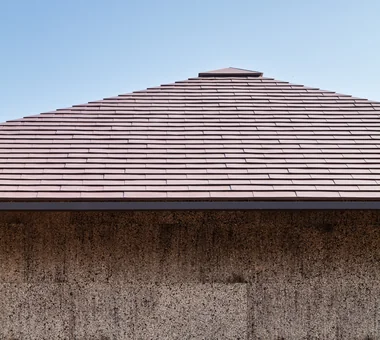
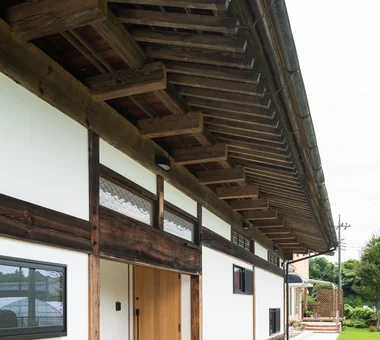
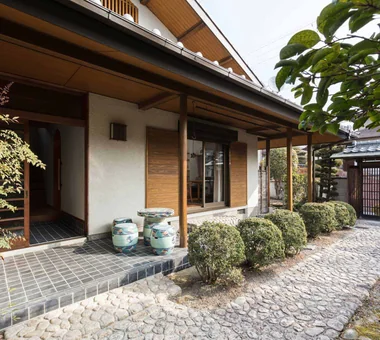
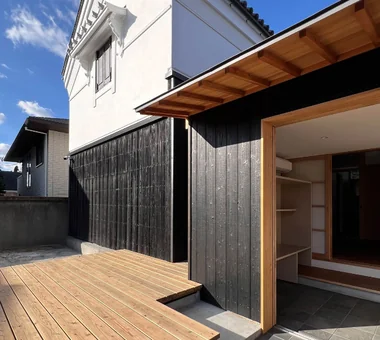
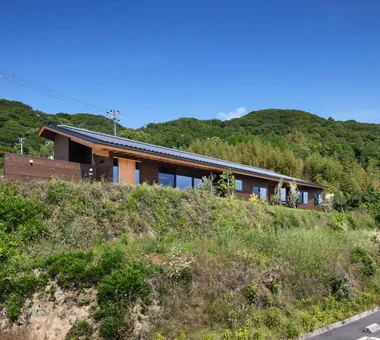
For the exteriors of homes favoring antiques, it is important not to rely on excessive ornamentation but to let the inherent qualities of materials speak. Finishes such as plaster, timber cladding and brick — materials that develop character over time — naturally relate to the atmosphere of antique furniture. Introducing wood or iron for window frames and entrance doors imparts a composed, grounded presence to the whole house. There is a growing approach of expressing individuality in otherwise simple box forms purely through materiality. When designing an exterior, consider not only how materials will appear initially but also their appearance after years of weathering and their maintenance requirements. Exteriors that gain depth and nuance at 10 or 20 years contribute to lasting attachment to the home.
-
Hotel‑inspired Residence|Custom-built homes by architecture firms|The Extraordinary within Everyday Life2026-05-11|Qurasuki Editorial Department -
Stylish Kitchens|Key Points for Home Building|Balancing Cooking Efficiency and Comfort2025-10-20|Qurasuki Editorial Department -
Spiral Staircase|Custom-built homes by architecture firms|Harmonizing Aesthetics and Functionality2026-05-13|Qurasuki Editorial Department -
Stylish Hobby Rooms|Key Points for Home Building|Design Strategies for Dedicated Spaces that Enrich Personal Time2026-03-02|Qurasuki Editorial Department -
Homes with Gardens|Case Studies|A Life with a Garden, Living with the Scenery of the Four Seasons2025-10-13|Qurasuki Editorial Department -
Homes Featuring Soundproof Rooms|Introduction to Architecture Firms|A Place to Fully Enjoy Musical Performance2026-05-11|Qurasuki Editorial Department