Mitsuhiro Kojima Architects
Homes Featuring Wood-Burning Stoves|Custom-built homes by architecture firms8Picks|Living with the Warmth of Fire
Author: Qurasuki Editorial Department
The flicker of flames and the radiant heat produced by a wood-burning stove constitute a form of domestic richness that goes beyond the mere function of a heating appliance. Introducing a wood stove into a dwelling requires comprehensive consideration from the design stage: the placement and height of the chimney, finishes using non-combustible materials in the immediate vicinity, provision of logistical routes for the delivery and storage of firewood, and a maintenance plan. Balancing the stove with the room’s airtightness and thermal insulation performance is also essential; in highly airtight, high-performance homes an appropriate strategy for external air supply must be incorporated. We organize considerations regarding stove model, frequency of use, and spatial layout, and present examples of generous homes where the hearth becomes the focal point for family gathering.

House in Ashiya
Abax Architects
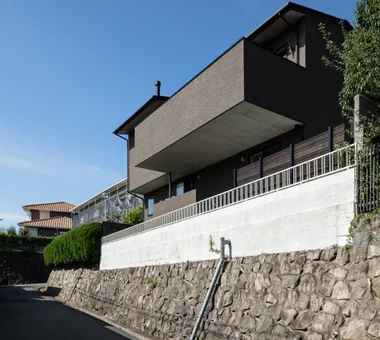
This residence, located in an upscale residential neighborhood of Ashiya City, is a building with one basement level and two above‑ground timber-framed storeys. To secure the view from the living and dining areas, the first floor is raised approximately 1.5 m above the existing ground level, with a basement planned beneath. The volume facing the street features low eaves to reduce a sense of enclosure and present an elevation that sits gently within the streetscape. Two staggered volumes are linked by a stair core, creating a dynamic composition. A reflecting water basin is placed beyond the entrance hall, and the overall design evokes the calmness and richness of an Asian resort.
House in Kanazawa, Takaracho
Masahiko Sawamura Architect and Associates
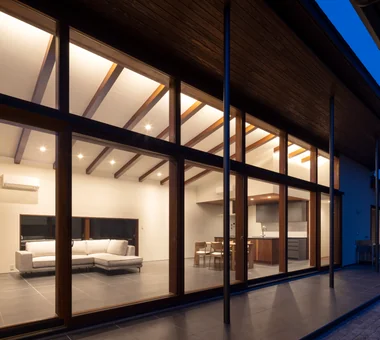
This is a single-storey house located on a hill in Kanazawa City. The client enjoys outdoor activities, so an outdoor living area and a barbecue space were provided in the garden. The living room is fully glazed, but a 1.8 m overhang was provided to block solar radiation. In addition, an indoor golf room was provided as a hobby room.
Sakura Tree
Naoko Matsumoto Architects & Associates
This is a plan to reconstruct a cherished piece of land into two residences. The lot was split into two, and houses with rental portions were placed on each parcel. The composition allows the parent household and the child household to maintain an appropriate distance while still feeling a connection through their shared site. Within the constraints of a limited lot we carefully created a sense of openness and arranged living environments so that each household can enjoy a comfortable life.
House in Tokushima — Younger Household: A roof that envelops two-family living and provides light
Tokuhiro Norimatsu Architect
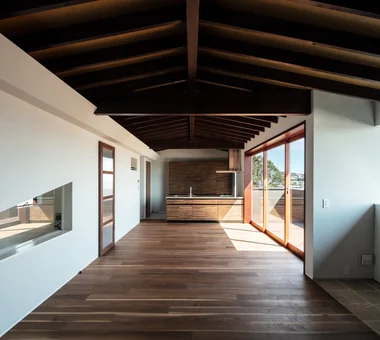
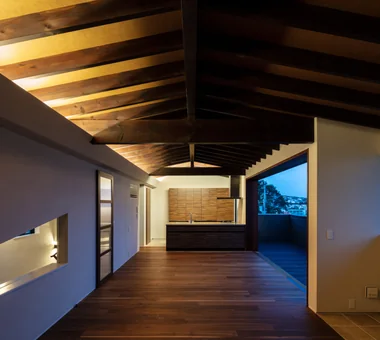
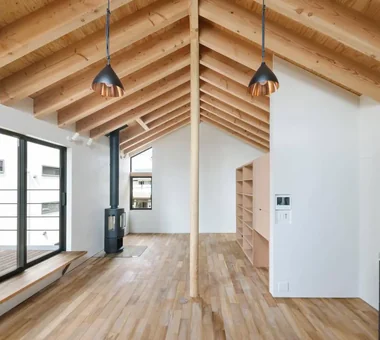
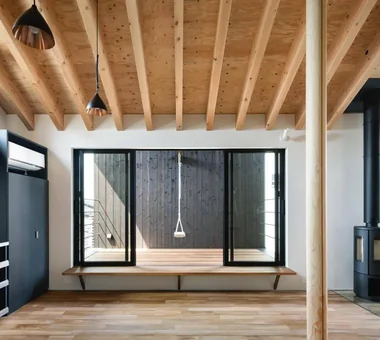
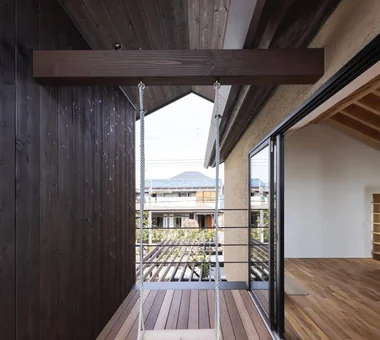
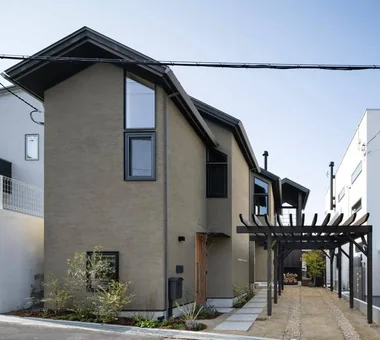
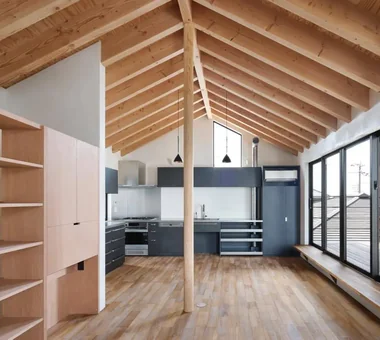
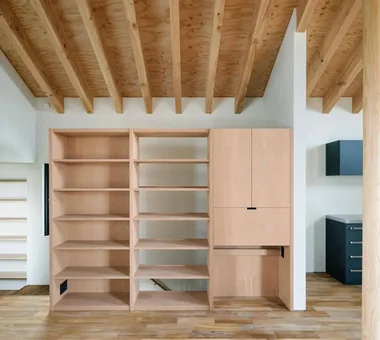
This house questions how a roof should be situated on this site, including how the dwelling should relate to the street. Hipped, gable, single‑sloped, and raised clerestory roofs are layered and connected to envelop the two‑household living. The roof manifests within the interior and the interior is expressed as roof: multifaceted ceilings and deep eaves reflect and absorb light, creating a home of nuanced shadows where light and shade coexist.
House in Toyonaka Midorigaoka
Kumi Inoue Architects
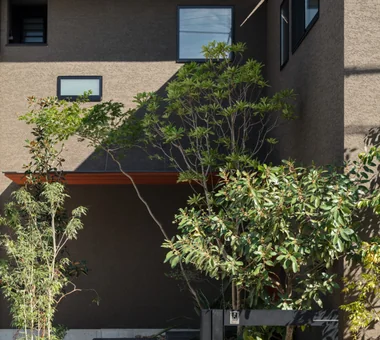
Focusing on the large carports that line suburban streets, this residence arranges house, planting, and garage in parallel. Making use of a long, narrow site with a 9 m frontage and changes in elevation, lower-height private rooms are placed toward the street while an expansive family space is provided at the rear, thereby prioritizing a human-scaled relationship. The garage is covered by a pergola; as clematis and jasmine grow, they form a verdant façade integrated with the house. The project aims to be a home that, over time, nurtures a new landscape within the streetscape.
Uchi no Uchi
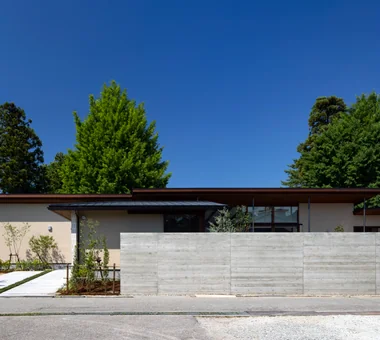
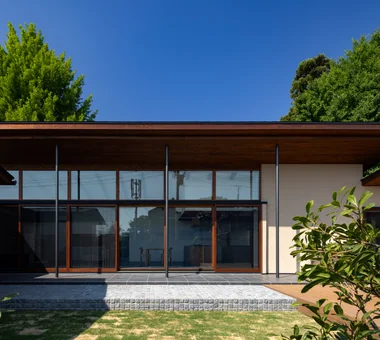
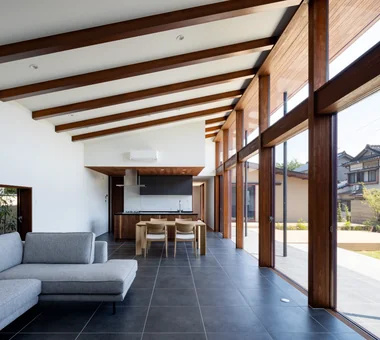
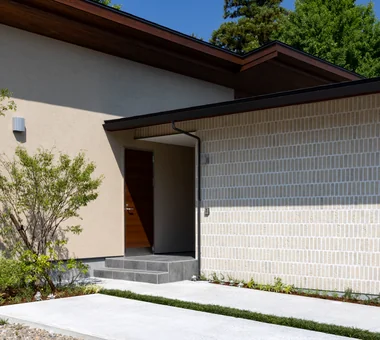
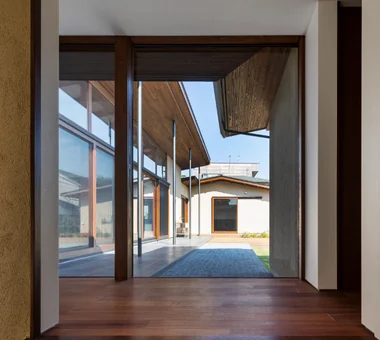
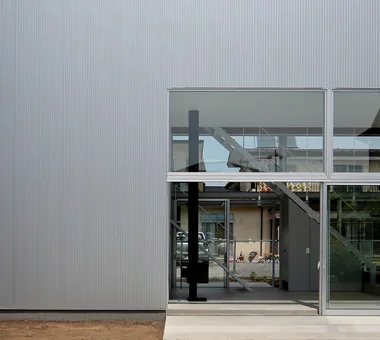
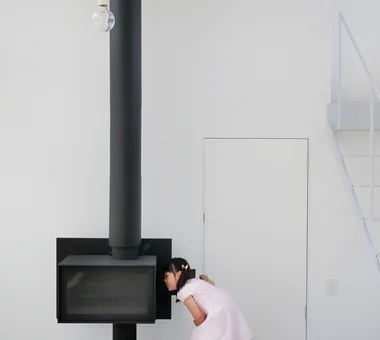
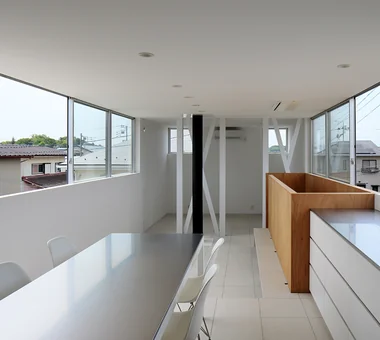
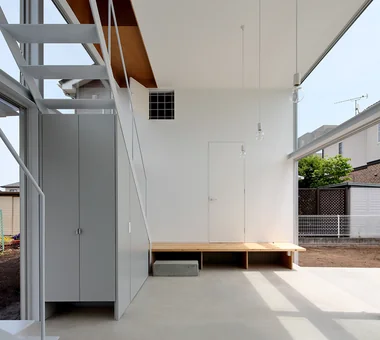
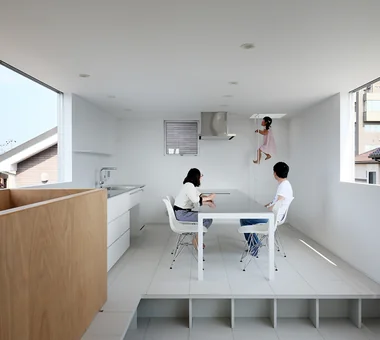
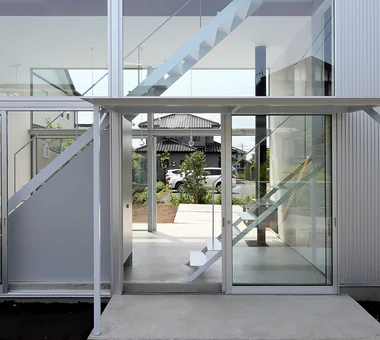
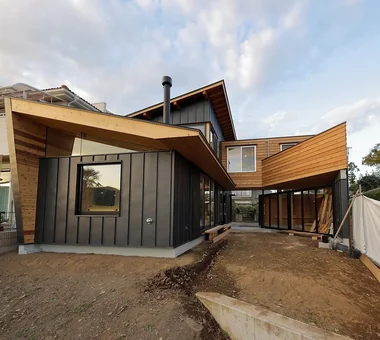
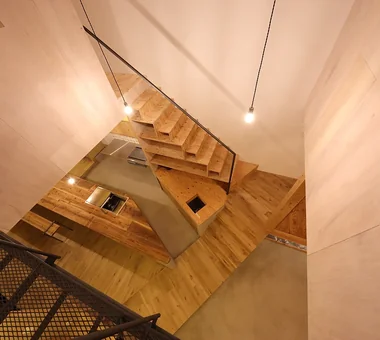
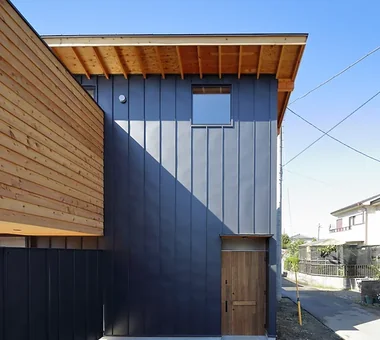
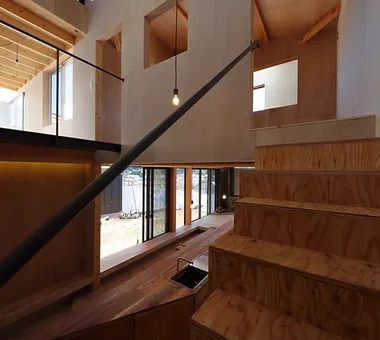
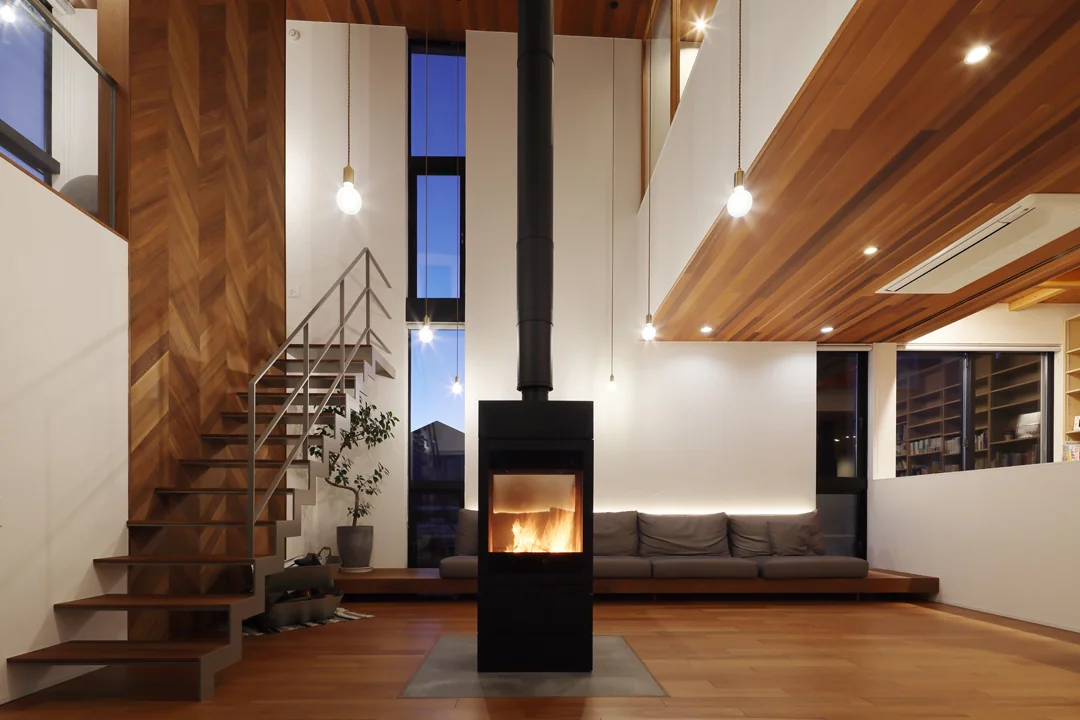
Mitsuhiro Kojima Architects
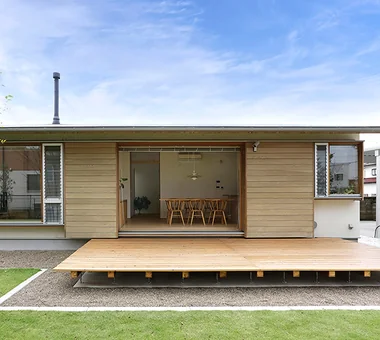
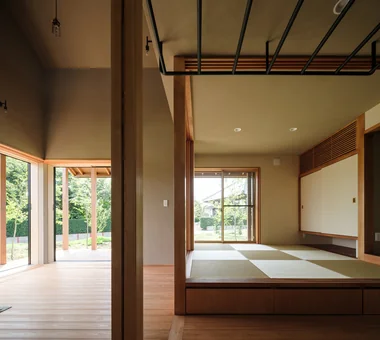
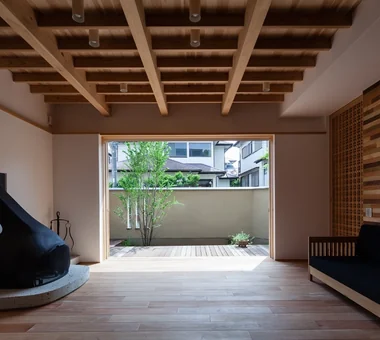
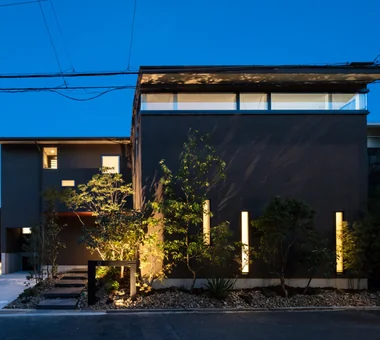
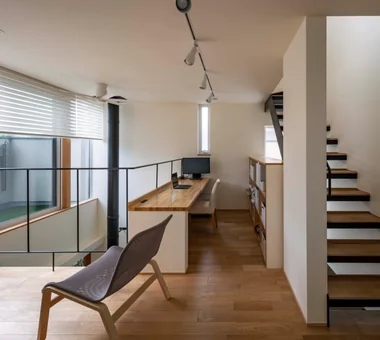
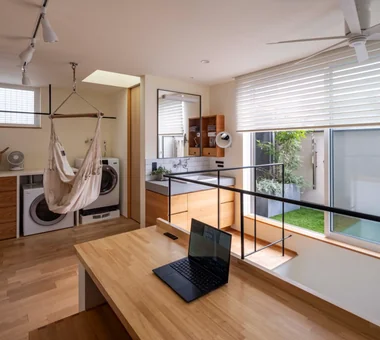
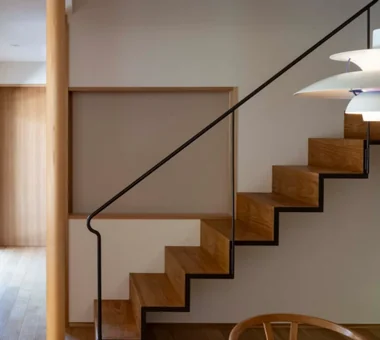
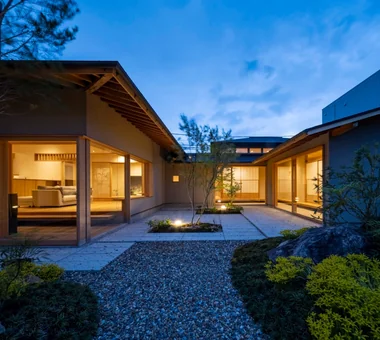
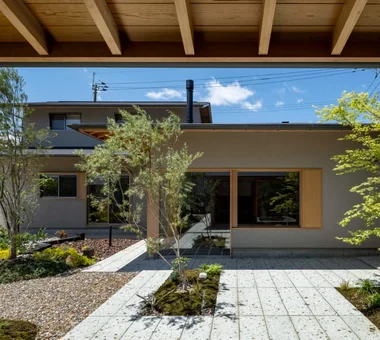
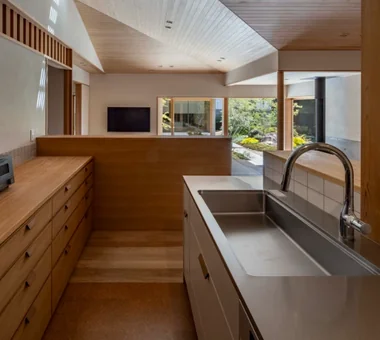
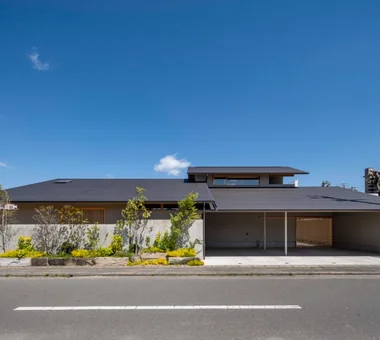
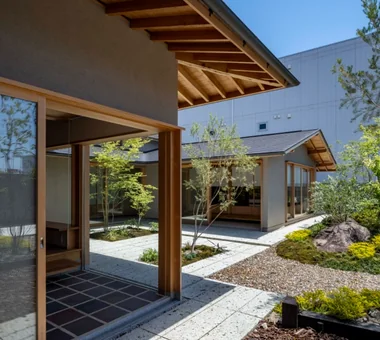
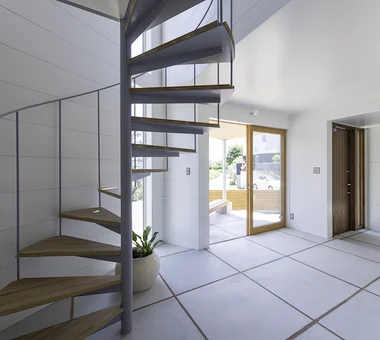
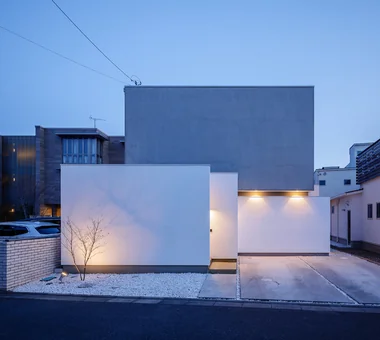
A residence inspired by an environment like a "blank" residual open space where the sky opens widely, located at the back of a densely built residential area. For a family of five who enjoy outdoor play, the aim was to create spaces that connect with the outdoors and the neighborhood while allowing family members to sense one another. Generous gardens are provided to the north and south of the building, and a multipurpose doma space with no predetermined use is positioned at the center. By gently connecting to the gardens and each room, it becomes a place where the family naturally gathers. In addition, by opening to the neighborhood while maintaining an appropriate distance from the road and adjacent properties, the design fosters opportunities for community interaction and simultaneously enhances the richness of both the dwelling and the street.
House in Akigawa
Atelier Cotocoto
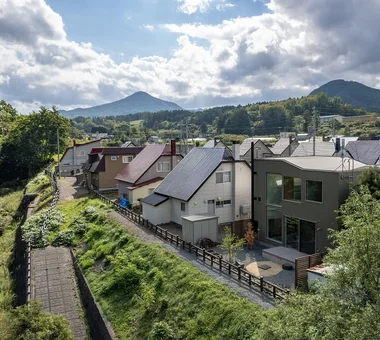
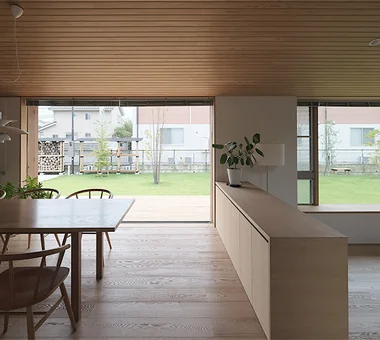
This residence, built on a sloping site overlooking the rich nature of the Akigawa Hills, is a home where everyday living and the outdoors gently blend. Centered on a lawned courtyard, the plan places the main house with a living–dining–kitchen (LDK) and a detached annex containing the wet areas and a garage, creating a composition that keeps nature close at hand. At the center of the space is a five-meter-long dining table with an integrated sink, creating a gathering place for family and friends. The deliberately understated interior leaves room for the occupants to intervene and nurture it themselves. It is a home where both the landscape and daily life mature over time.
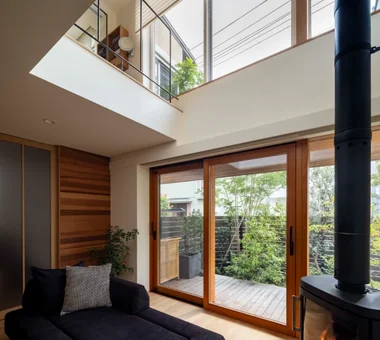
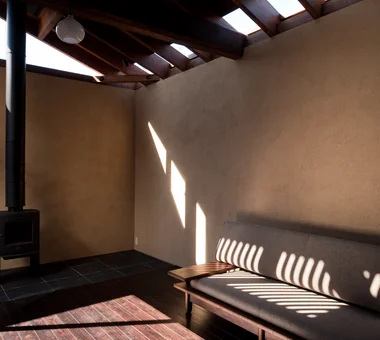
A Residence with a Wood-Burning Stove
Tatsumi Negishi Architectural Studio
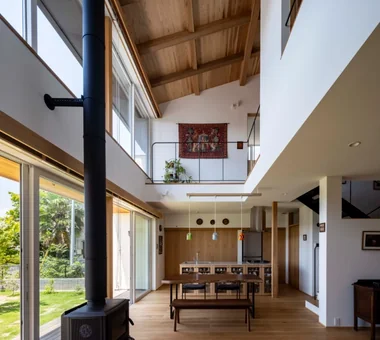
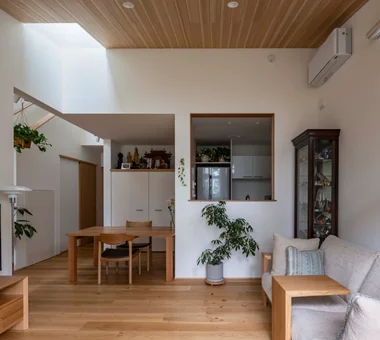
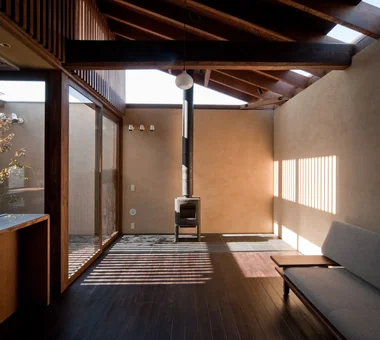
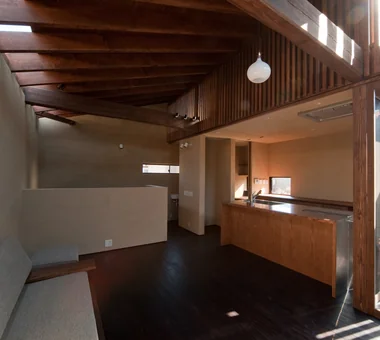
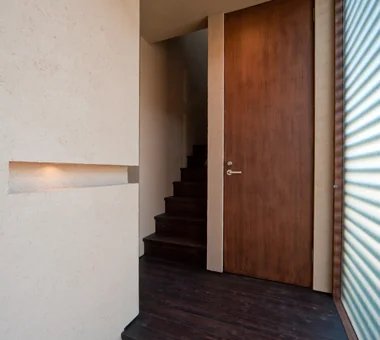
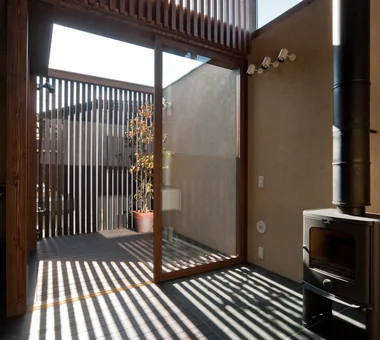
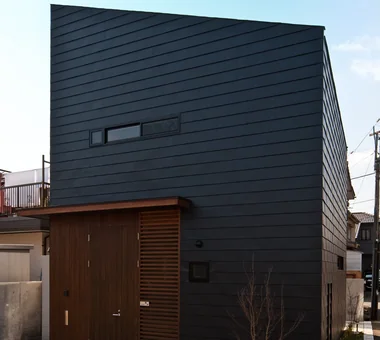
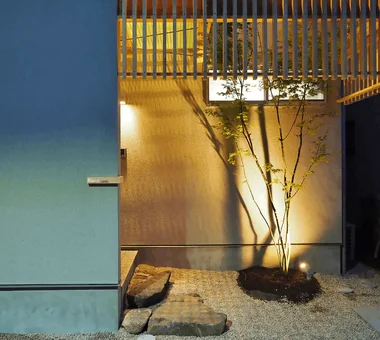
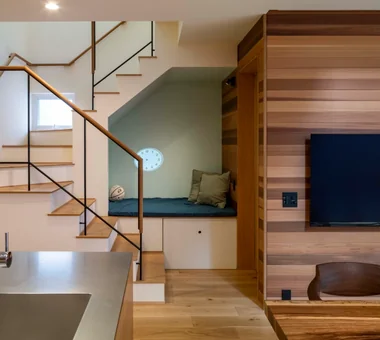
This is a rebuilding project in an area where, due to the elevated railway, a row of "north–south inverted" houses—gardens to the north and buildings pushed to the south—once stood. The previous residence required lighting even during the day and was cold in winter, so a bright, warm living environment was a strong requirement. Within a site of just under 30 tsubo, private spaces are efficiently consolidated while public spaces are afforded generous room. Because neighboring houses are close, soft daylight is introduced through clerestory windows, rooflights, and vertical slatted screens. The kitchen was custom-made by the owner and, though compact, functions efficiently, making daily cooking enjoyable.
-
The Simple House|Key Points for Home Building|Essential Spatial Design: Strategies for Eliminating Excess2026-03-02|Qurasuki Editorial Department -
Stylish Residential Approaches|Key Points for Home Building|A Pleasant Pathway to the Entrance2025-10-20|Qurasuki Editorial Department -
Spiral Staircase|Introduction to Architecture Firms|A Sculptural Centerpiece at the Heart of the Space2026-05-13|Qurasuki Editorial Department -
Outdoor Living|Custom-built homes by architecture firms|An Additional Living Room Where Interior and Exterior Merge2026-05-13|Qurasuki Editorial Department -
A Residence for Relaxation|Case Studies|Incorporating Resort-like Serenity into Everyday Life: A Tranquil Space for Mindful Repose2025-10-13|Qurasuki Editorial Department -
The Simple House|Case Studies|The Sharp, Refined Charm of a Minimalist Home2025-10-13|Qurasuki Editorial Department